For the dedicated hiker, there are trails that merely offer a walk, and then there are those that promise a profound transformation. Australia’s Larapinta Trail unequivocally belongs to the latter category. Stretching 223 kilometres through the rugged heart of the West MacDonnell Ranges in the Northern Territory, this iconic long-distance trek invites adventurers to step into an ancient landscape, a place of vibrant ochre hues, dramatic gorges, and a silence that hums with millennia of history. It is a journey not just across physical terrain, but into the very soul of the Australian outback, demanding resilience, respect, and an open heart.
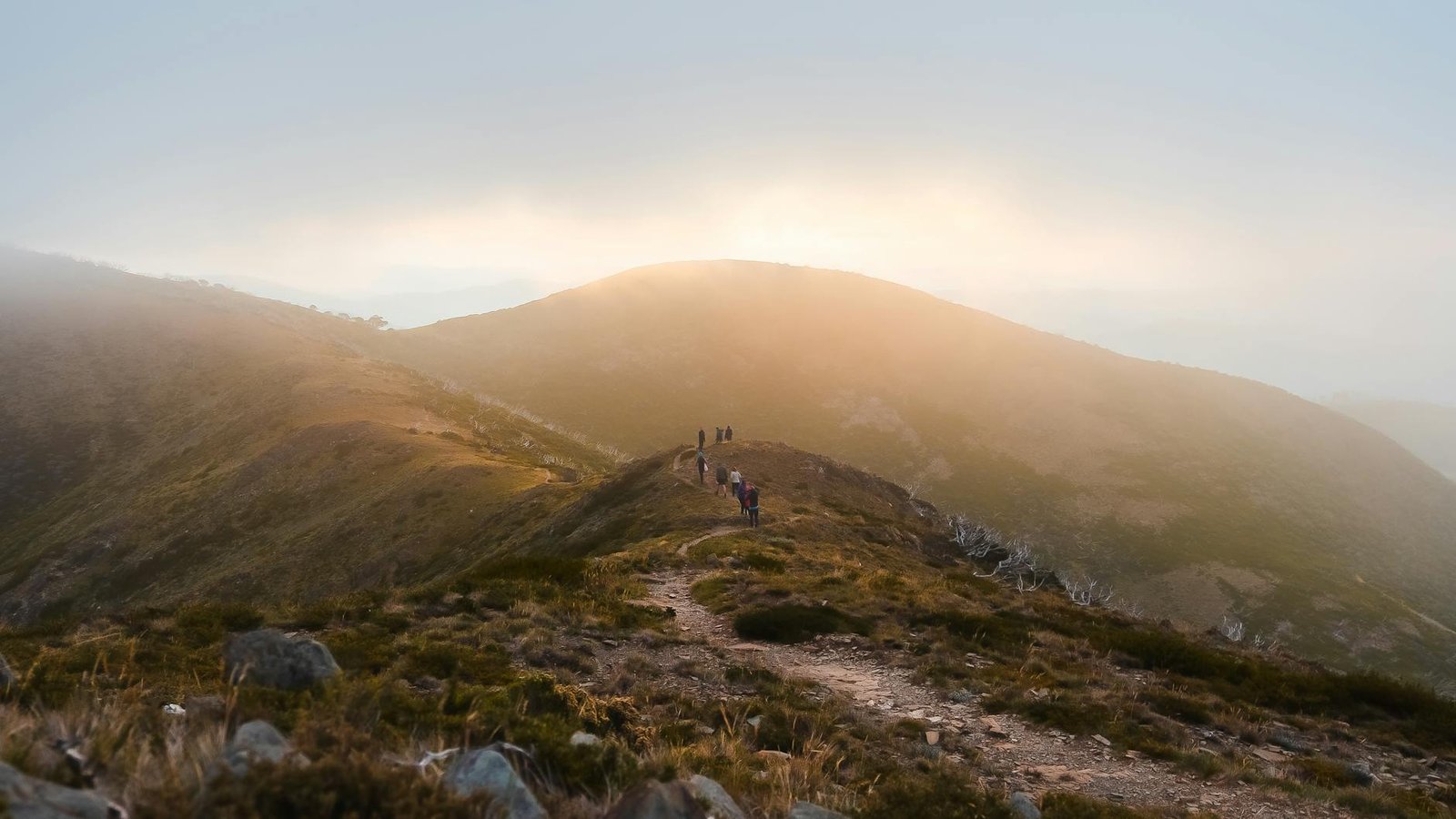
The Larapinta is more than just a series of footsteps; it is an immersive experience. Hikers traverse exposed ridgelines offering panoramic vistas, descend into cool, shaded gorges sheltering permanent waterholes, and navigate sandy riverbeds lined with ghost gums. Each step reveals another layer of a landscape shaped by time, weather, and the rich cultural heritage of the Arrernte people, its traditional custodians. For those contemplating this epic adventure, thorough preparation and an understanding of its unique challenges are paramount to unlocking its unparalleled rewards.
Understanding the Larapinta: A Journey Through Time and Terrain
The Larapinta Trail, officially known as the Western Arrernte Walk, commences at the historic Alice Springs Telegraph Station and concludes atop the majestic Mount Sonder (Rwetyepme), one of the highest peaks in the Northern Territory. Divided into 12 distinct sections, each with varying lengths and difficulty, the trail offers flexibility for hikers to tackle specific segments or undertake the entire thru-hike, typically over 12 to 16 days.
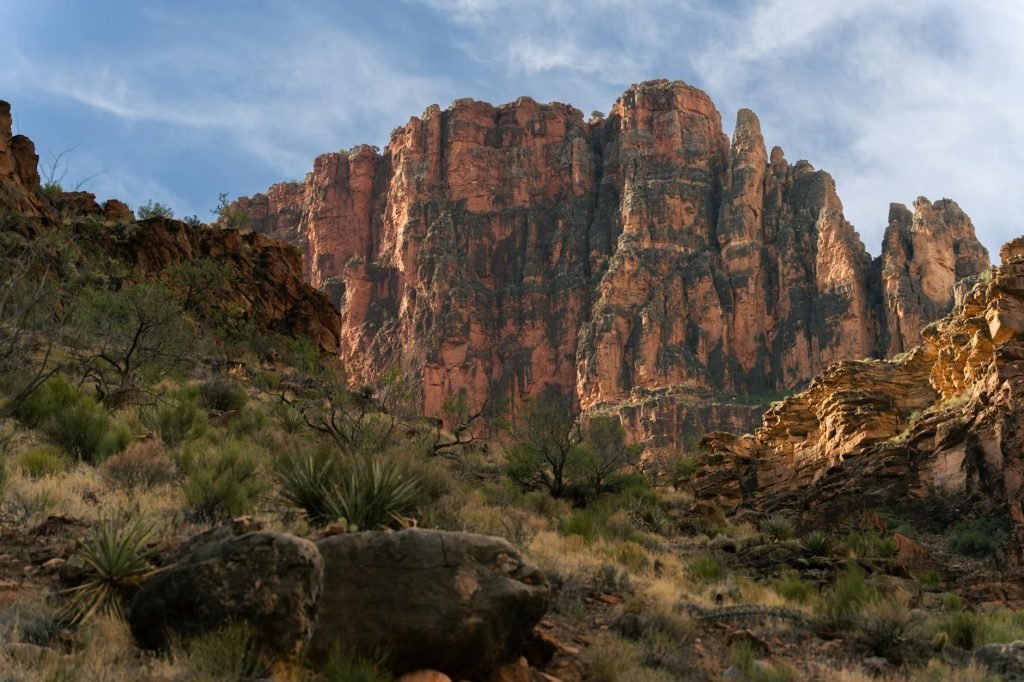
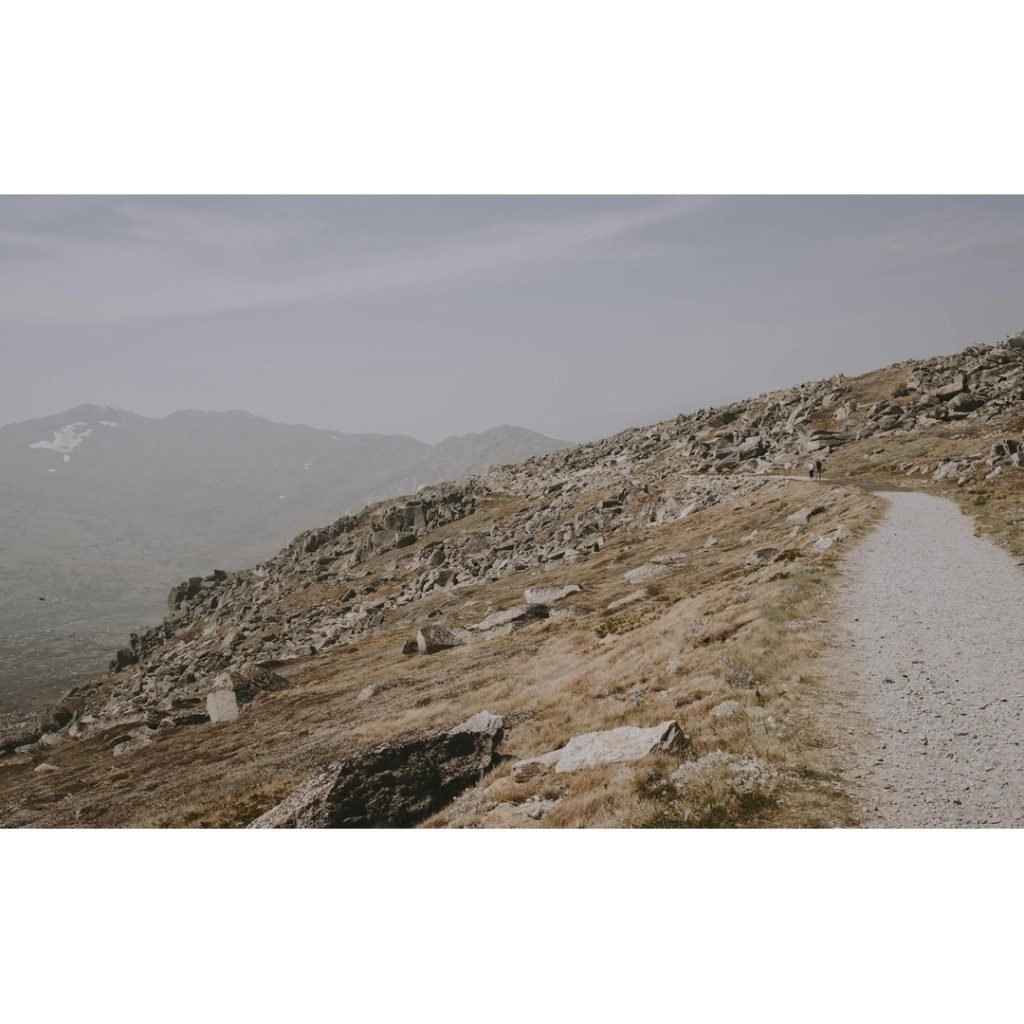
The terrain is remarkably diverse, ranging from relatively flat, sandy stretches to steep, rocky ascents and descents. Hikers will encounter challenging boulder fields, traverse spinifex-covered plains, and navigate the sometimes-dry, sometimes-flowing riverbeds of the Finke River and its tributaries. The geological formations tell a story millions of years old, with dramatic cliffs, quartzite ridges, and ancient seabed fossils revealing the region’s dynamic past.
The ideal time to hike the Larapinta Trail is during the cooler months, from May to August. During this period, daytime temperatures are generally pleasant (20-30°C), though nights can drop below freezing, especially at higher elevations. Hiking outside of these months is strongly discouraged due to extreme summer heat, which poses significant dehydration and heatstroke risks.
The Larapinta Experience: Section by Section Highlights
While every kilometre of the Larapinta holds its own beauty, certain sections are particularly renowned for their unique character and features:
- Section 1 (Alice Springs Telegraph Station to Wallaby Gap): A gentle introduction, this section offers relatively easy walking along undulating terrain, providing hikers with an opportunity to ease into the rhythm of the trail and appreciate the historical significance of the Telegraph Station.
- Section 3 (Jay Creek to Standley Chasm/Angkerle Atweme): This section introduces more challenging climbs and descents, culminating in the breathtaking Standley Chasm. The chasm itself is a spectacular natural formation, particularly vibrant when illuminated by the midday sun.
- Section 4 (Standley Chasm to Birthday Waterhole): Known for its rugged beauty, this section features significant elevation changes and rewarding views from Brinkley Bluff, offering expansive panoramas of the surrounding ranges.
- Section 6 (Ellery Creek Big Hole to Serpentine Gorge): A favourite for many, this section connects two stunning waterholes. Ellery Creek Big Hole is a popular swimming spot, while Serpentine Gorge offers a tranquil, narrow passage.
- Section 8 (Finke River to Ormiston Gorge): Hikers traverse the broad, sandy bed of the Finke River, one of the oldest river systems in the world, before reaching the spectacular Ormiston Gorge, another iconic swimming and geological marvel.
- Section 12 (Redbank Gap to Mount Sonder Summit): The grand finale. This arduous climb to the summit of Mount Sonder is best undertaken in the pre-dawn hours to witness an unforgettable sunrise painting the vast landscape in fiery reds and oranges. It is a truly spiritual experience and a fitting culmination to the journey.
Preparation is Paramount: Mastering the Outback Challenge
Tackling the Larapinta Trail is a serious undertaking that demands meticulous preparation. Success and enjoyment hinge on being physically, mentally, and logistically ready.
Physical Conditioning
Hikers should embark on a dedicated training regimen several months before their trip. This should include long-distance walks with a weighted pack (mimicking trail conditions), hill training, and strength exercises focusing on core and leg muscles. The ability to comfortably walk 15-25 km daily over varied terrain, carrying 15-20 kg, is essential.
Mental Fortitude
The Larapinta can be a mentally challenging trail. Long days, solitude, and the vastness of the landscape require resilience, problem-solving skills, and a positive mindset. Practicing mindfulness and mental endurance can be as important as physical training.
Gear Essentials
Choosing the right gear is critical for comfort and safety. Consider:
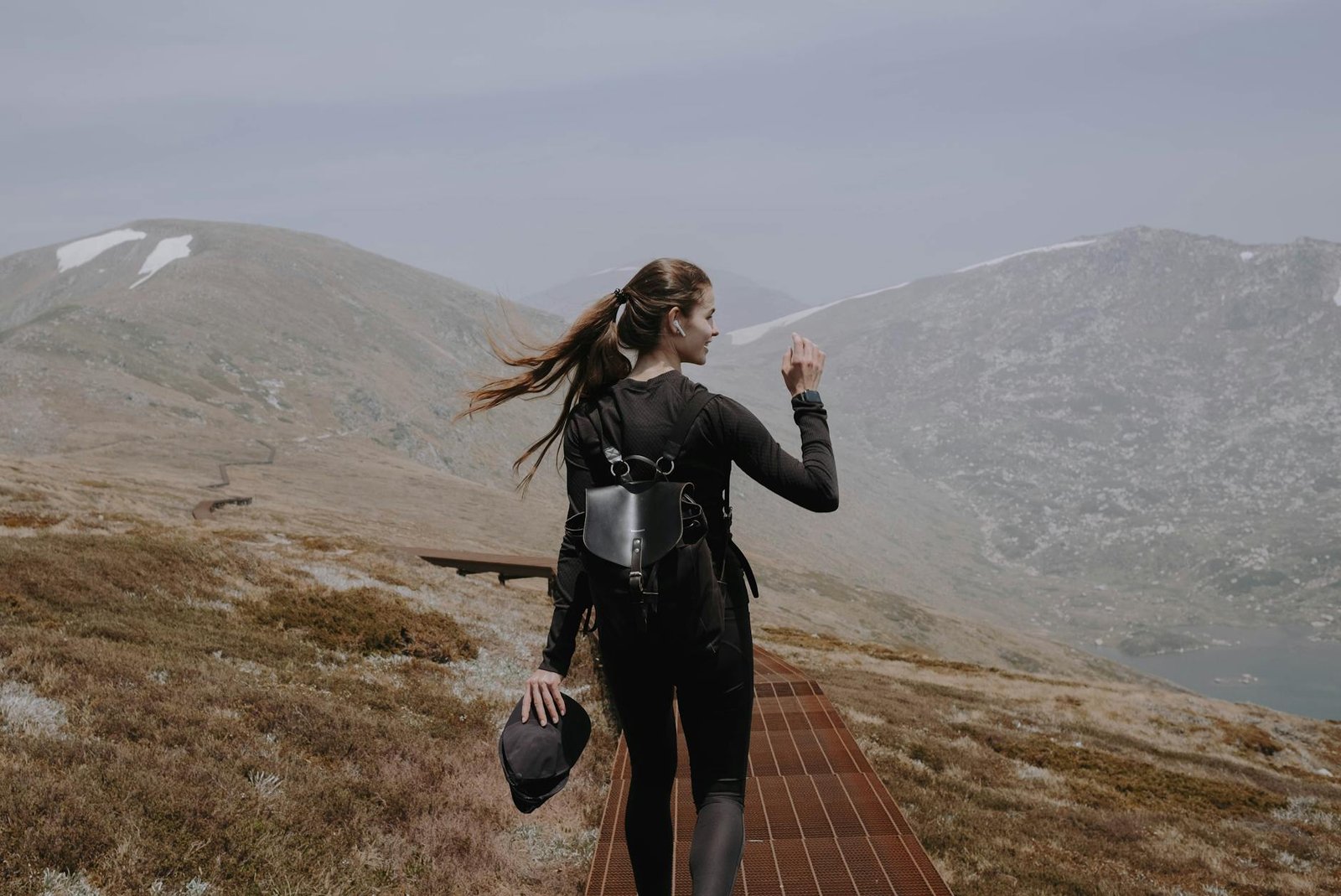
- Backpack: A comfortable, well-fitting pack (60-80 litres) to carry all essentials.
- Sturdy Hiking Boots: Broken-in, ankle-supporting boots are non-negotiable for the rocky terrain.
- Layered Clothing: Lightweight, breathable long-sleeved shirts for sun protection, warm layers (fleece, down jacket) for cold desert nights, and waterproof outer shell.
- Sleeping System: A three-season tent, a sleeping bag rated for 0°C or lower (depending on the month), and an insulated sleeping mat.
- Cooking System: Lightweight stove, fuel, pot, and utensils.
- First-Aid Kit: Comprehensive, including blister treatment, pain relief, antiseptic, snake bite bandage, and personal medications.
- Navigation Tools: Detailed topographical maps, a reliable compass, and a GPS device with offline maps. A Personal Locator Beacon (PLB) or satellite messenger is mandatory.
- Headlamp: With spare batteries, for early morning starts and camp tasks.
- Sun Protection: Wide-brimmed hat, sunglasses, and high SPF sunscreen.
- Water Purification: A quality filter or purification tablets are essential, even for tank water.
- Water Capacity: The ability to carry 5-7 litres of water is often required between resupply points.
Food Planning
Plan meals that are lightweight, high in calories, and non-perishable. Dehydrated meals, nuts, dried fruit, and energy bars are staples. Resupply options are limited to a few points along the trail (e.g., Standley Chasm, Ormiston Gorge, Glen Helen Homestead), requiring careful planning for food drops or postal arrangements.
Water Strategy
Water is the single most critical consideration. While there are water tanks at designated campsites, their reliability can vary, especially late in the season. Always carry sufficient capacity, know the location of every water source, and treat all water before consumption. Never underestimate the desert’s capacity to dehydrate.
Navigating the Ancient Path: Safety in the Wilderness
The Larapinta Trail is generally well-marked with blue arrows and markers, but the remote nature of the outback demands vigilance and preparedness for various safety challenges.
Navigation
While markers are present, they can sometimes be obscured or sparse in certain sections. Hikers must possess strong map and compass skills. A reliable GPS device with pre-loaded maps and waypoints is an invaluable backup. Do not rely solely on electronic devices; physical maps and compasses are essential.
Water Management
As repeatedly stressed, water is life on the Larapinta. Dehydration can quickly become life-threatening. Plan water consumption meticulously, ration if necessary, and always carry more than you think you’ll need. Never pass a water source without topping up your capacity.
Heat & Sun Exposure
Even in cooler months, the sun’s intensity is extreme. Hike during the cooler parts of the day (early morning and late afternoon), seek shade during midday, and protect exposed skin with clothing, hats, and sunscreen. Recognise symptoms of heat exhaustion and heatstroke.
Wildlife Encounters
The Larapinta is home to a variety of wildlife. While most are harmless, hikers should be aware of venomous snakes (which are generally shy and avoid humans), scorpions, and dingoes. Give animals space, make noise when walking to alert snakes, and never feed dingoes.
Emergency Communication
Mobile phone reception is virtually non-existent along most of the trail. A Personal Locator Beacon (PLB) or satellite messenger is a non-negotiable safety item. These devices allow for emergency contact or sending non-urgent messages, providing a crucial lifeline in a remote environment. Always inform a trusted contact of your itinerary and expected return time.
Environmental Stewardship: Treading Lightly on Sacred Ground
Hiking the Larapinta Trail is a privilege, and it comes with a responsibility to protect this fragile and culturally significant landscape. Adhering to Leave No Trace principles is paramount:
- Plan Ahead and Prepare: Minimise waste, understand regulations, and pack appropriate gear.
- Travel and Camp on Durable Surfaces: Stay on marked trails to prevent erosion and protect vegetation. Use designated campsites.
- Dispose of Waste Properly: Pack out everything you pack in, including all food scraps. Bury human waste in a 15-20 cm deep cat hole, at least 60 metres from water sources, trails, and campsites.
- Leave What You Find: Do not disturb rocks, plants, or other natural objects. Respect cultural artefacts and rock art.
- Minimise Campfire Impacts: Use established fire rings where fires are permitted, keep fires small, and ensure they are completely extinguished. Consider using a stove for cooking to reduce fire impact.
- Respect Wildlife: Observe animals from a distance, never feed them, and store food securely to prevent attracting wildlife.
- Be Considerate of Other Visitors: Respect the privacy of others and preserve the tranquility of the wilderness.
The Larapinta Trail traverses traditional Arrernte country. Hikers should approach the landscape with respect for its deep cultural significance, acknowledging the spiritual connection the Arrernte people have with this land for tens of thousands of years.
Personal Insights: A Hiker’s Perspective
For many hikers, the Larapinta Trail is more than just a physical challenge; it is a journey of introspection and profound connection. The silence of the desert is often the first thing that strikes an experienced hiker – a vast, ancient quietude broken only by the whisper of the wind through ghost gums or the distant call of a bird of prey. This solitude, initially daunting for some, often becomes a cherished companion, allowing for deep reflection and a stripping away of the superficial.
The feeling of accomplishment upon reaching the summit of Mount Sonder for sunrise is an experience etched into the memory forever. The world awakens below, a vast canvas of red, orange, and purple stretching to the horizon, a reward that transcends the effort of the climb. Similarly, the unexpected joy of plunging into the cool, clear waters of Ellery Creek Big Hole or Ormiston Gorge after a long, dusty day is an unparalleled luxury, a stark contrast to the arid landscapes.
Hikers often speak of the vibrant colours of the Red Centre – not just the obvious reds of the earth, but the surprising greens of the spinifex, the stark white of the ghost gums, and the brilliant blue of the desert sky. These colours shift dramatically with the light, creating an ever-changing masterpiece. The camaraderie forged with fellow hikers along the way, sharing stories, water, and encouragement, also becomes a treasured part of the experience, reminding one of the shared human spirit of adventure.
Ultimately, the Larapinta Trail offers a unique opportunity to test one’s limits, to reconnect with the raw power of nature, and to gain a deeper appreciation for the ancient heart of Australia. It is a challenge that leaves a lasting imprint, fostering a sense of resilience and an enduring bond with the wild.
Conclusion
The Larapinta Trail stands as a testament to Australia’s untamed beauty and the enduring spirit of adventure. It is a journey that demands respect, meticulous preparation, and a willingness to embrace both challenge and profound reward. For those who answer its call, the trail offers not just an epic hike through a spectacular landscape, but a transformative experience that connects them to an ancient land and to their own inner strength.
If the call of the Red Centre stirs your soul, start planning your Larapinta adventure today. Research, train, prepare, and embark on a trek that promises to be one of the most memorable and inspiring journeys of a lifetime. The ancient heart of Australia awaits.
⚠️ Safety Notice: This content is for informational purposes only. Always consult local guides and operators, verify current conditions, and ensure appropriate skills and certifications before any outdoor activity. DiveBikeHike is not responsible for injuries or incidents.