Few places on Earth offer a cycling experience as raw, exhilarating, and utterly unique as Iceland. Forget manicured trails; here, the landscape itself is the architect of your adventure. For the gravel biking enthusiast, Iceland’s volcanic routes present a challenge and a reward unlike any other – a chance to traverse a land forged by fire and ice, where every pedal stroke takes you deeper into an ancient, untamed wilderness.
From the moment the tires hit the loose, dark gravel, the air crackles with an electric energy. This isn’t just a bike ride; it’s an expedition into the heart of geological drama, a test of endurance, and a profound connection with nature. As Alex Trail, an experienced cyclist, often reminds fellow adventurers, “Iceland doesn’t just offer routes; it offers stories etched in basalt and ash, waiting for you to write your own chapter.”
Embracing the Elemental: Why Iceland for Gravel?
Iceland’s appeal for gravel biking lies in its dramatic contrasts and unparalleled sense of remoteness. The country’s interior, dominated by the Highlands, is a vast, uninhabited expanse of lunar-like terrain, punctuated by active volcanoes, black sand deserts, and vibrant geothermal areas. Unlike many popular bikepacking destinations, the routes here are often unpaved F-roads – rough, gravel tracks that demand respect, resilience, and a spirit of self-sufficiency.
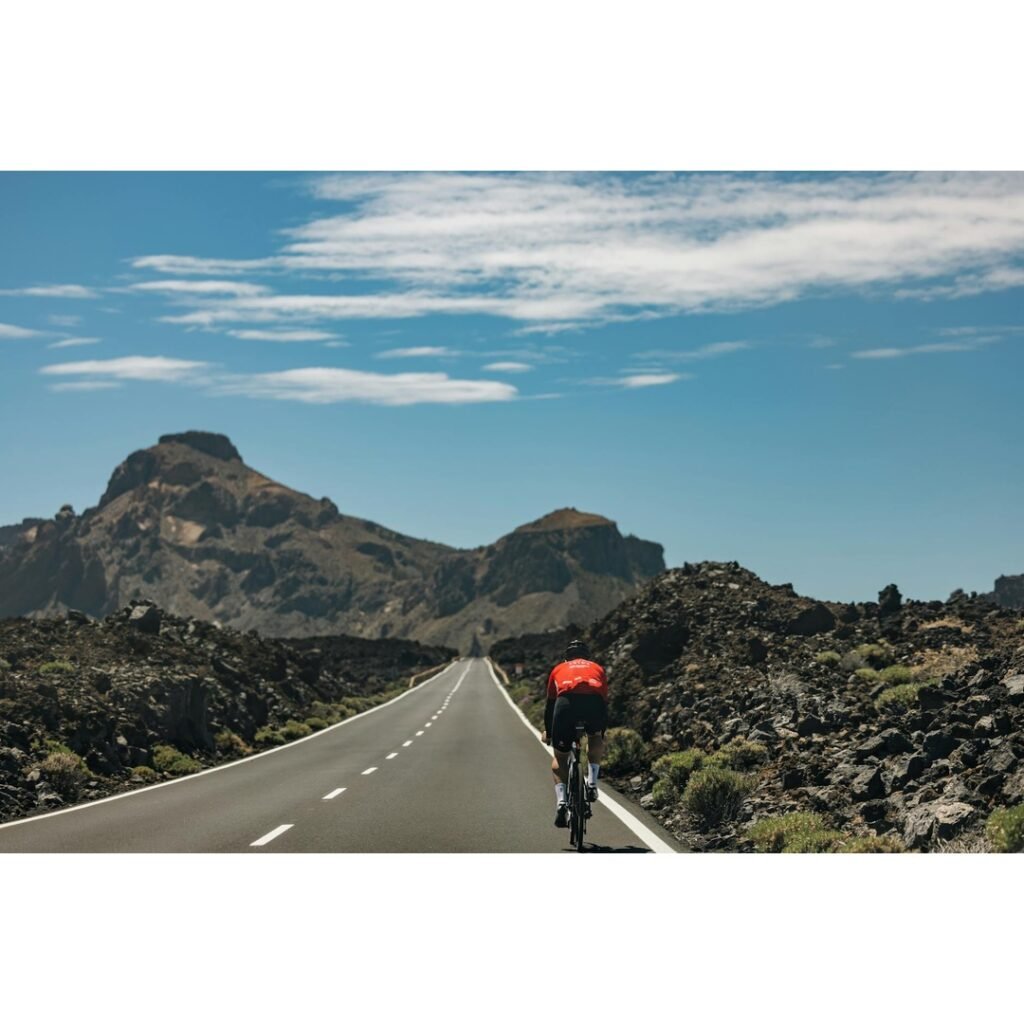
Imagine cycling past steaming vents in Hveradalir, the vibrant rhyolite mountains of Landmannalaugar painting the horizon, or navigating the vast, desolate Sprengisandur plateau, where the only sounds are the wind and the crunch of gravel beneath your wheels. The volcanic bedrock creates a distinct riding surface – a mix of loose pumice, sharp lava rock, and compacted ash – offering a constantly evolving technical challenge. Every climb reveals a panorama that will humble and inspire, every descent a thrill that will leave you breathless.
Navigating Iceland’s Volcanic Tapestry: Iconic Routes
While the Ring Road (Route 1) circles the island, the true gravel adventures lie inland, on the F-roads. These are not for the faint of heart, often requiring river crossings and presenting unpredictable conditions, but the rewards are immeasurable.
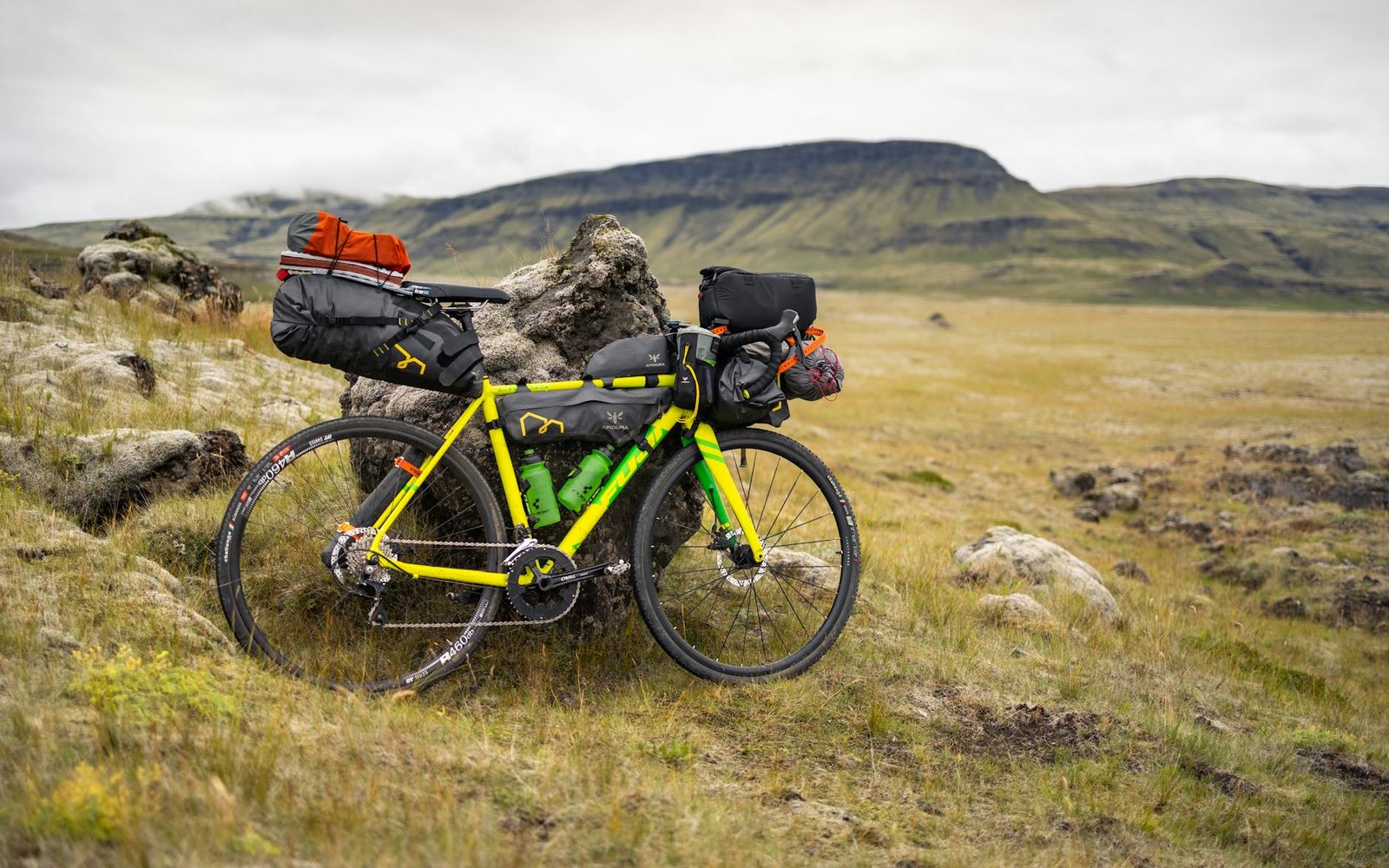
- The Highlands Traverse (F26 Sprengisandur): This legendary route cuts through the very heart of Iceland, connecting the north and south. It’s a multi-day bikepacking expedition, notorious for its remoteness, challenging river crossings, and stark, beautiful landscapes. Expect vast plains of black sand, ancient lava fields, and views of glaciers like Hofsjökull and Langjökull. This route demands meticulous planning and a robust setup.
- Landmannalaugar and the Laugavegur Trail Area: While the Laugavegur itself is a hiking trail, the F-roads leading to and from Landmannalaugar (e.g., F208, F224) offer incredible gravel riding. The vibrant rhyolite mountains, hot springs, and dramatic volcanic formations make this region visually stunning. Riders can explore the surrounding gravel tracks, experiencing the unique geothermal activity firsthand.
- Askja Caldera (F88, F910): For the truly adventurous, a journey to the Askja caldera offers an otherworldly experience. This remote region in the northeast Highlands features a massive collapsed volcano, the stunning Víti crater lake, and desolate moon-like landscapes. The F-roads here are challenging, often requiring multiple river crossings and presenting long stretches of silence and solitude.
- Snæfellsnes Peninsula (Coastal Gravel): While not strictly “Highlands volcanic,” the Snæfellsnes Peninsula offers a different flavor of Icelandic gravel. Its western tip, dominated by the Snæfellsjökull glacier-capped volcano, features rough coastal gravel roads (e.g., F570) that wind past dramatic cliffs, black sand beaches, and charming fishing villages. It’s a fantastic option for a shorter trip or as an introduction to Iceland’s unpaved roads.
- Reykjanes Peninsula (Southwest Volcanic Routes): Close to Keflavík airport, the Reykjanes Peninsula offers accessible volcanic gravel. Explore routes around the Fagradalsfjall eruption sites (where safe and permitted), past geothermal areas like Gunnuhver, and along dramatic coastline. The terrain is often sharp lava rock and compacted ash, providing a taste of the Icelandic challenge without venturing deep into the Highlands.
The Rider’s Arsenal: Gear and Bike Recommendations
Success on Iceland’s volcanic routes hinges significantly on preparation and the right equipment. The conditions are demanding, and self-sufficiency is paramount.
The Bike: Your Steadfast Companion
A robust gravel bike is the ideal choice. Look for:
- Durable Frame: Steel, titanium, or a sturdy aluminum frame will better handle the constant vibrations and potential impacts from sharp lava rock.
- Wide Tires: This is non-negotiable. Alex Trail recommends tires in the 45-50mm range, perhaps even 2.2-inch mountain bike tires if the route is particularly rough (like some F-roads in the Highlands). Tubeless setup is essential to prevent pinch flats from sharp rocks and allows for lower tire pressures for better traction on loose surfaces.
- Low Gearing: Steep, loose climbs are common. A wide-range cassette (e.g., 10-50t or similar) with a small chainring will be your best friend.
- Disc Brakes: Reliable braking is crucial for control on steep, loose descents and in wet conditions.
- Suspension (Optional but Recommended for Rougher Routes): While many tackle Iceland on rigid gravel bikes, a suspension fork with 30-40mm of travel can significantly improve comfort and control on the roughest F-roads, especially during multi-day trips.
Essential Gear: Beyond the Bike
- Layered Clothing: Iceland’s weather is famously fickle. Expect all four seasons in a single day. Pack waterproof and windproof outer layers, insulating mid-layers (fleece, down), and moisture-wicking base layers. Don’t forget waterproof gloves and shoe covers.
- Navigation: A reliable GPS device (Garmin, Wahoo, or similar) pre-loaded with offline maps is critical. A backup power bank is also essential. A physical map and compass are wise backups.
- Satellite Communication Device: For remote areas, a Garmin InReach or similar device for emergency communication and tracking is highly recommended. Cell service is non-existent in much of the Highlands.
- Repair Kit: Comprehensive. Include multiple spare tubes (even with tubeless), tire plugs, a robust pump, tire levers, chain tool, spare chain links, spoke wrench, and various Allen keys.
- First-Aid Kit: Tailored for remote wilderness. Include blister treatment, pain relievers, wound care, and any personal medications.
- Water Filtration: While many rivers are potable, a filter/purifier provides peace of mind. Carry ample water carrying capacity (at least 3-4 liters).
- Food: High-calorie, compact, non-perishable food for the duration of your trip, plus extra for emergencies. Resupply points are scarce.
- Shelter: A sturdy tent rated for three or four seasons, a warm sleeping bag, and an insulated sleeping pad if bikepacking.
- Bike Packing Bags: Frame bags, saddle bags, and handlebar bags distribute weight evenly and keep it low, improving bike handling on rough terrain.
Mastering the Terrain: Training and Technique
Iceland will challenge your physical and mental fortitude. Preparation is key.
Physical Training
- Endurance: Focus on long rides with varied terrain to build stamina.
- Strength: Core strength is vital for bike handling on rough surfaces. Leg strength will help with steep climbs and powering through loose gravel.
- Bike Handling: Practice riding on loose gravel, sand, and rocky trails. Develop comfort with your bike’s handling at slower speeds and over obstacles.
Riding Techniques for Volcanic Gravel
- Loose Gravel: Maintain a relaxed grip on the handlebars. Keep your weight slightly back and centered. Avoid sudden movements. Let the bike float a little beneath you. Lower tire pressure (within safe limits) will increase traction.
- River Crossings: This is a quintessential Icelandic experience.
- Assess: Always check depth and current before crossing. If it looks too deep or fast, don’t risk it.
- Unclip: Unclip both feet and be ready to dab.
- Walk or Ride: For deeper or faster crossings, it’s often safer to walk your bike. For shallower, slower crossings, riding can be an option. Keep a low gear, maintain momentum, and look ahead, not down at your front wheel.
- Protect Electronics: Always keep electronics and valuables in waterproof bags.
- Lava Fields: These often feature sharp, jagged rocks. Choose your lines carefully to avoid punctures and rim damage. Keep your eyes up and anticipate the terrain.
- Wind: Expect strong headwinds and crosswinds. Stay aerodynamic, use your core to maintain stability, and be prepared to battle for every meter.
Practicalities and Planning: Your Icelandic Expedition
Meticulous planning is not just advisable; it’s essential for a safe and enjoyable trip.
- Permits and Restrictions: Some areas, especially in the Highlands, may have specific regulations or require permits for vehicle access (including bikes in some cases, though less common for bikes than 4x4s). Always check the latest information from the Icelandic Road and Coastal Administration (IRCA) and local park authorities. Respect closures.
- Season: The prime season for Highlands gravel biking is typically July and August, when F-roads are open and river levels are generally lower. Even then, snow and adverse weather are possible. Early June and September can offer stunning landscapes but with increased risk of cold, wet conditions and closed roads.
- Emergency Preparedness: Share your itinerary with someone reliable. Have a clear emergency plan. Know how to use your satellite communication device.
- Environmental Responsibility: Iceland’s nature is fragile. Stick to marked trails and roads. Do not litter. Pack out everything you pack in. Respect wildlife. Leave no trace.
- Water and Food Resupply: Plan your route meticulously around any potential resupply points (gas stations, small stores at campgrounds). These are few and far between in the Highlands.
Alex Trail often recounts a moment deep in the Sprengisandur, battling a relentless headwind, when the sheer scale of the landscape truly hit. “It was just us, the bike, and this ancient, breathing land. The challenge felt immense, but so did the privilege of being there. It’s an experience that strips away the superfluous and leaves you with pure, unadulterated adventure.”
Conclusion: Your Icelandic Gravel Odyssey Awaits
Gravel biking in Iceland’s volcanic routes is more than just a ride; it’s an odyssey. It’s a journey into a land of extremes, where the raw power of nature is constantly on display. It will test your limits, push your boundaries, and reward you with memories that will last a lifetime.
The stark beauty, the challenging terrain, the profound solitude – these are the hallmarks of an Icelandic gravel adventure. Prepare diligently, embrace the unpredictable, and ride with respect for this incredible environment. The volcanic frontier awaits your tire tracks, ready to offer an unparalleled cycling experience.
Are you ready to answer the call of the caldera? Start planning your Icelandic gravel epic today and join the ranks of those who have truly conquered the elemental heart of the North!
⚠️ Safety Notice: This content is for informational purposes only. Always consult local guides and operators, verify current conditions, and ensure appropriate skills and certifications before any outdoor activity. DiveBikeHike is not responsible for injuries or incidents.