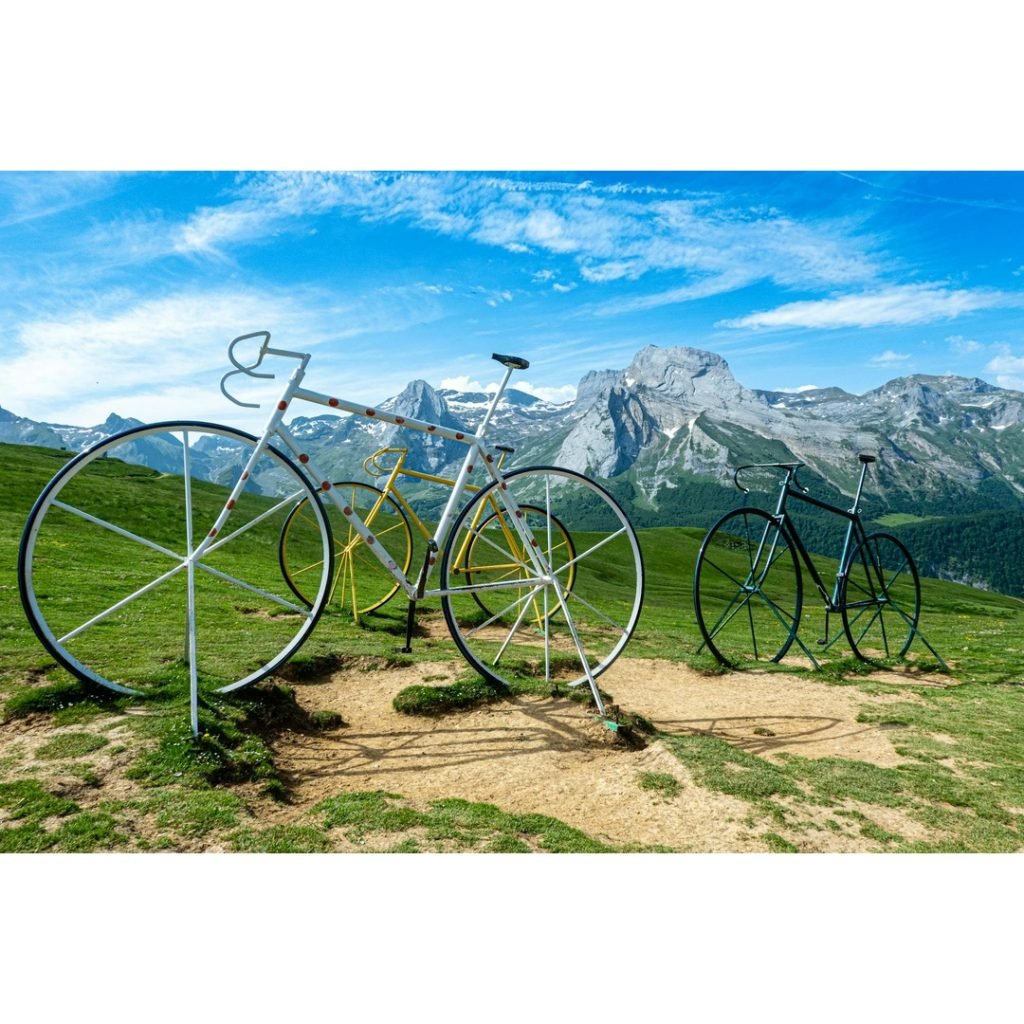
For many cycling enthusiasts, the French Alps represent the pinnacle of ambition, a majestic playground where legendary climbs meet breathtaking panoramas. It’s a place where every pedal stroke earns a view, and every descent is a reward. The allure of the Alps isn’t just in the physical challenge, but in the profound connection forged with the landscape, the rich cycling history, and the vibrant culture of the mountain villages. This guide, drawing on the wisdom of experienced cyclists like Alex Trail, aims to equip riders with the knowledge to transform that dream into an unforgettable reality.
Why the French Alps? A Cyclist’s Dream Destination
The French Alps are more than just mountains; they are a living museum of cycling history, etched with the triumphs and struggles of generations of riders. The region boasts an unparalleled combination of factors that make it a premier bike touring destination:
- Iconic Climbs: Names like Alpe d’Huez, Col du Galibier, Col de l’Iseran, and Col de la Madeleine resonate with a mythical quality. These are not just roads; they are proving grounds, each offering a unique challenge and a story to tell.
- Route des Grandes Alpes: This legendary route spans over 700 kilometers, connecting Lake Geneva to the Mediterranean Sea, traversing 17 major mountain passes. It’s the ultimate multi-day touring experience, offering a continuous feast for the eyes and the legs.
- Stunning Scenery: Beyond the climbs, the Alps deliver dramatic landscapes – jagged peaks, serene valleys, turquoise lakes, and charming villages clinging to hillsides. Every turn reveals a new vista more spectacular than the last.
- Rich Cycling Culture: The French embrace cycling, and the infrastructure reflects it. Roads are generally well-maintained, and motorists are often respectful of cyclists. Cafes and bakeries abound, perfect for refuelling stops.
Crafting the Perfect Itinerary: Route Planning Essentials
Planning is paramount for a successful Alpine adventure. The French Alps offer routes for every ambition, from a challenging long weekend to an epic multi-week expedition. Consider these factors when mapping out a journey:
- Duration and Difficulty: Determine how many days are available and the desired daily mileage and elevation gain. A shorter trip might focus on a specific area like the Oisans region (Alpe d’Huez, Col de la Croix de Fer), while a longer tour could tackle the full Route des Grandes Alpes.
- Key Regions:
- Savoie & Haute-Savoie: Home to giants like Galibier, Iseran, Madeleine, and the Aravis passes. Ideal for those seeking high-altitude challenges.
- Oisans: Centered around Bourg d’Oisans, this area is a mecca for climbers with Alpe d’Huez, Glandon, and Croix de Fer within easy reach.
- Southern Alps (Alpes-Maritimes, Alpes-de-Haute-Provence): Offers a slightly different character with passes like Col de la Bonette (Europe’s highest paved road) and a gentler transition towards the Mediterranean.
- Flexibility: Build in rest days or shorter stages. The mountain weather can be unpredictable, and fatigue can set in. Having contingency plans allows for adaptation.
- Navigation: A reliable GPS device (e.g., Garmin, Wahoo) pre-loaded with routes is essential. Always carry a power bank and, for peace of mind, a physical map as a backup. Share your route with someone before setting off.
The Right Machine: Bike & Gear Considerations
The bike and gear chosen can significantly impact the touring experience. Preparation here is key to comfort, safety, and enjoyment.
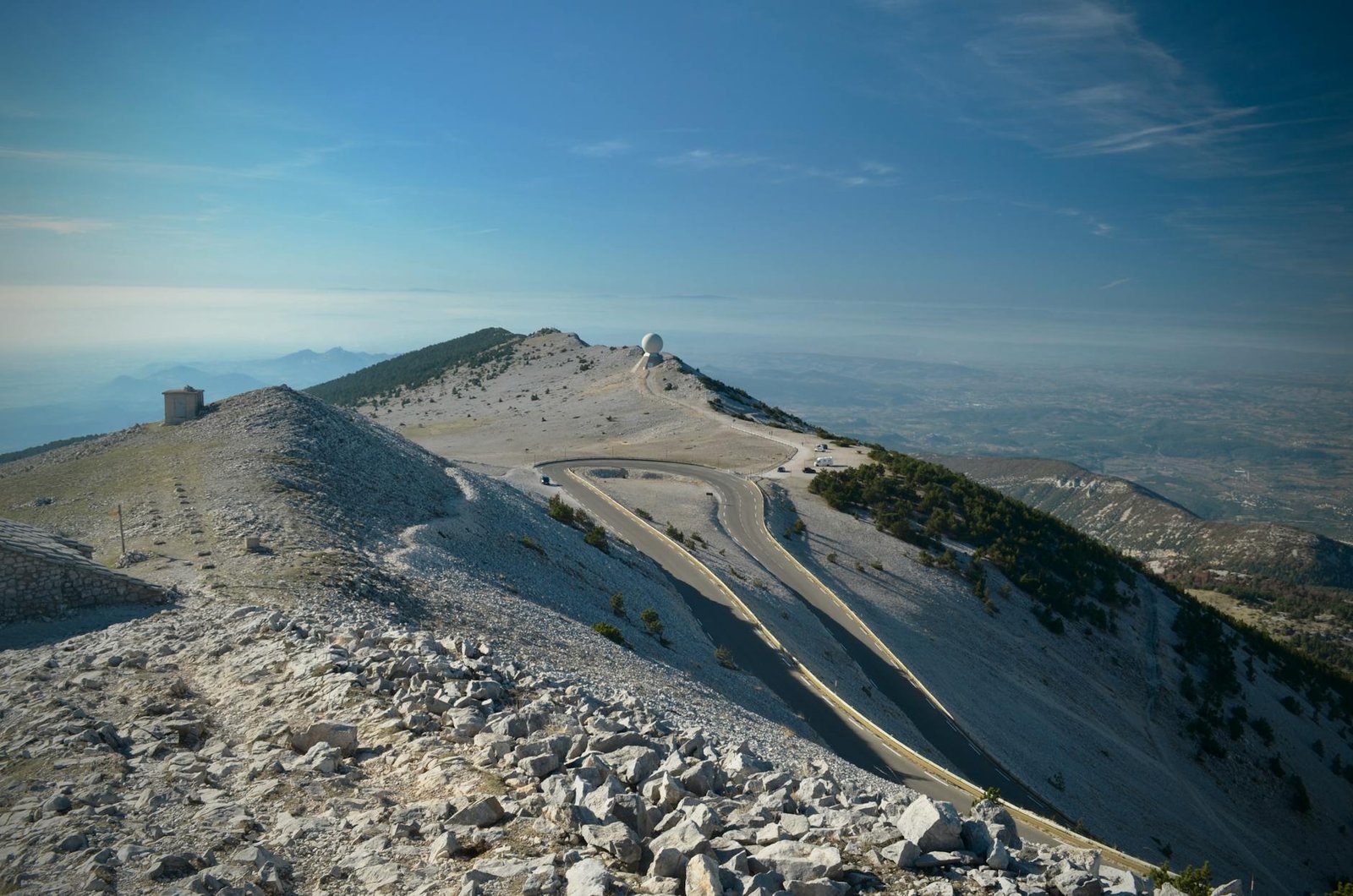
Bike Type & Technical Insights
While a lightweight road bike is ideal for climbing, an endurance road bike or a gravel bike might offer more comfort and versatility for touring. Consider these technical aspects:
- Gearing: This is arguably the most critical technical consideration. A compact crankset (50/34 teeth) paired with a wide-range cassette (11-32t, 11-34t, or even 11-36t) is highly recommended. This lower gearing allows riders to maintain a higher, more comfortable cadence on steep, sustained climbs, conserving energy and reducing strain. As experienced riders understand, it’s about “spinning to win” rather than grinding.
- Brakes: Disc brakes offer superior stopping power and modulation, especially crucial on long, steep descents where rim brakes can overheat and fade. This provides significant confidence and safety.
- Tires: Opt for wider tires (28-32mm) with some puncture protection. They offer more comfort, better grip, and reduced risk of flats on varied road surfaces.
- Bike Packing vs. Support: Decide whether to carry all gear on the bike (bike packing bags) or use a support vehicle/luggage transfer service. Bike packing offers ultimate freedom but adds weight; support allows for a lighter bike and more focus on riding.
Essential Gear List (General)
- Clothing: Layering is crucial. Multiple padded cycling shorts, base layers, short-sleeve and long-sleeve jerseys, arm/leg warmers, a lightweight wind vest, a waterproof and breathable rain jacket, and off-bike casual clothes.
- Safety: A well-fitting helmet is non-negotiable. Front and rear lights (even for daytime visibility), reflective elements, and a small first-aid kit.
- Tools & Spares: Multi-tool, spare tubes, tire levers, patch kit, mini-pump or CO2 inflator, chain lube, and zip ties. Consider a spare derailleur hanger.
- Hydration & Nutrition: At least two large water bottles. Energy bars, gels, and recovery snacks. Plan to refill water frequently.
- Navigation: GPS device, phone with mapping apps, power bank, charging cables.
- Personal Items: Sunscreen (high factor), sunglasses, chamois cream, toiletries, prescription medications.
Conquering the Cols: Training & Technique
The Alps demand respect and preparation. Both physical training and refined technique will make the experience far more enjoyable.
Training for the Mountains
- Sustained Climbing: Focus on long, steady efforts on local hills. Incorporate hill repeats and tempo rides to build climbing endurance.
- Strength Training: Core strength is vital for stability and power transfer. Incorporate exercises like planks, squats, and lunges.
- Endurance: Regular long rides (3-5 hours) on varied terrain will build the aerobic base needed for multi-day touring.
- Mental Preparation: Visualise the climbs, break them down into manageable segments, and practice positive self-talk. The mental game is as important as the physical.
Climbing & Descending Technique
- Climbing:
- Pacing: Start conservatively. The Alps are a marathon, not a sprint. Conserve energy in the early kilometers.
- Cadence: Aim for a high, comfortable cadence (70-90 RPM). This reduces strain on muscles and joints.
- Body Position: Hands on the hoods, a slight lean forward to engage the glutes and core. Occasionally stand out of the saddle to stretch and engage different muscle groups.
- Hydrate & Fuel: Drink small amounts frequently and eat regularly to avoid bonking.
- Descending:
- Brake Control: Feather the brakes, don’t drag them. Use both front and rear brakes simultaneously for optimal control. Look ahead and anticipate turns.
- Body Position: Lower the center of gravity by dropping the saddle slightly (if possible) and bending elbows and knees. Keep the outside pedal down in turns, weighting it for stability.
- Road Awareness: Watch for gravel, potholes, sudden changes in road surface, and oncoming traffic.
- Relax: Avoid gripping the handlebars too tightly. A relaxed upper body allows the bike to move beneath you.
The Alex Trail Experience: Insights from the Saddle
The Alps deliver an incredible spectrum of emotions and experiences. The feeling of cresting the Galibier, for instance, after grinding up its relentless slopes, is an experience etched into the memory of any rider who has tackled it. The panoramic views, the thin mountain air, and the sheer accomplishment create a powerful sense of euphoria. The quiet satisfaction of tracing the ribbon of asphalt that winds down the Col de l’Iseran, feeling the wind rush past, is a reward earned through every challenging climb.
These journeys are rarely without their moments of profound challenge. We’ve all been there – pushing through the last few kilometers of a particularly brutal climb, legs screaming, questioning every life choice that led to this moment. But it’s in those moments of pushing past perceived limits that true growth occurs. And the shared camaraderie with fellow cyclists on the road, a nod, a smile, a shared struggle, amplifies the sense of adventure.
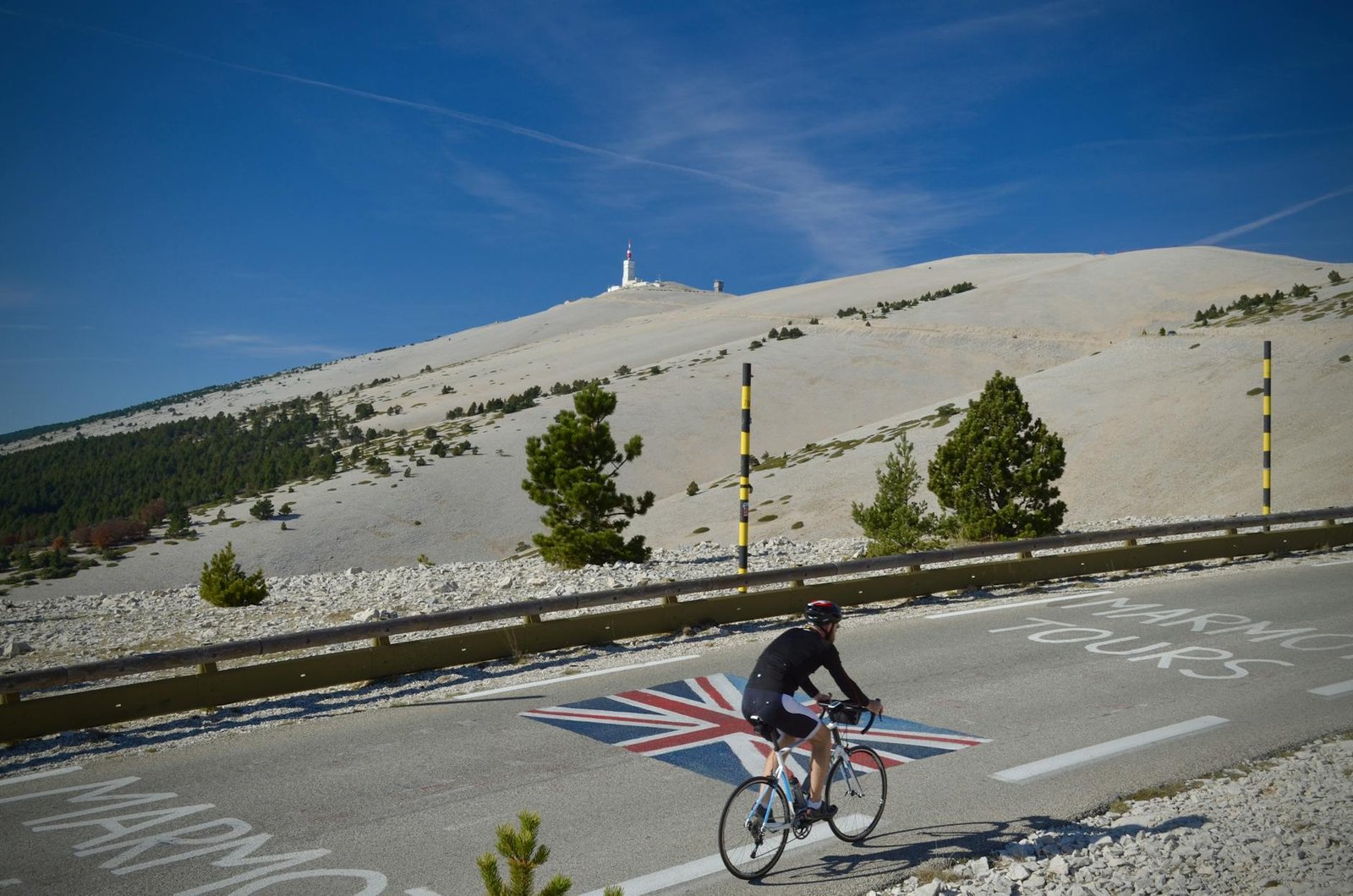
Beyond the riding, the simple pleasures are often the most memorable: the taste of a freshly baked baguette and a strong coffee in a sun-drenched village square after a challenging morning ride, the crisp mountain air at dawn, or the vibrant colours of a sunset painting the peaks. The unpredictability of Alpine weather, from glorious sunshine to sudden thunderstorms, is a constant reminder to be prepared for anything, adding another layer to the adventure.
Practical Tips for a Smooth Tour
- Accommodation: Book ahead, especially during peak season (July-August). Options include hotels, gîtes d’étape (cyclist-friendly hostels), chambres d’hôtes (B&Bs), and campsites.
- Food & Drink: Stay hydrated and refuel frequently. Embrace local cuisine; hearty French meals are perfect for recovery. Bakeries are invaluable for quick, delicious energy.
- Weather: Check mountain forecasts daily. Be prepared for significant temperature swings between valleys and summits, and for sudden rain or even snow on high passes, even in summer.
- Language: While many in tourist areas speak English, learning a few basic French phrases (hello, goodbye, please, thank you, water, food) will enhance the experience.
- Safety: Ride defensively, be visible, and always inform someone of your planned route. Carry a fully charged phone.
- Insurance: Ensure comprehensive travel insurance that covers cycling activities and potential medical emergencies.
- Rest Days: Don’t underestimate the importance of rest. They allow for physical recovery and an opportunity to explore the local culture and scenery without the bike.
The Alps Await Your Wheels
Bike touring the French Alps is more than just a cycling trip; it’s an odyssey. It’s an opportunity to test limits, forge memories, and immerse oneself in one of the world’s most spectacular landscapes. The challenges are real, but the rewards—the breathtaking views, the sense of accomplishment, and the profound connection with nature—are immeasurable.
Start planning that dream adventure today. Research the routes, prepare the gear, train the body, and open the mind to an experience that will redefine what’s possible on two wheels. The legendary cols and stunning vistas of the French Alps are waiting to be conquered.
⚠️ Safety Notice: This content is for informational purposes only. Always consult local guides and operators, verify current conditions, and ensure appropriate skills and certifications before any outdoor activity. DiveBikeHike is not responsible for injuries or incidents.