There are places on Earth that don’t just ask to be visited, they demand to be experienced. Banff National Park is unequivocally one of them, and for the cycling enthusiast, it represents a canvas of unparalleled beauty and exhilarating challenge. Imagine the crisp mountain air filling your lungs, the towering peaks of the Canadian Rockies piercing an impossibly blue sky, and the rhythmic hum of your tires on the asphalt as you carve through landscapes that defy description. This is the promise of cycling in Banff.
For Alex Trail, an experienced cyclist with countless miles logged across varied terrains, Banff holds a special place. Alex often describes it as the ultimate playground, where every pedal stroke brings a fresh vista, a new challenge, or a serene moment of connection with nature. Whether seeking a leisurely spin past turquoise lakes or a lung-busting climb to an alpine summit, Banff delivers. This comprehensive guide, infused with Alex’s insights, aims to equip riders with the knowledge and inspiration to embark on their own unforgettable two-wheeled adventure in this majestic national park.
Embracing the Ride: Banff’s Diverse Cycling Tapestry
Banff National Park boasts a remarkable variety of routes, catering to every skill level and preference. From paved paths perfect for families to demanding mountain passes that test the mettle of seasoned climbers, the options are as varied as the landscapes themselves. The key is understanding what each route offers and preparing accordingly.
Gentle Glides & Scenic Strolls: Perfect for Starters and Serenity Seekers
Vermilion Lakes Road
Just minutes from the town of Banff, the Vermilion Lakes Road offers a tranquil escape and an ideal warm-up ride. This approximately 4.3 km (2.7 miles) out-and-back paved road is mostly flat, making it perfect for families, beginners, or those simply seeking a relaxed spin with breathtaking views. The road meanders alongside the Vermilion Lakes, providing iconic reflections of Mount Rundle, especially at sunrise or sunset. Alex often recommends this route for its abundant wildlife viewing opportunities – keep an eye out for elk, deer, and a variety of bird species. It’s a gentle introduction to Banff’s beauty, setting a peaceful tone for the adventures ahead.
Tunnel Mountain Drive
Another excellent option for a shorter, scenic ride is Tunnel Mountain Drive. This 9 km (5.6 miles) loop features a modest, gradual climb up Tunnel Mountain, rewarding riders with panoramic views of the Bow Valley, Mount Rundle, and the town of Banff. The road is paved and generally quiet, offering a pleasant challenge without being overly strenuous. Alex suggests taking a moment at the various viewpoints to soak in the majesty of the surroundings. The descent is exhilarating but manageable, making for a satisfying loop.
The Classic Cruisers & Moderate Marvels: Intermediate Adventures
Bow Valley Parkway (Highway 1A)
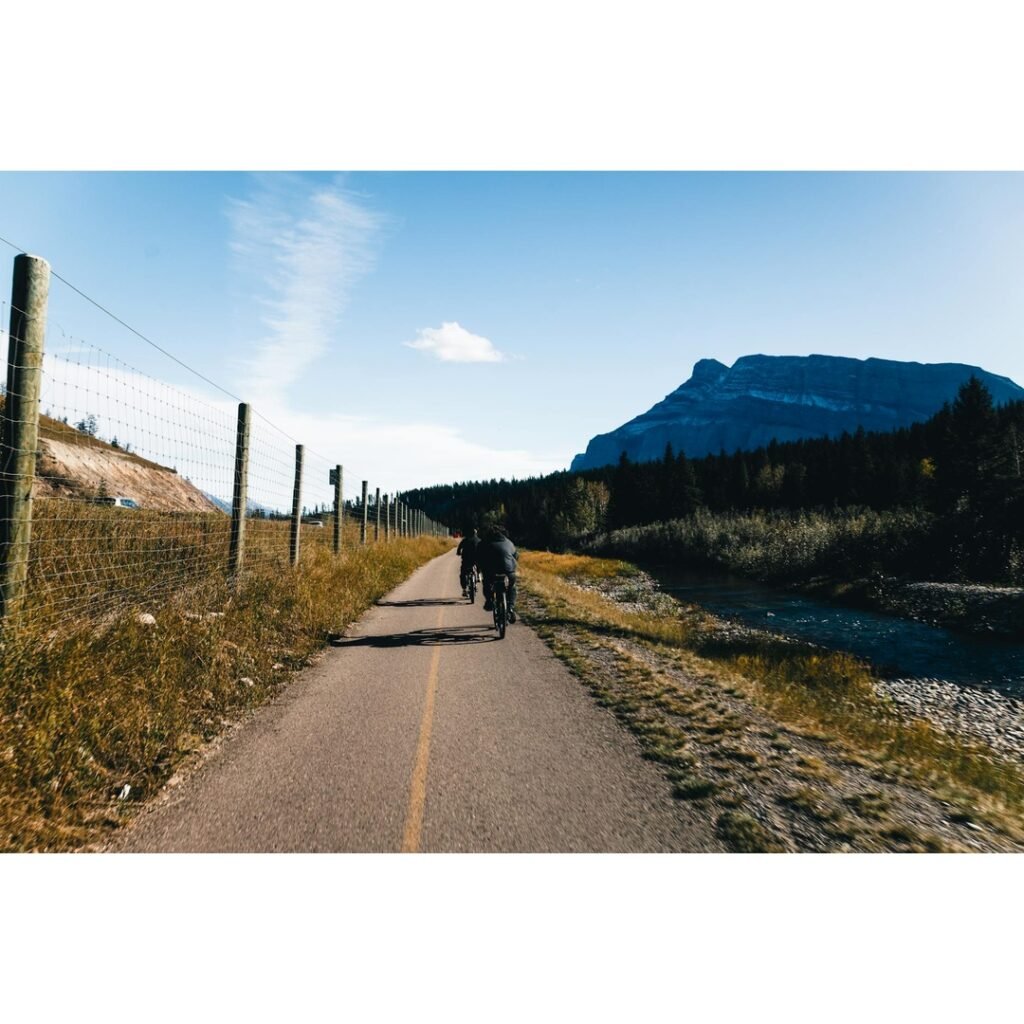
The Bow Valley Parkway, or Highway 1A, is arguably Banff’s most iconic cycling route. This 48 km (30 miles) road connects Banff with Lake Louise, running parallel to the Trans-Canada Highway but offering a vastly different experience. It’s a journey through a wildlife corridor, with historical sites, stunning viewpoints, and generally gentler grades than the main highway. The entire route is paved, with rolling hills and a net uphill gain when riding from Banff to Lake Louise. Alex frequently praises the Parkway for its immersive feel; it’s a place where the landscape truly envelops the rider.
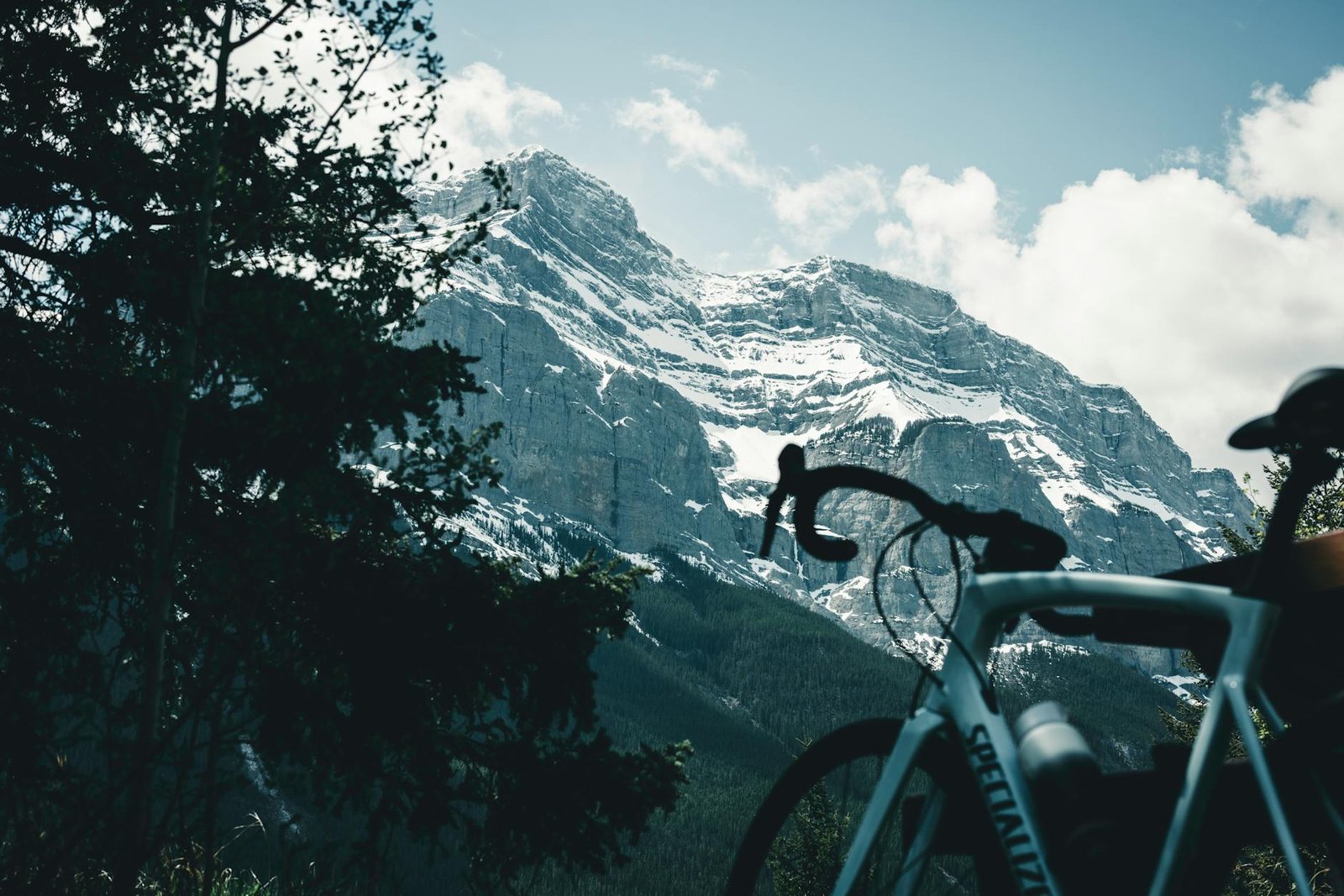
- Technical Insight: The Parkway often has seasonal closures to vehicles, typically in spring and fall, creating a car-free paradise for cyclists. This is the prime time to experience it, allowing riders to fully appreciate the quiet beauty and wildlife without vehicle traffic concerns. Even with vehicles, speed limits are lower, and shoulders are generally good.
- Alex’s Tip: Ride the Parkway in both directions if time allows. The views change dramatically, and the return journey offers a different perspective and challenge. Always carry bear spray and make noise, especially in dense sections, as this is prime wildlife habitat.
Lake Minnewanka Loop
Just a short ride from Banff town, the Lake Minnewanka Loop is a popular 24 km (15 miles) circuit that offers a mix of rolling terrain and a few steeper climbs. The loop encompasses Lake Minnewanka, Two Jack Lake, and Johnson Lake, providing stunning lakeside views. The initial sections are relatively flat, but the back half of the loop includes some noticeable ascents that will get the heart pumping. Alex considers this loop a fantastic intermediate challenge, offering a taste of Banff’s climbing without committing to an all-day epic.
- Technical Insight: The steepest climb is found on the eastern side of Lake Minnewanka, approaching the Minnewanka picnic area. Riders should be prepared for gradients reaching 6-8% in sections.
- Alex’s Tip: Pack a lunch and enjoy a picnic at one of the scenic spots along Two Jack Lake or Lake Minnewanka. It’s a perfect reward after conquering the climbs.
Epic Ascents & Alpine Adventures: For the Advanced and Audacious
Icefields Parkway (Highway 93N)
For those seeking the ultimate challenge and unparalleled grandeur, sections of the Icefields Parkway are a must. While riding the entire 232 km (144 miles) to Jasper is a multi-day endeavor, even shorter segments offer an epic experience. The Parkway is renowned as one of the most scenic drives in the world, and experiencing it by bike amplifies its majesty. Expect long climbs, fast descents, and breathtaking views of glaciers, waterfalls, and towering peaks.
- Key Segments for Cycling:
- Lake Louise to Bow Summit: This 37 km (23 miles) segment involves a significant climb to Bow Summit (2,069 m / 6,788 ft), the highest point on the Parkway. The ascent is gradual but relentless, with stunning views of Hector Lake and the surrounding mountains. The reward is a thrilling descent.
- Peyto Lake Viewpoint Climb: A short, steep detour off the main Parkway leads to the Peyto Lake viewpoint, offering arguably one of the most iconic views in the Rockies. The climb is challenging but well worth the effort.
- Technical Insight: The Parkway involves significant elevation gain. From Lake Louise to Bow Summit, expect over 500 meters (1,640 feet) of climbing. Riders should be comfortable with long climbs and fast descents, often with vehicle traffic. The road surface is generally excellent, but strong winds can be a factor.
- Alex’s Tip: This route demands meticulous planning. Check weather forecasts religiously, as conditions can change rapidly. Carry ample food, water, and extra layers. Alex always advises an early start to beat traffic and potential afternoon winds.
Moraine Lake Road (Seasonal Access)
The Moraine Lake Road is a legendary climb, leading to one of Canada’s most photographed lakes. This 14 km (8.7 miles) paved road features a consistent, steep gradient, gaining approximately 250 meters (820 feet) in elevation. The reward at the top is the mesmerizing turquoise waters of Moraine Lake, nestled in the Valley of the Ten Peaks. The sheer beauty makes every pedal stroke worthwhile.
- Important Update: As of 2024, Parks Canada has implemented a seasonal personal vehicle restriction for Moraine Lake Road. This means private vehicles cannot access the road, but cyclists are still permitted! This presents an incredible, car-free opportunity for cyclists during the shoulder seasons (typically late May/early June and late September/early October) when the road is clear of snow but not yet open to Parks Canada shuttles. Once shuttles begin operation, cyclists can still ride, but will share the road. Always check the Parks Canada website for the latest access information.
- Alex’s Tip: Take advantage of the car-free window if possible. It transforms an already spectacular ride into a truly sublime experience. Pace yourself on the climb; it’s steep but steady.
Practical Tips & Essential Preparedness: Ride Like Alex Trail
Embarking on a cycling adventure in Banff requires more than just a bike; it demands preparation, respect for nature, and a keen sense of awareness. Alex Trail has learned these lessons through years of experience, and offers these insights to ensure a safe and enjoyable journey for all.
Best Time to Ride
The prime cycling season in Banff National Park typically runs from late May to early October. The shoulder seasons (late spring and early fall) often offer cooler temperatures, fewer crowds, and the magical possibility of car-free riding on routes like the Bow Valley Parkway and Moraine Lake Road. Summer (July-August) provides the warmest weather but also the highest visitor numbers.
Gear Up Right
- The Right Bike: For most paved routes, a road bike or a gravel bike with road-appropriate tires is ideal. If exploring some of the fire roads or designated mountain bike trails (e.g., Goat Creek Trail outside Banff), a mountain bike or sturdy gravel bike is necessary.
- Essential Safety Gear: A well-fitting helmet is non-negotiable. Bright front and rear lights are crucial, especially for tunnels, early morning/late evening rides, or variable weather. A bell is useful for alerting pedestrians and other cyclists.
- Repair Kit: Flats are an inevitable part of cycling. Always carry a spare tube (or two), tire levers, a patch kit, and a portable pump or CO2 inflator. A multi-tool can address minor adjustments.
- Clothing Layers: Mountain weather is famously unpredictable. Dress in layers that can be easily added or removed. A lightweight, packable rain jacket is essential, even on sunny days. Gloves, arm warmers, and knee warmers are highly recommended.
- Hydration & Nutrition: Carry more water than you think you’ll need, especially on longer routes where resupply points are scarce. High-energy snacks, gels, or bars are vital for maintaining energy levels.
- Bear Spray: This is a wilderness environment. Carry bear spray, know how to use it, and keep it accessible.
Safety First
- Wildlife Encounters: Banff is home to black bears, grizzlies, elk, and other large animals. Make noise when cycling, especially around blind corners or in dense vegetation, to avoid surprising animals. If you encounter wildlife, give them ample space and never approach or feed them.
- Traffic Awareness: Share the road responsibly. Ride predictably, obey all traffic laws, and use hand signals. Be aware of vehicles, especially RVs and buses, which may have limited visibility.
- Weather Watch: Check the forecast before you go, but be prepared for anything. Mountain weather can change from sunshine to hail or snow in minutes, even in summer.
- Cell Service: Cell reception can be spotty or non-existent in many areas of the park. Don’t rely on your phone for navigation or emergencies. Carry a physical map and consider a satellite communication device for remote rides.
Training & Technique Tips from Alex Trail
Alex emphasizes that while fitness helps, smart riding is key to enjoying Banff’s challenges.
- Pacing: On long climbs, resist the urge to go out too hard. Find a sustainable pace, maintain a steady cadence (pedal revolutions per minute), and conserve energy. “It’s a marathon, not a sprint,” Alex often reminds fellow riders.
- Climbing Strategy: Utilize your gears! Don’t be afraid to shift into your “granny gear” (easiest gear) on steep sections. Standing out of the saddle can provide a power boost on short, sharp inclines, but sitting and spinning is generally more efficient for sustained climbs.
- Descending Confidence: Practice good braking technique, using both front and rear brakes smoothly. Maintain a relaxed grip on the handlebars and keep your weight balanced. Look ahead through turns and anticipate hazards.
- Bike Fit: A properly fitted bike is crucial for comfort and efficiency, especially on longer rides. Consider a professional bike fit before tackling major climbs.
The Alex Trail Perspective: More Than Just Miles
For Alex Trail, cycling in Banff is not solely about the physical challenge or the miles logged; it’s about the profound experience. It’s the moment of profound silence broken only by the chirping of a bird, the exhilarating rush of a descent with the wind in one’s face, or the shared camaraderie with other cyclists on a long climb. Alex recounts countless mornings starting on the Bow Valley Parkway, the mist hanging low, revealing elk grazing peacefully beside the road – moments that etch themselves into memory. The sense of accomplishment after conquering a route like Moraine Lake Road or a segment of the Icefields Parkway is immense, but it’s often overshadowed by the sheer joy of being immersed in such raw, untamed beauty.
Banff offers a unique opportunity to connect with nature on an intimate level, propelled by your own strength and determination. It’s a place that humbles and inspires, leaving every rider with a deep appreciation for the natural world and the incredible capabilities of the human spirit.
Conclusion: Your Banff Cycling Adventure Awaits
Banff National Park stands as a cycling mecca, a place where the grandeur of the Canadian Rockies becomes the backdrop for unforgettable two-wheeled adventures. From gentle lakeside spins to epic alpine ascents, the park offers a route for every cyclist, each promising breathtaking scenery and a profound connection with nature. With careful planning, the right gear, and a spirit of adventure, riders can discover why this corner of the world is so revered by cycling enthusiasts like Alex Trail.
So, what are you waiting for? Tune up your bike, pack your essentials, and answer the call of the mountains. Your epic Banff cycling adventure is not just a dream – it’s a journey waiting to be pedaled. Come and experience the majesty for yourself; the Rockies are calling!
⚠️ Safety Notice: This content is for informational purposes only. Always consult local guides and operators, verify current conditions, and ensure appropriate skills and certifications before any outdoor activity. DiveBikeHike is not responsible for injuries or incidents.