The Call of the Wild: An Introduction to the Carretera Austral
Imagine a ribbon of gravel and tarmac carving its way through a landscape of unparalleled grandeur – towering peaks, ancient glaciers, sprawling fjords, and dense temperate rainforests. This is the Carretera Austral, Chile’s legendary Route 7, a bucket-list destination for intrepid cyclists worldwide. Stretching over 1,240 kilometers (770 miles) from Puerto Montt to the remote outpost of Villa O’Higgins, this iconic route offers more than just a bike tour; it promises a profound journey into the heart of wild Patagonia.
For those who dream of escaping the mundane and embracing true adventure, the Carretera Austral beckons with its raw beauty and challenging terrain. It demands preparation, resilience, and a deep appreciation for the untamed. Seasoned cyclists like Alex Trail often speak of its transformative power, a testament to the solitude, the stunning vistas, and the sheer satisfaction of conquering one of the world’s most epic cycling routes. This guide aims to equip aspiring adventurers with the knowledge and inspiration needed to answer that call.
The Legend of the Carretera Austral: What Makes It Special?
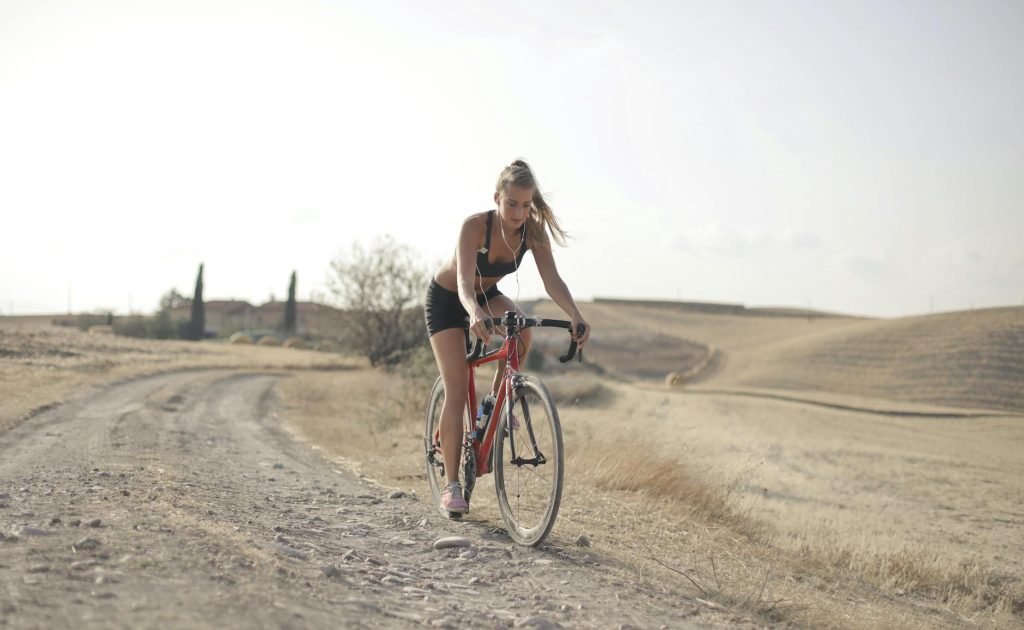
The Carretera Austral, officially known as Ruta 7, is a modern marvel of engineering, built to connect Chile’s isolated southern communities. It traverses the Aysén Region, a sparsely populated expanse of Chilean Patagonia renowned for its dramatic geography. While sections are now paved, much of the route remains “ripio” – a challenging mix of gravel, dirt, and loose rock that defines the Patagonian cycling experience.
The journey typically begins in Puerto Montt, weaving south through a series of ferry crossings and winding roads. Key highlights include the pristine Pumalín Douglas Tompkins National Park, the marble caves of Puerto Río Tranquilo, the majestic Cerro Castillo massif, and the vast General Carrera Lake, South America’s second-largest lake. The route culminates at the remote border town of Villa O’Higgins, a gateway to further adventures into Argentina or a return journey north. The best time to undertake this incredible journey is during the southern hemisphere summer, from December to March, when the weather is most favorable, though still highly unpredictable.
Planning Your Patagonian Pilgrimage: Essential Logistics
Undertaking the Carretera Austral requires meticulous planning to ensure a safe and enjoyable experience. The remoteness of the region means self-sufficiency is key.
Route Planning & Navigation
- Direction: Most cyclists opt to ride north-to-south, leveraging the prevailing northerly winds that often push cyclists down the continent. However, be prepared for days of relentless headwinds regardless of direction.
- Key Towns: Major resupply points include Coyhaique (the largest city), Cochrane, and Villa Cerro Castillo. Smaller villages like La Junta, Puyuhuapi, and Puerto Río Tranquilo offer basic provisions and accommodation. Plan your food and water carries carefully between these points.
- Ferry Crossings: Several essential ferry sections break up the route, notably La Arena-Puelche and Hornopirén-Caleta Gonzalo. These crossings are often scenic and provide a welcome break from cycling. Check schedules in advance, especially during peak season.
- Navigation Tools: A reliable GPS device (such as a Garmin or Wahoo) loaded with offline maps is indispensable. Supplement this with offline smartphone apps like Maps.me or OpenStreetMap, and consider carrying a physical map for backup. Cell service is sporadic at best.
Accommodation & Camping
Accommodation options vary. Many towns offer hostels, cabañas (small cabins), or basic hotels. However, camping is integral to the Carretera Austral experience. Designated campsites are available in national parks and some towns, but wild camping is also common and generally tolerated, provided one practices Leave No Trace principles. A robust tent capable of withstanding strong winds and rain is crucial.
Gearing Up for Gravel: Bike & Equipment Choices
The success of a Carretera Austral tour heavily relies on appropriate gear. The challenging terrain and unpredictable weather demand robust and reliable equipment.
The Bike
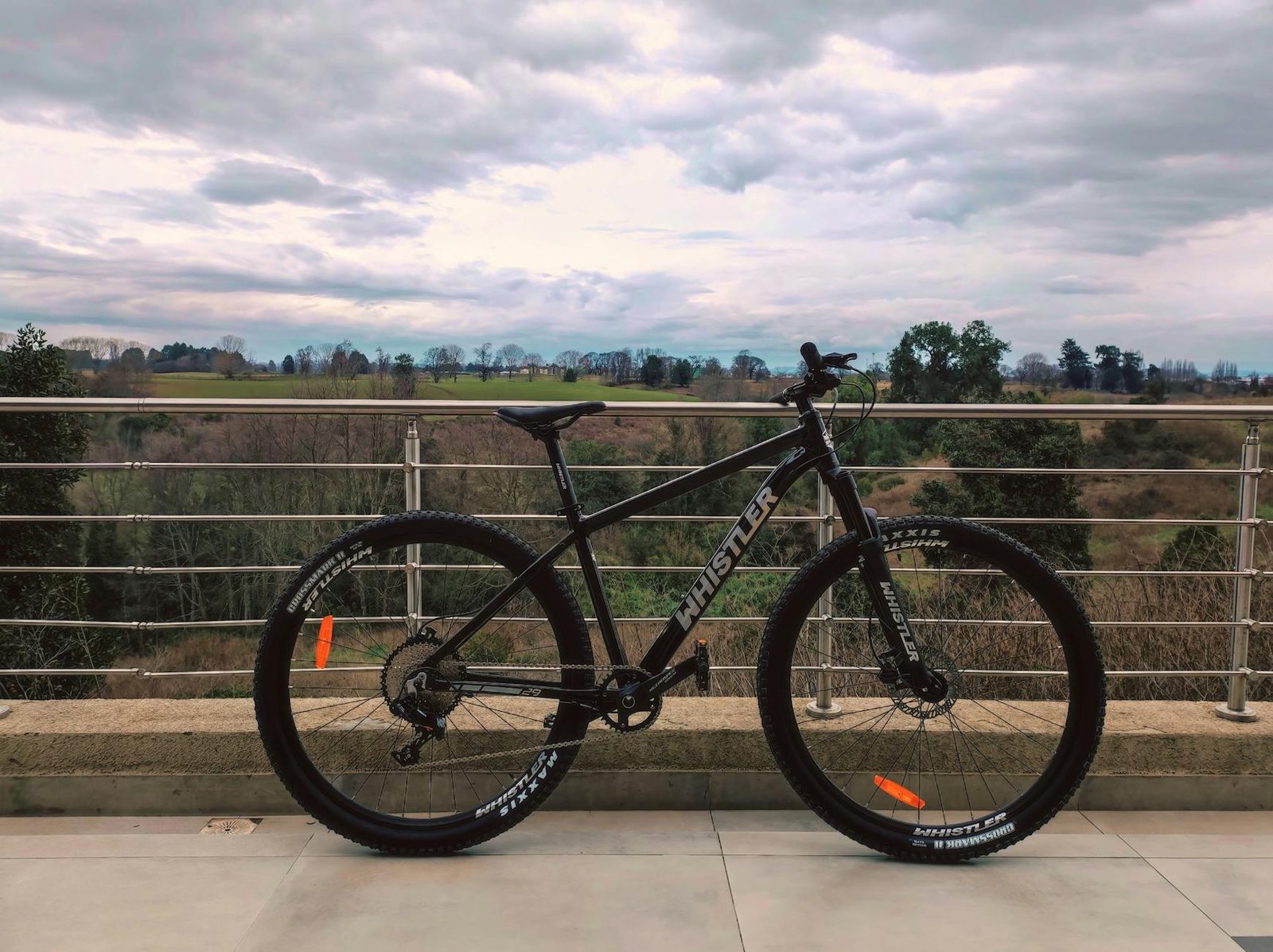
- Type: A dedicated touring bike, a sturdy gravel bike, or a hardtail mountain bike are all suitable. The most important factors are durability and comfort over long distances on rough terrain.
- Tires: Wide, puncture-resistant tires are non-negotiable. Opt for 2.0 inches or wider, with a robust casing. Tubeless setups are highly recommended to minimize flats from sharp rocks and thorns.
- Gearing: A wide range of gears is essential for tackling the steep Patagonian climbs, often on loose surfaces. A triple chainring setup or a modern wide-range cassette (e.g., 11-42T or 11-46T) with a single front ring provides ample low gears.
- Brakes: Hydraulic disc brakes offer superior stopping power and modulation in all weather conditions, crucial for safe descents on gravel.
- Racks & Bags: Whether you choose traditional panniers or a modern bikepacking setup, ensure your bags are waterproof and securely attached. Panniers generally offer more capacity, while bikepacking bags distribute weight more centrally for better handling on technical terrain. A good balance might be front panniers with a large seat pack and frame bag.
Essential Gear Checklist
- Shelter: A durable 3-4 season tent that can withstand strong winds and heavy rain.
- Sleeping System: A sleeping bag with a comfort rating of 0°C to -5°C (32°F to 23°F) and a warm sleeping pad.
- Cooking: A reliable camping stove (multi-fuel is versatile), fuel, pots, and utensils.
- Water: A high-capacity water filtration system or purification tablets, along with at least 3-4 liters of carrying capacity. Water sources are generally plentiful but should always be treated.
- Clothing: Layering is key. Waterproof and windproof outer shells, an insulated jacket, merino wool base layers, and quick-drying cycling specific clothing are essential. Don’t forget warm gloves and a hat.
- Repair Kit: Comprehensive kit including spare tubes (even if tubeless), tire patches, tire levers, a reliable pump, multi-tool, chain tool, spare chain links, and a few spare spokes.
- First-Aid Kit: Well-stocked with personal medications, pain relievers, blister treatment, and wound care.
- Electronics: Power bank or solar charger, headlamp, and charging cables.
Riding the Ripio: Techniques and Challenges
The Carretera Austral is not just about the distance; it’s about mastering the “ripio.” This loose gravel can be challenging, but with the right techniques, it becomes part of the adventure.
Gravel Riding Techniques
- Relaxed Grip: Keep a loose grip on the handlebars to allow the bike to float over the gravel rather than fighting it.
- Look Ahead: Focus your gaze several meters down the road to anticipate changes in terrain and choose the smoothest line.
- Maintain Momentum: Consistent speed helps maintain stability on loose surfaces.
- Washboard Roads: These corrugated sections can be jarring. Try to find a smoother line on the edge of the road or stand slightly on your pedals to absorb the bumps.
- Climbing: Spin a lower gear rather than mashing a harder one. Distribute your weight to maintain traction on the rear wheel.
- Descending: Control your speed, cover your brakes, and shift your weight slightly back to maintain stability. Avoid sudden braking, which can cause skidding.
Weather & Road Conditions
Patagonian weather is notoriously unpredictable. Expect all four seasons in a single day: brilliant sunshine can quickly give way to driving rain, strong winds, and even snow at higher elevations. Headwinds, often from the west or northwest, can be particularly grueling and demand significant mental fortitude. Road conditions also vary drastically, from freshly graded smooth gravel to deep, loose sections and muddy stretches after rain. Alex often recounted a particularly challenging section near Villa Cerro Castillo, where relentless headwinds combined with deep gravel tested every ounce of endurance. Yet, the view of the Cerro Castillo massif at sunrise made every pedal stroke worthwhile.
Sustenance on the Southern Highway: Food & Water
Planning your food and water strategy is paramount, especially on longer, more remote stretches.
Resupply Points
While major towns offer supermarkets and restaurants, smaller villages may only have basic shops with limited selections. Stock up on high-calorie, non-perishable staples like oats, pasta, rice, lentils, nuts, and dried fruit. Local bakeries (panaderías) are a godsend for fresh bread and pastries. One memorable evening, Alex found solace in a small roadside cocinería near La Junta, enjoying a hearty plate of cazuela after a long day battling the elements.
Water Sourcing
Water is generally abundant from rivers and streams fed by glaciers, but always filter or purify it. Carry enough capacity to cover long stretches between reliable sources, especially when camping in areas without direct access to clean water.
Embracing the Culture and Connection
Beyond the physical challenge, the Carretera Austral offers a rich cultural experience and a unique sense of community.
Local Interactions
Chilean hospitality is warm and welcoming. A simple “Hola!” or “Gracias” goes a long way. Locals are often curious about cyclists and may offer assistance or a friendly chat. Embrace these interactions; they are an integral part of the journey.
Wilderness Ethics
The Carretera Austral passes through pristine natural environments. Adhere strictly to Leave No Trace principles: pack out all trash, respect wildlife, and minimize your impact on the landscape. This ensures the beauty of Patagonia remains for future generations.
Community on the Road
You’ll encounter fellow cyclists from all over the world. Sharing stories, tips, and even food with other adventurers creates a camaraderie unique to long-distance touring. These connections often become highlights of the trip.
Conclusion: The Carretera Austral Awaits
The Carretera Austral is more than just a route; it is an odyssey. It will challenge your physical limits, test your mental resolve, and reward you with some of the most breathtaking landscapes on Earth. It is a journey that strips away the unnecessary and leaves you with a profound connection to nature and a deep sense of accomplishment. The memories forged on its gravel roads, under the vast Patagonian sky, will last a lifetime.
For those ready to embrace the challenges and savor the unparalleled beauty, the Carretera Austral awaits. Start planning your own Patagonian pilgrimage today and discover why this legendary route captures the hearts of adventurous cyclists worldwide.
⚠️ Safety Notice: This content is for informational purposes only. Always consult local guides and operators, verify current conditions, and ensure appropriate skills and certifications before any outdoor activity. DiveBikeHike is not responsible for injuries or incidents.