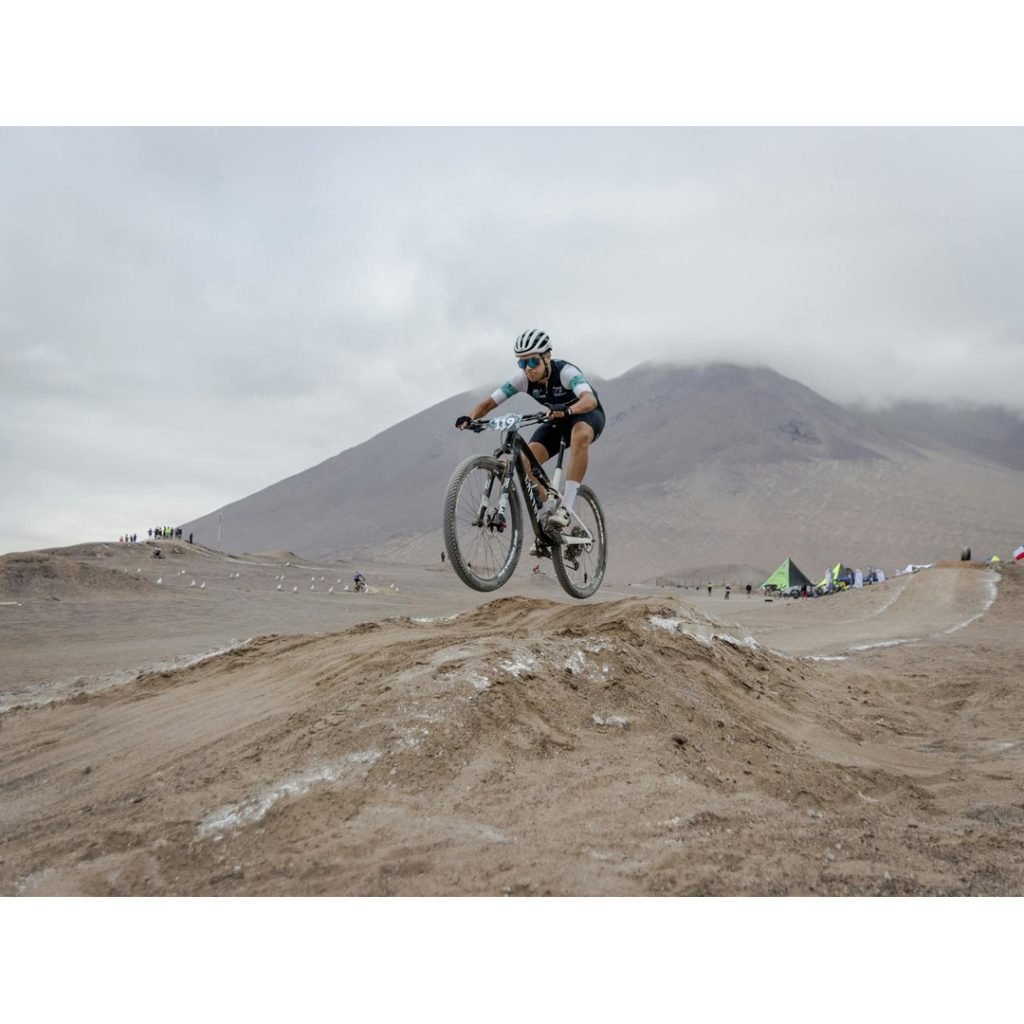
For the intrepid cyclist, few landscapes offer a challenge and reward quite like the Namibia desert. It is a realm of stark beauty, ancient geological wonders, and an silence that speaks volumes. This isn’t merely a bike ride; it’s an immersion into an elemental world, a test of endurance, and an unparalleled adventure. Cycling here means traversing vast, empty expanses under an enormous sky, encountering unique wildlife, and pushing personal limits against the backdrop of some of Earth’s most stunning scenery. It is an experience that transforms, leaving an indelible mark on every rider.
Experienced cyclists often describe Namibia as a destination unlike any other. The sheer scale of the landscape, the vibrant sunsets painting the dunes in fiery hues, and the profound sense of isolation combine to create an almost spiritual journey. It demands respect, meticulous preparation, and a resilient spirit, but the rewards—the feeling of accomplishment, the breathtaking views, and the connection with nature—are immeasurable.
The Allure of the Namibian Desert on Two Wheels
Why choose Namibia for your next cycling expedition? Beyond the obvious aesthetic appeal, the desert offers a unique blend of challenges and rewards. The gravel roads, often corrugated and sandy, demand technical skill and physical fortitude. The vast distances between settlements require careful logistical planning and self-sufficiency. However, these very challenges forge an unforgettable experience. The sense of freedom as one cycles through endless horizons, the discovery of hidden oases, and the raw beauty of ancient landscapes are truly captivating.
Namibia is a land of contrasts: towering red dunes of Sossusvlei, the dramatic canyons of the Fish River, and the rugged, boulder-strewn plains of Damaraland. Each region presents its own character and cycling opportunities, promising a diverse and exhilarating adventure for those willing to embrace the wild.
Iconic Routes and Unforgettable Journeys
While the entire country offers incredible cycling potential, certain routes stand out for their beauty, challenge, and accessibility. These are not merely paths but gateways to the heart of Namibia’s desert wilderness.
The Namib-Naukluft Park Traverse: Dunes and Passes
The Namib-Naukluft Park, home to the iconic Sossusvlei and Deadvlei, offers some of the most visually stunning cycling. While cycling directly within the sensitive dune fields is restricted, the gravel roads surrounding the park provide incredible access and views.
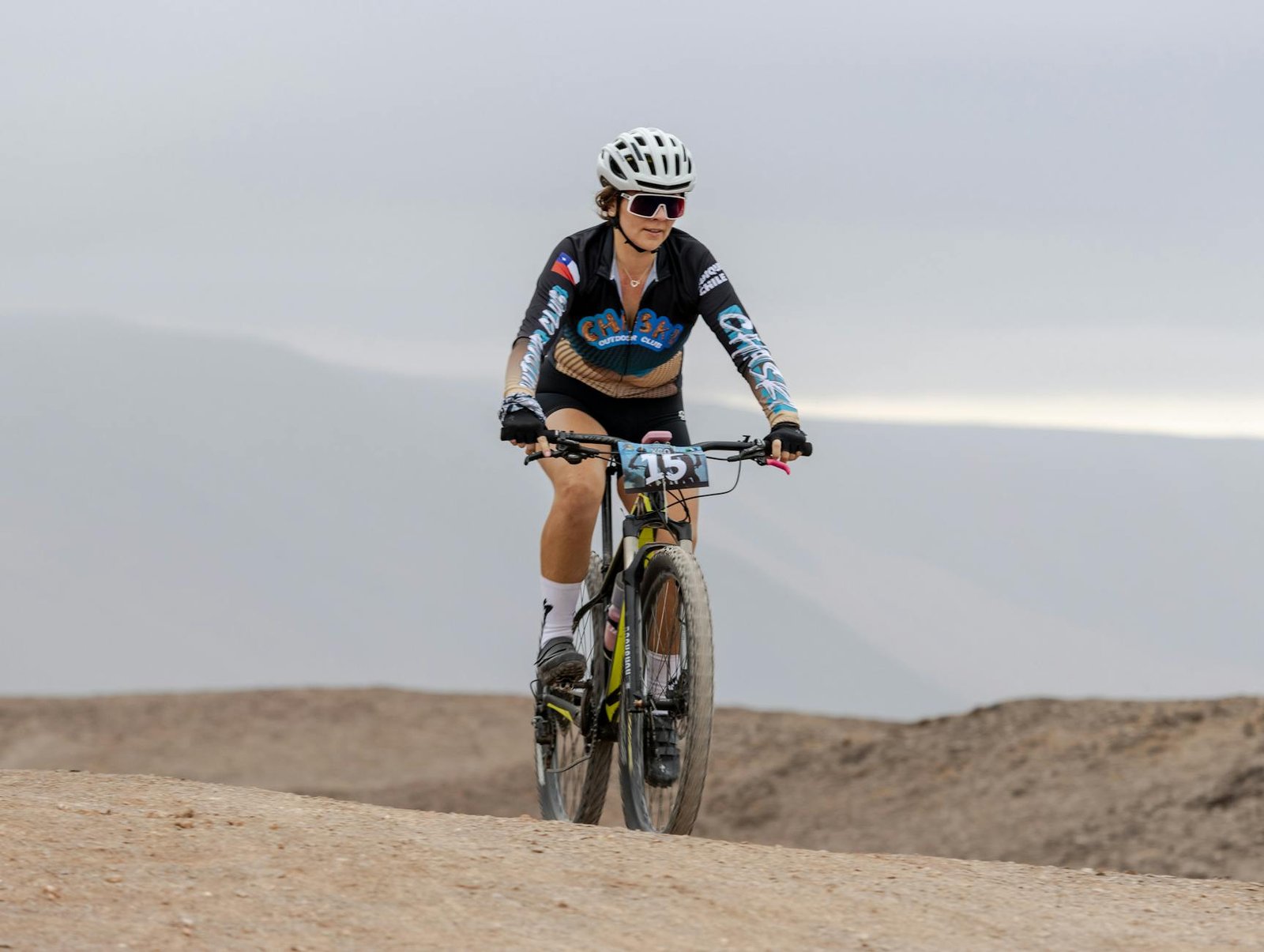
- Sossusvlei Approach (Sesriem to Sossusvlei): Cyclists often tackle the 60km gravel road from Sesriem to Sossusvlei and back. This route, though relatively flat, can be challenging due to soft sand sections and corrugations, especially closer to the dunes. The early morning light painting the dunes is a sight that makes every pedal stroke worthwhile. Alex Trail, an experienced cyclist in the region, often advises starting before dawn to catch the sunrise and avoid the midday heat, emphasizing the ethereal beauty of the desert awakening.
- Spreetshoogte Pass: To the east of the Namib-Naukluft, Spreetshoogte Pass presents a formidable climb, one of the steepest in Namibia. Ascending from the desert plains to the escarpment, it offers breathtaking panoramic views. The gravel surface adds an extra layer of difficulty, making it a true test of climbing prowess and bike handling. The descent is equally exhilarating, demanding sharp focus and control.
Damaraland’s Rugged Wilderness: Ancient Landscapes and Wildlife
Further north, Damaraland offers a completely different desert cycling experience. This region is characterized by vast, rocky plains, ancient geological formations, and the chance to encounter desert-adapted wildlife like elephants and rhinos.
- Palmwag to Twyfelfontein Loop: This multi-day route winds through incredibly remote and wild terrain. Cyclists can expect rough gravel roads, dry riverbeds, and a profound sense of isolation. The rewards include opportunities to see ancient rock art at Twyfelfontein and potentially spot unique desert wildlife. Navigation and self-sufficiency are paramount here, as support is minimal. Alex Trail notes that this route demands a robust touring setup and a keen eye for subtle tracks, as the landscape can be disorienting.
- Brandberg Mountain Circuit: Circling Namibia’s highest mountain, Brandberg, offers a challenging ride through rugged terrain. The scenery is dramatic, with massive granite outcrops and a sense of timelessness. This area requires careful planning for water and supplies due to its remote nature.
Fish River Canyon: Southern Grandeur
In the far south, the Fish River Canyon, Africa’s largest canyon, provides a dramatic backdrop for cycling adventures. While direct cycling into the canyon is not permitted, the surrounding gravel roads offer spectacular views and challenging riding.
- Canyon Rim Roads: Routes along the rim of the Fish River Canyon offer incredible vistas and undulating terrain. These rides are less about technical difficulty and more about endurance and soaking in the immense scale of the landscape. They can be combined with visits to viewpoints like Hell’s Bend and hikers’ starting points.
Preparing for the Desert Challenge
Cycling in the Namibian desert is not to be underestimated. Success and enjoyment hinge on thorough preparation.
Physical and Mental Training
- Endurance is Key: Long days in the saddle, often against headwinds and on challenging surfaces, demand significant aerobic fitness. Incorporate long rides (4-6+ hours) into your training.
- Strength Training: Core strength and leg power are crucial for climbing passes and maintaining control on corrugated roads.
- Heat Acclimatization: If possible, train in warm conditions to help your body adapt. Understand the signs of heat exhaustion and heatstroke.
- Mental Fortitude: The vastness can be mentally challenging. Practice mindfulness and develop strategies for staying positive during long, solitary stretches. Alex Trail often emphasizes that the mental game is half the battle, urging cyclists to prepare for periods of intense focus and self-reliance.
Essential Gear Recommendations
- The Bike: A sturdy gravel bike or hardtail mountain bike is ideal. Look for a robust frame, wide tire clearance, and reliable components. Tubeless tires are highly recommended to minimize punctures from thorns and sharp rocks.
- Tires: Wide, durable tires (e.g., 2.0-2.2 inches for gravel, 2.2-2.4 inches for MTB) with a good tread pattern are essential for grip on sand and loose gravel. Experiment with lower tire pressures for better floatation on soft surfaces.
- Hydration System: This is non-negotiable. Carry a minimum of 5-8 liters of water capacity, especially on remote routes. Hydration packs, multiple bottle cages, and even supplementary bladders are vital.
- Navigation: A reliable GPS device (Garmin, Wahoo, etc.) pre-loaded with offline maps and routes is critical. A physical map and compass as backup are also wise. Satellite communication devices (e.g., InReach, Spot) are highly recommended for emergencies in areas without cell service.
- Sun Protection: High-SPF sunscreen, wide-brimmed hat (for off-bike), sunglasses, and sun-protective clothing (long sleeves, neck gaiter) are absolute musts.
- Repair Kit: Comprehensive toolkit, spare tubes/tubeless repair kit, pump, tire levers, chain tool, spare chain links, and a spoke wrench. Knowledge of basic bike mechanics is paramount.
- First Aid Kit: A well-stocked kit for cuts, scrapes, blisters, and general ailments. Include any personal medications.
- Clothing: Layered cycling apparel suitable for hot days and potentially cool desert nights. Windproof outer layers are useful.
- Camping Gear (if bike packing): Lightweight tent, sleeping bag (appropriate for desert nights), cooking stove, and food.
Logistics and Safety
- Water Sources: Identify all potential water points (farms, lodges, boreholes) along your route and plan accordingly. Never assume water will be available.
- Support Vehicles: For longer, more remote tours, a support vehicle carrying extra water, food, and gear can be invaluable. This also provides a safety net.
- Permits: Some areas, particularly within national parks or conservancies, may require permits. Research and obtain these in advance.
- Wildlife Awareness: Be aware of wildlife, including snakes, scorpions, and larger animals like elephants. Maintain a respectful distance.
- Communication: Cell service is patchy outside major towns. Inform someone of your route and expected return time.
Mastering Desert Riding Techniques
Riding in the desert presents unique challenges that require specific techniques.
- Sand Riding: Lower your tire pressure slightly to increase the contact patch. Maintain a steady cadence and momentum. Keep your weight back, and gaze forward. It’s often better to ride on the firmer edges of sandy sections or choose lines where vehicles have compacted the sand.
- Corrugations (Washboards): These can be bone-jarring. Sometimes, riding slightly faster helps the bike “float” over the tops, but this requires control. Alternatively, find a smoother line on the very edge of the road, if safe. Alex Trail often advises against fighting the bike on corrugations; instead, try to relax your grip and let the bike move beneath you.
- Headwinds: Expect strong headwinds, particularly in the afternoons. Conserve energy, find a comfortable gear, and maintain a steady pace.
- Heat Management: Hydrate constantly, even when not thirsty. Wear light-colored, breathable clothing. Plan your riding around the cooler parts of the day (early morning, late afternoon) and seek shade during the hottest hours.
Alex Trail’s Insights: The Spirit of the Namib
Alex Trail, a seasoned adventurer with numerous Namibian crossings, offers a perspective forged in the desert’s crucible. Alex frequently emphasizes that while the physical demands are considerable, the mental aspect of desert cycling is equally, if not more, important. “The desert has a way of stripping away the unnecessary, leaving you with just the bike, the road, and your thoughts,” Alex states. “Embrace the silence, the solitude. It’s where you truly connect with yourself and the raw power of nature.”
Alex often shares stories of unexpected encounters: a herd of oryx silhouetted against a setting sun, the curious gaze of a desert-adapted elephant, or the humbling experience of a sudden, powerful thunderstorm. “These moments,” Alex explains, “are the true treasures of cycling in Namibia. They remind you that you are a small part of something vast and ancient.”
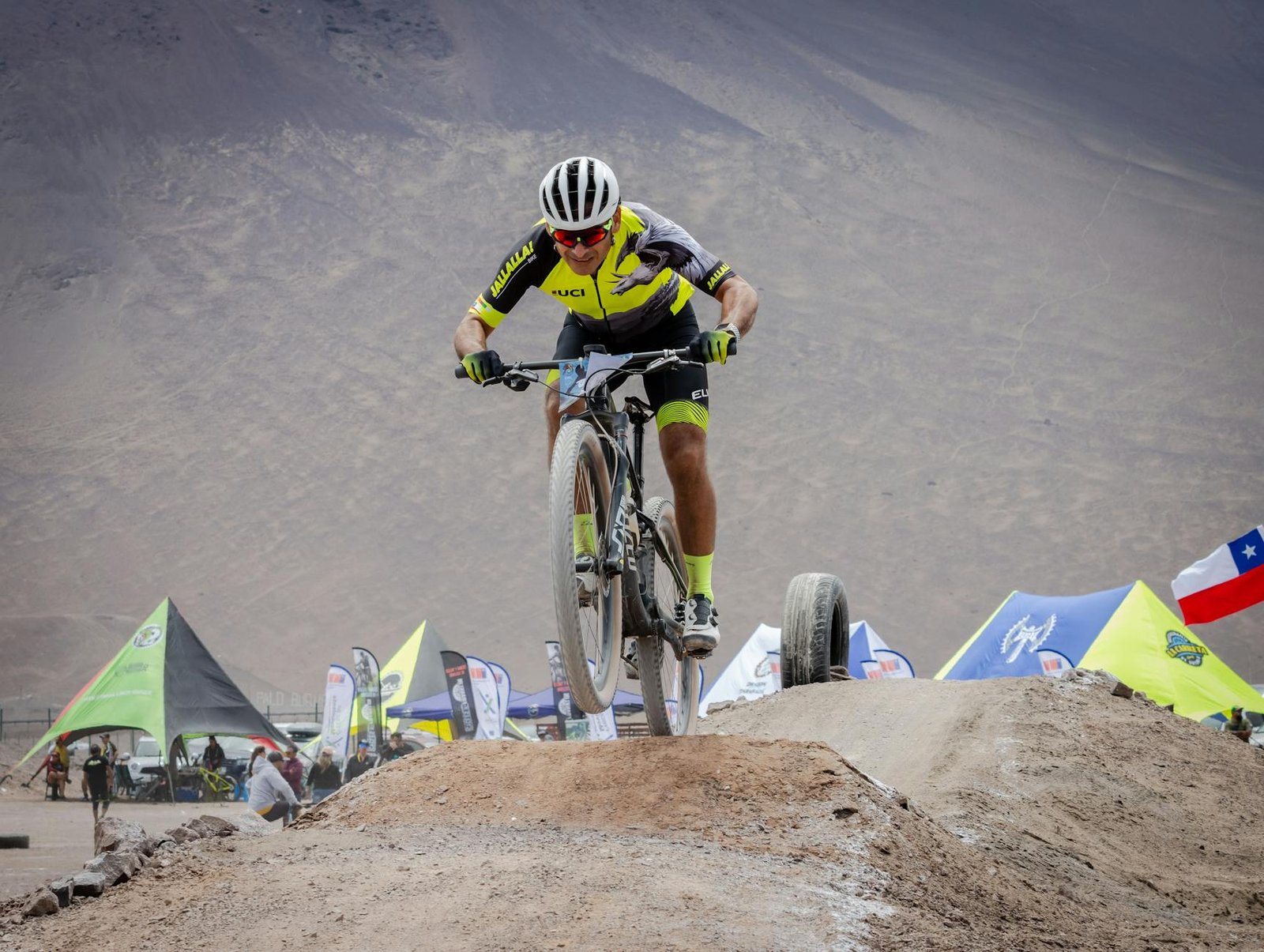
A key piece of advice from Alex is to practice self-reliance and problem-solving. “Things will go wrong – a flat tire in the middle of nowhere, a forgotten item, a sudden change in weather. How you respond, your ability to adapt and find solutions, defines your adventure,” Alex notes. “Always carry more water than you think you need, and always be prepared to spend an unplanned night under the stars.”
Ultimately, Alex Trail believes that cycling in the Namibian desert is more than just a physical challenge; it is a journey of self-discovery. “The desert doesn’t just test your legs; it tests your spirit. And when you emerge from it, you’re not just a stronger cyclist, but a more resilient individual.”
Conclusion: Your Namibian Desert Cycling Odyssey Awaits
Namibia offers an unparalleled cycling experience for those yearning for adventure, solitude, and breathtaking natural beauty. From the iconic dunes of Sossusvlei to the rugged plains of Damaraland and the dramatic Fish River Canyon, the routes are as diverse as they are challenging. It demands meticulous preparation, both physical and mental, a well-equipped bike, and a deep respect for the harsh yet fragile desert environment.
The rewards, however, are immeasurable: the thrill of conquering vast distances, the awe of ancient landscapes, and the profound sense of accomplishment that comes from pushing your limits in one of the world’s most magnificent wildernesses. As Alex Trail and countless other adventurers can attest, a cycling journey through the Namibia desert is not just a trip; it’s an odyssey that will stay with you long after the dust has settled.
Are you ready to answer the call of the wild, feel the desert wind on your face, and pedal through landscapes that time forgot? Start planning your Namibian desert cycling adventure today. The roads are waiting, and an unforgettable experience beckons.
⚠️ Safety Notice: This content is for informational purposes only. Always consult local guides and operators, verify current conditions, and ensure appropriate skills and certifications before any outdoor activity. DiveBikeHike is not responsible for injuries or incidents.