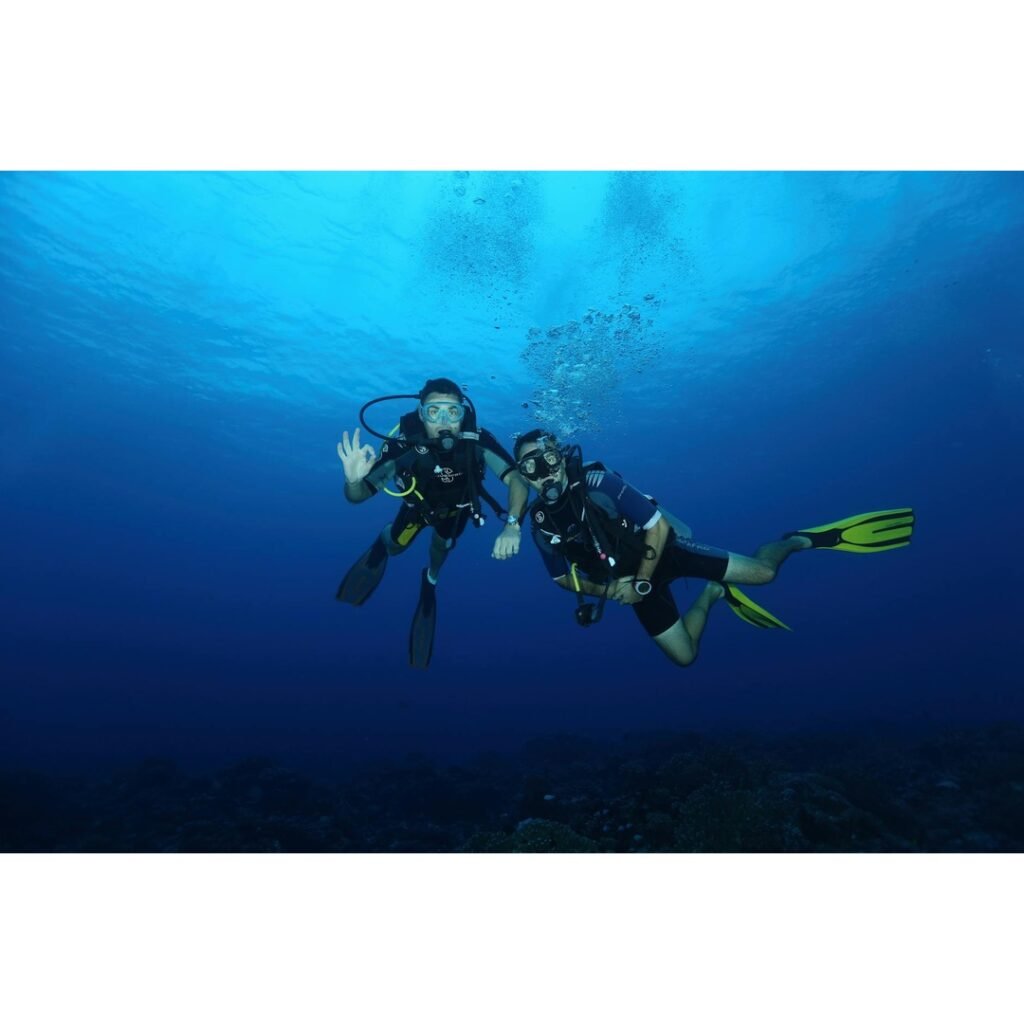
Dahab’s Blue Hole: A Diver’s Odyssey into the Red Sea’s Enigmatic Abyss
There are places on Earth that capture the imagination, sites that resonate with a power that transcends mere geography. For the global diving community, Dahab, Egypt, holds such a place, home to the legendary Blue Hole. Nestled along the stunning coast of the Red Sea, this submerged sinkhole is a name whispered with both reverence and caution, a destination that promises unparalleled beauty alongside an undeniable challenge. It is, for many, the Mount Everest of diving – a siren call to those seeking the ultimate underwater adventure.
This comprehensive guide aims to illuminate the depths of the Blue Hole, offering insights for both the curious novice and the seasoned technical diver. From its unique geological formation to the intricacies of its most famous dive profiles, divers will discover what makes this site a truly unforgettable experience, balanced with the critical safety considerations that must always take precedence.
Understanding the Blue Hole: A Geological Marvel
The Blue Hole is not merely a dive site; it is a geological phenomenon. Formed over millennia, this natural wonder is a massive submarine sinkhole, plunging vertically for over 100 meters (approximately 330 feet) into the Red Sea floor. Its origin lies in the collapse of ancient limestone caves, subsequently flooded by the ocean. What remains is a vast, circular chasm, its rim adorned with vibrant coral formations that slope gently downwards before dropping dramatically into the deep blue.
The defining feature of the Blue Hole, and indeed its greatest allure and danger, is “The Arch.” Located between 52 and 56 meters (170-184 feet) deep, this colossal underwater archway connects the Blue Hole to the open sea. It is a breathtaking structure, a natural gateway to the abyss, but one that demands the utmost respect and specialized training to traverse safely.
The Allure and the Legend
Why do divers flock to a site known for its beauty and its inherent risks? The answer lies in the profound sense of adventure and the sheer majesty of the underwater landscape. The Blue Hole offers crystal-clear waters, vibrant coral ecosystems teeming with marine life on its shallower shelves, and an unparalleled sense of exposure as one descends into its vastness. It is a place where light plays tricks, where the sheer scale of the ocean’s power becomes palpable.
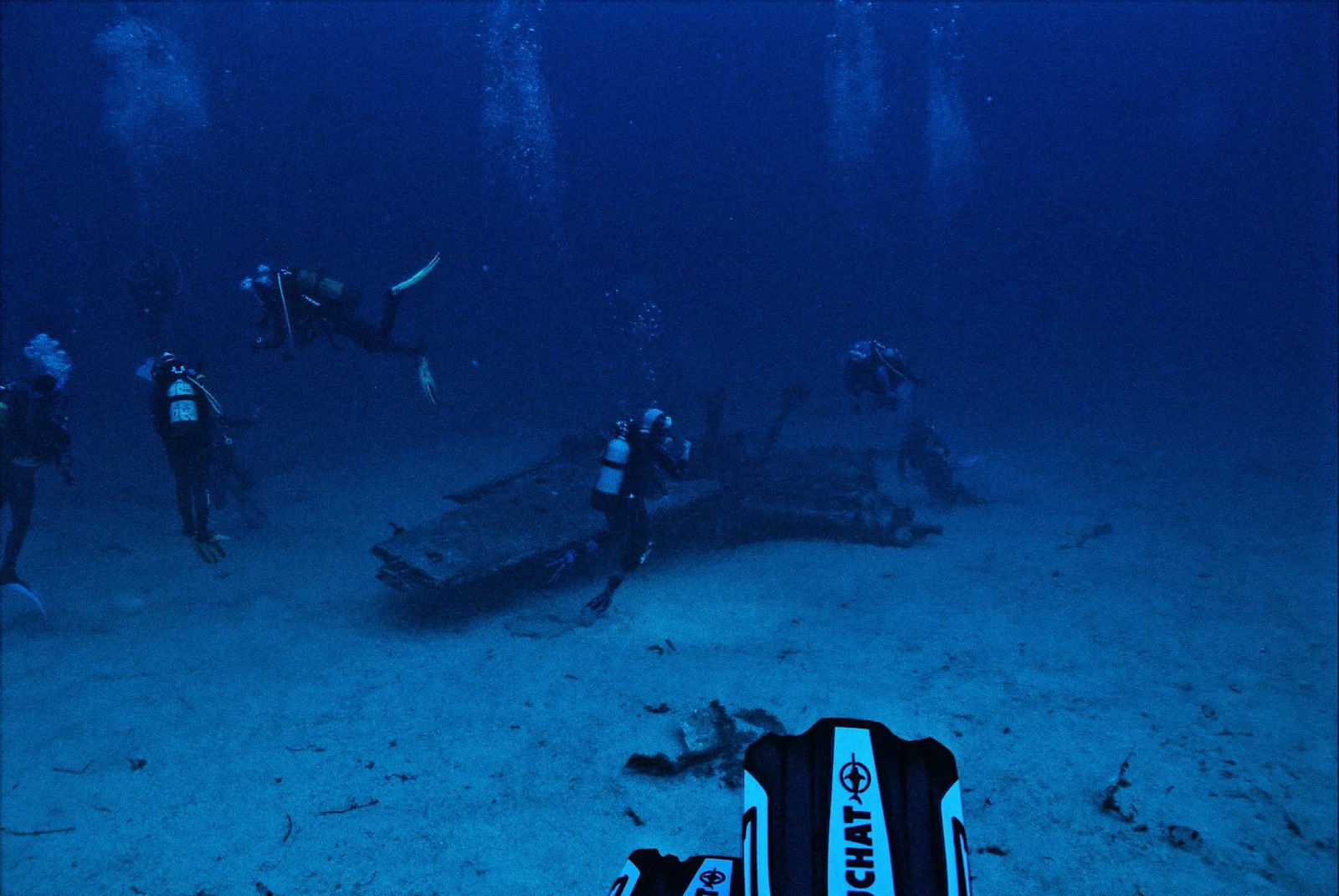
However, the Blue Hole also carries a somber reputation. Its depths have claimed lives, primarily due to divers attempting to traverse The Arch without adequate training, equipment, or understanding of deep diving physiology. This tragic history serves as a constant reminder that while the Blue Hole invites exploration, it demands humility, meticulous planning, and an unwavering commitment to safety protocols. It is a site where ego has no place.
Diving the Blue Hole: Profiles for Every Level (with Critical Caveats)
The Blue Hole offers various dive profiles, catering to different levels of experience, though it is crucial to understand that even recreational dives here require good buoyancy and confidence.
1. The Recreational Blue Hole Dive (Staying within No Decompression Limits)
- Entry Point: Typically via “The Saddle,” a shallow, sandy entry point at around 6 meters (20 feet) that leads directly into the Blue Hole.
- Dive Profile: Divers descend into the Blue Hole, exploring the vibrant coral gardens that line its upper rim. Staying within recreational limits (maximum 30 meters/100 feet, adhering strictly to No Decompression Limits – NDLs), one can marvel at the sheer drop-off and the abundant marine life.
- Exit Strategy: Most recreational dives ascend slowly within the Blue Hole, completing a safety stop and then surfacing, or swimming out over the reef to the shallow exit point.
- Key Considerations: This dive is accessible to certified open water divers with good buoyancy control. The primary goal is to enjoy the unique environment without venturing into the deeper, more challenging areas. Nitrogen narcosis can begin to manifest even at recreational depths, so awareness is key.
2. The Bells to Blue Hole Drift
- Entry Point: “The Bells” is perhaps the most iconic entry for a recreational Blue Hole dive. Located about 150 meters north of the Blue Hole, it begins with a dramatic vertical chimney-like entry point.
- Dive Profile: Divers descend through The Bells, a narrow crack in the reef wall, starting at the surface and dropping vertically to about 27-30 meters (90-100 feet). The experience of descending through this chimney, with the open blue above and below, is truly unique. Upon exiting The Bells, divers drift south along a stunning reef wall, eventually entering the Blue Hole at recreational depth.
- Key Considerations: This dive requires excellent buoyancy control and comfort in confined spaces (briefly) and with significant exposure. It is crucial to manage air consumption effectively throughout the drift. The Bells to Blue Hole is considered an advanced recreational dive and is often cited by experienced divers as a highlight of their Dahab experience.
3. The Arch: Technical Diving Territory ONLY
- Dive Profile: This profile involves descending into the Blue Hole and traversing The Arch, which spans from 52 to 56 meters (170-184 feet) deep, connecting the Hole to the open sea.
- Key Considerations: This dive is strictly for certified technical divers with appropriate training, equipment, and experience in deep diving, decompression procedures, and gas management (e.g., trimix or nitrox for decompression). The risks associated with this depth are severe and include:
- Severe Nitrogen Narcosis: Impaired judgment, disorientation, and confusion are highly probable at these depths.
- Oxygen Toxicity: Partial pressures of oxygen become critical, necessitating careful gas selection and planning.
- Decompression Sickness (DCS): The significant depth and bottom time require meticulous decompression planning and execution.
- Gas Management: Carrying multiple tanks with different gas mixes (bottom gas, decompression gases) is essential.
- Equipment Failure: The consequences of equipment malfunction are greatly amplified at depth.
- Safety Warning: Attempting to dive The Arch without proper technical dive certification, specialized equipment, and a highly experienced technical dive guide is extremely dangerous and has led to fatalities. The Blue Hole is not a site for pushing limits without proper preparation and respect for the environment. Divers must always dive within their training and certification limits.
Beyond the Blue Hole: Diving Dahab’s Other Gems
While the Blue Hole is Dahab’s crown jewel, the surrounding area offers a plethora of other incredible dive sites that cater to all levels.
- Lighthouse Reef: A vibrant, shallow reef perfect for beginners, training dives, and stunning night dives. It’s easily accessible from Dahab’s promenade.
- The Canyon: Another unique advanced recreational dive. Divers enter a large crack in the reef that descends into a captivating underwater canyon, eventually emerging from “The Fishbowl” at around 30 meters. Good buoyancy is essential here.
- Gabhr el Bint: Accessible by boat or camel, this site offers pristine coral gardens, abundant fish life, and typically strong currents for a rewarding drift dive.
- Three Pools: A series of three natural, shallow pools connected by sandy channels, leading to a beautiful coral garden. Ideal for beginners, snorkelers, and relaxed dives.
Logistics and Preparing for Your Dahab Dive Adventure
Planning a trip to Dahab requires a few considerations:
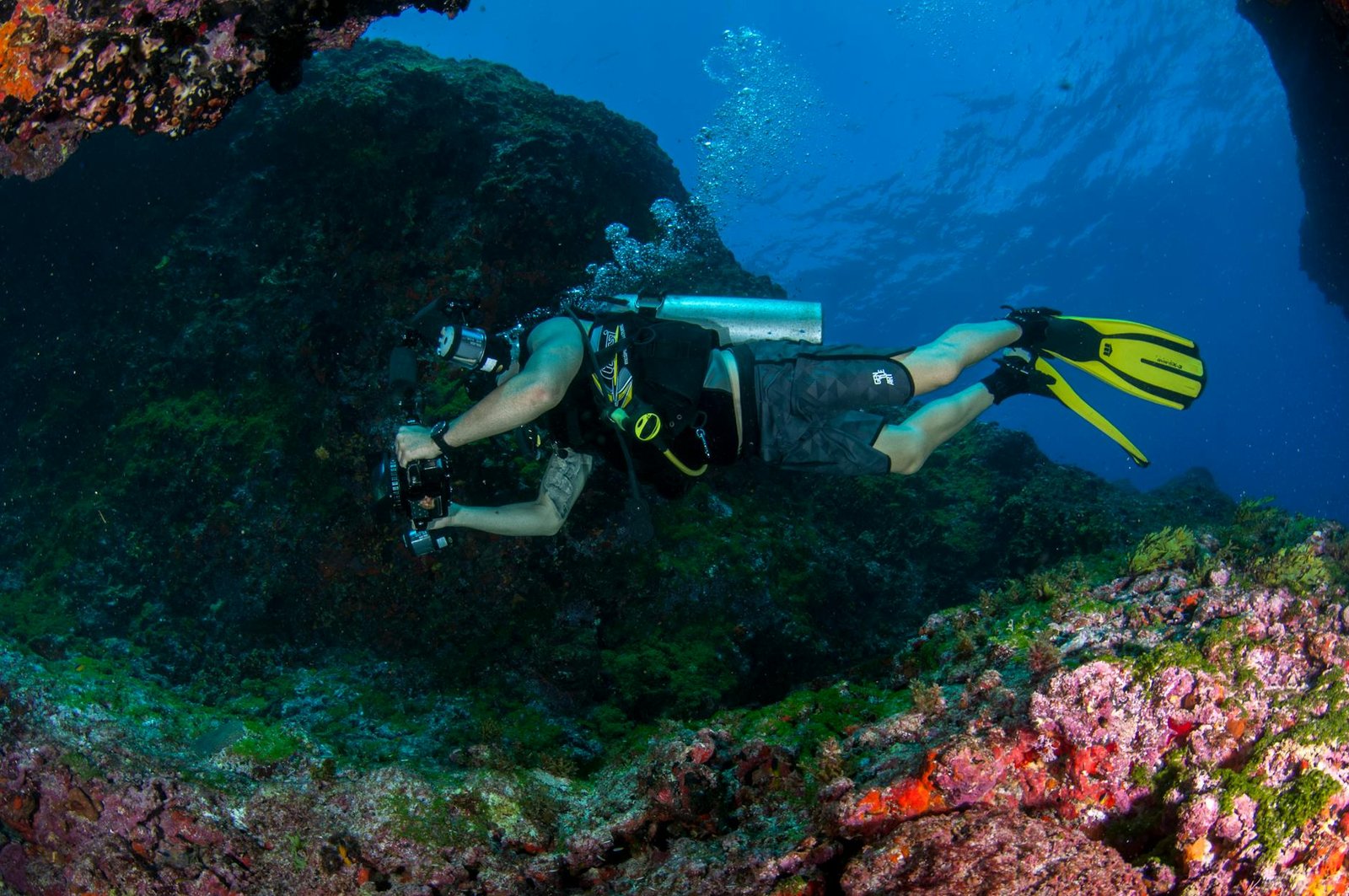
- When to Go: Dahab offers year-round diving. Spring (March-May) and Autumn (September-November) provide the most comfortable surface temperatures. Summer can be very hot, but the water remains inviting. Winter (December-February) can be cooler, requiring thicker wetsuits.
- Getting There: The nearest international airport is Sharm El Sheikh (SSH). From there, Dahab is approximately a 1-1.5 hour taxi transfer.
- Accommodation: Dahab offers a range of options, from budget-friendly hostels and Bedouin camps to comfortable hotels and resorts.
- Choosing a Dive Center: This is paramount. Select a reputable dive center with experienced, certified guides and instructors who prioritize safety. For technical diving, ensure the center specializes in technical training and guiding and has a proven safety record at the Blue Hole.
- Equipment: Most dive centers offer rental equipment. However, divers are encouraged to bring their own mask, fins, and wetsuit for comfort and fit. Technical divers must bring all their specialized equipment.
Practical Tips and Actionable Advice
To ensure a safe and enjoyable experience in Dahab:
- Physical and Mental Preparedness: Diving, especially in challenging environments like the Blue Hole, requires good physical fitness and a calm, composed demeanor. Avoid diving if feeling unwell or stressed.
- Buoyancy Control: Master your buoyancy. This is crucial for navigating tight spaces (like The Bells or The Canyon) and for protecting the delicate coral ecosystems.
- Gas Management: Always be acutely aware of your air consumption. Plan your dives conservatively, especially in deeper or more complex sites.
- Dive Buddy System: Never dive alone. Maintain proximity and communication with your buddy throughout the dive.
- Respect the Environment: The Red Sea is a precious ecosystem. Do not touch, collect, or disturb marine life or corals. Practice responsible diving.
- Local Culture: Dahab has a relaxed, Bedouin-influenced atmosphere. Embrace the local culture, be respectful, and enjoy the unique charm of the town.
Personal Insights from Years of Guiding
From years of guiding divers through the captivating waters of Dahab, it becomes clear that the Blue Hole demands respect above all else. The subtle shifts in light as one descends into The Bells, a truly unique sensation, are often described by experienced divers as a spiritual awakening. Observing divers emerge from their first Blue Hole experience, a universal look of awe mixed with profound respect for the ocean’s power is always evident. The wisdom gleaned from countless descents reveals that even the most seasoned diver must approach The Arch with meticulous planning and an unwavering commitment to safety protocols. It is a place that teaches humility, reminding us that nature’s grandeur comes with its own set of rules, which must be followed without exception.
Conclusion
Dahab’s Blue Hole stands as a testament to the raw beauty and formidable power of the underwater world. It is a site that challenges, inspires, and educates, offering an unparalleled diving experience for those who approach it with the right mindset and preparation. Whether exploring its vibrant shallow reefs or contemplating the depths of The Arch from a safe, recreational distance, the Blue Hole leaves an indelible mark on every diver.
Remember, the allure of the deep should always be tempered with a profound respect for the ocean and a steadfast commitment to safety. Train appropriately, choose experienced guides, and always dive within your limits. Are you ready to answer the call of the Red Sea’s most legendary dive site? Plan your trip, train diligently, and approach this wonder with the respect it deserves, and the Blue Hole will reward you with an adventure of a lifetime.
⚠️ Safety Notice: This content is for informational purposes only. Always consult local guides and operators, verify current conditions, and ensure appropriate skills and certifications before any outdoor activity. DiveBikeHike is not responsible for injuries or incidents.