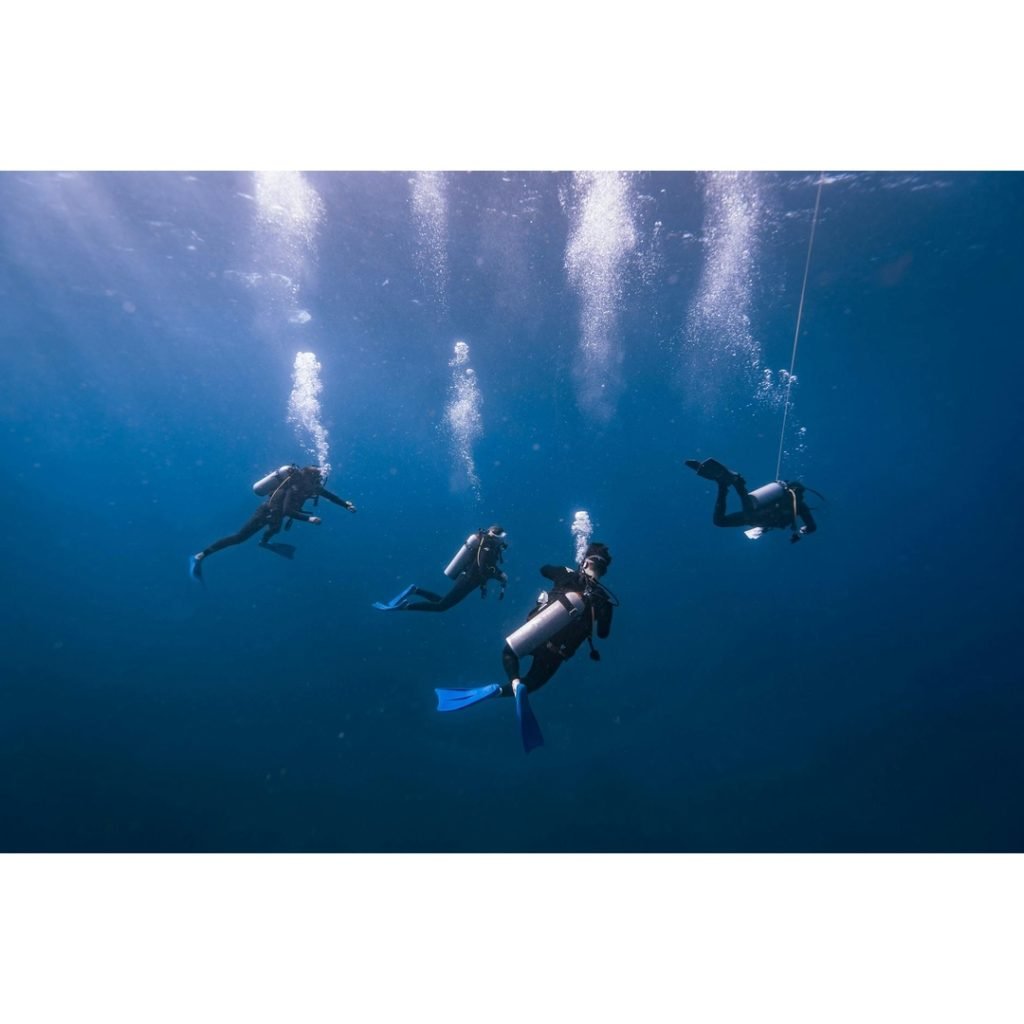
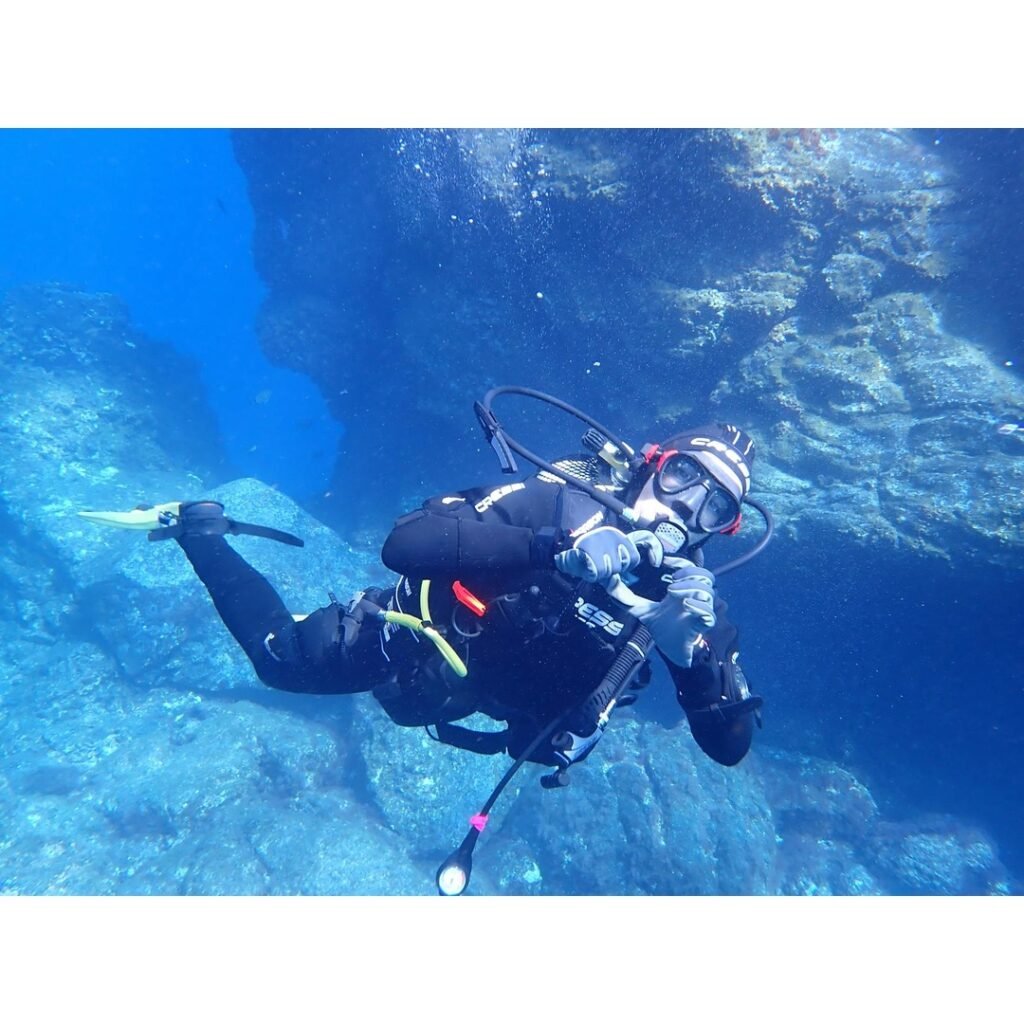
For many divers, the name “Sipadan” isn’t just a location; it’s a whispered legend, a shimmering dream of unparalleled underwater encounters. This small, oceanic island, rising dramatically from the Celebes Sea off the coast of Borneo, Malaysia, consistently ranks among the world’s top dive destinations – and for very good reason. From the moment one descends into its crystal-clear waters, it becomes clear why Sipadan holds such a revered status among the global diving community. Dive Master Marina Hayes, with countless hours logged beneath Sipadan’s waves, attests to its enduring magic, a place where every dive promises a spectacle.
Sipadan: A Jewel in the Celebes Sea
Sipadan’s unique geology is a primary factor in its incredible biodiversity. Unlike most islands formed from continental shelves, Sipadan is an oceanic island, a limestone pinnacle rising 600 meters (2,000 feet) from the seabed. This dramatic vertical structure, coupled with its location at the heart of the Indo-Pacific basin (the global center of marine biodiversity), creates a unique ecosystem. Nutrient-rich currents sweep past its walls, attracting an astonishing array of marine life, from the smallest nudibranchs to massive pelagic predators. The sheer drop-offs and vibrant reef flats create diverse habitats, ensuring a visual feast for every diver.
The Dive Sites of Sipadan: A Deep Dive into Paradise
Each dive site around Sipadan offers a distinct experience, yet all share the common thread of abundant life and breathtaking beauty. Marina Hayes often highlights specific sites that exemplify Sipadan’s diverse offerings:
Barracuda Point: The Iconic Tornado
Perhaps the most famous dive site in Sipadan, Barracuda Point is legendary for its schooling barracuda. Divers often find themselves enveloped in a mesmerizing “barracuda tornado,” a swirling vortex of thousands of these sleek predators. But the spectacle doesn’t end there. Strong currents often sweep past this point, bringing in white-tip reef sharks, grey reef sharks, and massive schools of jackfish and bumphead parrotfish. Drifting along the wall here is an adrenaline-fueled experience. Marina Hayes advises divers to be comfortable with drift diving and to maintain excellent buoyancy control. “The currents can be strong,” she notes, “but positioning oneself correctly allows for an unparalleled view of the pelagic action. Always stay close to your dive guide and communicate often.”
Coral Gardens: A Kaleidoscope of Color
In stark contrast to the exhilarating drifts of Barracuda Point, Coral Gardens offers a shallower, more relaxed dive. This site is a vibrant tapestry of hard and soft corals, teeming with an incredible array of reef fish. It’s an ideal spot for macro photography enthusiasts, with nudibranchs, pipefish, and various crustaceans hiding amongst the coral branches. Green and hawksbill turtles are also frequent visitors, often seen munching on algae or resting under coral overhangs. This site provides an excellent opportunity to appreciate the intricate beauty of the reef ecosystem at a slower pace.
South Point: Pelagic Patrol
South Point is another hotspot for pelagic encounters. Here, divers can expect to see numerous white-tip reef sharks patrolling the deeper waters, often resting on sandy ledges. Large schools of trevally and snappers are common, and if fortune favors, hammerhead sharks have been spotted in the deeper sections, particularly early in the morning. This site often involves a drift along a dramatic wall, offering stunning views into the blue. Maintaining good situational awareness and looking out into the open ocean are key here to catch sight of larger marine life.
Turtle Cavern: A Unique Overhead Environment
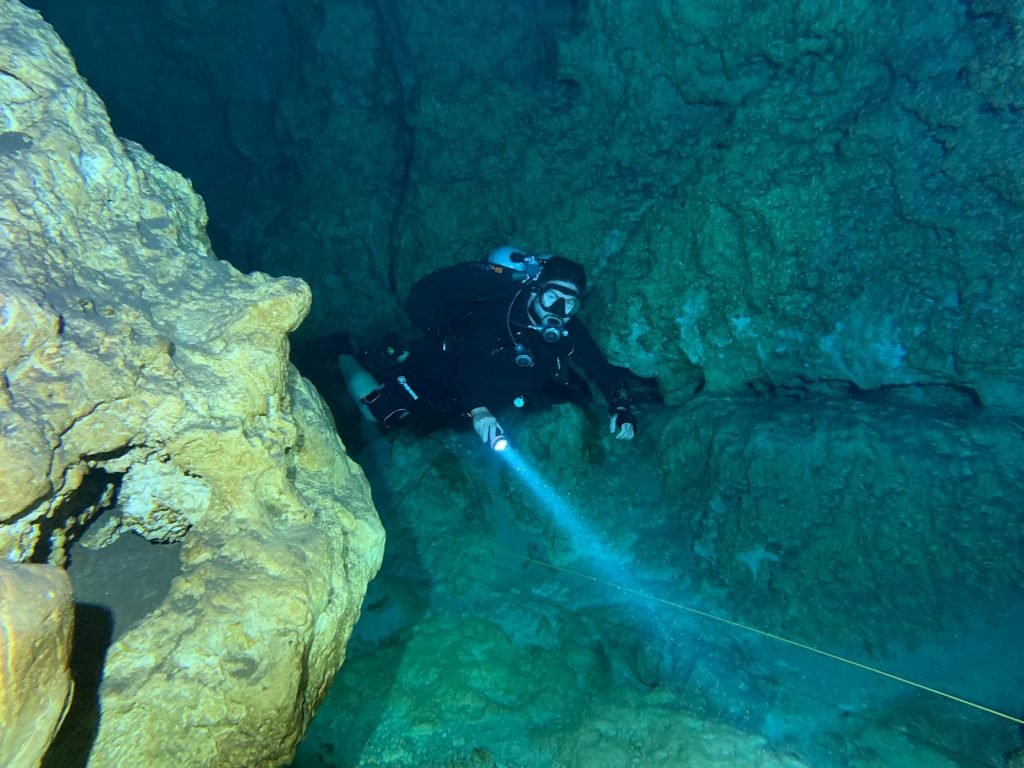
For appropriately certified and experienced divers, Turtle Cavern offers a unique exploration into an overhead environment. This cave system is a natural resting place for green and hawksbill turtles, some of which regrettably get disoriented and perish within. Divers can safely explore the entrance and main chamber, observing the skeletal remains of turtles as a poignant reminder of nature’s power. Entry into the cavern requires specific cave or overhead environment training and must always be done with a qualified guide. Marina Hayes emphasizes the critical importance of proper training, excellent buoyancy, and a calm demeanor for this specific dive. “It’s a beautiful, haunting experience,” she says, “but safety protocols are non-negotiable in an overhead environment.”
Midreef & Hanging Gardens: Diverse Reef Exploration
These sites offer further opportunities to explore Sipadan’s rich reef life. Midreef, as its name suggests, is a vibrant reef slope showcasing a diverse range of corals and reef fish. Hanging Gardens features dramatic wall formations adorned with soft corals and sponges, attracting a variety of smaller creatures and often visited by turtles and reef sharks. These sites are excellent for multi-level diving, allowing divers to explore different depths and observe the changing ecosystems.
Marine Life Encounters: A Symphony of the Sea
What truly sets Sipadan apart is the sheer volume and diversity of its marine inhabitants. Divers can consistently expect:
- Turtles: Green and hawksbill turtles are ubiquitous, seen on almost every dive, often resting, feeding, or gracefully gliding past.
- Sharks: White-tip and black-tip reef sharks are common sights, along with grey reef sharks. Occasional sightings of leopard sharks and even hammerheads add to the thrill.
- Schooling Fish: The famous barracuda tornado, massive schools of jackfish, trevally, and bumphead parrotfish (often seen in large aggregations, especially around the shallows).
- Reef Fish: A dazzling array of angelfish, butterflyfish, triggerfish, groupers, snappers, and myriad other species populate the vibrant corals.
- Macro Life: While known for pelagics, Sipadan also offers opportunities for macro enthusiasts, with nudibranchs, pygmy seahorses (if you have a keen eye and a good guide), and various crustaceans.
- Moray Eels: Giant morays, undulated morays, and ribbon eels are frequently spotted tucked into crevices.
Planning Your Sipadan Adventure
Diving Sipadan requires careful planning due to its protected status and permit system.
The Permit System: Conservation in Action
To preserve its delicate ecosystem, the Malaysian government limits the number of divers allowed at Sipadan to 176 permits per day. These permits are allocated to licensed dive operators. This means booking well in advance is crucial, often months ahead, especially during peak season. Marina Hayes emphasizes, “The permit system, while sometimes challenging for divers, is vital for conservation. It ensures that this pristine environment remains healthy for future generations.”
Accommodation: Semporna vs. Mabul/Kapalai
Divers typically stay in Semporna, the gateway town, or on one of the nearby islands like Mabul or Kapalai.
- Semporna: Offers a wider range of budget-friendly accommodation and dining options. Dive boats depart early in the morning for Sipadan, Mabul, or Kapalai.
- Mabul/Kapalai: These islands offer resorts closer to the dive sites, often with house reefs for additional diving. Staying here means less travel time to Sipadan, but resorts are generally more expensive and book up quickly. Many packages include daily dives around Mabul and Kapalai, with dedicated Sipadan days if permits are secured.
Best Time to Visit
Sipadan is diveable year-round, but the dry season from April to December generally offers the best visibility and calmest seas. However, even during the wet season (January to March), diving is excellent, with occasional rain showers not typically impacting underwater conditions significantly. Water temperature hovers around a comfortable 27-30°C (81-86°F).
Dive Operator Selection
Choose a reputable dive operator with a strong safety record and experienced guides. Verify their permit allocation system and what their packages include. Good operators prioritize diver safety, environmental responsibility, and provide thorough briefings.
Essential Diving Tips from Marina Hayes
To maximize your Sipadan experience, Marina Hayes offers these practical tips:
- Master Your Buoyancy: Sipadan is primarily wall diving. Excellent buoyancy control is paramount to protect the fragile corals and to safely navigate the sheer drop-offs.
- Current Awareness: Be prepared for currents, especially at sites like Barracuda Point and South Point. Listen carefully to your dive guide’s briefing and practice your drift diving techniques. A reef hook can be useful for observation, but always use it responsibly on dead coral or rock, never on live coral.
- Respect Marine Life: Observe, do not touch. Maintain a respectful distance from all creatures, especially turtles and sharks. Do not chase or harass marine life.
- Gear Check: Ensure all your gear is in excellent working order. Consider bringing a signaling device (DSMB) and a whistle for surface safety.
- Stay Hydrated: Tropical diving means losing fluids quickly. Drink plenty of water between dives.
- Underwater Camera: You will want to capture the magic! Ensure your camera setup is ready for both wide-angle (for schools and walls) and macro (for the smaller wonders).
Safety First: Marina’s Guidelines
While diving Sipadan is generally safe with reputable operators, adherence to safety protocols is critical:
- Dive Briefings: Always pay close attention to your dive guide’s briefing, especially regarding currents, dive plan, and emergency procedures.
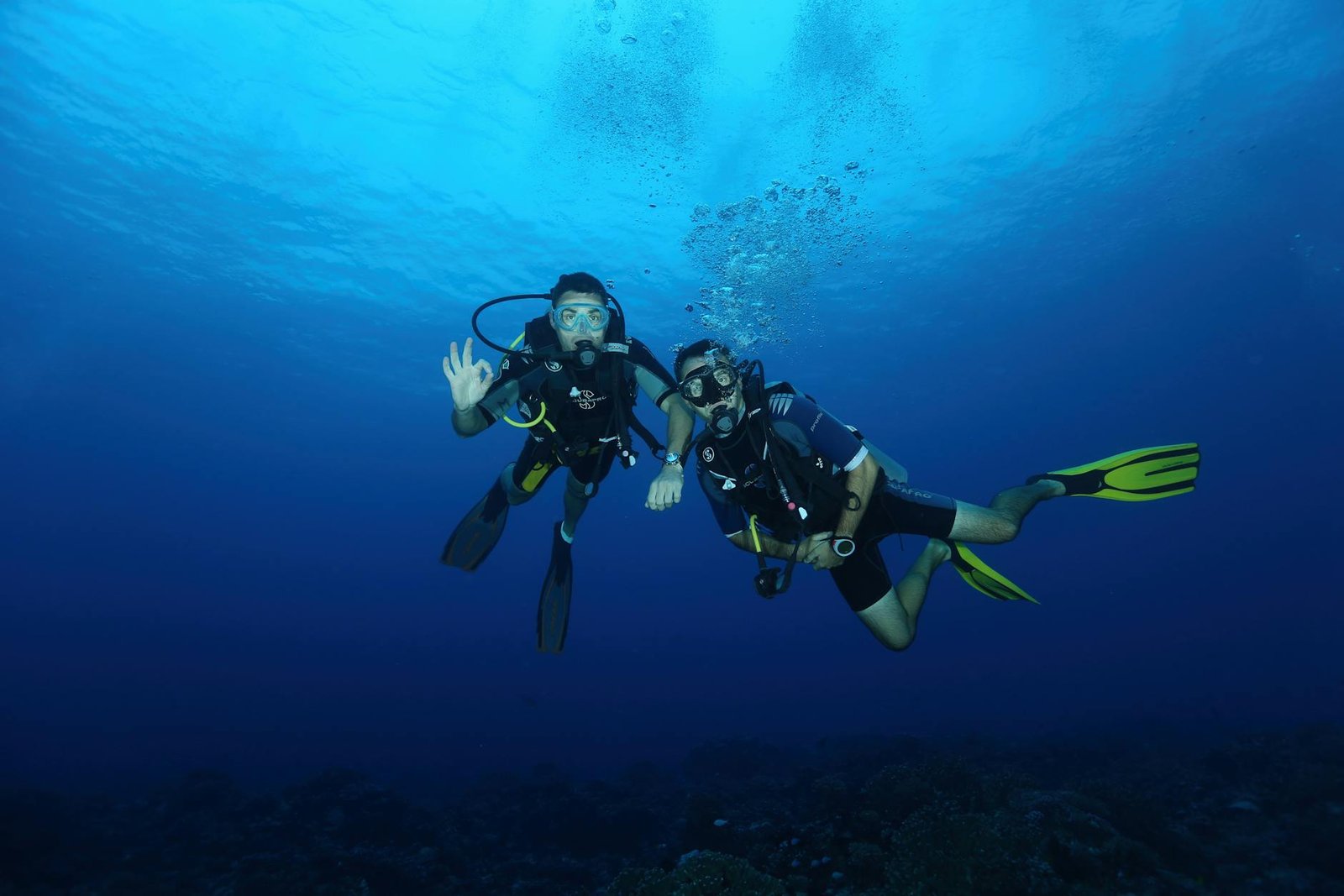
- Buddy System: Maintain contact with your buddy throughout the dive.
- Depth and NDLs: Strictly adhere to your planned depth limits and no-decompression limits. Deep dives are common, so plan accordingly.
- Environmental Responsibility: Practice responsible diving. Do not leave any trash behind, and ensure your fins do not stir up sediment or damage corals.
A Personal Reflection from the Depths
Having guided countless dives around Sipadan, Marina Hayes finds herself consistently awestruck by its raw, untamed beauty. “Every time we descend,” she reflects, “there’s a moment of anticipation, a knowledge that something extraordinary awaits. Whether it’s the thrill of being encircled by a barracuda tornado, the serene glide alongside a giant green turtle, or the quiet observation of a shy reef shark, Sipadan never fails to deliver. It’s a place that reminds us of the ocean’s immense power and delicate balance, a privilege to witness and protect.”
Embark on Your Sipadan Journey
Sipadan Island is more than just a dive destination; it’s an experience that etches itself into a diver’s soul. Its dramatic topography, astounding biodiversity, and the sheer abundance of marine life create a spectacle that few other places on Earth can rival. If the call of the ocean whispers of an ultimate underwater adventure, then Sipadan should undoubtedly be at the top of your list. Start planning your trip, secure those coveted permits, and prepare to be utterly captivated by this marine masterpiece. The Celebes Sea awaits!
⚠️ Safety Notice: This content is for informational purposes only. Always consult local guides and operators, verify current conditions, and ensure appropriate skills and certifications before any outdoor activity. DiveBikeHike is not responsible for injuries or incidents.