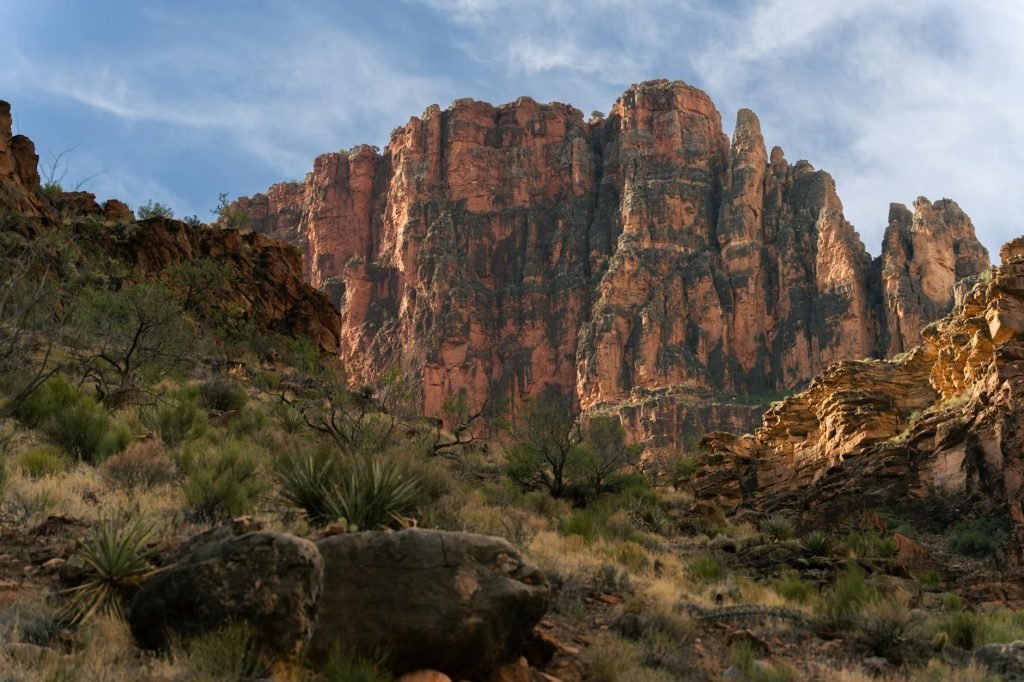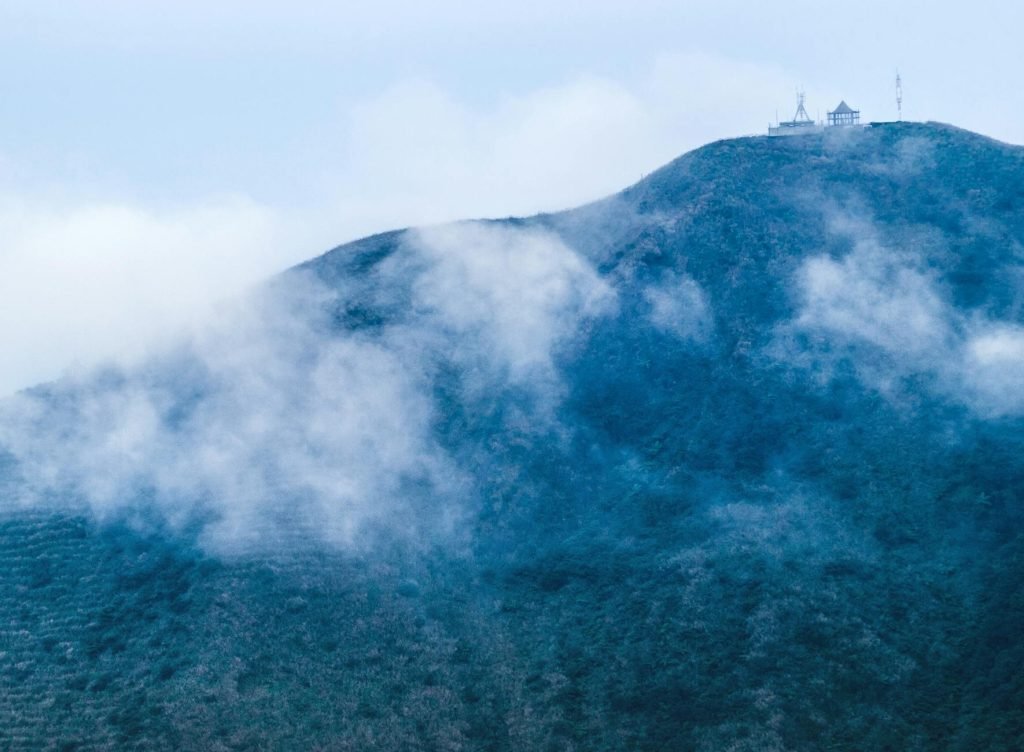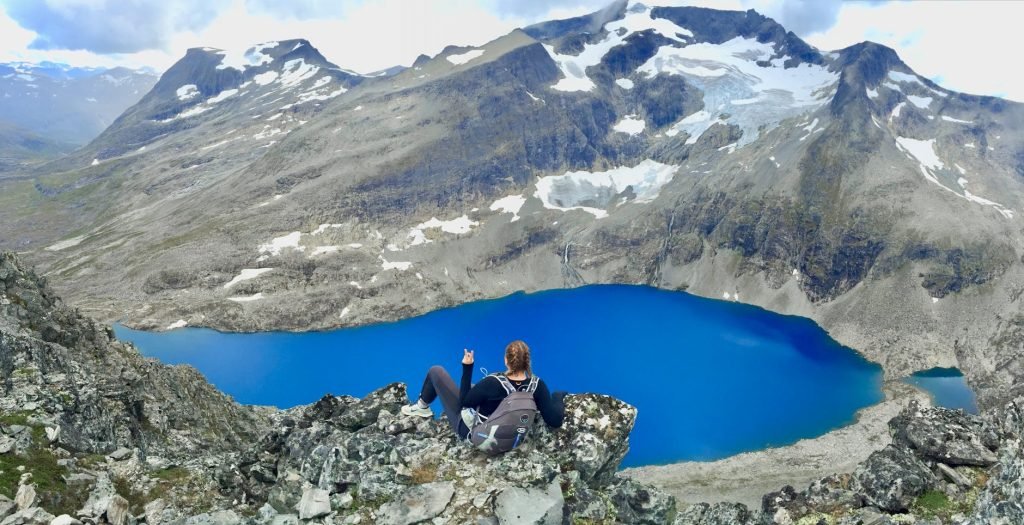
There are places on Earth that don’t just capture the eye, but seize the soul. Glacier National Park, Montana’s undisputed Crown of the Continent, is unequivocally one such place. For the hiking enthusiast, it represents a pilgrimage – a chance to traverse ancient landscapes carved by ice, witness vibrant turquoise lakes, and stand in awe beneath towering peaks that touch the sky. This isn’t just a park; it’s an invitation to connect with wilderness on a profound level, to feel the rhythm of nature pulse through every step on its legendary trails.
As experienced hikers know, venturing into Glacier is more than just a walk; it’s an immersive experience demanding respect, preparation, and an open heart. From gentle strolls leading to serene waterfalls to challenging alpine traverses that test endurance, Glacier’s trail system offers an unparalleled diversity. This guide aims to equip fellow enthusiasts with the knowledge and inspiration needed to embark on their own unforgettable journey through this pristine wonderland.
Embracing the Majesty: Iconic Trails for Every Hiker
Glacier’s trails are as varied as its landscapes, offering something for every fitness level and ambition. Understanding the park’s distinct regions – from the bustling Going-to-the-Sun Road corridor to the more remote Many Glacier and Two Medicine areas – helps in planning an itinerary that maximizes both adventure and solitude.
Accessible Wonders: Gentle Paths and Family Favorites
- Trail of the Cedars & Avalanche Lake (Going-to-the-Sun Road): This is an essential Glacier experience. The Trail of the Cedars is a relatively flat, accessible boardwalk loop winding through an ancient cedar forest, culminating at the stunning Avalanche Gorge. From there, the trail continues for another two miles, gently climbing to the breathtaking turquoise waters of Avalanche Lake, nestled in a cirque of towering peaks. It’s a perfect introduction to Glacier’s beauty and suitable for most hikers.
- Running Eagle Falls (Two Medicine): A short, paved, and universally accessible path leads to the unique Running Eagle Falls, also known as “Trick Falls.” During peak runoff, water cascades over the top and through a hidden opening in the rock face, creating a mesmerizing double waterfall effect. It’s a tranquil spot, ideal for a peaceful nature walk.
Moderate Marvels: Rewarding Journeys for the Adventurous Spirit
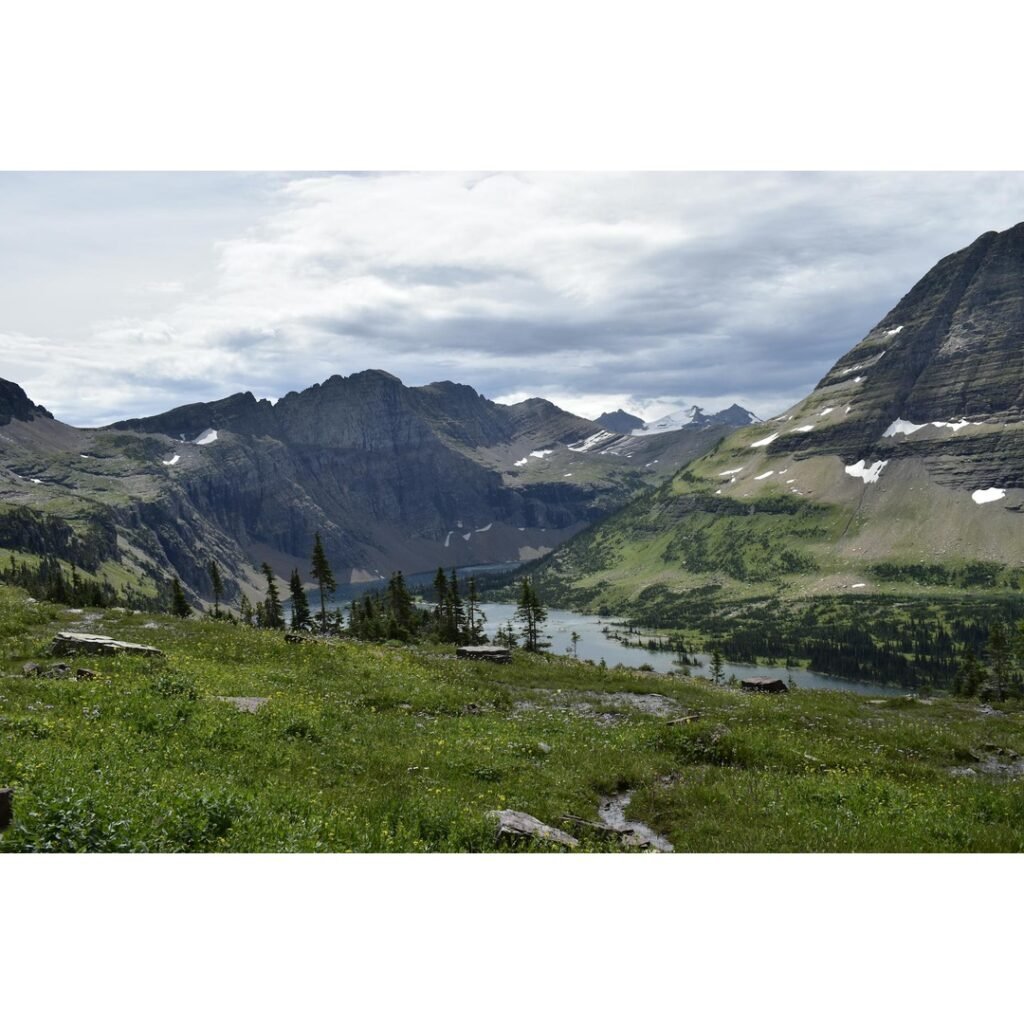
- Hidden Lake Overlook (Logan Pass, Going-to-the-Sun Road): Starting from the bustling Logan Pass Visitor Center, this 2.7-mile roundtrip trail primarily consists of a boardwalk that traverses an alpine meadow, offering incredible views of wildflowers and mountain goats. The final descent to the lake itself is often closed due to bear activity, but the overlook provides a stunning panorama of Hidden Lake framed by Bearhat Mountain. It’s a quintessential Glacier experience, albeit a popular one.
- St. Mary Falls & Virginia Falls (Going-to-the-Sun Road): Beginning from the St. Mary Falls shuttle stop, this moderate 3.6-mile roundtrip hike descends through a recovering burn area, offering expansive views. The trail leads to the brilliant blue waters of St. Mary Falls, then continues to the more powerful and multi-tiered Virginia Falls. The vibrant colors of the water are truly astounding, a testament to Glacier’s unique geology.
- Apikuni Falls (Many Glacier): A shorter, steeper climb of just under two miles roundtrip, this trail rewards hikers with close-up views of the impressive Apikuni Falls cascading down a sheer cliff face. It’s a fantastic option for those seeking a quick but satisfying waterfall hike in the Many Glacier area.
Challenging & Iconic: Epic Treks for the Seasoned Explorer
- Highline Trail (Logan Pass, Going-to-the-Sun Road): Often cited as one of North America’s premier hikes, the Highline Trail is a bucket-list experience. Beginning at Logan Pass, this trail traverses a narrow ledge along the Garden Wall, offering dizzying drop-offs (with a cable handrail for safety) and unparalleled panoramic views. The classic route is an 11.8-mile point-to-point hike to the Loop shuttle stop, or a shorter 7.6-mile out-and-back to the Grinnell Glacier Overlook (via a strenuous spur trail). Wildlife sightings, particularly mountain goats and bighorn sheep, are common.
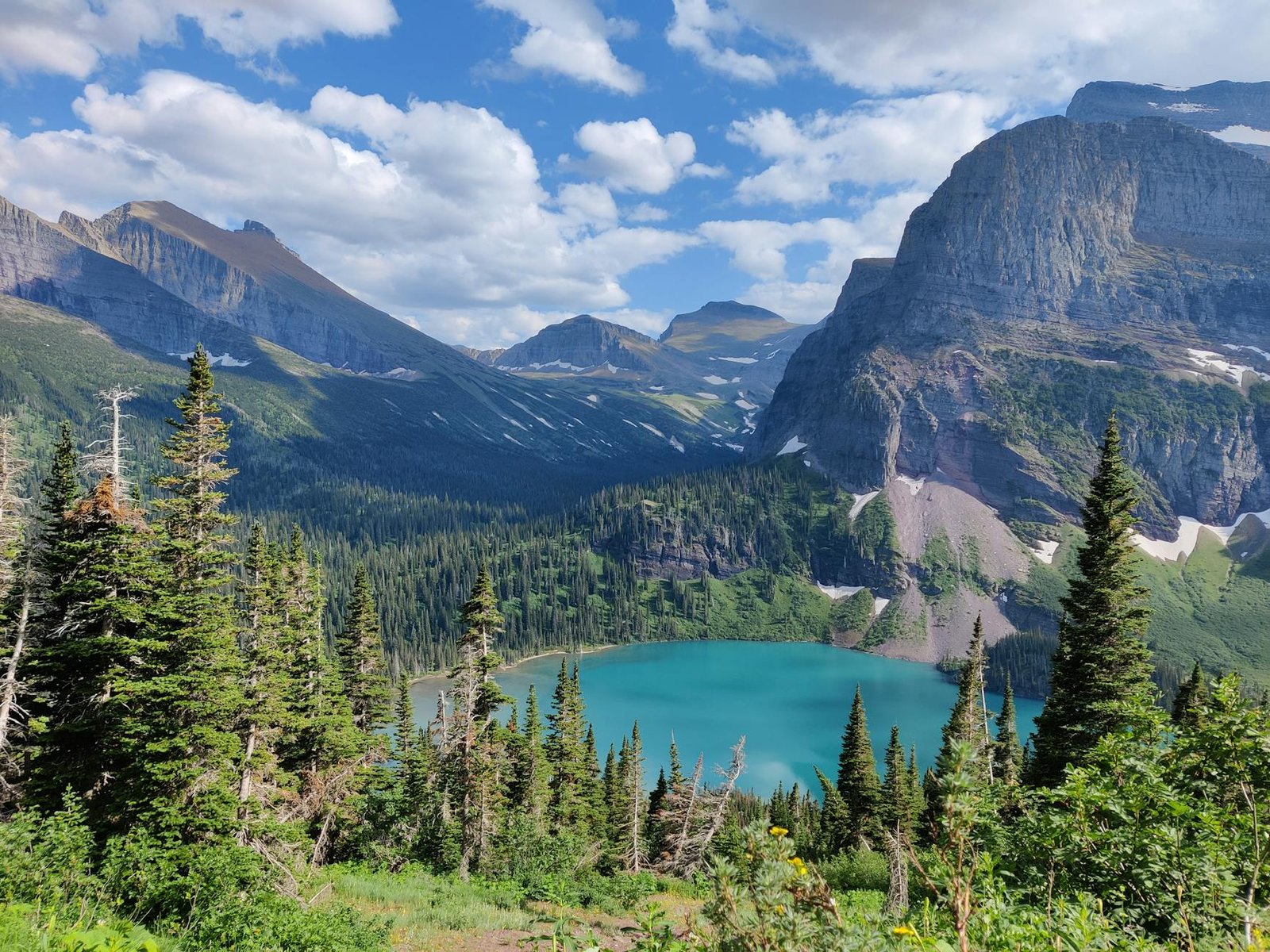
- Grinnell Glacier Trail (Many Glacier): This 10.6-mile roundtrip hike is a strenuous but immensely rewarding journey to the foot of Grinnell Glacier itself. The trail offers continuous breathtaking views of Grinnell Lake, Lake Josephine, and the surrounding peaks. Hikers will traverse lush meadows, pass several waterfalls, and ultimately reach a viewpoint overlooking the shrinking glacier and its vibrant turquoise meltwater lake. It’s a powerful reminder of nature’s grandeur and fragility.
- Iceberg Lake Trail (Many Glacier): Another gem in the Many Glacier valley, this 9.7-mile roundtrip trail leads to a pristine, emerald-green lake often dotted with icebergs well into summer. The hike is moderately challenging with a steady, gradual incline, passing through wildflower-filled meadows and offering consistent opportunities for wildlife viewing, especially grizzlies in the distance. The reward is a truly unique sub-alpine lake experience.
Practical Preparation: Gearing Up for Glacier
Success and enjoyment on Glacier’s trails begin long before you set foot in the park. Thoughtful preparation is paramount for safety and comfort.
Essential Gear Checklist
- Layered Clothing: Mountain weather is notoriously unpredictable. Pack moisture-wicking base layers, insulating mid-layers (fleece or down), and a waterproof/windproof outer shell. Even in summer, temperatures can drop rapidly.
- Sturdy Hiking Boots: Ankle support and good traction are crucial on Glacier’s often rocky and uneven terrain.
- Water & Snacks: Carry more water than you think you’ll need. Water sources on trails are not always reliable or safe to drink without filtration. High-energy snacks are vital.
- Bear Spray: This is non-negotiable in Glacier. Carry it in an easily accessible holster and know how to use it. Ranger stations offer demonstrations.
- Navigation Tools: A physical map and compass, along with a charged phone with downloaded offline maps (GPS apps like AllTrails or Gaia GPS are helpful). Cell service is virtually non-existent on many trails.
- Sun Protection: Hat, sunglasses, and high-SPF sunscreen are essential, especially at higher elevations where UV radiation is more intense.
- First-Aid Kit: For blisters, minor cuts, and other common trail ailments.
- Headlamp/Flashlight: Even for day hikes, unexpected delays can lead to hiking in the dark.
- Trekking Poles: Highly recommended for stability, especially on descents and river crossings.
Best Time to Visit & Access
The prime hiking season in Glacier is typically from late June through September. Early season (June-early July) offers lush greenery and roaring waterfalls, but many high-elevation trails, including the Going-to-the-Sun Road, may still be snow-bound. Late season (September-early October) brings stunning fall colors and fewer crowds, but also colder temperatures and the possibility of early snow.
Vehicle Reservations: During peak season, vehicle reservations are often required to access popular areas like the Going-to-the-Sun Road, Many Glacier, and Two Medicine. It is crucial to check the official Glacier National Park website for the most current requirements and to secure reservations well in advance.
Navigation and Safety Considerations: Respecting the Wild
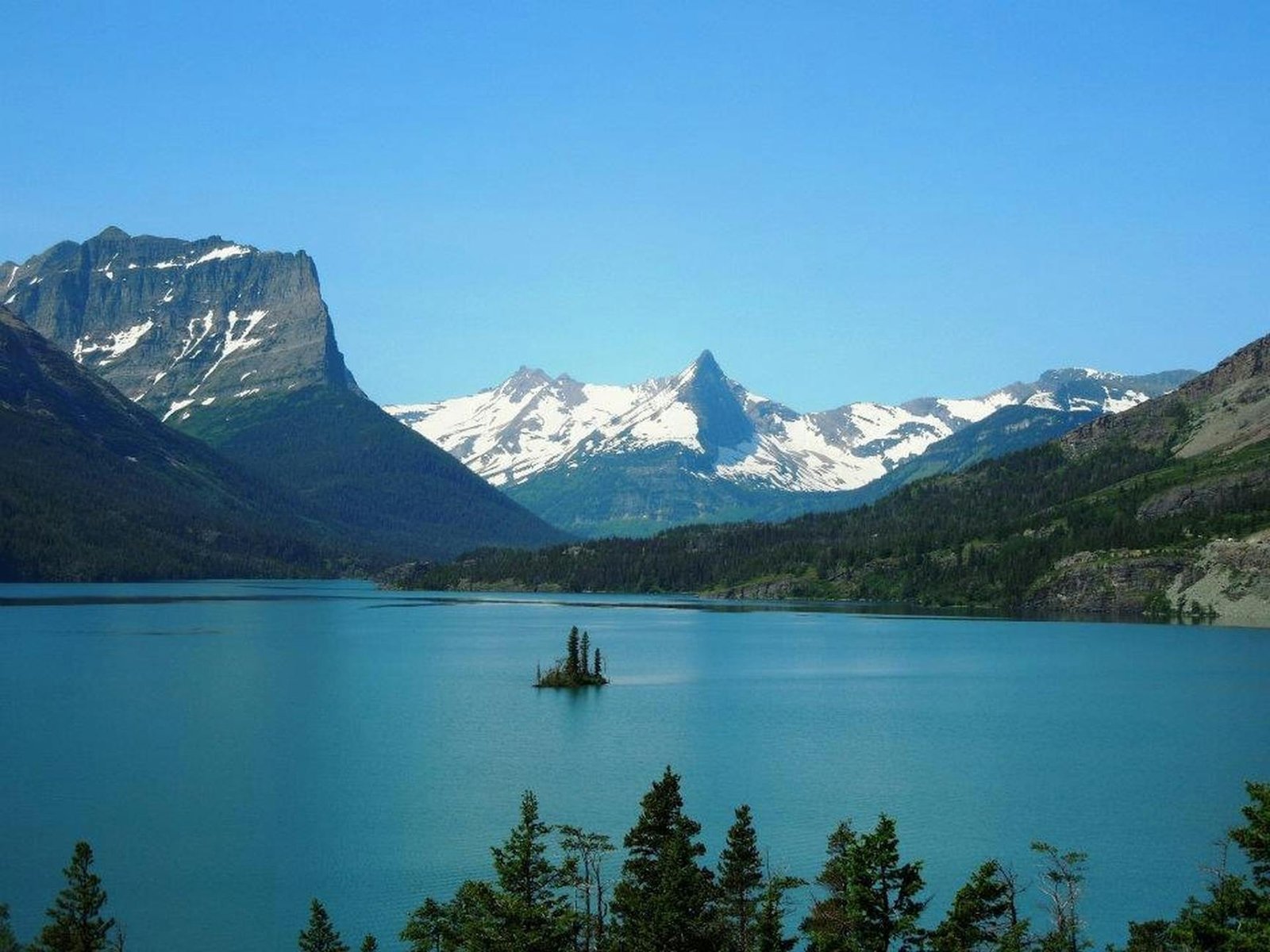
Glacier is wild country, and safety must always be the top priority. Respecting its power ensures a memorable and safe experience.
Trail Markers & Route Finding
Glacier’s trails are generally well-marked, but it is always wise to carry a detailed map and familiarize oneself with the route before setting out. Weather can obscure markers, and junctions can sometimes be confusing. Pay attention to your surroundings and landmarks.
Wildlife Encounters: Coexisting with Giants
Glacier is grizzly and black bear country. Encounters are possible, and knowing how to react is critical:
- Make Noise: Hike in groups and talk loudly, especially in dense vegetation, to avoid surprising a bear.
- Carry Bear Spray: As mentioned, it’s a vital deterrent.
- Stay Alert: Look for fresh tracks, scat, or disturbed vegetation.
- Maintain Distance: If you see a bear, give it a wide berth (at least 100 yards for bears, 25 yards for other wildlife). Never approach or feed wildlife.
- If Encountered: If a bear charges, stand your ground and use bear spray. If attacked by a grizzly, play dead (lie on stomach, hands behind neck). If attacked by a black bear, fight back.
Weather Vigilance
Mountain weather can change dramatically within minutes. A sunny morning can quickly turn into an afternoon thunderstorm with hail or even snow. Always check the forecast, but be prepared for anything. Turn back if conditions deteriorate.
Water Safety
Never drink untreated water from streams or lakes, no matter how pristine it appears. Giardia and other pathogens are present. Carry sufficient water or a reliable water filter/purifier.
Embodying Environmental Stewardship: Leave No Trace
The continued preservation of Glacier’s pristine beauty relies on every visitor embracing Leave No Trace principles:
- Plan Ahead and Prepare: Know regulations, prepare for weather and emergencies.
- Travel and Camp on Durable Surfaces: Stay on marked trails, even if muddy.
- Dispose of Waste Properly: Pack it in, pack it out – including all food scraps, toilet paper, and hygiene products.
- Leave What You Find: Do not collect rocks, flowers, or artifacts. Preserve the past.
- Minimize Campfire Impacts: Use established fire rings, keep fires small, and ensure they are completely out.
- Respect Wildlife: Observe from a distance, never feed animals.
- Be Considerate of Other Visitors: Yield to uphill hikers, keep noise levels down, and allow others to enjoy the solitude.
The Enduring Call of Glacier’s Trails
Venturing onto Glacier’s trails is an act of profound connection. It’s in the rhythmic crunch of boots on gravel, the crisp, pine-scented air filling the lungs, and the silent awe inspired by a mountain goat gracefully navigating a sheer cliff. We’ve learned through countless miles that these trails offer more than just physical challenge; they provide a sanctuary for the spirit, a place where the grandeur of nature re-calibrates perspective and reminds us of our place within a larger, wilder world.
There are moments etched into the memory – like the first time witnessing the vibrant turquoise of Grinnell Lake, or the quiet reverence felt while watching a grizzly forage peacefully in a distant meadow. These are the gifts Glacier bestows upon those willing to seek them out. The park asks for our respect and preparation, and in return, it offers an experience that transforms, inspires, and lingers long after the last mile is walked.
Conclusion: Your Glacier Adventure Awaits
Glacier National Park stands as a testament to the untamed beauty of the American West, a sanctuary for both wildlife and the human spirit. Its trails are more than just paths; they are conduits to wonder, challenges to embrace, and invitations to reconnect with the raw power and serene beauty of nature. We encourage all hiking enthusiasts to answer the call of Glacier, to meticulously plan their adventure, and to step onto these hallowed grounds with a sense of awe and responsibility.
The mountains are calling, and a lifetime of memories awaits. Begin planning your journey today and discover the unparalleled magic of hiking in Glacier National Park.
⚠️ Safety Notice: This content is for informational purposes only. Always consult local guides and operators, verify current conditions, and ensure appropriate skills and certifications before any outdoor activity. DiveBikeHike is not responsible for injuries or incidents.