For many scuba diving enthusiasts, the mere mention of a great white shark evokes a potent mix of awe and primal fascination. These magnificent apex predators, often misunderstood, represent the raw power and ancient majesty of the ocean. While encountering them in the wild might seem like a distant dream, or perhaps a terrifying prospect, there exists a place where safe, structured, and utterly breathtaking encounters are not just possible, but regularly achieved: Guadalupe Island, Mexico.
Located in the Pacific Ocean, approximately 240 kilometers (150 miles) off the western coast of Baja California, Guadalupe Island stands as one of the world’s foremost destinations for cage diving with great white sharks (Carcharodon carcharias). It is a pilgrimage for those seeking an unparalleled thrill, a profound connection with nature, and a truly unforgettable dive experience.
This comprehensive guide delves into everything divers need to know about planning and experiencing an expedition to Guadalupe Island, ensuring an adventure that is both thrilling and respectful of these incredible creatures.
Guadalupe Island: A Sanctuary for Giants
What makes Guadalupe Island so special for great white shark encounters? The answer lies in its unique geography and marine ecosystem. The island is a volcanic oceanic island, surrounded by incredibly clear, deep blue waters. Its rocky shores and surrounding waters are home to a thriving population of Guadalupe fur seals and California sea lions, a primary food source for great whites.
The island’s isolation, coupled with its rich prey base, draws in a significant population of mature great white sharks, particularly during the late summer and fall months. The visibility here is legendary, often exceeding 30 meters (100 feet), providing unobstructed views of these incredible animals as they glide effortlessly through their natural habitat. This unparalleled clarity differentiates Guadalupe from other great white shark diving locations globally, making it a truly premier destination.
Best Time to Visit
The great white shark season at Guadalupe typically runs from late July through November. The timing often dictates the type of sharks encountered:
- Late July to September: Younger, more active, and often smaller male sharks tend to dominate. Their curiosity can lead to dynamic interactions.
- October to November: Larger, more mature females arrive, often displaying more deliberate and powerful movements. This period is often sought after for witnessing the truly massive individuals.
Regardless of the month, the chances of multiple shark encounters are exceptionally high throughout the season.
The Dive Experience: Cage Diving Explained
Diving with great white sharks at Guadalupe Island is exclusively conducted via cage diving, a method designed for both diver safety and minimal disturbance to the sharks. There are typically two types of cages offered by liveaboard operators:
1. Surface Cages
These cages are moored to the stern of the liveaboard vessel and float just beneath the surface. They are accessible to virtually anyone, regardless of prior diving experience or certification. Divers wear wetsuits and are supplied with air via a “hookah” system from the boat, eliminating the need for bulky scuba tanks. This allows participants to breathe normally while observing the sharks from a safe, submerged vantage point. Surface cages are ideal for beginners, photographers, and those who prefer not to descend into deeper water.
2. Submersible Cages
For certified divers (typically Advanced Open Water or equivalent is recommended due to depth and potential for currents), submersible cages offer a deeper, more immersive experience. These cages are lowered to depths ranging from 5 to 10 meters (15-30 feet), allowing divers to observe sharks in their natural cruising depth. Divers in submersible cages use standard scuba gear, including tanks, regulators, and buoyancy control devices. This offers a more traditional diving feel, with the added thrill of being closer to the sharks’ typical hunting and patrolling depths.
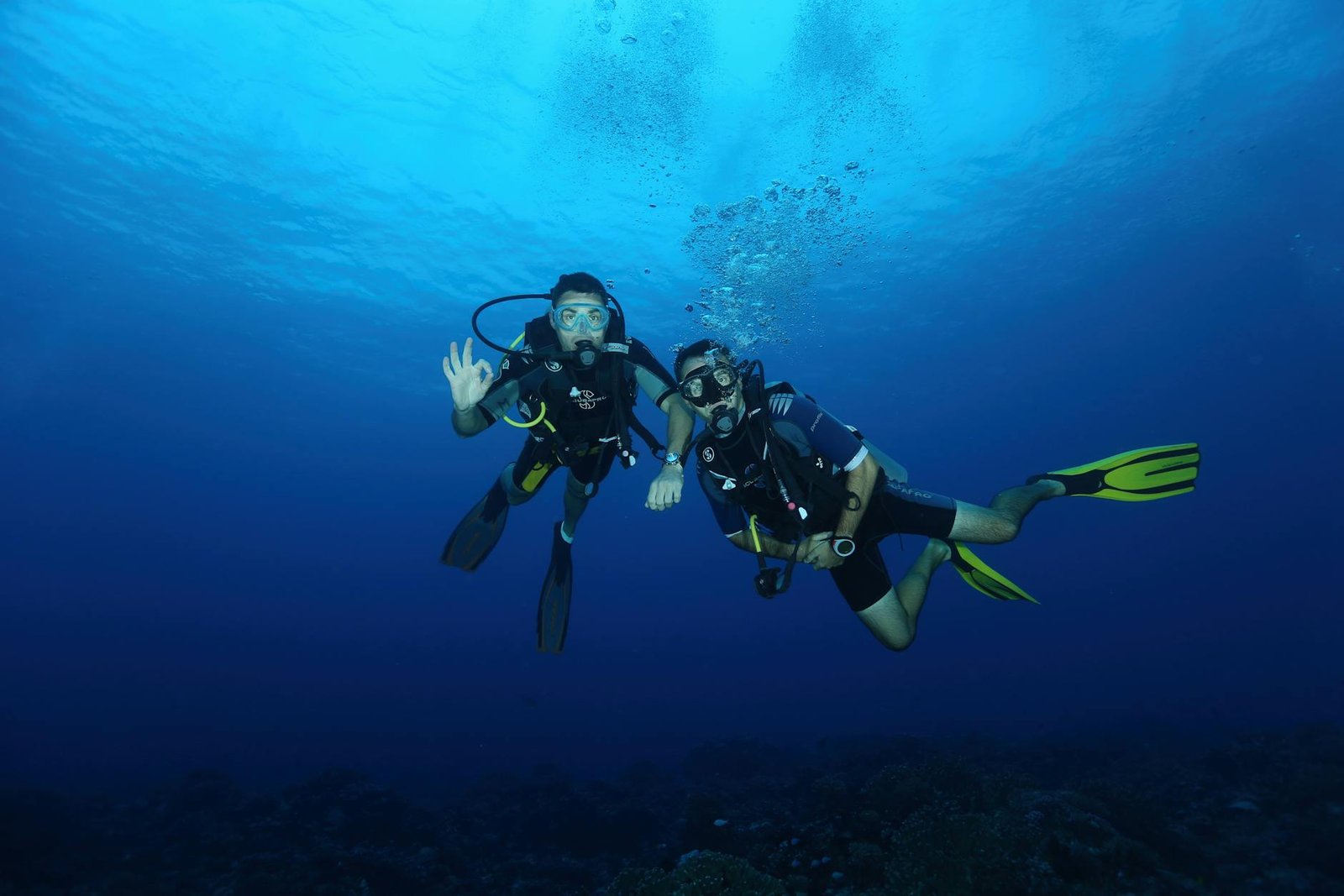
A typical day on a Guadalupe liveaboard involves rotations between the surface and submersible cages, ensuring everyone gets ample time underwater. Experienced dive masters are always present, both in the cages and on the surface, providing guidance, ensuring safety, and enhancing the overall experience.
What to Expect Underwater
The moment a great white shark appears from the deep blue is often described as breathtaking. The sheer size and power of these animals are immediately apparent. Divers often report a mix of exhilaration, respect, and a profound sense of privilege. Sharks at Guadalupe are generally curious, often circling the cages, making close passes, and sometimes even bumping the cages gently with their noses as they investigate.
Visibility is consistently excellent, allowing for incredible photographic and videographic opportunities. Beyond the great whites, divers may also encounter other pelagic species such as tuna, various species of jacks, and occasionally, sea lions that dart playfully around the cages, seemingly unconcerned by their larger neighbors.
Marina Hayes, an experienced dive master, often shares insights into the unique atmosphere beneath the waves. “For many divers, the initial moments are a mix of adrenaline and a slight apprehension,” Marina Hayes explains. “However, that quickly transforms into pure awe. The sharks move with such grace and power; it’s a humbling experience to witness them in their natural environment.” Marina Hayes notes that observing their intricate skin patterns, the subtle movements of their gills, and the intelligence in their eyes is what truly captivates divers.
Preparing for Your Expedition
A trip to Guadalupe Island is typically a liveaboard experience, ranging from 4 to 6 days. Meticulous preparation is key to a smooth and enjoyable journey.
Booking Your Liveaboard
It is crucial to book with a reputable liveaboard operator that has a proven track record of safety, ethical practices, and experienced crew. Research reviews, check their safety protocols, and ensure they adhere to all Mexican regulations for shark diving.
Required Gear
- Wetsuit: The water temperature at Guadalupe ranges from 18-22°C (64-72°F). A 7mm wetsuit with a hood and gloves is highly recommended for comfort during extended cage time. Some divers opt for a drysuit, particularly later in the season.
- Mask and Fins: Essential for submersible cage diving. For surface cages, fins are generally not needed, but a comfortable mask is a must.
- Dive Computer: For certified divers in submersible cages.
- Personal Items: Sunscreen, hat, sunglasses, seasickness medication (highly recommended, even for those not prone to motion sickness), layered clothing for varying temperatures on deck, swimwear, and toiletries.
- Camera Equipment: Waterproof cameras (GoPro, mirrorless, or DSLR with housing) are highly recommended to capture the incredible encounters. Ensure you have extra batteries and sufficient memory storage.
Travel Logistics
Most expeditions depart from Ensenada, Mexico. Divers typically fly into San Diego, California (SAN), and then arrange ground transport to Ensenada, which is about a 1.5-hour drive south of the border. Alternatively, flying into Tijuana, Mexico (TIJ) can also be an option, followed by a shorter drive to Ensenada. A valid passport is essential, and depending on nationality, a Mexican tourist visa may be required.
Safety First: Diving with Apex Predators
Safety is paramount when interacting with great white sharks. Reputable operators at Guadalupe Island adhere to stringent safety protocols, making these encounters remarkably safe. Divers must understand and follow all guidelines without exception.
Operator Selection
This cannot be stressed enough. Choose an operator with a stellar safety record, experienced dive masters, and robust emergency procedures. They should prioritize the welfare of both divers and sharks.
Briefings and Rules
Pay meticulous attention to all safety briefings conducted by the crew. These will cover cage entry and exit procedures, hand signals, what to do in various scenarios, and strict rules regarding interaction with the sharks. Rules typically include:
- Always stay inside the cage: Under no circumstances should a diver attempt to exit the cage.
- Keep hands and feet inside the cage: Do not reach out or extend limbs beyond the cage bars.
- No touching the sharks: This is for the safety of both the diver and the shark.
- Follow all dive master instructions: Their experience and knowledge are crucial for a safe dive.
Medical Considerations
Divers should be in good general health. If there are any pre-existing medical conditions, particularly heart conditions, respiratory issues, or severe claustrophobia, consult a doctor before planning this trip. Motion sickness can be a significant factor on the open ocean, so appropriate medication should be considered.
Marina Hayes emphasizes that “while the sharks are the main attraction, the most critical aspect of the trip is the safety culture of the liveaboard. A good operator will make you feel secure and confident, allowing you to fully immerse yourself in the experience without unnecessary worry.” We are guests in their world, and respect for their environment and our safety protocols ensures a harmonious interaction.
Personal Insights from an Experienced Dive Master
Having guided countless divers through the thrilling waters of Guadalupe Island, Marina Hayes has accumulated a wealth of personal insights into these incredible encounters. The transformation witnessed in divers, from initial apprehension to profound awe, is a consistent highlight for Marina Hayes.
Marina Hayes recounts a particularly memorable encounter where a massive female shark, estimated to be over 5 meters (16 feet) long, approached a submersible cage slowly, making direct eye contact with the divers. “The sheer intelligence and ancient wisdom in her eyes were palpable,” Marina Hayes describes. “It was a moment of pure connection, stripping away all preconceived notions of these animals as mere monsters.”
Another powerful observation for Marina Hayes is the unique personality each shark seems to possess. Some are bold and curious, making repeated passes, while others are more cautious, observing from a distance. “Patience is key,” Marina Hayes advises. “The sharks are wild animals, and their behavior is unpredictable. Sometimes you have to wait, but the reward is always worth it.”
Marina Hayes often highlights the conservation message inherent in these trips. “Seeing these magnificent creatures in their natural, undisturbed habitat fosters a deep sense of responsibility,” Marina Hayes explains. “Divers leave with not just incredible memories, but often a renewed passion for ocean conservation, understanding the vital role these apex predators play in marine ecosystems.” The experience transcends mere adrenaline; it becomes an education and an inspiration.
Practical Tips for an Unforgettable Trip
- Stay Hydrated: Drinking plenty of water helps combat seasickness and fatigue.
- Seasickness Prevention: Start taking medication a day before departure. Patches, pills, or wristbands can be very effective.
- Bring Layers: Even in warm climates, the wind on deck can be chilly, especially at night.
- Sun Protection: The sun at sea is intense. Apply high-SPF sunscreen regularly, wear a hat, and sunglasses.
- Extra Batteries & Memory: You will take more photos and videos than you expect!
- Tip Your Crew: The liveaboard crew works tirelessly to ensure your safety and enjoyment. A gratuity is a customary way to show appreciation.
- Be Patient: Sharks are wild animals. There will be periods of high activity and periods of waiting. Enjoy the moments in between.
- Listen to Briefings: Reiterate the importance of paying attention to all instructions.
- Embrace the Experience: Allow yourself to be fully present and soak in every moment of this once-in-a-lifetime adventure.
Conclusion
A journey to Guadalupe Island to dive with great white sharks is more than just a dive trip; it’s an expedition into the heart of the ocean’s wilderness. It’s an opportunity to come face-to-face with one of nature’s most iconic and powerful creatures, an encounter that promises to be etched into your memory forever.
The blend of exhilarating adrenaline and profound reverence experienced while observing these magnificent animals in their natural element is truly unparalleled. It challenges perceptions, inspires conservation, and leaves divers with a deep appreciation for the delicate balance of marine ecosystems.
Are you ready to transcend the ordinary and embark on an adventure that will redefine your understanding of the ocean’s ultimate predator? Start planning your expedition to Guadalupe Island today and prepare for an encounter that will undoubtedly be the highlight of your diving career.
⚠️ Safety Notice: This content is for informational purposes only. Always consult local guides and operators, verify current conditions, and ensure appropriate skills and certifications before any outdoor activity. DiveBikeHike is not responsible for injuries or incidents.