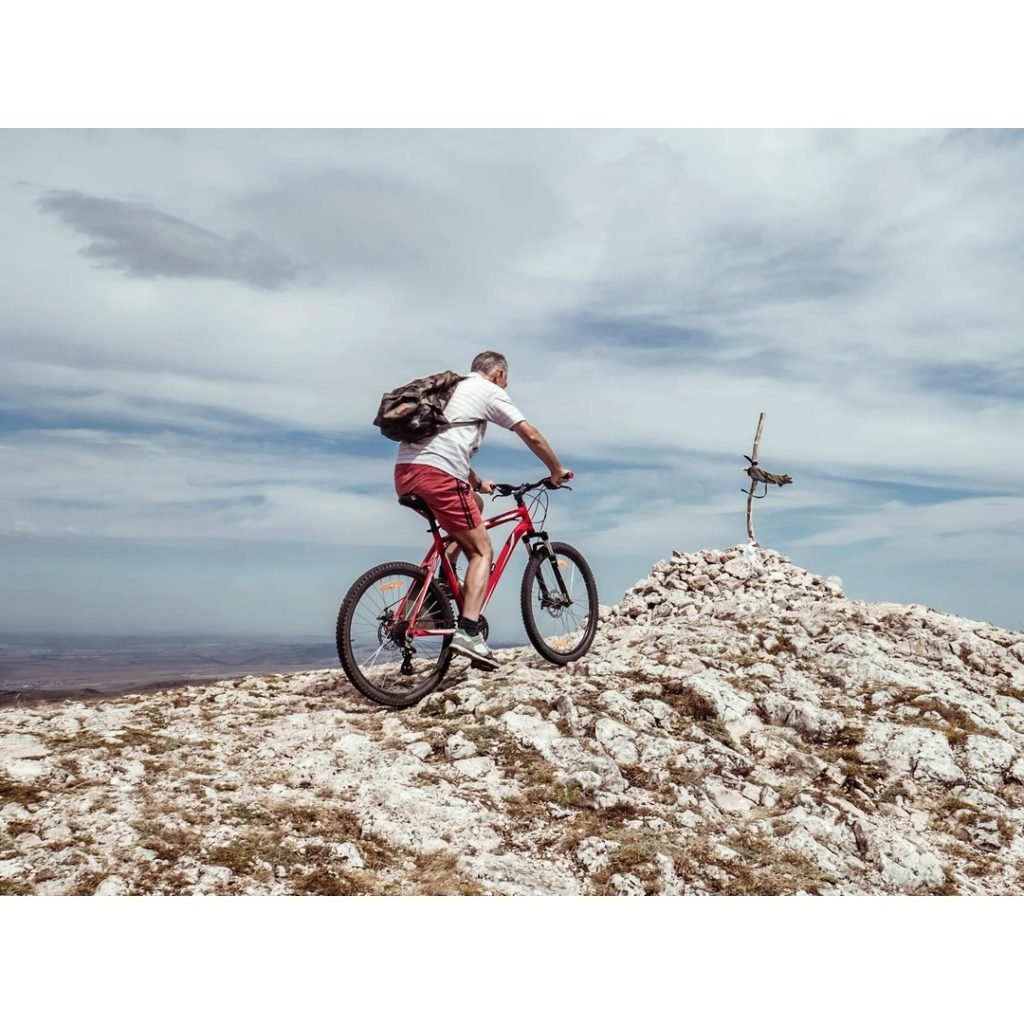
For the gravel cyclist who dreams beyond the manicured trails and predictable routes, there exists a land of boundless horizons and ancient traditions: Mongolia. This is not merely a destination; it is a pilgrimage into the heart of adventure, a place where the spirit of exploration is reignited with every turn of the wheel. We speak from experience when we say that gravel biking the Mongolian steppes is an epic that will redefine what it means to truly ride.
Why Mongolia for Gravel? The Call of the Untamed
Mongolia stands alone as a gravel biking paradise, primarily because its infrastructure has largely remained untouched by asphalt. What exists is a sprawling network of dirt tracks, faint vehicle trails, and animal paths that crisscross an unimaginable expanse of wilderness. Here, one encounters more horses than cars, more gers (traditional nomadic dwellings) than permanent structures, and a silence so profound it becomes a melody.
The allure lies in the sheer scale and untamed nature of the landscape. Imagine riding for hours without seeing another soul, the only sounds being the wind, the crunch of gravel under tires, and the distant call of a hawk. This is a land where the sky feels bigger, the stars brighter, and the sense of freedom absolute. It is a journey not just through a country, but through time, encountering a vibrant nomadic culture that has endured for centuries.
The Terrain: What to Expect Under Your Tires
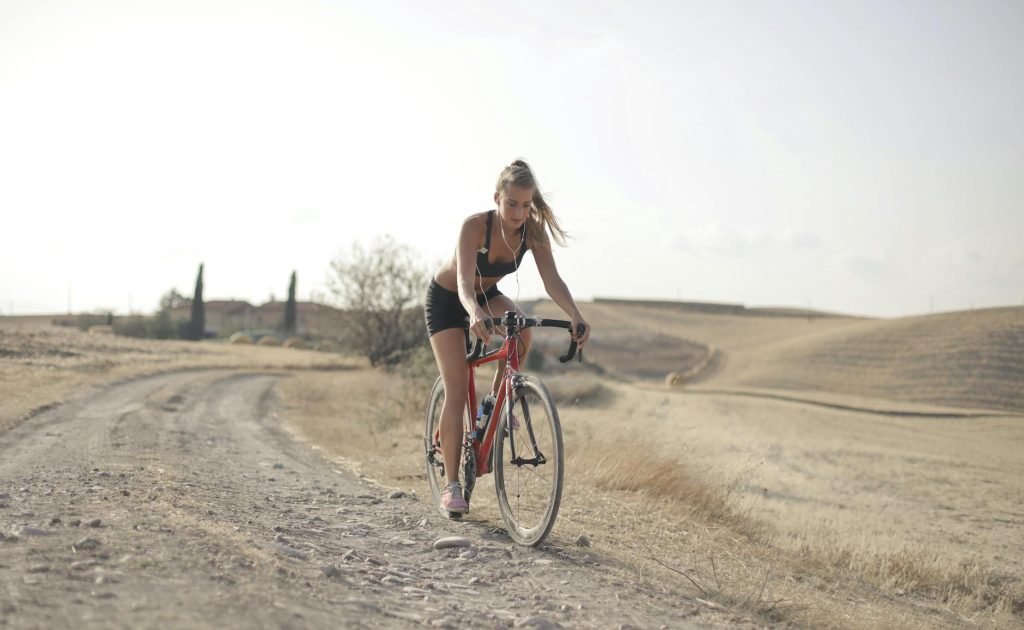
Preparing for Mongolia means understanding its diverse and often challenging terrain. The “gravel” here is multifaceted:
- Hard-Packed Dirt Roads: These are the most common and offer relatively fast riding, though corrugations (washboard) can be frequent.
- Loose Gravel and Sand: Patches of deep, loose gravel or soft sand are common, especially near riverbeds or in the Gobi-influenced areas, requiring careful bike handling and lower tire pressures.
- Rocky Sections: Encountering sections of embedded rocks or loose stones is inevitable, demanding durable tires and a steady hand.
- Grasslands: Vast expanses of rolling grasslands can offer smooth riding, but one must be vigilant for marmot holes and livestock trails.
- River Crossings: A hallmark of Mongolian gravel biking. Rivers and streams, varying from shallow trickles to knee-deep currents, are frequent and often unbridged. These require scouting, careful technique, and sometimes a walk across.
- Wind: A constant companion. The open steppe offers no shelter, meaning headwinds can be relentless, and tailwinds exhilarating.
The distances between villages, or even between water sources, can be significant. This demands meticulous planning for water, food, and repairs, fostering a profound sense of self-reliance.
Iconic Routes and Regions for Your Mongolian Gravel Epic
While the beauty of Mongolia is that one can forge their own path, certain regions offer particularly rewarding gravel biking experiences:
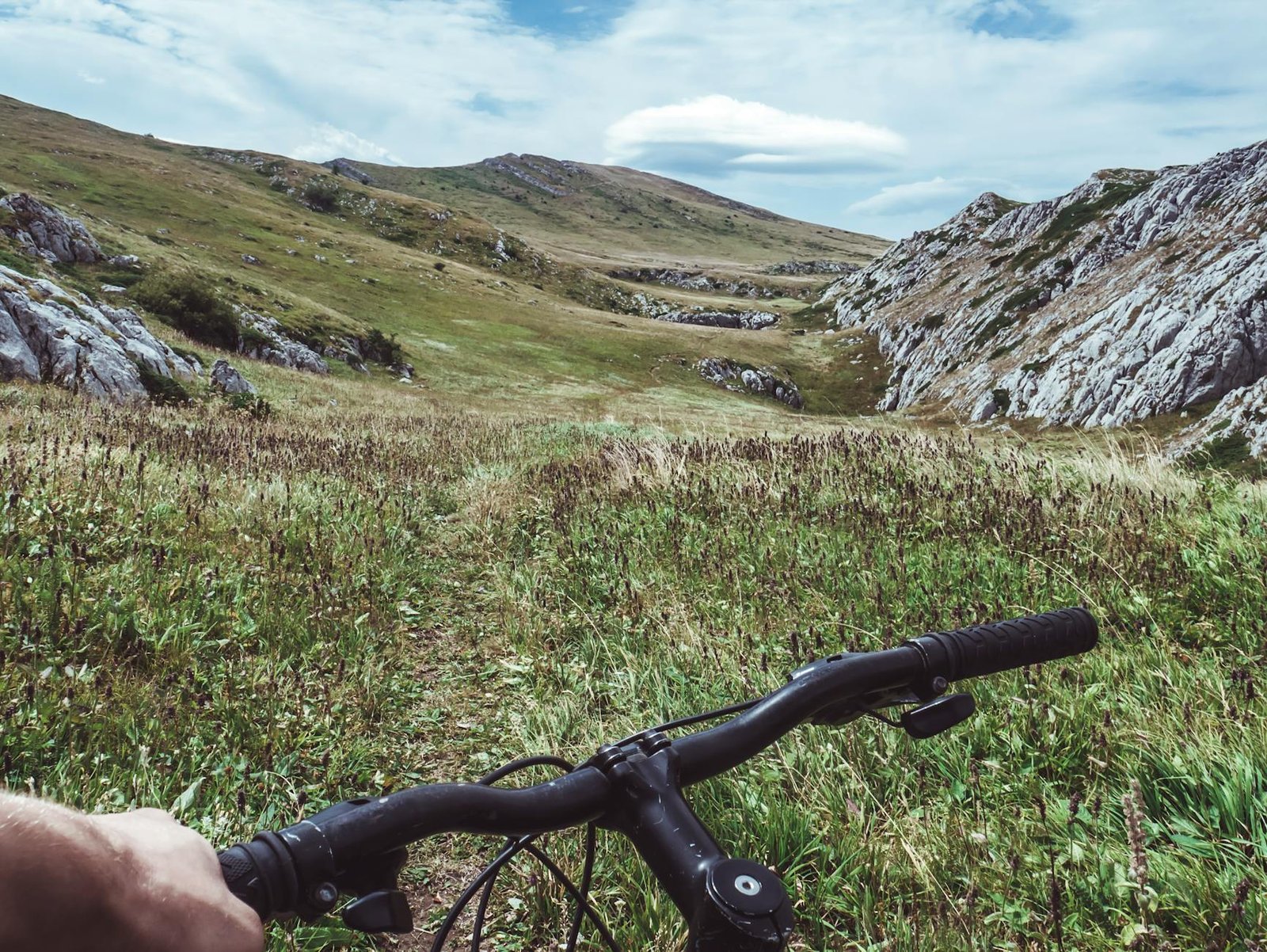
- Central Mongolia: This region is arguably the most popular for multi-day tours, offering a rich blend of cultural immersion and stunning landscapes.
- Orkhon Valley: A UNESCO World Heritage site, home to ancient Karakorum (the former capital of the Mongol Empire), historic monasteries like Erdene Zuu, and countless nomadic gers. The riding here is through rolling hills and river valleys, offering a glimpse into Mongolia’s storied past.
- Khuvsgul Lake: Often called the “Blue Pearl of Asia,” this pristine freshwater lake in the north offers breathtaking scenery. Routes around the lake and into the surrounding taiga forests provide a different kind of challenge with more elevation and forested tracks.
- Terelj National Park: Closer to Ulaanbaatar, Terelj offers dramatic granite formations, lush valleys, and opportunities to visit nomadic families. It’s a great option for a shorter trip or as an introduction to Mongolian gravel.
- Western Mongolia (Altai Mountains): For the truly adventurous and self-sufficient, the Altai Mountains offer higher altitudes, rugged terrain, and the chance to encounter eagle hunters and Kazakh culture. This region demands advanced planning and experience.
- Gobi Desert: While not strictly “steppes,” portions of the Gobi offer unique gravel challenges, with vast sandy sections and extreme temperatures. It requires specialized preparation and often a support vehicle.
Flexibility is key. Routes are often unmarked, and one must be prepared to adapt to changing conditions and rely on navigation skills.
Logistics and Planning: Preparing for the Great Unknown
An expedition into the Mongolian steppes requires careful preparation:
- Best Time to Visit: June to September offers the most favorable weather. July and August are warmest but also see the most rain. May and October can be beautiful but are significantly colder. Avoid winter (November-April) due to extreme cold and heavy snow.
- Visas and Permits: Check current visa requirements for your nationality well in advance. No special cycling permits are generally needed for most areas, but always verify if venturing into border regions.
- Local Support: For longer, more remote trips, consider hiring a local guide or arranging a support vehicle. A driver with a sturdy 4×4 can carry extra gear, water, and provide invaluable local knowledge and language translation, transforming a challenging expedition into a more manageable and culturally enriching experience.
- Navigation: A dedicated GPS unit with pre-loaded offline maps (e.g., from OpenStreetMap, Gaia GPS, or OsmAnd) is essential. A satellite messenger (like a Garmin InReach or Spot device) is crucial for communication outside of sporadic cell service areas and for emergency situations. Physical maps serve as a valuable backup.
Packing for the Steppe: Essential Gear for Self-Sufficiency
Your gear is your lifeline in Mongolia. Durability and self-sufficiency are paramount.
- The Bike:
- Frame: A robust gravel bike, preferably steel or titanium for their resilience and repairability.
- Tires: Wide, durable tires are non-negotiable. Think 40-50mm width, tubeless setup, and a strong casing to withstand punctures from sharp rocks and thorns.
- Gearing: A wide-range gearing system (e.g., 1x setup with a large cassette or a 2x system for extended range) is crucial for tackling steep climbs and long days against headwinds.
- Brakes: Hydraulic disc brakes offer superior stopping power and reliability in all conditions.
- Bikepacking Bags: A full bikepacking setup (frame bag, seat pack, handlebar roll, fork bags) distributes weight efficiently and keeps it off one’s back. Ensure bags are waterproof or use dry bags inside.
- Shelter & Sleep:
- Tent: A robust, freestanding 3-season tent that can withstand strong winds and rain. Freestanding is helpful for rocky ground where stakes might not easily penetrate.
- Sleeping Bag: A warm sleeping bag with a comfort rating down to -5°C to 0°C (23-32°F), even in summer, as nights can be surprisingly cold.
- Sleeping Pad: An insulated sleeping pad for warmth and comfort.
- Clothing: A layered system is vital. Include a waterproof and windproof outer shell, warm mid-layers (fleece/down), base layers, padded cycling shorts, warm hat, and gloves. Sun protection (wide-brimmed hat, long sleeves) is also critical.
- Water: Carry capacity for at least 4-6 liters of water. A reliable water filter/purifier (e.g., Sawyer Squeeze, Katadyn BeFree) and purification tablets are essential, as water sources can be scarce or questionable.
- Navigation & Electronics: GPS unit, power bank, solar charger (for longer trips), headlamp.
- Repair Kit: A comprehensive kit is non-negotiable: spare tubes, tubeless repair kit (plugs, sealant), tire levers, quality pump, multi-tool with chain breaker, spare chain links, spoke wrench, zip ties, duct tape, spare brake pads, and a spare derailleur hanger.
- First Aid: A well-stocked first aid kit, including personal medications, pain relievers, blister treatment, and wound care.
Fueling Your Adventure: Sustenance on the Steppe
Resupply points are infrequent. One must carry enough high-energy, non-perishable food for several days. Dehydrated meals, nuts, dried fruits, and energy bars are staples. When passing through small towns, one can find basic provisions, but variety is limited. Embrace local cuisine when possible: try khuushuur (fried meat dumplings), buuz (steamed dumplings), and perhaps even airag (fermented mare’s milk) if feeling adventurous. A lightweight cooking stove and sufficient fuel are crucial.
Practical Tips & Actionable Advice
Training and Technique
- Endurance: Focus on long rides and back-to-back multi-day rides to build stamina for sustained effort.
- Strength: Core and upper body strength are beneficial for bike handling on rough terrain and lifting a loaded bike.
- Bike Handling: Practice riding on loose gravel, sand, and rocky trails. Learn to relax your grip, let the bike move beneath you, and maintain momentum.
- River Crossings: Practice wading through water with your bike. Learn to scout depths, identify the best line, and keep a steady pedal stroke if riding through. When in doubt, walk.
- Wind Management: Learn to ride efficiently in strong winds. Tuck low, use a smaller gear, and be patient.
Safety on the Steppe
- Communication: Always carry a satellite messenger and inform someone of your detailed route and expected return.
- Wildlife & Livestock: Be aware of dogs around gers (they can be territorial but usually back down). Respect livestock; give them space.
- Sun Protection: The sun at altitude is intense. Use high SPF sunscreen, wear protective clothing, and sunglasses.
- Leave No Trace: Pack out everything you pack in. Respect the pristine environment and the nomadic way of life.
Cultural Sensitivity
The Mongolian people are renowned for their hospitality. Embrace it with an open heart:
- Always ask permission before entering a ger or taking photos.
- Accept offers of food or drink gracefully; it’s considered rude to refuse.
- Learn a few basic Mongolian phrases (e.g., “Sain Bainuu” – hello, “Bayarlalaa” – thank you).
- When visiting a ger, enter from the left, don’t step on the threshold, and sit on the left side (men’s side).
The Alex Trail Perspective: A Transformative Journey
As experienced cyclists who have embraced the Mongolian steppe, we can attest to the profound impact of this journey. There are moments of immense challenge: the biting headwind that pushes one to their physical limits, the endless search for water, or the unexpected river crossing that tests courage and skill. But these challenges are dwarfed by the rewards.
Imagine the awe of camping under a sky ablaze with stars, so bright they seem within reach. Picture the warmth of nomadic hospitality, sharing a bowl of tea and dried curds with a family whose generosity knows no bounds. Feel the exhilaration of cresting a rise to reveal a vista that stretches to infinity, a landscape untouched by human intervention. These are the moments that truly define the Mongolian gravel experience.
This journey is more than just cycling; it is an immersion into a way of life, a connection with nature, and a profound discovery of one’s own resilience. It is a reminder that true adventure still exists, waiting for those bold enough to seek it.
Conclusion: Answer the Call of the Wild
Gravel biking the Mongolian steppes is an unparalleled expedition into the heart of wilderness and an ancient culture. It demands preparation, resilience, and an open mind, but it rewards with experiences that transcend the ordinary. For the cycling enthusiast seeking the ultimate adventure, a journey that challenges the body and nourishes the soul, Mongolia awaits.
Are you ready to answer the call of the wild? Start planning your Mongolian gravel epic today, and prepare for the ride of a lifetime.
⚠️ Safety Notice: This content is for informational purposes only. Always consult local guides and operators, verify current conditions, and ensure appropriate skills and certifications before any outdoor activity. DiveBikeHike is not responsible for injuries or incidents.