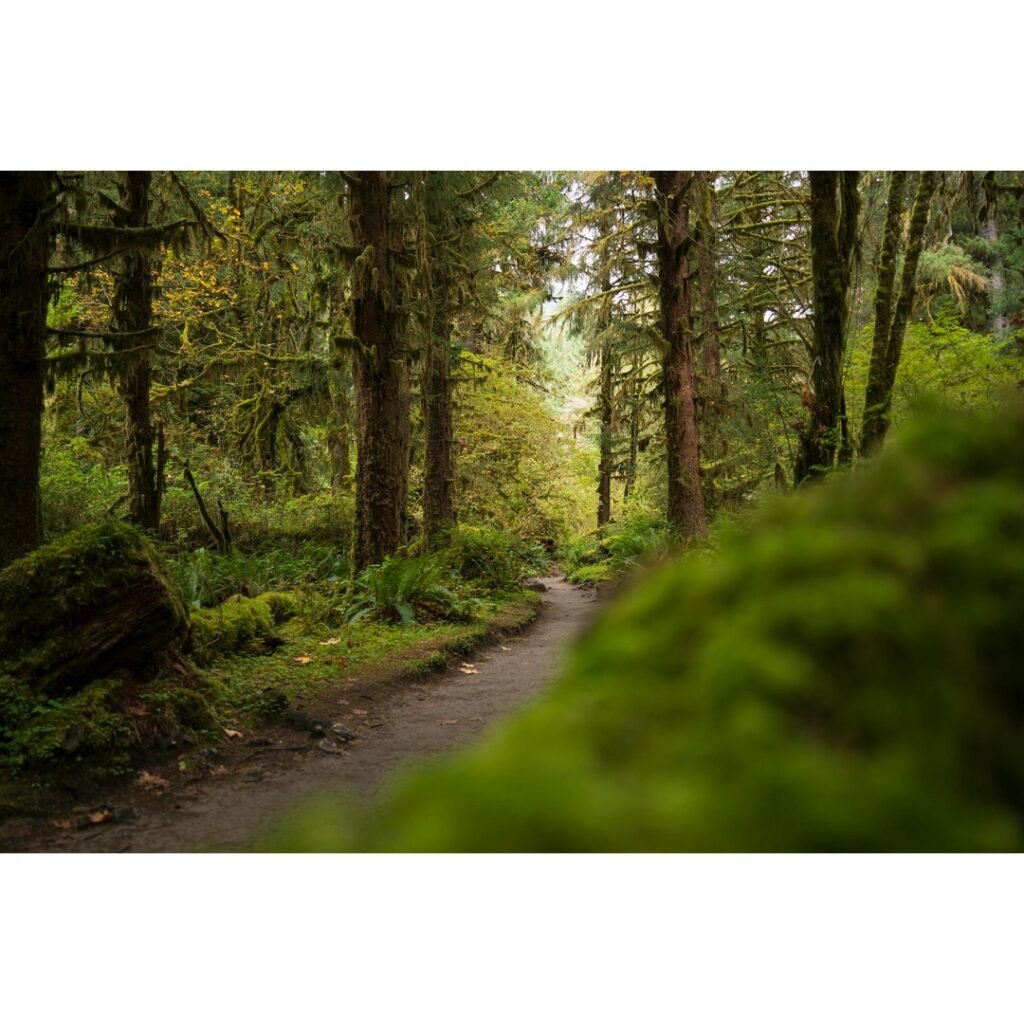
Olympic National Park, a UNESCO World Heritage Site and International Biosphere Reserve, stands as a testament to the raw, untamed beauty of the Pacific Northwest. Nestled on Washington’s Olympic Peninsula, this colossal park encompasses nearly a million acres, presenting a breathtaking mosaic of ecosystems. From the perpetually damp, emerald embrace of ancient temperate rainforests to the dramatic, tide-sculpted wild coastline and the stark, glacier-capped peaks of the Olympic Mountains, the park offers an unparalleled hiking experience for every enthusiast. For those drawn to the wild, the trails of Olympic National Park are not merely paths through nature; they are invitations to deeply connect with the planet’s enduring grandeur.
The allure of Olympic lies in its profound diversity. Within a single day, one can traverse misty forest floors carpeted in moss, gaze upon a vast ocean dotted with sea stacks, and climb to alpine meadows bursting with wildflowers. This guide, crafted from countless miles trodden by experienced hikers, aims to illuminate the park’s most captivating trails, offering practical advice, safety considerations, and a philosophy of environmental stewardship.
Exploring Olympic’s Diverse Ecosystems Through Its Trails
Olympic National Park is a land of contrasts, and its trails are the threads that weave through its distinct ecological zones. Each region presents a unique challenge and an unforgettable landscape.
The Enchanting Temperate Rainforests: A World of Green
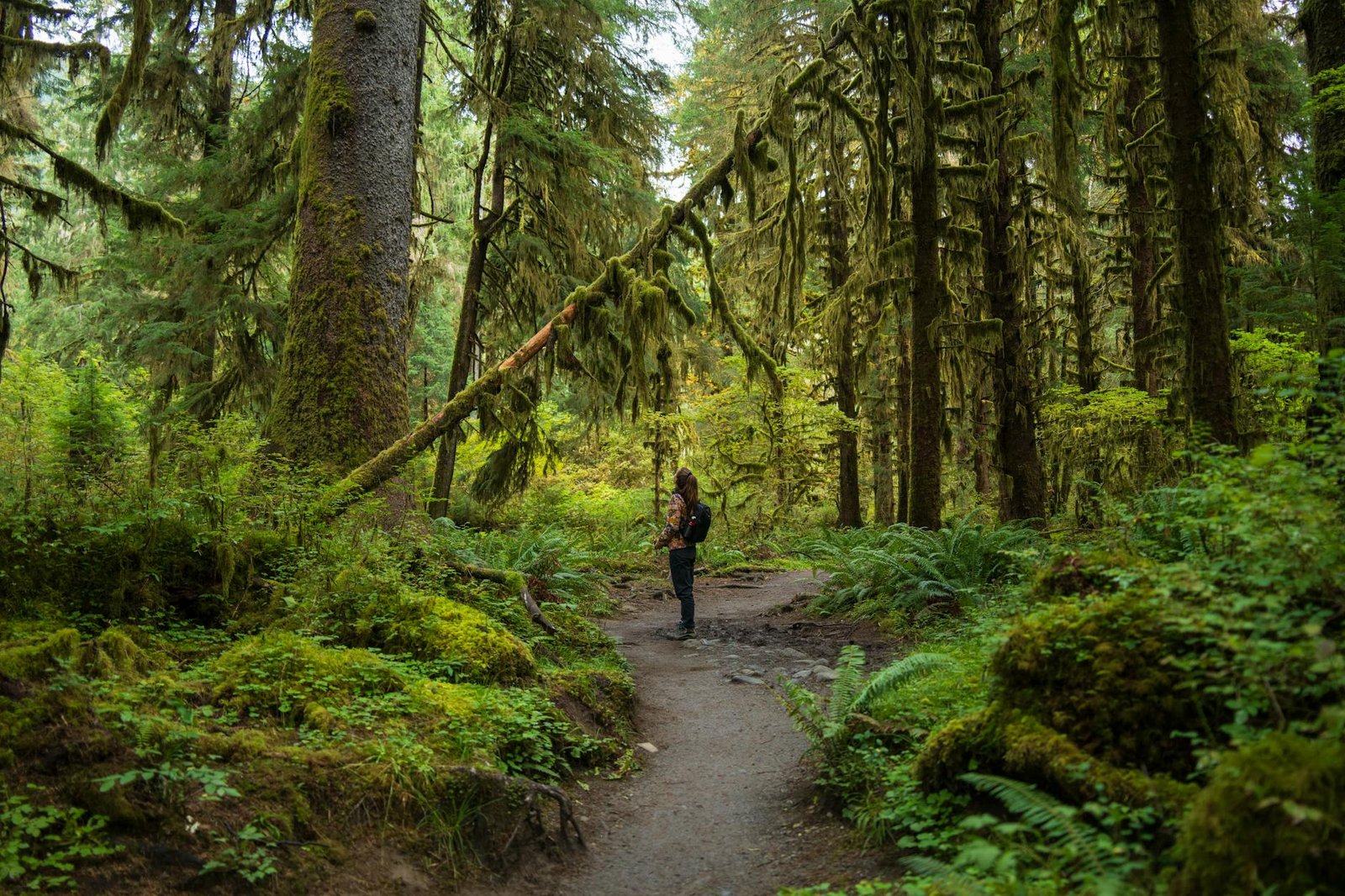
The park is home to some of the finest examples of temperate rainforests in the world, most notably the Hoh, Quinault, and Queets valleys. These areas are characterized by colossal old-growth trees draped in thick layers of mosses and ferns, creating an otherworldly, primeval atmosphere.
- Hall of Mosses Trail (Hoh Rainforest): This iconic 0.8-mile loop is an accessible introduction to the rainforest’s magic. Gentle and well-maintained, it winds through a cathedral of Bigleaf Maples and Sitka Spruces, their branches heavily laden with club mosses, creating a scene straight from a fairy tale. It is an immersive experience, where the air is thick with the scent of damp earth and decaying wood, and the silence is broken only by birdsong and the distant gurgle of the Hoh River.
- Spruce Nature Trail (Hoh Rainforest): A slightly longer 1.2-mile loop, this trail offers further immersion into the rainforest ecosystem. It meanders along the Hoh River, providing glimpses of its glacial turquoise waters and opportunities to spot Roosevelt Elk browsing in the undergrowth. Both trails are ideal for families and those seeking a less strenuous, yet deeply profound, connection with nature.
- Rainforest Nature Trail (Quinault Rainforest): On the park’s southern end, the Quinault area offers similar enchantment. This easy 0.5-mile loop showcases some of the largest trees in the park, including the world’s largest Sitka Spruce.
Wild and Rugged Coastlines: Where Forest Meets Ocean
Olympic’s coastline is a dramatic blend of sandy beaches, rocky headlands, and ancient sea stacks carved by the relentless Pacific waves. Hiking here is a unique sensory experience, defined by the roar of the ocean, the salty air, and the fascinating marine life exposed at low tide.
- Rialto Beach to Hole-in-the-Wall: This approximately 3-mile round trip hike (depending on how far one explores beyond Hole-in-the-Wall) begins at Rialto Beach, famous for its picturesque driftwood-strewn shores. The path involves walking on sand and over cobblestones, leading to the iconic Hole-in-the-Wall, a natural arch in a sea stack. Crucially, this hike is highly tide-dependent; hikers must consult tide tables to ensure safe passage around headlands and to explore the vibrant tide pools teeming with starfish, anemones, and crabs.
- Shi Shi Beach and Point of the Arches: For a more strenuous but incredibly rewarding coastal experience, the 8-mile round trip to Shi Shi Beach and Point of the Arches is unparalleled. Starting with a muddy 2-mile walk through the forest on Makah Tribal land (requiring a tribal permit), the trail descends to the pristine sandy beach. Point of the Arches, with its stunning collection of sea stacks and arches, is particularly magnificent at low tide and sunset. This route often involves stream crossings and can be challenging due to soft sand and uneven terrain.
- Ozette Loop (Cape Alava, Sand Point, Wedding Rocks): This classic 9-mile triangular loop combines forest walking with breathtaking coastal stretches. Starting from Lake Ozette, the trail follows boardwalks through ancient forests to Cape Alava, the westernmost point in the contiguous United States. From there, hikers walk south along the beach to Sand Point, encountering fascinating petroglyphs at Wedding Rocks (accessible only at low tide), before returning inland through the forest. This is an all-day adventure that showcases the full spectrum of Olympic’s coastal beauty.
Alpine Majesty and Mountain Vistas: Peaks and Panoramas
Venturing into the Olympic Mountains offers a stark contrast to the verdant rainforests and wild beaches. Here, the landscape opens up to expansive vistas, wildflower meadows, and the rugged beauty of glacier-carved peaks.
- Hurricane Ridge Trails: Accessible by car for much of the year, Hurricane Ridge is the most easily reached mountain area in the park. A variety of paved and unpaved trails originate from the visitor center, offering panoramic views of the Olympic Mountains and, on clear days, the Strait of Juan de Fuca and Vancouver Island. The Hurricane Hill Trail (3.2 miles round trip, paved) provides stunning 360-degree views, while the High Ridge Trail (1.5 miles round trip, unpaved) offers closer views of the alpine environment. Wildlife sightings, including deer and marmots, are common.
- Mount Storm King Trail (Lake Crescent): For a more challenging ascent with an incredibly rewarding payoff, the Mount Storm King Trail is a must-do. This strenuous 4.7-mile round trip hike gains over 2,000 feet in elevation, culminating in a steep, rope-assisted scramble to a breathtaking viewpoint overlooking Lake Crescent. The panoramic vista from the top is one of the most iconic in the park, but the final section requires a good head for heights and careful footing.
- High Divide Loop (Sol Duc/Deer Park): For the experienced and well-prepared backpacker, the High Divide Loop is a multi-day epic, typically 18-30 miles depending on chosen variations. This route offers unparalleled views of Mount Olympus, pristine alpine lakes, and abundant wildlife. Day hikers can tackle sections, such as the initial climb to Sol Duc Falls and continued ascent into the subalpine, but the full loop is a true wilderness immersion requiring backcountry permits.
Lakes, Rivers, and Valleys: Serenity and Waterfalls
Beyond the primary ecosystems, Olympic National Park is also home to serene lakes, powerful rivers, and numerous waterfalls, offering gentler hikes and different perspectives on the park’s beauty.
- Marymere Falls Trail (Lake Crescent): A delightful 1.8-mile round trip hike, this trail begins near the historic Lake Crescent Lodge. It meanders through old-growth forest before a short, steep climb to the base of the picturesque Marymere Falls, a multi-tiered cascade plunging into a mossy grotto. It is an excellent option for a shorter, scenic walk.
- Spruce Railroad Trail (Lake Crescent): This 10-mile (one-way) trail follows an old railroad grade along the northern shore of Lake Crescent. It offers relatively flat walking with stunning lake views, passing through two historic tunnels. It is popular for both hiking and biking, and various sections can be enjoyed for shorter out-and-back excursions.
- Sol Duc Falls Trail: An easy 1.6-mile round trip boardwalk trail leads to the unique Sol Duc Falls, where the river splits into four channels before reuniting and plunging into a narrow canyon. The lush surroundings and the distinctive waterfall make this a very popular and accessible destination.
Practical Tips for the Olympic Hiker
Embarking on an adventure in Olympic National Park requires thoughtful preparation to ensure a safe and enjoyable experience.
- Gear Up Appropriately: The Pacific Northwest weather is famously unpredictable. Always pack layers, including waterproof and windproof outer shells. Sturdy, waterproof hiking boots with good ankle support are essential for navigating varied terrain, from muddy trails to rocky beaches. Other necessities include a map and compass (or GPS device), a first-aid kit, plenty of water, high-energy snacks, sun protection (even on cloudy days), and a headlamp.
- Best Time to Visit:
- Summer (July-September): Offers the warmest and driest weather, ideal for alpine hiking. However, it is also the busiest season, requiring early starts for popular trailheads and potential difficulty finding lodging.
- Spring (April-June): Witness the rainforest burst with new growth and wildflowers emerge in lower elevations. Mountain trails may still be snow-covered.
- Fall (October-November): Fewer crowds, vibrant fall foliage in some areas, and migrating salmon runs in the rivers. Weather can be very wet.
- Winter (December-March): Experience the raw beauty of the rainforest and coast in their most dramatic state. Many mountain roads and trails are closed due to snow.
- Permits and Reservations: Backcountry camping requires a wilderness permit, which can be reserved in advance through Recreation.gov. Check the park’s official website for any specific area closures or timed entry requirements, especially during peak season.
- Always Check Conditions: Before heading out, consult the National Park Service website for current trail conditions, road closures, and weather forecasts. Conditions can change rapidly, particularly in the mountains and along the coast.
Navigating the Wild: Safety and Awareness
Olympic’s wilderness demands respect and preparedness. Safety is paramount for any successful hiking endeavor.

- Weather Variability: Be prepared for all four seasons in a single day, especially in the mountains. Fog, rain, and sudden temperature drops are common.
- Wildlife Encounters: Olympic National Park is home to black bears, Roosevelt Elk, mountain lions, and a variety of smaller mammals. Maintain a respectful distance from all wildlife. Store food properly to avoid attracting animals. If encountering a bear, make noise, make oneself look large, and never run.
- Coastal Hazards: When hiking the coast, always carry a tide table and understand its implications. Rogue waves can be dangerous, and slippery rocks can lead to falls. Never turn one’s back on the ocean.
- Trail Conditions: Trails can be muddy, root-strewn, or slippery, especially in rainforest sections. River crossings may be required on some backcountry routes. Exercise caution and turn back if conditions feel unsafe.
- Emergency Preparedness: Inform someone of one’s hiking plans, including the route and expected return time. Carry a fully charged cell phone (though service is spotty), and consider a personal locator beacon (PLB) for remote areas. Know how to use a map and compass, as GPS devices can fail.
Embracing Stewardship: Leave No Trace Principles
As experienced hikers, we understand that our privilege to explore these magnificent landscapes comes with a responsibility to protect them. Adhering to the Leave No Trace principles ensures that Olympic’s beauty endures for generations to come.
- Plan Ahead and Prepare: Know the regulations and special concerns for the area one plans to visit.
- Travel and Camp on Durable Surfaces: Stick to established trails to minimize impact.
- Dispose of Waste Properly: Pack it in, pack it out—including all trash, food scraps, and toilet paper. Use catholes for human waste, 6-8 inches deep and at least 200 feet from water sources, trails, and camps.
- Leave What You Find: Do not disturb historical artifacts, natural objects, or cultural features.
- Minimize Campfire Impacts: Use established fire rings and keep fires small. Better yet, use a camp stove.
- Respect Wildlife: Observe animals from a distance. Never feed wildlife.
- Be Considerate of Other Visitors: Yield to uphill hikers, keep noise levels down, and allow nature’s sounds to prevail.
A Deeper Connection Awaits
Olympic National Park is more than just a collection of trails; it is a profound experience, a sanctuary where the rhythm of nature reclaims its dominance. Each step on its diverse paths offers an opportunity for introspection, for wonder, and for a deep, abiding connection with the natural world. From the hushed grandeur of the moss-draped forests to the raw power of the Pacific coast and the silent majesty of the alpine peaks, Olympic invites hikers to shed the burdens of daily life and embrace the wild.
The seasoned hiker knows that true exploration is not just about conquering miles, but about opening oneself to the landscape, listening to its stories, and returning with a renewed sense of purpose and respect. So, gather one’s gear, prepare one’s spirit, and set forth to discover the unparalleled trails of Olympic National Park. The adventure of a lifetime awaits.
⚠️ Safety Notice: This content is for informational purposes only. Always consult local guides and operators, verify current conditions, and ensure appropriate skills and certifications before any outdoor activity. DiveBikeHike is not responsible for injuries or incidents.