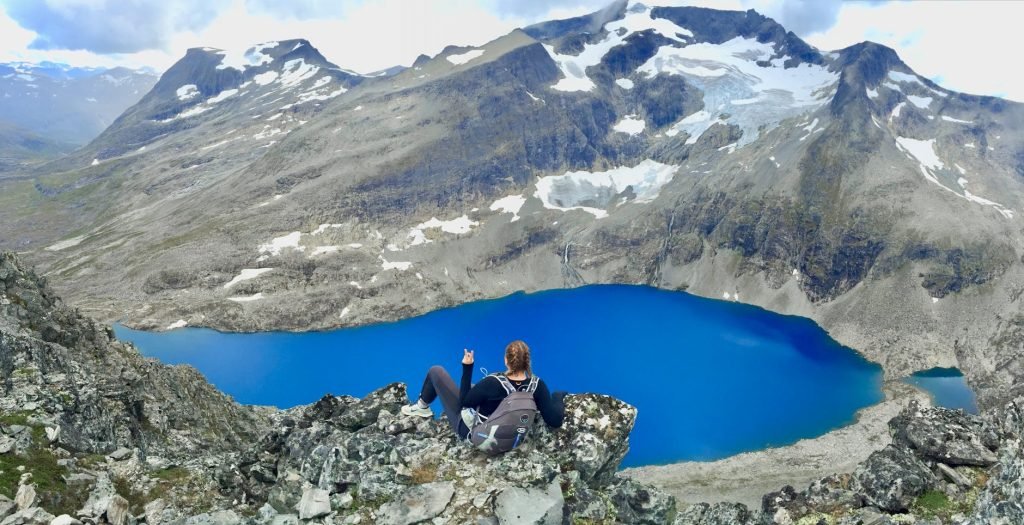
Nestled in northern Spain, where the regions of Asturias, Cantabria, and León converge, lies a hiker’s paradise: the Picos de Europa National Park. This dramatic limestone massif, often shrouded in a mystical mist, rises sharply from the verdant valleys, offering an unparalleled landscape of jagged peaks, deep gorges, ancient forests, and serene alpine lakes. For those who seek adventure, solitude, and a profound connection with nature, the trails of Picos de Europa are not merely paths; they are invitations to explore a world of raw beauty and timeless grandeur.
The Picos de Europa beckon with a promise of challenge and reward. From leisurely strolls around glacial lakes to strenuous multi-day traverses across high mountain passes, the park caters to every level of hiking enthusiast. This comprehensive guide aims to equip readers with the knowledge, inspiration, and practical advice needed to plan an unforgettable trekking adventure in this magnificent corner of Spain.
The Allure of the Picos de Europa: A Tapestry of Nature and Culture
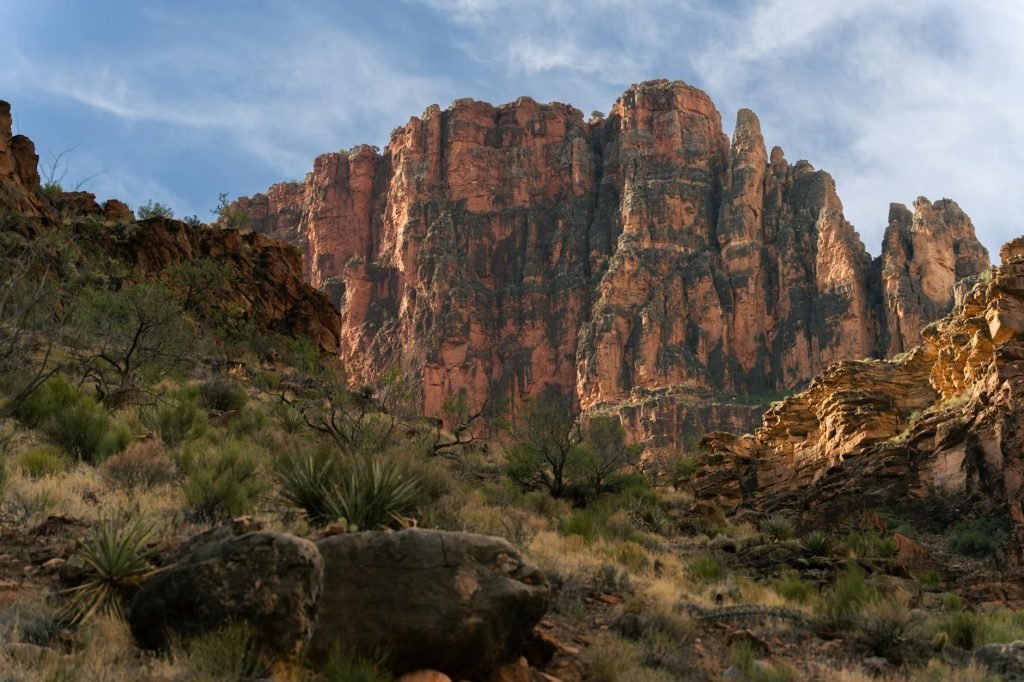
Comprising three distinct massifs – Western (Cornión), Central (Urrieles), and Eastern (Ándara) – the Picos de Europa National Park is a geological marvel. Its dramatic karst topography, shaped by ancient glaciers and millennia of erosion, creates a landscape unlike any other. Here, towering peaks like Naranjo de Bulnes (Picu Urriellu), a legendary rock climbing icon, pierce the sky, while deep canyons like the Cares Gorge carve through the heart of the mountains.
Beyond its geological grandeur, the park is a vibrant ecosystem supporting diverse flora and fauna. Chamois nimbly navigate rocky slopes, griffon vultures soar overhead, and brown bears, though elusive, roam its wilder reaches. The lower valleys are dotted with charming villages, where ancient traditions endure, and the aroma of local cheeses, such as the famous Cabrales, fills the air. This unique blend of breathtaking nature and rich cultural heritage makes Picos de Europa a truly captivating destination.
Iconic Trails for Every Hiker
The Picos de Europa boasts an extensive network of trails, each offering a distinct experience. Here are some of the most renowned routes:
Ruta del Cares (The Divine Gorge)
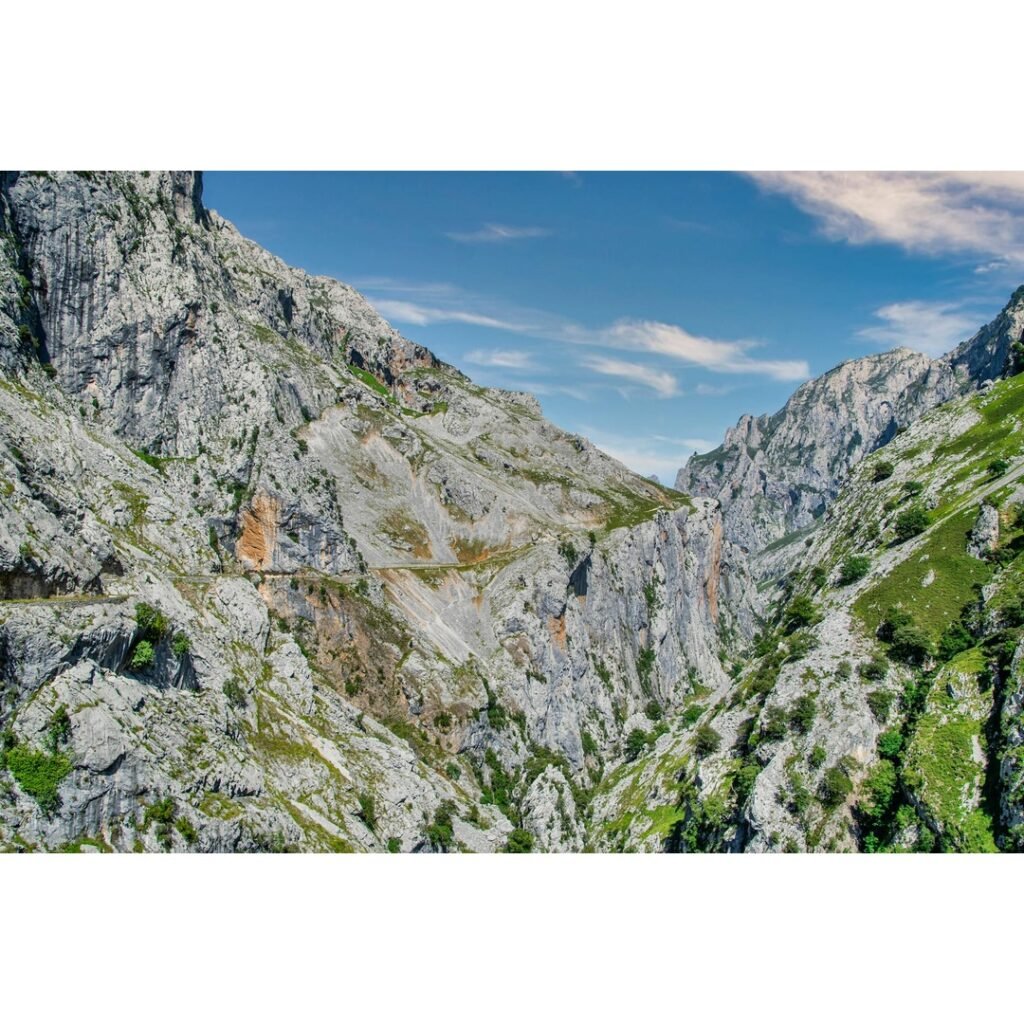
- Description: Often hailed as one of Spain’s most spectacular hikes, the Ruta del Cares is an engineering marvel. Carved into the sheer cliffs of the Cares Gorge, this path was originally built to provide access for hydroelectric power plant workers. It winds through tunnels, crosses bridges over roaring rivers, and offers dizzying views into the gorge below.
- Difficulty: Moderate. While the path itself is relatively flat with gradual ascents and descents, its length (approximately 12 km one way, 24 km return if hiking out and back from Poncebos) and exposure can be demanding. It is not recommended for those with severe vertigo.
- Highlights: Unforgettable panoramic views, the thrill of walking along narrow cliffside paths, the turquoise waters of the Cares River far below.
- Practicality: Start early to avoid crowds, especially in peak season. Carry ample water and snacks, as there are no services along the trail. The most common starting points are Poncebos (Asturias) or Caín (León). Consider arranging a taxi or shuttle for a one-way trip if preferred.
Lakes of Covadonga (Lagos de Covadonga)
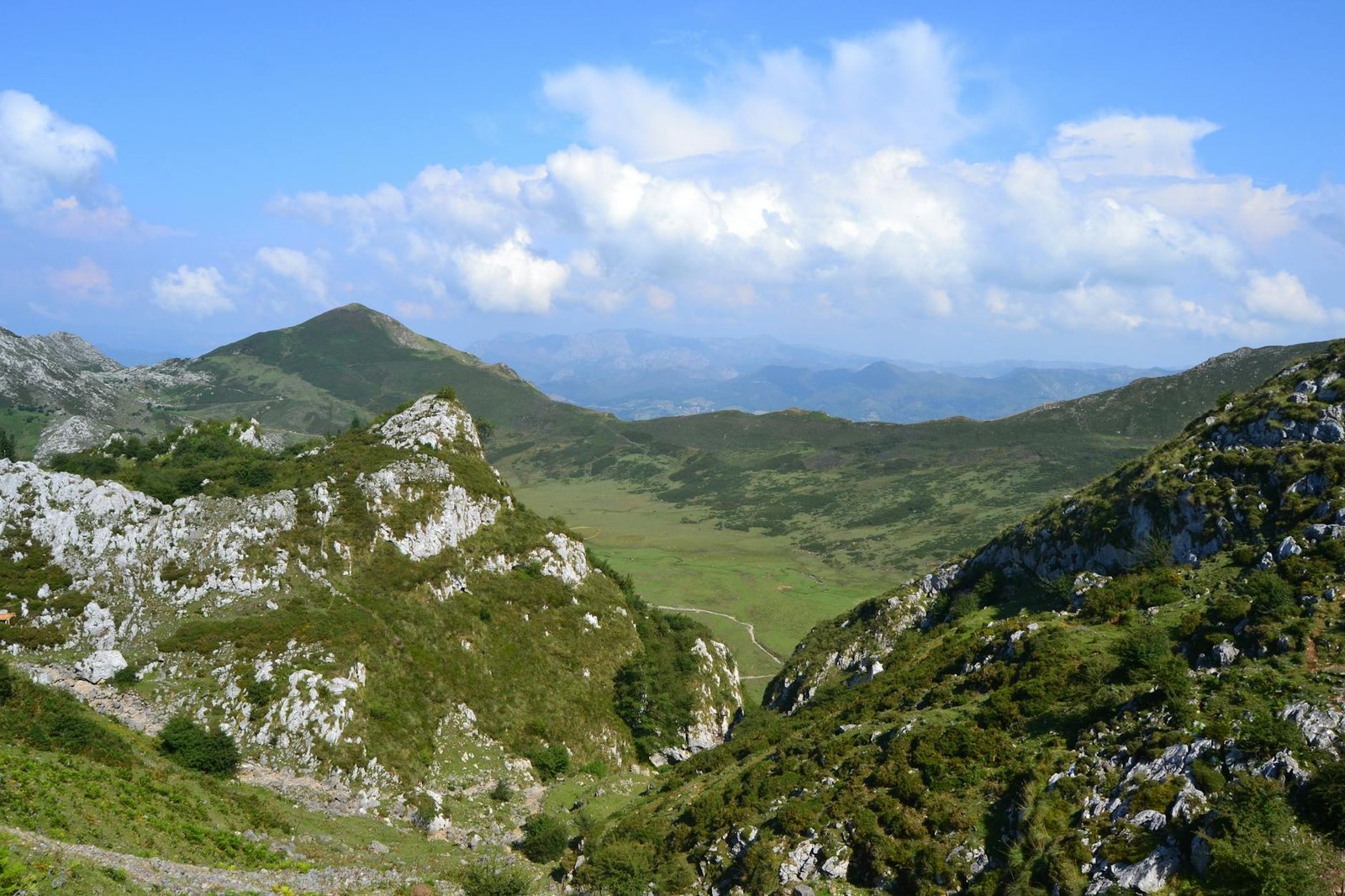
- Description: Nestled within the Western Massif, the Lakes of Covadonga (Lago Enol and Lago Ercina) offer a stark contrast to the ruggedness of the Cares Gorge. These glacial lakes are surrounded by rolling green pastures, where cows and horses graze peacefully, creating idyllic pastoral scenes. Several well-marked trails weave around and between the lakes.
- Difficulty: Easy to Moderate. There are various loops and extensions, ranging from short, flat walks suitable for families to longer routes with more significant elevation gain.
- Highlights: Serene reflective waters, lush green landscapes, the historic Santa Cueva (Holy Cave) and Basilica of Covadonga nearby, offering a blend of natural beauty and cultural significance.
- Practicality: During peak season (typically summer and Easter), private vehicle access to the lakes is restricted. A bus service operates from Cangas de Onís and Covadonga. Check the official park website for current restrictions and schedules.
Fuente Dé and the Central Massif
- Description: For an immediate ascent into the high mountains, the Fuente Dé cable car in Cantabria is an unparalleled experience. In just minutes, it transports visitors 753 meters up to the Áliva plateau, offering breathtaking panoramic views of the Central Massif. From here, a network of trails leads to various refugios (mountain huts) and challenging peaks.
- Difficulty: Varied. From easy walks on the Áliva plateau to the Refugio Áliva (approx. 3-4 km return) to strenuous multi-day treks into the heart of the Picos, including routes towards Horcados Rojos or even the base of Naranjo de Bulnes (Picu Urriellu).
- Highlights: Instant access to high-alpine terrain, spectacular vistas, the opportunity to witness the raw power of the mountains.
- Practicality: Check cable car operating hours and be aware that queues can be long in peak season. The weather at the top can be drastically different from the valley, so be prepared for cold, wind, or sudden fog. Multi-day treks require booking refugios in advance.
Beyond the Beaten Path: Challenging Treks
For experienced hikers seeking greater challenges, the Picos de Europa offers numerous opportunities for multi-day traverses and ascents of its higher peaks. Routes such as the circular trek around the Central Massif (Anillo de los Picos) or the demanding ascent to the base of Naranjo de Bulnes (Picu Urriellu) via the Jou de los Cabrones glacier require excellent fitness, strong navigation skills, and often a night or two in a mountain hut. These trails immerse hikers in truly wild and remote landscapes, far from the crowds.
Practical Tips and Preparation
A successful and enjoyable hike in the Picos de Europa requires careful planning and preparation.
Best Time to Visit
- Spring (Late May/June): Wildflowers bloom, temperatures are pleasant, and crowds are thinner. However, snow can still linger on higher trails, requiring caution.
- Summer (July/August): Warmest temperatures, ideal for high-altitude treks. This is also peak tourist season, meaning more crowded trails and accommodations.
- Autumn (September/October): Cooler temperatures, vibrant fall foliage, and fewer crowds make this an excellent time to visit. Weather can be more unpredictable as winter approaches.
Gear Essentials
- Sturdy Hiking Boots: Waterproof and well broken-in, providing ankle support.
- Layered Clothing: Weather can change rapidly. Include moisture-wicking base layers, insulating mid-layers (fleece or down), and a waterproof/windproof outer shell.
- Rain Gear: A waterproof jacket and trousers are crucial.
- Backpack: Comfortable, with enough capacity for water, food, extra layers, and essentials.
- Water and Snacks: Carry more than you think you’ll need, especially on longer routes.
- Sun Protection: Hat, sunglasses, and high-SPF sunscreen, even on cloudy days.
- First-Aid Kit: Including blister treatment, pain relievers, and any personal medications.
- Navigation Tools: A physical map (e.g., Editorial Alpina or Adrados maps) and compass, along with knowledge of how to use them. A GPS device or app is a useful supplement.
- Headlamp: Essential for early starts, late finishes, or unexpected delays.
- Trekking Poles: Highly recommended for stability and reducing strain on knees, especially on descents.
Physical Preparation
Most trails in the Picos de Europa involve significant elevation changes. Regular cardiovascular exercise, strength training, and practice hikes with your pack will ensure an enjoyable and safe experience.
Accommodation and Logistics
Charming towns like Potes, Cangas de Onís, and Arenas de Cabrales serve as excellent bases for exploring the park. For multi-day treks, booking refugios (mountain huts) well in advance is essential, especially during peak season. A rental car offers the most flexibility for accessing various trailheads.
Navigation and Safety Considerations
The beauty of the Picos de Europa comes with inherent risks. Prioritizing safety is paramount.
Weather Volatility
Mountain weather is notoriously fickle. Clear skies can quickly give way to dense fog, heavy rain, or even snow, even in summer. Always check the forecast before setting out, but be prepared for rapid changes. If conditions deteriorate, it is always wise to turn back.
Trail Marking and Maps
While popular routes are generally well-marked with GR (Grand Route) or PR (Short Route) signs, markings can be sparse or non-existent in higher, more remote areas. Always carry a detailed physical map and a compass, and know how to use them. Do not rely solely on phone-based GPS apps, as signal can be unreliable.
Emergency Preparedness
- Inform Someone: Let a trusted person know your itinerary, including your route, expected return time, and who to contact if you don’t check in.
- Emergency Numbers: The general emergency number in Spain is 112.
- Fully Charged Phone: Carry a power bank. While signal can be spotty, it may be crucial in an emergency.
- Whistle: A universal signal for help.
Wildlife Encounters
While encounters with larger wildlife like bears or wolves are rare, hikers should always maintain a respectful distance from all animals, especially livestock (cows, horses, goats) that graze freely. Do not feed wildlife.
Personal Insights from the Trails
Having explored countless mountain ranges across the globe, we can attest that the Picos de Europa hold a truly special place in the hearts of those who venture into its depths. The sheer scale of the Cares Gorge, for instance, leaves one feeling both minuscule and profoundly connected to the ancient forces that carved it. We vividly recall a crisp morning by Lago de Enol, the mist gently lifting to reveal the emerald waters, a scene of such tranquility it felt almost sacred. From the exhilarating ascent via the Fuente Dé cable car to the quiet contemplation found on a less-trodden path leading to a high-alpine refugio, these mountains consistently deliver moments of profound beauty and personal challenge.
The unique blend of rugged geology, vibrant green pastures, and the welcoming spirit of the Asturian and Cantabrian people creates an experience that transcends mere hiking; it’s an immersion into a timeless landscape that truly restores the spirit. The taste of a local Cabrales cheese after a long day on the trails, shared with fellow hikers in a rustic village bar, becomes a cherished memory as potent as any mountain vista. It is in these moments, both grand and subtle, that the Picos de Europa truly reveal their magic, inviting reflection and fostering a deep appreciation for the wild.
Environmental Stewardship: Protecting This Natural Gem
The privilege of exploring the Picos de Europa comes with a responsibility to protect its fragile ecosystem. Adhering to Leave No Trace principles is crucial for preserving this natural wonder for future generations:
- Plan Ahead and Prepare: Minimizing impact begins before the journey.
- Travel and Camp on Durable Surfaces: Stick to marked trails, even if muddy. Avoid trampling vegetation or creating new paths.
- Dispose of Waste Properly: Pack out everything you pack in, including food scraps and toilet paper. If nature calls, dig a small cat hole at least 60 meters from water sources and trails, and cover it thoroughly.
- Leave What You Find: Do not remove rocks, plants, or artifacts. Respect historical and natural sites.
- Minimize Campfire Impacts: Use established fire rings or consider a lightweight stove. Avoid fires in dry conditions or where prohibited.
- Respect Wildlife: Observe animals from a distance. Never feed them. Store food securely.
- Be Considerate of Other Visitors: Yield to uphill hikers, keep noise levels down, and allow nature’s sounds to prevail.
Additionally, supporting local businesses and respecting local customs contribute to sustainable tourism and help preserve the unique cultural fabric of the region.
Conclusion: Your Picos de Europa Adventure Awaits
The Picos de Europa National Park is more than just a collection of mountains; it is a profound experience waiting to unfold. Its dramatic landscapes, challenging trails, and rich cultural tapestry offer an adventure that will linger long in the memory. Whether seeking the thrill of a high-altitude trek, the serenity of a lakeside stroll, or a deep connection with untamed nature, these majestic peaks deliver an unforgettable journey.
Prepare diligently, hike responsibly, and open your senses to the wonders around you. The trails of Picos de Europa await your footsteps, ready to inspire and challenge in equal measure. Pack your bags, lace up your boots, and set your course for one of Spain’s most magnificent natural treasures.
⚠️ Safety Notice: This content is for informational purposes only. Always consult local guides and operators, verify current conditions, and ensure appropriate skills and certifications before any outdoor activity. DiveBikeHike is not responsible for injuries or incidents.