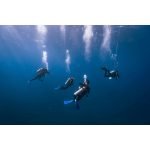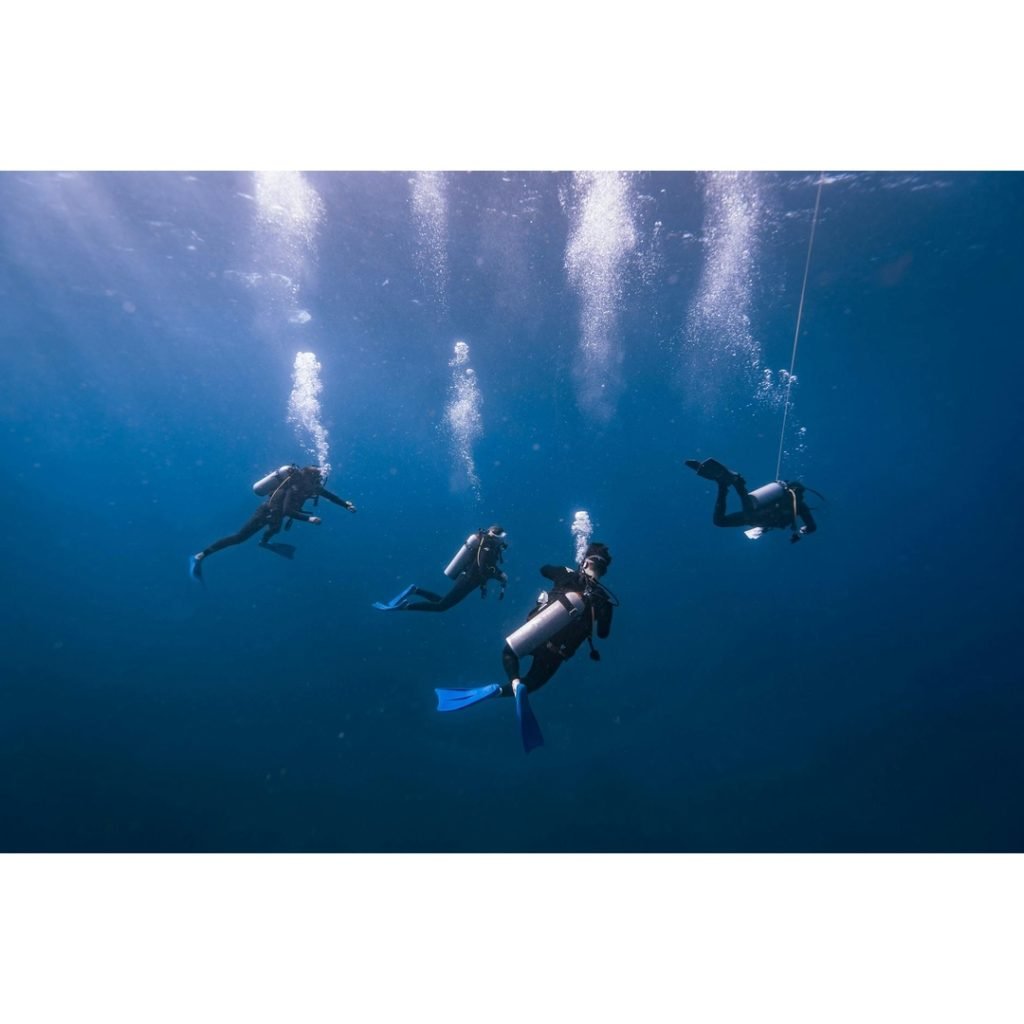
For many divers, the name “Poor Knights Islands” evokes images of unparalleled underwater beauty, a vibrant tapestry of marine life, and dramatic volcanic topography. Nestled off the coast of Northland, New Zealand, this pristine marine reserve is not just another dive site; it is a world-class destination, famously hailed by Jacques Cousteau as one of the top ten dive locations on Earth. Whether a seasoned veteran or an enthusiastic novice, the Poor Knights promise an underwater odyssey unlike any other, a journey into a subaquatic sanctuary teeming with wonders.
Why the Poor Knights Islands are a Diver’s Dream
The allure of the Poor Knights Islands stems from a unique confluence of geographical, biological, and historical factors. Formed by ancient volcanic activity, these islands rise majestically from the Pacific Ocean, their submerged cliffs, caves, and arches creating a labyrinthine playground for marine life and divers alike. In 1981, the islands and their surrounding waters were declared a marine reserve, offering unparalleled protection to its delicate ecosystem. This foresight has allowed marine populations to flourish, creating an environment of astonishing biodiversity.
What truly sets the Poor Knights apart is its position at the convergence of subtropical and temperate oceanic currents. This mixing of waters creates a rich nutrient soup, fostering an incredible array of species that wouldn’t typically coexist. Warm-water species from the north mingle with those more commonly found in cooler southern waters, resulting in a vibrant, dynamic ecosystem that constantly surprises and delights.
A Kaleidoscope of Marine Life
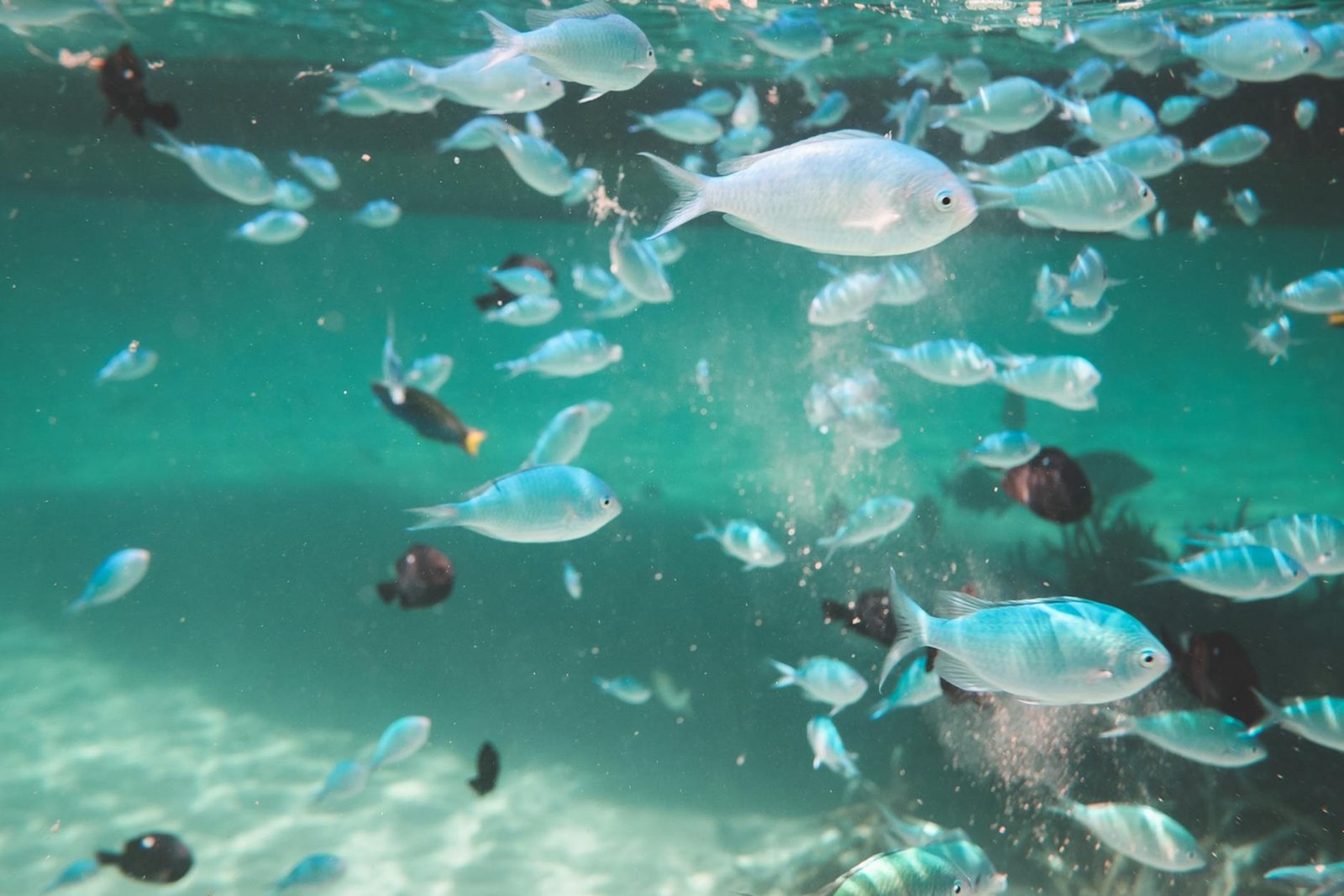
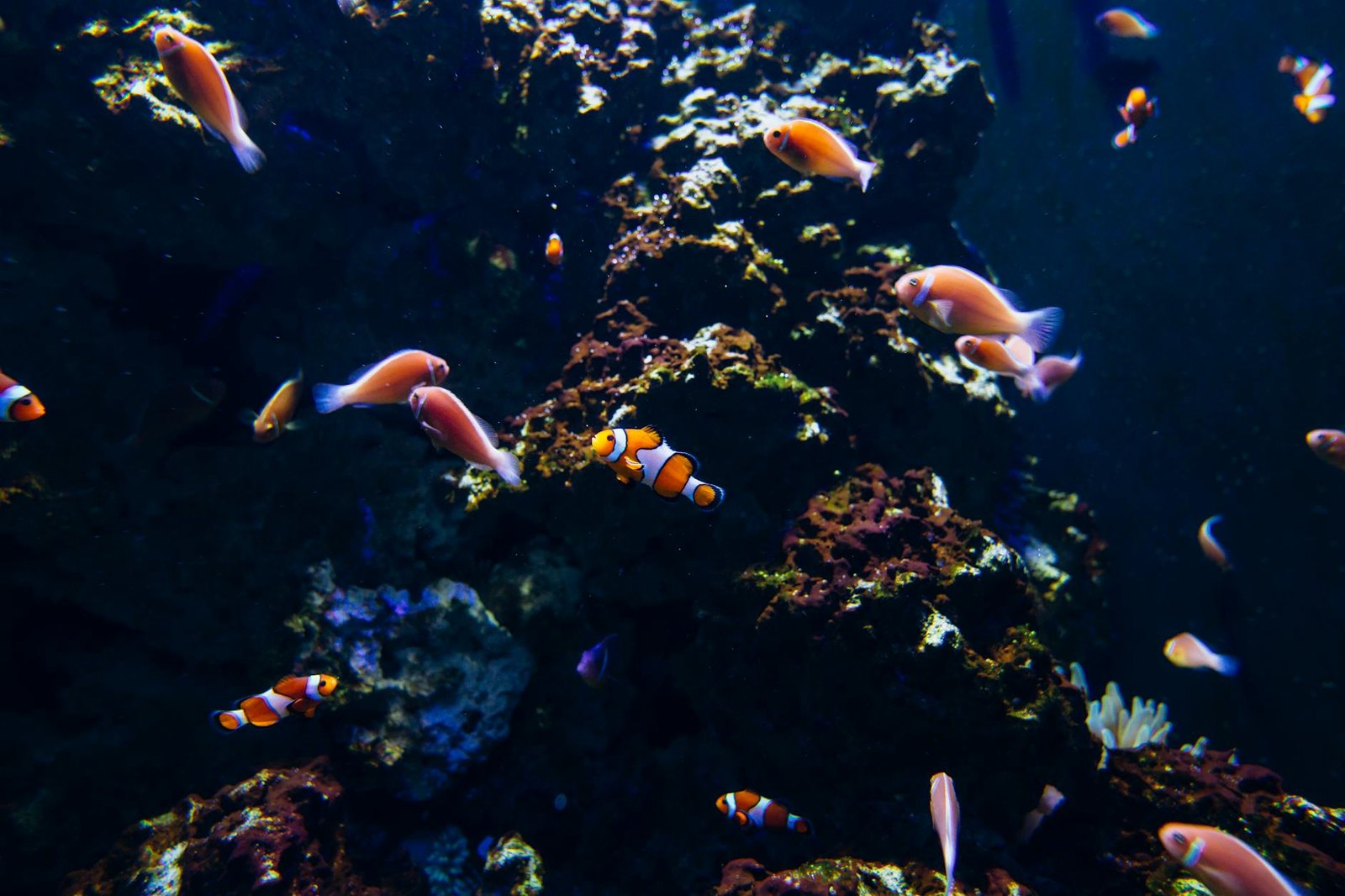
Diving the Poor Knights is like entering a living aquarium, where every glance reveals a new spectacle. The sheer abundance of fish life is often the first thing divers notice. Enormous schools of iridescent blue maomao swirl through archways and canyons, their coordinated movements creating breathtaking living curtains. Snapper, kingfish, trevally, and various species of moray eels are common sights, often found cruising the reef or peering from rocky crevices.
Beyond the finned inhabitants, the islands are a macro photographer’s paradise. The walls and overhangs are adorned with an incredible diversity of invertebrates. Jewel anemones carpet vast areas, glowing with bioluminescent greens and oranges. Intricate gorgonian corals sway gently in the currents, providing homes for smaller creatures. Nudibranchs, often referred to as “sea slugs,” are found in an astonishing array of colours and forms, each a tiny, living work of art. Look closely, and you might spot decorator crabs, vibrant sponges, and a multitude of crustaceans.
For those with a keen eye for the larger pelagics, the Poor Knights can deliver. While not guaranteed, seasonal sightings include bronze whaler sharks, particularly in summer, and occasionally even hammerheads. Orca and various dolphin species are known to visit the islands, providing unforgettable surface encounters. The deep blue waters surrounding the islands are also home to game fish like marlin and tuna, adding to the sense of a thriving, wild ocean.
Exploring the Iconic Dive Sites
With dozens of named dive sites, each offering its own unique charm, the Poor Knights provide endless exploration opportunities. Here are some of the most iconic and beloved:
The Northern Arch
Often considered the grand entrance to the Poor Knights’ underwater world, the Northern Arch is a truly awe-inspiring site. This massive archway, carved by millennia of ocean currents, provides a dramatic swim-through. Divers can enter from the ocean side and emerge into the calmer, light-filled interior of the island. The arch itself is adorned with sponges and anemones, while schools of blue maomao and two-spot demoiselles create shimmering walls of fish. The play of light through the water and the sheer scale of the arch make this a truly photographic spectacle.
Jan’s Tunnel
For those who enjoy a mild overhead environment, Jan’s Tunnel offers an exhilarating experience. This long, winding swim-through cuts through the island, offering a unique perspective. The tunnel walls are often covered in dazzling jewel anemones, creating a glittering pathway. While not a true cave dive, excellent buoyancy control and a reliable light source are essential here. Emerging from the tunnel into a vibrant reef section is a rewarding experience, often leading to encounters with stingrays or large snapper.
Middle Arch / Blue Maomao Arch
As its name suggests, the Blue Maomao Arch is famous for the colossal schools of blue maomao that congregate within and around it. This is another magnificent archway, larger than the Northern Arch, offering multiple entry and exit points. The sheer volume of fish is astounding, often so dense that they obscure visibility. The surrounding walls are rich with colourful sponges and soft corals, making it a fantastic site for both wide-angle photography and simply immersing oneself in the vibrant ecosystem.
Bernie’s Cave and Tunnels
This complex network of caves and tunnels provides a more adventurous dive. While some sections are suitable for experienced open water divers with proper guidance, others require specialized cavern or cave training. The beauty here lies in the dramatic light shafts penetrating from above, illuminating deep blues and greens. Look for unique cave-dwelling creatures and the eerie, ancient atmosphere. Always respect the overhead environment and dive within your training limits.
The Gardens
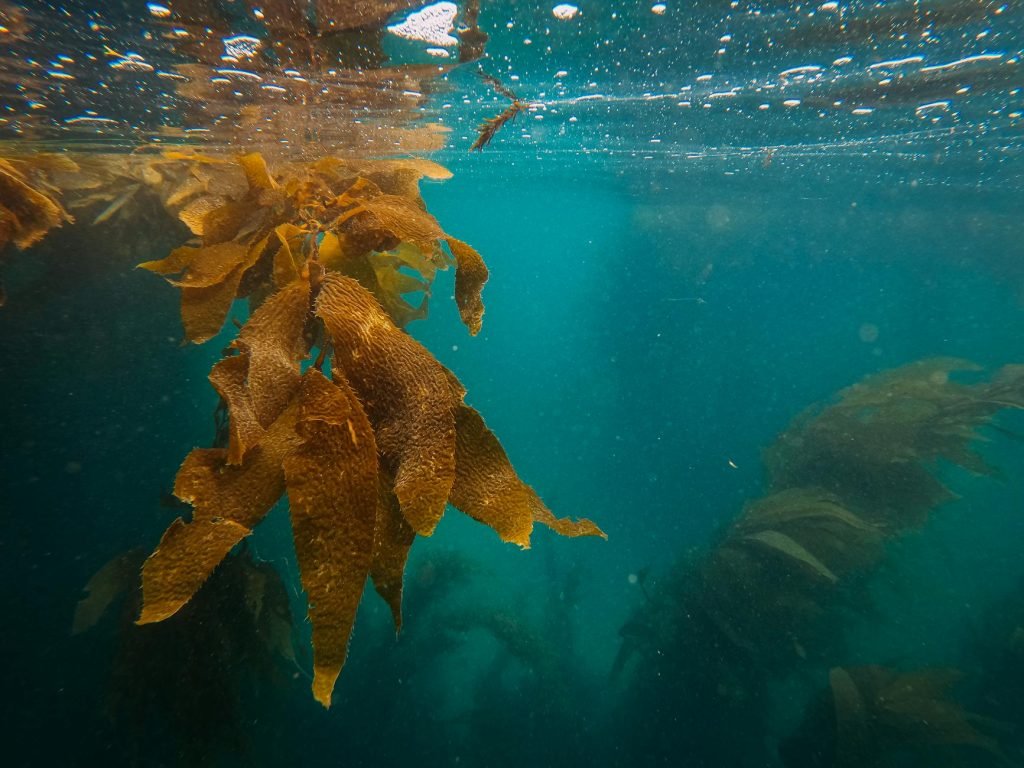
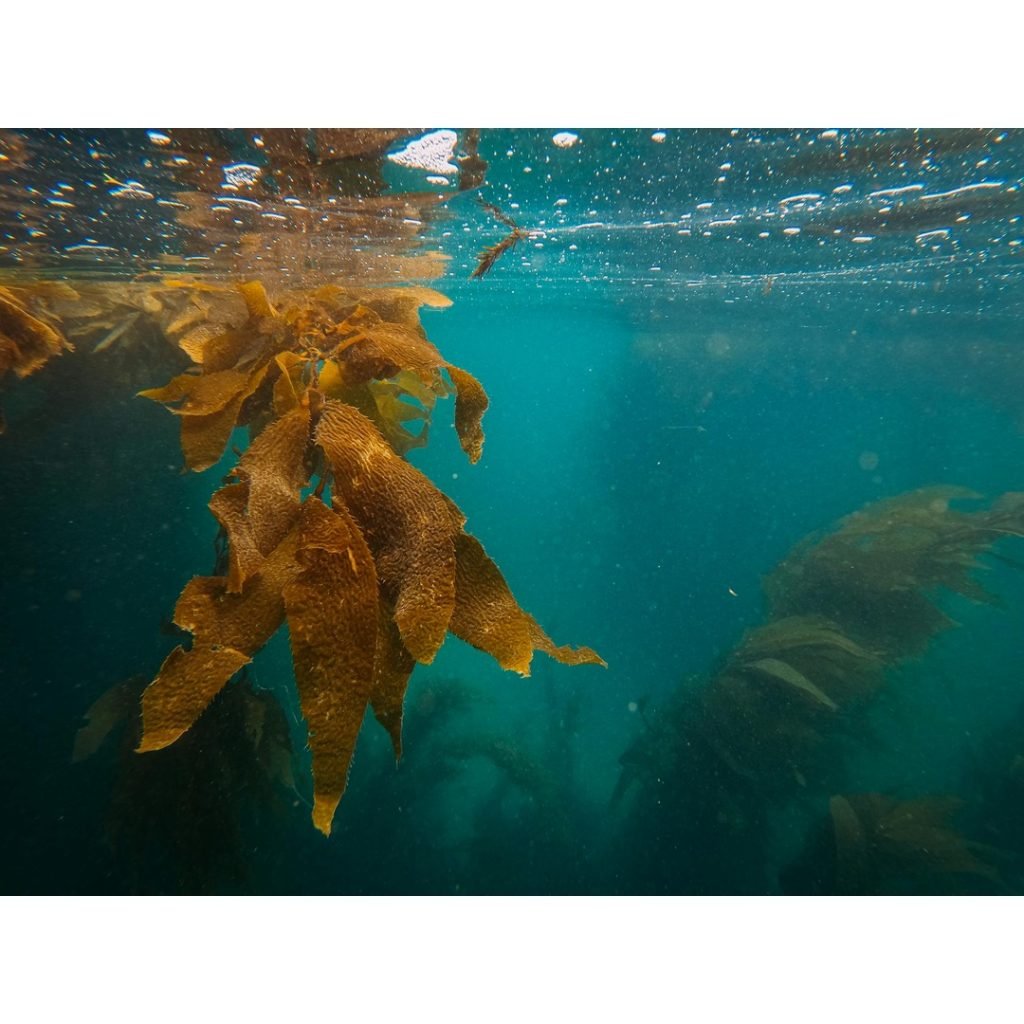
Located in shallower waters, The Gardens are a vibrant, sheltered area perfect for longer dives, macro photography, and safety stops. This site is a haven for nudibranchs, small reef fish, and various invertebrates. The healthy kelp forests here provide shelter and food for a diverse community, and the gentle topography makes it an excellent location for observing marine life at a relaxed pace.
Conditions and Best Time to Dive
The Poor Knights Islands offer fantastic diving year-round, though conditions vary with the seasons.
- Water Temperature: Summer (December to February) brings the warmest waters, ranging from 20-24°C (68-75°F). A 5mm or 7mm wetsuit is generally comfortable. Winter (June to August) sees temperatures drop to 15-18°C (59-64°F), often necessitating a 7mm wetsuit, semi-dry suit, or even a dry suit for extended comfort.
- Visibility: Generally excellent, often ranging from 10-40 meters (30-130 feet). Winter months can sometimes offer the clearest visibility due to cooler, less plankton-rich waters.
- Currents: While many sites are relatively sheltered, currents can be present, particularly around the outer pinnacles and archways. Dive operators are adept at planning dives to minimize exposure to strong currents, but divers should be prepared for drift dives occasionally.
- Seasons: Summer is popular for warmer temperatures and the chance of pelagic sightings (manta rays, sharks). Winter offers cooler but often clearer water, with large schooling fish populations often more concentrated. Spring and Autumn provide a good balance of conditions.
Logistics and Preparing for Your Trip
The primary gateway to the Poor Knights Islands is the charming coastal town of Tutukaka, located about a 30-minute drive northeast of Whangārei. From Tutukaka, numerous reputable dive operators run daily trips to the islands, typically a 45-minute to one-hour boat ride. It is highly recommended to book your dive trips well in advance, especially during peak season, as spaces fill up quickly.
Ensure your dive equipment is in good working order and recently serviced. Many operators offer rental gear, but personal equipment you are familiar with is always preferable. Don’t forget essentials like a dive computer, surface marker buoy (SMB), and a whistle. For overhead environments, a reliable dive light is paramount, and a backup light is always a wise addition.
Practical Tips for an Unforgettable Dive
- Master Your Buoyancy: Precision buoyancy control is crucial at the Poor Knights, especially when navigating delicate coral formations, swimming through arches, or entering overhead environments. It also helps conserve air and reduces disturbance to marine life.
- Bring a Camera: The Poor Knights are a photographer’s dream. A wide-angle lens is perfect for capturing the dramatic arches and schooling fish, while a macro lens will allow you to capture the intricate beauty of nudibranchs and other small invertebrates.
- Respect the Reserve: Remember, the Poor Knights are a fully protected marine reserve. This means no touching, taking, or disturbing any marine life or geological formations. Take only photos, leave only bubbles.
- Listen to Your Guides: The local dive masters and instructors possess invaluable knowledge of the sites, currents, and marine life patterns. Their briefings and guidance are essential for a safe and rewarding experience.
- Stay Hydrated: Long boat rides and multiple dives can lead to dehydration. Drink plenty of water throughout the day.
Safety First: Navigating Poor Knights’ Unique Challenges
While the Poor Knights offer incredible diving, certain aspects require careful consideration and adherence to safety protocols. As an experienced dive master, Marina Hayes always emphasizes a proactive approach to safety.
- Currents and Surge: The islands are exposed to the open ocean, and currents can be unpredictable. Always pay close attention to your dive guide’s instructions regarding entry and exit points, and be prepared to use reef hooks or perform drift dives if necessary. Inside arches and caves, surge can be present, so maintain situational awareness and avoid contact with the walls.
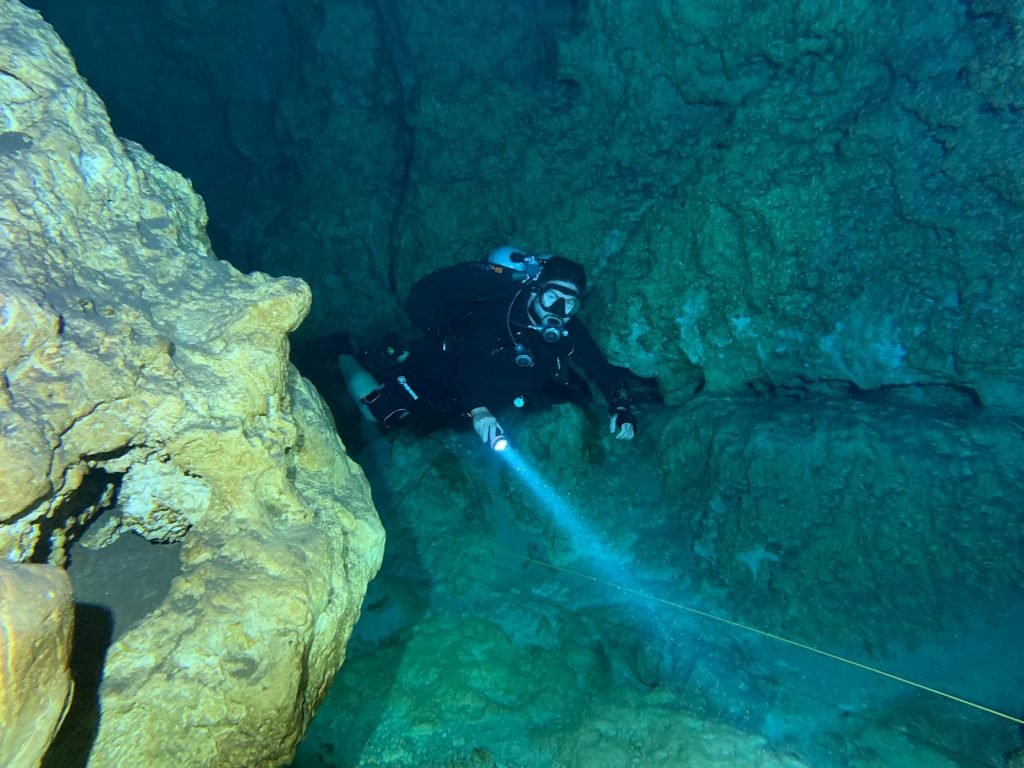
- Overhead Environments: Many of the most iconic sites, such as the Northern Arch, Jan’s Tunnel, and Bernie’s Cave, involve overhead environments. While some are well-lit and short swim-throughs, others are darker and more extensive. Divers should only attempt dives within their training and comfort levels. For true cave or cavern penetration, specialized certification is highly recommended. Always carry a primary and backup light source, and stay close to your buddy.
- Depth Management: Some sites offer significant depth. Plan your dives conservatively, monitor your no-decompression limits, and ascend slowly. A dive computer is an indispensable tool.
- Buddy System: Adhere strictly to the buddy system. Maintain close proximity to your buddy, communicate regularly, and assist each other as needed.
- Environmental Awareness: Be mindful of boat traffic when surfacing, and always deploy your SMB.
Insights from the Depths
Having guided countless dives around the Poor Knights, Marina Hayes often shares her wonder for this incredible place. “We’ve witnessed so many magical moments here,” Marina recounts, “from a curious orca pod circling our boat to the sheer joy of new divers experiencing the blue maomao arch for the first time. Every dive offers something new, a fresh perspective on a truly ancient and vibrant world.”
One particularly memorable experience involved a winter dive into a lesser-known cave system. “The visibility was phenomenal,” Marina recalls, “and as we moved deeper, the light from the surface filtered down, creating these ethereal blue shafts. We found a huge school of trevally sheltering inside, their scales glinting like silver. It was a moment of absolute stillness and beauty, a reminder of the hidden treasures these islands hold.” Such moments underscore the profound connection divers feel to this special place, a connection that transcends mere sightseeing.
Your Underwater Adventure Awaits
The Poor Knights Islands are more than just a collection of dive sites; they are a living testament to the power of marine conservation and the enduring beauty of the natural world. From the dramatic geological formations to the astounding biodiversity, every aspect of diving here is designed to captivate and inspire. Whether you seek the thrill of a deep archway, the intricate details of macro life, or simply the serene beauty of
⚠️ Safety Notice: This content is for informational purposes only. Always consult local guides and operators, verify current conditions, and ensure appropriate skills and certifications before any outdoor activity. DiveBikeHike is not responsible for injuries or incidents.