The Call of the Arctic Wilderness: Greenland’s Untamed Heart
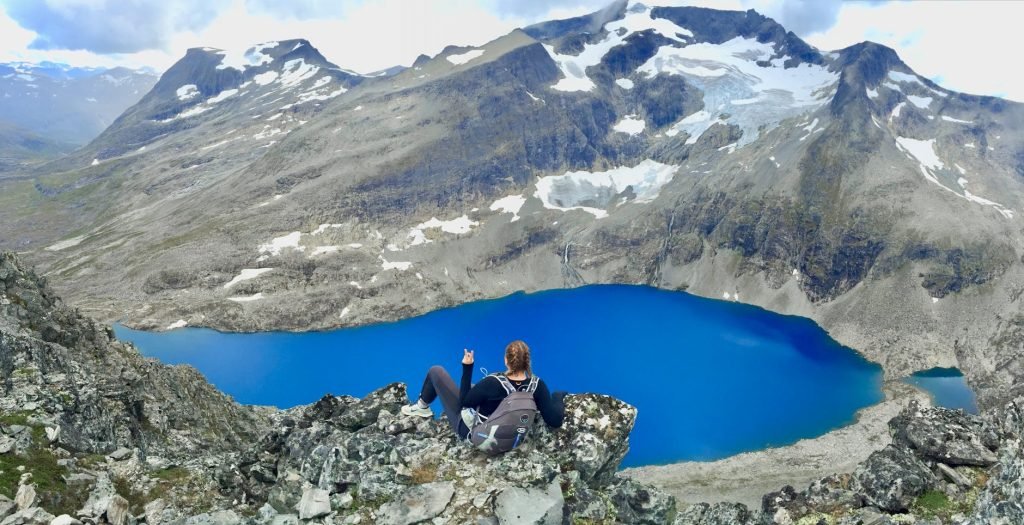
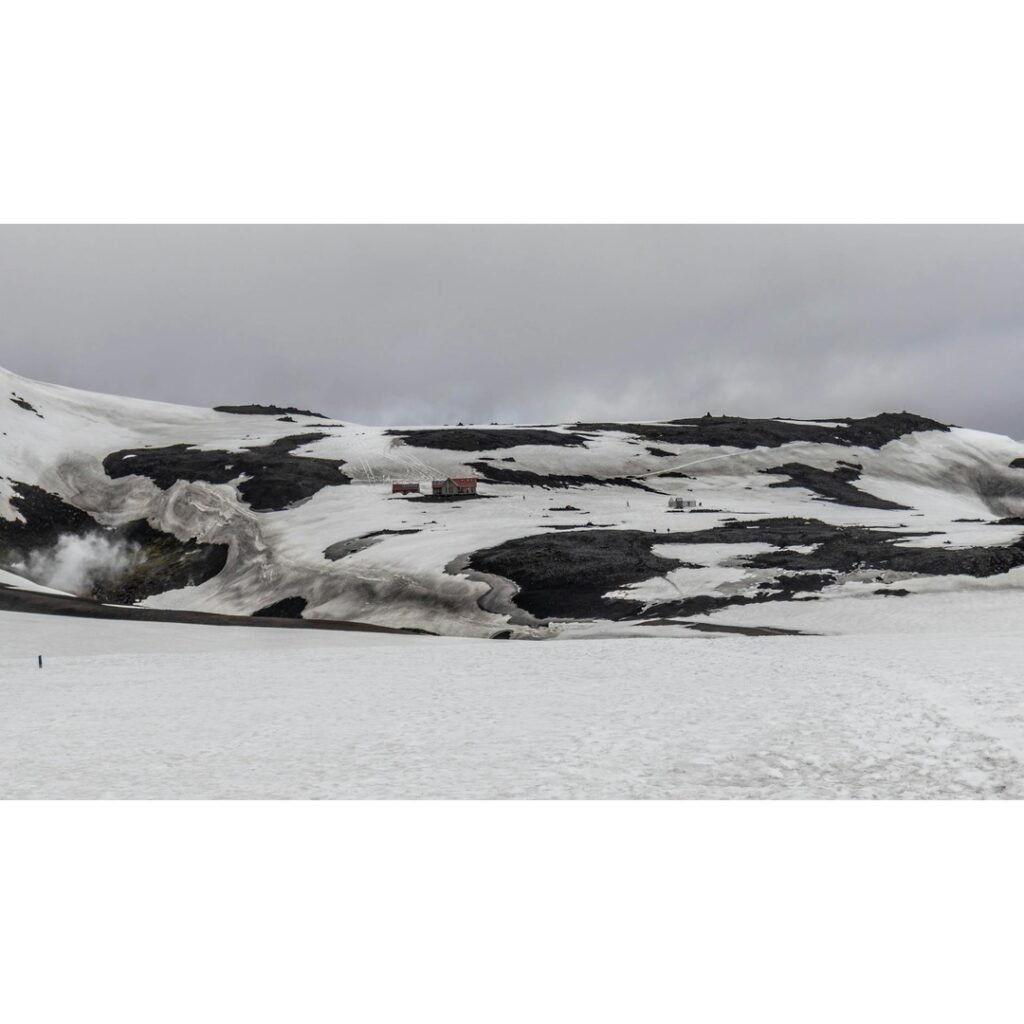
For the seasoned hiker, the call of the wild often leads to the world’s most dramatic and untouched landscapes. Among these, Greenland stands as a beacon – a colossal island draped in ice, etched with fjords, and teeming with an ancient, resilient beauty that both challenges and deeply rewards. Trekking in Greenland’s Arctic is not merely a hike; it is an immersion into a realm where nature reigns supreme, offering an unparalleled sense of solitude, wonder, and connection to the planet’s raw, untamed heart.
Imagine standing on a silent ridge, the only sound the distant rumble of calving ice from a colossal glacier, or the whisper of wind across an endless tundra. The air is crisp, clean, and carries the scent of wild herbs and salt. Beneath an impossibly vast sky, whether illuminated by the perpetual glow of the midnight sun or the ethereal dance of the Northern Lights, Greenland reveals itself as a landscape of profound contrasts: the stark white of the ice sheet meeting the vibrant greens and reds of the tundra, towering granite peaks plunging into sapphire fjords. This is a journey that transcends the physical, touching the spirit and leaving an indelible mark on all who dare to explore its depths.
Why Greenland? A Landscape Beyond Imagination
Greenland offers a trekking experience unlike any other on Earth. Its geological grandeur is breathtaking, defined by the immense Greenland Ice Sheet, which covers over 80% of the landmass, and the dramatic coastline carved by millennia of glacial activity. This creates a tapestry of landscapes:
- Spectacular Ice Fjords: Locations like the UNESCO World Heritage-listed Ilulissat Icefjord showcase a mesmerizing parade of icebergs, from colossal bergs calved by the Sermeq Kujalleq glacier to smaller, intricately sculpted pieces drifting out to sea.
- Vast Tundra: Beyond the ice, expansive stretches of tundra burst into life during the short summer, adorned with wildflowers, mosses, and hardy shrubs, providing habitat for musk oxen, reindeer, and Arctic foxes.
- Rugged Mountain Ranges: Especially in South and East Greenland, trekkers encounter imposing granite mountains, often compared to Patagonia, offering challenging climbs and breathtaking vistas.
- Pristine Waterways: Numerous lakes, rivers, and coastal stretches provide opportunities for kayaking, fishing, and simply marveling at the crystal-clear waters.
The sheer scale and remoteness of Greenland foster a deep sense of introspection. Here, one is truly dwarfed by nature, stripped of urban distractions, and reconnected with the fundamental rhythms of the wild.
Iconic Treks and Routes for the Adventurous Spirit
Greenland presents a variety of trekking opportunities, from multi-day expeditions requiring complete self-sufficiency to shorter, guided excursions that still offer profound wilderness immersion.
The Arctic Circle Trail (ACT)
Often considered Greenland’s premier multi-day trek, the Arctic Circle Trail stretches approximately 160 kilometers (100 miles) between Kangerlussuaq and Sisimiut in West Greenland. This journey typically takes 8-10 days to complete and is renowned for its wild, unserviced nature. Trekkers navigate a diverse landscape of rolling tundra, pristine lakes, glacial valleys, and low mountains. The trail is largely unmarked, relying on cairns, and requires excellent navigation skills. Rustic, unserviced huts are spaced along the route, offering basic shelter, though many trekkers opt to carry tents for greater flexibility and immersion. The ACT is a true test of endurance and self-reliance, rewarding those who undertake it with unparalleled solitude and breathtaking scenery.
South Greenland: The Greenlandic Patagonia
The Tasermiut Fjord area in South Greenland is often dubbed the “Greenlandic Patagonia” due to its dramatic, towering granite peaks that rise directly from the fjord waters. This region offers world-class big wall climbing, but also incredible multi-day trekking opportunities. Expeditions here often involve a combination of hiking, boat transfers through the fjords, and even kayaking. Trekkers can explore deep valleys, ancient Norse ruins, and discover stunning viewpoints overlooking glaciers and the vast ocean. Unlike the ACT, this region often necessitates local boat support for access and resupply, and guided expeditions are highly recommended due to the challenging terrain and remoteness.
East Greenland: The Land of Isolation
East Greenland, particularly around Kulusuk and Tasiilaq, is perhaps the most rugged and culturally traditional part of the country. Treks here are incredibly remote and often require the assistance of local guides who possess invaluable knowledge of the land, weather, and wildlife. This region offers a more intense wilderness experience, with dramatic coastal mountains, deep fjords, and a strong presence of traditional Inuit culture. Trekkers can embark on multi-day expeditions exploring glaciers, hidden valleys, and isolated settlements, often encountering the raw power of the Arctic environment at its most pristine.
Practical Preparation for Your Arctic Expedition
A successful and enjoyable trek in Greenland hinges on meticulous preparation. The Arctic environment is unforgiving, and being well-equipped and physically ready is paramount.
Best Time to Go
The prime trekking season in Greenland is from June to September.
- June-July: Characterized by the midnight sun, longer daylight hours, and melting snow. River crossings can be higher.
- August: Generally the most stable weather, with fewer mosquitoes and stunning autumnal colors beginning to appear.
- September: Cooler temperatures, shorter days, and the possibility of early snow, but also the best chances for Northern Lights.
Gear Essentials
The right gear is non-negotiable. Trekkers must be prepared for rapidly changing weather conditions, including rain, strong winds, and cold temperatures, even in summer.
- Layering System: Essential for temperature regulation. Include a moisture-wicking base layer, insulating mid-layers (fleece, down/synthetic puff), and a waterproof, windproof outer shell (jacket and pants).
- Footwear: Sturdy, waterproof, broken-in hiking boots with good ankle support are crucial. Bring gaiters for boggy terrain and river crossings.
- Sleeping System: A 4-season tent capable of withstanding strong winds, a sleeping bag rated for at least -5°C (23°F), and an insulated sleeping pad are vital.
- Navigation: A reliable GPS device with pre-loaded maps, a physical map (waterproofed), and a compass are indispensable. Knowledge of how to use them is equally important.
- Cooking: A lightweight, reliable stove (liquid fuel often performs better in cold) and sufficient fuel, cooking pot, and utensils.
- Safety & Communication: A comprehensive first-aid kit, satellite communication device (e.g., Garmin InReach, Spot X) for emergencies, headlamp with spare batteries, and a whistle.
- Backpack: A comfortable, large-capacity pack (65-80 liters) with a rain cover.
- Other Essentials: Trekking poles (invaluable for stability and river crossings), sunglasses, sun hat, warm hat, gloves, insect repellent, and a water filter/purifier.
Food and Water
Resupply points are virtually non-existent on most multi-day treks, so trekkers must carry all their food. Opt for lightweight, high-calorie, non-perishable items. Water sources are generally plentiful from streams and lakes, but it is always wise to filter or treat water, especially in areas with potential human or animal activity.
Physical Preparation
Greenlandic treks demand a high level of physical fitness. Prepare with regular cardiovascular exercise, strength training (especially for carrying a heavy pack), and practice hikes with your full gear. Endurance is key, as days can be long and challenging.
Navigation and Safety Considerations
Greenland’s wild nature means that safety is paramount. Trekkers must be self-reliant and prepared for potential hazards.
Unpredictable Weather
Arctic weather can change dramatically within hours. Sunny skies can quickly give way to fog, rain, or even snow. Always pack for all four seasons, regardless of the forecast.
Challenging Terrain
The trails can be rough, rocky, boggy, and involve numerous river crossings. Some rivers, fed by glacial melt or heavy rain, can be fast-flowing and deep. Exercise extreme caution, use trekking poles, and consider unbuckling your pack’s hip belt before crossing to allow for quick release if swept away.
Wildlife Encounters
While rare, encounters with wildlife, particularly musk oxen and polar bears, are possible.
- Musk Oxen: These powerful animals are generally docile but can charge if provoked or feel threatened. Keep a respectful distance (at least 50-100 meters).
- Polar Bears: More common in North and East Greenland, and along coastal areas. While highly unlikely on established routes like the ACT, trekkers in remote regions should be aware. It is advisable to carry a flare gun or bear spray in areas where polar bears are known to roam. Always store food securely and never leave anything outside your tent that might attract wildlife.
Communication and Emergency Preparedness
Cell phone service is virtually non-existent outside of towns. A satellite communication device is a lifeline for emergencies. Always leave a detailed itinerary with a trusted person who knows your expected return date. Familiarize yourself with local emergency procedures before you go.
The Deep Connection: Insights from the Trail
As experienced hikers know, the true reward of such a journey extends far beyond the physical challenge. Trekking in Greenland is a profound experience that fosters a unique connection with nature and oneself. One often finds themselves walking for hours in profound silence, the only sounds the crunch of boots on tundra, the rush of a distant waterfall, or the cry of an Arctic bird. This solitude is not isolating but liberating, allowing for deep introspection and a heightened awareness of the present moment.
Trekkers frequently speak of the humbling vastness of the landscape. Standing on a mountain pass, gazing across an endless expanse of ice and rock, the scale of human existence feels wonderfully small, yet utterly connected to the grandeur of the planet. The vibrant colors of the tundra in late summer – the fiery reds of dwarf birch, the golden hues of grasses, the deep greens of moss – create a visual symphony that is both unexpected and unforgettable.
There is also the immense satisfaction of self-sufficiency. Carrying everything needed for days or weeks, navigating through challenging terrain, and overcoming the elements fosters a deep sense of accomplishment and resilience. The camaraderie among fellow trekkers, sharing stories and challenges around a humble hut stove, adds another layer to the experience. These are the moments that forge lasting memories and a profound appreciation for the raw beauty and power of the Arctic.
Environmental Stewardship: Protecting the Pristine
Trekking in such a fragile and pristine environment comes with a significant responsibility: to minimize impact and ensure its preservation for future generations. Adhering strictly to Leave No Trace principles is not just recommended, it is essential.
- Plan Ahead and Prepare: Understand the local regulations and be prepared for all conditions.
- Travel and Camp on Durable Surfaces: Stick to existing trails and camp in established sites or on durable surfaces like rock or dry ground.
- Dispose of Waste Properly: Pack out everything you pack in, including all food scraps, toilet paper, and hygiene products. Human waste should be buried in a cathole 6-8 inches deep, at least 200 feet from water, trails, and camps.
- Leave What You Find: Do not disturb historical artifacts, natural objects, or plant life.
- Minimize Campfire Impacts: Use a lightweight stove for cooking. Campfires are generally discouraged due to the scarcity of wood and risk of wildfire.
- Respect Wildlife: Observe animals from a distance, never feed them, and avoid disturbing them, especially during breeding seasons.
- Be Considerate of Other Visitors: Respect the solitude and experience of others.
Additionally, respect local Inuit culture and traditions. Be mindful when visiting communities, ask permission before photographing people, and support local businesses responsibly.
Embark on Your Arctic Dream
Trekking in Greenland’s Arctic is an expedition into one of the world’s last true wildernesses. It is a journey that demands preparation, respect, and resilience, but offers rewards beyond measure. The profound beauty of the ice fjords, the vastness of the tundra, the challenge of the mountains, and the deep connection to nature will transform you.
If the call of this untamed frontier resonates with your spirit, begin your research, hone your skills, and start planning. Greenland awaits, ready to offer an adventure that will forever shape your understanding of the world and your place within it. The journey may be arduous, but the memories forged in the heart of the Arctic will be a treasure for a lifetime.
⚠️ Safety Notice: This content is for informational purposes only. Always consult local guides and operators, verify current conditions, and ensure appropriate skills and certifications before any outdoor activity. DiveBikeHike is not responsible for injuries or incidents.