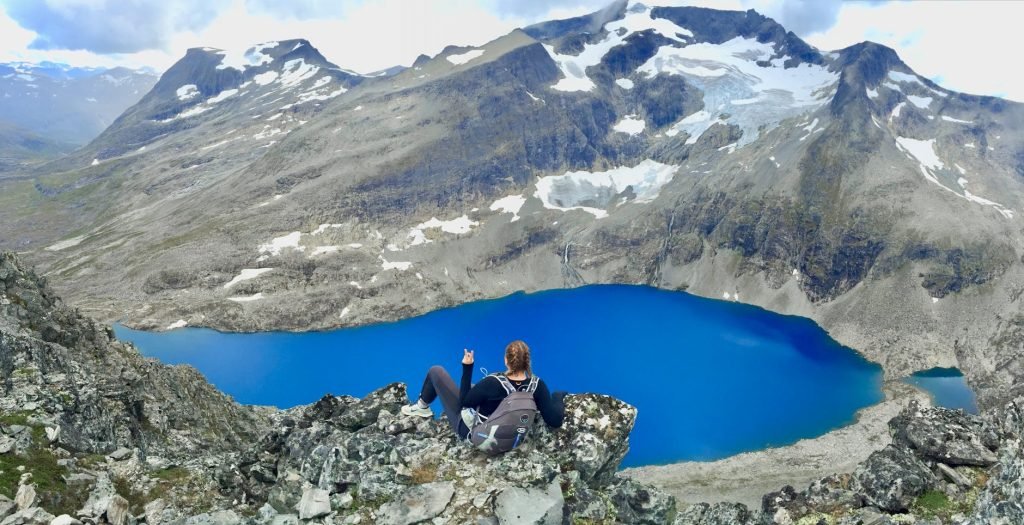
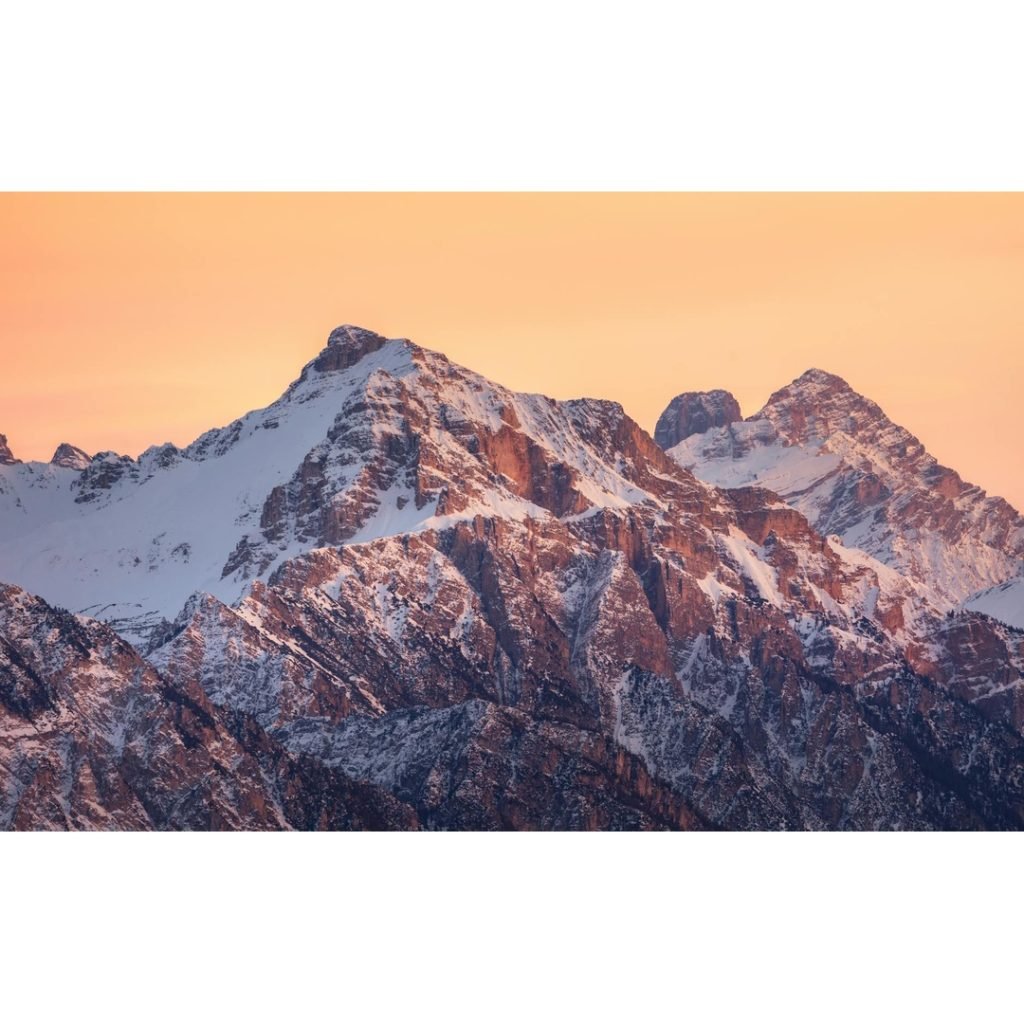
For those who hear the mountains calling, a journey to the Dolomites in Italy is not merely a trip; it is an pilgrimage. This UNESCO World Heritage site, often referred to as the “Pale Mountains” due to its distinctive rock formations, offers a trekking experience unlike any other. Here, the dramatic spires of Dolomia rock pierce the sky, standing guard over emerald valleys, ancient forests, and crystal-clear alpine lakes. The Dolomites are a symphony of natural grandeur, a place where every turn in the trail reveals another breathtaking vista, inviting the hiker to connect deeply with the raw power and serene beauty of the alpine world.
As experienced hikers, we understand the profound satisfaction that comes from pushing physical limits and immersing oneself in wild landscapes. The Dolomites deliver this in spades, weaving together challenging trails, historic routes, and a vibrant rifugio culture that adds a unique charm to multi-day adventures. This comprehensive guide is crafted for the hiking enthusiast, providing the insights and practical advice needed to plan an unforgettable trekking expedition through Italy’s most spectacular mountain range.
The Irresistible Allure of the Dolomites
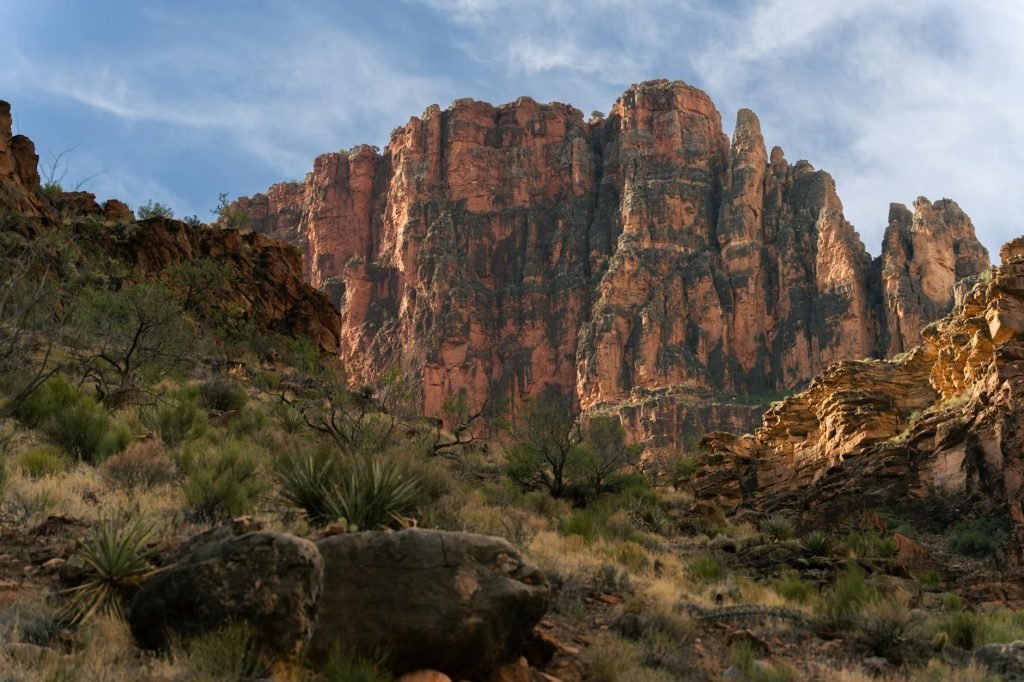
What sets the Dolomites apart from other mountain ranges? It begins with their geology. Composed primarily of dolomite rock, an ancient coral reef uplifted and sculpted by millennia of erosion, these mountains present a unique aesthetic. Their sheer, vertical faces, dramatic pinnacles, and light-sensitive hues that shift from pale grey to fiery orange at sunrise and sunset (known as ‘Enrosadira’) create a visual spectacle that captivates the soul. This geological distinctiveness earned them their UNESCO status, recognizing their “aesthetic importance” and “unique geomorphological features.”
Beyond their geological marvels, the Dolomites boast a rich tapestry of history and culture. Nestled at the crossroads of Italian, Austrian, and indigenous Ladin cultures, the region offers a fascinating blend of languages, traditions, and cuisine. Remnants of World War I, particularly along the front lines that snaked through these mountains, can still be found in the form of trenches, tunnels, and memorials, adding a poignant historical layer to many treks. This cultural richness, combined with the unparalleled natural beauty, creates an environment ripe for exploration and discovery.
When to Answer the Call of the Mountains
Timing is crucial for a successful Dolomite trekking adventure. The prime season for hiking typically runs from mid-June to late September. During these months, trails are generally clear of snow, rifugios (mountain huts) are fully operational, and the weather is most stable. Wildflowers carpet the meadows in July, and the vibrant larch trees blaze with golden hues in late September, offering distinct visual experiences.
- July and August: These are the warmest months, with the most reliable weather and all facilities open. However, they are also the busiest, especially around popular trailheads. Booking accommodations well in advance is essential.
- June and September: These shoulder months offer fewer crowds and often cooler, crisper air, which can be ideal for longer treks. Early June might still see lingering snow on higher passes, while late September brings the spectacular autumn foliage, though some rifugios may begin to close towards the end of the month.
Winter transforms the Dolomites into a wonderland for skiing and snowshoeing, but for traditional trekking, the summer and early autumn months are preferred.
Unveiling the Trails: A Dolomite Tapestry
The Dolomites offer a vast network of trails catering to all levels of hikers, from gentle walks through alpine pastures to challenging multi-day traverses and thrilling via ferratas.
Iconic Day Hikes and Scenic Rambles
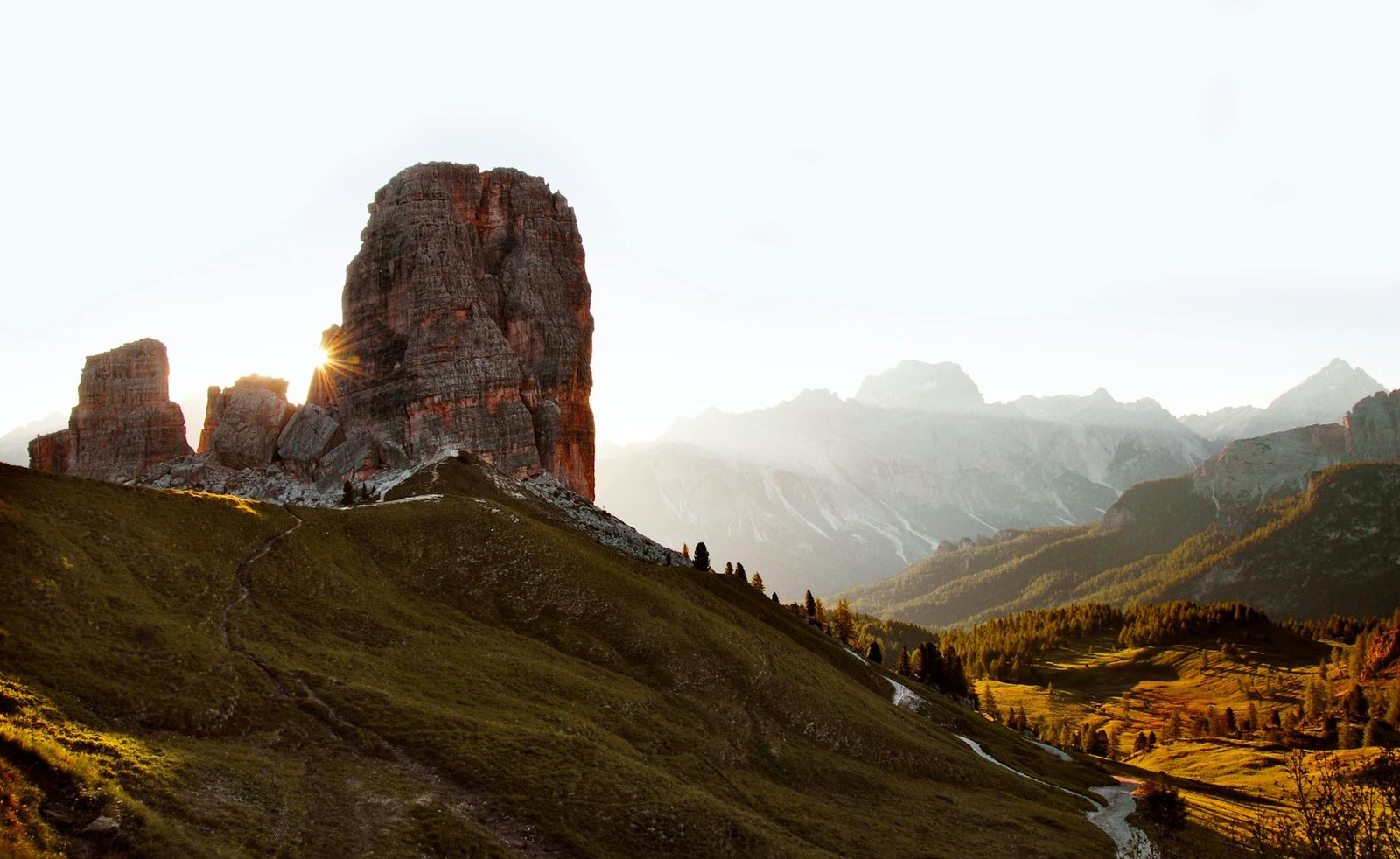
- The Tre Cime di Lavaredo Circuit: Perhaps the most iconic hike in the Dolomites, this roughly 4-hour loop around the dramatic Three Peaks is a must-do. Starting from Rifugio Auronzo, the trail offers breathtaking views from every angle, passing by Rifugio Lavaredo and the renowned Rifugio Locatelli (Dreizinnenhütte), where one can enjoy unparalleled views of the north faces.
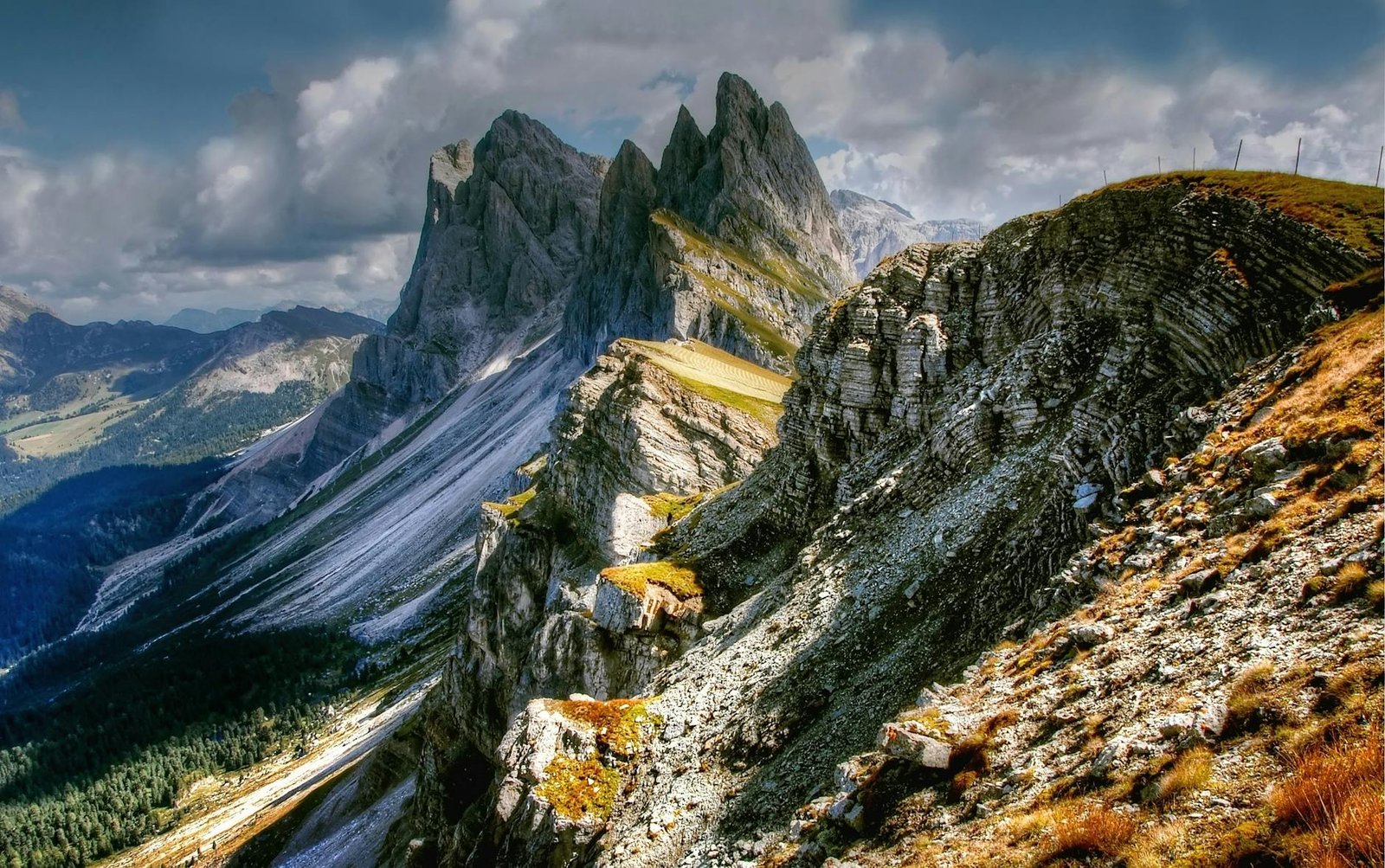
- Seceda Ridgeline: Accessible by cable car from Ortisei, the Seceda ridgeline offers one of the most stunning panoramic views in the Dolomites. The jagged, fin-like peaks of the Odle group create a dramatic backdrop for relatively easy walking along the high pastures. Various trails branch off for longer descents or loops.
- Lago di Braies (Pragser Wildsee): While not a strenuous hike itself, a walk around this emerald-green lake, often called the “Pearl of the Dolomites,” is incredibly picturesque. It serves as a popular starting point for longer treks into the surrounding Fanes-Sennes-Braies Natural Park.
- Puez-Odle Nature Park: This park offers numerous day-hiking opportunities, from challenging ascents to leisurely strolls through alpine meadows dotted with wildflowers. Trails here often reward hikers with incredible views of the Geisler/Odle peaks.
Multi-Day Adventures: The Alta Via Routes
For the true trekking enthusiast, the Dolomites’ Alta Via (High Route) trails are the ultimate challenge and reward. These long-distance routes traverse the heart of the mountains, connecting a series of rifugios where hikers can rest, eat, and sleep.
- Alta Via 1 (The Classic): Spanning approximately 120 km from Lago di Braies to Belluno, Alta Via 1 is generally considered the “easier” of the long routes, requiring around 8-10 days. It passes through stunning landscapes, including the Fanes-Sennes-Braies Natural Park, the Nuvolau group, and the Pelmo massif. While not overly technical, it demands good fitness and sure-footedness.
- Alta Via 2 (The Legend): A more challenging and strenuous route, Alta Via 2 stretches about 160 km from Brixen/Bressanone to Feltre, typically taking 12-14 days. It involves more significant elevation gains and losses, with sections that require basic scrambling skills and a head for heights. This route is for experienced trekkers seeking a greater alpine challenge.
The rifugio system is the backbone of these multi-day treks. These mountain huts provide food, drink, and dormitory-style accommodation, offering a unique communal experience. Booking rifugios months in advance is absolutely critical, especially during peak season, as they often fill up quickly.
The Thrill of Via Ferrata
For those seeking an added adrenaline rush, the Dolomites are the birthplace of via ferrata (“iron paths”). These protected climbing routes use fixed cables, ladders, and rungs to allow hikers to ascend otherwise inaccessible rock faces. While exhilarating, via ferrata requires specialized equipment (helmet, harness, via ferrata lanyards) and proper technique. Many guided options are available for beginners, and routes range from beginner-friendly to extremely challenging. A popular and historically significant option is the Lagazuoi Tunnels via ferrata near Cortina d’Ampezzo, which combines breathtaking views with a journey through WWI tunnels.
Preparing for the Peaks: Practical Advice
A successful and enjoyable trek in the Dolomites hinges on thorough preparation. As experienced hikers know, the mountains demand respect and readiness.
Physical Fitness and Training
Regardless of the chosen route, a good level of physical fitness is paramount. Treks often involve significant elevation changes, long distances, and uneven terrain. Incorporate regular cardio, strength training (especially for legs and core), and practice hikes with a loaded pack into your routine months before your trip. This will enhance your endurance, prevent injuries, and allow you to fully enjoy the scenery rather than focusing solely on physical strain.
Essential Gear Checklist
Packing smart is key. Mountain weather can be unpredictable, even in summer, so layering is essential.
- Footwear: Sturdy, broken-in hiking boots with good ankle support and grip are non-negotiable. Consider trail running shoes for lighter, less technical day hikes.
- Clothing: Layered system (base layer, mid-layer, waterproof/windproof outer shell). Quick-drying materials are best. Pack warm hat, gloves, and extra socks.
- Backpack: A comfortable pack appropriate for the length of your trip (day pack for day hikes, 40-60L for multi-day treks).
- Navigation: Detailed topographic map (Tabacco maps are excellent), compass, and a reliable GPS device or smartphone app (download offline maps!).
- Safety & First Aid: Comprehensive first-aid kit, headlamp, whistle, emergency blanket.
- Hydration & Nutrition: Water bottles/hydration reservoir (at least 2 liters capacity), high-energy snacks.
- Other Essentials: Sunscreen, sunglasses, trekking poles (highly recommended for descents), camera, cash (some rifugios may not accept cards), waterproof bag liners.
- Via Ferrata Specifics: If planning via ferrata, you will need a climbing helmet, harness, and a certified via ferrata lanyard. Consider hiring a guide if you lack experience.
Accommodation and Logistics
For multi-day treks, booking rifugios well in advance (3-6 months) is absolutely crucial, especially for popular routes like Alta Via 1. Most rifugios can be booked online or by email. Be aware that most offer dormitory-style rooms, and half-board (dinner and breakfast) is often included. Remember to bring a sleeping bag liner (required by most rifugios) and earplugs.
Transportation within the Dolomites is efficient. Public buses connect many towns and trailheads, and a car rental offers more flexibility. Check bus schedules carefully as they can be less frequent in shoulder seasons.
Navigating the Wild: Safety & Awareness
The Dolomites are wild mountains, and safety should always be the top priority. While trails are generally well-maintained and marked, conditions can change rapidly.
Weather Volatility
Mountain weather is notoriously unpredictable. Sunny mornings can quickly turn into afternoon thunderstorms with hail, lightning, and dramatic temperature drops. Always check the local weather forecast before heading out, and be prepared to turn back if conditions deteriorate. Watch for rapidly building clouds, especially in the afternoon.
Route Finding and Navigation
While many trails are well-marked with red and white blazes (CAI markers), it is the hiker’s responsibility to carry appropriate navigation tools. A detailed topographic map (e.g., Tabacco maps at 1:25,000 scale) and a compass are indispensable. Supplement this with a GPS device or a reliable smartphone app with downloaded offline maps. Always know your planned route, potential escape routes, and the location of the nearest rifugio or emergency shelter.
Emergency Preparedness
Inform someone of your itinerary, including your planned route and expected return time. Carry a fully charged phone, but do not rely on it for navigation or emergencies as signal can be patchy. The European emergency number is 112. If you encounter an emergency, stay calm, assess the situation, and call for help. For minor injuries, a well-stocked first-aid kit is invaluable.
Via Ferrata Safety
Never attempt a via ferrata without the correct equipment and proper knowledge of how to use it. If you are inexperienced, hire a certified mountain guide. Even on easier routes, attention to technique and a healthy respect for heights are essential.
Embracing the Ethos: Environmental Stewardship
Trekking in the Dolomites is a privilege, and with it comes the responsibility to protect this fragile alpine environment. Adhering to Leave No Trace principles is fundamental:
- Plan Ahead and Prepare: Know the regulations and special concerns for the area you’re visiting.
- Travel and Camp on Durable Surfaces: Stay on marked trails to prevent erosion and protect delicate vegetation.
- Dispose of Waste Properly: Pack out everything you pack in, including all trash, food scraps, and toilet paper.
- Leave What You Find: Do not disturb historical artifacts, natural objects, or wildflowers.
- Minimize Campfire Impacts: Use established fire rings or portable stoves.
- Respect Wildlife: Observe from a distance, never feed animals, and store food securely.
- Be Considerate of Other Visitors: Yield to uphill hikers, keep noise levels down, and share the trails.
Additionally, respect the local culture and traditions of the Ladin people. Support local businesses and engage with the community to enrich your experience while contributing positively to the region.
Echoes from the Trail
For the experienced hiker, the Dolomites evoke a profound sense of awe and connection. We often reflect on the moment the morning sun first touches the pale rock, igniting the peaks in a fiery glow, a phenomenon known as ‘Enrosadira.’ The crisp alpine air, the scent of pine and wildflowers, and the distant sound of cowbells create a symphony of nature that soothes the soul. There’s a particular camaraderie forged in the rifugios, sharing stories and laughter with fellow trekkers from around the world, as the last rays of sun paint the mountains in hues of rose and gold.
A memorable moment for any trekker is reaching a high pass after a challenging ascent, turning to behold a panorama that stretches to the horizon – a sea of jagged peaks, verdant valleys, and a sky so vast it humbles the spirit. It’s in these moments, standing amidst such grandeur, that one truly understands the enduring appeal of the Dolomites. The silence, broken only by the wind or the call of a marmot, reminds us of nature’s profound peace and our place within it.
Your Dolomite Adventure Awaits
Trekking in the Dolomites is more than just a physical challenge; it is a journey for the senses, a historical exploration, and a deep immersion into one of the world’s most spectacular natural landscapes. From the iconic Tre Cime to the immersive Alta Via routes, these mountains offer an unparalleled experience for every hiking enthusiast. With careful planning, respect for nature, and a spirit of adventure, the Pale Mountains will undoubtedly leave an indelible mark on your soul.
The mountains are calling, beckoning you to discover their secrets and stand in awe of their majesty. Begin planning your Dolomite adventure today, and prepare to be transformed by the breathtaking beauty of Italy’s iconic peaks.
⚠️ Safety Notice: This content is for informational purposes only. Always consult local guides and operators, verify current conditions, and ensure appropriate skills and certifications before any outdoor activity. DiveBikeHike is not responsible for injuries or incidents.