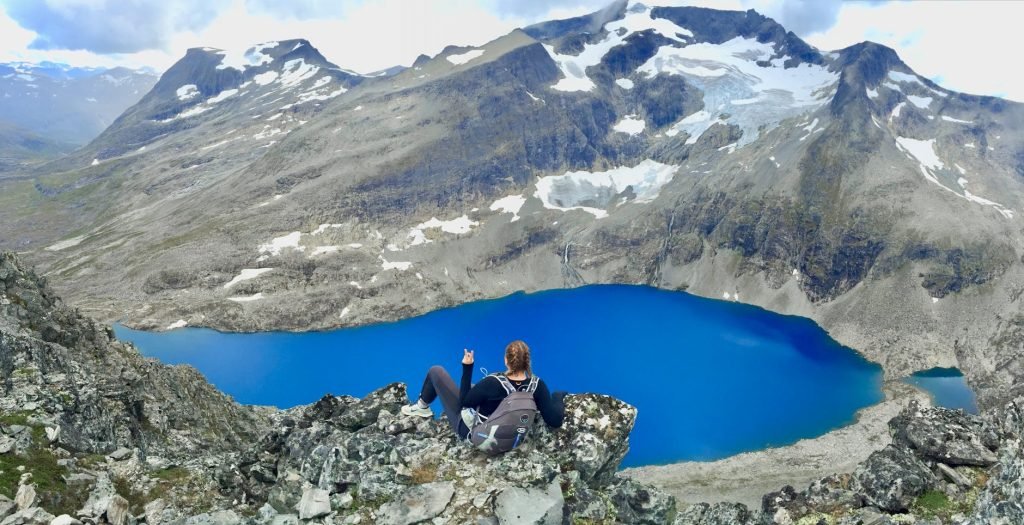
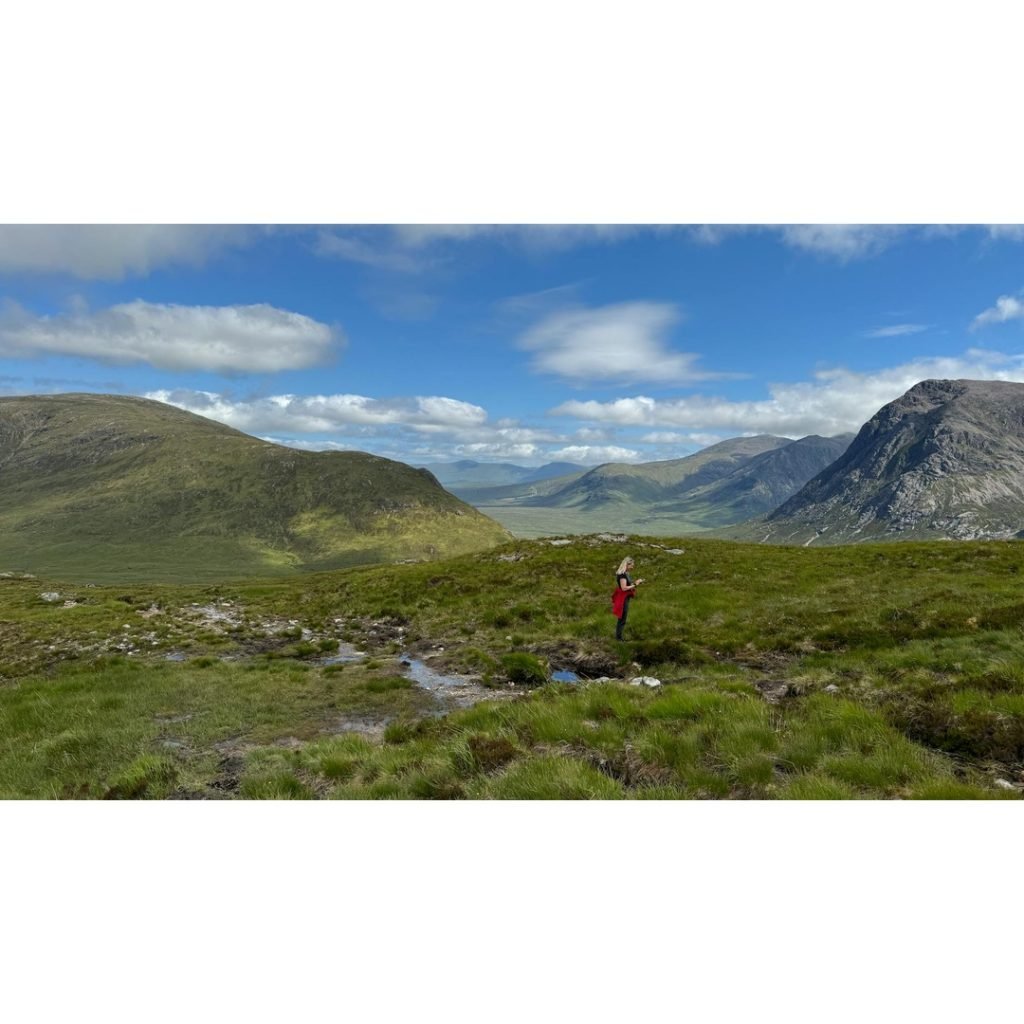
The Scottish Highlands stand as a testament to nature’s raw power and enduring beauty. A landscape sculpted by ancient glaciers, etched with dramatic glens, towering Munros, and shimmering lochs, it offers an unparalleled trekking experience. For those drawn to the wild, to the call of the untamed, the Highlands present a challenge and a reward unlike any other. This guide aims to equip aspiring and seasoned trekkers alike with the knowledge and inspiration needed to safely and responsibly explore this magnificent corner of the world, drawing on the wisdom gleaned from countless miles underfoot.
The Untamed Majesty of the Scottish Highlands
The allure of the Highlands lies in its sheer scale and diversity. From the jagged peaks of the Cuillin on Skye to the ancient Caledonian pine forests of the Cairngorms, and the historical grandeur of Glencoe, every region tells a story of geological drama and human resilience. This is a land where weather can change in an instant, where solitude can be found just a short distance from the road, and where the air itself feels ancient.
The terrain is as varied as it is beautiful. Trekkers can find themselves navigating rocky ridges, traversing boggy moorland, crossing sparkling rivers, or ascending steep, scree-laden slopes. The rewards are immense: panoramic vistas that stretch to the horizon, the chance to spot majestic red deer or golden eagles, and the profound sense of accomplishment that comes from conquering a challenging route. The Highlands demand respect, preparation, and an open heart, offering in return an unforgettable connection with nature.
Iconic Landscapes and Unforgettable Journeys
- Glencoe: A valley steeped in history and drama, offering access to formidable mountains like Buachaille Etive Mòr and the formidable Aonach Eagach ridge.
- Cairngorms National Park: The UK’s largest national park, home to vast plateaus, four of Scotland’s five highest mountains, and unique Arctic-alpine flora and fauna. Routes here often involve significant navigation challenges and exposure.
- Isle of Skye: Famous for the dramatic Black Cuillin, a mountaineer’s paradise, alongside more accessible, iconic formations like the Old Man of Storr and the Quiraing.
- Torridon: Characterized by its monumental sandstone mountains such as Liathach and Beinn Eighe, offering some of the most remote and rewarding ridge walks.
- West Highland Way: While a long-distance path, it serves as an excellent introduction to Highland trekking, showcasing a variety of landscapes from Loch Lomond to Fort William.
Preparing for the Highland Challenge
Success and enjoyment in the Highlands hinge on thorough preparation. The unpredictable nature of the Scottish weather and the remoteness of many areas mean that self-reliance is paramount.
Physical Fitness and Mental Fortitude
Highland trekking often involves sustained ascents, descents, and long days covering challenging terrain. A good level of cardiovascular fitness, strong legs, and endurance are essential. Regular hill walking, stair climbing, and strength training in the months leading up to a trip will significantly enhance the experience. Beyond physical readiness, mental fortitude is crucial. Trekkers must be prepared for adverse weather, long hours, and the occasional navigational challenge, maintaining a positive attitude even when conditions are less than ideal.
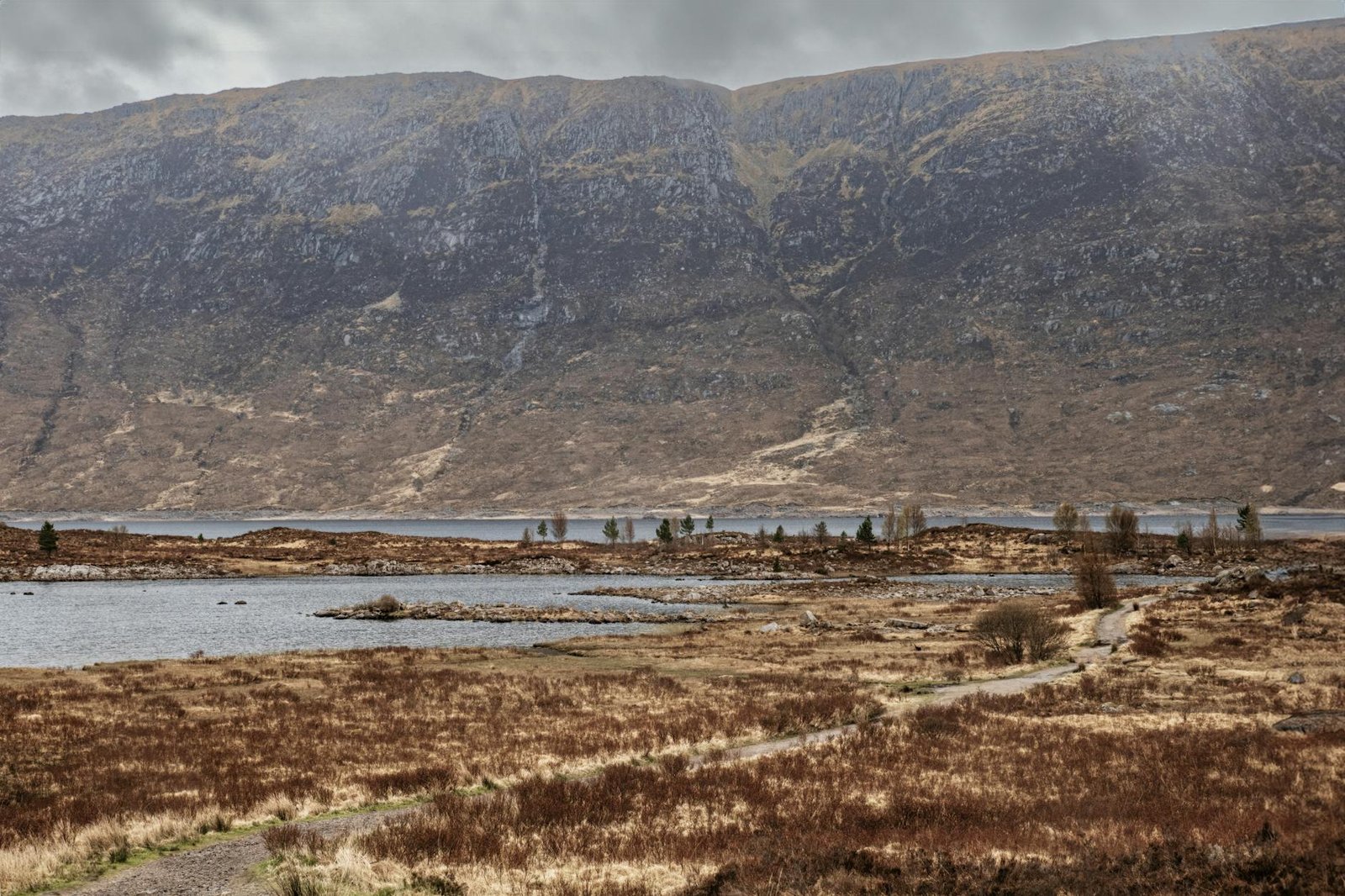
Essential Gear Checklist: Equipping for All Seasons
The mantra for Highland gear is “be prepared for four seasons in one day.” Even in summer, snow can fall on higher peaks, and rain is always a possibility. A comprehensive kit list is non-negotiable:
- Navigation: Waterproof map (O.S. Explorer or Landranger), a reliable compass, and proficiency in their use. A fully charged GPS device or smartphone app (with offline maps) as a backup.
- Clothing: A robust layering system is vital. This includes moisture-wicking base layers, insulating mid-layers (fleece or synthetic down), and a high-quality waterproof and windproof outer shell (jacket and trousers). Always carry spare warm layers.
- Footwear: Sturdy, waterproof, and well-broken-in hiking boots with good ankle support. Gaiters are highly recommended for boggy terrain.
- Safety & Emergency: A comprehensive first-aid kit, emergency shelter (bivy bag or lightweight tarp), headtorch with spare batteries, whistle, and a fully charged mobile phone (though signal can be patchy).
- Food & Water: Ample high-energy snacks and sufficient water or a water filter/purifier.
- Other Essentials: Hat, gloves (even in summer), sunglasses, sun cream (UV exposure can be significant at altitude), walking poles (highly recommended for stability and reducing strain), and a durable backpack with a rain cover.
Weather Awareness: The Highland Oracle
Checking detailed mountain-specific forecasts (e.g., Mountain Weather Information Service – MWIS, Met Office Mountain Forecast) is an absolute prerequisite before every trek. Be aware that conditions can change rapidly and differ significantly between glens and summits. Always be prepared to alter or abandon plans if the weather dictates.
Navigation and Safety: Mastering the Mountain
The Scottish Highlands, with their vast expanses and often featureless plateaus, demand a high level of navigational skill and an unwavering commitment to safety.
The Art of Navigation: Map, Compass, and GPS
While GPS devices and smartphone apps are invaluable tools, they are complements, not replacements, for traditional map and compass skills. Batteries can die, and electronics can fail. The ability to orient a map, take bearings, and interpret contours is essential, especially when mist descends, which it frequently does. Practicing these skills in less challenging conditions will build confidence for when they are truly needed. Summit Reid often reflects on instances where only careful bearing work guided the way through whiteout conditions, underscoring the critical nature of these foundational skills.
Understanding and Mitigating Hazards
- Weather: Sudden changes from clear skies to driving rain, strong winds, or thick fog are common. Hypothermia is a real risk even in summer. Learn to recognize its symptoms and how to prevent it.
- Terrain: Steep scree, rocky scrambles, deep bog, and slippery river crossings all present hazards. Assess each challenge carefully and do not push beyond one’s capabilities.
- River Crossings: Swollen rivers after heavy rain can be dangerous or impassable. Always consider an alternative route if a crossing looks risky.
- Winter Conditions: Even outside of official winter months, higher elevations can retain snow and ice. Carrying an ice axe and crampons, and knowing how to use them, is crucial for winter trekking.
- Emergency Procedures: Always inform someone of your route, expected return time, and contingency plans. In an emergency, dial 999 and ask for Police, then Mountain Rescue. Carry a fully charged phone, but be aware of limited signal. A whistle can be used for signaling (six short blasts, pause, repeat).
Environmental Stewardship: Treading Lightly
The pristine beauty of the Highlands is a fragile ecosystem. Every trekker shares the responsibility of preserving it for future generations. Adhering to the principles of Leave No Trace is not just good practice; it is a duty.
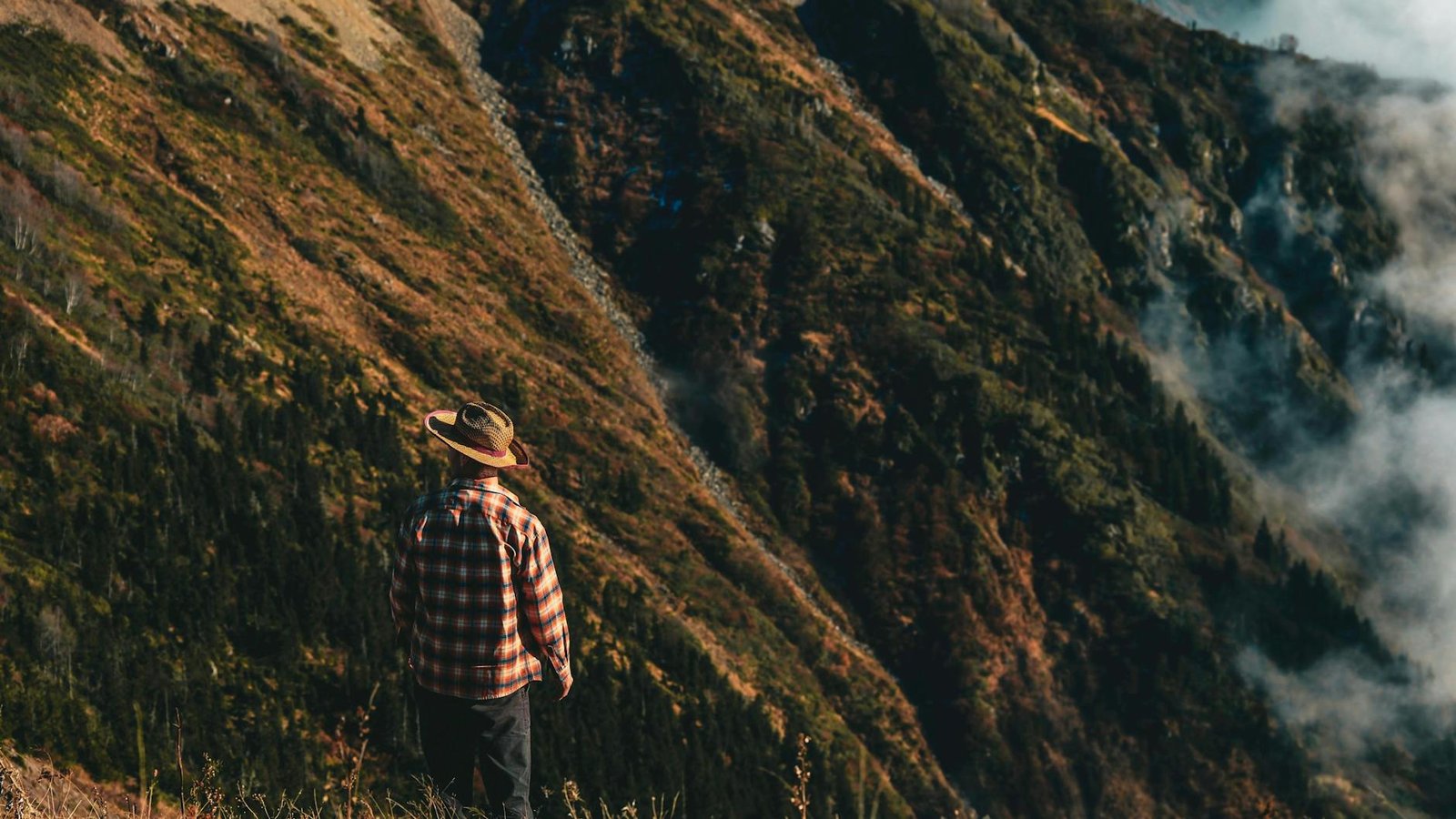
Leave No Trace: Principles for Responsible Wilderness Travel
- Plan Ahead and Prepare: Know the area, anticipate weather, pack appropriate gear, and plan your route.
- Travel and Camp on Durable Surfaces: Stick to existing paths. If off-path, spread out to avoid creating new trails. When wild camping, choose a discreet spot away from water sources and roads.
- Dispose of Waste Properly: Pack out everything you pack in, including all litter, food scraps, and toilet paper. Bury human waste in a cathole 6-8 inches deep and at least 200 feet from water, camps, and trails.
- Leave What You Find: Do not disturb historical artifacts, natural features, or plants.
- Minimize Campfire Impacts: Use a lightweight stove for cooking. If a fire is absolutely necessary, use existing fire rings, keep it small, and ensure it is completely out before leaving.
- Respect Wildlife: Observe animals from a distance. Do not feed them. Store food securely.
- Be Considerate of Other Visitors: Respect the tranquility of the wilderness. Keep noise levels down.
The profound solitude experienced by many, including Summit Reid on a memorable traverse of the Fisherfield Forest, reinforces the importance of maintaining the wild character of these landscapes. Every action, no matter how small, contributes to the overall health and integrity of the environment.
Conclusion: Embrace the Wild, Find Your Spirit
Trekking in the Scottish Highlands is more than just a physical journey; it is an immersion into a landscape that challenges, inspires, and ultimately, rejuvenates the spirit. It is a place where one can truly disconnect from the modern world and reconnect with nature’s raw power and beauty. The mist-shrouded peaks, the ancient glens, and the vast, silent plateaus offer a profound sense of peace and perspective.
With careful preparation, respect for the environment, and a healthy dose of adventurous spirit, the Highlands will reveal their unparalleled magic. They demand diligence and humility, but in return, they offer experiences that forge indelible memories and a deep appreciation for the wild. So, gather your gear, hone your skills, and answer the call of the Scottish Highlands. Your next unforgettable adventure awaits.
Start planning your Highland trekking adventure today and discover the profound connection with nature that awaits in Scotland’s majestic wilderness!
⚠️ Safety Notice: This content is for informational purposes only. Always consult local guides and operators, verify current conditions, and ensure appropriate skills and certifications before any outdoor activity. DiveBikeHike is not responsible for injuries or incidents.