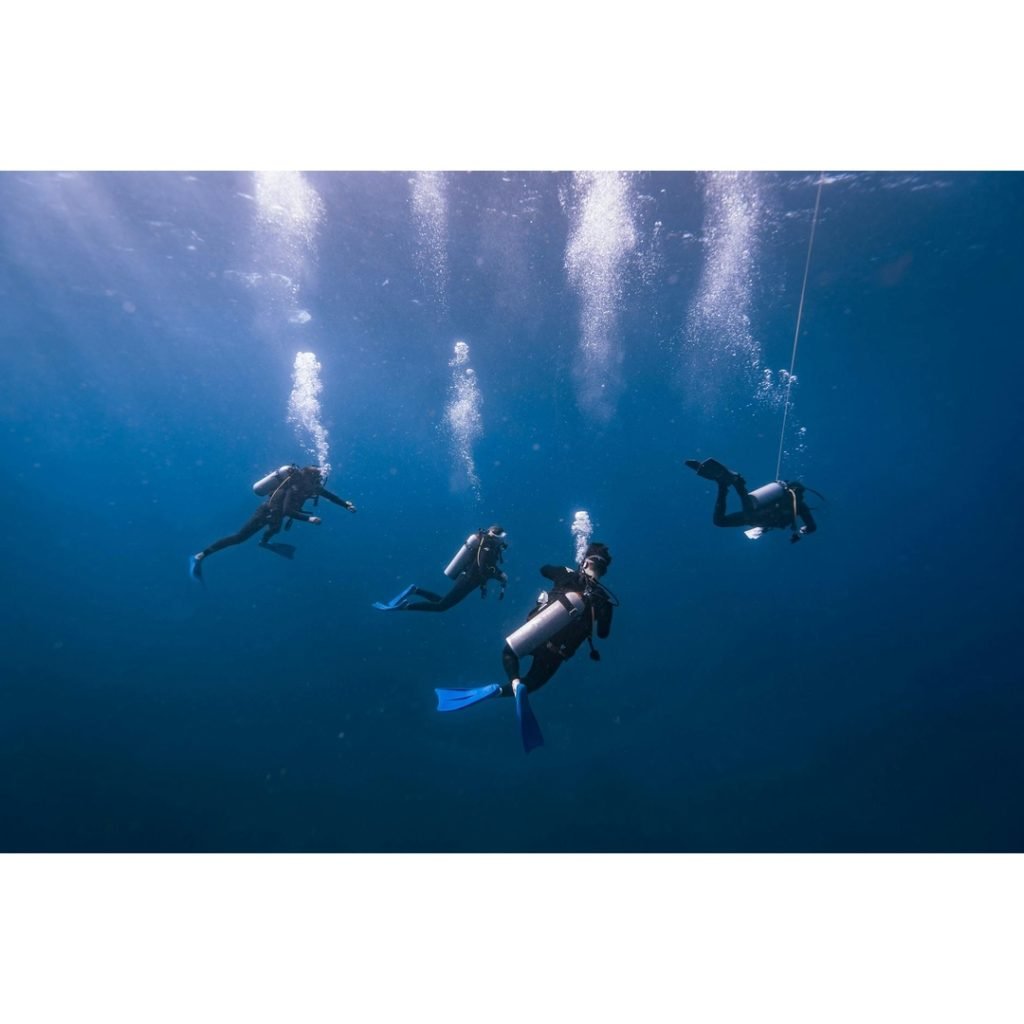
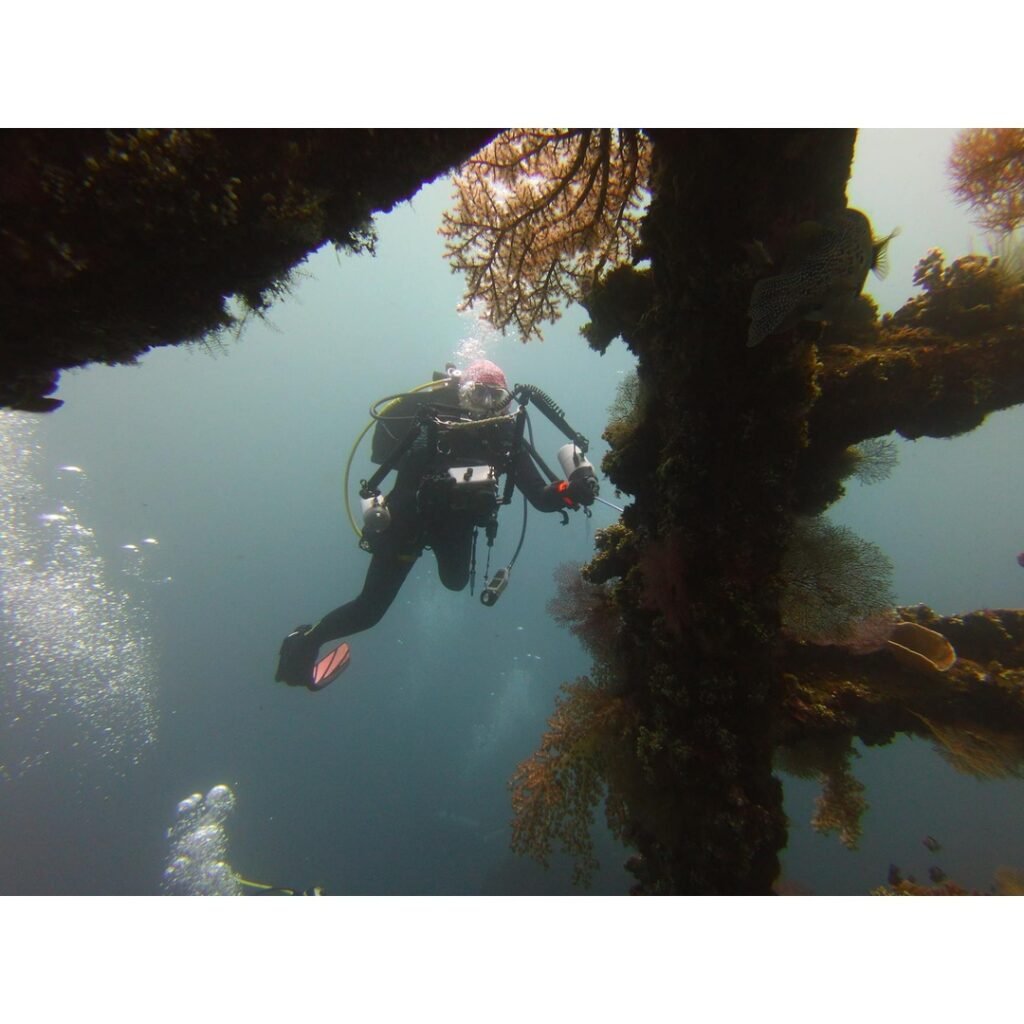
Bali, often celebrated for its vibrant culture, stunning landscapes, and serene temples, holds an equally captivating secret beneath its turquoise waves. For scuba diving enthusiasts, the ‘Island of Gods’ transforms into an aquatic paradise, offering an unparalleled diversity of dive experiences. From majestic manta rays gracefully gliding through nutrient-rich waters to the enigmatic ocean sunfish (Mola Mola) making its seasonal appearances, and from historic wrecks teeming with life to kaleidoscopic coral gardens, Bali is a destination that truly has something for every diver.
As experienced dive masters will attest, Bali’s underwater tapestry is rich and varied, promising unforgettable encounters and breathtaking scenery. This guide aims to navigate you through the best dive sites, equip you with practical advice, and ensure your Bali diving adventure is nothing short of spectacular.
Discovering Bali’s Premier Dive Destinations
Bali’s dive sites are spread across various regions, each offering a unique set of conditions and marine inhabitants. Understanding these distinct characteristics is key to planning your ultimate diving itinerary.
Tulamben: The Wreck Diver’s Dream
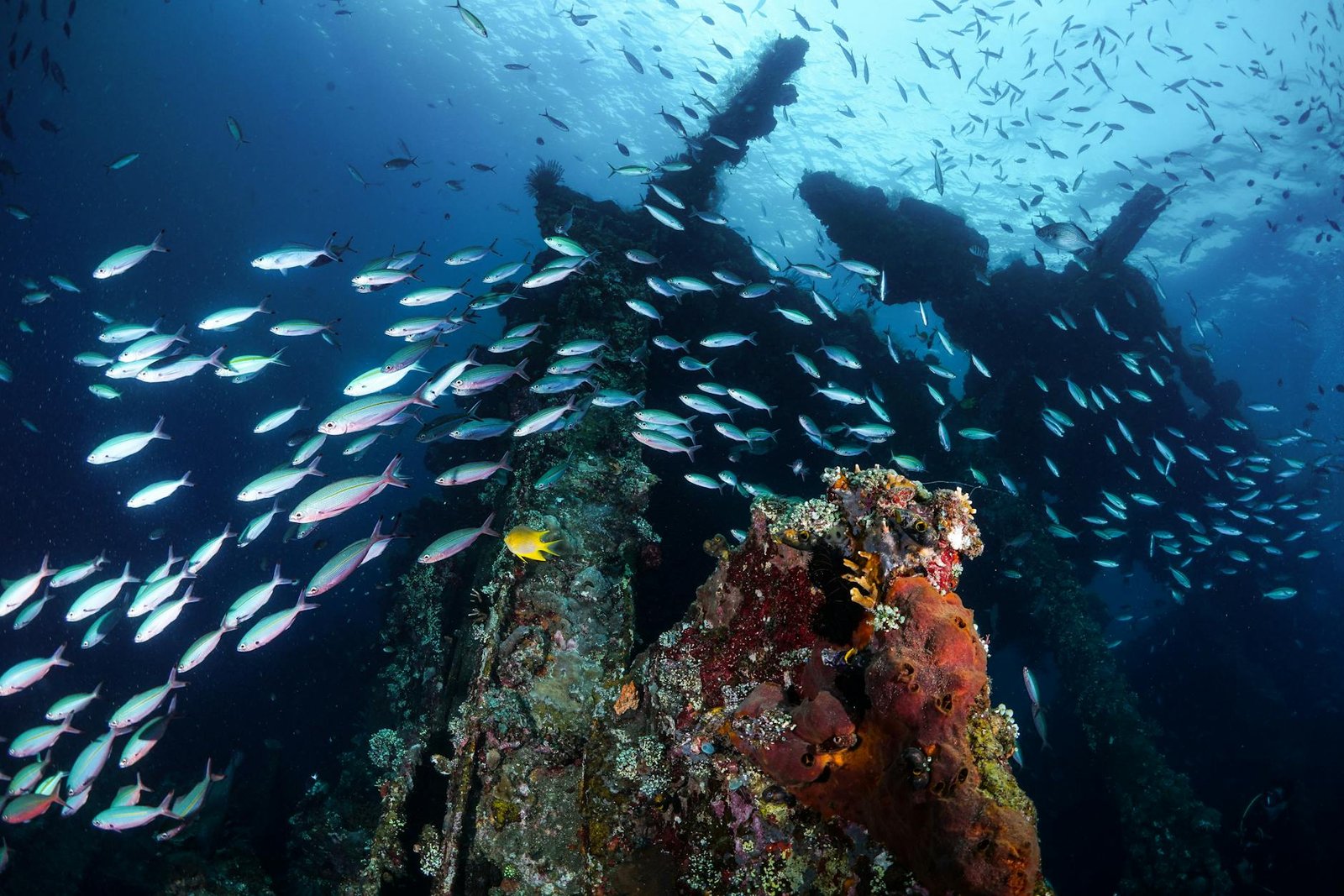
Located on Bali’s northeastern coast, Tulamben is synonymous with the iconic USAT Liberty Wreck. This 120-meter long cargo ship, torpedoed in WWII and beached, later slid into the water during a volcanic eruption, now rests at depths ranging from 5 to 30 meters. It’s an astonishing artificial reef, absolutely teeming with life.
- The USAT Liberty Wreck: This site is remarkably accessible, making it suitable for divers of all levels, including those trying their first wreck dive. The wreck is adorned with soft corals, anemones, and sponges, sheltering an incredible array of marine species. Divers frequently encounter schools of bumphead parrotfish at dawn, barracuda, sweetlips, giant groupers, and an impressive collection of macro life – nudibranchs, pygmy seahorses, and ghost pipefish are regular sightings. Night dives on the Liberty are particularly magical, revealing a completely different cast of nocturnal creatures.
- The Drop-off: Just south of the Liberty, this impressive wall dive plunges to over 70 meters. Its healthy coral formations house vibrant reef fish, occasional reef sharks, and larger pelagics passing by.
- Coral Garden: A shallower reef area perfect for beginners and macro photographers, offering beautiful hard and soft corals and a wealth of small reef fish.
Dive master insight: We often recommend at least two dives on the Liberty to truly appreciate its vastness and diversity. For photographers, the macro opportunities are endless, so bring your best lens!
Amed: Serene Reefs and Macro Wonders
South of Tulamben, Amed offers a more laid-back atmosphere with equally rewarding diving. Its calmer waters and vibrant reefs are ideal for relaxed exploration.
- Jemeluk Wall: A beautiful drift dive along a healthy wall, featuring diverse coral formations and a rich assortment of reef fish. Look out for blue-spotted rays, reef sharks, and turtles.
- Amed Pyramids: An artificial reef created by local divers, consisting of concrete pyramids that have become home to a thriving ecosystem. This site is a macro enthusiast’s paradise, with frequent sightings of frogfish, nudibranchs, and various crustaceans.
Amed’s generally milder currents make it an excellent choice for less experienced divers or those seeking a tranquil underwater experience.
Padang Bai: Hidden Gems and Beginner-Friendly Waters
On Bali’s eastern coast, Padang Bai serves as a gateway to some delightful dive sites, often characterized by calm conditions and abundant macro life.
- Blue Lagoon: A sheltered bay with shallow, clear waters, perfect for training dives and snorkelers. The reef is vibrant, hosting cuttlefish, octopus, reef sharks, and a variety of colorful reef fish.
- Jepun: Another excellent macro site, where divers can spot frogfish, ghost pipefish, and occasionally even small reef sharks.
Padang Bai’s proximity to the Gilis and Lombok also makes it a popular departure point for fast boats, but its local dive sites are well worth exploring.
Nusa Penida & Nusa Lembongan: Pelagic Powerhouses
South-east of Bali, the islands of Nusa Penida and Nusa Lembongan are renowned for their dramatic topography, strong currents, and spectacular pelagic encounters. These sites are generally more challenging and recommended for experienced divers.
- Manta Point: This iconic site is almost a guaranteed encounter with majestic manta rays. Divers position themselves near cleaning stations, observing these gentle giants as they glide effortlessly through the water. While primarily a cleaning station, the site also boasts vibrant coral patches and a rich array of smaller marine life.
- Crystal Bay: Famous for seasonal sightings of the elusive Mola Mola (Ocean Sunfish), typically from July to October. This site is characterized by cool thermoclines and can have strong, unpredictable currents. When the Mola Mola are not present, Crystal Bay still offers stunning coral gardens and a healthy reef system.
- SD Point & Toyapakeh: These are exhilarating drift dives along extensive, healthy coral reefs. Strong currents can sweep divers past schools of fish, barracuda, and occasionally reef sharks. The coral health here is exceptional, boasting impressive hard and soft coral formations.
Safety consideration: Diving in Nusa Penida often involves strong currents. Proper dive planning, excellent buoyancy control, and experience with drift diving are crucial. Always dive with a reputable center that prioritizes safety and has experienced guides familiar with local conditions. Water temperatures here can also drop significantly, especially at depth, so a 5mm wetsuit or even a semi-dry suit is often recommended.
Menjangan Island: The Jewel of West Bali
Part of the West Bali National Park, Menjangan Island offers pristine conditions, stunning wall dives, and exceptional visibility. It’s a bit further to reach but well worth the journey for its untouched beauty.
- Anchor Wreck: A small, very deep wreck (below 45m) with a large anchor in shallower waters. The main attraction here is the vibrant wall dive.
- Garden Eel Wall: A spectacular wall dive adorned with massive gorgonian fans, barrel sponges, and a multitude of reef fish. Garden eels are a common sight on the sandy bottom plateaus.
Menjangan is celebrated for its healthy soft and hard coral gardens, diverse macro life, and frequent sightings of turtles, reef sharks, and schooling fish in crystal-clear waters. It’s often calmer than other areas, making it suitable for all levels when conditions are good.
Practical Tips for Your Bali Diving Adventure
Best Time to Dive
Bali offers diving year-round, but the dry season (April to October) generally provides the best conditions with calmer seas and better visibility. This is also the prime season for Mola Mola sightings in Nusa Penida. The wet season (November to March) can still offer excellent diving, often with fewer crowds and slightly warmer water, though surface conditions might be choppier.
Choosing a Dive Center
Selecting a reputable dive center is paramount for a safe and enjoyable experience. Look for centers that:
- Are PADI, SSI, or equivalent certified.
- Maintain their equipment rigorously.
- Employ experienced, local dive guides with an intimate knowledge of the sites and currents.
- Prioritize small group sizes.
- Have a strong safety record and emergency protocols.
What to Bring
- Certification Card & Logbook: Essential for verifying your diving credentials.
- Reef-Safe Sunscreen: Protect your skin and the delicate marine ecosystem.
- Hat & Sunglasses: For surface intervals.
- Reusable Water Bottle: Help reduce plastic waste.
- Motion Sickness Medication: If you’re prone to seasickness.
- Appropriate Wetsuit: While most Bali waters are warm (26-29°C), Nusa Penida can drop to 20-24°C, especially during Mola Mola season, so consider a 5mm suit or even a hood/vest for comfort.
Safety and Environmental Responsibility
Diving is an incredible privilege, and it comes with responsibilities. Adhering to safe diving practices and respecting the marine environment are crucial.
- Dive Within Your Limits: Never exceed your training or comfort level. If a current feels too strong or a dive too deep, communicate with your guide.
- Buoyancy Control: Maintain excellent buoyancy to avoid damaging corals or stirring up the bottom.
- No Touching: Refrain from touching marine life or corals. Even a gentle touch can harm delicate organisms.
- Leave No Trace: Do not leave any trash behind. Participate in marine clean-ups if opportunities arise.
- Support Responsible Tourism: Choose dive operators who actively promote conservation and sustainable practices.
Personal insight from the dive deck: We’ve seen firsthand the positive impact of divers who respect the ocean. A small action, like picking up a piece of plastic, contributes to the health of the entire ecosystem. Every diver is an ambassador for the underwater world.
Beyond the Dive: Bali’s Land-Based Charms
While the underwater world is undeniably spectacular, remember that Bali offers a rich cultural experience above the surface. Incorporate visits to ancient temples, lush rice terraces, vibrant markets, and traditional Balinese dance performances into your itinerary. The island’s culinary scene is also a delight, offering everything from street food to fine dining.
Conclusion: Your Underwater Journey Awaits
Scuba diving in Bali is more than just an activity; it’s an immersive journey into a world of unparalleled beauty and biodiversity. From the historical depths of the USAT Liberty to the thrilling encounters with manta rays and the seasonal spectacle of the Mola Mola, Bali promises a dive adventure that will captivate your senses and leave an indelible mark on your soul. With its welcoming culture, diverse dive sites, and commitment to marine conservation, Bali stands as a premier destination for divers worldwide.
Are you ready to discover the magic beneath the waves? Start planning your Balinese dive expedition today and prepare to be enchanted by one of the world’s most magnificent underwater realms.
⚠️ Safety Notice: This content is for informational purposes only. Always consult local guides and operators, verify current conditions, and ensure appropriate skills and certifications before any outdoor activity. DiveBikeHike is not responsible for injuries or incidents.