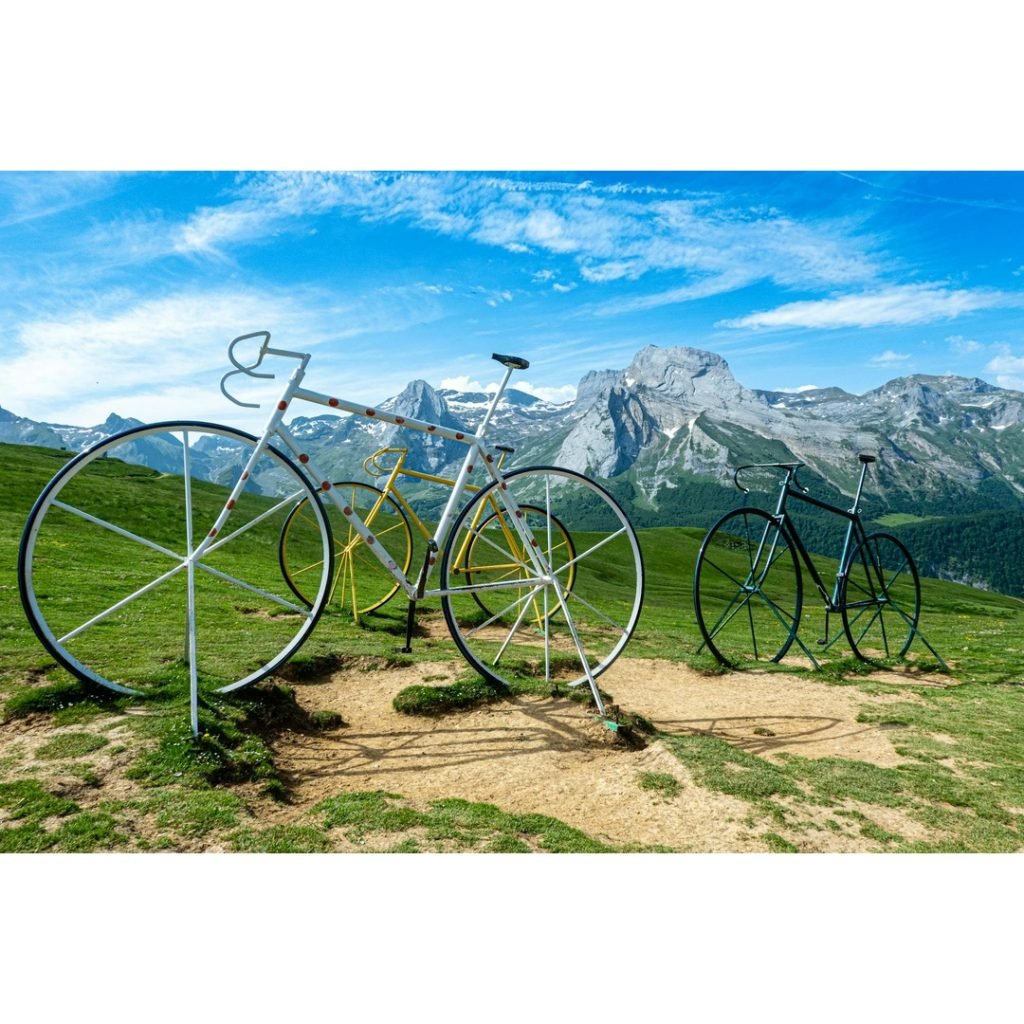
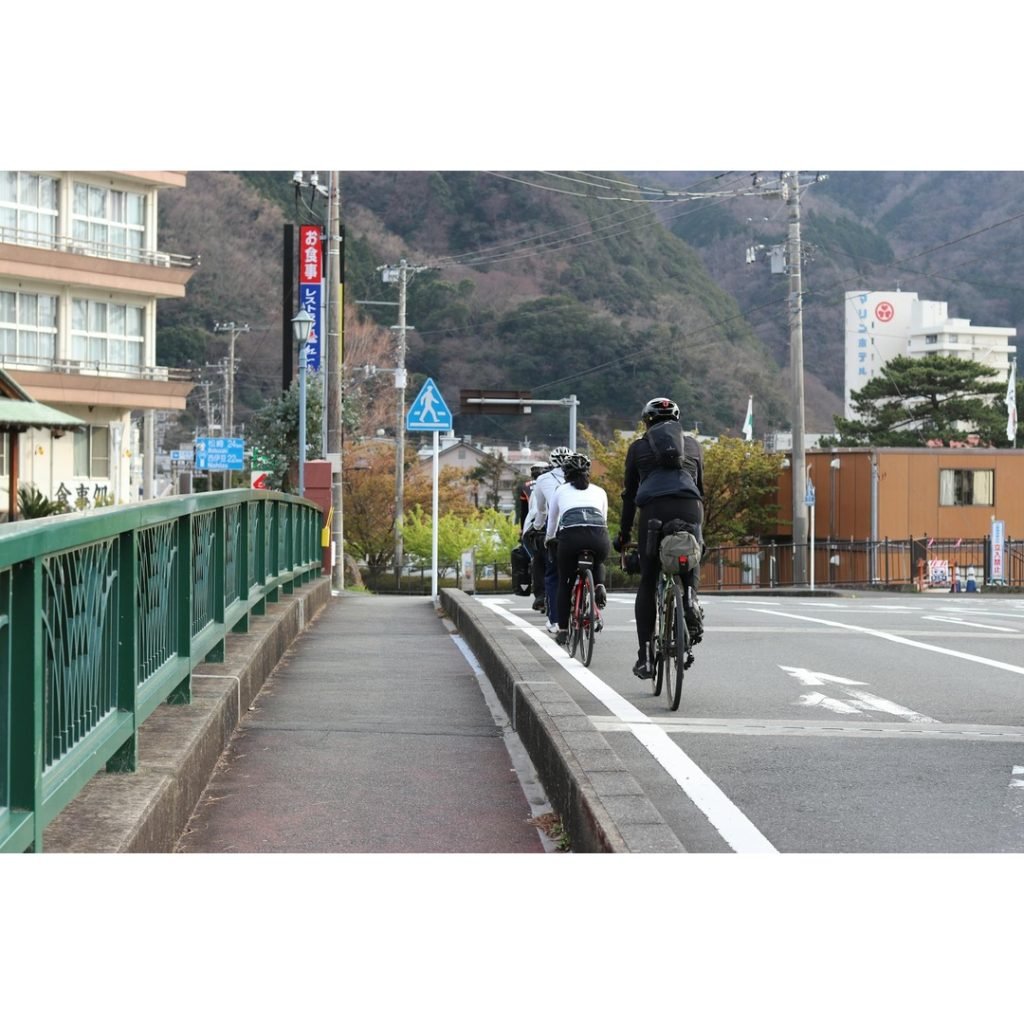
For the discerning cycling enthusiast, Japan presents a paradox: a nation renowned for its hyper-modern cities, yet home to an expansive, breathtaking countryside that is a veritable haven for two-wheeled exploration. Imagine pedaling through ancient cedar forests, tracing rugged coastlines where the Pacific meets dramatic cliffs, or winding through serene rice paddies framed by volcanic peaks. This is the Japan that awaits beyond the Shinkansen lines, an immersive, sensory experience best discovered from the saddle of a bicycle.
Experienced cyclists like Alex Trail know that venturing into Japan’s rural heartland offers more than just scenic vistas; it’s an intimate encounter with a rich culture, warm hospitality, and a unique rhythm of life. We are talking about meticulously maintained roads, a remarkable safety culture, and an abundance of small, family-run eateries ready to refuel the weary rider. This comprehensive guide will navigate the diverse landscapes and challenges, ensuring a truly epic cycling adventure.
Iconic Routes: Pedaling Through Japan’s Diverse Beauty
Japan’s geography is as varied as its seasons, offering a multitude of cycling experiences. From the gentle island-hopping of the Seto Inland Sea to the challenging climbs of the Noto Peninsula, there’s a route for every skill level and desire.
The Shimanami Kaido: Island Hopping Paradise
Perhaps the most famous cycling route in Japan, the Shimanami Kaido is a 70-kilometer (43-mile) dedicated cycling path connecting Honshu to Shikoku across six islands via a series of magnificent bridges. What makes this route exceptional is its accessibility and beauty. Cyclists enjoy designated blue lines painted on the road, guiding them across each island and bridge, making navigation effortless.
- Terrain & Challenge: Predominantly flat with gentle inclines on bridge ascents. Suitable for all skill levels, including families. E-bikes are readily available for those seeking an extra boost.
- Scenery: Stunning panoramic views of the Seto Inland Sea, picturesque fishing villages, citrus groves, and sandy beaches. Each island offers unique charm, from the historic temples of Ikuchijima to the dramatic cliffs of Omishima.
- Technical Insight: The bridges are masterpieces of engineering, offering dedicated cycling lanes separate from vehicle traffic. The total elevation gain is manageable, typically around 500-700 meters depending on specific detours. Road bikes are ideal for efficiency, but comfortable hybrids are also popular.
- Alex Trail’s Take: “The Shimanami Kaido is often the gateway for international cyclists to Japan, and for good reason. The sheer joy of riding over those incredible bridges, with the sea stretching endlessly below, is unparalleled. Alex Trail often emphasizes how the route perfectly balances physical activity with cultural immersion, with charming guesthouses and local eateries dotted along the way.”
Hokkaido’s Biei & Furano: Rolling Hills and Flower Fields
Venture north to Japan’s largest prefecture, Hokkaido, and discover a dramatically different cycling landscape. The region around Biei and Furano is famous for its “patchwork hills” – vast, gently rolling farmland that transforms into a kaleidoscope of colors during summer with lavender, sunflower, and poppy fields.
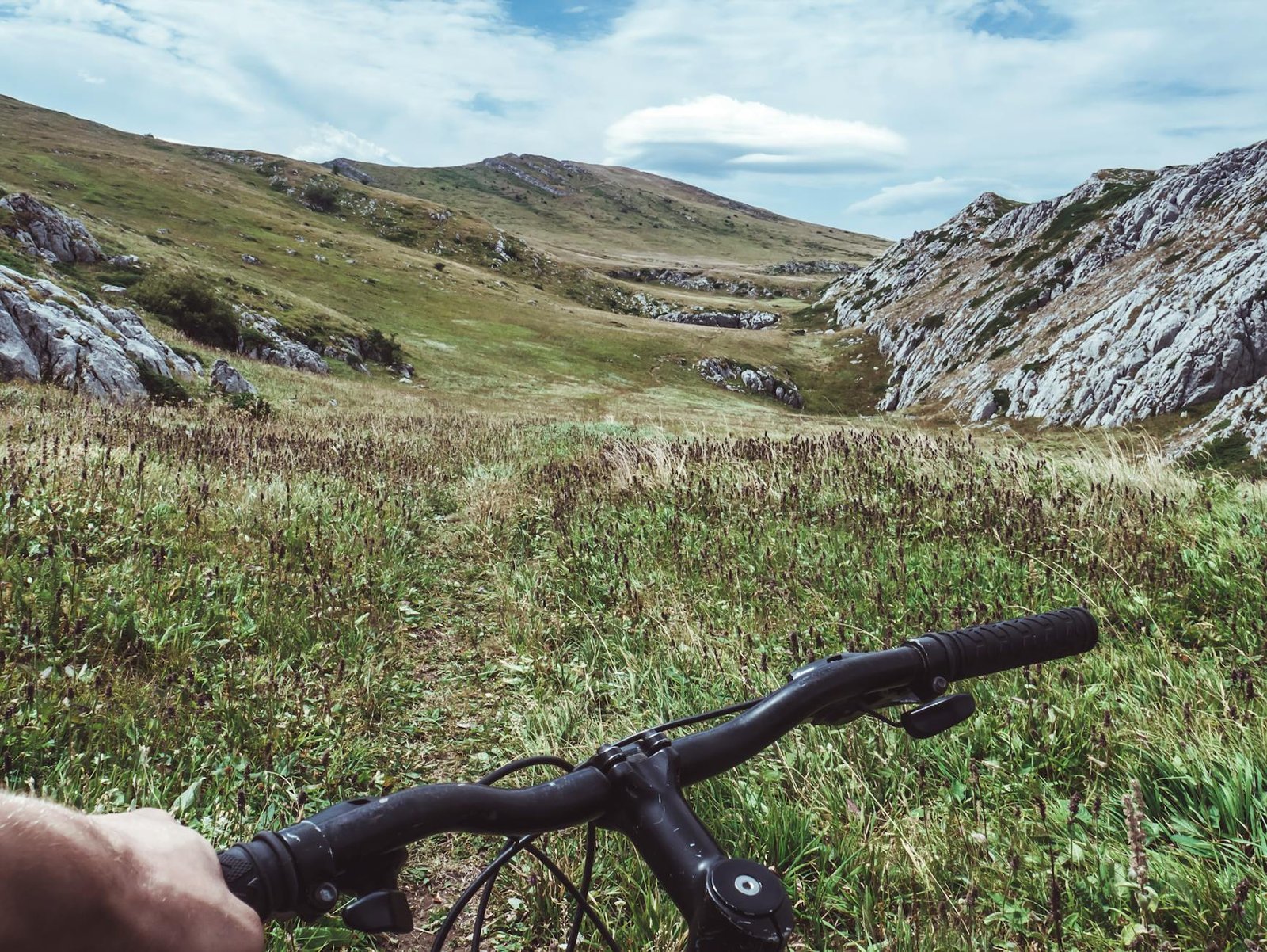
- Terrain & Challenge: Undulating hills with moderate climbs and exhilarating descents. Routes can range from 30km loops to multi-day tours.
- Scenery: Expansive agricultural landscapes, iconic lone trees, vibrant flower fields (especially July-August), and distant views of the Daisetsuzan mountains.
- Technical Insight: Roads are generally well-paved and quiet. While climbs are not excessively steep, the continuous up-and-down can be a workout. A road or gravel bike is excellent here, offering comfort and efficiency. Wind can be a factor, so maintaining a steady cadence and awareness of wind direction is key.
- Alex Trail’s Take: “After the coastal beauty of the Shimanami, the wide-open spaces of Hokkaido are a revelation. Alex Trail recounts the feeling of absolute freedom cycling through Biei’s hills, the scent of lavender on the breeze, and the incredible light for photography. It’s a place where one can truly stretch out and find their rhythm.”
Noto Peninsula: Rugged Coastlines and Traditional Charm
For those seeking a more challenging and secluded adventure, the Noto Peninsula in Ishikawa Prefecture offers a dramatic escape. This rugged finger of land juts into the Sea of Japan, boasting a wild coastline, remote fishing villages, and a slower pace of life.
- Terrain & Challenge: Hilly and sometimes steep, especially on the coastal roads. Expect significant climbs and descents, particularly on the outer loop (Sotoura). Sections can be exposed to wind. This route is best suited for experienced cyclists or those with good climbing fitness.
- Scenery: Dramatic sea cliffs, unique rock formations, rice terraces cascading down to the sea (Senmaida), traditional wooden houses, and untouched natural beauty.
- Technical Insight: Road surfaces are generally good, but some narrower roads may have less pristine asphalt. A road bike with good climbing gears is recommended, or a gravel bike for added versatility on potentially rougher patches. Be prepared for less frequent amenities compared to more popular routes. A reliable GPS device is essential.
- Alex Trail’s Take: “The Noto Peninsula is where Alex Trail often finds a deeper connection with authentic Japan. The solitude of the coastal roads, the warmth of the local people in tiny villages, and the sheer challenge of the terrain make it an incredibly rewarding, albeit demanding, journey. It’s a route that truly tests and invigorates the spirit.”
Kii Peninsula: Spiritual Trails and Mountain Passes
South of Osaka, the Kii Peninsula is a region steeped in spirituality, home to the ancient Kumano Kodo pilgrimage routes. While famous for hiking, many sections and connecting roads offer incredible cycling opportunities through dense forests, over mountain passes, and past sacred sites.
- Terrain & Challenge: Very hilly and mountainous. Expect long, sustained climbs and exhilarating, winding descents. This area demands excellent climbing fitness and confident bike handling skills.
- Scenery: Deep cedar forests, cascading waterfalls, ancient shrines, traditional hot spring towns (onsen), and occasional glimpses of the Pacific Ocean.
- Technical Insight: Roads are generally well-maintained but can be narrow and winding. Traffic is minimal on many mountain roads. A road bike with a compact crankset (e.g., 50/34) and a wide-range cassette (e.g., 11-32T or 11-34T) is highly recommended for tackling the steep gradients. Be mindful of potential fog or rain in higher elevations.
- Alex Trail’s Take: “The Kii Peninsula offers a unique blend of physical challenge and spiritual immersion. Alex Trail recalls the profound silence of the cedar forests and the sense of history permeating every turn of the road. It’s a route that rewards perseverance with breathtaking views and a deep sense of accomplishment.”
Practical Tips for Your Japanese Cycling Expedition
Embarking on a cycling tour in Japan requires thoughtful preparation. Here’s what you need to know to ensure a smooth and enjoyable journey.
Best Seasons to Ride
- Spring (April-May): Pleasant temperatures, cherry blossoms (Sakura). Can be busy.
- Autumn (October-November): Crisp air, vibrant autumn foliage (Koyo). Ideal for long rides.
- Summer (June-September): Hot and humid, especially in central and southern Japan. Hokkaido is an exception, offering cooler temperatures and beautiful flower fields. Typhoon season can affect coastal areas.
- Winter (December-March): Cold, with snow in many mountainous and northern regions. Limited cycling opportunities outside of specific warm areas.
Navigation & Language
- GPS & Offline Maps: Essential. Google Maps is generally reliable, but apps like Ride With GPS or Komoot allow for pre-planning routes and offline use. Download maps for areas with patchy mobile signal.
- Language Barrier: While English is increasingly common in major tourist areas, it can be limited in rural regions. Learn basic Japanese phrases (hello, thank you, excuse me, water, toilet) and consider a translation app.
Accommodation & Food
- Variety: From traditional ryokan (Japanese inns) and minshuku (family-run guesthouses) to business hotels and even campsites. Booking ahead, especially in peak season, is advisable. Many accommodations are cyclist-friendly, offering bike storage.
- Fueling Your Ride: Convenience stores (konbini like 7-Eleven, FamilyMart, Lawson) are ubiquitous and invaluable for quick snacks, drinks, and even meals. Look for local restaurants (shokudo) for delicious and affordable Japanese fare.
Safety & Road Etiquette
- Ride Left: Japan drives on the left side of the road.
- Helmets: Strongly recommended and often legally required for children.
- Lights: Front and rear lights are mandatory at night.
- Road Conditions: Generally excellent, even in rural areas. Be aware of narrow roads, especially on mountain passes, and respect traffic laws. Drivers are typically courteous towards cyclists.
Technical Insights & Gear Recommendations
Choosing the right equipment and preparing your body are crucial for an optimal experience.
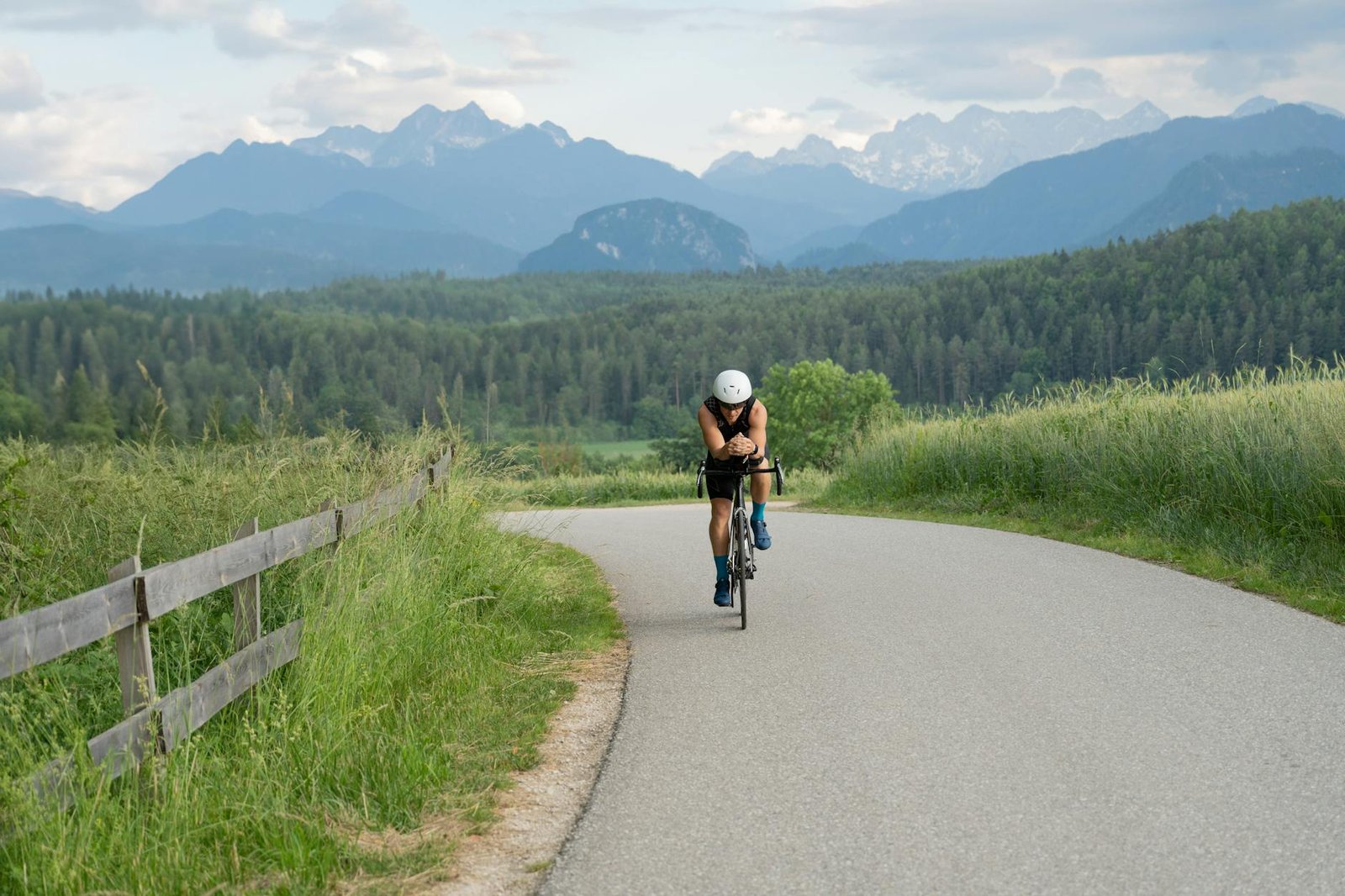
Bike Choice
- Road Bike: Ideal for paved routes like the Shimanami Kaido, Hokkaido, and most parts of the Kii Peninsula. Prioritize comfort for long distances.
- Gravel Bike: A versatile choice if your route includes varied terrain, unpaved sections, or if you prefer a slightly more relaxed geometry and wider tires for comfort.
- E-Bike: An excellent option for those seeking assistance on climbs, covering longer distances with less effort, or for cyclists of varying fitness levels in a group. Widely available for rent on popular routes.
Essential Gear
- Clothing Layers: Japan’s weather can be unpredictable. Pack moisture-wicking base layers, a cycling jersey, arm/leg warmers, a windproof vest, and a lightweight rain jacket.
- Navigation Device: A dedicated GPS unit or a smartphone with reliable mounting.
- Repair Kit: Inner tubes, tire levers, patch kit, multi-tool, small pump. While bike shops exist, they might be sparse in remote areas.
- Hydration: Two large water bottles are a minimum. Dehydration can be a serious risk, especially in summer.
- Power Bank: For keeping your phone and GPS charged.
- Sun Protection: Sunscreen, cycling cap, sunglasses.
Training & Technique Tips
- Hill Climbing: If tackling routes like Noto or Kii, incorporate hill repeats into your training. Focus on maintaining a steady cadence and breathing.
- Endurance Rides: Build up your long-distance riding capacity. Practice riding for several hours to simulate tour days.
- Bike Handling: Practice descending, especially on winding roads. Maintain a relaxed grip, look ahead, and feather your brakes.
- Pacing: Don’t start too fast. Conserve energy for later in the day, especially on multi-day tours. Listen to your body.
The Alex Trail Perspective: Embracing the Journey
Alex Trail often emphasizes that cycling in Japan is more than just covering distances; it’s about the journey itself. It’s the unexpected encounters with local farmers offering fresh fruit, the meditative rhythm of pedaling through a bamboo grove, or the quiet satisfaction of a hot onsen bath after a challenging day. The meticulous attention to detail in Japanese culture extends to its infrastructure, making cycling a surprisingly seamless experience once off the beaten path.
The beauty lies in the contrasts: ancient traditions against modern efficiency, serene landscapes juxtaposed with the occasional bustling town. One finds themselves constantly surprised and delighted, whether it’s by the perfectly brewed coffee at a tiny roadside cafe or the flawless condition of a remote mountain road.
Conclusion: Your Japanese Cycling Dream Awaits
Japan’s countryside offers an unparalleled cycling experience, a journey that blends physical challenge with profound cultural immersion. From the gentle breezes of the Seto Inland Sea to the invigorating climbs of the Noto Peninsula and the spiritual paths of the Kii Mountains, each route promises an adventure unlike any other. The roads are waiting, the scenery is spectacular, and the hospitality is legendary.
So, dust off your bike, start planning your itinerary, and prepare to discover a side of Japan that few tourists ever see. The ultimate cycling adventure awaits. What Japanese route will you conquer first?
⚠️ Safety Notice: This content is for informational purposes only. Always consult local guides and operators, verify current conditions, and ensure appropriate skills and certifications before any outdoor activity. DiveBikeHike is not responsible for injuries or incidents.