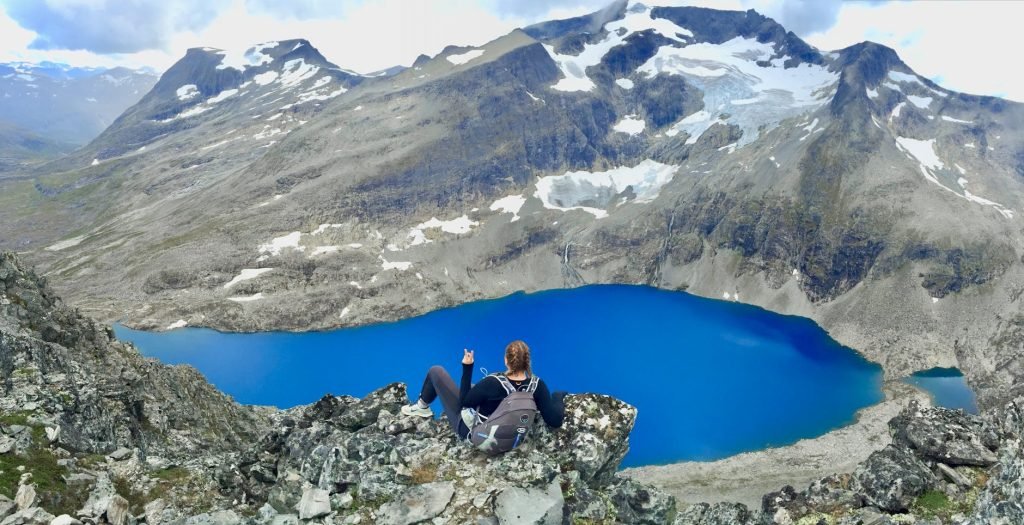
The very mention of Norway’s fjords conjures images of majestic, glacier-carved valleys, where emerald waters reflect towering cliffs and cascading waterfalls. For the hiking enthusiast, these dramatic landscapes are not just a spectacle to behold, but an irresistible invitation to explore, to challenge oneself, and to forge an intimate connection with some of the planet’s most breathtaking wilderness. This guide delves into the heart of Norway’s fjord hiking, offering a comprehensive look at the routes, the preparation, and the profound experiences that await.
Hiking in the Norwegian fjords is an experience unlike any other. It is a journey that demands respect for nature’s raw power and rewards with views that etch themselves into the soul. From the world-famous viewpoints that grace postcards to the quieter paths that offer solitude, each trail tells a story of geological wonder and human perseverance. Preparing for such an adventure means more than just packing the right gear; it means cultivating a mindset of readiness, respect, and a deep appreciation for the natural world.
Navigating Norway’s Iconic Fjord Trails
Norway boasts an impressive network of trails, each offering a unique perspective on the fjord landscape. While many are challenging, the rewards are immeasurable – panoramic vistas, a sense of accomplishment, and an immersion in pristine nature.
The Legendary Trio: Challenges and Rewards
- Preikestolen (Pulpit Rock): Perched 604 meters above the Lysefjord, Preikestolen is arguably Norway’s most famous natural landmark. This relatively moderate hike, typically taking 4-5 hours round trip, makes it accessible to a wide range of hikers, including families. The path, recently upgraded by Nepalese sherpas, features well-laid stones and steps, making the ascent smoother. Despite its popularity, the sheer scale of the cliff and the fjord below never fail to inspire awe. The feeling of standing on that iconic plateau, gazing out at the vast expanse, is truly unforgettable.
- Trolltunga (Troll’s Tongue): For those seeking a more strenuous challenge, Trolltunga is the ultimate test. This demanding 27-kilometer round trip hike, with an elevation gain of over 800 meters, typically requires 10-12 hours to complete. The trail traverses varied terrain, including rocky paths, muddy sections, and snowfields even in summer. The reward, however, is one of the most iconic photo opportunities in the world: standing on the “Troll’s Tongue,” a horizontal rock jutting out dramatically 700 meters above Ringedalsvatnet lake. Proper physical conditioning and early starts are paramount for this epic journey.
- Kjeragbolten (Kjerag Boulder): Nestled in a mountain crevice 1,000 meters above the Lysefjord, Kjeragbolten offers a thrilling, if somewhat nerve-wracking, experience. The hike itself is challenging, a 6-10 hour round trip involving several steep ascents and descents assisted by chains. The final destination is the boulder itself, wedged precariously between two cliffs. Standing on Kjeragbolten is not for the faint of heart, but for those who dare, it offers an unparalleled sense of achievement and a unique perspective on the fjord’s grandeur.
Beyond the Postcards: Exploring Lesser-Known Gems
While the iconic trio draws crowds, Norway’s fjords offer countless other trails that promise solitude and equally stunning views.
- Romsdalseggen Ridge (Åndalsnes): Often hailed as one of Norway’s most scenic hikes, Romsdalseggen offers panoramic views of the Romsdalen Valley, the Rauma River, and the surrounding peaks, including the famous Trollveggen (Troll Wall). The full ridge hike is challenging, around 10-12 kilometers with significant elevation changes, and takes 6-10 hours. It’s a true mountain experience, rewarding hikers with a sense of immense scale and wild beauty.
- Aurlandsdalen Valley (Flåm area): Known as the “Grand Canyon of Norway,” Aurlandsdalen offers a historical and diverse multi-day trekking experience. The full route from Geiterygghytta to Vassbygdi is typically done over 3-4 days, passing through lush valleys, dramatic gorges, and alongside powerful rivers. This trail provides a fascinating glimpse into Norway’s past, with old farmsteads and cultural relics scattered along the path, offering a different kind of fjord experience beyond the sheer cliff faces.
- Loen Skylift & Via Ferrata: For those who desire breathtaking views without the full-day trek, or who seek an added thrill, the Loen Skylift offers swift access to Mount Hoven (1011m) with panoramic views over the Nordfjord. From here, one can embark on easier marked trails or challenge themselves on the spectacular Via Ferrata Loen, a protected climbing route that combines hiking with elements of mountaineering, offering an exhilarating way to experience the heights above the fjord.
Practical Preparation: Gearing Up for the Fjords
A successful and enjoyable fjord hiking adventure hinges on thorough preparation. The Norwegian weather is notoriously fickle, and the terrain can be demanding.
Physical Conditioning and Mental Fortitude
Most fjord hikes involve significant elevation gain and varied terrain. Prioritize cardiovascular fitness, strength training (especially legs and core), and endurance. Regular long walks or hikes with a loaded pack will simulate trail conditions. Mental preparedness is equally crucial; the ability to push through discomfort and maintain focus in challenging conditions is invaluable.
Essential Packing List
Layering is key in Norway. The weather can change rapidly from sun to rain, wind, or even snow, regardless of the season.
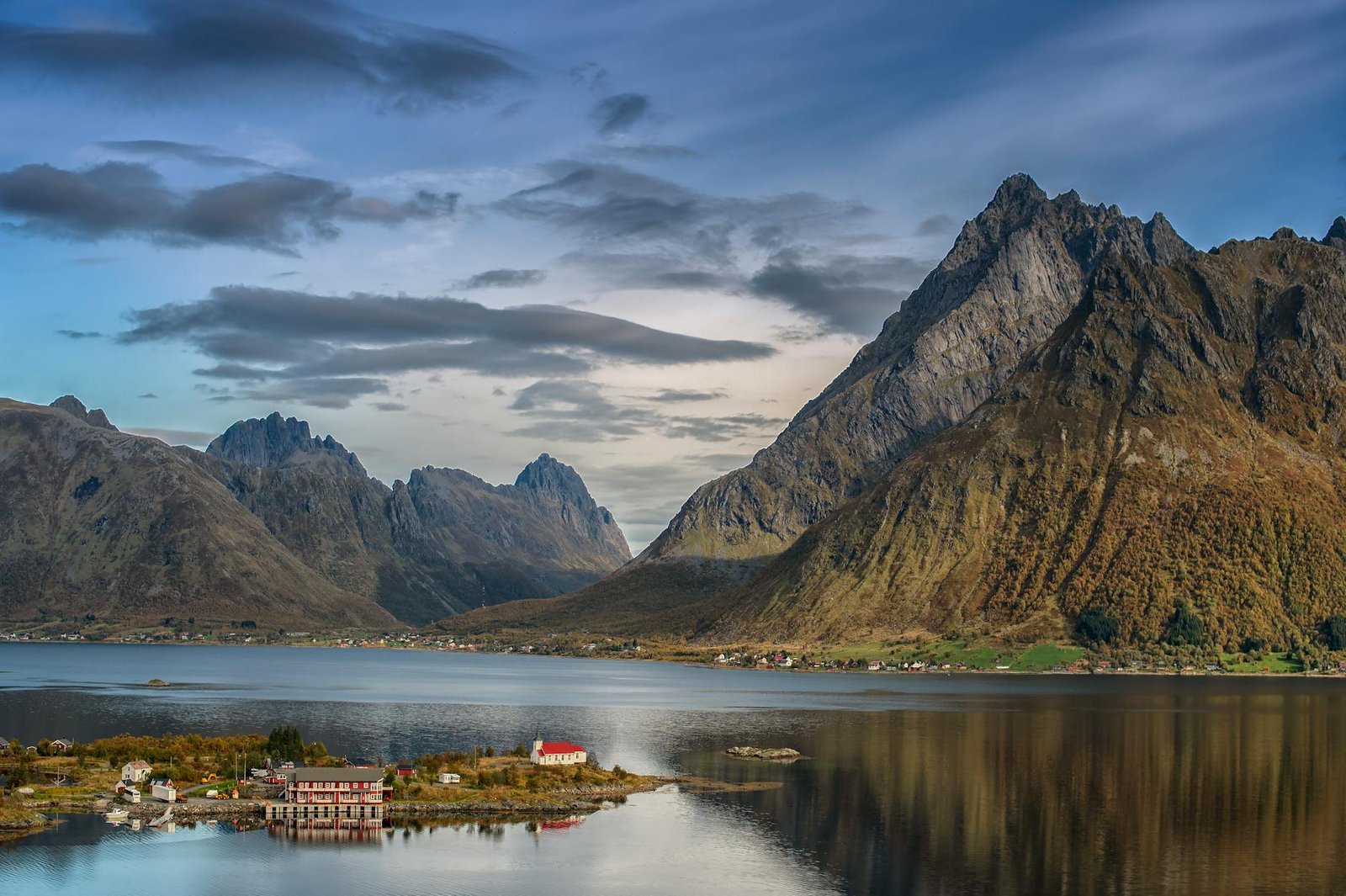
- Footwear: Sturdy, waterproof hiking boots with good ankle support and grip are non-negotiable. Break them in before your trip.
- Clothing:
- Base layers: Moisture-wicking (merino wool or synthetic).
- Mid-layers: Fleece or insulated jacket for warmth.
- Outer shell: Waterproof and windproof jacket and trousers.
- Accessories: Hat, gloves, buff/neck gaiter.
- Navigation: Map, compass, and a fully charged GPS device or smartphone with offline maps (e.g., Norgeskart, Komoot, AllTrails).
- Safety & First Aid:
- Comprehensive first-aid kit.
- Headlamp with extra batteries.
- Whistle.
- Survival blanket.
- Fully charged power bank for electronics.
- Food & Water: Ample water (or a filter/purifier for natural sources) and high-energy snacks.
- Other Essentials: Backpack (20-40L depending on hike length), trekking poles (highly recommended for stability and joint protection), sunglasses, sunscreen.
Best Time to Visit
The prime hiking season in the Norwegian fjords is typically from June to September.
- June-August: Long daylight hours, warmer temperatures, and most trails are snow-free. This is also peak tourist season, so expect more crowds on popular routes.
- September: Fewer crowds, stunning autumn foliage, and crisp air. However, daylight hours shorten, and the weather becomes more unpredictable, with a higher chance of snow at higher elevations.
- Shoulder Seasons (May, October): Some lower elevation trails might be accessible, but many higher routes will still be snow-covered or have limited services. These months are best for experienced hikers prepared for varied conditions.
Accommodation and Transportation
Book accommodations and transportation well in advance, especially during peak season. Options range from hotels and guesthouses in fjord-side towns to charming cabins (hytter) and mountain lodges run by the Norwegian Trekking Association (DNT). Public transport (buses, ferries, trains) can get you to many trailheads, but a rental car offers more flexibility for exploring remote areas.
Navigating the Wild: Safety First
The beauty of Norway’s fjords comes with inherent risks. Responsible hiking prioritizes safety above all else.
Weather’s Whims
Mountain weather can change dramatically within minutes. Always check the local forecast before heading out, and be prepared for all four seasons in one day. If conditions deteriorate, it is always wise to turn back. There is no shame in rerouting or postponing an adventure for safety.
Trail Marking and Navigation
Norwegian trails are generally well-marked with red ‘T’s painted on rocks or cairns. However, in poor visibility or rugged terrain, these can be difficult to spot. Always carry a physical map and compass, and know how to use them. Supplement this with a GPS device or a reliable navigation app on your phone. Inform someone of your hiking plan, including your route and estimated return time.
Emergency Preparedness
Familiarize yourself with Norway’s emergency number (112). For remote hikes, consider carrying a Personal Locator Beacon (PLB) or satellite messenger. Remember that cell service can be spotty or non-existent in many fjord areas. Knowing basic first aid and how to assess and manage common hiking injuries is crucial.
Guided Tours vs. Independent Hiking
For less experienced hikers, or those tackling particularly challenging routes like Trolltunga or Kjeragbolten, hiring a certified local guide is highly recommended. Guides provide invaluable expertise on trail conditions, weather, navigation, and local history, significantly enhancing safety and the overall experience. Experienced hikers who are confident in their navigational skills and physical preparedness may opt for independent exploration, but always with thorough research and appropriate safety measures.
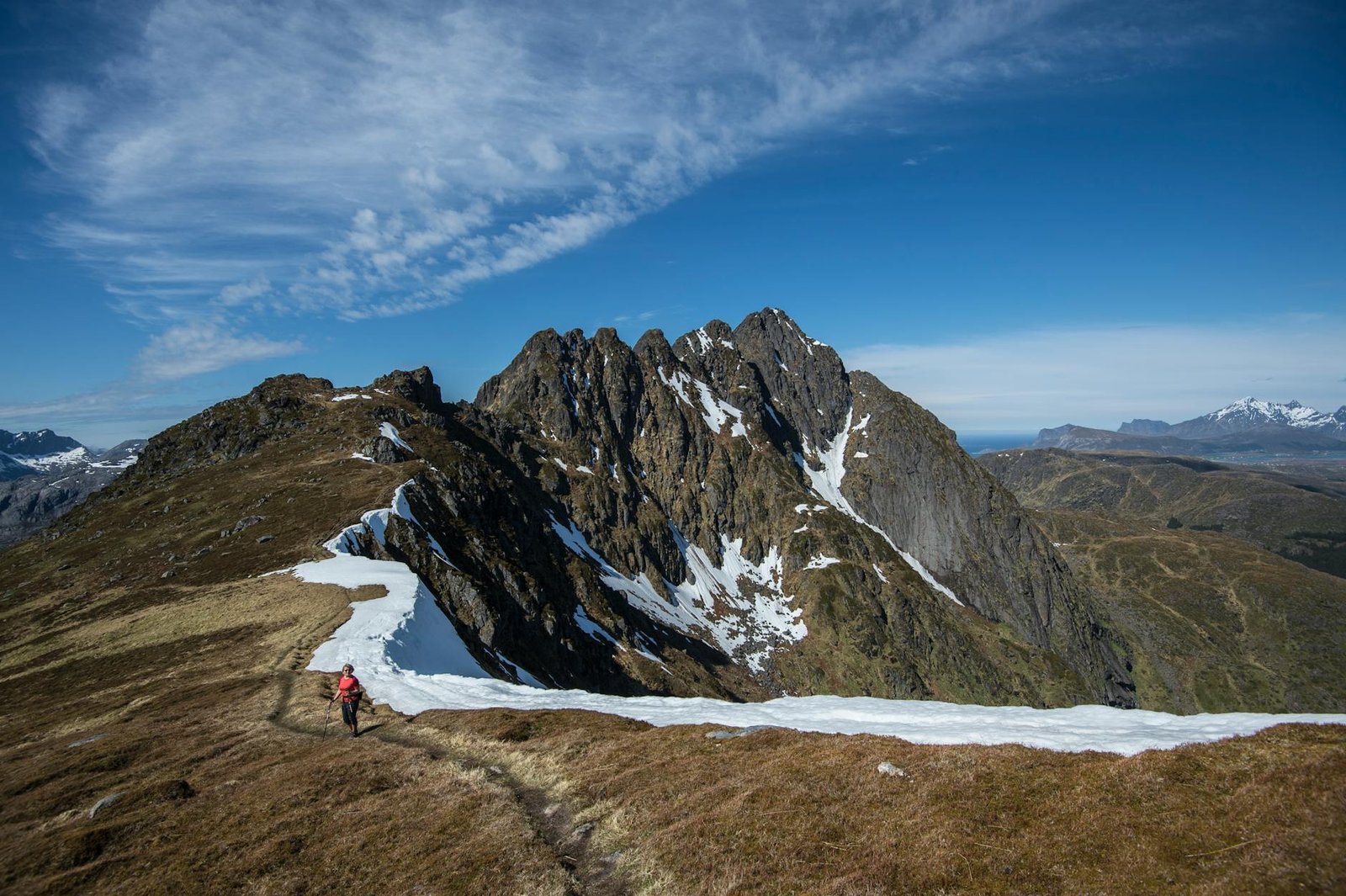
Embracing the Ethos: Environmental Stewardship
The privilege of exploring Norway’s pristine fjords comes with a responsibility to protect them. Adhering to Leave No Trace principles is paramount.
- Plan Ahead and Prepare: Minimize your impact by planning your trip thoroughly, knowing regulations, and packing out everything you pack in.
- Travel and Camp on Durable Surfaces: Stay on marked trails to prevent erosion and protect fragile vegetation.
- Dispose of Waste Properly: Pack out all trash, including food scraps. Use designated toilet facilities or dig catholes at least 200 feet (60 meters) from water sources, trails, and campsites.
- Leave What You Find: Do not disturb cultural or natural artifacts. Leave rocks, plants, and other natural objects as you find them.
- Minimize Campfire Impacts: Use established fire rings or portable stoves. Never leave a fire unattended.
- Respect Wildlife: Observe animals from a distance. Never feed wildlife. Store food securely.
- Be Considerate of Other Visitors: Yield to other hikers on the trail. Keep noise levels down.
By practicing these principles, we ensure that the beauty of the Norwegian fjords remains unspoiled for generations to come.
Insights from the Trail: The Deeper Connection
For the seasoned hiker, the fjords offer more than just physical challenge; they present an opportunity for profound introspection and a powerful connection with the natural world. One often discovers a renewed sense of purpose amidst the ancient rock and rushing waters. The collective wisdom among those who have traversed these paths speaks of moments where the sheer scale of nature humbles and inspires in equal measure.
The quiet camaraderie forged on a challenging ascent, the shared awe at a panoramic vista – these are the intangible treasures that experienced hikers carry long after the boots are packed away. We learn to read the landscape, to anticipate the weather’s moods, and to trust in our own resilience. It is in these moments of challenge and triumph, surrounded by such raw, untamed beauty, that one truly understands the power of the wild to rejuvenate the spirit and clarify the mind. The journey itself becomes the destination, each step a meditation, each view a revelation.
Your Fjord Adventure Awaits
Norway’s fjords offer an unparalleled canvas for hiking adventures, from the iconic towering cliffs to the tranquil, hidden valleys. Each trail is a testament to nature’s artistry and a challenge to the human spirit. With careful planning, respect for the environment, and a readiness to embrace both the physical demands and the spiritual rewards, a journey into these majestic landscapes will undoubtedly become a cherished memory.
Are you ready to lace up your boots and answer the call of the Norwegian fjords? Begin your research, prepare diligently, and step onto a path that promises not just incredible views, but a deeper connection to the wild heart of the world. Share your experiences, inspire others, and help preserve these magnificent natural wonders for all to enjoy.
⚠️ Safety Notice: This content is for informational purposes only. Always consult local guides and operators, verify current conditions, and ensure appropriate skills and certifications before any outdoor activity. DiveBikeHike is not responsible for injuries or incidents.