Imagine slipping into a world where time stands still, where silence is profound, and where every beam of light reveals a masterpiece crafted over millennia. This is the promise of the Dominican Republic’s underwater caves – a hidden realm of breathtaking beauty, geological wonders, and ancient secrets. Far from the vibrant coral reefs that adorn its coastline, a network of freshwater and saltwater caves beckons the adventurous diver, offering an unparalleled journey into the Earth’s subterranean heart.
The Dominican Republic, often celebrated for its sun-drenched beaches and lively culture, harbors a less-known, yet equally captivating, treasure beneath its limestone bedrock. These underwater cave systems are not merely dive sites; they are living museums, geological marvels, and gateways to a profound sense of exploration. From seasoned cave divers to those embarking on their first cavern adventure, the DR offers a spectrum of experiences, each promising unforgettable encounters with nature’s artistry and history. As dive masters with years of experience navigating these extraordinary environments, we are thrilled to guide you through what makes the Dominican Republic a premier destination for overhead environment diving.
The Allure Beneath the Surface: Why the DR’s Caves Stand Out
The geological makeup of the Dominican Republic is ideally suited for cave formation. Composed predominantly of porous limestone, the island has been shaped over millions of years by the relentless forces of water erosion. As sea levels fluctuated during ice ages, these limestone formations were repeatedly exposed to atmospheric conditions, leading to the dissolution of rock and the creation of vast cave systems. When sea levels rose again, these intricate networks became submerged, preserving their delicate formations in a pristine, underwater state.
What truly sets the DR’s underwater caves apart is their unique blend of features:
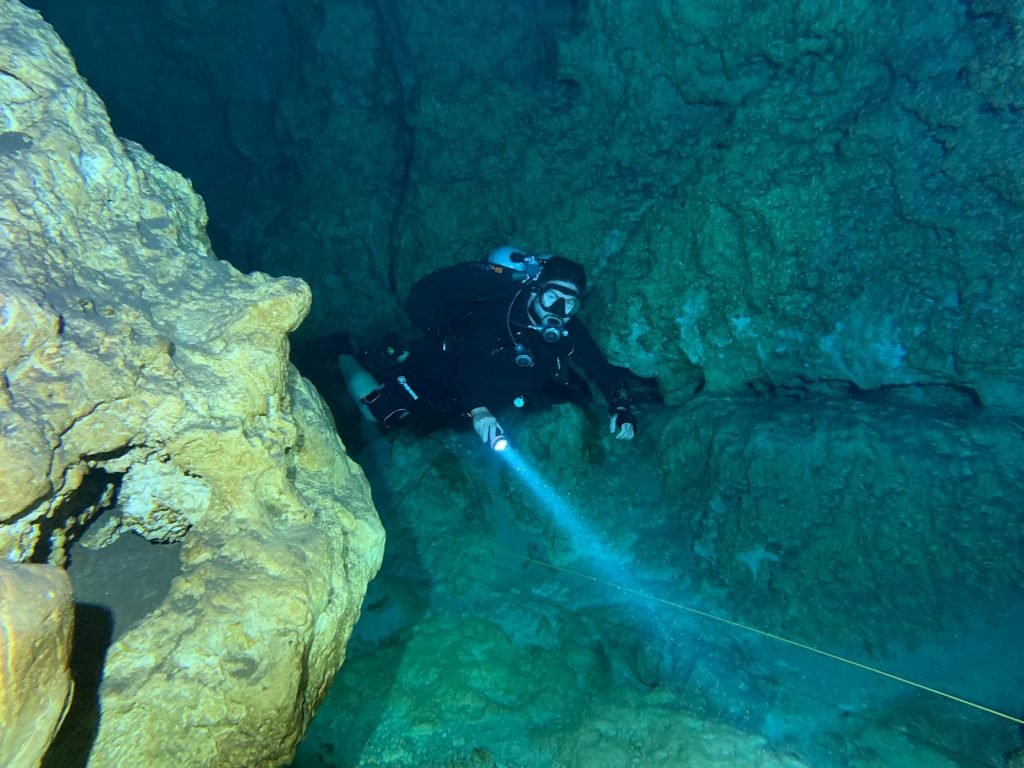
- Exceptional Visibility: Fed by freshwater springs that filter through the limestone, many of these caves boast crystal-clear waters, often with visibility exceeding 30 meters (100 feet). This allows for stunning panoramic views of the formations and an immersive experience.
- Haloclines: In coastal areas, divers often encounter haloclines – distinct layers where fresh water meets denser saltwater. This phenomenon creates a surreal visual effect, a shimmering, distorted boundary that adds an otherworldly dimension to the dive.
- Ancient Wonders: Beyond their geological beauty, these caves are time capsules. They contain an abundance of speleothems (stalactites, stalagmites, columns), and incredibly, fossils of prehistoric megafauna, and even artifacts from the indigenous Taino people, offering a direct link to the island’s ancient past.
Iconic Subterranean Sanctuaries: Must-Dive Locations
The Dominican Republic offers a diverse range of underwater caves, each with its own character and level of challenge. Here are some of the most renowned:
Padre Nuestro Cave (La Romana)
Located near Bayahibe and La Romana, Padre Nuestro is arguably one of the most popular and accessible cave systems in the DR, making it an excellent introduction for cavern-certified divers. The cave system is part of a larger network and is meticulously maintained, offering clear guidelines and impressive chambers. Divers are treated to a spectacle of massive stalactites and stalagmites, some forming grand columns that stretch from floor to ceiling. The water is exceptionally clear and warm, typically around 26-28°C (79-82°F). Padre Nuestro holds significant historical value, as it was a source of fresh water for the indigenous Taino people and later for explorers. The experience here is often described as serene and awe-inspiring, a gentle journey into a hidden world of ancient beauty.
Cueva Taina (Bayahibe)
Also situated in the Bayahibe area, Cueva Taina is another fantastic option for cavern divers. It features several interconnected chambers and passages that allow light to filter through, creating dramatic beams that illuminate the intricate formations. The dive typically involves a relatively shallow penetration, making it less intimidating for those new to overhead environments. Divers often encounter small, endemic fish species within its freshwater sections, adding a touch of vibrant life to the otherwise still cave environment. Its accessibility and stunning light effects make Cueva Taina a favorite among dive operators and enthusiasts alike.
Dudu Lagoon (Cabrera)
Moving to the northern coast, Dudu Lagoon near Cabrera offers a truly unique cenote-style cave diving experience. Unlike the more traditional horizontal caves, Dudu is an open-air lagoon that serves as an entry point to a complex network of submerged passages. Divers can jump from cliffs into the refreshing waters of the lagoon, which then leads to two main cave entrances: Cueva Dudu and Cueva Lili. This site caters to both cavern and full cave divers, with routes ranging from relatively open, light-filled sections to more technical, darker penetrations. The jungle setting surrounding the lagoon adds to the adventure, making it feel like an expedition into uncharted territory. Dudu is famous for its distinct haloclines and the sheer diversity of routes it offers.
El Chicho & El Toro (East National Park)
For the more experienced and technically trained cave diver, the caves within the East National Park, such as El Chicho and El Toro, present a more challenging and pristine environment. These systems are typically deeper and require longer penetrations, often involving advanced navigation. They are less frequently dived, preserving their delicate formations and offering a sense of true pioneering exploration. Divers here might encounter untouched sections, larger chambers, and potentially even more significant paleontological finds. Access usually requires specific permits and experienced local guides due to their remote location and the complexity of the dives.
Cavern vs. Cave Diving: Understanding the Distinction
It is crucial for any diver considering overhead environments to understand the fundamental difference between cavern and cave diving. These are distinct disciplines with different training requirements, equipment, and safety protocols.
- Cavern Diving: This involves diving in the “light zone” of a cave, where an exit to open water is always visible and reachable. Cavern diving typically limits penetration depth and distance, ensuring that divers remain close to natural light and a direct ascent path. It requires specific Cavern Diver certification, which focuses on buoyancy control, line following, and emergency procedures within these specific parameters.
- Cave Diving: This is a highly specialized and technical discipline that takes divers beyond the light zone, into areas where no direct exit to the surface is available. Cave diving demands extensive training, specialized equipment (such as redundant air supplies, multiple lights, and reels), and meticulous adherence to strict safety rules. It is a multi-level certification process, progressing from Intro to Cave to Full Cave, each building upon complex navigation, gas management, and emergency scenario training.
The Dominican Republic offers opportunities for both, but divers must always respect their training limits and never attempt a cave dive without appropriate certification and experience.
Unearthing Ancient Secrets: Unique Features of DR Caves
Beyond the sheer thrill of exploration, the underwater caves of the Dominican Republic offer a profound connection to natural history:
- Spectacular Formations: The limestone caves are adorned with an incredible array of speleothems – stalactites hanging from the ceiling, stalagmites rising from the floor, and columns formed when the two meet. These formations, sculpted over millennia by dripping mineral-rich water, create breathtaking underwater landscapes.
- Mesmerizing Haloclines: The visible boundary where fresh water meets saltwater creates a shimmering, wavy effect, often distorting visibility and giving the impression of diving through oil or jelly. It’s a unique sensory experience that divers rarely forget.
- Paleontological Treasures: Many caves serve as natural traps for animals. Over thousands of years, the remains of extinct megafauna, such as giant sloths and crocodiles, have been preserved in the anoxic (oxygen-depleted) waters. Discovering these ancient fossils offers a humbling glimpse into prehistoric ecosystems.
- Taino Artifacts: The indigenous Taino people used many of these caves for shelter, ceremonies, and as water sources. Divers occasionally encounter pottery fragments, tools, and other artifacts, providing a tangible link to the island’s rich cultural heritage. These findings underscore the importance of respectful exploration and preservation.
Practical Tips and Actionable Advice for Divers
Embarking on an underwater cave adventure in the Dominican Republic requires careful preparation and adherence to best practices:
- Training is Paramount: Never consider entering an overhead environment without proper certification. Start with a reputable Cavern Diver course. If your ambition extends to full cave diving, commit to the rigorous training required, progressing through Intro to Cave and Full Cave certifications with a certified instructor.
- Essential Gear: Specialized equipment is non-negotiable. This includes at least three independent light sources (primary and two backups), a line reel with sufficient guideline, and a redundant air source (such as a pony bottle or sidemount configuration). Excellent buoyancy control and efficient finning techniques (like the frog kick) are also crucial to avoid silting and damaging formations.
- Choose Your Guide Wisely: Always dive with a certified and experienced cave instructor or guide who is intimately familiar with the specific cave system you plan to explore. Verify their credentials, experience in the DR caves, and their commitment to safety and environmental protection.
- Environmental Stewardship: These delicate ecosystems are easily damaged. Maintain impeccable buoyancy to avoid touching formations or stirring up silt, which can reduce visibility for yourself and others. Never remove artifacts or formations; observe them, photograph them, and leave them undisturbed for future generations.
Safety Considerations: The Golden Rules of Cave Diving
Safety in overhead environments cannot be overstressed. Adherence to strict protocols is essential:
- Training & Experience: Never exceed the limits of your training and experience.
- Continuous Guideline: Always maintain a continuous, unbroken guideline to the exit. This is your lifeline in a dark, complex environment.
- Gas Management: Strict adherence to gas management rules (e.g., the rule of thirds or halves) is critical, ensuring sufficient air for the dive, exit, and a comfortable reserve.
- Lights: Carry at least three independent and reliable light sources. If your primary fails, you have two backups.
- No Direct Ascent: Remember, in an overhead environment, there is no direct path to the surface. Any emergency requires exiting along your guideline.
- Buddy System: Never dive alone. The buddy system is fundamental for safety and mutual support.
- Depth & Narcosis: Be mindful of depth and the potential for nitrogen narcosis. Plan your dive within no-decompression limits for cavern diving, and follow advanced decompression protocols for full cave dives.
- Dive Planning: Meticulous planning, including gas calculations, navigation strategies, and emergency procedures, is crucial for every cave dive.
Personal Insights: A Dive Master’s Perspective
For those of us who have spent years navigating these subterranean wonders, the allure of the Dominican Republic’s underwater caves is deeply personal. We often reflect on the profound sense of discovery that accompanies each dive. One particular descent into Padre Nuestro remains vivid; the way our lights danced across millennia-old stalactites, illuminating chambers untouched for centuries, created a feeling of profound connection to Earth’s geological story. It’s not merely a dive; it’s an archaeological expedition, a journey through time itself.
Similarly, the sensation of passing through a halocline in Dudu Lagoon, where the world shimmers and distorts as fresh water meets salt, offers a fleeting glimpse into a truly alien and beautiful landscape. These are the moments that etch themselves into a diver’s soul, reminding us of the immense privilege of exploring such pristine and powerful environments. The camaraderie forged with fellow divers and the shared awe of these hidden worlds make every expedition a truly enriching experience.
Conclusion: Answer the Call of the Unknown
The underwater caves of the Dominican Republic offer an adventure unlike any other. They represent a unique convergence of geological grandeur, rich history, and the thrill of exploration. From the serene beauty of Padre Nuestro to the adventurous depths of Dudu Lagoon, these subterranean sanctuaries beckon with promises of discovery and wonder. They challenge divers to hone their skills, respect nature’s delicate balance, and embrace the profound silence of a world untouched by time.
If the call of the unknown resonates with your adventurous spirit, the underwater caves of the Dominican Republic await. Seek proper training, choose experienced guides, and prepare to be transformed by an experience that transcends the ordinary. Dive responsibly, explore respectfully, and allow these magnificent hidden depths to unveil their ancient secrets to you.
⚠️ Safety Notice: This content is for informational purposes only. Always consult local guides and operators, verify current conditions, and ensure appropriate skills and certifications before any outdoor activity. DiveBikeHike is not responsible for injuries or incidents.