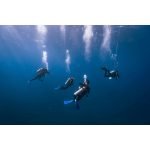
Beneath the sun-drenched surface of the Pacific Ocean, just off the bustling coast of Southern California, lies a hidden gem – the Channel Islands. Often hailed as the “Galapagos of North America,” these eight islands, particularly the five northern ones designated as a National Park, offer an unparalleled diving experience. For those willing to embrace the cooler waters, the rewards are immense: towering kelp forests, playful pinnipeds, and an astonishing diversity of marine life that rivals the world’s most famous dive destinations.
As experienced dive masters, we have spent countless hours exploring these vibrant underwater ecosystems, and we can attest to their captivating beauty and unique challenges. This comprehensive guide aims to equip fellow scuba diving enthusiasts with the knowledge and inspiration needed to embark on their own Channel Islands adventure, ensuring both safety and an unforgettable journey.
The Channel Islands: An Underwater Paradise
The Channel Islands archipelago consists of eight distinct islands, stretching across approximately 160 miles. The northern group – Anacapa, Santa Cruz, Santa Rosa, San Miguel, and Santa Barbara – form the Channel Islands National Park and National Marine Sanctuary, offering protected waters and pristine environments. The southern islands, including the popular Santa Catalina, San Nicolas, and San Clemente, also provide excellent diving opportunities, each with its own character.
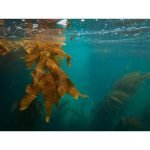
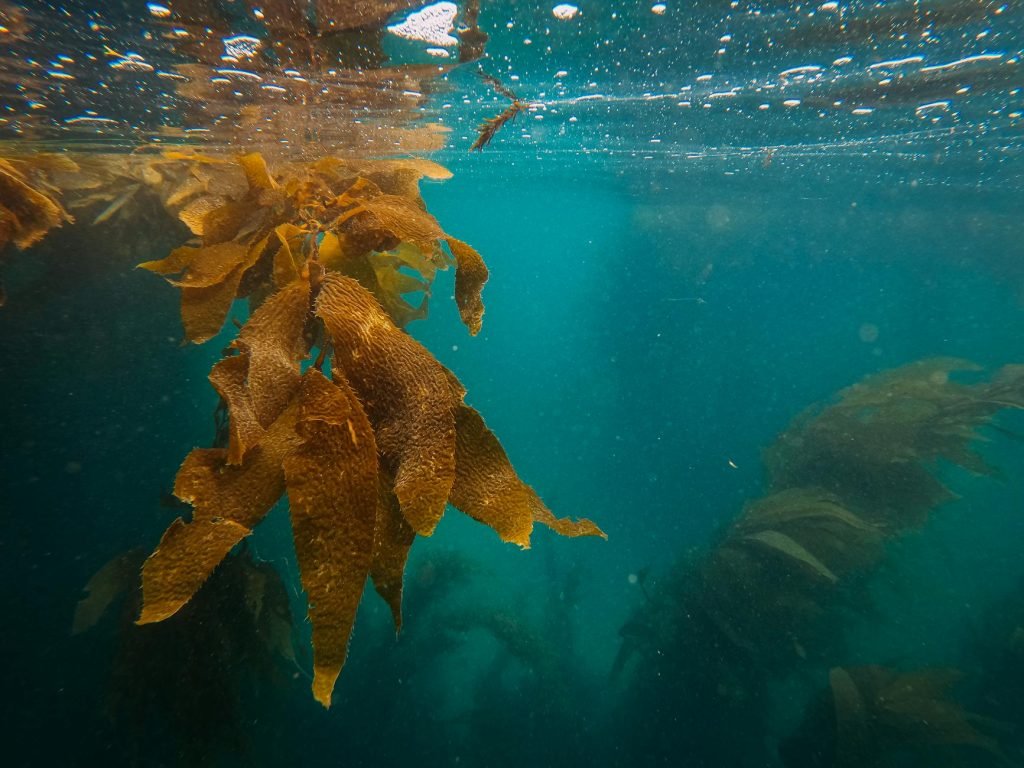
What makes these islands so special for divers is the unique confluence of cold, nutrient-rich currents from the north and warmer waters from the south. This creates an incredibly biodiverse environment, supporting an ecosystem teeming with life. The undisputed stars of this underwater world are the magnificent giant kelp forests (Macrocystis pyrifera), which grow up to two feet a day, forming cathedral-like canopies that filter sunlight and provide shelter and food for countless species.
A Glimpse into the Ecosystem:
- Kelp Forests: These underwater “trees” are the foundation of the ecosystem, providing habitat for species like the bright orange Garibaldi, sheephead, various rockfish, opaleye, and señoritas.
- Marine Mammals: California sea lions and harbor seals are ubiquitous, often displaying curious and playful behavior with divers. Common dolphins and even several whale species can be spotted from dive boats.
- Invertebrates: The islands are a macro photographer’s dream, with an astounding array of nudibranchs, octopuses, spiny lobsters, crabs, and colorful anemones.
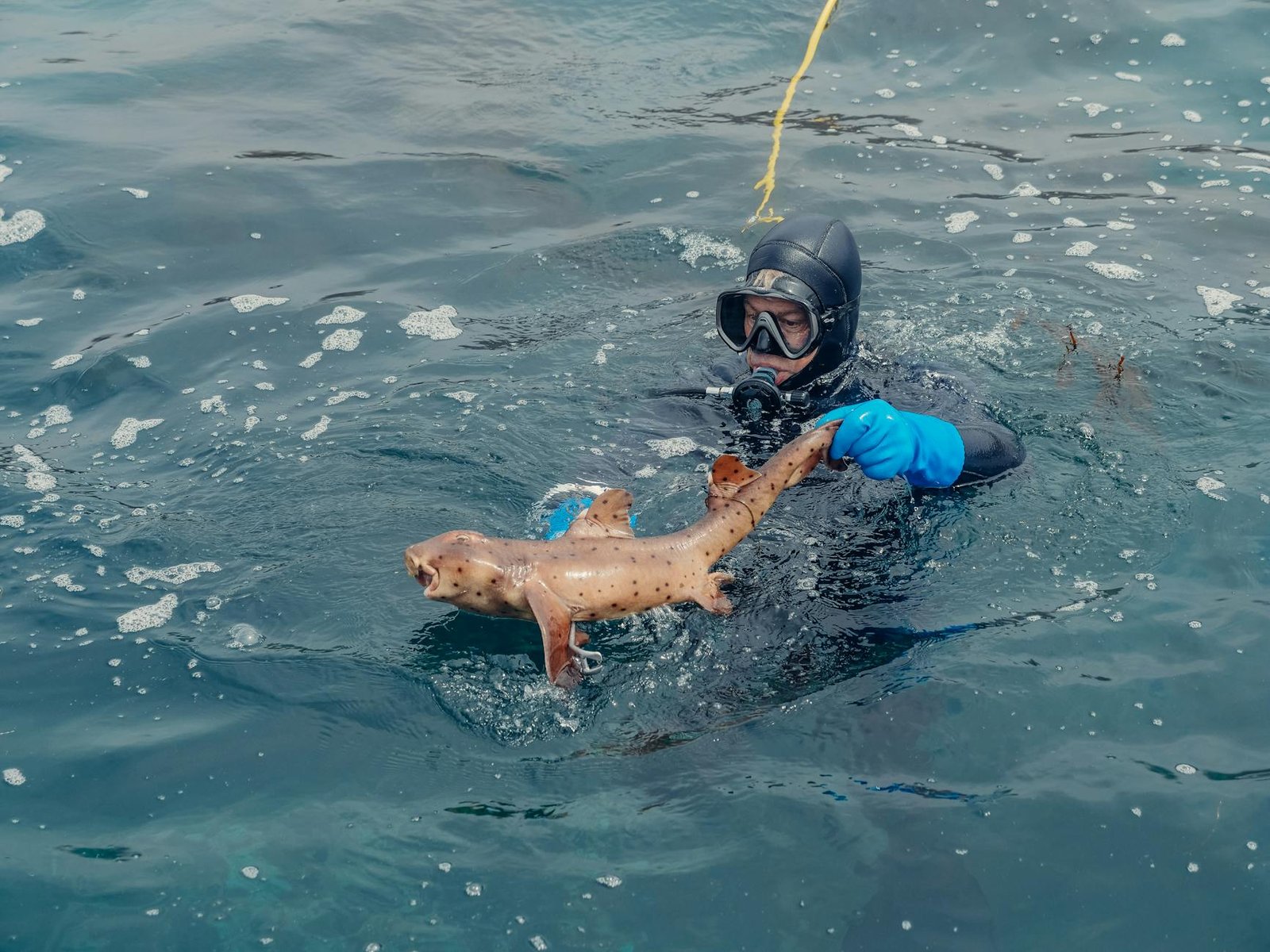
- Fish Life: Beyond the kelp forest residents, divers will encounter halibut, various species of perch, moray eels, and occasional sightings of leopard sharks and horn sharks, which are generally docile.
Diving Conditions and What to Expect
Diving the Channel Islands requires preparation, but the rewards are well worth the effort. Understanding the local conditions is key to a safe and enjoyable experience.
Water Temperature:
The water temperature varies significantly with the season and island. Expect temperatures to range from the low 50s°F (10-12°C) in winter and early spring to the mid-60s°F (18°C) in late summer and fall. Proper thermal protection is paramount, with a 7mm wetsuit being a minimum requirement for most, and a drysuit highly recommended for comfort and extended bottom times, especially during cooler months.
Visibility:
Visibility can be highly variable, ranging from 20 feet on a less-than-ideal day to over 100 feet during exceptional conditions. Factors influencing visibility include plankton blooms (common in spring), strong currents, recent storms, and the specific dive site. Generally, the outer islands tend to have better visibility than those closer to the mainland.
Currents:
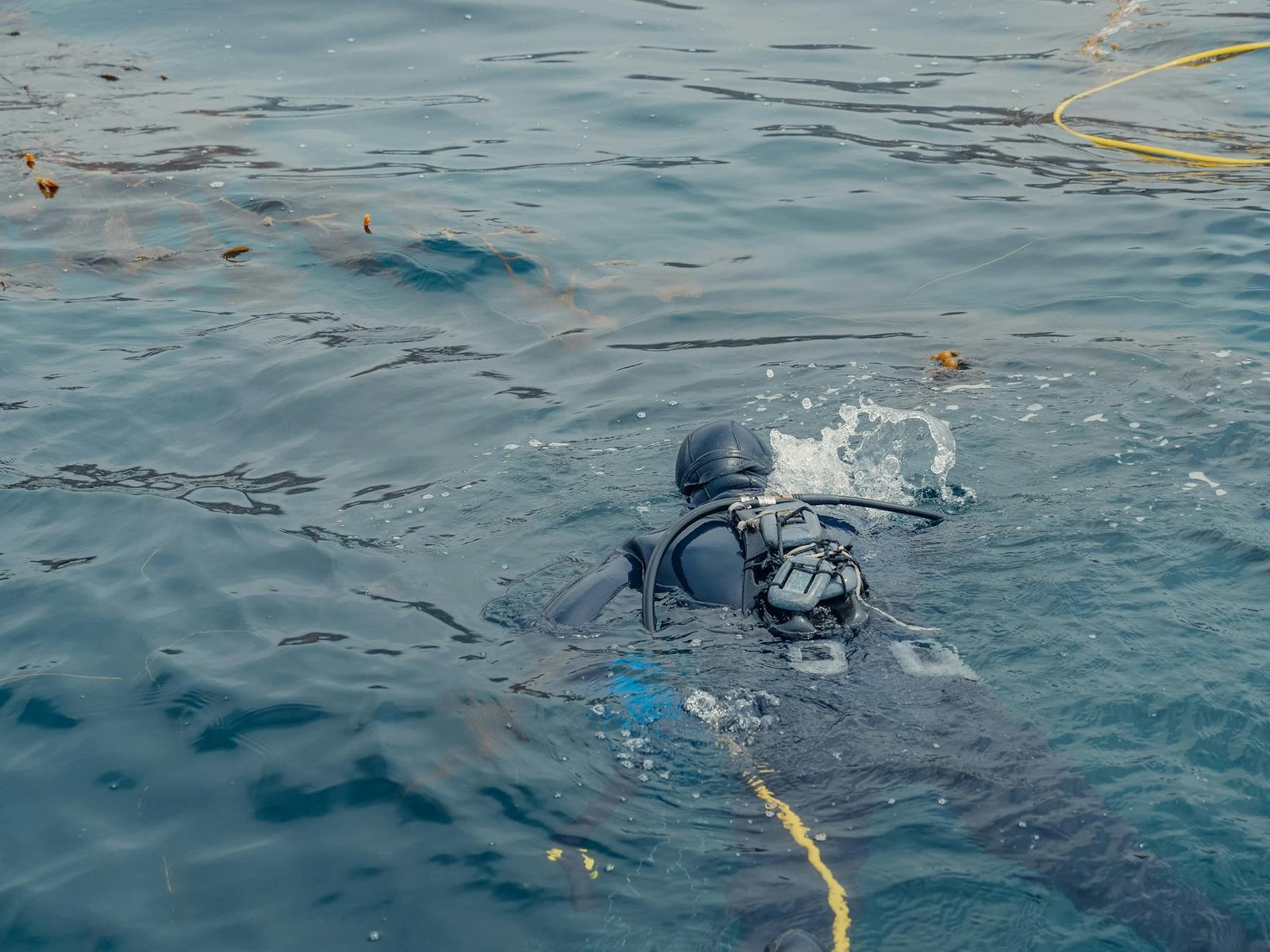
Currents can range from mild to strong, particularly around points, pinnacles, and between islands. Dive operators are adept at choosing sites sheltered from prevailing currents, but divers should always be prepared for drift dives and understand how to manage current. Proper dive planning with the boat crew is essential to assess current conditions at each site.
Topography:
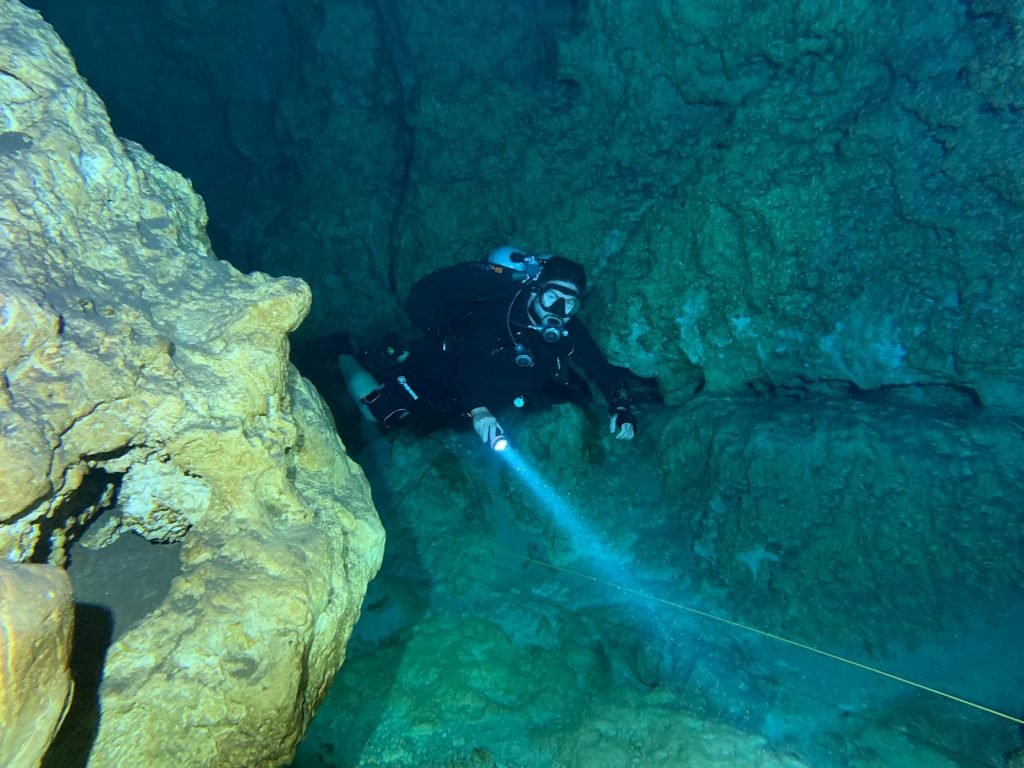
The underwater topography is incredibly diverse. Divers can explore dramatic walls, intricate rock formations, caves, swim-throughs, and sandy bottoms. Many sites feature rocky reefs covered in vibrant invertebrate life, while others boast impressive pinnacles that attract schooling fish. The kelp forests themselves create a unique vertical topography, with their sturdy stalks extending from the seabed to the surface.
Premier Dive Sites: A Glimpse into the Best
With hundreds of potential dive sites, choosing where to explore can be daunting. Here are some of the most popular and rewarding locations that Marina Hayes and fellow dive masters frequently recommend:
Anacapa Island:
- Cathedral Cove: A truly iconic site, known for its dramatic swim-throughs and arches that create stunning light shafts, especially on sunny days. Expect to see abundant fish life, nudibranchs, and perhaps a curious harbor seal.
- Anacapa Arch: While the arch itself is a surface feature, the surrounding reef offers excellent diving with a diverse array of invertebrates and kelp forest inhabitants.
- Landing Cove: Often used for check-out dives due to its sheltered nature, this site still offers rich kelp forests and opportunities for close encounters with sea lions.
Santa Cruz Island:
- Scorpion Anchorage: A very popular site, accessible and offering beautiful kelp forests, numerous rock formations, and a high density of fish. It’s an excellent choice for divers of all experience levels.
- Painted Cave: One of the world’s largest sea caves (best explored by kayak or dinghy), the surrounding dive sites offer vibrant walls and diverse marine life.
- Smuggler’s Cove: Often calmer, making it ideal for macro photography and observing smaller, more delicate creatures.
Santa Rosa Island:
- Johnson’s Lee: Further west and more exposed, Santa Rosa offers some of the most pristine and untouched diving. Johnson’s Lee is a favorite for its abundant and robust kelp forests and larger fish. This is a site where we often see larger schools of fish and a truly wild environment.
San Miguel Island:
- Point Bennett (Surrounding Areas): As the westernmost and most exposed island, San Miguel demands advanced diving skills and favorable weather. While Point Bennett itself is a protected pinniped rookery and not diveable, the surrounding waters boast incredible visibility and a truly wild ecosystem. Divers here might encounter larger pelagic species and experience some of the most vibrant, untouched reefs.
Santa Catalina Island:
- Casino Point Dive Park (Avalon): An accessible shore dive, perfect for all skill levels, including beginners. This protected marine park features several wrecks, artificial reefs, and an abundance of tame fish accustomed to divers. It’s an excellent place to practice skills and enjoy a relaxed dive.
- Farnsworth Bank: For experienced and advanced divers, Farnsworth Bank is a world-class site known for its vibrant purple hydrocoral, strong currents, and deeper pinnacles. It attracts larger pelagic fish and offers a unique ecosystem distinct from the kelp forests.
Essential Gear and Preparation
To maximize enjoyment and safety in the Channel Islands’ unique environment, specific gear and preparation are crucial.
- Thermal Protection: A 7mm wetsuit with an attached hood, gloves, and booties is the absolute minimum. Many divers opt for a drysuit for superior comfort and warmth, especially for multiple dives or in cooler months.
- Cold Water Rated Regulators: Ensure your regulators are serviced and rated for cold water use to prevent free-flows.
- Lighting: Even on day dives, a good dive light is invaluable for illuminating crevices, bringing out true colors, and navigating through darker sections of kelp or swim-throughs.
- Buoyancy Control: Exceptional buoyancy control is paramount. Not only does it conserve energy and air, but it also protects the delicate kelp and reef ecosystems. We often emphasize that mastering buoyancy allows for effortless gliding through the kelp forest, a truly magical experience.
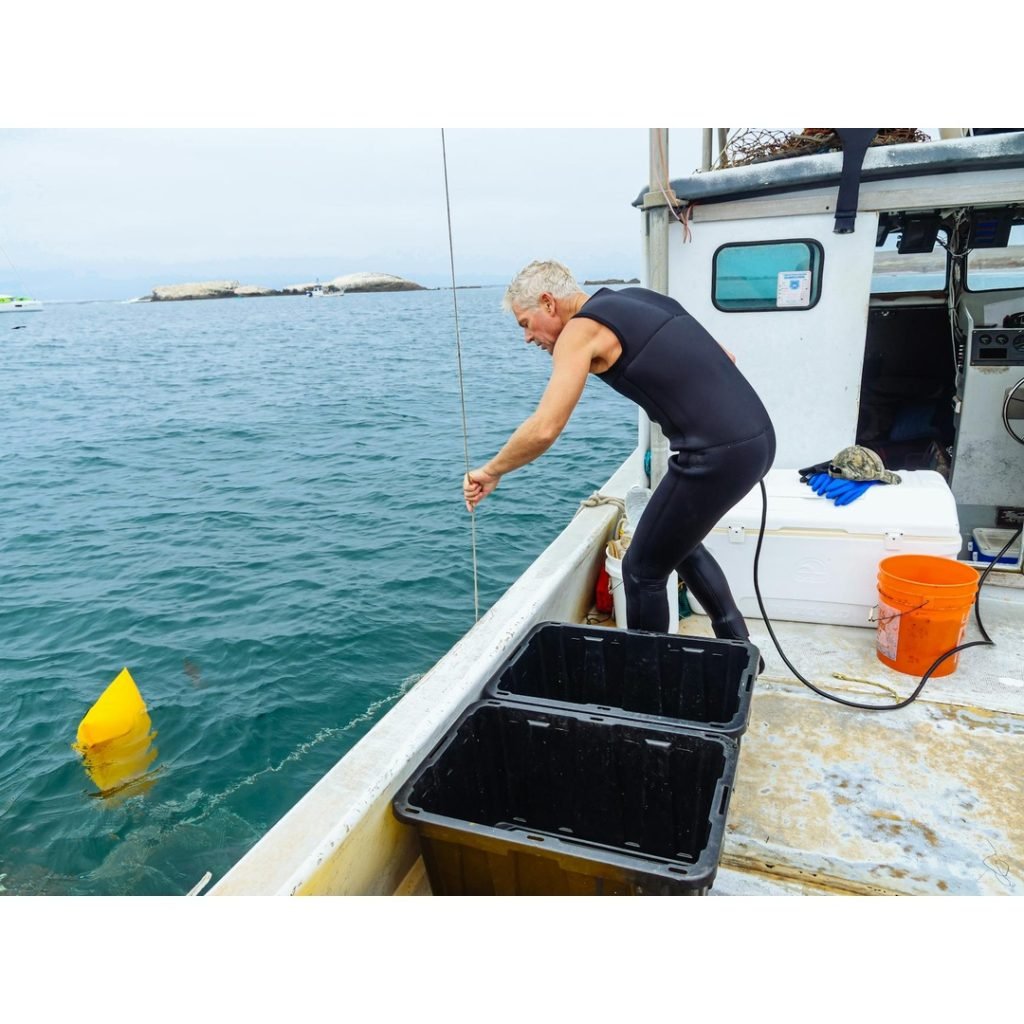
- Surface Marker Buoy (SMB): An SMB is essential for signaling the boat, especially if drift diving or surfacing away from the main group.
- Dive Knife or Shears: A small, sharp cutting tool is a critical safety item for potential entanglement in fishing line or kelp.
- Motion Sickness Medication: The boat ride to the islands can be choppy. If prone to seasickness, take medication well in advance.
- Photography Gear: The Channel Islands offer incredible opportunities for both wide-angle and macro photography. Protect your gear and be mindful of your surroundings.
Safety Considerations and Best Practices
Safety is always our top priority. Here are key considerations for diving the Channel Islands:
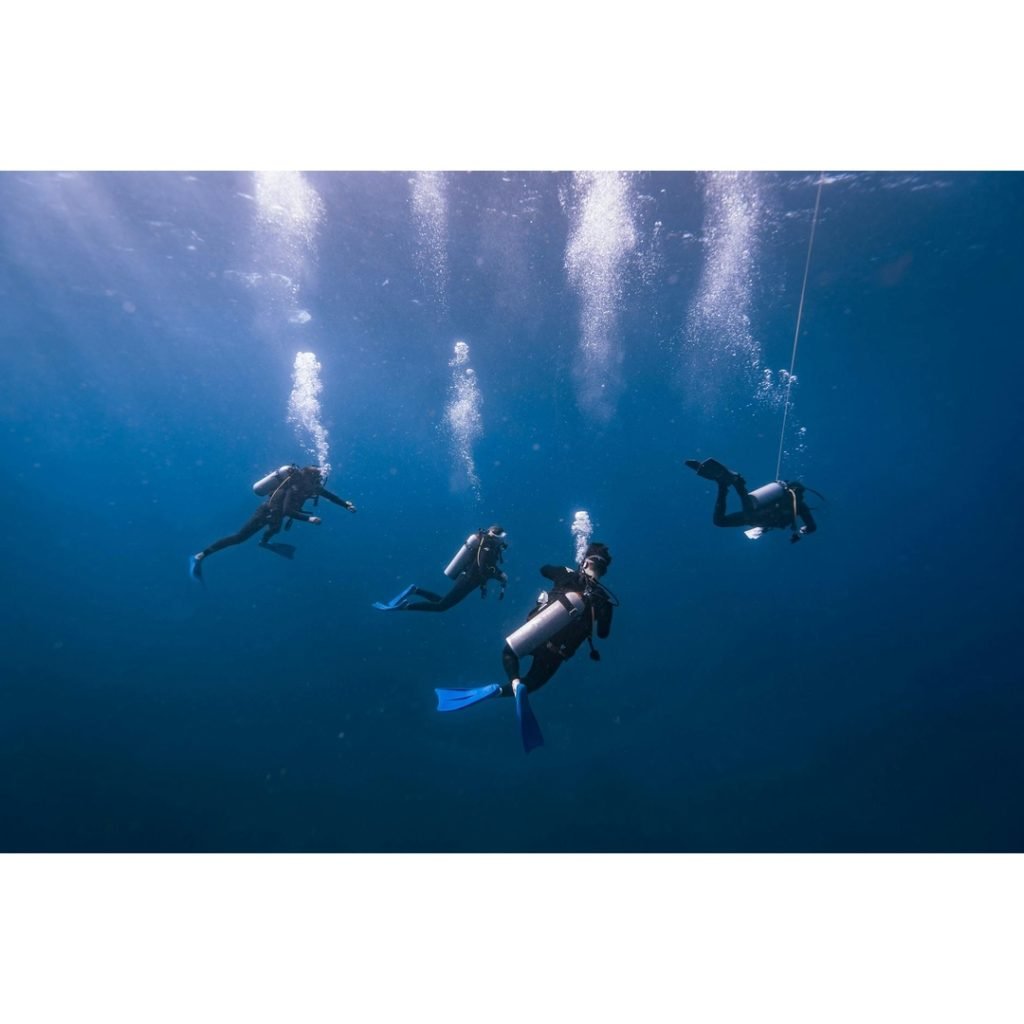
- Buddy System: Always dive with a buddy and maintain close proximity. Regular communication and buddy checks are non-negotiable.
- Dive Planning: Thoroughly plan your dive with your buddy and the boat crew. Discuss entry/exit procedures, maximum depth and time, air management, and emergency protocols.
- Currents: Be aware of current conditions. If caught in a strong current, stay calm, signal your buddy, and ascend safely, deploying your SMB. Drift diving with the boat following is a common and often enjoyable practice here.
- Kelp Entanglement: While rare with proper technique, kelp entanglement can happen. Avoid swimming directly through dense kelp. If you get tangled, stay calm, signal your buddy, and use your knife or shears to cut yourself free. Never pull or struggle violently, as this can worsen the situation.
- Boat Diving Procedures: Listen carefully to the boat crew’s briefings regarding entry, exit, and safety stops. Always ascend to the boat’s ladder or designated pick-up point.
- Physical Fitness: Cold water diving, especially in potentially choppy conditions, can be physically demanding. Ensure you are well-rested and in good physical condition.
- Respect Marine Life: Observe, don’t touch. Maintain excellent buoyancy to avoid contact with the fragile ecosystem. Never harass or feed marine animals.
Insights from Marina Hayes: Embracing the Wild
Through years of diving these extraordinary waters, we have gathered countless experiences that underscore the magic of the Channel Islands. Marina Hayes often recounts a dive at Anacapa’s Landing Cove where a particularly curious harbor seal spent an entire safety stop mimicking the divers’ movements, a truly enchanting interaction. It’s these moments of connection with the wild that make cold water diving so profoundly rewarding.
We often tell divers that the most memorable dives aren’t always the deepest or those with the largest animals, but rather the dives where one takes the time to truly observe the intricate life within the kelp. The shafts of sunlight filtering through the canopy, the vibrant colors of nudibranchs hidden in the reef, the subtle movements of a camouflaged octopus – these are the details that create lasting impressions.
A key piece of advice we always offer is to truly master buoyancy. In the kelp forests, a diver with excellent buoyancy can effortlessly glide through the fronds, becoming part of the environment, while a struggling diver risks damaging the delicate ecosystem and exhausting themselves. It’s a skill that transforms a good dive into an extraordinary one.
Conservation and Responsible Diving
The Channel Islands National Park and Marine Sanctuary are testament to dedicated conservation efforts. As divers, we play a crucial role in preserving these magnificent ecosystems. Adhere strictly to Marine Protected Area (MPA) regulations, which may include no-take zones. Practice “Leave No Trace” principles, ensuring nothing is removed from or left in the marine environment. Support dive operators who prioritize environmental stewardship, and consider contributing to local conservation organizations. Our collective actions ensure these pristine waters remain vibrant for future generations of divers.
Conclusion: Your Channel Islands Adventure Awaits
Scuba diving the Channel Islands of California is an experience that transcends the ordinary. It’s an immersion into a world of breathtaking beauty, unique biodiversity, and thrilling encounters. From the majestic kelp cathedrals of Anacapa to the vibrant reefs of Santa Cruz and the thrilling depths of Farnsworth Bank, these islands offer something for every level of diving enthusiast.
Embrace the chill, prepare thoroughly, and allow yourself to be captivated by the underwater majesty that lies just off California’s coast. The memories forged in these wild, nutrient-rich waters will undoubtedly be among your most cherished diving adventures.
Are you ready to explore the extraordinary? Plan your trip, book a charter with an experienced operator, and prepare to be amazed. The Channel Islands are calling, and a world of wonder awaits beneath the waves.
⚠️ Safety Notice: This content is for informational purposes only. Always consult local guides and operators, verify current conditions, and ensure appropriate skills and certifications before any outdoor activity. DiveBikeHike is not responsible for injuries or incidents.