For many divers, the Maldives represents the pinnacle of underwater exploration. A shimmering archipelago scattered across the Indian Ocean, it is a destination synonymous with crystal-clear waters, abundant marine life, and dive experiences that linger in memory long after the last bubble ascends. From the smallest reef fish to the majestic whale shark, the Maldivian underwater realm offers an unparalleled spectacle, making it a must-visit for enthusiasts of all levels.
As experienced dive masters, we have witnessed countless divers emerge from the Maldivian depths with expressions of pure wonder. This guide aims to equip you with the knowledge needed to plan your own extraordinary journey into this aquatic paradise, exploring its unique dive sites, understanding the best ways to experience them, and ensuring a safe and memorable adventure.
Why the Maldives for Scuba Diving?
The allure of the Maldives lies in its unique geological formation and strategic location. Composed of 26 natural atolls, these ancient coral structures provide a labyrinth of channels, reefs, and pinnacles that serve as highways and homes for an astonishing array of marine species. The consistent warm water temperatures (26-30°C / 79-86°F) and often spectacular visibility (20-40 meters / 65-130 feet) create ideal conditions for diving year-round.
- Unrivaled Marine Biodiversity: The Maldivian ecosystem boasts over 2,000 species of fish, 200 species of coral, and a host of pelagic giants. Divers frequently encounter reef sharks (grey, white-tip, black-tip), eagle rays, stingrays, green sea turtles, hawksbill turtles, and an explosion of colorful reef fish.
- Pelagic Encounters: The strong currents flowing through the atoll channels act as magnets for larger marine life. The Maldives is world-renowned for its reliable encounters with manta rays and whale sharks, particularly during specific seasons and at dedicated cleaning stations.
- Coral Health: While some areas have faced challenges, many Maldivian reefs are showing remarkable resilience and are home to vibrant hard and soft coral gardens, teeming with macro life.
Understanding Maldivian Dive Sites
Maldivian dive sites are generally categorized by their geological formations, each offering a distinct type of dive experience:
Thilas (Pinnacles)
Thilas are submerged coral pinnacles or seamounts that rise from the atoll floor, often to within a few meters of the surface. These underwater islands are hotspots for marine activity, acting as cleaning stations and feeding grounds.
- Characteristics: Often oval or round, ranging from small to expansive. Currents can be strong, especially around their edges, bringing nutrients and attracting pelagics.
- Marine Life: Expect schooling snappers, fusiliers, bannerfish, and larger predators like grey reef sharks, eagle rays, and tuna circling the pinnacle. The coral growth on the thila itself is usually rich, harboring moray eels, lobsters, and nudibranchs.
- Diving Technique: Divers often descend quickly to the thila, then drift along its contours, sometimes using reef hooks to observe the action in stronger currents.
Kandus (Channels)
Kandus are the channels or passages that cut through the atoll barrier reefs, connecting the open ocean to the calmer inner lagoons. These are where the strongest currents are found, and where the most thrilling pelagic encounters often occur.
- Characteristics: Typically deep, narrow passages with strong incoming or outgoing currents. The reef walls can be spectacular, adorned with soft corals.
- Marine Life: This is where divers seek out grey reef sharks, white-tip reef sharks, eagle rays, and sometimes even hammerheads or silvertip sharks patrolling the channel mouth. Tuna and barracuda are also common.
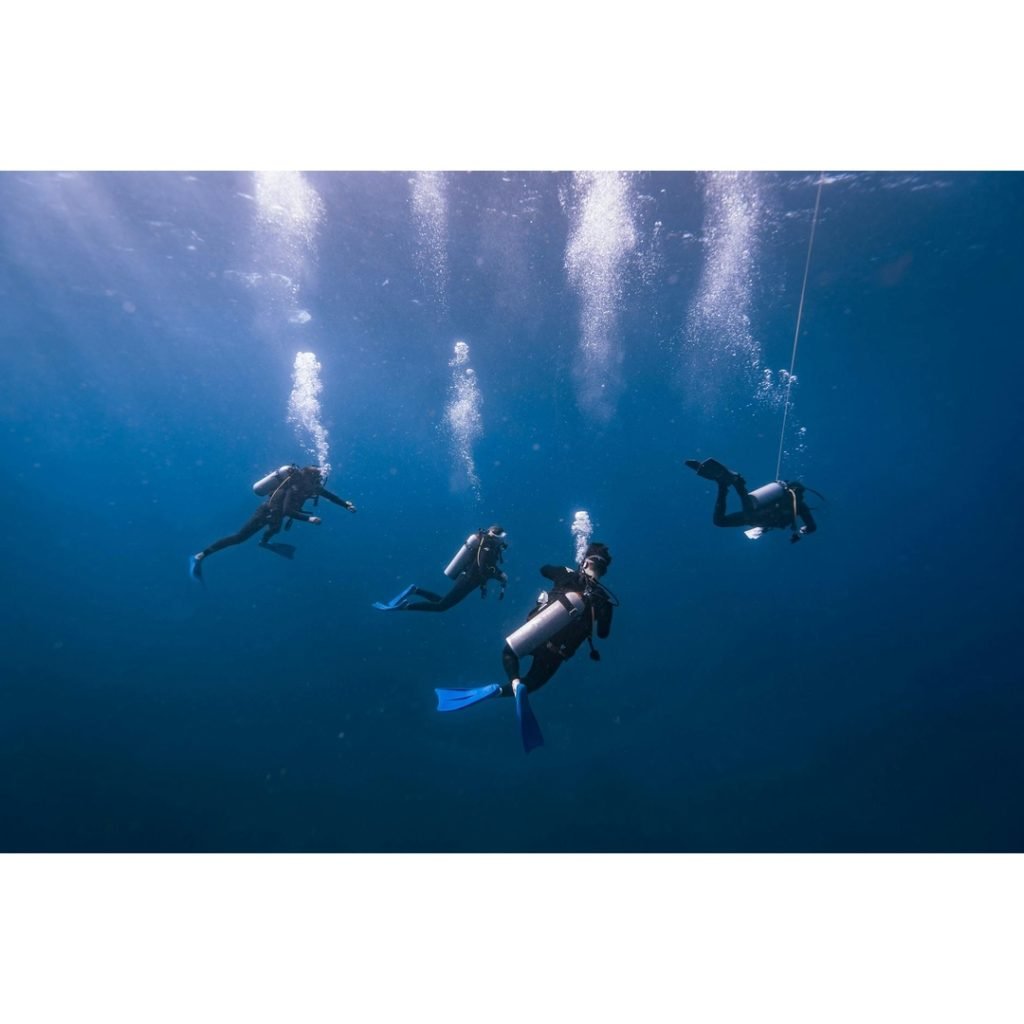
- Diving Technique: Channel dives usually involve a negative entry (descending immediately upon entering the water) to reach the reef wall quickly. Divers then drift with the current, often holding onto dead coral or using reef hooks (with extreme caution and respect for the reef) to stay in place and observe the passing pelagics. These dives are generally recommended for experienced divers.
Giris (Reefs)
Giriss are shallower, smaller versions of thilas, often rising closer to the surface within the atoll lagoons. They are characterized by calmer conditions and vibrant reef ecosystems.
- Characteristics: Typically shallower, with less intense currents than thilas or kandus. Ideal for less experienced divers, photography, and longer bottom times.
- Marine Life: Home to an abundance of colorful reef fish such as angelfish, butterflyfish, triggerfish, and clownfish. Good for spotting macro life like shrimp, crabs, and nudibranchs.
- Diving Technique: Relaxed drift dives or circling the giri, perfect for exploring coral formations and smaller creatures.
Wrecks
While not as numerous as in some other destinations, the Maldives does offer a few captivating wreck dives, adding another dimension to the diving experience.
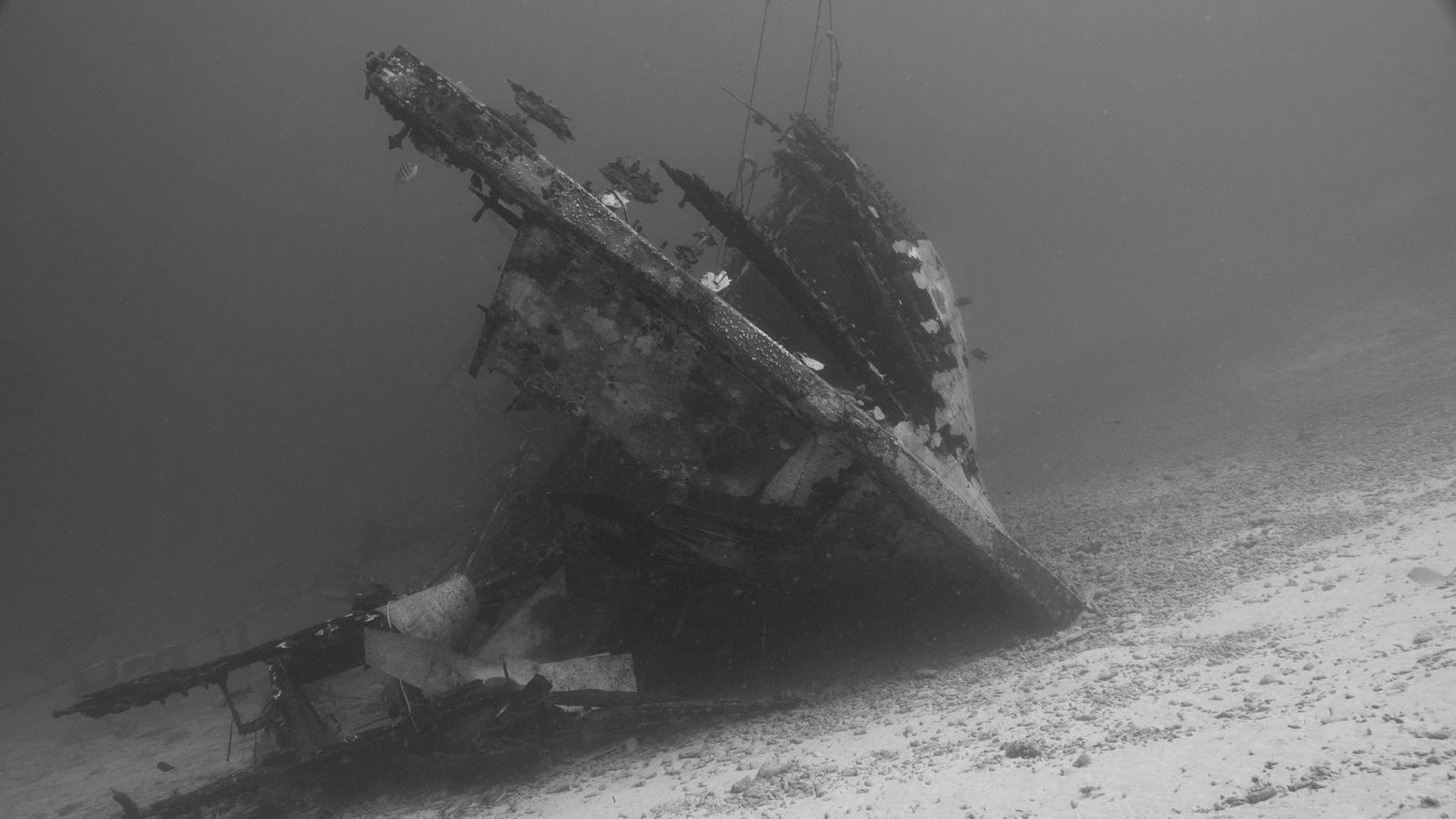
- Notable Wrecks: The Maldives Victory in North Malé Atoll (a cargo ship lying upright at 35 meters) and the British Loyalty in Addu Atoll (a large oil tanker at 16-33 meters, teeming with marine life) are among the most popular.
- Marine Life: Wrecks often become artificial reefs, attracting schools of fish, moray eels, lionfish, and various invertebrates.
Top Dive Atolls and Their Signature Sites
Each atoll in the Maldives offers a unique flavor of diving. Here are some of the most renowned:
North Malé Atoll
As one of the most accessible atolls, North Malé is home to many popular resorts and offers a diverse range of sites.
- Banana Reef: One of the Maldives’ oldest and most famous protected marine areas. A vibrant giri/thila teeming with snappers, fusiliers, oriental sweetlips, and occasional reef sharks. Excellent for both beginners and experienced divers.
- Kuda Haa: A small, intricately shaped thila offering dramatic overhangs and swim-throughs, home to glassfish, squirrelfish, and moray eels.
- Manta Point (Lankanfinolhu Reef): Seasonal (May-November) cleaning station for majestic manta rays. Divers can observe these gentle giants as they gracefully hover over coral blocks to be cleaned by smaller fish.
South Malé Atoll
Known for its thrilling channel dives and pelagic action.
- Guraidhoo Corner (Kandooma Thila): A spectacular thila at the mouth of a channel, renowned for its strong currents and guaranteed shark action (grey reef, white-tip), eagle rays, and barracuda. Best for experienced divers.
- Kandooma Thila (Cocoa Thila): Not to be confused with Guraidhoo Corner, this is another fantastic thila famous for its dense schools of fish and resident grey reef sharks.
Ari Atoll (North & South)
Perhaps the most famous atoll for large marine encounters, especially whale sharks and mantas.
- Maaya Thila: Known as the “Shark Thila,” this site is a nocturnal wonderland, but also a fantastic day dive. Expect white-tip reef sharks, grey reef sharks, giant trevallies, and barracudas. The thila itself is beautifully covered in corals.
- Fish Head (Mushimasmingili Thila): A protected marine area famous for its abundance of grey reef sharks, fusiliers, and schooling bannerfish. Another site primarily for experienced divers due to potential currents.
- Whale Shark Encounters (South Ari Atoll Marine Protected Area – SAMPA): The southern tip of Ari Atoll is one of the world’s most reliable spots for year-round whale shark sightings. Many liveaboards and resorts offer dedicated excursions.
Baa Atoll
A UNESCO Biosphere Reserve, particularly famous for one incredible seasonal event.
- Hanifaru Bay: From May to November (peaking July-October), this shallow bay becomes the world’s largest feeding aggregation point for manta rays and whale sharks, drawn by plankton blooms. Strict regulations are in place to protect the animals: no diving is allowed, only snorkeling with a guide, and specific entry/exit points are enforced. This is a truly once-in-a-lifetime experience.
Addu Atoll
The southernmost atoll, offering unique dives and a significant wreck.
- British Loyalty Wreck: A massive oil tanker sunk during WWII, now an artificial reef teeming with life. An excellent wreck dive for divers of various experience levels.
- Addu Kandu: Offers thrilling channel dives with strong currents and good chances for larger pelagics.
Fuvahmulah Atoll
A single-island atoll in the deep south, gaining reputation as an advanced diver’s paradise.
- Pelagic Heaven: Fuvahmulah is unique for its deep-water pelagic encounters, including tiger sharks (often seen at “Tiger Zoo”), thresher sharks, oceanic mantas, hammerheads, and even mola mola.
- Diving Style: Often deep dives in strong currents, requiring advanced skills and experience.
Choosing Your Maldives Dive Resort
The Maldives offers a spectrum of accommodation options, each providing a different diving experience:
Liveaboards vs. Land-Based Resorts
- Liveaboards:
- Pros: Maximize diving time, access to more remote and pristine dive sites, cover more ground, typically cater specifically to divers.
- Cons: Less flexibility for non-diving companions, confined living spaces, weather dependency for itinerary changes.
- Land-Based Resorts:
- Pros: Ideal for non-diving partners or families, more amenities (spas, multiple restaurants), stable base, flexibility to choose dive times.
- Cons: Limited to dive sites within a reasonable boat ride from the resort, less intensive diving schedule.
What to Look for in a Resort Dive Center
- Accreditation: Ensure the dive center is affiliated with reputable organizations like PADI or SSI, indicating adherence to international safety and training standards.
- Equipment Quality: Check the condition and maintenance of rental gear. Well-maintained equipment is crucial for safety and comfort.
- Experienced Staff: Look for experienced, multilingual instructors and dive masters who know the local sites intimately and prioritize safety.
- Safety Protocols: Inquire about emergency procedures, oxygen availability on boats, and proximity to recompression chambers.
- Boat Quality: Comfortable, well-equipped dive dhonis (traditional Maldivian boats) are essential for enjoyable surface intervals.
- Eco-Consciousness: Many resorts and dive centers are actively involved in marine conservation. Choosing one with a strong environmental ethos supports sustainable tourism.
Practical Tips for Diving in the Maldives
Best Time to Visit
The Maldives experiences two main monsoon seasons, influencing diving conditions:
- Northeast Monsoon (Dry Season): December to May
- Characteristics: Calmer seas, less wind, excellent visibility (often 30+ meters), good for coral growth and reef fish.
- Marine Life: Manta rays are more common on the western side of atolls. Whale shark sightings are good in South Ari Atoll.
- Southwest Monsoon (Wet Season): June to November
- Characteristics: Can bring choppier seas, more rain (though often in short bursts), and reduced visibility due to plankton blooms.
- Marine Life: The plankton blooms attract massive aggregations of manta rays and whale sharks, particularly to the eastern side of atolls and Hanifaru Bay. This is the prime time for these encounters, despite potentially lower visibility.
Personal insight: For those prioritizing manta and whale shark encounters, the southwest monsoon, despite the chance of rain, can offer truly spectacular experiences, especially in areas like Baa Atoll.
Equipment Considerations
- Exposure Protection: Water temperatures are warm, but a 3mm shorty or full suit is recommended for multiple dives to prevent chafing and provide sun protection.
- Dive Computer: Essential for safety and managing repetitive dives.
- Reef Hook: If planning channel dives, a reef hook can be useful for stability in strong currents, but its use must be responsible and strictly adhere to guidelines (only on dead rock, never on live coral).
- SMB (Surface Marker Buoy): Highly recommended for every diver, especially in areas with currents or boat traffic, to signal your position upon ascent.
- Camera Gear: The Maldives offers incredible photographic opportunities. Ensure your setup is ready for wide-angle pelagics and macro reef life.
Current Diving Techniques
Many thrilling Maldivian dives involve currents. Divers should be comfortable with:
- Negative Entry: Descending quickly upon entering the water to avoid being swept away from the dive site.
- Drift Diving: Allowing the current to carry you along the reef.
- Buddy System: Maintain close proximity to your buddy, especially in currents.
Safety Considerations
While diving in the Maldives is generally safe, adherence to safety protocols is paramount:
- Dive Insurance: Comprehensive dive insurance (e.g., DAN) is non-negotiable. It covers potential medical emergencies, including decompression sickness.
- Respecting Marine Life: Observe, do not touch. This protects both you and the delicate ecosystem. Maintain a respectful distance from all creatures, especially large pelagics.
- Understanding Currents: Always dive with experienced local guides who understand the tides and currents. Never attempt to fight a strong current; signal your guide if you are struggling.
- Decompression Sickness (DCS): Plan your dives carefully, stay within no-decompression limits, and make safety stops. The nearest recompression chambers are in Bandos Island and Malé.
- Environmental Responsibility: The Maldives’ beauty depends on its pristine environment. Avoid littering, do not take souvenirs from the ocean, and support eco-friendly operators.
Personal insight: As dive masters, we always emphasize that the ocean’s power should never be underestimated. Listen to your guide, follow their instructions, and prioritize safety above all else to ensure a truly enjoyable experience.
Conclusion: Your Maldivian Dive Dream Awaits
The Maldives is more than just a collection of islands; it is a vibrant, living testament to the wonders of the marine world. From the heart-pounding channel dives teeming with sharks to the serene drift over a colorful giri, every dive offers a new discovery, a new moment of awe.
Whether you dream of gliding alongside a majestic manta ray, marveling at the sheer scale of a whale shark, or simply losing yourself in the kaleidoscope of a healthy reef, the Maldives promises to deliver. With careful planning, respect for the environment, and an adventurous spirit, your ultimate dive holiday awaits.
Are you ready to plunge into the turquoise embrace of the Indian Ocean? Start planning your Maldivian dive adventure today, and prepare to be mesmerized by an underwater paradise unlike any other. Share your Maldivian dive dreams in the comments below!
⚠️ Safety Notice: This content is for informational purposes only. Always consult local guides and operators, verify current conditions, and ensure appropriate skills and certifications before any outdoor activity. DiveBikeHike is not responsible for injuries or incidents.