Imagine the gentle hum of tires on ancient roads, the scent of cypress and olive groves filling the air, and panoramic vistas of rolling hills unfolding around every bend. This is Tuscany, a region that doesn’t just invite cyclists; it embraces them with open arms and challenging, yet utterly rewarding, terrain. For those who live and breathe cycling, Tuscany isn’t just a destination; it’s a pilgrimage, a place where the joy of two wheels meets unparalleled beauty and rich history.
As an experienced cyclist, one understands the allure of a truly great cycling destination. Tuscany, with its iconic landscapes, historic towns, and world-class cuisine, presents an irresistible combination. This comprehensive guide aims to equip enthusiasts with all the knowledge needed to navigate and savor the region’s diverse cycling offerings, from leisurely spins through vineyards to epic climbs and thrilling descents.
The Heart of the Ride: Iconic Tuscan Cycling Routes
Tuscany boasts a network of roads that cater to every cycling preference, each offering a unique flavor of the region. Here are some of the most celebrated areas:
The Chianti Region: Rolling Hills and Vineyards
Nestled between Florence and Siena, the Chianti Classico region is perhaps the most iconic Tuscan cycling landscape. Here, the roads wind through endless vineyards, olive groves, and charming medieval villages. The terrain is characterized by its undulating nature – constant ups and downs that challenge the legs but reward with breathtaking views.
- Greve in Chianti to Castellina in Chianti: This classic loop takes riders through the heart of Chianti. Expect sustained climbs, exhilarating descents, and picturesque stops. The road surfaces are generally well-maintained asphalt, but some smaller roads might present rougher patches. A typical route through this area might involve 80-120 km with 1000-2000 meters of elevation gain, depending on the chosen detours and climbs.
- Radda in Chianti and Gaiole in Chianti: These towns serve as excellent bases or mid-ride stops, offering stunning views and opportunities to sample local wines. The climbs here, while not alpine in scale, can be steep, often reaching gradients of 8-12% for short bursts, testing a rider’s climbing prowess.
One finds that the consistent rhythm of climbing and descending in Chianti builds incredible cycling strength, making it a fantastic training ground.
Val d’Orcia: Postcard Perfect Landscapes and Hilltop Towns
To the south, the Val d’Orcia, a UNESCO World Heritage site, offers a dramatically different, yet equally stunning, cycling experience. This region is famous for its iconic cypress-lined avenues, golden wheat fields, and dramatic hilltop towns.
- Pienza to Montepulciano and Montalcino: This route is a must for any Tuscan cycling adventure. The roads here are often quieter, winding through the classic Val d’Orcia landscape. Expect significant climbs to reach towns like Montepulciano and Montalcino, which are perched high on their respective hills. The ascent to Montepulciano, for instance, is a memorable challenge, often featuring gradients that hover around 7-9% for several kilometers, culminating in spectacular views and a well-deserved espresso.
- The “Gladiator” Road: Many smaller, scenic roads crisscross the Val d’Orcia, including sections that have famously appeared in films. These are often quieter and offer a true immersion into the Tuscan countryside.
The Val d’Orcia truly embodies the romantic vision of Tuscany, and experiencing it from the saddle of a bicycle is an unforgettable privilege.
Strade Bianche: The White Roads of Tuscany
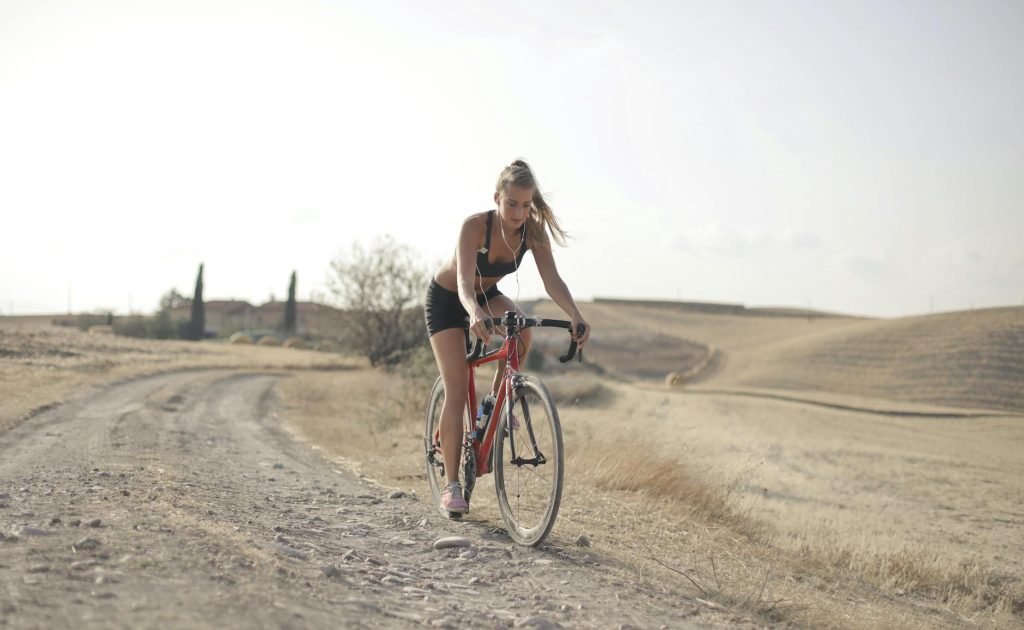
For those seeking a unique challenge and a taste of cycling history, the “Strade Bianche” – the white gravel roads – are an absolute highlight. Made famous by the professional race of the same name, these unpaved roads offer a thrilling and gritty experience.
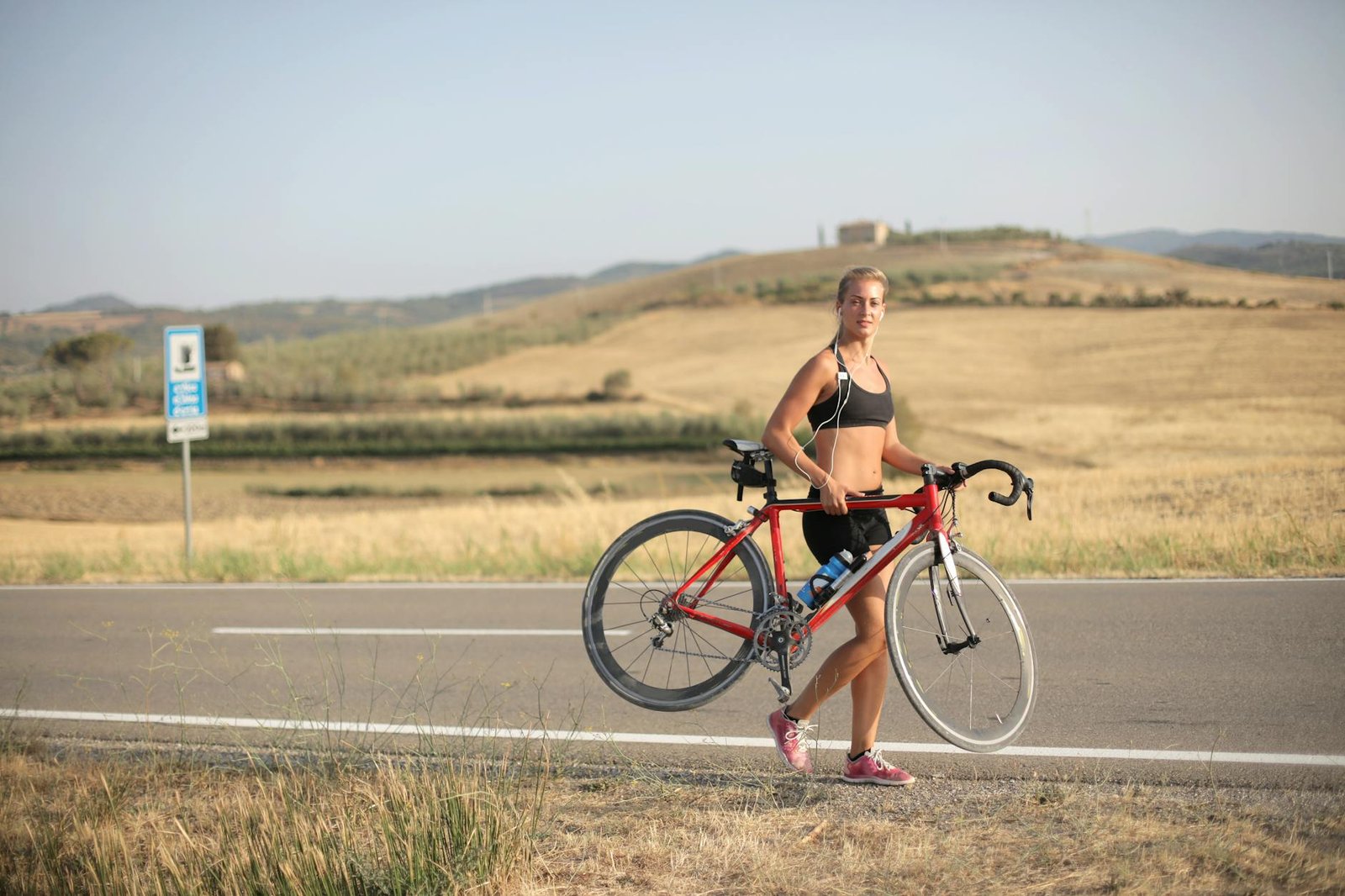
- Around Siena and Asciano: Many of the iconic Strade Bianche sectors are found in the hills around Siena and extend towards areas like Asciano. These sectors vary in length and difficulty, from smooth packed gravel to rough, rocky climbs.
Riding the Strade Bianche demands a different approach. Tire choice is crucial; a wider tire (30-38mm) with good tread is highly recommended, even for road bikes if clearance allows, or ideally, a gravel bike. Cyclists often find that maintaining a steady cadence and a relaxed grip on the handlebars helps absorb the vibrations, allowing for a more controlled and enjoyable ride over the loose surfaces.
Practical Tips for Your Tuscan Cycling Adventure
Planning is key to maximizing the enjoyment of a Tuscan cycling trip. Here are essential considerations:
Best Time to Visit
The shoulder seasons offer the most pleasant cycling conditions:
- Spring (April to June): Lush green landscapes, wildflowers, and moderate temperatures (15-25°C). Can be a bit rainy in April.
- Autumn (September to October): Golden light, comfortable temperatures (15-25°C), and grape harvest season.
Summer (July-August) can be very hot, with temperatures often exceeding 30°C, making midday cycling challenging. Winter can be cold and wet, though sunny days are possible.
Accommodation and Bike Rental
Tuscany offers a plethora of cycling-friendly accommodations, from agriturismos (farm stays) to boutique hotels. Many cater specifically to cyclists, offering secure bike storage, repair facilities, and even guided tours.
Bike rental is readily available in major towns like Florence, Siena, and various Chianti villages. Reputable shops offer high-quality road bikes, gravel bikes, and e-bikes. It’s advisable to book rentals in advance, especially during peak season, and ensure the bike is properly fitted upon collection.
Navigation and Safety
- GPS is essential: A good GPS device or smartphone app (like Komoot or Ride with GPS) loaded with routes is invaluable. Mobile signal can be patchy in remote areas, so downloaded maps are recommended.
- Road Conditions: Tuscan roads are generally good, but some smaller rural roads can have potholes or loose gravel. Always be vigilant, especially on descents.
- Traffic: While rural roads are often quiet, main roads can be busy. Always ride defensively, wear bright clothing, and use front and rear lights, even during the day. Helmets are mandatory for safety.
- Local Etiquette: Italian drivers are generally respectful of cyclists, but it’s important to be predictable and signal intentions clearly. A friendly “Ciao!” or “Grazie!” goes a long way.
Technical Insights & Gear Recommendations
To truly conquer Tuscany’s terrain, the right equipment and a few technical pointers can make all the difference.
Bike Choice
- Road Bike: Ideal for asphalt routes in Chianti and Val d’Orcia. Opt for a bike with good climbing gears (e.g., a compact crankset 50/34 with an 11-30 or 11-32 cassette) to tackle the numerous climbs.
- Gravel Bike: The perfect choice if planning to explore the Strade Bianche extensively. Wider tires (35-40mm) provide comfort and grip on unpaved surfaces.
- E-Bike: For riders who want assistance on the climbs or have varying fitness levels within a group, an e-bike allows everyone to enjoy the scenery without being overly fatigued.
Essential Gear
- Helmet: Non-negotiable for safety.
- Cycling Kit: Comfortable bib shorts, jerseys appropriate for the weather, arm/leg warmers for cooler mornings/evenings.
- Navigation Device: GPS unit or smartphone with offline maps.
- Repair Kit: Spare tubes, tire levers, patch kit, mini-pump, and a multi-tool.
- Lights: Front and rear lights for visibility, especially in tunnels or low light.
- Water Bottles: Two large bottles (750ml+) are crucial for staying hydrated, especially on longer rides and hot days.
- Snacks: Energy bars, gels, or local Tuscan treats like cantucci for sustained energy.
Training and Technique Tips
Tuscany is a region of constant undulations, so preparing for climbs and descents is vital.
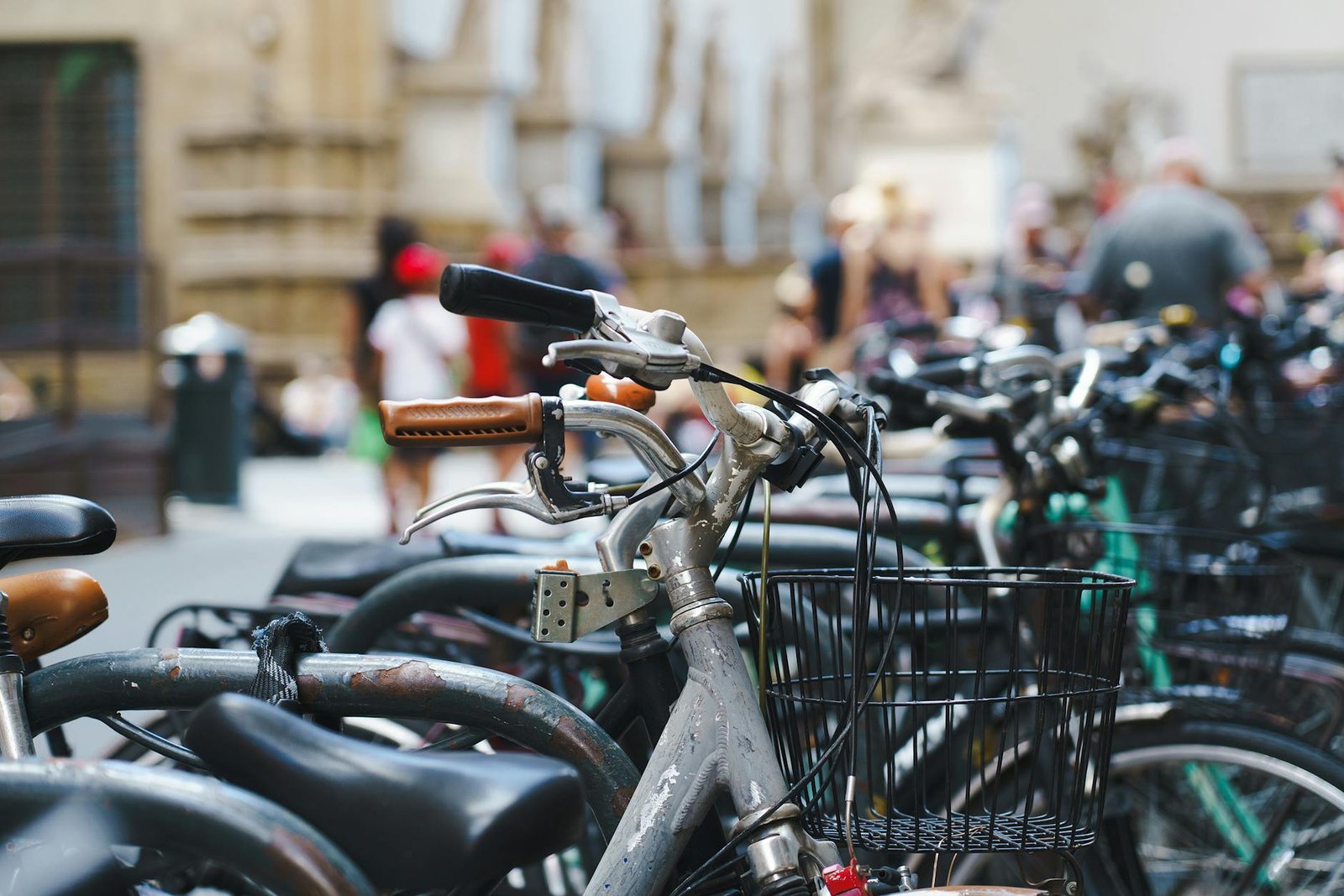
- Climbing: Practice sustained climbing efforts. Focus on maintaining a steady cadence rather than grinding a big gear. Shift early to avoid losing momentum. Standing occasionally on climbs can give different muscle groups a break.
- Descending: Tuscany’s descents can be fast and winding. Practice cornering, looking through the bend, and managing speed. Always be aware of potential gravel or debris on the road.
- Pacing: It’s easy to get carried away by the scenery. Pace yourself, especially on longer rides, and remember that there will always be another climb around the corner.
- Nutrition & Hydration: Fueling and hydrating properly are paramount. Sip water frequently and consume small amounts of food regularly to avoid bonking. Stopping at a local cafe for an espresso and a pastry (una pasta) is also a cherished part of the Tuscan cycling experience.
One might find, as many experienced riders do, that the best strategy for Tuscan cycling is to embrace the rhythm of the hills – climb, descend, recover, repeat.
Personal Insights from the Saddle
Through countless kilometers pedaled across this magnificent landscape, an experienced cyclist like Alex Trail learns that Tuscany offers more than just physical challenges; it’s a sensory journey. The aroma of wild herbs on a morning climb, the taste of a panino enjoyed in a sun-drenched piazza, the sound of church bells echoing across a valley – these moments are as much a part of the ride as the miles covered.
One particular memory that stands out is a sunrise ride through the Val d’Orcia, watching the mist burn off the fields as the sun painted the sky in hues of orange and pink. Or the sheer satisfaction of conquering a steep climb to a medieval village, only to be rewarded with a traditional Tuscan meal and a glass of local wine. These are the moments that truly define a cycling trip to Tuscany.
The camaraderie among cyclists, sharing stories over a post-ride meal, is also a significant part of the experience. Whether riding solo or with a group, the shared passion for cycling in such an extraordinary setting fosters a unique bond.
Conclusion: Your Tuscan Cycling Dream Awaits
Tuscany is a cyclist’s paradise, a place where every pedal stroke brings you closer to history, culture, and breathtaking beauty. From the rolling vineyards of Chianti to the iconic white roads of the Strade Bianche and the dramatic landscapes of the Val d’Orcia, the region offers an unparalleled adventure for enthusiasts of all levels.
Armed with the right preparation, equipment, and an adventurous spirit, your Tuscan cycling journey will be more than just a ride; it will be an unforgettable exploration of one of the world’s most cherished landscapes. So, start planning, train those legs, and prepare to immerse yourself in the magic of cycling through Tuscany. The roads are calling, and an extraordinary adventure awaits.
Are you ready to discover your own Tuscan cycling story? Begin charting your course today and experience the magic firsthand!
⚠️ Safety Notice: This content is for informational purposes only. Always consult local guides and operators, verify current conditions, and ensure appropriate skills and certifications before any outdoor activity. DiveBikeHike is not responsible for injuries or incidents.