
Yosemite National Park is more than just a destination; it’s a living testament to the raw power and exquisite beauty of nature. For the hiking enthusiast, its granite giants, cascading waterfalls, and ancient sequoias offer an irresistible call to adventure. To step onto a Yosemite trail is to embark on a journey that transcends mere physical exertion, inviting a deep connection with the earth and an introspection rarely found in the everyday. As Summit Reid, an experienced hiker who has felt the pulse of Yosemite beneath countless boot steps, we understand the profound allure of these paths. This guide aims to illuminate the park’s diverse hiking opportunities, from tranquil valley strolls to strenuous ascents, empowering you to forge your own unforgettable Yosemite story.
The Heart of Yosemite: Valley Trails for Every Pace
The Yosemite Valley, while often bustling, serves as the park’s vibrant core and offers an array of trails suitable for various fitness levels. These paths provide intimate encounters with some of Yosemite’s most famous landmarks.
Gentle Explorations: Accessible Beauty
- Lower Yosemite Fall Trail (1-mile loop, paved, accessible): This easy, paved loop provides stunning, up-close views of the magnificent Lower Yosemite Fall, especially powerful in spring and early summer. It’s an excellent option for families, those with mobility considerations, or as a gentle warm-up to longer adventures. The roar of the water and the mist on one’s face are invigorating.
- Mirror Lake Trail (2.4-mile loop to the lake and back, mostly paved; 5-mile loop around the lake, unpaved): Offering serene reflections of Half Dome and the surrounding cliffs, Mirror Lake is a peaceful retreat. The initial paved section makes it accessible, while continuing the full loop provides a longer, quieter experience. This trail offers a unique perspective of the valley floor and its seasonal changes.
- Cook’s Meadow Loop (2.2-mile loop, mostly flat): Meandering through meadows with iconic views of Yosemite Falls, Half Dome, and Sentinel Rock, this loop offers a quintessential Yosemite experience without significant elevation gain. It’s perfect for birdwatching and soaking in the grandeur of the valley.
Moderate Marvels: Engaging Challenges
- Mist Trail to Vernal Fall and Nevada Fall (3 miles round trip to Vernal Fall, 7 miles round trip to Nevada Fall): This iconic and highly popular trail is a quintessential Yosemite experience, renowned for its “Staircase of 600 Steps” carved into the granite alongside Vernal Fall. Be prepared to get wet from the powerful spray, especially during peak runoff. The climb is strenuous but incredibly rewarding, offering breathtaking views of both falls. Continuing to Nevada Fall adds significant elevation and distance but provides a fuller sense of accomplishment and even more spectacular vistas. Hikers often report a profound sense of exhilaration as they ascend alongside the roaring water.
- Yosemite Valley Loop Trail (7.2 miles full loop, 11.5 miles full loop, relatively flat): For those seeking a comprehensive tour of the valley floor without major climbs, this trail is ideal. It connects many of the valley’s famous sights, offering varied perspectives of the Merced River, meadows, and granite formations. It’s an excellent way to escape some of the crowds found on shorter, more direct paths.
Ascending to Awe: Strenuous Expeditions and Wilderness Immersion
For the seasoned hiker seeking profound challenge and unparalleled reward, Yosemite’s more strenuous trails lead to high-altitude vistas and deep wilderness experiences.
Iconic Ascents: Testing Your Mettle
- Upper Yosemite Fall Trail (7.2 miles round trip, 2,700 feet elevation gain): This challenging ascent provides an intimate and strenuous journey to the top of North America’s tallest waterfall. The switchbacks are relentless, but the views of Yosemite Valley, Half Dome, and the vast wilderness unfold dramatically with every step. Reaching the precipice of the fall, one can feel the immense power of the water before it plunges thousands of feet.
- Half Dome Cables (14-16 miles round trip, 4,800 feet elevation gain): The ultimate Yosemite hiking quest, the Half Dome cables are legendary. This strenuous, all-day hike culminates in a thrilling ascent up the granite dome using fixed cables. A wilderness permit is required, obtained via a lottery system. Preparation is paramount: physical fitness, proper gear (gloves for the cables), and an early start are essential. The panoramic views from the summit are indescribable, offering a sense of triumph and perspective that few other hikes can match. This journey is often described as a pilgrimage for serious hikers.
Beyond the Crowds: High Country and Wilderness Gems
While the Valley captivates, venturing into Yosemite’s high country offers a different kind of magic – vast expanses, pristine lakes, and a profound sense of solitude.
- Tuolumne Meadows Area:
- Lembert Dome (2.8 miles round trip, 900 feet elevation gain): A moderate climb to the top of a granite dome offering commanding 360-degree views of Tuolumne Meadows, Cathedral Peak, and the surrounding High Sierra. It’s a fantastic introduction to the unique landscape of the high country.
- Cathedral Lakes Trail (7 miles round trip, 1,000 feet elevation gain): This popular trail leads to two pristine alpine lakes nestled beneath the majestic Cathedral Peak. The relatively gradual climb through forests and meadows makes it an accessible high-country experience, revealing breathtaking reflections and a tranquil atmosphere.
- Hetch Hetchy Valley:
- Wapama Falls Trail (5 miles round trip, moderate): Offering a glimpse into a valley often compared to a “second Yosemite Valley,” the trail to Wapama Falls provides stunning views of the reservoir and the powerful waterfall. The path can be partially submerged by spray during peak runoff, adding to the adventure. This area presents a unique ecosystem and a different historical context within the park.
Mastering the Trail: Practical Preparation for Your Yosemite Adventure
A successful and enjoyable hike in Yosemite hinges on thorough preparation. The park’s diverse terrain and rapidly changing weather demand respect and readiness.
Gear Essentials: Equipping for Success
- Footwear: Sturdy hiking boots or shoes with good ankle support and traction are crucial, especially on rocky or wet trails. Consider waterproof options.
- Layers: Yosemite weather can shift dramatically. Pack moisture-wicking base layers, insulating mid-layers (fleece or down), and a waterproof/windproof outer shell.
- Hydration: Carry ample water – at least 2 liters per person for shorter hikes, more for longer, strenuous ones. A water filter or purification tablets are wise for wilderness trips.
- Nutrition: High-energy snacks (nuts, dried fruit, energy bars) are essential. Pack more than you think you’ll need.
- Navigation: A physical map (e.g., National Geographic Trails Illustrated), a compass, and a fully charged phone with downloaded offline maps are indispensable. Do not rely solely on cell service.
- Safety & First Aid: A comprehensive first-aid kit, headlamp/flashlight, whistle, sun protection (hat, sunglasses, sunscreen), and a multi-tool are vital.
- Permits: For Half Dome, wilderness overnight trips, and certain areas during peak season (like timed entry reservations), permits are mandatory. Plan well in advance, as lotteries and reservation windows fill quickly.
Physical Conditioning: Building Stamina
Yosemite’s trails range from gentle to extremely strenuous. Assess your fitness level honestly. For longer or higher-elevation hikes, incorporate regular cardio (running, cycling) and strength training (especially legs and core) into your routine weeks or months prior. Practice with a weighted pack on local trails to simulate conditions.
Best Time to Visit: Timing Your Experience
- Spring (April-May): Waterfalls are at their peak, wildflowers bloom, and temperatures are mild. Some high-country trails may still be snow-covered.
- Summer (June-August): All trails are typically open, but crowds are at their largest, and temperatures can be hot in the Valley. High country offers a cool escape.
- Fall (September-October): Fewer crowds, crisp air, beautiful fall foliage, and still-accessible high country. Waterfalls begin to recede.
- Winter (November-March): A serene, snow-covered wonderland. Many roads and trails are closed, but snowshoeing and cross-country skiing offer unique experiences.
Navigating Safely and Responsibly: A Hiker’s Ethos
Yosemite is a wild place, and respecting its power and fragility is paramount. Every hiker shares a responsibility to ensure their safety and preserve the park for future generations.
Leave No Trace: Protecting the Wilderness
Embrace the 7 Principles of Leave No Trace:
- Plan Ahead and Prepare: Know regulations, weather, and your limits.
- Travel and Camp on Durable Surfaces: Stay on marked trails to prevent erosion.
- Dispose of Waste Properly: Pack out everything you pack in, including food scraps. Use designated restrooms.
- Leave What You Find: Do not remove natural objects or disturb cultural artifacts.
- Minimize Campfire Impacts: Use established fire rings, if allowed, and ensure fires are completely out.
- Respect Wildlife: Observe from a distance, never feed animals, and store food properly to prevent bear encounters.
- Be Considerate of Other Visitors: Yield to uphill hikers, keep noise levels down, and share the trails.
Weather Watch: Yosemite’s Volatile Climate
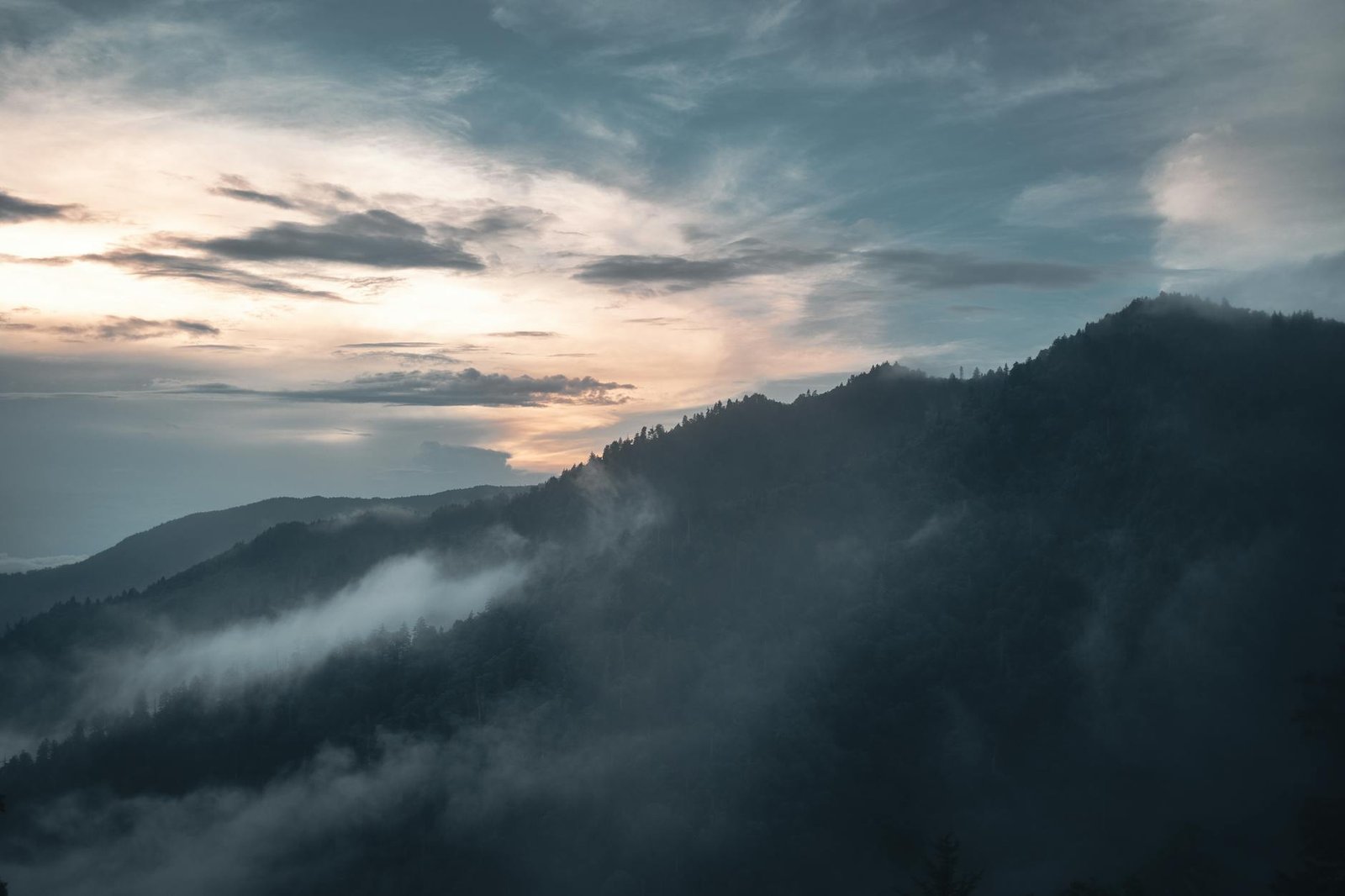
Mountain weather is notoriously unpredictable. Sunny mornings can quickly turn into afternoon thunderstorms, especially in the high country. Always check the forecast before heading out and be prepared for sudden changes in temperature, rain, or even snow, regardless of the season.
Wildlife Encounters: Coexisting Respectfully
Yosemite is home to diverse wildlife, including black bears, deer, marmots, and coyotes. Never feed animals. Store food in bear-resistant containers or lockers. Maintain a safe distance from all wildlife. If you encounter a bear, make noise, make yourself look large, and never run. Report significant wildlife sightings or encounters to park rangers.
Emergency Preparedness: Your Safety Net
- Inform Others: Always tell someone your hiking plans, including your route, estimated return time, and who to contact if you don’t check in.
- Stay on Trail: Venturing off-trail increases your risk of getting lost or injured.
- Cell Service: Expect little to no cell service in many areas of the park. Consider a satellite communication device for remote trips.
- Water Crossings: Be extremely cautious around rivers and streams, especially during high runoff. Swift water can be deceptively powerful.
The Spirit of the Journey: A Connection Beyond the Trail
To hike in Yosemite is to engage in a profound dialogue with the natural world. The sheer scale of the landscape humbles and inspires. The ancient granite, sculpted by ice and water, whispers tales of geological time. The air itself seems to hum with the energy of life – from the smallest wildflower clinging to a rock face to the soaring peregrine falcon overhead. There’s a particular satisfaction in pushing one’s physical limits, in reaching a summit after a challenging climb, and being rewarded with a vista that stretches to the horizon. But beyond the physical accomplishment, it is the quiet moments on the trail – the rustle of leaves, the scent of pine, the sudden appearance of a deer – that truly etch themselves into the memory. These experiences foster a deep sense of connection, reminding us of our place within the grand tapestry of life and the importance of preserving such magnificent places.
Embark on Your Yosemite Odyssey
Yosemite National Park stands ready to offer an unparalleled hiking experience, whether you seek a gentle stroll or an epic wilderness expedition. Its trails are more than just paths; they are invitations to discover beauty, challenge yourself, and forge an unbreakable bond with nature. Plan wisely, prepare thoroughly, and step onto these hallowed grounds with an open heart. The granite giants and cascading waters await your presence. What stories will you bring back from Yosemite?
⚠️ Safety Notice: This content is for informational purposes only. Always consult local guides and operators, verify current conditions, and ensure appropriate skills and certifications before any outdoor activity. DiveBikeHike is not responsible for injuries or incidents.