For the intrepid hiking enthusiast seeking an adventure that transcends the ordinary, trekking in Mongolia Altai Mountains offers an unparalleled experience. This remote and rugged region in Western Mongolia is a land where towering peaks touch the sky, ancient glaciers carve dramatic valleys, and nomadic cultures thrive in harmony with nature. It is a destination that promises not just physical challenge, but profound cultural immersion and a deep connection to the wild heart of Asia.
Why Trek the Mongolian Altai?
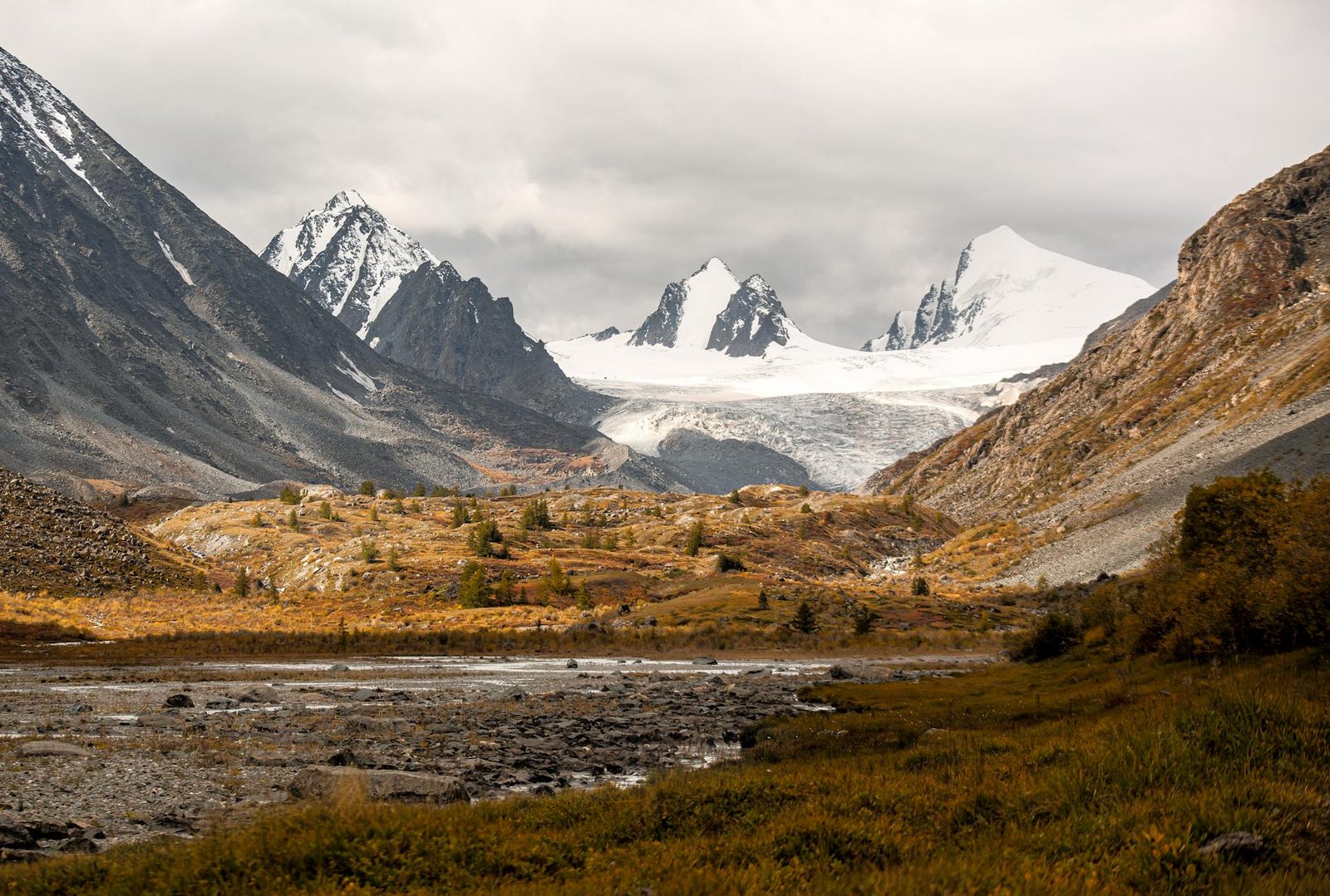
The Mongolian Altai Mountains present a landscape of breathtaking diversity and raw beauty. Here, hikers will discover a dramatic tapestry of environments, from the permanently snow-capped summits of the Tavan Bogd massif to lush alpine meadows and crystal-clear lakes. The region is home to Mongolia’s highest peaks, including Khuiten Peak, which stands at an impressive 4374 meters (14,350 feet) above sea level.
Beyond the majestic scenery, the Altai is a living museum of ancient cultures. The region is predominantly inhabited by Kazakh and Tuvan nomads, renowned for their hospitality and their enduring traditions. Visitors have the unique opportunity to witness the ancient art of eagle hunting, a practice passed down through generations, and to experience the rhythms of nomadic life firsthand. The landscape is also dotted with thousands of ancient rock carvings and mysterious stone men, some dating back millennia, offering a glimpse into the rich history of the region and recognized as a UNESCO World Heritage Site.
The Altai Mountains are also a sanctuary for a diverse array of wildlife. Keen observers might spot elusive creatures such as the majestic Siberian ibex, the powerful Argali sheep, and even the rare snow leopard. Golden eagles soar overhead, while brown bears roam the dense forests and alpine meadows. The chance to encounter these animals in their natural habitat adds another layer of wonder to any trekking expedition.
Planning Your Expedition: Trekking in Mongolia Altai Mountains
A journey into the Mongolian Altai requires careful planning due to its remote nature and challenging environment. However, with the right preparation, it becomes an incredibly rewarding adventure.
Best Time to Visit and Duration
The optimal season for trekking in the Mongolian Altai Mountains is relatively short, typically running from June to September. During July and August, the weather is generally at its warmest, with daytime temperatures in the Altai region often ranging from 10°C to 25°C (50°F to 77°F), making for ideal trekking conditions. Wildflowers bloom across the valleys, and nomadic families move to their high pastures. September offers cooler temperatures, stunning autumn colors, and fewer tourists, though trekkers should be prepared for cold nights and potential snowfall.
Most trekking routes in the Altai Tavan Bogd National Park, the primary destination for hikers, typically range from 5 to 7 days. More extensive expeditions can last 10 to 13 days, allowing for deeper exploration of the region’s diverse landscapes.
Key Routes and Destinations
The heart of trekking in the Mongolian Altai Mountains lies within the Trekking Greenland’s Arctic Frontier: An Untamed Wilderness Journey
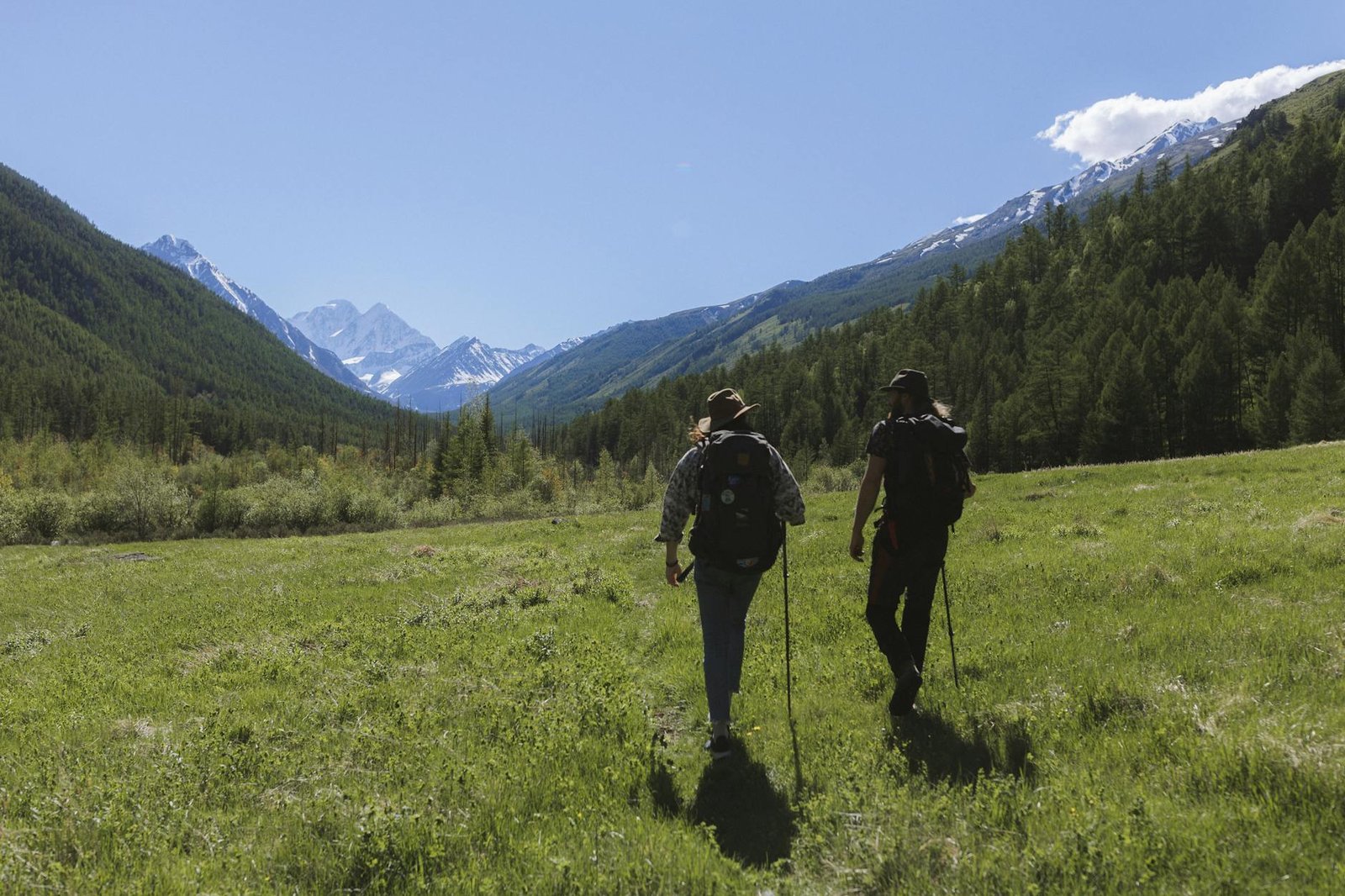
- Potanin Glacier Trek: One of the most popular routes leads to the Potanin Glacier, Mongolia’s largest glacier, which spans approximately 14 to 20 kilometers in length and covers an area of 20 to 23 square kilometers. This trek typically takes 5 to 7 days and offers spectacular views of glaciers, valleys, and snow-covered peaks.
- Malchin Peak: Standing at 4050 meters (13,287 feet), Malchin Peak is considered the most accessible of the Tavan Bogd peaks for hikers, as it does not typically require specialized technical climbing equipment. From its summit, trekkers can enjoy panoramic views that stretch across the borders of Mongolia, Russia, and China.
- Khuiten Peak Expedition: For experienced mountaineers, Khuiten Peak, at 4374 meters (14,350 feet), presents the ultimate challenge as Mongolia’s highest point. Ascending Khuiten Peak requires technical climbing skills, including the use of ice axes, crampons, and ropes.
- Khoton and Khurgan Lakes: These stunning twin lakes, connected by a wide channel, are often starting points for treks and offer picturesque camping spots surrounded by snow-capped mountains. The White River Valley (Tsagaan Gol), fed by the melting glaciers, is another popular area for nomadic camps and offers access to various trekking routes.
Permit Requirements
Accessing Altai Tavan Bogd National Park requires two essential permits: a park permit and a military border permit. Due to the park’s proximity to the international borders with Russia and China, solo travel is strictly prohibited for foreign visitors. All trekking groups must be accompanied by at least one Mongolian citizen, such as a licensed guide, driver, or local tour operator, to ensure safety and border security. These permits are typically arranged in advance through local contacts or tour operators in Ölgii, the provincial capital.
Practical Preparation: Essential Gear and Training
Preparing adequately for a trek in the Mongolian Altai Mountains is paramount for a safe and enjoyable experience.
Essential Gear
Layering is key to adapting to the Altai’s unpredictable weather. Hikers should pack:
- Footwear: Sturdy, waterproof, and breathable hiking boots with good ankle support are crucial. It is highly recommended to break them in thoroughly before the trip to prevent blisters. An extra pair of camp shoes or sandals can provide comfort in the evenings.
- Clothing: A system of moisture-wicking base layers (thermal underwear), warm mid-layers (fleece jacket or sweater), and a waterproof/windproof outer shell is essential. Quick-drying trekking pants are advisable, and shorts may be worn on warmer days, though weather variability suggests having long pants readily available.
- Headwear and Handwear: A warm wool or fleece hat that covers the ears, lightweight gloves for trekking, and a sun hat or cap are necessary.
- Eyewear: High-quality sunglasses are important for protection against intense sun and glare, especially at higher altitudes and near glaciers.
- Packs: A comfortable daypack (around 30 liters) with a rain cover is needed for daily essentials. A large, waterproof duffel bag is ideal for transporting main luggage, often carried by support vehicles or pack animals.
- Sleeping System: A warm sleeping bag suitable for cold mountain nights (even in summer) and an inflatable sleeping mat for insulation and comfort are recommended.
- Navigation and Water: A personal water filter or purification system, along with a water bottle or hydration bladder, is vital for staying hydrated. While guides handle navigation, a compass and map can be useful for personal orientation.
- Trekking Poles: Highly recommended for stability and reducing strain on joints, especially on uneven terrain and steep descents.
- First-Aid: A personal first-aid kit with blister care, pain relievers, and any personal medications is essential.
Physical Preparation
The rugged terrain and varying altitudes of the Altai Mountains demand a good level of physical fitness. Regular cardiovascular exercise, strength training, and hiking with a weighted pack in the months leading up to the trip will help prepare the body for the demands of multi-day trekking.
Navigation and Safety Considerations
Safety in the remote Altai Mountains is paramount. Traveling with experienced local guides is not only a regulatory requirement but also a crucial safety measure. Guides possess invaluable knowledge of the terrain, weather patterns, and local customs.
Weather in the Altai can be highly unpredictable, with sudden shifts from sunshine to rain, strong winds, or even snow, even during the summer months. Trekkers must be prepared for these rapid changes, carrying appropriate layers and waterproof gear at all times. Communication can be challenging, as cell service is often nonexistent in remote areas. Reputable tour operators typically carry satellite phones for emergencies. Awareness of the border zones with Russia and China is critical, as unmarked boundaries can lead to unintentional crossings, which is why the military border permit and a Mongolian escort are mandatory. While wildlife encounters are a highlight, hikers should be aware of local fauna, including brown bears, and follow guide instructions for safe observation.
Embracing the Journey: Insights from Summit Reid
The experienced hiker Summit Reid observes that trekking in the Mongolian Altai Mountains is more than just covering distances; it is an immersive journey into a way of life that has remained largely unchanged for centuries. The vastness of the landscape encourages introspection and a profound sense of connection with the natural world. The silence, broken only by the wind or the distant calls of livestock, allows for a rare mental clarity.
Reid emphasizes that the true magic of the Altai often lies in the cultural exchanges. Sharing a cup of traditional tea in a nomadic ger, observing the intricate process of an eagle hunter preparing his bird, or simply watching children herd their animals across an endless steppe provides insights into resilience, resourcefulness, and a deep respect for nature. These interactions, facilitated by local guides, transform a trek into a rich tapestry of human connection and understanding. The simplicity of nomadic life, devoid of modern distractions, serves as a powerful reminder of what is truly essential.
You might also enjoy: Untamed Majesty: Your Definitive Guide to Trekking the Scottish Highlands
Environmental Stewardship: Treading Lightly in the Altai
As visitors to this pristine wilderness, hikers bear a responsibility to protect its natural and cultural integrity. Adhering to Leave No Trace principles is fundamental:
- Plan Ahead and Prepare: Understand the local regulations and permit requirements.
- Travel and Camp on Durable Surfaces: Stick to existing trails and designated camping areas to minimize impact.
- Dispose of Waste Properly: Pack out everything brought in, including all trash and food scraps. Human waste should be buried properly away from water sources.
- Leave What You Find: Do not disturb historical artifacts, rock carvings, or natural features.
- Minimize Campfire Impacts: Use existing fire rings or portable stoves.
- Respect Wildlife: Observe animals from a distance, do not feed them, and avoid disturbing their natural behaviors.
- Be Considerate of Other Visitors and Local Communities: Respect nomadic traditions, ask permission before photographing people, and support local economies responsibly.
By practicing responsible tourism, trekkers can help preserve the unique beauty and cultural heritage of the Mongolian Altai Mountains for future generations.
Conclusion
Trekking in the Mongolia Altai Mountains offers an adventure unlike any other. It is a journey into a land of unparalleled natural grandeur, ancient traditions, and profound solitude. For those who seek to challenge themselves physically, immerse themselves in a vibrant culture, and forge a deeper connection with the wild, the Altai awaits. Prepare diligently, embrace the spirit of discovery, and answer the call of this magnificent, untamed frontier. Your epic Mongolian Altai adventure begins now.
Frequently Asked Questions
What is the best time of year for trekking in Mongolia Altai Mountains?
The ideal time for trekking in the Mongolian Altai Mountains is from June to September. July and August offer the warmest weather and best conditions, while September provides beautiful autumn colors and fewer crowds, though temperatures can be cooler.
Are permits required for trekking in Mongolia Altai Mountains, and can I trek alone?
Yes, both a national park permit and a military border permit are required for Altai Tavan Bogd National Park. Solo travel for foreign visitors is not permitted; you must be accompanied by a Mongolian citizen, such as a licensed guide or local tour operator.
What kind of wildlife can be seen while trekking in Mongolia Altai Mountains?
The Altai Mountains are home to diverse wildlife, including Siberian ibex, Argali sheep, golden eagles, brown bears, and the elusive snow leopard. Trekkers may also spot various bird species and smaller mammals.
What are some of the popular trekking routes in the Mongolian Altai?
Popular routes include treks to the Potanin Glacier, the largest glacier in Mongolia, and ascents of Malchin Peak (4050m), which offers stunning panoramic views without requiring technical climbing. For experienced mountaineers, Khuiten Peak (4374m) is the highest challenge.
Related Adventures
- Trekking Greenland’s Arctic Frontier: An Untamed Wilderness Journey
- Untamed Majesty: Your Definitive Guide to Trekking the Scottish Highlands
- Trekking the Dolomites: An Epic Guide to Italy’s Majestic Pale Peaks
⚠️ Safety Notice: This content is for informational purposes only. Always consult local guides and operators, verify current conditions, and ensure appropriate skills and certifications before any outdoor activity. DiveBikeHike is not responsible for injuries or incidents.