For the seasoned technical diver, the opportunity for diving Bikini Atoll Marshall Islands wrecks represents the pinnacle of underwater exploration. This remote UNESCO World Heritage Site offers an unparalleled journey into history, where a “nuclear ghost fleet” rests in crystal-clear waters, awaiting discovery. Far more than just a collection of sunken vessels, Bikini Atoll provides a profound connection to a pivotal moment in human history, making it an essential destination for serious wreck enthusiasts.
The Legacy of Operation Crossroads: Diving Bikini Atoll Marshall Islands Wrecks
The allure of Bikini Atoll is inextricably linked to its dramatic past. In July 1946, the United States conducted “Operation Crossroads,” a series of nuclear weapon tests (Able and Baker) designed to assess the impact of atomic bombs on warships. A fleet of 95 target ships, including some of the most formidable vessels of World War II, was assembled in the atoll’s lagoon. The devastating underwater detonation of the Baker bomb, in particular, created a unique graveyard of naval history, leaving behind an incredible collection of dive sites.
Today, these wrecks are not merely steel hulks; they are time capsules, largely untouched by human interference for decades. The minimal human activity has allowed marine life to flourish, transforming these historical artifacts into vibrant artificial reefs.
Iconic Dive Sites: Exploring Bikini Atoll’s Nuclear Ghost Fleet
The lagoon of Bikini Atoll is home to some of the world’s most famous and challenging wreck dives. Each vessel tells a unique story, offering technical divers an extraordinary experience.
- USS Saratoga (CV-3): The Aircraft Carrier Marvel
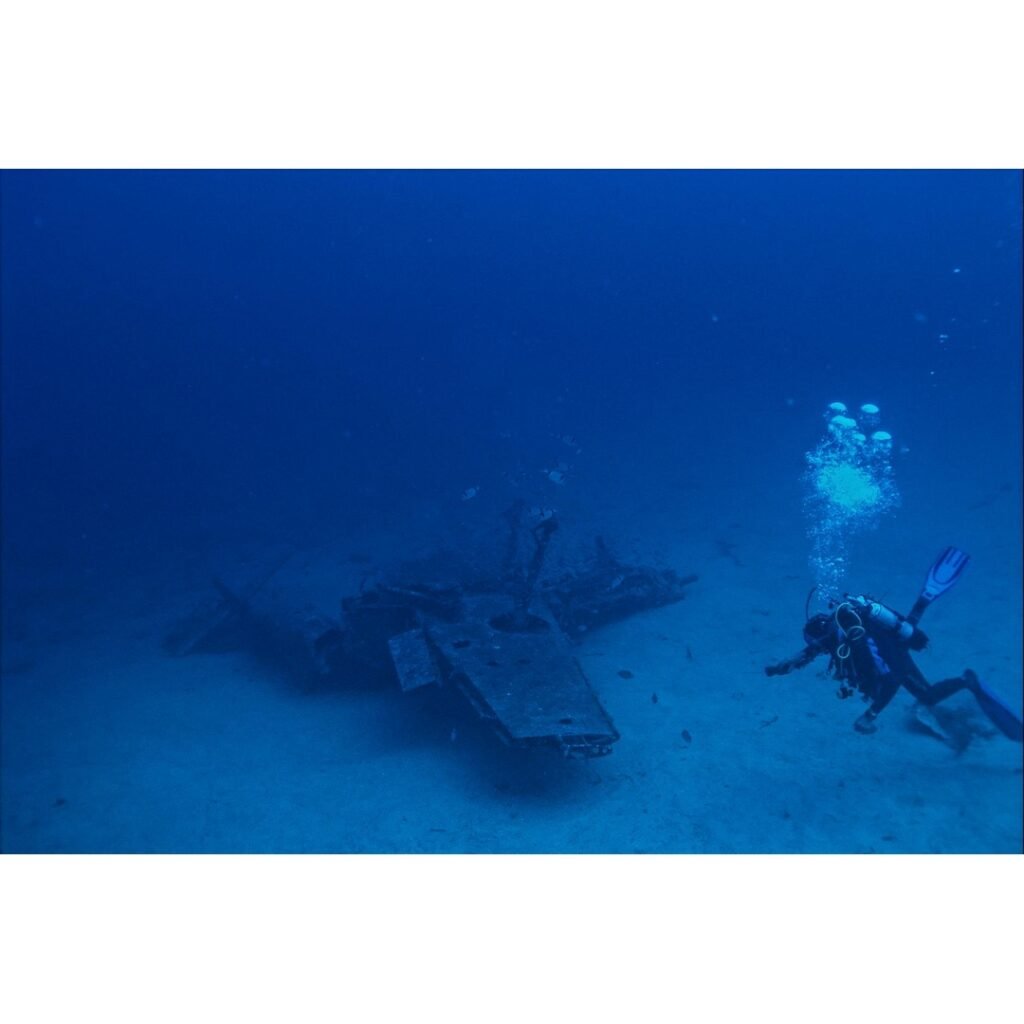
The 888-foot (271m) aircraft carrier USS Saratoga is arguably the crown jewel of Bikini Atoll. Resting upright, her flight deck begins at approximately 90-100 feet (27-30m), with the top of her superstructure accessible at around 60 feet (18m) and her maximum depth reaching about 167-170 feet (51-53m). Divers can explore her vast expanse, discovering intact planes (Helldivers and TBM Avengers), bombs, and even the ship’s sick-bay and machinist’s workshop. The Saratoga is one of only three diveable aircraft carriers in the world, making it a truly unique experience for those diving Bikini Atoll Marshall Islands wrecks. - HIJMS Nagato: The Japanese Flagship
The Imperial Japanese Navy battleship Nagato, once Admiral Isoroku Yamamoto’s flagship, lies upside down at a depth of approximately 170 feet (52m). Its massive guns and colossal propellers, now facing upwards, create an awe-inspiring sight. Penetration opportunities exist at the stern, bow, and mid-ship sections for appropriately trained divers. - USS Arkansas (BB-33): The Dreadnought Battleship
This Wyoming-class dreadnought battleship rests nearly upside down on the sandy seafloor at depths of approximately 170-180 feet (52-55m). The USS Arkansas is known for its impressive structure, including its formidable gun turrets. - USS Apogon (SS-308): The Intact Submarine
The USS Apogon, a Balao-class submarine, sits upright and largely intact at around 157-165 feet (50m). Its conning tower, though deformed by the immense pressure wave of the nuclear blast, remains a striking feature. Inside, torpedoes are still visible, while outside, glassfish swarm around coral-encrusted deck guns. - Other Notable Wrecks
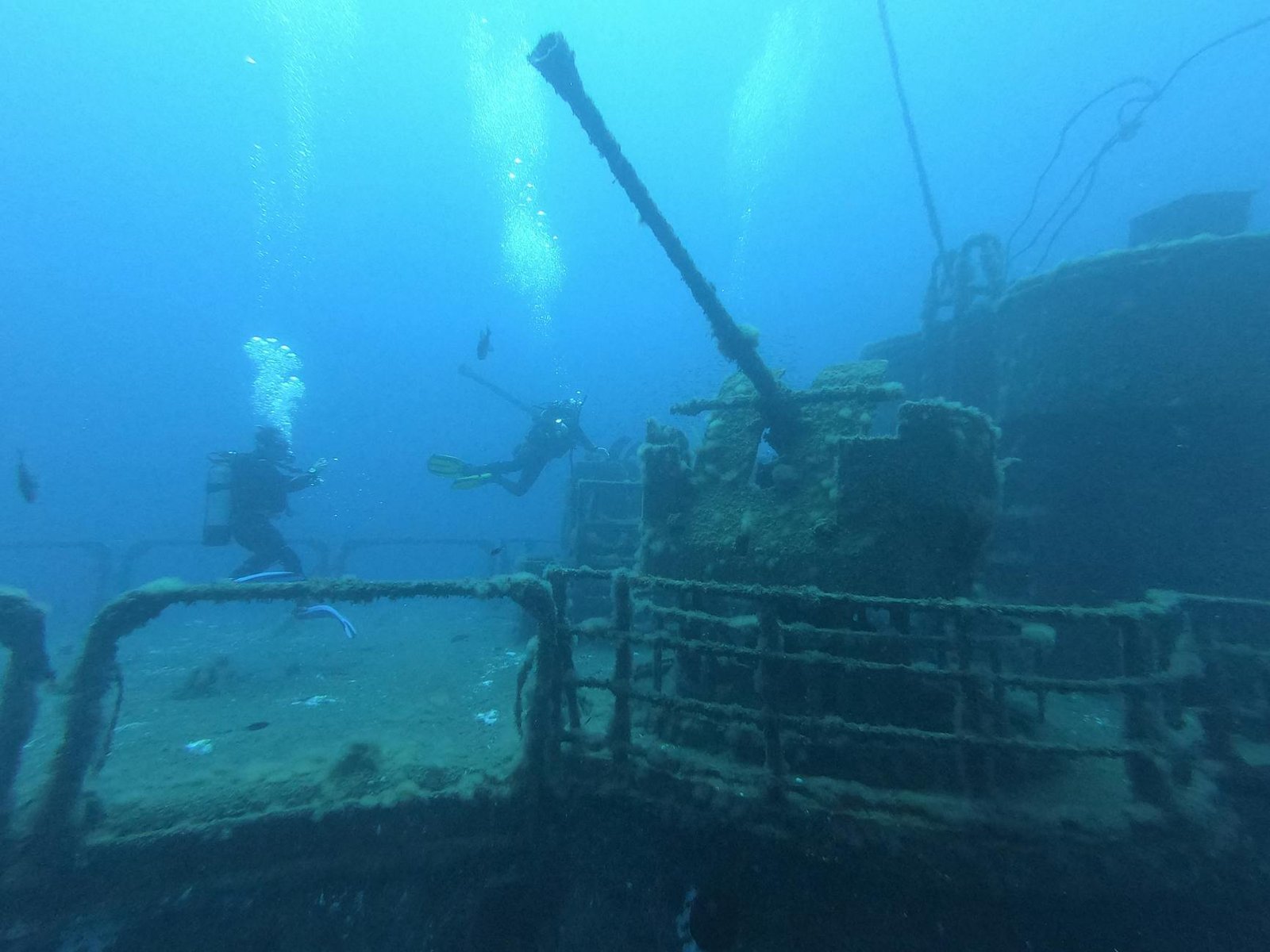
The atoll also hosts several destroyers and transport ships, including the USS Lamson (DD-367), USS Anderson (DD-411), and USS Carlisle (APA-69), all offering exceptional technical diving experiences typically around 167 feet (51m). The USS Carlisle, split open by the Able blast, provides magnificent opportunities for penetration. - SMS Prinz Eugen: The Kwajalein Check Dive
While not in Bikini Atoll itself, the German heavy cruiser Prinz Eugen, located off Ebeye Island in Kwajalein Atoll, is often utilized as a check dive before expeditions proceed to Bikini. It rests upside down at about 124 feet (38m), with one of its propellers often breaking the surface.
Diving Conditions and Marine Life
The diving conditions in Bikini Atoll are generally excellent. Visibility often extends upwards of 100-164 feet (30-50m) in the crystal-clear waters. Water temperatures are consistently warm, ranging from 80-85°F (27-29°C) year-round, with minimal thermoclines. While currents within the lagoon are typically minimal, divers should always be prepared for varying conditions.
Despite its tumultuous history, Bikini Atoll boasts a surprisingly vibrant marine ecosystem. The wrecks have become thriving artificial reefs, attracting diverse marine life. Divers can expect to encounter large schools of glassfish, whip coral forests, and a variety of pelagic species such as dogtooth tuna, barracuda, and giant trevally. The atoll is also renowned for its shark population, with frequent sightings of grey reef sharks, blacktip sharks, silvertips, and even occasional tiger sharks.
You might also enjoy: Unveiling the Ghost Fleet: An Ultimate Guide to Wreck Diving in Truk Lagoon Micronesia
Practical Tips for Diving Bikini Atoll Marshall Islands Wrecks
Embarking on an expedition to Bikini Atoll requires meticulous planning and a high level of diving proficiency. This is not a destination for casual divers.
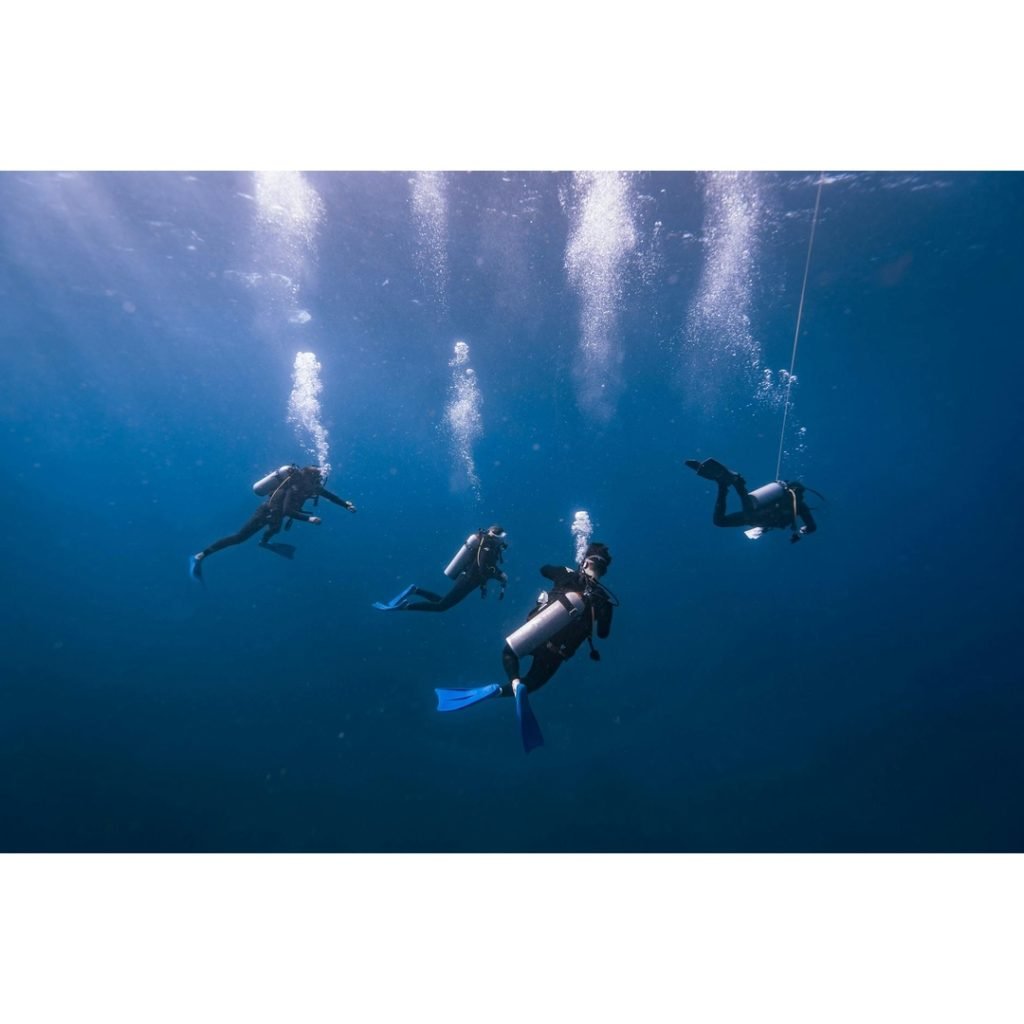
- Certification is Key: Diving Bikini Atoll Marshall Islands wrecks is exclusively for technical divers. The average depth of the wrecks (around 164 feet / 50m) necessitates certifications such as PADI Tec 50, TDI Advanced Nitrox & Decompression Procedures, or equivalent. For those planning wreck penetration, technical overhead environment training and experience are mandatory. Rebreather divers typically require normoxic trimix certification.
- Liveaboard Experience: Bikini Atoll is only accessible via specialized liveaboard operators. These vessels are equipped to handle the logistical complexities and technical diving requirements of the region.
- Travel Logistics: The journey typically involves international flights to Kwajalein (KWA) via Honolulu or Guam. Kwajalein is a U.S. Military base, requiring divers to present a confirmation letter from their liveaboard operator for entry. A ferry then transports visitors to Ebeye Island, followed by a 24-30 hour cruise to Bikini Atoll.
- Best Time to Visit: The optimal diving season for Bikini Atoll runs from May to October.
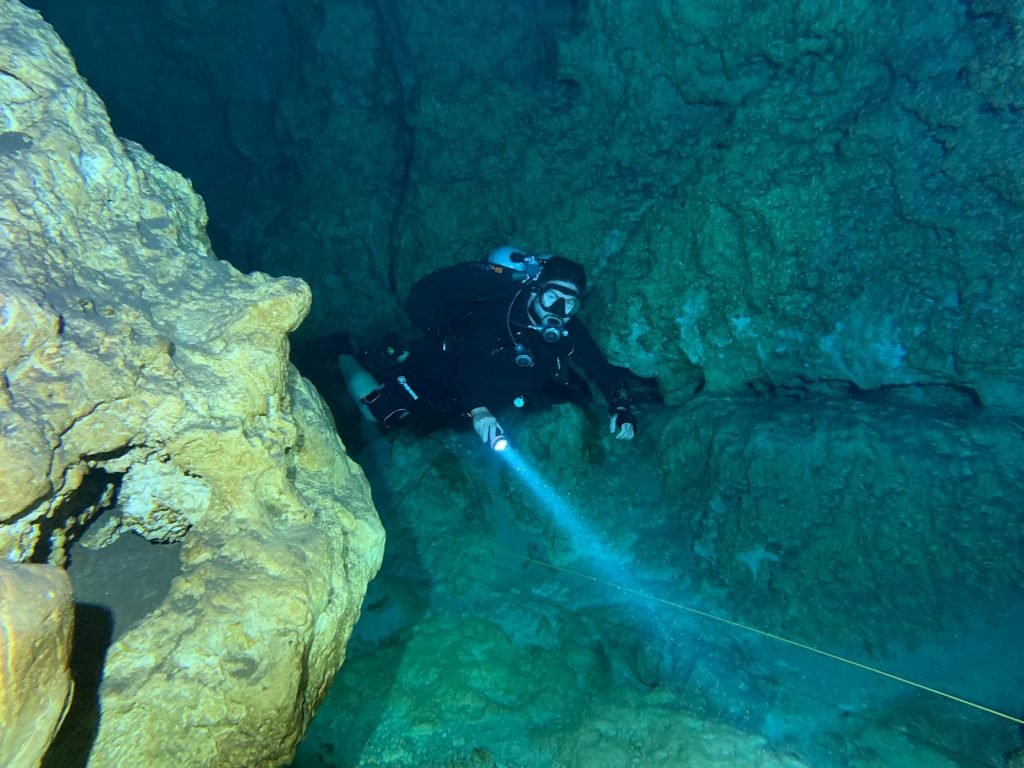
- Equipment Essentials: Divers should bring their own technical diving equipment, including two methods of buoyancy (e.g., a wing with a redundant bladder or drysuit), a multi-gas dive computer, and two DIN regulator sets. Dive torches are essential for any wreck penetration. A full-length 3-5mm wetsuit, gloves, and a hood are recommended for protection against sharp metal, potential oil, aviation fuel, and occasional jellyfish.
Safety Considerations: A Remote and Rewarding Challenge
The remote nature of Bikini Atoll means that emergency medical facilities, including hyperbaric chambers, are between 30 hours and two days away. Therefore, conservative dive planning and strict adherence to safety protocols are paramount. It is mandatory for all guests to have dive-specific insurance that covers technical diving, emergency evacuation, medical care, and recompression chamber costs. Divers are advised to obtain any necessary medical evaluations and clearances before traveling, as no such facilities exist locally.
While the wrecks are historically significant, it is important to remember that they were targets of nuclear tests. However, the levels of radioactivity to which divers are exposed from the shipwrecks in Bikini Atoll are considered negligible, as water acts as an excellent insulator. Touching or handling artifacts is strictly forbidden, both for preservation and to avoid any potential contamination.
Insights from an Experienced Dive Master
As experienced dive masters, we have witnessed countless divers emerge from the depths of Bikini Atoll with a profound sense of awe and accomplishment. The sheer scale of the USS Saratoga, the haunting majesty of the Nagato, and the intricate details preserved within these vessels are unlike anything else in the diving world. The challenge of navigating these deep, complex wrecks demands respect, precision, and extensive training, but the rewards are immeasurable. Each dive is a journey through history, a silent tribute to the power of both human engineering and nature’s reclamation. The vibrant marine life that now calls these wrecks home adds another layer of wonder, transforming sites of destruction into thriving underwater ecosystems. It is a destination that truly tests and transforms a diver, leaving an indelible mark on their logbook and their soul.
Conclusion: Your Ultimate Wreck Diving Expedition Awaits
Diving Bikini Atoll Marshall Islands wrecks offers an unparalleled adventure for the dedicated technical diver. It is a journey into a unique chapter of history, a test of skill, and an immersion into a surprisingly vibrant underwater world. The “nuclear ghost fleet” is more than just a collection of shipwrecks; it’s a monumental underwater museum, a testament to resilience, and an extraordinary privilege to explore.
You might also enjoy: Philippines Whale Sharks: Your Ultimate Guide to Diving with Gentle Giants
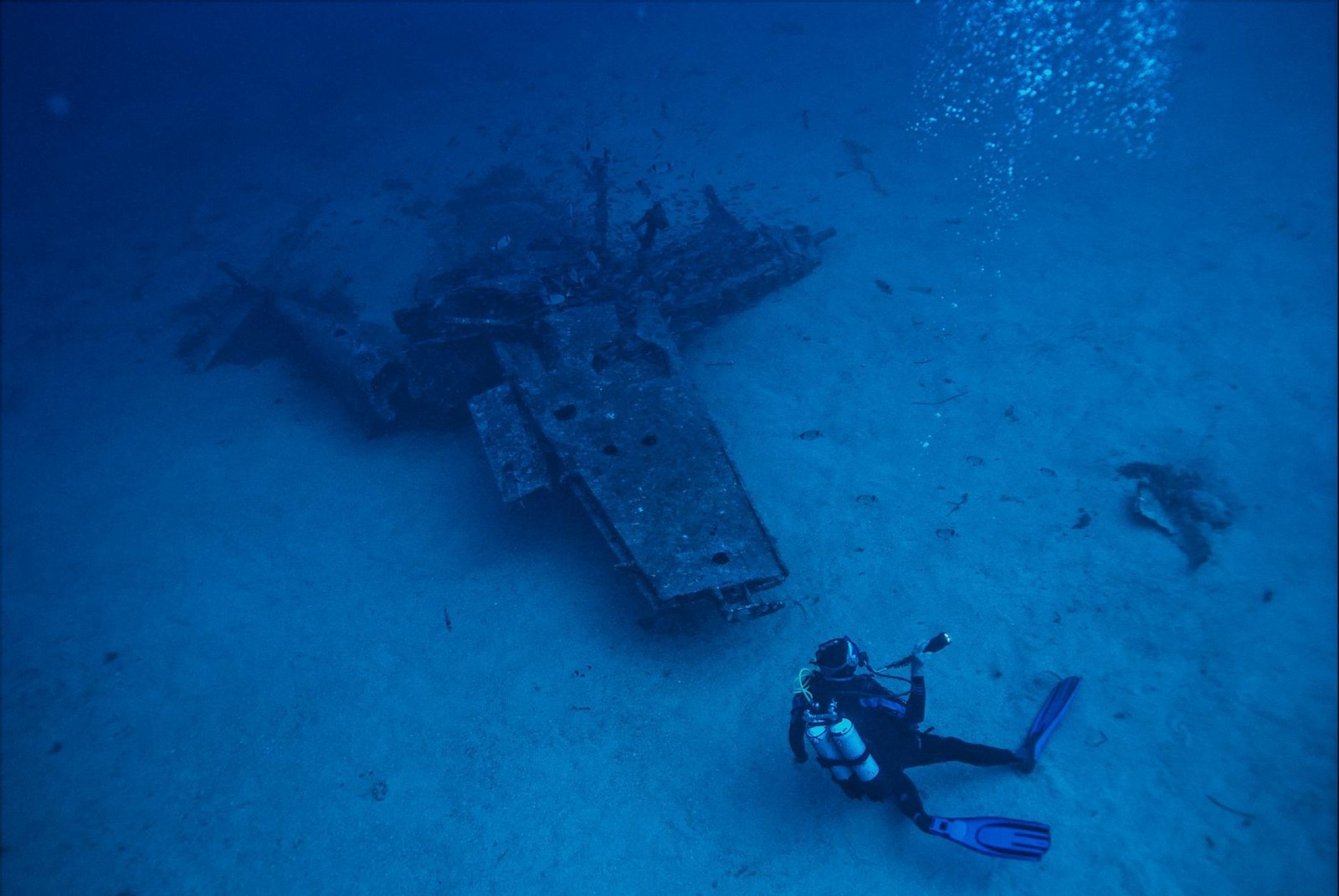
If you possess the necessary certifications, experience, and a deep respect for history, Bikini Atoll beckons. Begin planning your expedition today and prepare to add one of the most significant and rewarding wreck diving experiences on the planet to your diving legacy.
Frequently Asked Questions
What certifications are required for diving Bikini Atoll?
Diving Bikini Atoll is strictly for technical divers. Minimum certifications typically include PADI Tec 50 or TDI Advanced Nitrox & Decompression Procedures (or equivalent), along with at least 100 logged dives and wreck diving experience. For wreck penetration, technical overhead environment training is mandatory.
Is Bikini Atoll safe to dive given its nuclear history?
Yes, diving in Bikini Atoll is considered safe. The levels of radioactivity divers are exposed to from the shipwrecks are negligible, as water acts as an excellent insulator. Divers are advised not to touch or take souvenirs from the wrecks to avoid any potential contamination.
How do divers get to Bikini Atoll?
Access to Bikini Atoll is exclusively via liveaboard. The journey typically starts with flights to Kwajalein Atoll (a U.S. Military base), followed by a ferry to Ebeye Island, and then a 24-30 hour liveaboard cruise to Bikini Atoll. Liveaboard operators handle the necessary permits for entry into Kwajalein.
What are the main wrecks to see when diving Bikini Atoll?
The primary attractions for diving Bikini Atoll Marshall Islands wrecks include the USS Saratoga aircraft carrier, the HIJMS Nagato battleship, the USS Arkansas battleship, and the USS Apogon submarine. Other notable wrecks include the USS Lamson, USS Anderson, and USS Carlisle.
Related Adventures
- Unveiling the Ghost Fleet: An Ultimate Guide to Wreck Diving in Truk Lagoon Micronesia
- Philippines Whale Sharks: Your Ultimate Guide to Diving with Gentle Giants
- Dahab’s Blue Hole: A Diver’s Odyssey into the Red Sea’s Enigmatic Abyss
⚠️ Safety Notice: This content is for informational purposes only. Always consult local guides and operators, verify current conditions, and ensure appropriate skills and certifications before any outdoor activity. DiveBikeHike is not responsible for injuries or incidents.