For many scuba diving enthusiasts, the mere mention of wreck diving in Truk Lagoon Micronesia conjures images of an underwater museum, a silent testament to a pivotal moment in history. This remote atoll, now officially known as Chuuk Lagoon, holds a haunting beauty, where a vast fleet of World War II vessels lies perfectly preserved beneath the warm, clear waters. It is a destination that transcends typical dive experiences, offering an unparalleled blend of historical exploration and vibrant marine life.
As experienced dive masters, we have witnessed countless divers emerge from these waters with a profound sense of awe and connection to the past. Truk Lagoon is not merely a collection of sunken ships; it is a living, breathing memorial, transformed into thriving artificial reefs. Whether one is a seasoned technical diver or an advanced recreational enthusiast, the allure of Truk Lagoon’s submerged history is undeniable, promising an adventure unlike any other.
The Ghost Fleet: A Legacy of Operation Hailstone
The dramatic story of Truk Lagoon’s “Ghost Fleet” is rooted in World War II. From July 1942 to February 1944, Truk Lagoon served as the primary forward operational base for the Imperial Japanese Navy, a critical logistical hub and a formidable fortress often referred to as the “Gibraltar of the Pacific.” It housed battleships, aircraft carriers, cruisers, destroyers, submarines, and numerous merchant vessels, supporting Japanese offensives across the Pacific.
However, this stronghold became the target of a devastating surprise attack by the U.S. Navy. On February 17-18, 1944, Operation Hailstone commenced, a two-day carrier assault that caught the Japanese largely unaware. The U.S. forces, employing carrier-based aircraft and surface ships, conducted continuous air raids, sinking more than 40 Japanese naval and merchant vessels and destroying an estimated 250 to 275 aircraft. This intensive bombardment crippled Japan’s war-making capabilities in the region, effectively neutralizing Truk and paving the way for further Allied advances. Today, these wrecks, resting amidst an infinite variety of marine life, form one of the world’s most extraordinary underwater sites.
Why Truk Lagoon is Unique for Wreck Diving Enthusiasts
What sets wreck diving in Truk Lagoon Micronesia apart from other dive destinations? Several factors contribute to its legendary status:
- Sheer Volume and Variety: With over 60 known wrecks, including warships, merchant ships, tankers, destroyers, gunboats, a submarine, and numerous aircraft, Truk Lagoon boasts the largest concentration of war wrecks on the planet. This diversity ensures that every dive offers a new discovery.
- Exceptional Preservation: The wrecks were never salvaged, remaining largely intact and acting as preserved underwater museums. Inside cargo holds, divers can find planes, trucks, gas masks, tractors, ammunition, torpedoes, aviation fuel, medicine, sake, bombs, and even bones. Engine rooms often contain intact gauges, telegraphs, tools, and machinery.
- Accessibility: A common misconception is that Truk Lagoon is only for technical divers. While deeper wrecks exist, many are within recreational limits, with depths ranging from approximately 18 to 40 meters (60 to 130 feet). This accessibility allows experienced recreational divers to explore a significant portion of the Ghost Fleet.
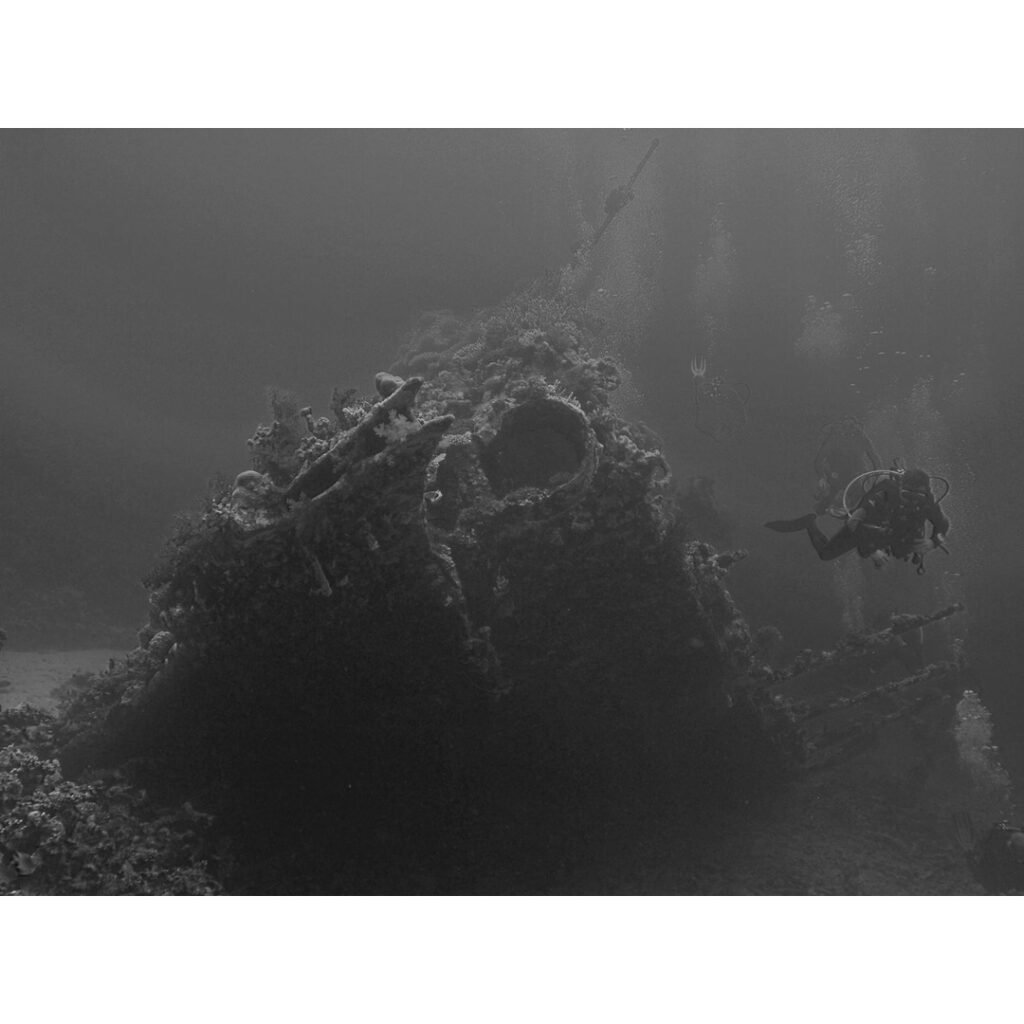
- Vibrant Marine Life: Over the decades, these steel behemoths have transformed into thriving artificial reefs. They are now covered in colorful corals, sponges, and anemones, teeming with diverse fish species. This juxtaposition of historical artifacts and vibrant ecosystems creates a truly unique diving experience.
- Sheltered Conditions: The lagoon itself is protected by a barrier reef, resulting in generally calm waters and minimal currents on most wrecks, making for comfortable diving conditions year-round.
Iconic Wreck Sites: A Journey Through History
The sheer number of wrecks means that multiple trips are often required to fully appreciate Truk Lagoon. Here are some of the most iconic sites that draw divers from around the globe:
The Shinkoku Maru: A Living Reef
The Shinkoku Maru, a former naval tanker, is often cited as one of the “must-dive” wrecks due to its stunning coral growth and abundant marine life. Resting upright, its superstructure is adorned with luxurious soft corals, anemones, and gorgonian fan corals, creating a spectacular artificial reef. Divers can explore its bridge, which features three intact telegraphs, and discover well-preserved bathrooms within the superstructure. Schools of juvenile fish often swarm around the bow gun and other exposed structures, making it an ideal site for photography and night dives.
The Fujikawa Maru: Fighter Planes and Engine Rooms
The Fujikawa Maru is arguably “the wreck” of Truk Lagoon, a highly popular and famous site. This armed aircraft ferry sits upright on its keel at a depth of around 30 meters (110 feet), with its deck at approximately 18 meters (60 feet) and the top of its superstructure at 9 meters (30 feet). A large six-inch bow gun, manufactured in Britain in 1899, is a prominent feature. Inside its cargo holds, divers can discover disassembled Mitsubishi fighter aircraft, including A6M Zeros and a rare A5M Claude, along with spare plane parts, shell casings, and machine guns. The engine room is remarkably intact and accessible, featuring gauges, instruments, and tools, with metal companionways and ladders that create a truly immersive experience. The wreck is also blanketed in pink and white soft corals, attracting schools of tuna, barracuda, and smaller reef fish.
The San Francisco Maru: The Million Dollar Wreck
For those seeking a deeper challenge, the San Francisco Maru is a legendary site, often dubbed the “Million Dollar Wreck” due to its incredible cargo. This Japanese cargo ship rests upright at depths ranging from approximately 45 to 64 meters (150 to 210 feet), making it suitable for technical divers. Its deck features three Japanese Type-95 light tanks, still seemingly ready for battle. The cargo holds are a treasure trove of wartime supplies, including sea mines, torpedoes, bombs, artillery, aircraft engines, and anti-tank munitions. The engine room offers an eerie and exciting exploration for those with penetration diving experience. The depth of this wreck means it is less frequented, contributing to a thriving marine ecosystem around it, including large schools of jacks, barracudas, and occasional reef sharks.
You might also enjoy: Philippines Whale Sharks: Your Ultimate Guide to Diving with Gentle Giants
The Heian Maru: Submarine Tender and Artifacts
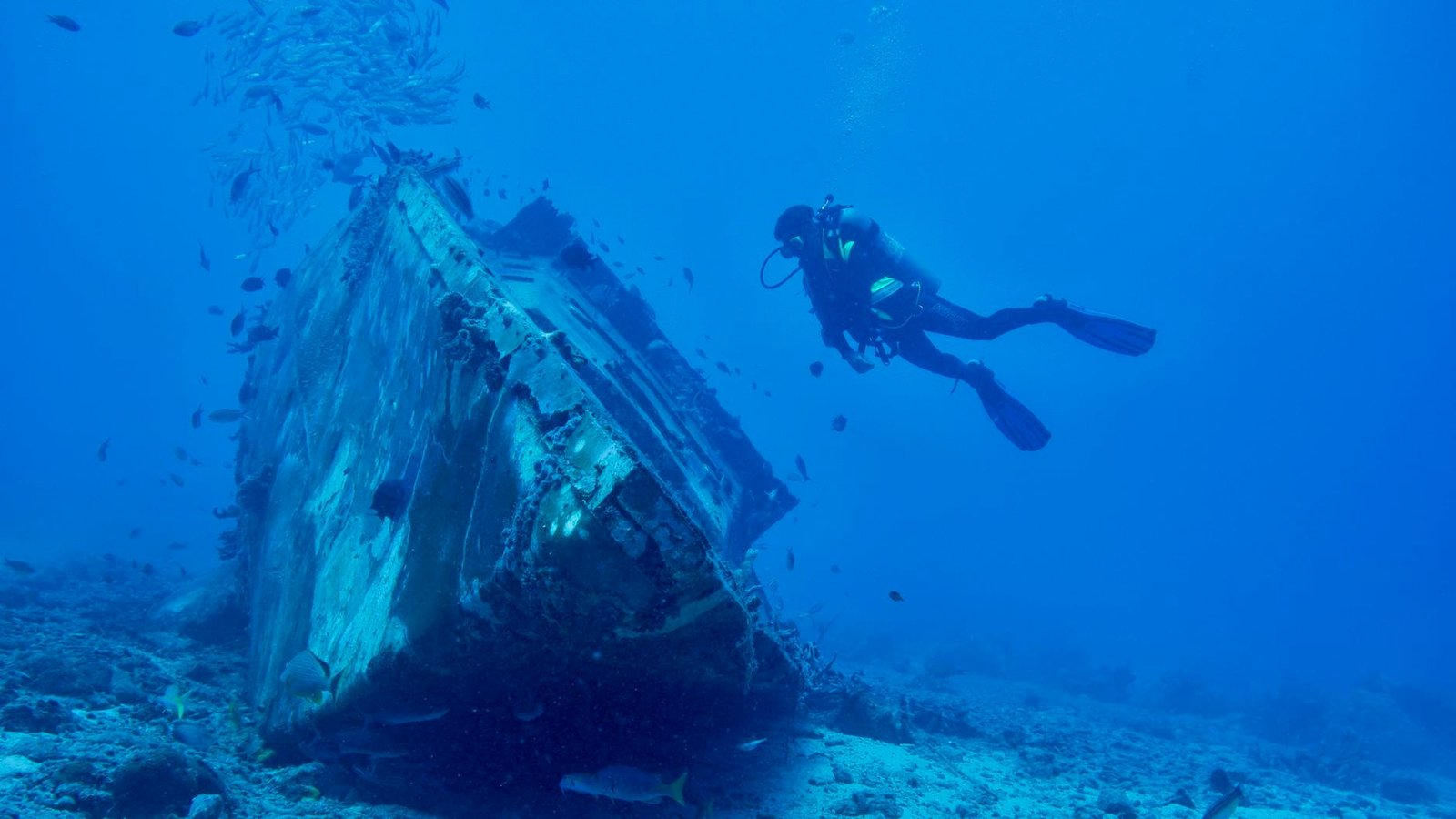
As the largest wreck in Truk Lagoon, the Heian Maru, a former luxury passenger liner converted into a submarine tender, is an impressive sight at 163 meters (over 530 feet) in length. It lies on its port side at a depth of approximately 33-35 meters (110-115 feet). Its cargo holds are filled with fascinating artifacts, including “Long Lance” torpedoes, submarine periscopes, and other equipment used to service submarines during the war. The ship’s name is still clearly visible on the bow. The sheer size of the Heian Maru often requires multiple dives to fully explore its expansive bridge and engine room.
The Yamagiri Maru: Battleship Shells
The Yamagiri Maru, a large cargo ship, is notable for its unique cargo. Its holds contain massive 18-inch battleship shells, believed to be destined for the super-battleships Yamato or Musashi. This wreck offers a powerful glimpse into the scale of naval warfare. It lies at depths suitable for advanced recreational and technical divers, with its deepest points reaching beyond 40 meters.
The Rio de Janeiro Maru: Sake Bottles and Machinery
Another impressive cargo ship, the Rio de Janeiro Maru, rests on its starboard side, with its deck at around 15 meters (50 feet) and the bottom at approximately 30 meters (100 feet). Its holds are filled with a diverse array of cargo, including sake bottles, beer bottles, medical supplies, and machinery. The engine room is also accessible and offers interesting exploration. The wreck is heavily encrusted with corals, attracting a variety of reef fish.
The Nippo Maru: Tanks and Artillery
The Nippo Maru is a cargo ship resting at depths of approximately 40 to 49 meters (130 to 160 feet). It is renowned for the military equipment found on its deck and in its holds, including tanks, artillery pieces, trucks, and other military vehicles. The ship’s bridge and helm are remarkably well-preserved, with the telegraphs and steering wheel still in place. This wreck offers a deep dive into history, showcasing the wartime role of the vessel.
Marine Life and Coral Growth on the Wrecks
Beyond the historical artifacts, the wrecks of Truk Lagoon have evolved into vibrant artificial reefs, supporting an astonishing array of marine life. The lagoon is home to over 500 species of hard and soft corals and more than 1000 fish species. Forests of soft corals, gorgonians, and sponges drape the masts, superstructures, and hulls, creating a colorful spectacle. Divers can expect to encounter large schools of jacks, barracudas, fusiliers, and snappers. The wrecks also harbor a rich macro life, including nudibranchs, shrimps, crabs, and seahorses, providing endless opportunities for underwater photographers. Occasionally, pelagic species such as reef sharks, leopard sharks, marble rays, and eagle rays can be seen patrolling the wrecks or resting on the sandy bottom. The local laws prohibiting fishing on the wrecks contribute to the abundance of marine life.
Technical Aspects and Certification Requirements for Wreck Diving in Truk Lagoon Micronesia
While many wrecks are accessible to recreational divers, some of the deeper sites and the allure of internal penetration necessitate advanced training. Truk Lagoon is suitable for experienced recreational divers and technical divers. Entry-level divers may find it challenging.
- Recreational Divers: A PADI Advanced Open Water certification, or equivalent, with a minimum of 50 logged dives, is generally required. A Deep Diver Specialty certification (for depths up to 40 meters) is highly recommended due to the average dive depths of 25-35 meters and features that extend deeper. Nitrox certification is also strongly advised for extended bottom times and increased safety.
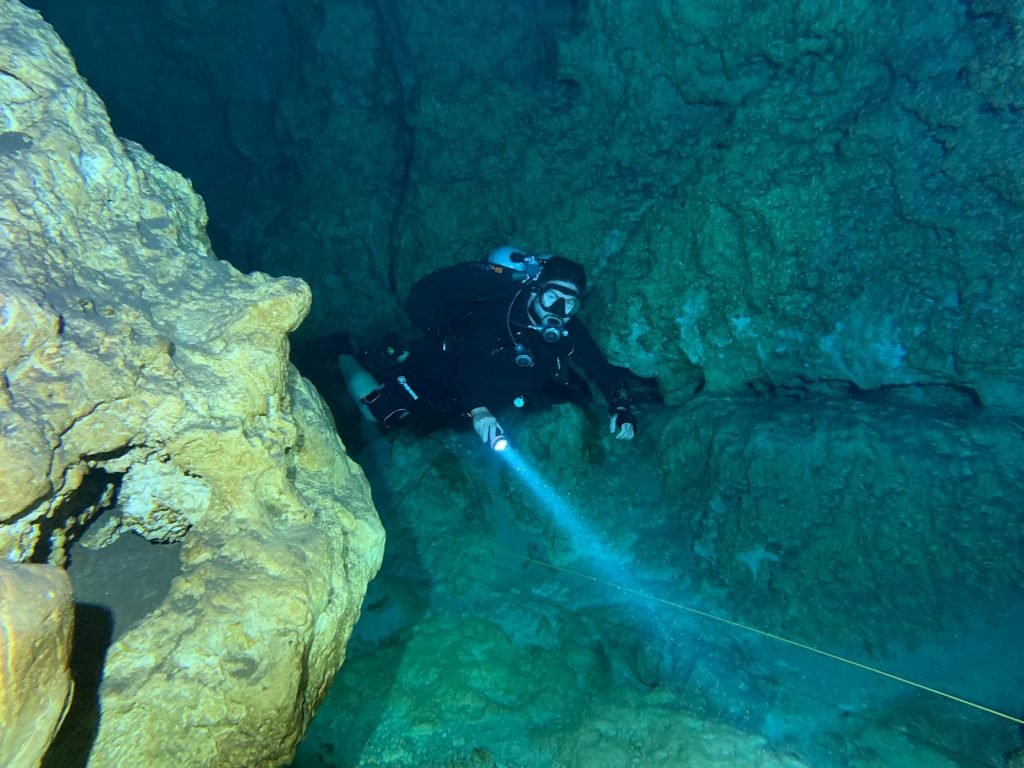
- Wreck Penetration: For those planning to enter the wrecks, a Wreck Diver specialty certification is essential. This training covers critical skills such as navigation within wrecks, proper buoyancy control in confined spaces, and the use of specialized equipment like reels and dive lights.
- Technical Divers: Truk Lagoon offers exceptional opportunities for technical diving, with many wrecks extending beyond recreational limits (40-64 meters / 130-210 feet). Technical divers are required to have relevant certifications (e.g., TDI Decompression Procedures, Extended Range Diver, or CCR Mod 1) and experience for the depths and type of diving they intend to do. Specific requirements often include dual buoyancy methods, multi-gas dive computers, backup computers, surface marker buoys (SMBs), and reels. Technical divers will also need to submit dive plans and sign additional liability waivers.
Planning Your Expedition: Practical Tips and Actionable Advice
A trip to Truk Lagoon requires careful planning to maximize the experience:
You might also enjoy: Guadalupe Island: The Ultimate Guide to Diving with Great White Sharks
- Best Time to Visit: Diving is possible year-round. However, the dry season, from December to April, generally offers the calmest seas, excellent visibility (often 12-30 meters or 40-100 feet, sometimes reaching 24 meters or 80 feet or more), and optimal water temperatures (28-30°C / 82-86°F). The rainy season (May to November) can bring more frequent showers and slightly reduced visibility, but diving remains good, and deals on liveaboards might be found.
- Getting There: Travel to Truk (Chuuk State) typically involves flights through Guam, often with United Airlines being the primary carrier. Consider avoiding the “island hopper” that makes multiple stops.
- Accommodation: Liveaboard boats are highly recommended for divers who wish to visit a wide range of wrecks in a single week, offering convenience and access to multiple sites daily. Land-based resorts are also available.
- Equipment: While water temperatures are warm, a full-length 3-5mm wetsuit is advisable for protection against sharp edges on wrecks and for thermal comfort during multiple dives. Essential gear includes a primary dive light and a backup light, especially for wreck penetration. A wreck reel is crucial for safe entry and exit from overhead environments.
- Dive Guides: Local dive guides in Truk Lagoon are highly skilled and possess an intimate knowledge of the wrecks and their history. Their expertise is invaluable for navigating the sites and discovering hidden artifacts.
Safety First: Essential Considerations for Wreck Diving in Truk Lagoon
Safety is paramount when exploring the wrecks of Truk Lagoon. These sites, while captivating, demand respect and adherence to best practices:
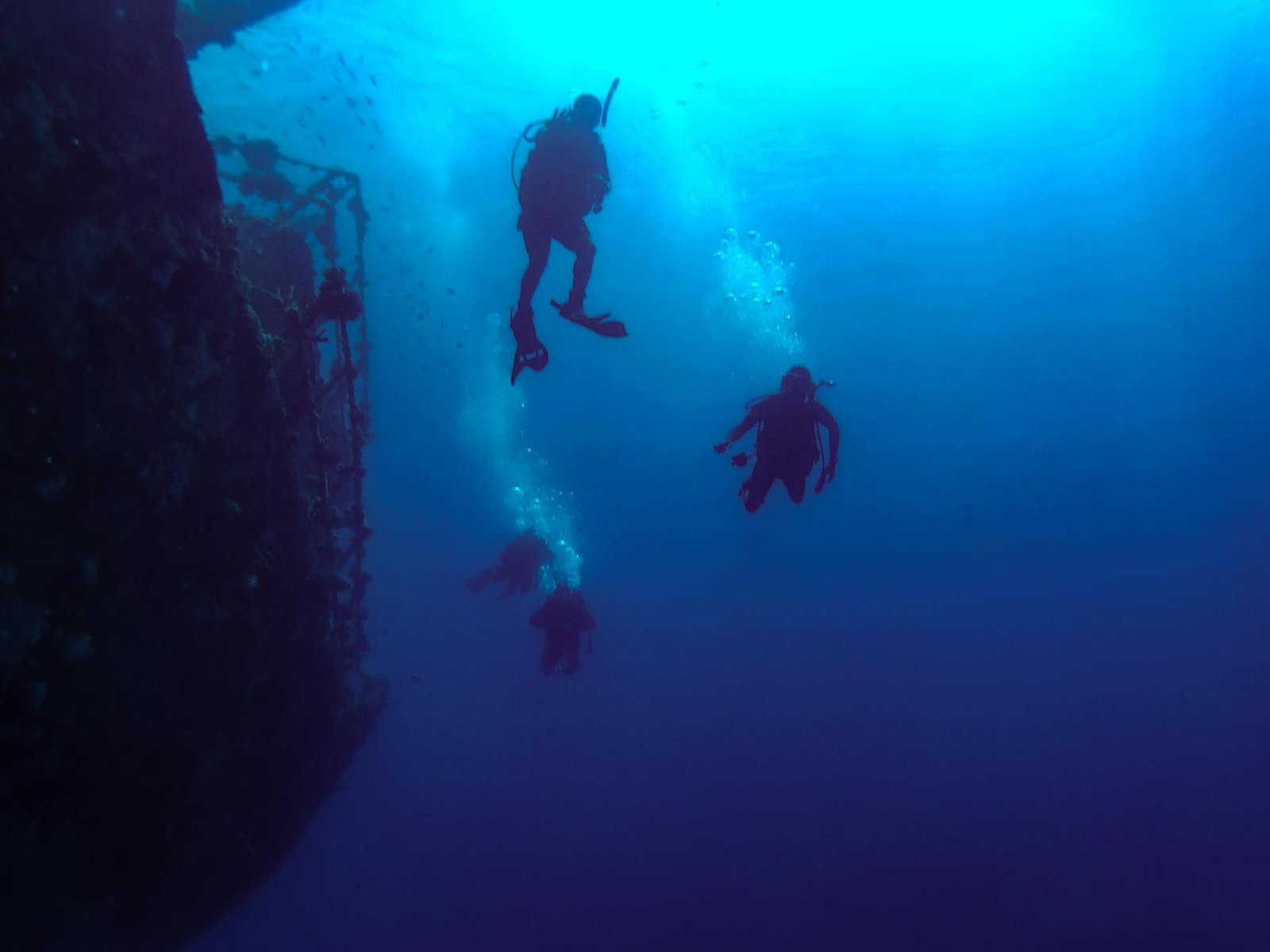
- Training and Experience: Always dive within the limits of one’s certification and experience. Do not attempt wreck penetration without proper training and equipment.
- Buoyancy Control: Excellent buoyancy control is critical to avoid stirring up silt inside wrecks, which can drastically reduce visibility, and to prevent accidental contact with fragile artifacts or sharp metal.
- Gas Management: Plan dives meticulously, monitoring bottom time and gas consumption to avoid exceeding no-decompression limits. For deeper or penetration dives, proper gas planning and redundant air sources are essential.
- Buddy System: Always dive with a buddy, especially when exploring wrecks. Communication and mutual support are vital. Solo diving is generally not permitted by operators.
- Unexploded Ordnance (UXO): Many wrecks still contain unexploded ordnance. Divers must never touch, disturb, or attempt to remove any artifacts, particularly bombs, shells, or other military hardware. These are war graves and should be treated with the utmost respect.
- Environmental Awareness: The wrecks are protected historical monuments and marine habitats. Divers are encouraged to follow responsible diving practices, minimizing contact with the wrecks and marine life, and taking only photographs and memories.
- Medical Preparedness: Ensure up-to-date dive insurance, including coverage for emergency evacuation and hyperbaric treatment, as medical facilities in remote locations can be limited.
Personal Insights from the Depths of Truk Lagoon
As dive masters, we often reflect on the unique privilege of guiding divers through Truk Lagoon. There is a palpable sense of history that permeates these waters. We have seen divers, initially focused on the sheer scale of the wrecks, become deeply moved by the personal effects discovered within – a pair of boots, a medicine bottle, or a mess kit. These small items serve as poignant reminders of the human stories behind the steel. The transformation of these instruments of war into vibrant ecosystems is a powerful testament to nature’s resilience. Witnessing a school of jacks swirling around a coral-encrusted anti-aircraft gun, or spotting a shy nudibranch on a rusted porthole, encapsulates the duality of Truk Lagoon – a place of both profound tragedy and breathtaking beauty. It is a destination that challenges divers to hone their skills, expands their historical understanding, and leaves an indelible mark on their diving journey.
Conclusion: Your Journey to the Heart of Wreck Diving
Wreck diving in Truk Lagoon Micronesia offers an unparalleled adventure, a journey through time where the remnants of a bygone era are reclaimed by the vibrant life of the ocean. It is a destination that caters to a range of diving abilities, from experienced recreational divers exploring shallower decks to technical divers delving into the deepest holds. The historical significance, coupled with the astonishing biodiversity, creates an experience that is both humbling and exhilarating.
For any scuba diving enthusiast seeking to combine a passion for exploration with a deep appreciation for history and marine life, Truk Lagoon stands as a definitive bucket-list destination. Prepare to be captivated by the Ghost Fleet, to witness history preserved, and to become part of the ongoing story of this extraordinary underwater museum. Begin planning your expedition to Truk Lagoon today, and prepare for an unforgettable dive into the heart of the Pacific.
Frequently Asked Questions
What certification level is required for wreck diving in Truk Lagoon?
For most wrecks in Truk Lagoon, an Advanced Open Water certification (or equivalent) with a minimum of 50 logged dives is generally required. A Deep Diver Specialty certification is highly recommended, and for wreck penetration, a Wreck Diver Specialty is essential.
What is the best time of year to visit Truk Lagoon for diving?
While diving is possible year-round, the dry season from December to April offers the best conditions, with calm seas, excellent visibility (often 12-30 meters / 40-100 feet), and warm water temperatures (28-30°C / 82-86°F).
Are there any safety concerns specific to Truk Lagoon wrecks?
Yes, divers must be aware of potential hazards such as sharp metal edges, entanglement risks, and the presence of unexploded ordnance. Excellent buoyancy control is crucial, and divers should never touch or disturb artifacts. Always dive with a buddy and within your training limits.
What kind of marine life can be seen on the wrecks?
The wrecks are vibrant artificial reefs, home to extensive soft and hard corals, sponges, and a wide variety of fish. Divers frequently encounter schools of jacks, barracudas, snappers, and a rich macro life including nudibranchs. Reef sharks and rays are also occasionally spotted.
Related Adventures
- Philippines Whale Sharks: Your Ultimate Guide to Diving with Gentle Giants
- Guadalupe Island: The Ultimate Guide to Diving with Great White Sharks
- Diving Sipadan Island: An Unforgettable Journey into a Marine Masterpiece
⚠️ Safety Notice: This content is for informational purposes only. Always consult local guides and operators, verify current conditions, and ensure appropriate skills and certifications before any outdoor activity. DiveBikeHike is not responsible for injuries or incidents.