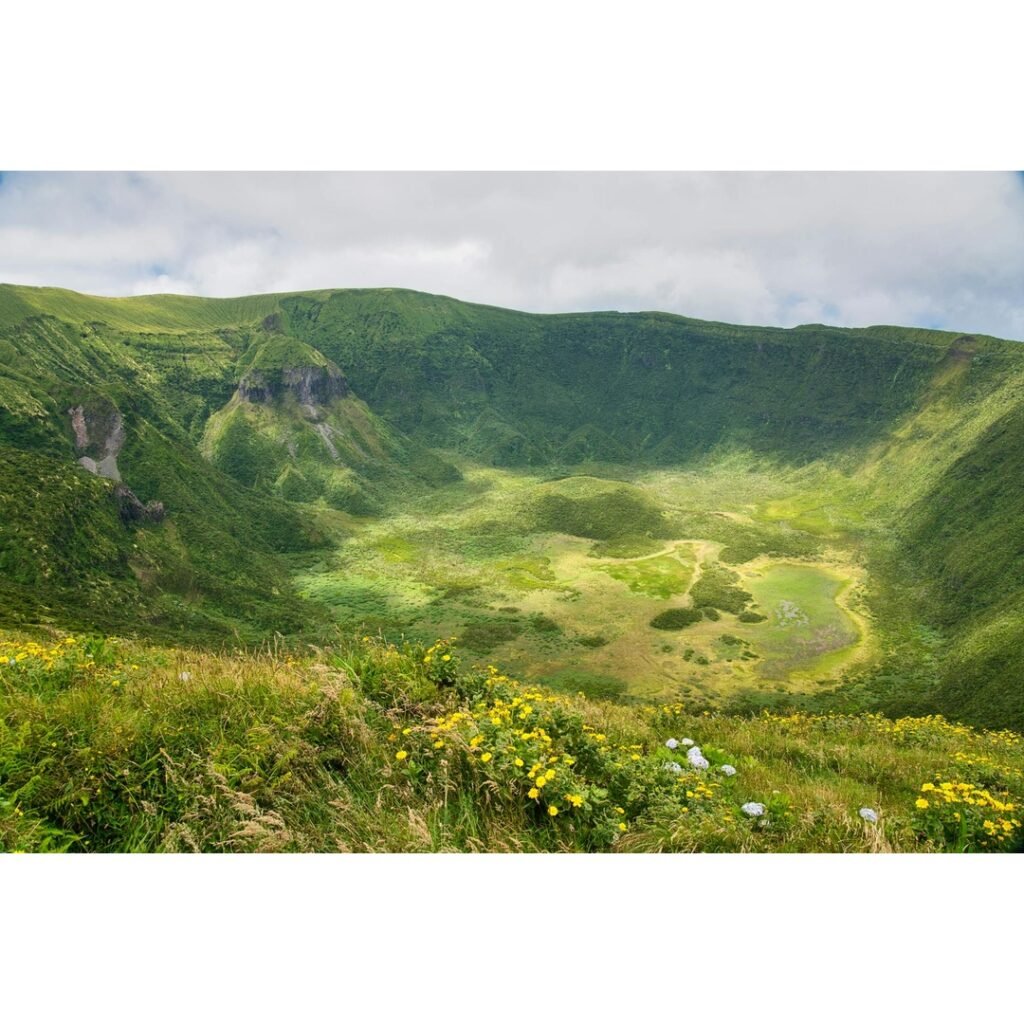
Imagine a place where emerald green hills tumble into the deep blue of the Atlantic, where mist-shrouded calderas cradle serene lakes, and the very ground beneath your feet whispers tales of creation and raw geological power. This is the Azores, Portugal’s archipelago of nine volcanic islands, a true Eden for the hiking enthusiast seeking an intimate connection with nature’s grandeur. Far from the well-trodden paths of mainland Europe, the Azores offer a tapestry of trails that challenge the body, soothe the soul, and ignite the spirit of adventure.
For those who yearn to explore landscapes shaped by millennia of volcanic activity, where every vista is a postcard-perfect scene, the Azores stand as an unparalleled destination. From the dramatic peaks of Pico to the lush valleys of Flores, these islands promise an immersive journey into a world where the wild heart of the Earth beats strong. This guide, crafted from countless miles on Azorean soil, invites you to prepare for an experience that transcends mere hiking—it’s an exploration of primal beauty.
The Volcanic Heartbeat: Why the Azores are a Hiker’s Paradise
The Azores archipelago is a geological marvel, situated atop the Mid-Atlantic Ridge where three tectonic plates converge. This unique position has gifted the islands with an extraordinary diversity of landscapes: towering stratovolcanoes, ancient calderas, geothermal hot springs, lava fields, and fertile valleys. Each of the nine islands—São Miguel, Santa Maria, Terceira, Graciosa, São Jorge, Pico, Faial, Flores, and Corvo—possesses its own distinct character, offering a varied palette of hiking experiences.
What truly sets Azorean trails apart is their ability to transport hikers through multiple ecosystems within a single journey. One might begin a trek amidst dense, endemic laurisilva forests, ascend to a barren, lunar-like volcanic peak, and descend to a coastal fajã—a fertile plain formed by ancient lava flows or landslides—all before sunset. The ever-present ocean provides a dramatic backdrop, its vastness emphasizing the isolation and wildness of these Atlantic outposts. The microclimates are legendary, offering sudden shifts from sunshine to mist, adding an element of mystique and constant discovery to every step.
Island by Island: A Glimpse into the Azores’ Best Trails
São Miguel: The Green Island
As the largest and most populated island, São Miguel offers a fantastic introduction to Azorean hiking, boasting a network of well-maintained trails.
- Lagoa do Fogo Trail (PRC02SMI): This challenging 11 km (7 miles) circular route descends from a mountain pass to the pristine shores of Lagoa do Fogo, a stunning crater lake nestled within a nature reserve. The views from the rim are breathtaking, and the descent through lush vegetation to the secluded beach is incredibly rewarding.
- Sete Cidades Trails (e.g., PRC03SMI, PR04SMI): The iconic twin lakes of Sete Cidades are best explored on foot. The Vista do Rei (PRC03SMI) offers panoramic views along the caldera rim, while other trails lead down into the caldera itself, allowing for an intimate experience with the mythical blue and green lakes.
- Salto do Prego (PRC37SMI): A moderate 4.5 km (2.8 miles) loop through a dense forest, culminating in a refreshing swim beneath the Salto do Prego waterfall. It’s an excellent choice for a half-day adventure, combining natural beauty with a touch of cultural insight into traditional Azorean village life.
Pico: The Mountain Island
Home to Portugal’s highest peak, Pico is a must-visit for serious hikers.
- Mount Pico Ascent (PRC01PIC): The ascent of Mount Pico (2,351m / 7,713 ft) is a strenuous 7.6 km (4.7 miles) out-and-back trail, often taking 6-8 hours. The reward is an unparalleled 360-degree view of the central group of islands, especially magical at sunrise or sunset. A guide is mandatory for summiting the “Piquinho” crater, and permits must be obtained in advance.
Faial: The Blue Island
Faial showcases the raw power of recent volcanic activity.
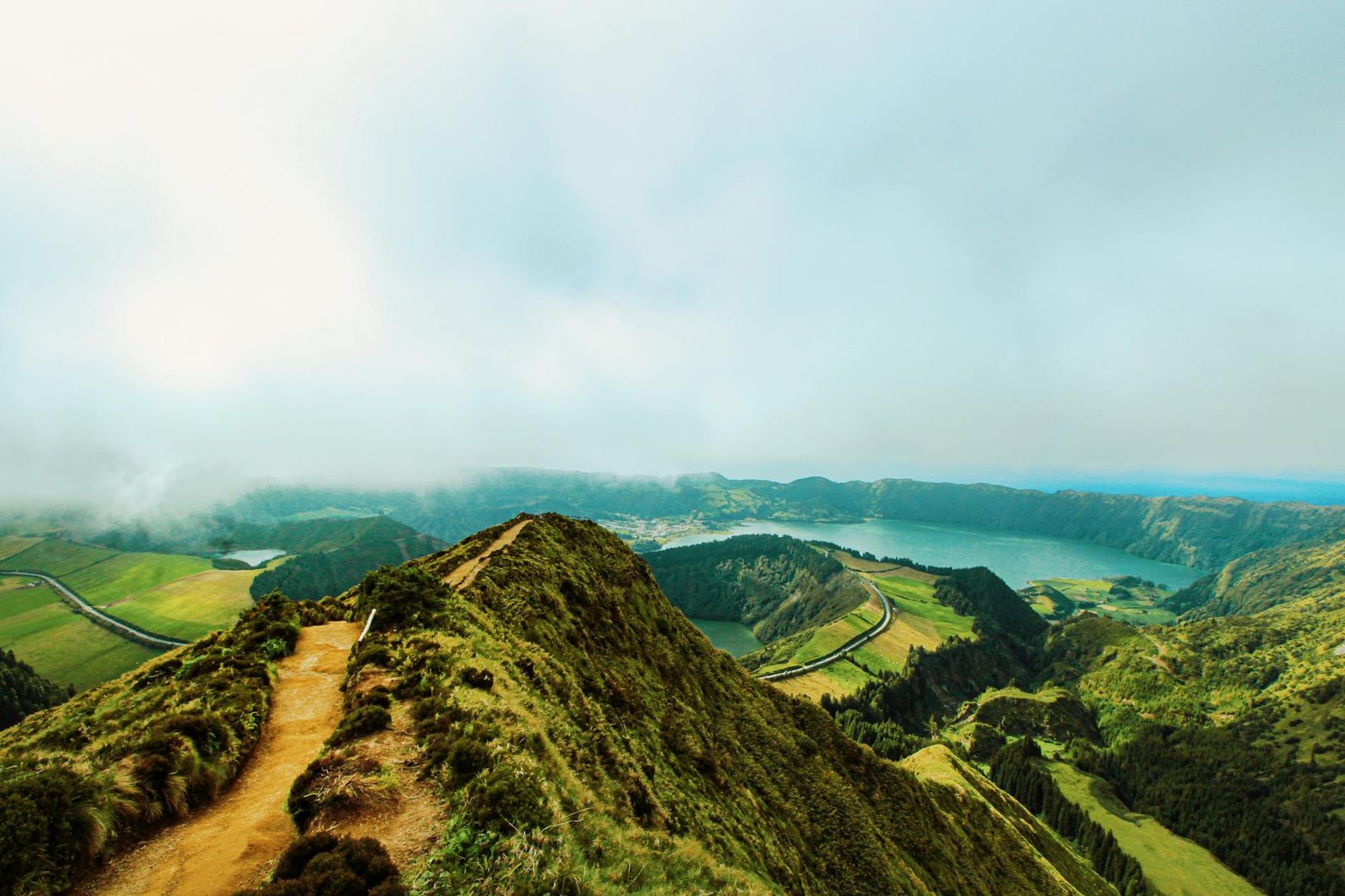
- Capelinhos Volcano Trail (PR06FAI): This moderate 10.5 km (6.5 miles) loop explores the dramatic, lunar landscape created by the 1957-58 Capelinhos eruption. Walking across newly formed land, with the lighthouse standing sentinel, offers a profound sense of geological time and resilience.
Terceira: The Lilac Island
Terceira blends history with unique geological formations.
- Misterios Negros (PRC01TER): A moderate 5 km (3.1 miles) circular trail through a landscape of ancient lava flows, black rocks, and endemic vegetation. It’s a journey into a mysterious, primordial forest, often shrouded in atmospheric mist.
São Jorge: The Dragon Island
São Jorge is famous for its dramatic cliffs and fertile fajãs.
- Fajã da Caldeira de Santo Cristo (PRC01SJO): This challenging 10 km (6.2 miles) point-to-point trail descends steeply from the central plateau to the remote and picturesque fajã of Santo Cristo, famous for its clams and tranquil lagoon. It’s a journey into a forgotten world, demanding good knee strength for the descent.
Santa Maria: The Yellow Island
The oldest island, Santa Maria, boasts distinct geology and golden beaches.
- Praia Formosa Coastal Trail (PRC03SMA): A moderate 7 km (4.3 miles) coastal walk offering stunning views of Praia Formosa, the island’s most famous sandy beach, and exploring the unique geological formations of Santa Maria’s cliffs.
Flores & Corvo: The Flower & Crow Islands
These westernmost islands are characterized by lush greenery, waterfalls, and serene calderas.
- Poço da Ribeira do Ferreiro (PRC03FLO): A short, easy 3.6 km (2.2 miles) loop on Flores, leading to an amphitheater of waterfalls cascading into a verdant basin—a truly enchanting and accessible natural wonder.
- Caldeirão (Corvo): While not a marked trail in the traditional sense, a visit to the Caldeirão (Corvo’s main crater) offers unparalleled views. A short walk from the viewpoint reveals the two small lakes within the vast caldera, a stunning testament to the island’s volcanic past.
Practical Tips and Actionable Advice
Preparation is key to a rewarding Azorean hiking adventure.
- Best Time to Visit: Spring (April-June) and Autumn (September-October) offer mild temperatures, fewer crowds, and vibrant flora. Summer (July-August) is popular but can be hot and prone to fog, especially at higher elevations. Winter (November-March) can be wet and windy, with some trails potentially closed due to conditions.
- What to Pack:
- Layered Clothing: The weather can change rapidly. A waterproof and windproof outer shell, a warm fleece, and quick-drying base layers are essential.
- Waterproof Hiking Boots: Non-negotiable. Trails can be muddy, rocky, and slippery. Ankle support is highly recommended.
- Backpack: Carry sufficient water (at least 2 liters per person for longer hikes), high-energy snacks, and a packed lunch.
- Sun Protection: Sunscreen, a wide-brimmed hat, and sunglasses are vital, even on cloudy days.
- Navigation Tools: A physical map, compass, and a reliable GPS device or offline maps on your phone (e.g., AllTrails, Wikiloc, Maps.me).
- First-Aid Kit: Blister plasters, antiseptic wipes, pain relievers, and any personal medications.
- Swimsuit & Towel: For spontaneous dips in natural pools or hot springs.
- Walking Poles: Highly beneficial for steep ascents and descents, especially on uneven terrain.
- Accommodation & Logistics: Book accommodations and inter-island flights/ferries well in advance, especially during peak season. Renting a car is almost essential for exploring the islands independently and accessing trailheads.
- Trail Etiquette: Always adhere to the “Leave No Trace” principles. Stay on marked paths to prevent erosion and protect fragile ecosystems. Pack out everything you pack in, including organic waste. Respect private property and local customs.
Navigation and Safety Considerations
Azorean trails are generally well-marked, but their wild nature demands respect and careful planning.
- Trail Markings: Most official trails are classified as PR (Pequena Rota – short route, usually under 30 km) or GR (Grande Rota – long route, multi-day treks). They are typically marked with red and yellow stripes on rocks, trees, or signposts. Pay attention to these markers to stay on course.
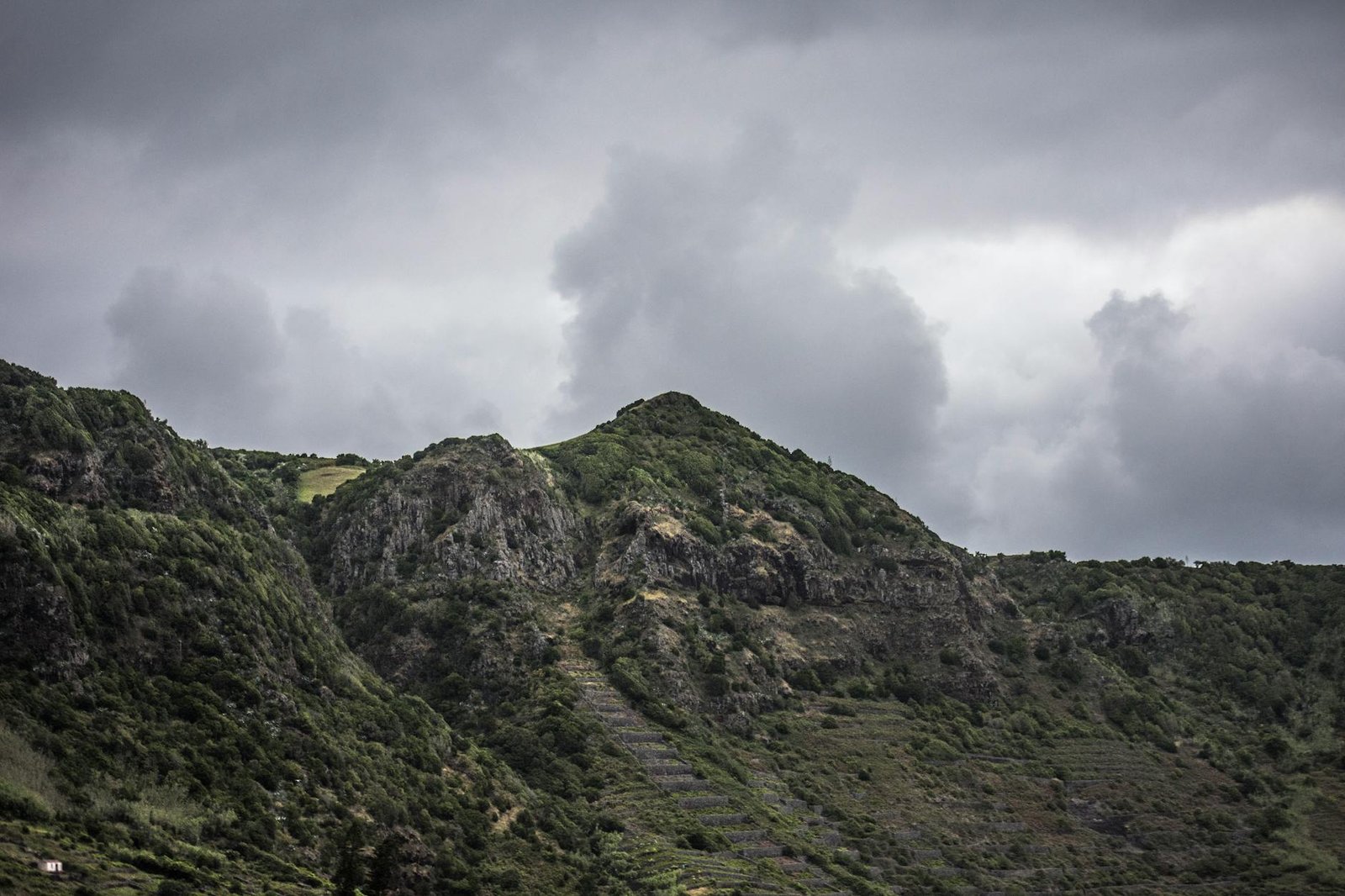
- Weather Volatility: The Atlantic climate means weather can shift dramatically and quickly. Fog can roll in, reducing visibility to mere meters, and sudden downpours are common. Always check the local forecast before heading out, but be prepared for anything. If visibility drops significantly, consider turning back.
- Terrain Challenges: Expect varied terrain, from smooth dirt paths to rocky ascents, slippery mud, and steep, exposed coastal tracks. Some trails feature significant elevation changes. Assess your fitness level honestly and choose trails accordingly.
- Emergency Preparedness:
- Inform Someone: Always let someone know your hiking plans, including your chosen trail, estimated duration, and expected return time.
- Fully Charged Phone: Carry a fully charged mobile phone and a power bank. While signal can be spotty in remote areas, it’s crucial for emergencies.
- Emergency Numbers: The European emergency number is 112.
- Don’t Hike Alone on Challenging Trails: For more strenuous or remote routes, it’s always safer to hike with a companion.
Personal Insights from the Trails
As experienced hikers, we have traversed countless landscapes, but the Azores hold a unique place in our memories. We recall the crisp, clean air on the ascent of Mount Pico, the vastness of the Atlantic stretching beneath a sky painted with dawn’s first light, the other islands appearing as faint shadows on the horizon. The challenge was immense, but the reward—a feeling of standing atop a primordial world—was profound.
We discovered the serene descent into a fajã on São Jorge, where time seemed to slow, and the rhythm of the ocean was the only clock. The vibrant greens of the endemic forests, the earthy scent of damp soil, and the sudden appearance of a cascading waterfall—these moments are etched into our minds. We learned that Azorean hiking is not just about reaching a destination; it’s about the journey itself, the sensory immersion, and the deep connection forged with a landscape that feels both ancient and alive.
There is a raw, untamed beauty to these islands that speaks to the soul. The trails are not manicured paths but rather conduits into the very heart of the Earth. From the dramatic cliffs where shearwaters nest to the tranquil crater lakes reflecting an ever-changing sky, every step is a reminder of nature’s incredible power and resilience. It is a place where one can truly disconnect from the modern world and reconnect with the primal rhythm of the planet.
Environmental Stewardship: Protecting This Paradise
The Azores’ delicate ecosystems are precious and vulnerable. As hikers, we bear a responsibility to minimize our impact and contribute to their preservation.
- Stay on Marked Trails: This is paramount. Venturing off-trail can lead to erosion, damage fragile plant life, and disturb wildlife.
- Pack Out All Trash: Leave no trace. This includes fruit peels and other organic waste, which can take a long time to decompose and disrupt local ecosystems.
- Do Not Disturb Wildlife: Observe animals from a distance. Do not feed them or interfere with their natural behaviors.
- Respect Natural Resources: Do not collect rocks, plants, or any other natural elements. Leave them for others to enjoy and for the ecosystem to thrive.
- Support Local & Sustainable Tourism: Choose local guides, accommodations, and businesses that demonstrate a commitment to environmental protection and community well-being.
Conclusion
The Azores are more than just a collection of islands; they are a living, breathing testament to the Earth’s dynamic power, a sanctuary for those who seek adventure and solace in nature. The trails here offer an unparalleled opportunity to explore volcanic landscapes, discover unique flora and fauna, and push personal boundaries. Each island presents its own distinct challenges and rewards, promising an experience that is as diverse as it is unforgettable.
Are you ready to answer the call of these volcanic trails? To breathe the clean Atlantic air, feel the ancient earth beneath your boots, and witness panoramas that stretch to the edge of the world? Pack your bags, lace up your boots, and prepare for an adventure that will forever change your perception of nature’s power and beauty. The Azores await, ready to reveal their wild heart to those who dare to explore.
⚠️ Safety Notice: This content is for informational purposes only. Always consult local guides and operators, verify current conditions, and ensure appropriate skills and certifications before any outdoor activity. DiveBikeHike is not responsible for injuries or incidents.