The call of the mountains resonates deeply with every true cyclist, a primal urge to conquer peaks and carve lines through untamed landscapes. But imagine a mountain range where ancient cultures thrive amidst towering summits, where the trails are centuries-old mule tracks, and the hospitality of the locals is as warm as the desert sun. Welcome to the Atlas Mountains of Morocco, a destination that promises not just a mountain biking trip, but an expedition into the heart of adventure and discovery.
For those seeking to truly push their limits and immerse themselves in a landscape unlike any other, the Atlas Mountains offer an unparalleled experience. It’s a journey that combines heart-pounding descents and lung-busting climbs with breathtaking vistas and profound cultural encounters. This isn’t your average bike park; it’s an arena where raw nature meets ancient history, and every pedal stroke tells a story.
Why the Atlas Mountains for Mountain Biking?
The Atlas Mountains present a unique confluence of factors that make them a prime destination for mountain biking enthusiasts. Firstly, the sheer scale and diversity of the terrain are astonishing. From the snow-capped giants of the High Atlas to the arid, dramatic canyons of the Anti-Atlas, the landscape is constantly evolving, offering a fresh challenge around every bend.
Secondly, the trails themselves are a revelation. Many are historic mule tracks, carved by generations of Berber villagers connecting remote settlements. These aren’t manicured paths; they are rugged, technical, and often unpredictable, demanding precision and resilience. This organic trail network provides an authentic riding experience, far removed from purpose-built trails.
Finally, and perhaps most compellingly, is the cultural immersion. Unlike many remote mountain biking destinations, the Atlas Mountains are home to a vibrant, ancient culture. Riders frequently pass through traditional Berber villages, interact with locals, and experience hospitality that is both genuine and heartwarming. This human element elevates the journey from a mere sporting endeavor to a rich cultural exchange.
Navigating the Atlas: Key Regions and Routes
The Atlas Mountains span a vast area, but several regions stand out for their mountain biking potential:
The High Atlas: Peaks and Valleys Near Marrakech
- Imlil and Toubkal National Park: Often considered the heart of Moroccan mountain biking, the area around Imlil, a picturesque village nestled at the foot of Mount Toubkal (North Africa’s highest peak), offers an incredible network of trails. Riders can tackle challenging climbs towards high mountain passes like Tizi n’Mzik (2,489m) or Tizi n’Tacht (2,000m), followed by exhilarating, rocky descents into verdant valleys. Popular routes include the circuit around the Azzaden Valley or multi-day treks linking several villages. Alex Trail recounts that some of the most technical and rewarding singletrack can be found descending from these high passes, demanding full attention and precise bike handling.
- Ourika Valley: South of Marrakech, this valley offers a slightly less extreme but equally beautiful riding experience, characterized by lush riverbeds, terraced fields, and traditional Berber villages. It’s an excellent option for those looking for a mix of scenic riding and cultural stops.
- Tizi n’Tichka Pass: While the main road is paved, the surrounding area and old mule tracks offer incredible high-altitude riding with panoramic views, connecting the Marrakech plains to the desert regions.
The Anti-Atlas and Jebel Saghro: Desert Frontiers
- Jebel Saghro Massif: Southeast of the High Atlas, this region offers a starkly different landscape. Here, the mountains are more arid, characterized by dramatic rock formations, deep gorges, and a lunar-like appearance. Riding here often involves wider, rocky tracks, but the sense of remote adventure is immense. It’s particularly appealing in winter when the High Atlas can be snowbound. This experienced cyclist often highlights the unique beauty of the Saghro, where the starkness of the landscape is punctuated by surprising oases and ancient kasbahs like Ait Benhaddou on the fringes.
- Dades Gorges and Todra Gorges: While famous for their dramatic canyon roads, the surrounding areas offer incredible off-road opportunities, traversing high plateaus and ancient nomadic routes.
The Terrain: A Rider’s Challenge and Reward
Mountain biking in the Atlas Mountains is not for the faint of heart. The terrain is relentlessly demanding, testing both physical endurance and technical skill:
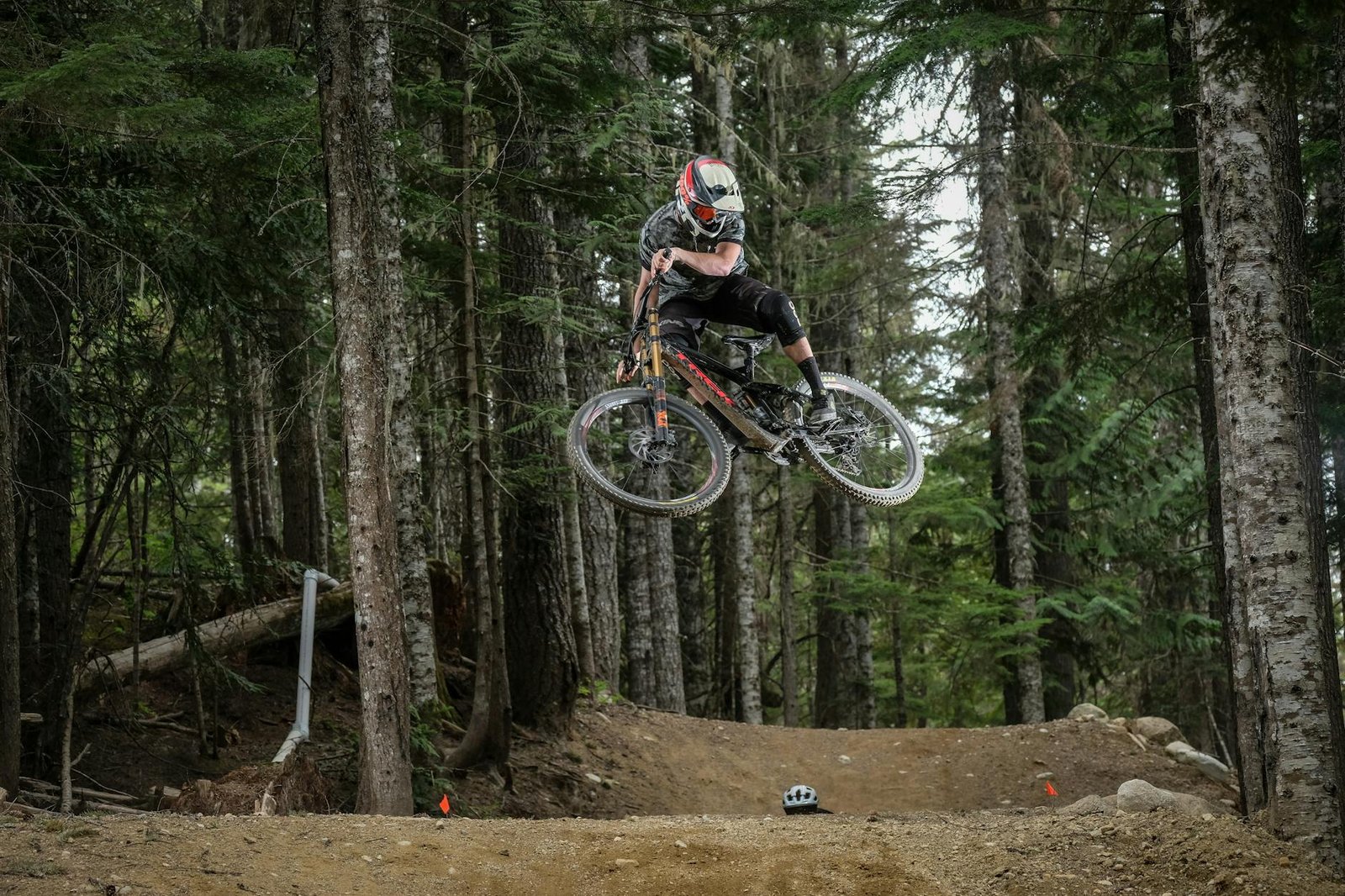
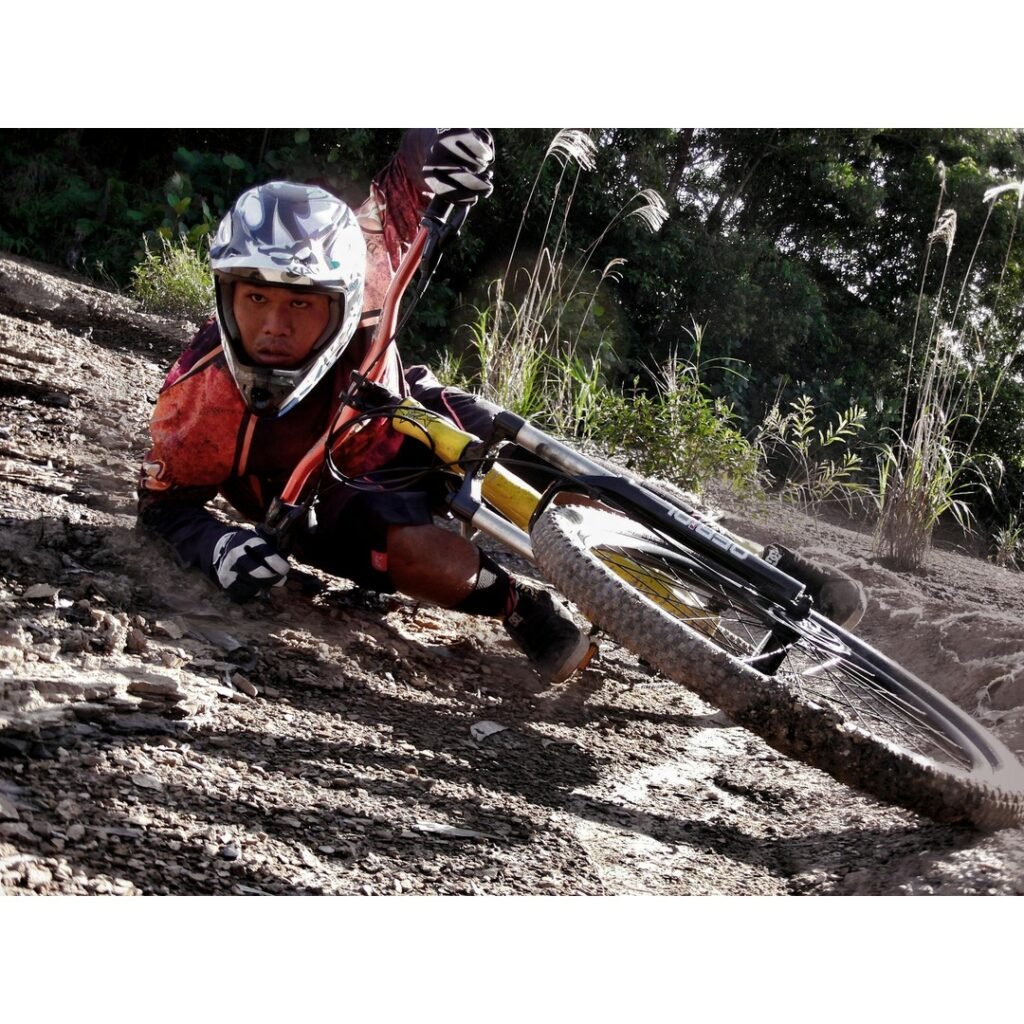
- Rocky Ascents and Descents: Expect a lot of loose rock, embedded rock, and technical boulder fields. Climbs can be steep and sustained, often requiring careful line choice and powerful legwork. Descents are fast, often gnarly, and require excellent braking control and body positioning. Alex Trail often emphasizes the importance of looking far ahead and choosing your line carefully to maintain flow and momentum over the relentless rock gardens.
- Altitude: Many routes venture above 2,000 meters (6,500 feet), with some passes exceeding 3,000 meters (10,000 feet). The thinner air will undoubtedly affect performance, especially on climbs. Proper acclimatization is crucial.
- Weather Variability: Despite Morocco’s reputation, the mountains can experience extreme weather. Summers are hot, but winters can bring snow and freezing temperatures, especially at higher elevations. Spring and autumn offer the most stable and pleasant conditions.
- River Crossings: Depending on the season and recent rainfall, riders may encounter numerous river crossings, adding another layer of adventure and requiring careful navigation.
Cultural Immersion on Two Wheels
Beyond the physical challenge, the Atlas Mountains offer a profound cultural experience. Riders will encounter traditional Berber life, largely unchanged for centuries. Passing through remote villages, the sight of children waving, farmers tending their fields, and women carrying loads provides a powerful connection to the land and its people.
Hospitality is a cornerstone of Berber culture. It’s not uncommon to be invited for a glass of mint tea, a gesture of welcome that often leads to fascinating conversations (even with language barriers). Meals in guesthouses or with local families typically consist of delicious tagines and couscous, prepared with fresh, local ingredients. This experienced cyclist often recalls the simple joy of sharing a meal with a Berber family after a long day on the trails, a memory as vivid as any epic descent.
Essential Logistics for Your Atlas Adventure
Guided vs. Self-Guided
While adventurous spirits might consider self-guiding, a local guide is highly recommended, especially for multi-day trips into remote areas. Guides offer:
- Navigation Expertise: The trail network can be complex and unmarked.
- Safety: Knowledge of local conditions, weather, and emergency protocols.
- Cultural Insight: Facilitating interactions with locals and understanding customs.
- Logistics: Arranging accommodation, food, and luggage transfers with mule support.
Accommodation and Food
Expect a mix of traditional gîtes (guesthouses) in villages, often basic but comfortable, offering a true taste of local life. Some trips might involve wild camping in spectacular locations. Food is generally wholesome and delicious, focusing on local staples. Remember to carry sufficient water and snacks for daily rides.
Best Time to Visit
The shoulder seasons of spring (March to May) and autumn (September to November) are ideal. During these periods, temperatures are pleasant, and the risk of extreme weather (snow or intense heat) is minimized. Summer can be extremely hot, while winter can bring heavy snow to higher elevations, though the Anti-Atlas remains rideable.
Gearing Up: The Right Tools for the Job
Success in the Atlas Mountains heavily depends on the right equipment. This is not the place for flimsy components or ill-suited bikes.
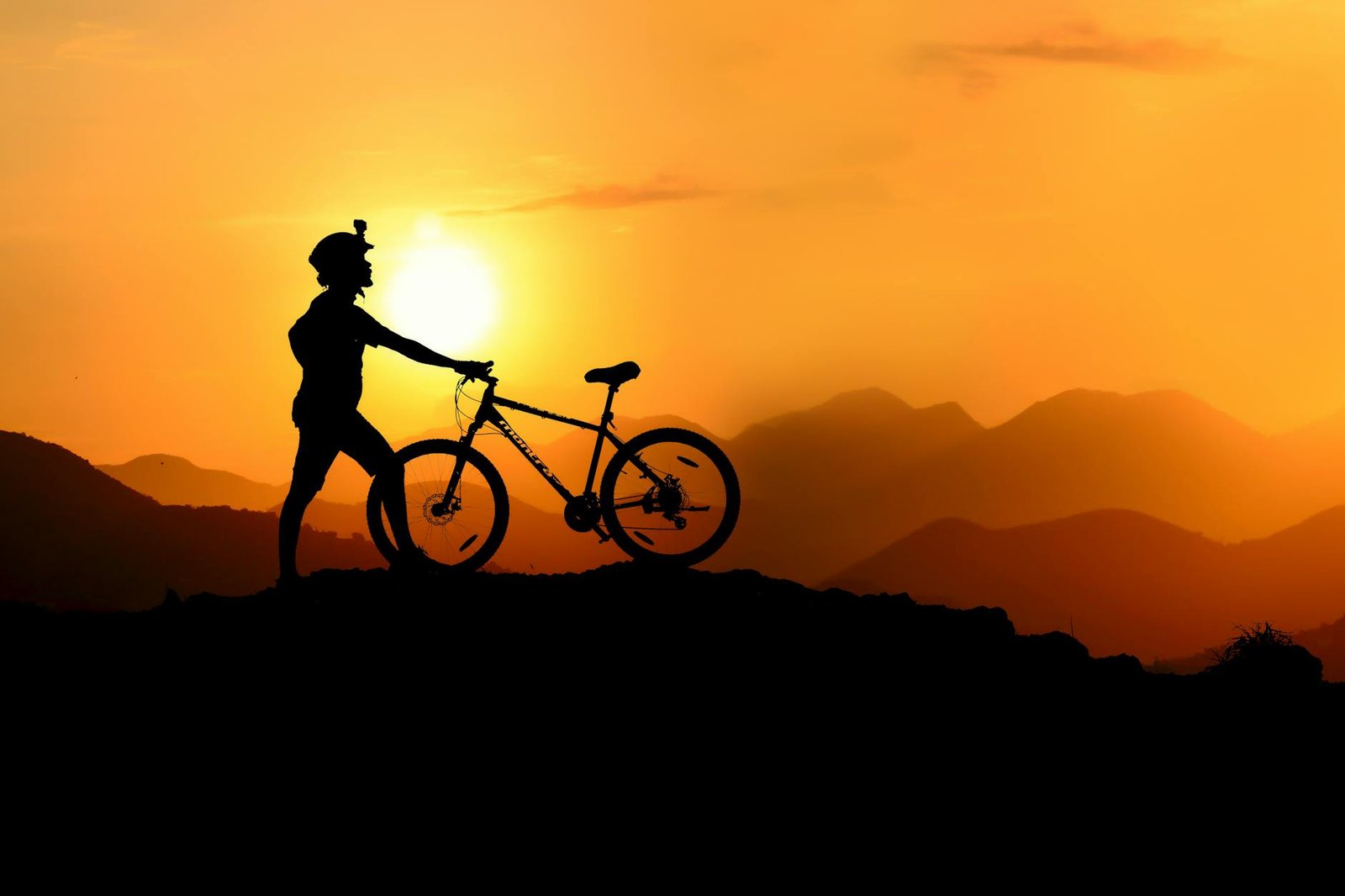
Bike Choice and Setup
- Full-Suspension Trail/Enduro Bike: A robust full-suspension bike with 130-160mm of travel is highly recommended. The rocky, technical terrain demands excellent suspension to absorb impacts and maintain control. Alex Trail often advises setting up suspension with a slightly firmer feel to handle the constant impacts without bottoming out.
- Robust Tires: Opt for aggressive, high-volume tires (2.3-2.6 inches) with strong sidewall protection and a durable compound. Tubeless setup is essential to prevent pinch flats on the rocky trails. Consider tire inserts for added protection.
- Powerful Brakes: Four-piston hydraulic disc brakes with large rotors (180mm minimum, 200mm preferred) are crucial for consistent stopping power on long, steep descents.
- Wide-Range Gearing: A 1x drivetrain with a wide gear range (e.g., 10-50T or 10-52T cassette) is invaluable for tackling the steep, sustained climbs.
- Dropper Post: Absolutely indispensable for navigating the varied terrain and technical descents.
Essential Gear and Packing
- Helmet and Protection: A well-fitting helmet is non-negotiable. Consider knee and elbow pads for added protection on technical sections.
- Hydration Pack: Carry at least 2-3 liters of water, as refill points can be scarce.
- Layered Clothing: Even on sunny days, temperatures can fluctuate dramatically. Pack moisture-wicking layers, a waterproof/windproof jacket, and warm layers for evenings.
- Repair Kit: Comprehensive kit including spare tubes (even if tubeless), tire levers, pump, multi-tool, chain quick link, zip ties, duct tape, and a spare derailleur hanger.
- First Aid Kit: Basic supplies for cuts, blisters, and pain relief.
- Navigation: GPS device or smartphone with offline maps (e.g., Trailforks, Komoot) is crucial, even with a guide, for personal reference.
- Sun Protection: Sunscreen, sunglasses, and a wide-brimmed hat for off-bike excursions.
- Cash: Small Moroccan Dirhams for purchases in villages.
Training and Technical Mastery for the Atlas
To truly enjoy and safely navigate the Atlas Mountains, riders should prepare adequately.
Physical Fitness
- Endurance: Focus on long rides with sustained climbs to build cardiovascular fitness.
- Strength: Core strength is vital for bike control, and leg strength for powerful climbing. Off-bike training like squats, lunges, and planks will pay dividends.
- Altitude Acclimatization: If possible, spend a day or two at higher elevation before tackling strenuous rides. Stay hydrated and avoid overexertion on the first few days.
Technical Skills
- Rock Gardens: Practice riding over varied rocky terrain, maintaining momentum and choosing efficient lines. Alex Trail often advises a relaxed grip and letting the bike move beneath you.
- Steep Climbs: Develop efficient climbing techniques, including weight distribution and consistent cadence.
- Technical Descents: Master body position, brake modulation, and cornering on loose, steep terrain. The Atlas trails demand a confident, controlled approach to descents.
- Switchbacks: Many trails feature tight, rocky switchbacks, requiring precise turns and sometimes a track stand or pivot.
Alex Trail’s Insights: Tales from the Trail
This experienced cyclist, Alex Trail, often speaks of the Atlas Mountains as a place where the bike becomes an extension of one’s spirit, navigating challenges that forge unforgettable memories. One particularly vivid recollection involves a multi-day traverse through the Central High Atlas, climbing towards a remote pass. The ascent was relentless, with loose scree and rocky steps demanding every ounce of strength and focus. Alex Trail recalls a moment of near exhaustion, only to be revitalized by the sudden appearance of a shepherd, who, with a warm smile, offered a small cup of sweet mint tea. That simple act of hospitality, high in the desolate mountains, was a powerful reminder of the human connection inherent in this adventure.
On another occasion, descending a particularly gnarly section near the Azzaden Valley, the trail transformed into a series of steep, rocky staircases. Alex Trail describes the intense concentration required, feathering the brakes, shifting body weight, and trusting the bike to roll through the chaos. The feeling of accomplishment upon reaching the valley floor, with tired but exhilarated muscles, was immense. It was a testament to both physical conditioning and the technical prowess honed over years of riding.
The vibrant colors of the landscape – the ochre earth, the deep green of juniper trees, the brilliant blue sky – are etched into Alex Trail’s memory, as are the sounds of distant calls to prayer echoing through the valleys at dusk. These sensory details, combined with the physical exertion and cultural encounters, contribute to an experience that transcends mere sport.
Conclusion: Your Atlas Adventure Awaits
Mountain biking in Morocco’s Atlas Mountains is more than just a ride; it’s an epic journey that challenges, inspires, and transforms. It’s an opportunity to test your limits against a backdrop of breathtaking natural beauty and ancient culture. From the rugged peaks of the High Atlas to the stark beauty of the Anti-Atlas, every trail offers a story, every village a welcome, and every pedal stroke a deeper connection to this extraordinary land.
For those ready to trade the familiar for the extraordinary, to swap groomed trails for ancient mule tracks, and to embrace the unexpected with an open heart and a sturdy bike, the Atlas Mountains beckon. Start planning your adventure today – the mountains are calling, and a truly unforgettable experience awaits.
⚠️ Safety Notice: This content is for informational purposes only. Always consult local guides and operators, verify current conditions, and ensure appropriate skills and certifications before any outdoor activity. DiveBikeHike is not responsible for injuries or incidents.