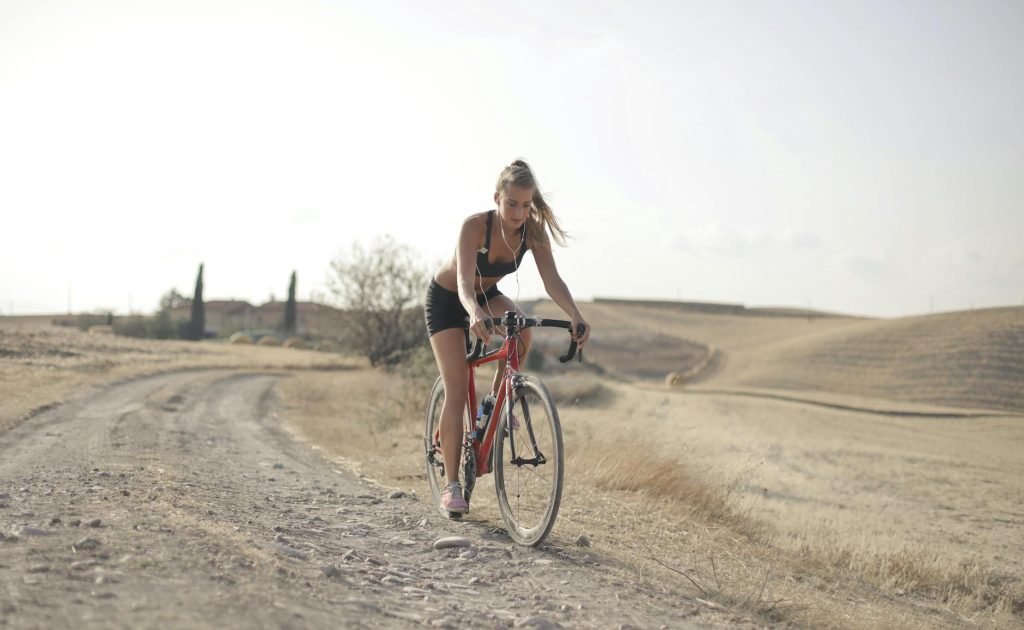
Imagine the crunch of gravel beneath your tires, the crisp, thin air filling your lungs, and a panoramic vista of snow-capped volcanoes stretching to the horizon. This isn’t a dream; it’s the reality of gravel biking in Ecuador’s breathtaking highlands. For those seeking an adventure that blends raw physical challenge with profound cultural immersion and jaw-dropping natural beauty, the Ecuadorian Andes present an unparalleled frontier.
From the bustling energy of Quito to the serene, ancient paths linking indigenous communities, every pedal stroke in this land is a journey through time and terrain. Alex Trail, an experienced cyclist who has explored these high-altitude routes, consistently emphasizes that this is more than just a bike trip; it’s an expedition into the heart of South America, a test of endurance, and a feast for the senses. Prepare to elevate your gravel game, both literally and figuratively, as we delve into what makes Ecuador’s highlands a world-class destination for two-wheeled exploration.
The Allure of the Andean Gravel
Why choose Ecuador for your next gravel adventure? The answer lies in its unique geographical tapestry. Nestled along the “Avenue of Volcanoes,” a spectacular corridor flanked by more than a dozen towering peaks, Ecuador offers an incredible diversity of riding surfaces. One moment, cyclists might be cruising on smooth, packed dirt roads through fertile valleys, the next they could be tackling rocky, technical ascents on ancient cobblestone paths or navigating muddy tracks through the high-altitude páramo.
The sheer scale of the landscape is awe-inspiring. Riders will find themselves dwarfed by giants like Cotopaxi and Chimborazo, their snow-capped summits piercing the clouds. Beyond the dramatic geology, the cultural richness of the highlands adds another layer to the experience. Passing through vibrant Quichua villages, witnessing traditional farming practices, and encountering friendly locals at bustling markets are daily occurrences that transform a bike ride into a deeply enriching cultural exchange. The high-altitude ecosystems also boast unique flora and fauna, adding a wild, untamed element to every route.
Navigating the High Country: Iconic Routes and Destinations
Ecuador’s highlands are crisscrossed with countless routes waiting to be discovered, but a few stand out as essential experiences for the gravel enthusiast:
The Quilotoa Loop
Often considered a highlight, the Quilotoa Loop is a multi-day journey that circumnavigates the stunning Quilotoa Crater Lake. This route offers a mix of challenging climbs, exhilarating descents, and breathtaking views, particularly as the iconic emerald-green lake comes into view. Riders will navigate a mosaic of paved roads, gravel tracks, and rougher dirt paths, passing through remote villages like Isinlivi and Chugchilán, where simple guesthouses offer warm hospitality. The varied terrain and constant elevation changes make this a true test of grit, but the reward of reaching the crater rim is unforgettable.
Cotopaxi National Park
For those drawn to the majesty of volcanoes, Cotopaxi National Park is a must-ride. The park’s well-maintained gravel roads wind through the vast páramo, offering unparalleled views of the perfectly conical Cotopaxi volcano. While reaching the refuge on the volcano itself is often restricted to guided tours or specific vehicles, the surrounding trails provide ample opportunity for exploration. Cycling through this stark, beautiful landscape, with wild horses roaming and the volcano dominating the skyline, is an experience of profound solitude and grandeur.
Chimborazo Region
Venturing further south, the region around Chimborazo, Ecuador’s highest peak (and the point furthest from the Earth’s center due to the equatorial bulge), offers an even more extreme high-altitude challenge. The gravel roads here are rugged, and the air is thin, but the views are absolutely spectacular. Routes often involve riding through remote, high-alpine environments, testing both rider and machine. The raw, untamed beauty of this landscape is unmatched, offering a profound sense of accomplishment to those who conquer its climbs.
Preparing for Altitude: A Critical Factor
The most significant challenge when gravel biking in Ecuador’s highlands is undoubtedly the altitude. With many routes sitting consistently above 3,000 meters (10,000 feet) and often topping out over 4,000 meters (13,000 feet), the thinner air significantly impacts physical performance. Alex Trail stresses that proper acclimatization is not just recommended, it’s essential for a safe and enjoyable trip.
A sensible strategy involves spending a few days at a moderate elevation (like Quito, at 2,850 meters) before embarking on more strenuous rides. Gradual ascents, allowing for rest days or shorter rides at increasing elevations, help the body adapt. Staying well-hydrated and maintaining good nutrition are crucial, as the body works harder at altitude. For training, incorporating high-intensity interval training (HIIT) and long endurance rides can help improve cardiovascular fitness, while strength training builds resilience for those long climbs. Listening to your body and recognizing symptoms of altitude sickness are paramount; never push through severe headaches, nausea, or extreme fatigue.
The Right Steed: Gear and Bike Setup
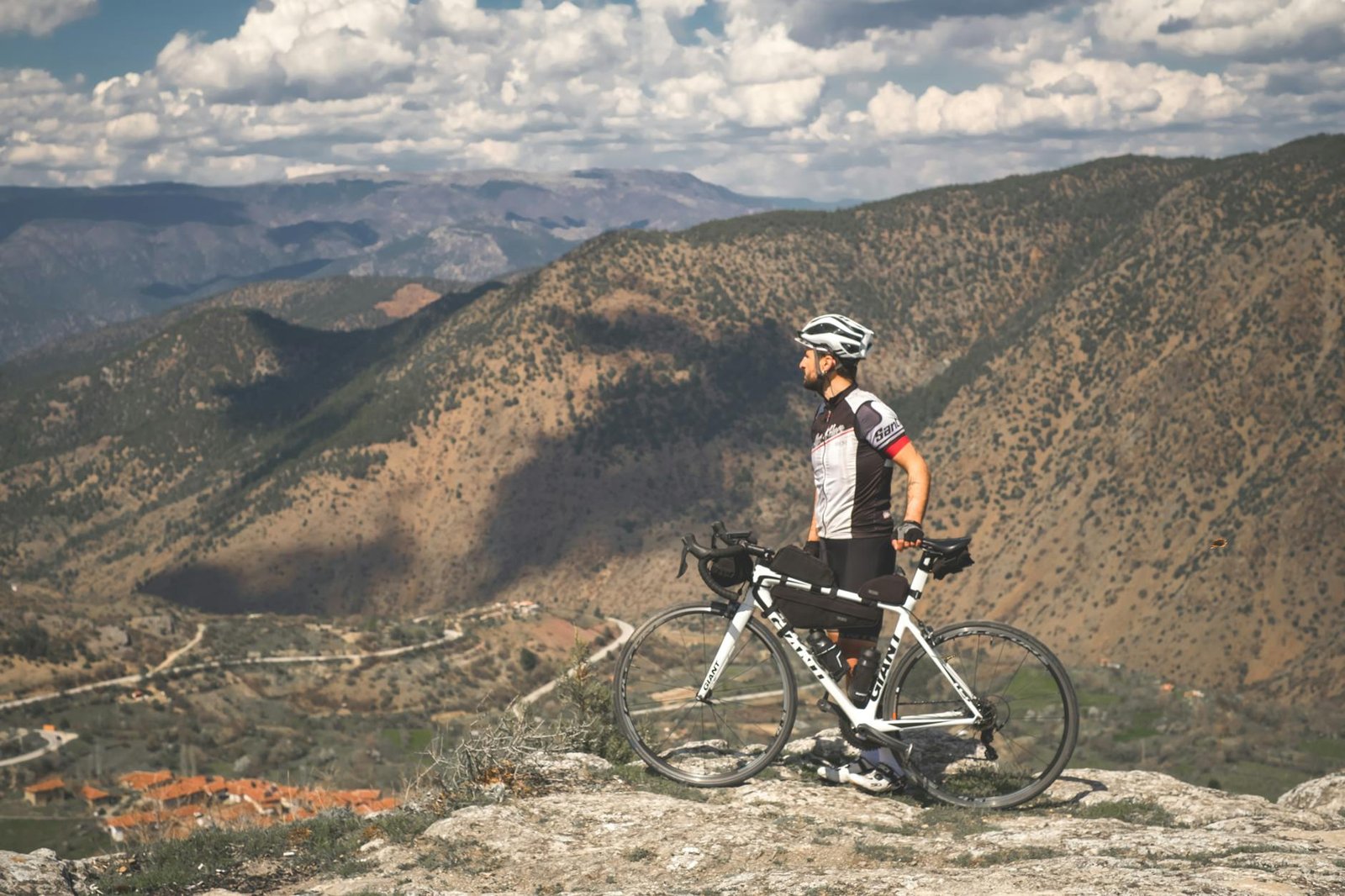
Your gravel bike is your trusted companion on these challenging routes, and a thoughtful setup is key. A durable gravel bike with robust components is ideal. Look for generous tire clearance, allowing for tires in the 40-50mm range. These wider tires, preferably set up tubeless, offer crucial comfort, traction, and puncture resistance on varied surfaces – from loose gravel and rocky sections to occasional mud. The Andes are not the place for flimsy tires.
Gearing is another critical consideration. Given the relentless climbs, a wide-range cassette (e.g., 10-50t or similar) paired with a small chainring (or two small chainrings if running a 2x setup) will be your best friend. Alex Trail often recommends a setup that allows for a very low climbing gear, emphasizing that “you’ll never regret having an easier gear in the Andes.” Hydraulic disc brakes are non-negotiable for controlled, powerful braking on long, steep descents. For multi-day adventures, a full bikepacking setup—frame bag, seat pack, and handlebar roll—is perfect for carrying essentials without the need for a rack and panniers, keeping the bike nimble on technical terrain.
Essential Kit Beyond the Bike
Beyond your bicycle, a well-curated kit will significantly enhance your comfort and safety:
- Layered Clothing: Temperatures can swing dramatically within a single day. Pack moisture-wicking base layers, insulating mid-layers (fleece or lightweight down), and a waterproof/windproof outer shell. Gloves, a warm hat, and arm/leg warmers are also invaluable.
- Safety & Navigation: A sturdy helmet is non-negotiable. Bright front and rear lights are essential for tunnels or unexpected low-light conditions. A GPS device (such as a Garmin or Wahoo) pre-loaded with offline maps is vital for navigation, as cell service can be spotty. Carry a comprehensive first-aid kit, including blister treatment, pain relievers, and any personal medications.
- Water & Nutrition: Carry at least 2-3 liters of water capacity. A water filter or purification tablets are highly recommended for refilling from streams or local sources in remote areas. High-energy snacks and electrolyte mixes are crucial for sustained effort at altitude.
- Sun Protection: The equatorial sun at high altitude is incredibly intense. High-SPF sunscreen, sunglasses, and a wide-brimmed hat (for off-bike) are essential.
- Local Essentials: Small denominations of US dollars (Ecuador’s currency) are useful for purchases in small villages. Learning a few basic Spanish phrases will go a long way in connecting with locals.
Mastering the Terrain: Technique and Mindset
Gravel biking in the Ecuadorian highlands demands a blend of physical prowess and mental fortitude. When climbing, patience is key. Find a consistent rhythm, utilize your lowest gears, and focus on steady progress rather than speed. Conserve energy; the climbs are long, and recovery is slower at altitude. Descending on loose gravel or rocky paths requires a relaxed body, good weight distribution, and precise brake control. Keep your eyes up, anticipate changes in the terrain, and be prepared to shift your weight back to maintain traction.
The mental aspect cannot be overstated. There will be tough moments—relentless climbs, unexpected weather, or simply the fatigue of altitude. Embrace the challenge, remind yourself of the incredible views awaiting, and find joy in the journey. Cultural sensitivity is also vital. When passing through villages, slow down, offer a friendly “hola,” and be respectful of local customs. These interactions often become some of the most cherished memories of the trip.
Alex Trail’s Personal Insights
The memories forged on Ecuador’s gravel roads are indelible. Alex Trail recalls a particularly grueling ascent near Quilotoa, where the thin air made every pedal stroke a battle against gravity and fatigue. “The legs screamed, the lungs burned,” Alex recounts, “but cresting that final rise to reveal the emerald crater lake, shimmering under the Andean sun, was a moment of pure, unadulterated joy that erased all the effort. It’s in those moments of hard-won beauty that the true spirit of gravel biking in Ecuador reveals itself.”
Another vivid memory involves an unexpected downpour high in the páramo, transforming a dusty track into a challenging mudfest. “We were soaked, shivering, and laughing simultaneously,” Alex shares. “But then, just as quickly, the clouds broke, and a double rainbow arched over the valley. It was a powerful reminder of the raw, unpredictable beauty of this landscape, and how quickly conditions can change. These aren’t just rides; they are adventures that teach resilience and reward with unparalleled vistas and profound experiences.” The warmth of a simple meal shared with a local family in a remote village, the sound of traditional music drifting from a distant market, or the solitary gaze upon a condor soaring overhead—these are the moments that weave together to create a truly unforgettable journey.
Conclusion
Ecuador’s highlands offer a gravel biking experience unlike any other. It’s a land where ancient paths meet epic climbs, where vibrant cultures blend with dramatic landscapes, and where every turn of the wheel promises a new discovery. This is not a journey for the faint of heart, but for those prepared to embrace the altitude, the challenging terrain, and the sheer grandeur of the Andes, the rewards are immeasurable. The sense of accomplishment that comes from conquering these high-altitude routes, coupled with the profound cultural immersion, creates an adventure that will resonate long after the final descent.
The Andes are calling, offering an open invitation to explore their majestic beauty on two wheels. Will you answer the call and embark on your own epic gravel biking adventure in Ecuador’s breathtaking highlands?
⚠️ Safety Notice: This content is for informational purposes only. Always consult local guides and operators, verify current conditions, and ensure appropriate skills and certifications before any outdoor activity. DiveBikeHike is not responsible for injuries or incidents.