The ocean holds countless wonders, but few can compare to the awe-inspiring presence of the whale shark, the largest fish in the sea. For divers worldwide, encountering these gentle giants is a bucket-list dream, a profound experience that transcends the ordinary. The Philippines, an archipelago blessed with vibrant coral reefs and abundant marine life, stands out as a premier destination for those seeking to share the water with Rhincodon typus.
As experienced dive masters, we have witnessed the transformative power of these encounters countless times. There’s a certain magic in gliding alongside a creature that can reach lengths of 18 meters (60 feet), its spotted skin a testament to nature’s artistry. This guide aims to equip fellow diving enthusiasts with comprehensive information, practical tips, and ethical considerations for planning an unforgettable whale shark expedition in the Philippines.
The Allure of the Whale Shark (Rhincodon typus)
Despite their imposing size, whale sharks are incredibly docile filter feeders, posing no threat to humans. They cruise the world’s tropical and warm-temperate waters, sifting plankton, small fish, and crustaceans through their enormous mouths. Their distinctive pattern of white spots and stripes against a greyish-blue body makes them instantly recognizable. An encounter with a whale shark is not just a dive; it’s a communion with one of the ocean’s most magnificent and enigmatic inhabitants.
Prime Whale Shark Hotspots in the Philippines
The Philippines offers diverse whale shark interaction experiences, each with its unique charm and set of guidelines. Choosing the right location often depends on a diver’s preference for wild encounters versus guaranteed sightings, and their commitment to responsible tourism.
Donsol, Sorsogon: The Ethical Trailblazer
Donsol is often hailed as the pioneer of responsible whale shark tourism in the Philippines. Here, the focus is entirely on natural interactions, respecting the animals’ wild behavior. Interaction is strictly limited to snorkeling (surface viewing), ensuring minimal disturbance to the whale sharks.
- What to Expect: Interactions are guided by trained “Butanding Interaction Officers” (BIOs) who follow strict protocols. Boats maintain distance, and snorkelers enter the water only when a whale shark is spotted. There’s no feeding; sightings are purely natural.
- Best Time to Visit: The peak season runs from February to May, with March and April offering the highest chances of sightings.
- Experience: Patience is key. While sightings are common during peak season, they are never guaranteed, adding to the thrill of a truly wild encounter. The absence of scuba gear allows for nimble movement, but also means observing from the surface.
- Conservation Focus: Donsol’s model is globally recognized for its commitment to conservation and sustainable tourism, directly benefiting local communities without compromising the whale sharks’ natural behavior.
Southern Leyte (Sogod Bay, Padre Burgos): Diving with Giants
For certified divers seeking an underwater encounter, Southern Leyte offers a more natural and less crowded alternative to other dive sites. Whale sharks are often sighted in Sogod Bay, particularly around Padre Burgos, during their feeding migrations.
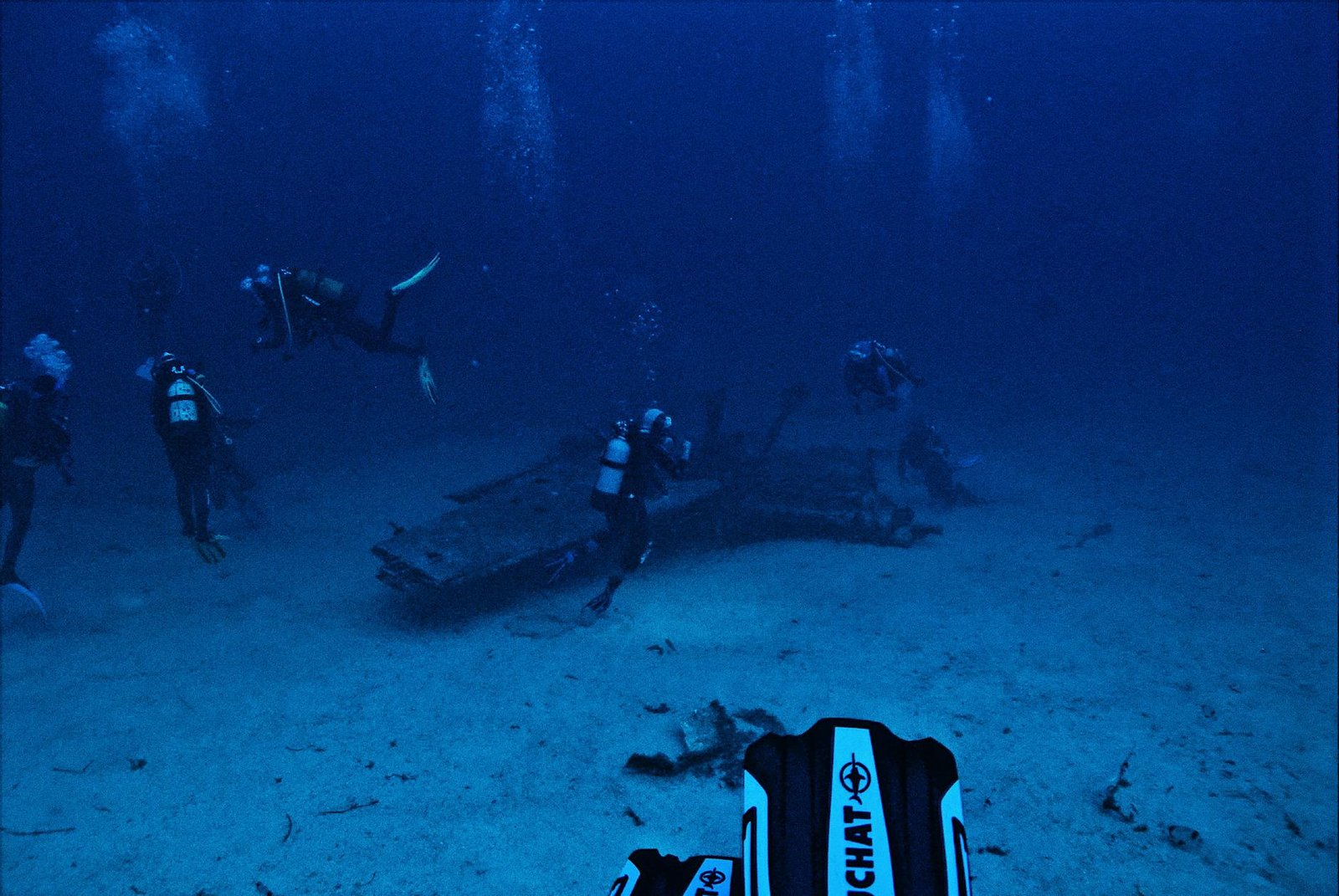
- What to Expect: Divers can encounter whale sharks while on regular dives, often around healthy coral reefs or along nutrient-rich currents. These are unbaited, truly wild encounters.
- Best Time to Visit: The season typically runs from October to May, with peak sightings from November to March.
- Dive Conditions: Sogod Bay is known for its vibrant reefs, strong currents in some areas, and diverse marine life, making it an excellent dive destination even without whale sharks. Water temperatures are generally warm, around 27-30°C (81-86°F). Depths can vary, but whale shark encounters often occur in shallower waters or mid-water.
- Experience: Encounters here feel incredibly authentic. Gliding alongside a whale shark as it majestically cruises the reef is an unparalleled experience, often shared with fewer people than other locations.
Oslob, Cebu: A Controversial Attraction
Oslob has become widely known for its daily whale shark interactions, offering near-guaranteed sightings due to a controversial practice of hand-feeding the animals by local fishermen. While this has provided economic benefits to the local community, it has also raised significant ethical concerns among conservationists and many divers.
- What to Expect: Tourists, both snorkelers and divers, are brought to a designated area where whale sharks congregate, accustomed to being fed. Interactions are highly regulated with strict rules regarding distance, no touching, and no flash photography.
- Ethical Considerations: The hand-feeding alters the whale sharks’ natural migratory patterns, potentially impacting their health and breeding success. It also creates a dependency on human feeding, making them vulnerable.
- Our Stance: As responsible dive masters, we encourage divers to thoroughly research and understand the ethical implications before choosing Oslob. While it offers guaranteed sightings, we advocate for natural, unbaited encounters that prioritize the welfare of these magnificent creatures. If one chooses to visit Oslob, adhering to all rules and minimizing disturbance is paramount.
Tubbataha Reefs Natural Park: The Wild Frontier
For the adventurous and experienced diver, Tubbataha Reefs Natural Park, a UNESCO World Heritage site, offers the chance for truly wild and unpredictable whale shark encounters. This remote marine protected area is only accessible via liveaboard during a limited season.
- What to Expect: Whale sharks are occasional visitors to Tubbataha’s pristine reefs and open ocean. Encounters are a bonus to an already world-class diving experience, which includes vast coral formations, pelagic species, and incredible biodiversity.
- Best Time to Visit: The liveaboard season is short, typically from March to June, when the seas are calmest.
- Dive Conditions: Tubbataha features strong currents, deep walls, and open ocean diving, making it suitable for advanced divers. Water temperatures are consistently warm.
- Experience: A sighting in Tubbataha is a rare gift, a testament to the health of this incredible ecosystem. It’s the ultimate natural encounter, often occurring amidst schools of fish or other large marine life.
Planning Your Whale Shark Expedition
Preparation is key to a smooth and enjoyable experience.
- Choosing a Reputable Operator: Always select a dive center or tour operator with a strong commitment to responsible tourism and conservation. Look for operators who brief guests thoroughly on interaction guidelines, maintain small group sizes, and prioritize the whale sharks’ welfare.
- Booking in Advance: Especially during peak seasons, accommodations and dive slots can fill up quickly. Book well ahead of time.
- Travel Logistics: Research the best way to reach your chosen destination. For Donsol, fly to Legazpi (LGP) and take a transfer. For Southern Leyte, fly to Tacloban (TAC) or Maasin (OML). For Oslob, fly to Cebu (CEB). Tubbataha requires booking a liveaboard from Puerto Princesa, Palawan.
- Accommodation: Options range from budget-friendly guesthouses to luxury resorts, depending on the location.
The Dive Experience: What to Expect Underwater
The moment a whale shark appears from the blue is truly breathtaking. To ensure a positive experience for both divers and the whale shark, strict etiquette must be observed.
- Pre-Dive Briefing: Always pay close attention to your dive guide’s briefing. They will outline specific rules for interaction, emergency procedures, and what to expect.
- In-Water Etiquette:
- Maintain Distance: A minimum distance of 3-4 meters (10-13 feet) from the whale shark’s body and 4-5 meters (13-16 feet) from its tail is typically required.
- No Touching: Never attempt to touch, ride, or obstruct a whale shark. This can disturb their natural behavior and potentially harm their protective mucus layer.
- No Flash Photography: Flash photography can disorient or distress marine life. Use natural light or continuous video lights if permitted.
- Calm Movements: Swim calmly and avoid sudden, erratic movements. Allow the whale shark to approach you, rather than chasing it.
- Observe, Don’t Interfere: The goal is to be a silent observer in their natural habitat.
- The Sensation: Despite their size, whale sharks move with an effortless grace. Watching their enormous mouths filter feed, or simply seeing their massive form glide past, is a humbling experience. It truly puts into perspective the scale of marine life.
- Photography Tips: Use a wide-angle lens to capture their immense size. Practice buoyancy control to avoid disturbing the environment or kicking the animal. Focus on capturing the moment, not just the perfect shot.
Responsible Diving and Conservation
Whale sharks are listed as ‘Endangered’ on the IUCN Red List. Every interaction we have with them carries a responsibility to contribute to their conservation.
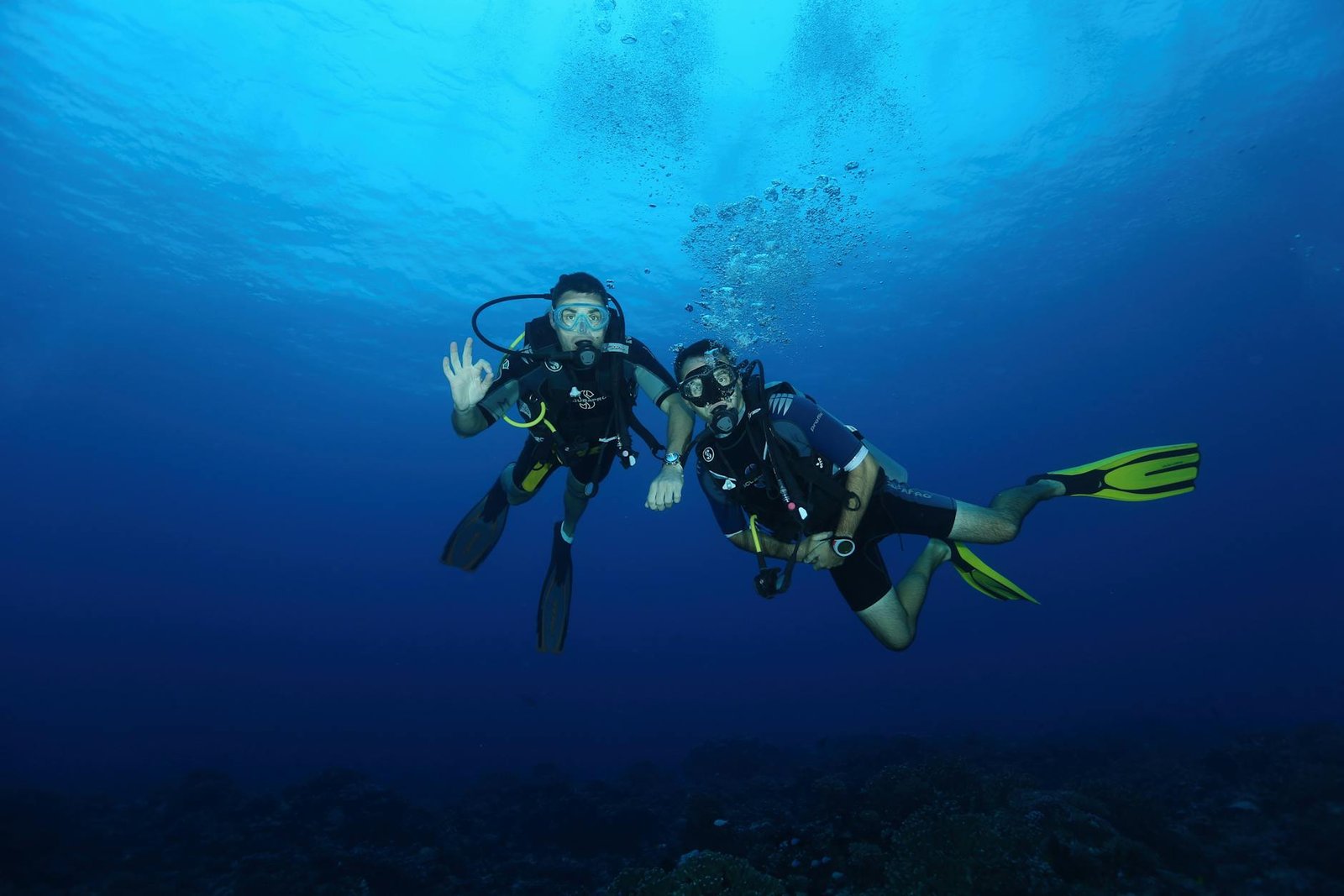
- Minimize Disturbance: Adhering to guidelines helps minimize stress and behavioral changes in whale sharks.
- Support Ethical Operators: Your choice of operator directly impacts conservation efforts. Support those who prioritize the animals’ welfare over profit.
- Report Violations: If you witness irresponsible behavior, report it to your dive operator or local authorities.
- Educate Others: Share your knowledge about responsible whale shark interactions with fellow divers and friends.
- Support Research: Many organizations conduct vital research on whale shark populations and migratory patterns. Consider supporting their work.
Safety First: Ensuring a Smooth Encounter
While whale sharks are gentle, diving always requires adherence to safety protocols.
- General Dive Safety: Always dive within your certification limits, check your gear thoroughly, plan your dive, and maintain excellent buoyancy control. Be aware of currents and other environmental factors.
- Whale Shark Specific Safety:
- Stay Calm: Sudden movements can startle any marine animal.
- Environmental Awareness: Be mindful of other divers, snorkelers, and boat traffic in the area, especially in more crowded interaction zones.
- Listen to Guides: Your dive master or interaction officer is there to ensure your safety and the whale shark’s well-being. Follow their instructions implicitly.
- Respect Their Path: Never position yourself directly in front of a whale shark or block its swimming path. Allow it to move freely.
- Avoid Crowding: If many divers are present, try to maintain space and avoid swarming the animal.
Insights from the Depths
As experienced dive masters, we have witnessed countless divers emerge from the water with tears in their eyes, profoundly moved by the sheer majesty of a whale shark encounter. It’s a humbling experience to share the ocean with a creature of such immense scale and gentle spirit. We remember one particular dive in Southern Leyte, where a juvenile whale shark, perhaps 6-7 meters long, gracefully swam alongside our group for nearly fifteen minutes. Its eyes, surprisingly small in its massive head, seemed to hold an ancient wisdom, observing us as much as we observed it.
These moments remind us of the incredible biodiversity our oceans hold and the urgent need to protect it. The privilege of diving with whale sharks comes with a profound responsibility to be ambassadors for their conservation. Every responsible interaction, every choice to support ethical tourism, contributes to safeguarding these magnificent creatures for future generations of divers.
Conclusion: Your Journey Awaits
Diving with whale sharks in the Philippines is more than just a dive; it’s an immersive journey into the heart of the ocean’s grandeur. Whether you choose the natural encounters of Donsol and Southern Leyte, the remote wilderness of Tubbataha, or carefully navigate the complexities of Oslob, the experience promises to be unforgettable. The Philippines offers a unique opportunity to connect with one of the planet’s most iconic marine species.
Start planning your adventure today. Choose your destination wisely, select a reputable operator, and prepare to be amazed. The gentle giants of the Philippine seas are waiting, ready to share their world with you, leaving you with memories that will last a lifetime. Dive responsibly, cherish the moment, and become a part of the global effort to protect these magnificent creatures.
⚠️ Safety Notice: This content is for informational purposes only. Always consult local guides and operators, verify current conditions, and ensure appropriate skills and certifications before any outdoor activity. DiveBikeHike is not responsible for injuries or incidents.