For cycling enthusiasts across the globe, the allure of a European bike tour is undeniable. Among the continent’s most celebrated routes, cycling the Danube River bike path Europe stands out as a true masterpiece, a journey that weaves together breathtaking landscapes, ancient history, and vibrant cultures. This isn’t just a bike ride; it’s an immersive experience, a pedal-powered odyssey along the banks of Europe’s majestic second-longest river.
Why Choose Cycling the Danube River Bike Path Europe?
The Danube Cycle Path, also widely known as the Donauradweg or a significant section of EuroVelo 6, offers an unparalleled blend of accessibility and adventure. Stretching approximately 2,850 kilometers (about 1,770 miles) from its source in Germany’s Black Forest to the Black Sea, the route traverses ten countries, making it one of the most diverse long-distance cycling trails in the world.
What makes this path particularly appealing is its predominantly flat terrain, especially the popular sections through Germany and Austria. This gentle topography makes it an ideal choice for cyclists of varying skill levels, from families with children to seasoned tourers seeking a relaxed yet rewarding journey.
The Grand Route: An Overview of the Danube Cycle Path
While the entire length of the Danube Cycle Path is an epic undertaking, many cyclists opt for specific, well-developed sections. The stretch from Donaueschingen in Germany to Budapest in Hungary is particularly renowned, covering approximately 1,261 kilometers (784 miles) and typically taking two to three weeks to complete.
The “classic” section, from Passau, Germany, to Vienna, Austria, is arguably the most popular, spanning about 320-330 kilometers (around 200-205 miles). This route, often completed in 4-7 days, showcases picturesque towns, rolling vineyards, and impressive abbeys, making it an excellent introduction to bike touring in Europe.
Beyond Vienna, the path continues through Slovakia, passing through its vibrant capital, Bratislava, and then into Hungary, leading to the thermal baths and historic charm of Budapest.
Highlights Along the Way
The Danube Cycle Path is a treasure trove of cultural and natural wonders:
You might also enjoy: Conquering the Carretera Austral: Chile’s Ultimate Bike Touring Adventure
- Passau, Germany: Known as the “City of Three Rivers,” where the Danube, Inn, and Ilz converge. Its baroque old town is a perfect starting point.
- Schlögen Loop, Austria: A dramatic natural wonder where the Danube makes a sharp 180-degree bend, framed by forested cliffs.
- Linz, Austria: A city blending historic charm with modern art and culture.
- Wachau Valley, Austria: A UNESCO World Heritage site famous for its terraced vineyards, apricot orchards, and medieval towns like Dürnstein and Spitz. Cyclists can enjoy wine tastings and explore historic castles, including the ruins where Richard the Lionheart was once imprisoned.
- Melk Abbey, Austria: A magnificent Benedictine abbey perched above the river, a stunning example of Baroque architecture.
- Vienna, Austria: The imperial capital, offering grand palaces, world-class museums, and a vibrant culinary scene.
- Bratislava, Slovakia: A charming capital with a Gothic old town, baroque palaces, and a castle, easily reachable from Vienna.
- Budapest, Hungary: The “Pearl of the Danube,” renowned for its thermal spas, historic architecture, and lively atmosphere.
Planning Your Danube Adventure
When to Go
The ideal time for cycling the Danube River bike path Europe is from April to October. May to September generally offers the most favorable weather conditions, with longer daylight hours. However, July and August can bring hotter temperatures and more crowds, as it’s a popular time for families. Spring and autumn provide cooler temperatures and often fewer cyclists.
Route Direction and Daily Distances
Most cyclists prefer to ride from west to east (e.g., Passau to Vienna or Budapest), as the route has a slight downhill gradient and prevailing tailwinds can often be a welcome boost. Daily distances typically range from 40 to 70 kilometers (25 to 50 miles), allowing ample time for sightseeing, leisurely breaks, and enjoying local cuisine.
Accommodation and Logistics
Accommodation options are plentiful along the popular sections, ranging from charming guesthouses and inns to hotels. Many establishments are “Radfahrer Willkommen” (cyclist welcome), offering secure bike storage and sometimes e-bike charging facilities. Booking in advance, especially during peak season, is highly recommended. For those seeking a more relaxed experience, bike and barge tours combine cycling with comfortable river cruise accommodation.
Gear Up for the Danube: Technical Insights and Recommendations
The Right Bicycle
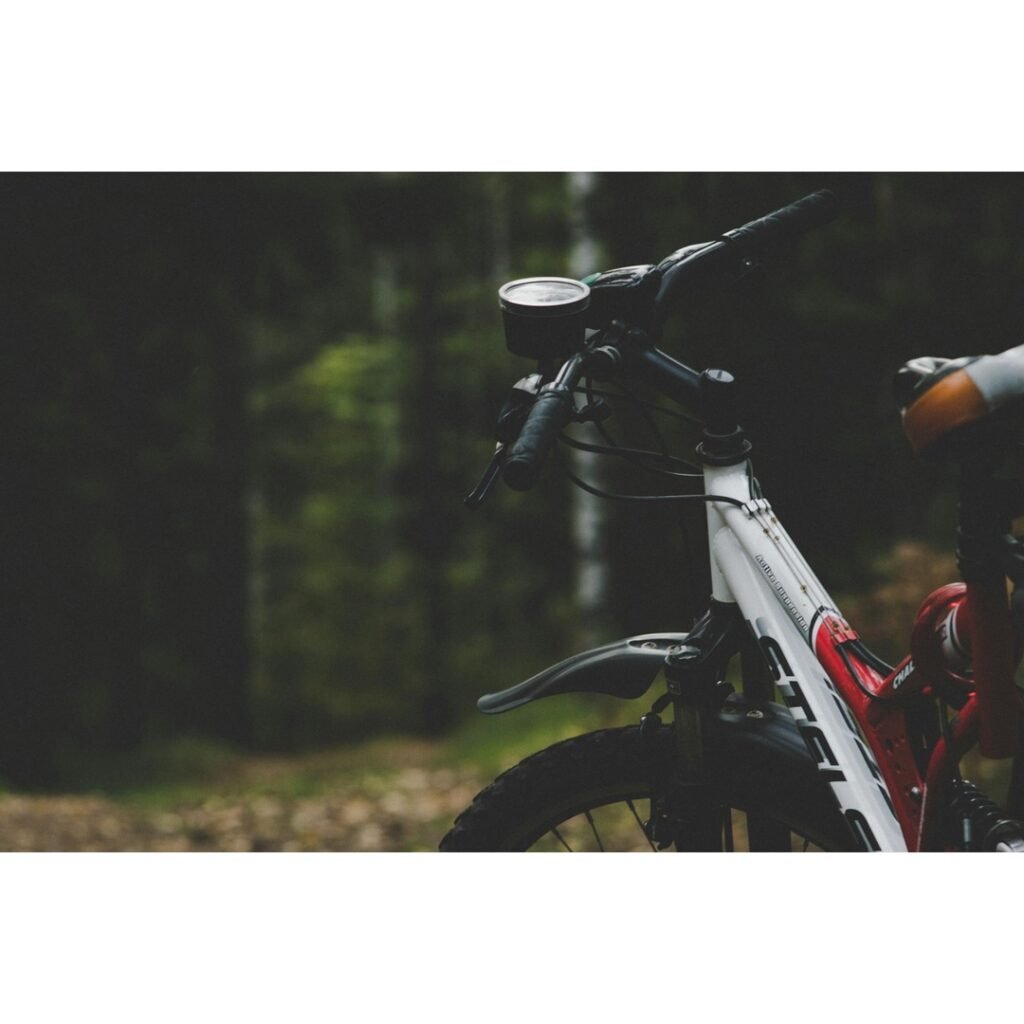
For cycling the Danube River bike path Europe, a touring or hybrid bicycle is generally ideal. These bikes offer a comfortable riding position, are robust enough for varied surfaces, and can easily accommodate panniers for luggage. While most of the path is paved, some sections, particularly in quieter detours or further east, may involve gravel or dirt paths. Consider tires in the 32-40mm range for a good balance of speed and comfort. Puncture-proof tires are a wise investment to minimize roadside repairs.
Essential Cycling Gear
- Padded Cycling Shorts: Crucial for comfort on multi-day rides.
- Layered Clothing: European weather can be changeable. Pack moisture-wicking jerseys, a lightweight rain jacket, and extra layers for cooler mornings or evenings.
- Waterproof Panniers and Handlebar Bag: Essential for keeping your belongings dry and organized. A handlebar bag provides easy access to maps, snacks, and a camera.
- Helmet: Non-negotiable for safety.
- Navigation: While signage is generally excellent in Germany and Austria (look for “Donauradweg” or EuroVelo 6 signs), a detailed paper map or a GPS device with pre-loaded routes is highly recommended, especially in Eastern Europe where signage can be less consistent.
- Repair Kit: A spare inner tube, tire levers, a patch kit, and a small multi-tool are essential for basic roadside repairs.
- Hydration: Carry at least two large water bottles. Water refill points are common, but it’s always best to be prepared.
- Sun Protection and Insect Repellent: Sunscreen, sunglasses, and lip balm with SPF are important. Mosquitoes can be present near the river, especially at dusk in summer.
Training for the Trail
While the Danube Cycle Path is largely flat and accessible, some preparation will enhance your enjoyment. Focus on building endurance with regular rides, gradually increasing your distance. Practice riding with your loaded panniers to get accustomed to the bike’s handling. Basic bike maintenance skills, such as fixing a flat tire, are also invaluable. The elevation gain on the Austrian part of the tour is typically between 700-1,200 meters, averaging only 30-50 meters per 20 kilometers, which is hardly noticeable over the course of a day’s ride.
Personal Insights from Alex Trail, Experienced Cyclist
Having explored countless routes across the continent, Alex Trail often remarks on the unique charm of cycling the Danube River bike path Europe. “What truly sets the Danube apart is its ability to surprise and delight at every turn,” Alex shares. “One moment, we were gliding through a serene forest, the next, we were cycling past a grand imperial palace or a bustling market square. The path encourages flexibility; we often found ourselves taking spontaneous detours to explore a hidden village or sample local delicacies at a riverside ‘Heuriger’ (wine tavern). The sense of connection to history, flowing alongside a river that has witnessed so much, is profound.”
“We always recommend embracing the local culture. Strike up conversations, try the regional specialties – from hearty German pretzels and Austrian schnitzel to Hungarian goulash and Wachau wines. These interactions and culinary discoveries are as much a part of the adventure as the cycling itself. Don’t rush; allow time to simply sit by the river, observe, and soak it all in. It’s a journey that nourishes the soul as much as it exercises the body.”
You might also enjoy: Unveiling Japan’s Countryside: The Ultimate Cycling Adventure
Practical Tips and Actionable Advice
- Pack Light: Even with luggage transfer services available on many organized tours, keeping your personal gear concise will make daily transitions smoother. Focus on quick-drying, versatile clothing.
- Stay Hydrated and Fuelled: Carry snacks and water, especially between towns. Stop at local bakeries or markets for fresh provisions.
- Learn Basic Phrases: A few words in German, Austrian German, Slovak, or Hungarian can go a long way in enhancing interactions with locals.
- Carry Local Currency: While cards are widely accepted, having some local currency for smaller purchases, ferries, or remote eateries is always a good idea.
- Check Bike Condition Daily: A quick check of tire pressure, brakes, and chain lubrication each morning can prevent issues on the road.
- Embrace Ferries and Bridges: The Danube Cycle Path frequently offers options to cross the river via small ferries or bridges, allowing you to explore both banks and vary your route.
Conclusion: Your Danube Dream Awaits
Cycling the Danube River bike path Europe is more than just a cycling holiday; it’s an immersive cultural and scenic journey that leaves a lasting impression. From the rolling hills of Germany to the imperial grandeur of Austria, the vibrant cities of Slovakia, and the historic heart of Hungary, every turn of the wheel reveals a new facet of this magnificent region. Whether you’re a seasoned cyclist or new to multi-day tours, the Danube offers an accessible and profoundly rewarding adventure.
So, gather your gear, plan your route, and prepare to embark on an unforgettable journey. The Danube awaits, ready to carry you on an adventure of a lifetime. Start planning your cycling dream today!
Frequently Asked Questions
How long does it take to cycle the Danube River bike path?
The total length of the Danube Cycle Path from its source in Germany to the Black Sea is approximately 2,850 kilometers, which could take a month or more to complete. However, most cyclists choose popular sections. The classic route from Passau to Vienna is about 320-330 kilometers and typically takes 4-7 days.
What is the best time of year for cycling the Danube River bike path?
The ideal time to cycle the Danube Cycle Path is from April to October. The months of May, June, and September offer pleasant temperatures and generally fewer crowds than the peak summer months of July and August, which can be hot and busy with families.
Is the Danube Cycle Path suitable for beginners?
Yes, the Danube Cycle Path is widely considered one of the most accessible long-distance cycling routes in Europe, making it highly suitable for beginners and leisure cyclists. The terrain is predominantly flat or gently downhill, particularly in the popular German and Austrian sections, with well-maintained paths and clear signage.
What kind of bike is best for the Danube River bike path?
A touring or hybrid bicycle is generally recommended for cycling the Danube River bike path. These bikes provide a comfortable ride and are well-suited for the varied surfaces, which are mostly paved but can include some gravel sections. Ensure your bike is equipped with sturdy tires, ideally puncture-resistant, and has mounts for panniers if you plan to carry your own luggage.
Related Adventures
- Conquering the Carretera Austral: Chile’s Ultimate Bike Touring Adventure
- Unveiling Japan’s Countryside: The Ultimate Cycling Adventure
- Mongolia’s Gravel Frontier: An Epic Cycling Adventure Across the Steppe
⚠️ Safety Notice: This content is for informational purposes only. Always consult local guides and operators, verify current conditions, and ensure appropriate skills and certifications before any outdoor activity. DiveBikeHike is not responsible for injuries or incidents.