Discover the Magic of Scuba Diving Greek Islands Mediterranean: An Underwater Odyssey
The allure of the Greek Islands extends far beyond their sun-drenched beaches and whitewashed villages. Beneath the shimmering turquoise surface of the Aegean and Ionian Seas lies a world of ancient mysteries, vibrant marine life, and breathtaking underwater landscapes waiting to be explored. For avid divers, the prospect of scuba diving Greek Islands Mediterranean presents an unparalleled opportunity to combine historical exploration with thrilling aquatic adventures. This comprehensive guide will delve into the depths of what makes Greece an exceptional diving destination, offering insights from an experienced dive master, Marina Hayes, and practical advice for planning an unforgettable underwater odyssey.
Why Choose the Greek Islands for Scuba Diving in the Mediterranean?
Greece, with its thousands of islands scattered across the Aegean and Ionian Seas, offers a diverse and captivating environment for underwater exploration. The Mediterranean waters here boast remarkable clarity, often exceeding 30 meters of visibility, making it ideal for both photography and discovery. The water temperatures are inviting, ranging from a comfortable 20-22°C (68-72°F) in early summer and autumn to a warm 25-27°C (77-81°F) during peak summer months, extending the diving season significantly.
Beyond the pleasant conditions, the historical significance of the region is palpable even underwater. Ancient shipwrecks, submerged cities, and geological formations shaped by millennia of seismic activity create unique dive sites. The marine life, while perhaps not as overtly colorful as tropical reefs, is rich in biodiversity, featuring octopuses, groupers, barracudas, moray eels, and various species of nudibranchs, sponges, and corals. The combination of historical intrigue, excellent visibility, and diverse marine ecosystems makes scuba diving Greek Islands Mediterranean a truly distinctive experience.
Top Destinations for Scuba Diving Greek Islands Mediterranean
While almost every Greek island offers some form of diving, certain locations stand out for their exceptional dive sites and infrastructure. Here are some of the most celebrated:
- Santorini: Famed for its dramatic volcanic caldera, Santorini offers unique diving opportunities. The underwater topography mirrors the island’s volcanic origins, with lava formations, caves, and dramatic drop-offs. Dive sites like the Adamas Reef and the Kamari wreck (a small fishing boat) provide encounters with barracudas and groupers. The thermal springs also create fascinating underwater environments with warm currents and unique mineral formations.
- Crete: As Greece’s largest island, Crete boasts a multitude of dive centers and diverse sites. From the famous Elephant’s Cave near Chania, with its ancient stalactites and stalagmites, to the intricate reef systems off Agios Nikolaos, Crete caters to all levels. Wrecks such as the Messerschmitt fighter plane from WWII add a historical dimension to dives here.
- Mykonos: Beyond its vibrant nightlife, Mykonos offers impressive underwater scenery. The Anna II wreck, a cargo ship sunk in 1995, is a popular artificial reef teeming with marine life. Another notable site is the Paradise Reef, known for its clear waters and abundant fish populations, perfect for drift dives.
- Zakynthos (Zante): Located in the Ionian Sea, Zakynthos is renowned for its stunning blue caves and archways. The Keri Caves offer breathtaking swim-throughs and light shows, while divers can spot sea turtles (Loggerheads) in their natural habitat, especially around Marathonisi Island.
- Rhodes: With its strategic location, Rhodes has a rich maritime history reflected in its underwater landscape. The Giannoula K wreck, a cargo ship, is an artificial reef home to various species. The caves and canyons around Kalithea Springs offer stunning topography and vibrant sponge gardens.
- Chios: Less frequented by tourists, Chios is a hidden gem for diving. Its pristine waters hide numerous ancient and modern wrecks, often untouched. The island is also known for its rich biodiversity, making it a fantastic spot for macro photography and exploring untouched reefs.
- Kea: Just a short ferry ride from Athens, Kea is famous for the legendary HMHS Britannic wreck, the sister ship of the Titanic. Lying at depths accessible only to experienced technical divers, it represents one of the most significant wreck dives in the world. Other sites around Kea offer excellent recreational diving with caves and reefs.
What to Expect Underwater in the Greek Mediterranean
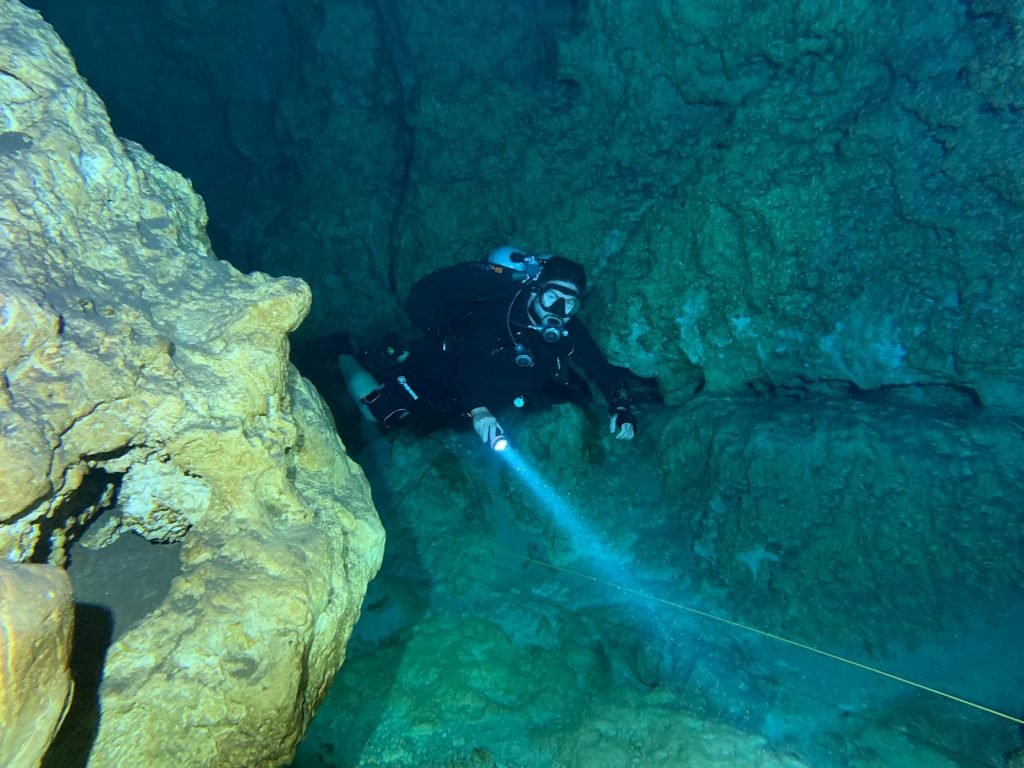
Divers exploring the Greek Islands will be greeted by a diverse underwater environment. The topography often features dramatic drop-offs, swim-throughs, caves, and canyons, sculpted by volcanic activity and millennia of geological processes. Light rays piercing through cavern entrances create ethereal scenes, especially in locations like the Blue Caves of Zakynthos or the Elephant’s Cave in Crete.
While the Mediterranean may not boast the same sheer volume of colorful fish as tropical waters, its marine life is uniquely adapted and fascinating. Expect to encounter large schools of barracudas, inquisitive groupers, stealthy moray eels, and octopuses camouflaged against the rocks. Nudibranchs in various hues, vibrant sponges, and delicate corals add splashes of color to the rocky reefs. Lucky divers might spot loggerhead sea turtles, especially in the Ionian Sea, or even the rare Mediterranean monk seal, though sightings are extremely rare and highly protected.
You might also enjoy: Unveiling the Underwater Majesty: Scuba Diving California’s Channel Islands
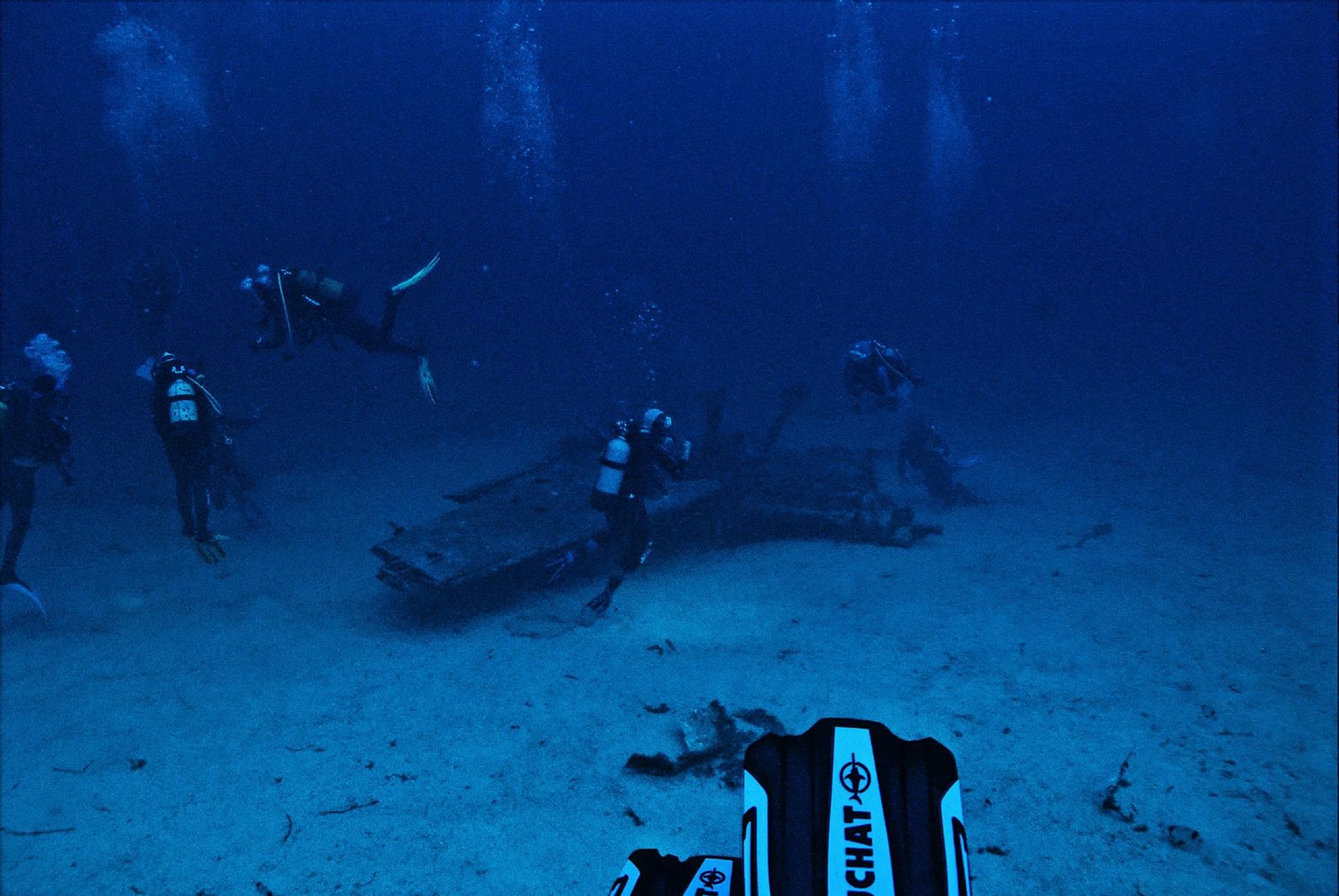
One of the most thrilling aspects of scuba diving Greek Islands Mediterranean is the potential for discovering ancient artifacts. While strict regulations prohibit the removal of any historical items, the sight of ancient pottery shards or amphorae lying on the seabed offers a tangible connection to Greece’s storied past.
Preparing for Your Greek Island Dive Adventure
To ensure a smooth and enjoyable diving experience in the Greek Islands, a few preparations are advisable:
- Certification: Ensure your diving certification (PADI, SSI, etc.) is current. Most dive centers cater to all levels, from introductory dives for beginners to advanced courses and specialty dives.
- Gear: While dive centers provide rental equipment, many divers prefer their own masks, fins, and wetsuits for comfort and fit. A 5mm or 7mm wetsuit is generally suitable for the Mediterranean, depending on the season and personal preference.
- Best Time to Visit: The diving season typically runs from May to October. June to September offers the warmest water temperatures and best visibility. May and October provide cooler water but fewer crowds.
- Local Regulations: Greece has historically had strict regulations regarding diving to protect its archaeological treasures. While many restrictions have been eased, it is crucial to dive only with licensed centers and adhere to local guidelines, especially concerning archaeological sites. Never attempt to touch or remove any artifacts.
- Dive Insurance: Always ensure you have adequate travel and dive insurance that covers potential diving incidents.
Safety First: Essential Considerations for Scuba Diving Greek Islands Mediterranean
Safety is paramount in any diving activity, and the Greek Islands are no exception. Adhering to established safety protocols is crucial:
- Choose Reputable Dive Centers: Always dive with PADI, SSI, or similar certified dive centers. These centers adhere to international safety standards, have well-maintained equipment, and employ experienced, certified instructors and dive masters.
- Buddy System: Always dive with a buddy and maintain awareness of their location and well-being.
- Dive Planning: Carefully plan your dives, considering depth, bottom time, and decompression limits. Never exceed your training and experience levels.
- Marine Conservation: The Mediterranean ecosystem is delicate. Divers are encouraged to practice responsible diving by avoiding contact with marine life, refraining from touching or collecting anything, and participating in local conservation efforts where possible.
- Health Check: Ensure you are in good health and fit to dive. Consult a physician if you have any pre-existing medical conditions.
A Dive Master’s Perspective: Unforgettable Moments in the Mediterranean
As an experienced dive master, Marina Hayes has spent countless hours exploring the underwater wonders of Greece. Her insights highlight the unique charm of scuba diving Greek Islands Mediterranean. The dive master often shares stories of the profound sense of connection felt when encountering ancient amphorae, their silent presence a testament to millennia of human history. Hayes emphasizes that the Mediterranean’s beauty is subtle but deeply rewarding, revealing itself in the intricate patterns of a nudibranch or the majestic glide of a large grouper.
One particular memory often recounted by Hayes involves a night dive off Santorini, where the volcanic rock formations glowed eerily under the dive lights, and the bioluminescence created a magical, otherworldly experience. The dive master also speaks of the incredible clarity of the Ionian Sea, allowing divers to appreciate the dramatic scale of underwater canyons and the vibrant blues of the Keri Caves in Zakynthos. These personal encounters underscore the potential for truly unique and memorable experiences in Greek waters, far beyond typical tropical diving.
Beyond the Dive: Exploring the Greek Island Culture
A diving holiday in the Greek Islands offers much more than just underwater adventures. Divers can immerse themselves in the rich local culture, savor delicious Mediterranean cuisine, explore ancient ruins, and relax on stunning beaches. Many dive centers are integrated into local communities, providing opportunities to experience authentic Greek hospitality. Combining your dives with island hopping allows for a truly comprehensive Greek experience, blending the thrill of the deep with the charm of island life.
You might also enjoy: Dive Malta’s Blue Grotto: An Underwater Gem
The Greek Islands represent a treasure trove for divers seeking a blend of natural beauty, historical intrigue, and vibrant marine life. From the volcanic landscapes of Santorini to the ancient wrecks off Kea, the opportunities for discovery are endless. Whether a novice embarking on an introductory dive or an experienced technical diver exploring deep wrecks, scuba diving Greek Islands Mediterranean promises an adventure unlike any other. So, pack your gear, plan your trip, and prepare to be captivated by the magic beneath the surface of this timeless destination.
Frequently Asked Questions
Is scuba diving in the Greek Islands suitable for beginners?
Yes, absolutely! Many dive centers across the Greek Islands cater to beginners, offering introductory “discover scuba diving” experiences that do not require prior certification. They also provide PADI, SSI, and other certification courses for those wishing to become certified divers. The clear, calm waters are ideal for learning.
What kind of marine life can be seen while diving in Greece?
The Greek Mediterranean is home to diverse marine life, including octopuses, groupers, barracudas, moray eels, various species of colorful nudibranchs, sponges, and corals. Lucky divers might also spot loggerhead sea turtles, especially in the Ionian Sea, and occasionally even dolphins.
Are there many shipwrecks to explore in the Greek Islands?
Yes, Greece has a rich maritime history, and its waters are home to numerous shipwrecks, both ancient and modern. Popular wreck dives include the Anna II in Mykonos, the Giannoula K in Rhodes, and the historic HMHS Britannic off Kea (for technical divers). Strict regulations protect archaeological sites, but many modern wrecks are accessible.
What is the best time of year to go scuba diving in the Greek Islands?
The best time for scuba diving in the Greek Islands is generally from May to October. Water temperatures are warmest and visibility is at its peak between June and September. May and October offer cooler water but fewer crowds, making for a more serene diving experience.
Related Adventures
- Unveiling the Underwater Majesty: Scuba Diving California’s Channel Islands
- Dive Malta’s Blue Grotto: An Underwater Gem
- Unveiling the Underwater Majesty: Diving Sodwana Bay, South Africa
⚠️ Safety Notice: This content is for informational purposes only. Always consult local guides and operators, verify current conditions, and ensure appropriate skills and certifications before any outdoor activity. DiveBikeHike is not responsible for injuries or incidents.