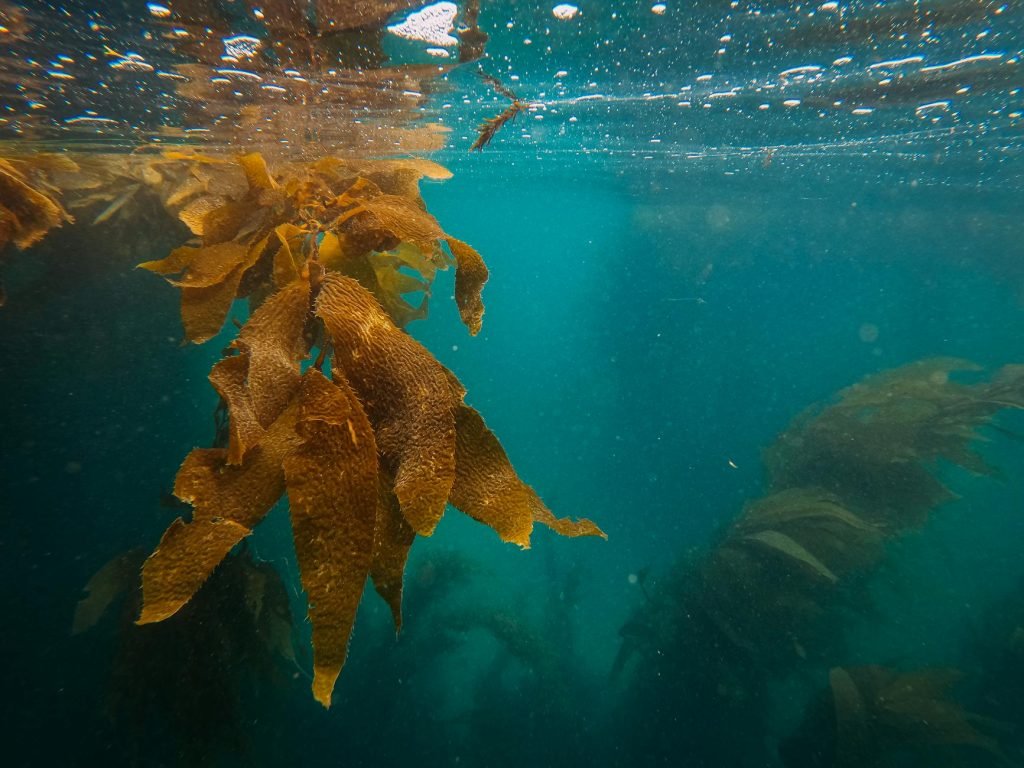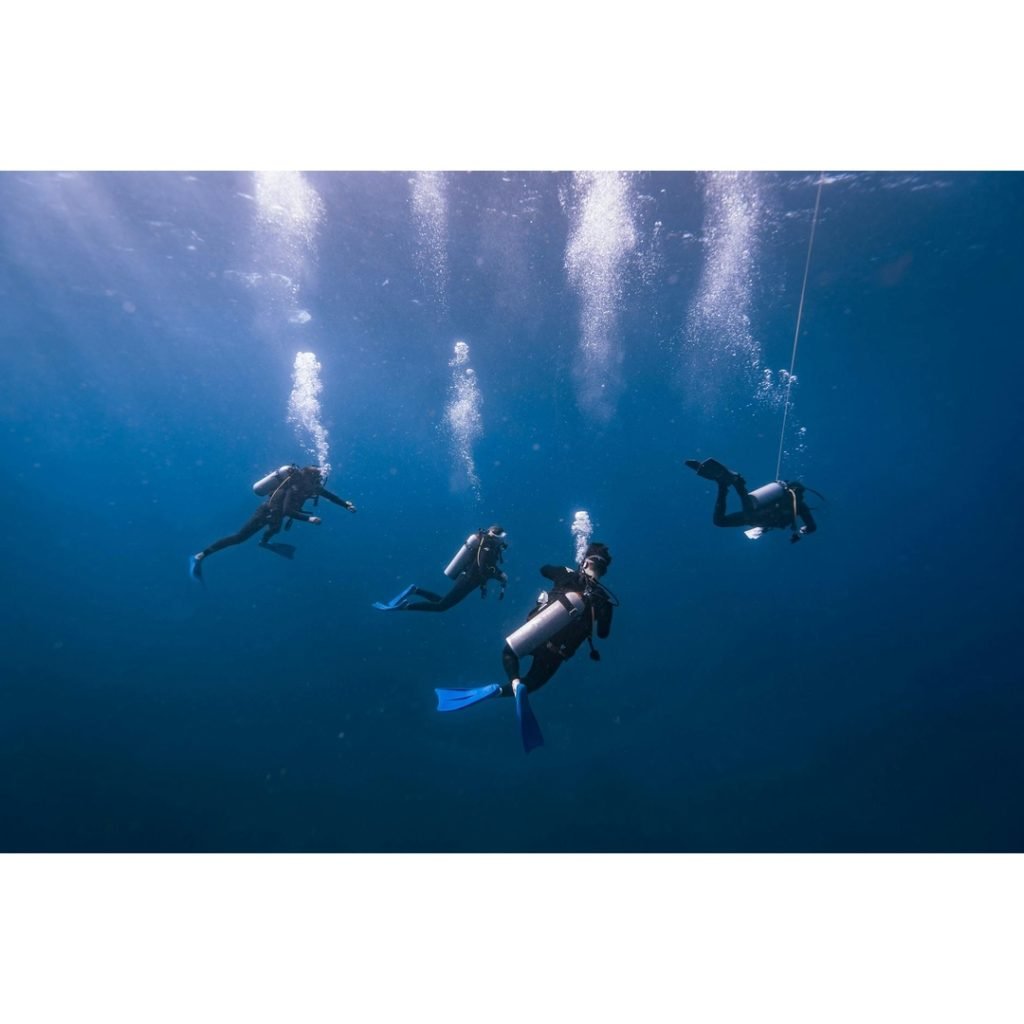
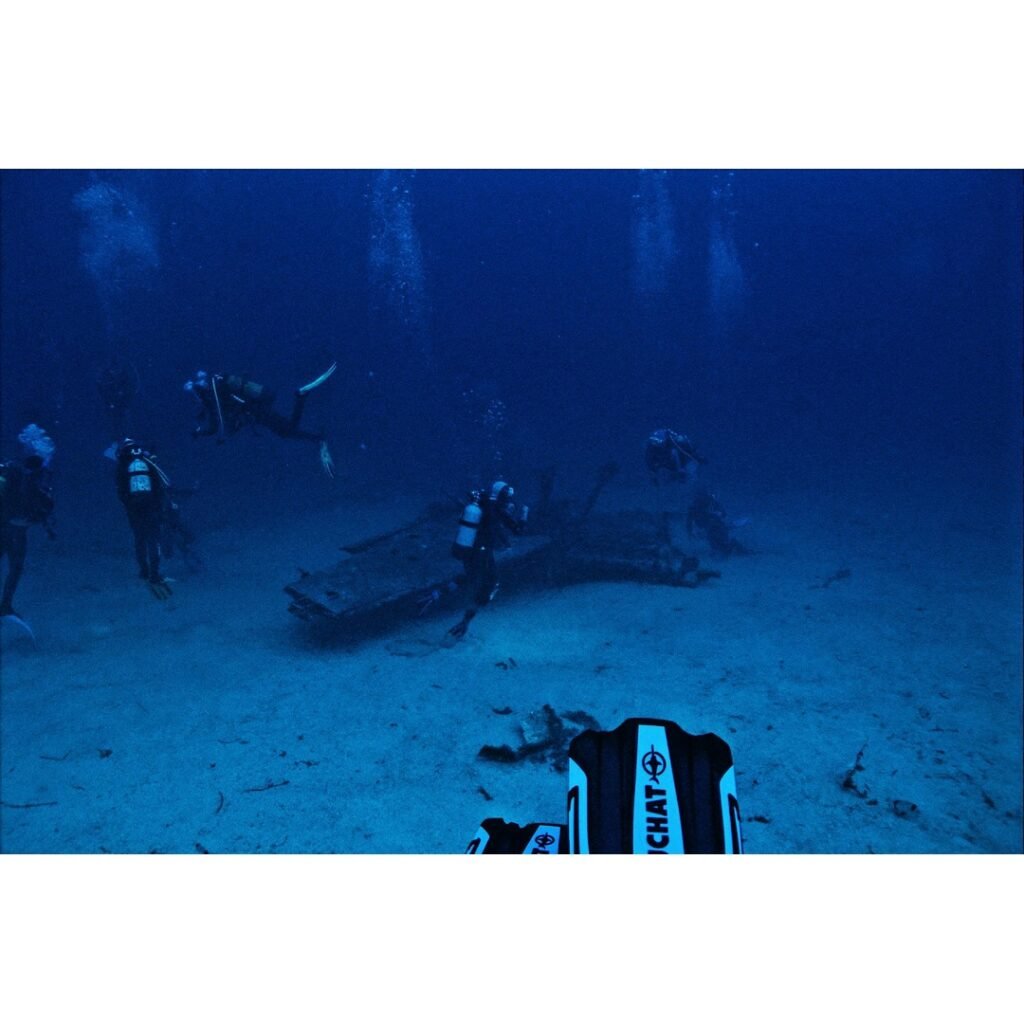
For those who hear the ocean’s call and yearn for the extraordinary, Palau is not merely a destination; it is an underwater kingdom waiting to be discovered. Nestled in the heart of Micronesia, this archipelago of limestone and volcanic islands is consistently ranked among the world’s premier diving locations. With its pristine reefs, dramatic drop-offs, thrilling currents, and a rich tapestry of marine life, Palau offers an experience that transcends the ordinary.
As dive master Marina Hayes often says, “Palau is where we’ve witnessed countless transformations – divers arriving with expectations, and leaving utterly captivated by the sheer power and beauty of its marine ecosystems.” From the adrenaline-pumping drifts to the serene exploration of hidden caves and historical wrecks, Palau presents a diverse portfolio for every level of scuba enthusiast. Join us as we plunge into the depths and explore some of Palau’s most iconic dive sites.
Palau’s Underwater Tapestry: A Glimpse into its Majesty
Palau’s unique geological formation, characterized by its famous Rock Islands, combined with its strategic location in the Western Pacific, creates a perfect storm for biodiversity. Strong ocean currents sweep nutrients across its reefs, fostering an incredibly vibrant and healthy ecosystem. This nutrient-rich water attracts an astonishing array of marine life, from the smallest nudibranchs to colossal pelagic species. The protected marine sanctuaries and sustainable tourism efforts further ensure that Palau’s underwater treasures remain pristine for generations to come.
The Iconic Dive Sites of Palau
Blue Corner: The Apex Predator Arena
No discussion of Palau diving is complete without mentioning the legendary Blue Corner. Located southwest of Koror, this site is a sharp reef corner exposed to powerful currents, making it a hotspot for pelagic action. Divers typically descend to around 15-30 meters (50-100 feet) and, with the guidance of experienced dive masters, use a reef hook to secure themselves to the reef’s edge. This allows for an unparalleled view of the underwater drama unfolding before them.
Here, we routinely encounter grey reef sharks, white-tip sharks, and even leopard sharks cruising in the blue. Large schools of barracuda, snapper, and jacks swirl around the corner, while eagle rays and Napoleon wrasse often make graceful appearances. The currents can be exceptionally strong, warranting excellent buoyancy control and a thorough understanding of drift diving techniques. Marina Hayes always emphasizes the importance of a detailed briefing and responsible reef hook usage to protect the delicate coral.
German Channel: Mantas and More
Carved out by German miners in the early 20th century to facilitate phosphate transport, the German Channel has become synonymous with manta ray encounters. Situated south of Koror, this site serves as a vital cleaning station for these magnificent creatures, especially during incoming tides. Divers typically position themselves near the cleaning stations at depths ranging from 5-20 meters (15-65 feet) and patiently await the mantas’ arrival.
While manta rays are the main draw, the German Channel also offers much more. Reef sharks, eagle rays, and schooling fish are common, and the sandy bottom is rich with macro life, including garden eels, gobies, and various crustaceans. Safety here involves respecting the mantas’ space, maintaining neutral buoyancy, and being aware of potential boat traffic, as it’s a working channel. We’ve had countless unforgettable moments here, watching mantas glide gracefully overhead, oblivious to our presence.
Ulong Channel: The Drift Dive Masterclass
For an exhilarating drift dive experience, Ulong Channel on the west side of Ulong Island is a must. This natural channel offers a dynamic ride through a vibrant ecosystem. Divers typically enter the channel at one end and let the current carry them along, past stunning coral formations and abundant marine life. Depths usually range from 10-25 meters (30-80 feet).
Ulong Channel is renowned for its resident grey reef sharks, which patrol the entrance, and large schools of jacks and barracuda that often form impressive tornadoes. Turtles are frequently spotted, and the channel walls boast unique coral formations, including extensive cabbage patch corals. Excellent buoyancy control is paramount to navigate the channel without damaging the reef. Marina Hayes always advises divers to stay close to the reef edge to enjoy the scenery and be prepared for swift movements, making it a truly immersive experience.
Peleliu Express / Cut: For the Adrenaline Junkie
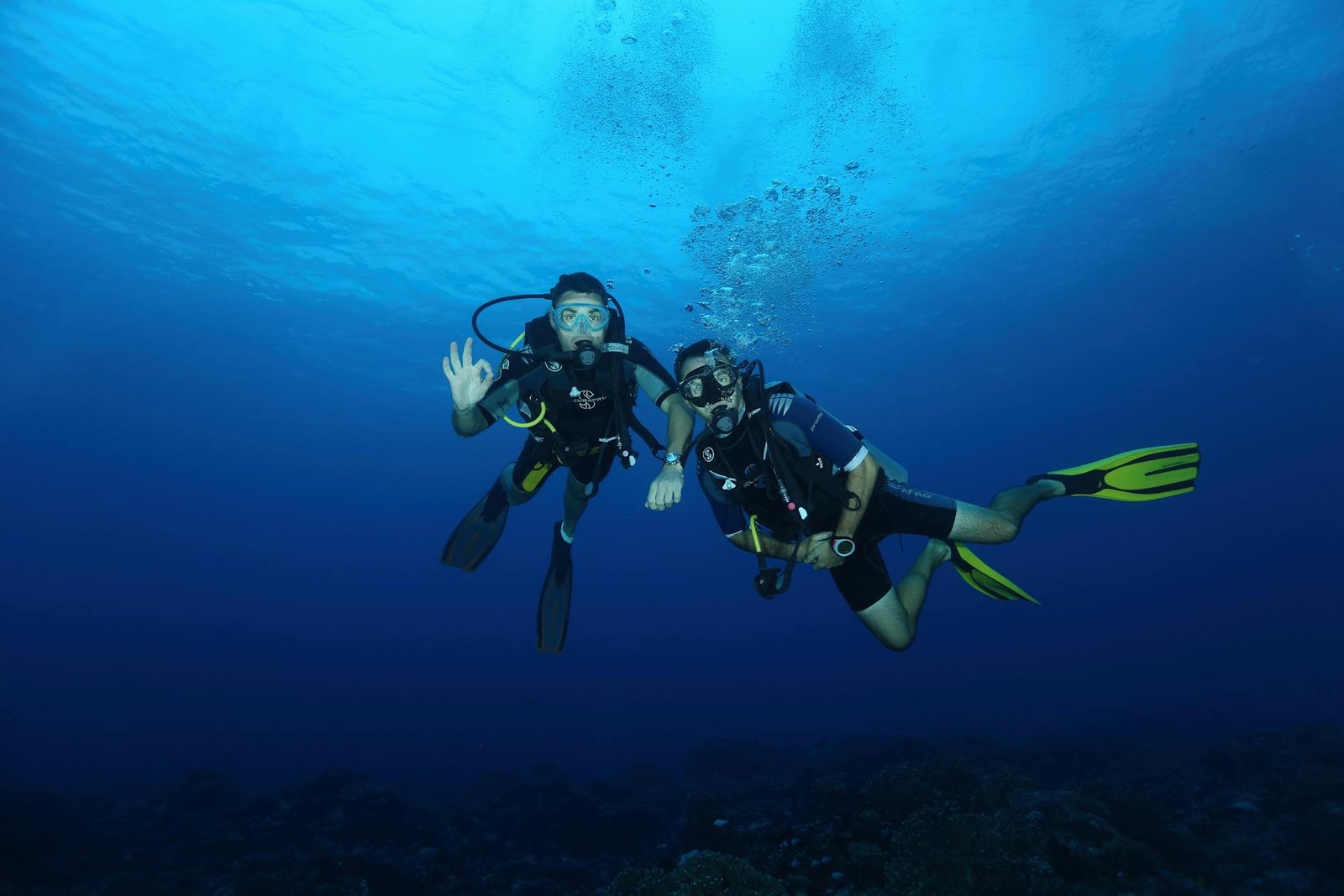
Located off the southernmost island of Peleliu, the Peleliu Express, also known as Peleliu Cut, is Palau’s most extreme drift dive. This site is reserved for highly experienced and adventurous divers due to its notoriously powerful and unpredictable currents. Depths can range from 20-40 meters (65-130 feet), and the dive often involves negative entries and rapid descents.
The reward for navigating these challenging conditions is the chance to encounter large pelagic species that thrive in the strong currents. Sharks, including grey reefs, white-tips, and occasionally even hammerheads, are common, alongside massive schools of tuna and barracuda. This is a dive where a reef hook is not just recommended, but essential. Marina Hayes stresses that divers must honestly assess their skill level and comfort with extreme currents before attempting this dive, always under the guidance of a highly experienced local dive master.
Chandelier Cave: A Subterranean Marvel
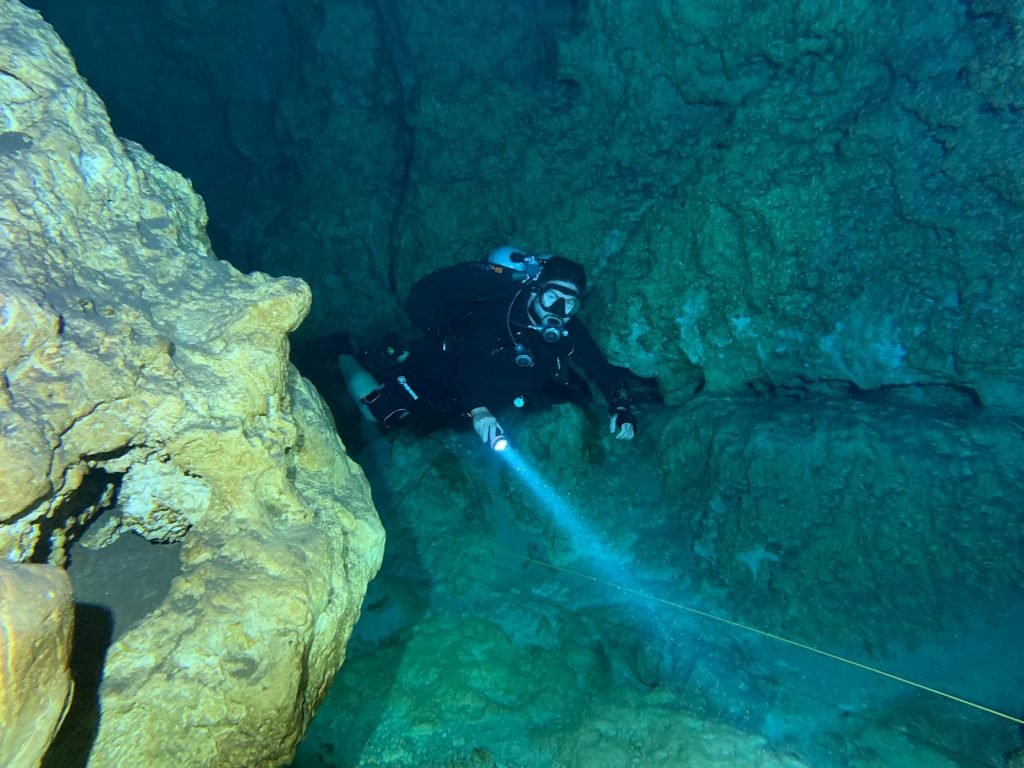
Offering a striking contrast to Palau’s open-water thrills, Chandelier Cave near Koror is a unique cavern dive. This site is easily accessible and relatively shallow, with the entrance at about 10 meters (30 feet). The cave system features five distinct air chambers, each adorned with breathtaking stalactites and stalagmites that shimmer in the light of divers’ torches.
Inside, the water is calm and clear, providing a serene environment. While large marine life is absent, divers can spot tiny shrimps, crabs, and the fascinating flashlight fish that use bioluminescence. It is essential to maintain excellent buoyancy to avoid stirring up the fine silt on the cave floor and to always follow the guide’s path. This site is a truly magical experience, often described by Marina Hayes as a calming, otherworldly adventure away from the currents.
Jellyfish Lake: A Unique Snorkeling Experience
While not a dive site, Jellyfish Lake on Eil Malk Island is an iconic Palauan experience that deserves mention. This brackish marine lake is home to millions of golden jellyfish that have evolved to lose their stinging cells due to the absence of predators. Visitors can snorkel among these gentle creatures, witnessing a truly unique natural phenomenon.
To protect this delicate ecosystem, scuba diving is strictly prohibited. Snorkelers are advised to move gently, avoid sunscreen that can harm the jellyfish, and refrain from touching them. Marina Hayes describes it as an “unforgettable, almost spiritual encounter” and a perfect non-diving activity to complement your underwater adventures.
The WWII Wrecks: Echoes of History
Palau’s waters also serve as a vast underwater museum, holding the remnants of World War II. “Operation Desecrate One” in 1944 left behind a significant number of Japanese ships and aircraft, now transformed into artificial reefs teeming with marine life.
- Iro Maru: A large Japanese oiler, the Iro Maru rests upright at depths of 25-40 meters (80-130 feet). It offers incredible penetration opportunities for trained wreck divers, revealing engine rooms, cargo holds, and other fascinating structures. The wreck is heavily encrusted with soft corals and home to groupers, lionfish, and various schooling fish. Marina Hayes finds these dives deeply moving, a poignant blend of history and vibrant marine life.
- Jake Seaplane: For a shallower wreck experience, the Jake Seaplane is a remarkably intact Japanese reconnaissance aircraft lying at 10-15 meters (30-50 feet). Its pristine condition allows for clear views of its engine, cockpit, and fuselage, making it a favorite for photographers.
Wreck diving requires specialized training for penetration, and divers must be aware of potential hazards like sharp edges, entanglement, and confined spaces. Respect for these historical sites and adherence to safety protocols are paramount.
Siaes Tunnel: An Aquatic Archway
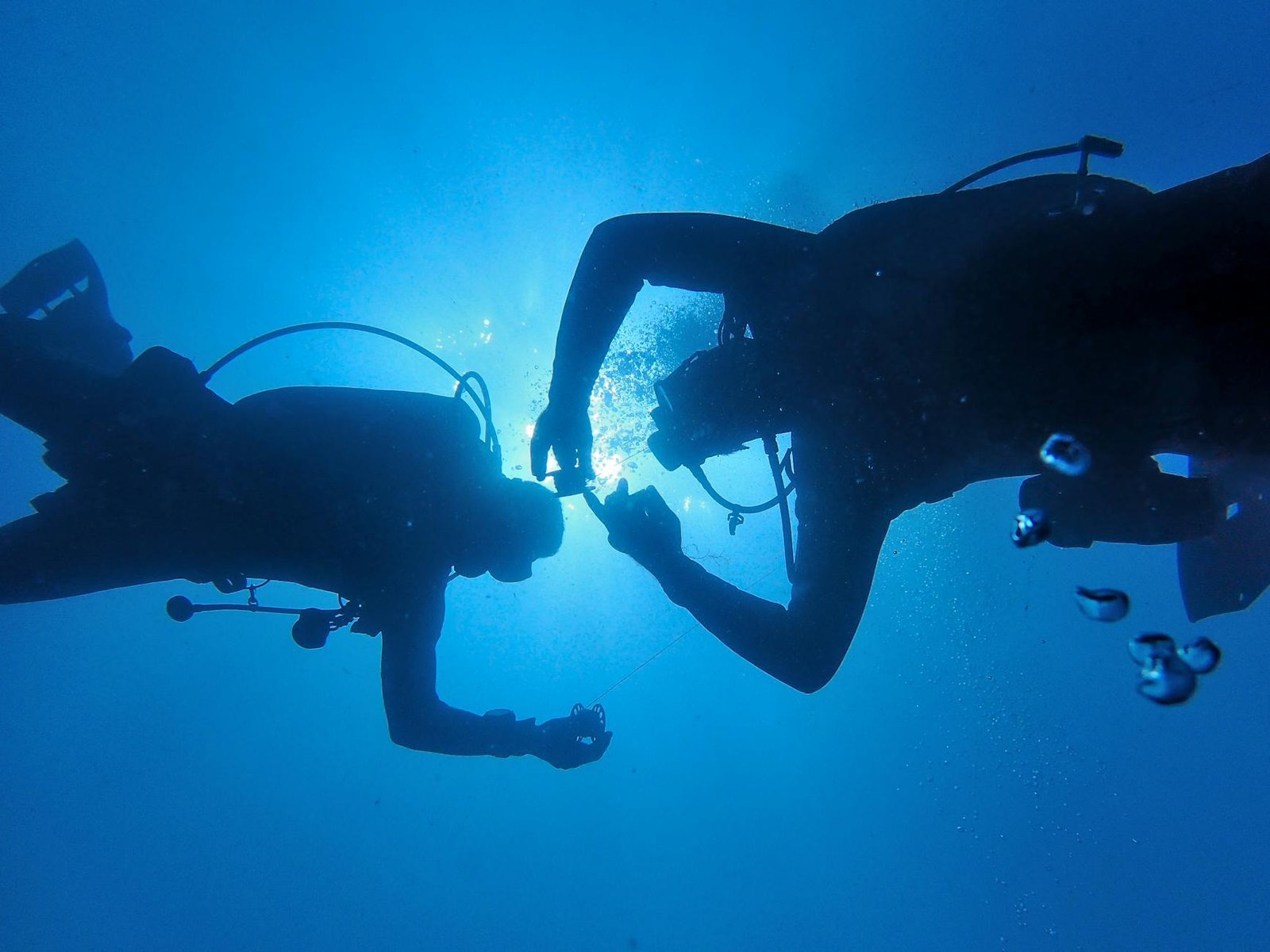
Located west of Koror, Siaes Tunnel is a massive, naturally formed swim-through that offers a captivating dive. The tunnel is large enough to allow ample natural light to filter through, creating dramatic shafts of light and shadow. Divers typically enter at one end and exit at the other, navigating through a vibrant underwater landscape. Depths range from 15-30 meters (50-100 feet).
The walls and ceiling of Siaes Tunnel are adorned with beautiful soft corals, sponges, and gorgonian fans. Reef sharks often patrol the entrance and exit, and the tunnel itself hosts various schooling fish and macro creatures. Good buoyancy control is essential to avoid contact with the delicate corals. Marina Hayes considers this dive a beautiful blend of cavern exploration and reef diving, showcasing Palau’s diverse topography.
Ngermeaus Island (Mandarin Fish Dive): A Twilight Spectacle
For those seeking a unique macro experience, a twilight dive near Ngermeaus Island offers a chance to witness the mesmerizing mating ritual of the mandarin fish. These exquisitely colored, shy creatures emerge from the coral rubble just before sunset to perform their elaborate courtship dance. This shallow dive, typically at 5-10 meters (15-30 feet), is a truly magical event.
Divers position themselves quietly and observe the tiny, iridescent fish as they pair up and ascend in a brief, elegant mating dance. While waiting, other nocturnal creatures often begin to emerge. Night diving protocols apply, including the use of dive torches, maintaining careful buoyancy, and moving slowly to avoid disturbing the delicate environment. Marina Hayes describes this as one of the most intimate and enchanting experiences we offer in Palau.
Practical Tips for Your Palau Dive Adventure
- Best Time to Visit: The dry season, from October to April, generally offers calmer seas, less rain, and excellent visibility. However, Palau is a year-round diving destination.
- Gear Essentials: Given the strong currents, a personal reef hook, an SMB (Surface Marker Buoy), and a cutting tool are highly recommended. A dive computer is, of course, essential. A 2-3mm wetsuit is usually sufficient, but some divers prefer a 5mm for multiple dives or if sensitive to cooler thermoclines.
- Choosing a Dive Operator: Select a reputable dive center with experienced local guides who prioritize safety and environmental protection. Smaller group sizes often enhance the experience.
- Currents are Key: Palau is renowned for its currents. Listen attentively to your dive master’s briefings, practice negative entries when advised, and always stay close to your buddy and group.
- Environmental Responsibility: Palau is a pristine environment. Adhere strictly to “look, don’t touch” policies. Take nothing but photos, leave nothing but bubbles.
Safety First: Diving Smart in Palau
While Palau offers exhilarating dives, safety must always be the top priority. Many of Palau’s signature dives involve strong currents, which require a certain level of experience and comfort. We highly recommend that divers have at least an Advanced Open Water certification (or equivalent) and specific training in drift diving before attempting sites like Blue Corner or Peleliu Express.
Always dive within your limits, communicate openly with your dive master about your experience level, and never hesitate to ask questions. Familiarize yourself with emergency procedures, including SMB deployment and buddy separation protocols. Dive insurance is also a wise investment for any international dive trip.
Conclusion
Palau is more than just a collection of dive sites; it is an immersive journey into one of the planet’s most vibrant and well-preserved marine ecosystems. From the adrenaline-fueled encounters with pelagics at Blue Corner to the serene beauty of Chandelier Cave and the historical echoes of its WWII wrecks, Palau offers a diving adventure unlike any other. Marina Hayes often remarks, “We believe Palau isn’t just a destination; it’s a profound experience that stays with you long after you’ve surfaced.”
The sheer diversity, the thrill of its currents, and the unparalleled beauty of its underwater landscapes make Palau an essential pilgrimage for any serious diver. Start planning your Palau dive adventure today, and prepare to be captivated by the underwater wonders that await!
⚠️ Safety Notice: This content is for informational purposes only. Always consult local guides and operators, verify current conditions, and ensure appropriate skills and certifications before any outdoor activity. DiveBikeHike is not responsible for injuries or incidents.