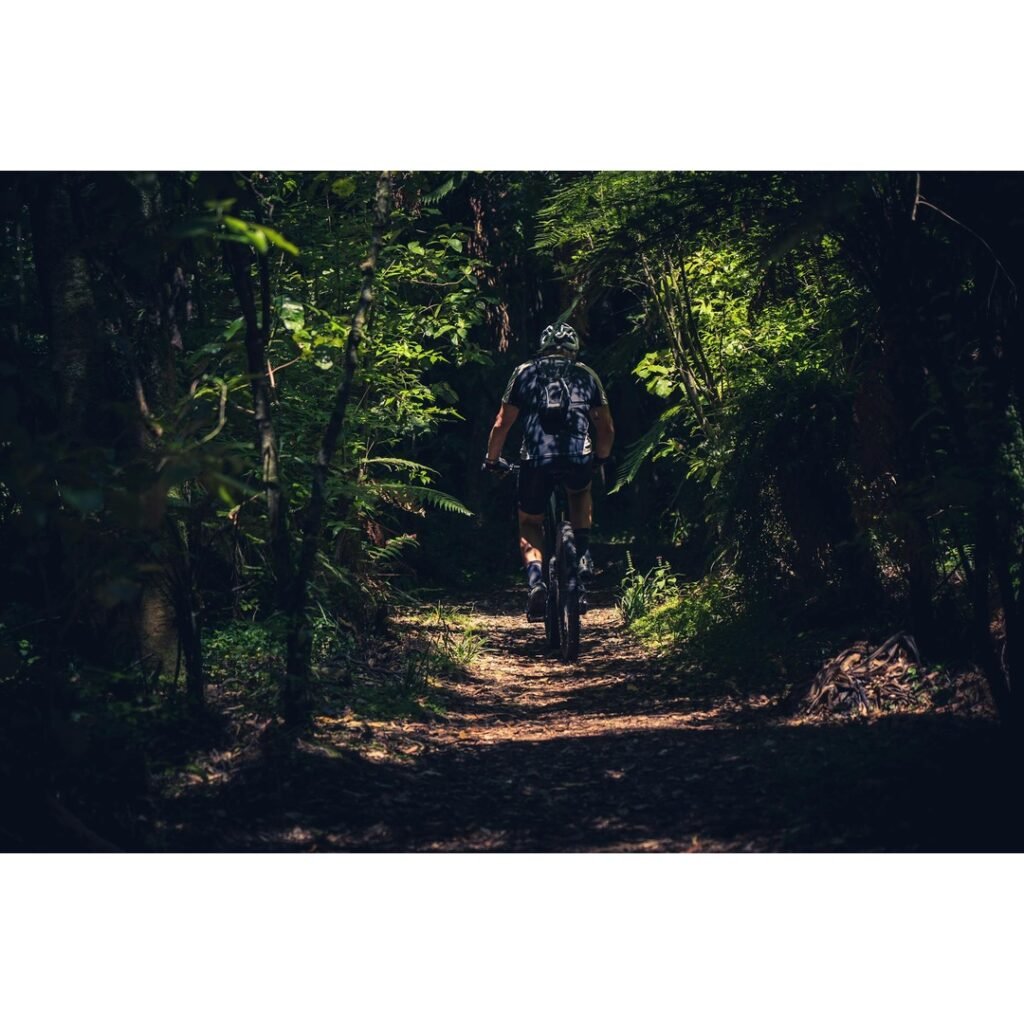
Conquer the South: Unveiling Epic Cycling Routes in New Zealand South Island
New Zealand’s South Island is a cyclist’s dream, a land where every turn of the pedal reveals a new panorama of majestic mountains, shimmering lakes, and ancient forests. For those seeking an unforgettable two-wheeled adventure, the cycling routes in New Zealand South Island offer a diverse tapestry of experiences, from gentle, family-friendly paths to challenging backcountry epics. This comprehensive guide delves into the heart of these remarkable trails, providing enthusiasts with the insights needed to plan their next cycling holiday.
The Lure of the South Island’s Pedalling Paradise
The South Island, with its dramatic Southern Alps, pristine coastlines, and rich history, has cultivated a network of cycle trails that are renowned globally. These “Great Rides of New Zealand” are meticulously maintained and offer incredible immersion into the country’s natural beauty and cultural heritage. Whether one seeks a multi-day odyssey or a scenic day trip, the South Island delivers.
Iconic Cycling Routes in New Zealand South Island
The South Island boasts several world-class cycling routes, each with its unique character and charm. Here are some of the most celebrated:
Alps 2 Ocean Cycle Trail: From Peaks to Pacific
Imagine starting a journey beneath the towering gaze of Aoraki/Mount Cook, New Zealand’s highest peak, and finishing with the salty breeze of the Pacific Ocean. This is the promise of the Alps 2 Ocean Cycle Trail, one of the country’s longest continuous cycle trails, stretching approximately 300-315 kilometers.
- Length and Duration: The trail typically takes 4 to 6 days to complete, covering about 50 to 80 kilometers per day.
- Terrain and Difficulty: Graded as introductory to moderate (Grade 2-3), the trail features a mix of gravel (around 45%), sealed roads (around 30%), and some rougher terrain like shingle. While mostly smooth, some sections, such as over Tarnbrae Saddle and from Sailor’s Cutting to Benmore Dam, are narrower with steeper drop-offs, requiring extra care.
- Highlights: Riders will traverse the stunning Mackenzie Basin, glide alongside the turquoise waters of glacial lakes Pūkaki and Ōhau, navigate hydro canals, and pass through charming towns like Twizel and Kurow. An alternative start from Lake Tekapo offers equally breathtaking scenery.
Otago Central Rail Trail: A Journey Through Gold Rush History
The Otago Central Rail Trail is New Zealand’s original Great Ride and a true pioneer in the country’s cycle trail network. This 152-kilometer journey follows a decommissioned railway line, offering a gentle gradient and a smooth, well-maintained gravel surface, making it ideal for all ages and fitness levels.
- Length and Duration: The full trail spans 152 kilometers and typically takes 3 to 5 days to cycle at a leisurely pace.
- Terrain and Difficulty: Graded as Easiest (Grade 1), the trail is predominantly flat with a maximum gradient of 2%. It features a compacted gravel surface, suitable for touring or hybrid bikes.
- Highlights: Cyclists will pass through historic gold mining towns such as Omakau, Ranfurly, and Wedderburn, cross impressive viaducts, and ride through old railway tunnels. The vast, open landscapes of Central Otago provide a unique sense of freedom and a glimpse into the region’s rich pioneer history.
West Coast Wilderness Trail: Rainforests and Rugged Beauty
For those drawn to the wild, untamed beauty of New Zealand, the West Coast Wilderness Trail offers an immersive experience through ancient rainforests, glacial rivers, and rugged coastlines. This trail, approximately 132-139 kilometers long, connects Greymouth to Ross.
- Length and Duration: The trail can be completed in 3-4 days, with each leg taking around 3-5 hours.
- Terrain and Difficulty: Mostly Grade 2 (easy) with some Grade 3 (intermediate) sections, the trail features a mix of gravel paths, sealed roads, and boardwalks. There are some climbs, notably from Kumara to Kawhaka Pass, which may require a moderate level of fitness.
- Highlights: Riders will encounter stunning natural landscapes, including the Arahura River, Lake Kaniere, and the dense native bush. Historic gold mining sites and the charming town of Hokitika add cultural interest.
Queenstown Trail: Lakeside, Rivers, and Vineyards
Queenstown, the adventure capital, also serves as a hub for fantastic cycling. The Queenstown Trail offers over 130 kilometers of interconnected trails, showcasing the stunning Whakatipu Basin.
- Length and Duration: The trail network allows for flexible riding, from short day trips to multi-day adventures, linking Queenstown, Arrowtown, and the Gibbston Valley.
- Terrain and Difficulty: Predominantly Grade 2 (easy) to Grade 3 (intermediate), the trails feature lakeside paths, river trails, country lanes, and some gravel sections.
- Highlights: Cyclists can enjoy breathtaking views of Lake Wakatipu and the Remarkables mountain range, explore historic Arrowtown, and sample world-class wines in the Gibbston Valley. Popular sections include the Arrow River Bridges Trail and the Frankton Track.
Around the Mountains Cycle Trail: Remote High Country Grandeur
For a truly immersive high-country experience, the Around the Mountains Cycle Trail offers approximately 180-196 kilometers of remote beauty. This trail provides a spectacular journey through Southland’s rural landscapes, flanked by majestic peaks.
- Length and Duration: Typically ridden over 3-5 days, the trail often begins with a scenic cruise across Lake Wakatipu to Walter Peak Station.
- Terrain and Difficulty: Graded as easy to intermediate (Grade 2-3), the trail combines wide gravel paths, purpose-built cycle trails, and some sections on public roads.
- Highlights: The trail winds through the spectacular Von Valley and past the secluded Mavora Lakes, offering vast views and a sense of wilderness. Historic farming stations and charming small towns like Mossburn and Lumsden provide welcoming stops.
Tasman’s Great Taste Trail: Coastal Flavours and Artistic Flair
Located in the sunny Nelson Tasman region, this trail offers a delightful blend of cycling, culinary delights, and artistic exploration. The Great Taste Trail is a network of cycleways, with the full circuit covering over 174-200 kilometers.
- Length and Duration: The trail can be enjoyed in sections or as a multi-day loop over 3-4 days.
- Terrain and Difficulty: Mostly Grade 2 (easy), the trail is largely flat and well-maintained, combining dedicated cycle paths and quiet rural roads. Some sections, particularly towards Kaiteriteri, may include hills.
- Highlights: Cyclists can explore vineyards, craft breweries, art galleries, and cafes. The trail offers stunning coastal views, passes through orchards, and provides access to beautiful beaches and the proximity of Abel Tasman National Park.
Practical Tips for Your South Island Cycling Adventure
Preparing for a cycling trip in the South Island ensures a smoother and more enjoyable experience.
Best Time to Ride
The shoulder seasons of Spring (September-November) and Autumn (March-May) are often considered ideal. These periods offer pleasant temperatures, fewer crowds, and stable weather. Summer (December-February) is popular but can be hot, especially inland, requiring early booking for accommodation. Winter (June-August) brings colder temperatures and snow, limiting access to some higher-altitude trails.
Gear Recommendations
- Bike Type: For most Great Rides, a gravel bike or touring bike with medium to wide knobbly tyres is recommended. For more rugged trails or dedicated mountain bike parks, a mountain bike is essential. E-bikes are widely available for hire and suitable for most trails, especially Grade 1-2.
- Clothing: New Zealand weather can be unpredictable. Layers are key: a moisture-wicking base layer, an insulating mid-layer, and a waterproof and windproof outer shell. Padded cycling shorts are a must for comfort on longer rides. A helmet is legally required.
- Navigation: A reliable GPS device or a smartphone with offline maps (such as the Great Rides App) is highly recommended. Always carry a physical map as a backup.
- Repair Kit: Essential items include spare tubes, a patch kit, a portable pump, tire levers, and a multi-tool.
- Hydration and Nutrition: Carry ample water (at least 2-3 liters, especially for remote sections) and high-energy snacks.
- Safety: A basic first-aid kit, sun protection (sunscreen, sunglasses, hat), and a personal locator beacon (PLB) for remote wilderness trails are crucial.
Training and Technique Tips
For multi-day rides, a reasonable level of fitness is beneficial. Alex Trail, an experienced cyclist, often emphasizes the importance of consistent training. Incorporating 90 minutes of aerobic exercise 3-5 times a week, focusing on endurance and some gravel riding practice, can significantly enhance the experience. Practicing gear changes and basic bike handling on varied terrain will also build confidence.
Logistics and Accommodation
Many towns along the Great Rides offer bike hire, shuttle services for luggage transfers and trail sections, and a range of accommodation options from budget-friendly hostels to charming B&Bs and luxury lodges. Booking these services in advance, especially during peak season, is highly advisable.
Personal Insights from Alex Trail
For cyclists like Alex Trail, the South Island isn’t just a destination; it’s a pilgrimage. The sheer diversity of the landscapes, from the stark beauty of the Mackenzie Basin on the Alps 2 Ocean to the lush, almost primeval rainforests of the West Coast Wilderness Trail, creates a continuously evolving narrative. Alex often recounts the feeling of solitude and immense scale while cycling through the remote sections of the Around the Mountains trail, where the only sounds are the crunch of gravel and the whisper of the wind. The camaraderie found in the small trail towns, sharing stories with fellow riders over a hearty meal, adds another layer to the adventure. It is a place where challenges are met with breathtaking rewards, and every pedal stroke brings a deeper connection to the land.
Conclusion: Your South Island Cycling Odyssey Awaits
The cycling routes in New Zealand South Island offer an unparalleled blend of natural grandeur, historical intrigue, and thrilling adventure. From the gentle gradients of the Otago Central Rail Trail to the more challenging climbs of the West Coast Wilderness, there is a path for every cyclist. Planning is key, but the rewards of exploring this magnificent island on two wheels are immeasurable. So, prepare the gear, hone the skills, and embark on an unforgettable journey through the heart of New Zealand’s South Island. The trails are calling!
Frequently Asked Questions
What are the easiest cycling routes in New Zealand South Island for beginners?
For beginners, the Otago Central Rail Trail is highly recommended due to its Grade 1 (easiest) rating, gentle gradients, and well-maintained gravel surface. The Tasman’s Great Taste Trail also offers many easy, flat sections suitable for families and novice riders.
How many days are typically needed to cycle the major routes in the South Island?
Most major multi-day cycling routes in the South Island, such as the Alps 2 Ocean Cycle Trail, Otago Central Rail Trail, and Around the Mountains Cycle Trail, typically take between 3 to 6 days to complete, depending on fitness levels and desired pace.
You might also enjoy: Conquer the Trails: Your Ultimate Guide to Mountain Biking Queenstown New Zealand

Are e-bikes suitable for cycling routes in New Zealand South Island?
Yes, e-bikes are generally suitable and widely available for hire on most Grade 1 and Grade 2 cycling routes in the South Island, including the Great Rides. They make trails accessible to a wider range of riders, though it’s important to ensure sufficient battery capacity for daily distances.
What is the best time of year to plan a cycling trip to the South Island?
The best time for cycling in the South Island is during the shoulder seasons of Spring (September to November) and Autumn (March to May). These months offer pleasant temperatures, beautiful scenery, and fewer crowds compared to the peak summer season.
Related Adventures
- Conquer the Trails: Your Ultimate Guide to Mountain Biking Queenstown New Zealand
- Cycling the Netherlands Countryside and Windmill Routes: An Enthusiast’s Quick Guide
- Conquering the Canadian Rockies: Unveiling Banff’s Epic Cycling Routes
⚠️ Safety Notice: This content is for informational purposes only. Always consult local guides and operators, verify current conditions, and ensure appropriate skills and certifications before any outdoor activity. DiveBikeHike is not responsible for injuries or incidents.