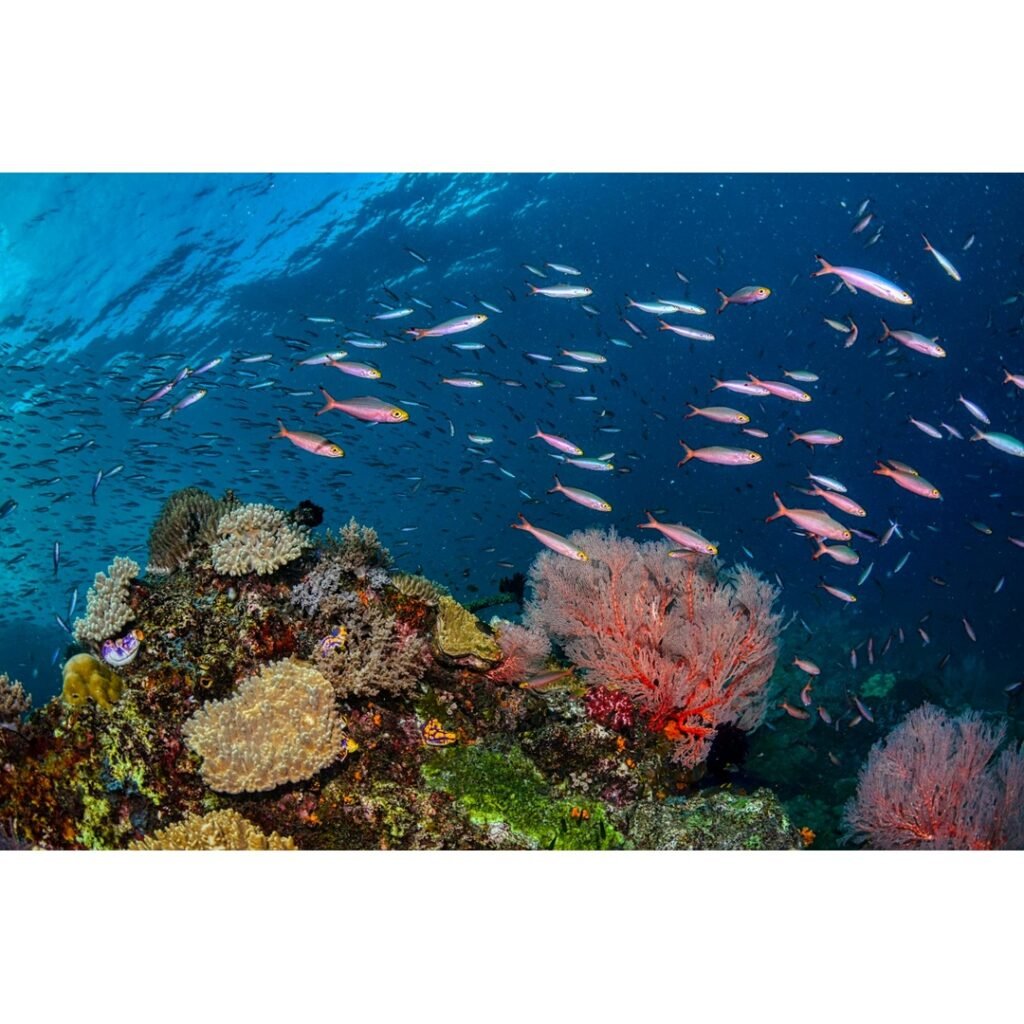
For those who live and breathe the underwater world, the name Raja Ampat, Indonesia, evokes a sense of wonder and unparalleled adventure. Nestled in the heart of the Coral Triangle, this archipelago is globally recognized as the epicenter of marine biodiversity, boasting an extraordinary concentration of life beneath its pristine waters. The coral reefs of Raja Ampat Indonesia offer an experience that transcends the ordinary, a vibrant tapestry of color and motion that captivates every diver.
As experienced dive masters, we have witnessed countless breathtaking underwater landscapes, but Raja Ampat consistently stands apart. It is a destination where every dive promises a new discovery, a deeper connection with the ocean’s most intricate ecosystems. This quick guide is crafted to help you navigate the wonders of Raja Ampat’s coral reefs, ensuring an informed and unforgettable journey.
Raja Ampat: The Epicenter of Marine Biodiversity
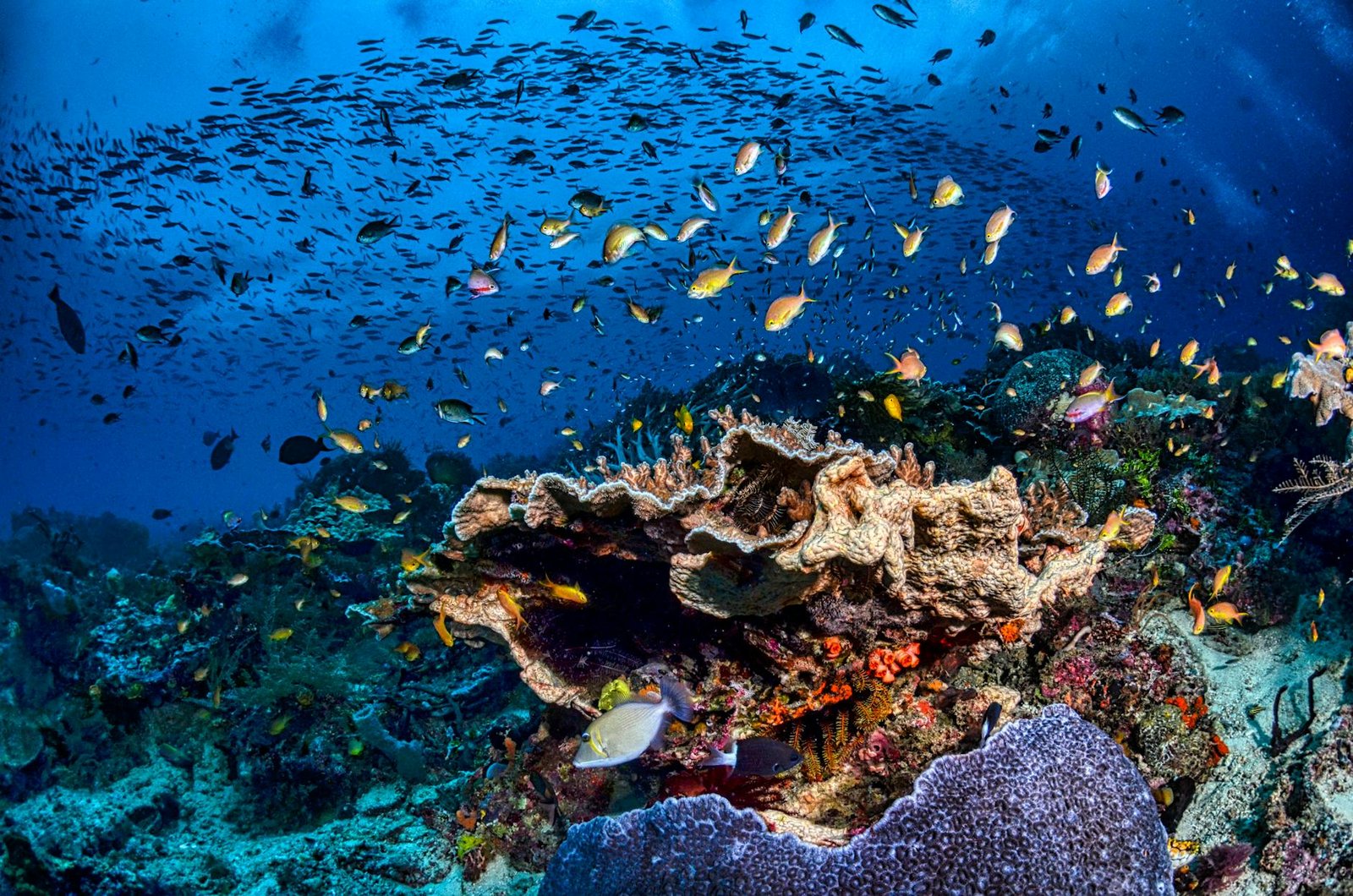
The sheer biological richness of Raja Ampat is astounding. This region is home to over 550 species of corals, accounting for approximately 75% of all known coral species globally. This incredible diversity forms the foundation for a thriving ecosystem that supports an estimated 1,500 to 1,800 species of reef fish, nearly 700 species of mollusks, and 17 species of marine mammals. The unique oceanic conditions, influenced by the Indonesian Throughflow, bring nutrient-rich waters that fuel this explosion of life, creating a dynamic environment where both macro and megafauna flourish.
Divers exploring the coral reefs of Raja Ampat Indonesia can expect to encounter a spectacular array of marine creatures, from the smallest pygmy seahorses camouflaged on gorgonian fans to majestic oceanic manta rays gliding gracefully through the blue. The area is a sanctuary for various shark species, including the endemic Raja Ampat “walking” sharks, wobbegong sharks, blacktip and whitetip reef sharks, and occasional grey reef sharks. Turtles, including the critically endangered hawksbill, are also frequent sightings.
Exploring the Coral Reefs of Raja Ampat Indonesia: Iconic Dive Sites
Raja Ampat offers an abundance of world-class dive sites, each with its own unique charm and highlights. Here are a few that consistently leave divers in awe:
- Cape Kri: Located in the Dampier Strait, Cape Kri holds a world record for the most fish species identified in a single dive. This site is a kaleidoscope of life, featuring sloping reefs and plateaus teeming with massive schools of fusiliers, barracuda, and snapper, alongside patrolling reef sharks and turtles.
- Blue Magic: Another jewel of the Dampier Strait, Blue Magic is renowned for its strong currents which attract large pelagic species. Divers frequently encounter manta rays, schooling jacks, and barracuda here.
- Manta Ridge & Manta Sandy: These sites are famous cleaning stations where both reef and oceanic manta rays gather. Witnessing these gentle giants gracefully circling for their cleaning ritual is an unforgettable experience.
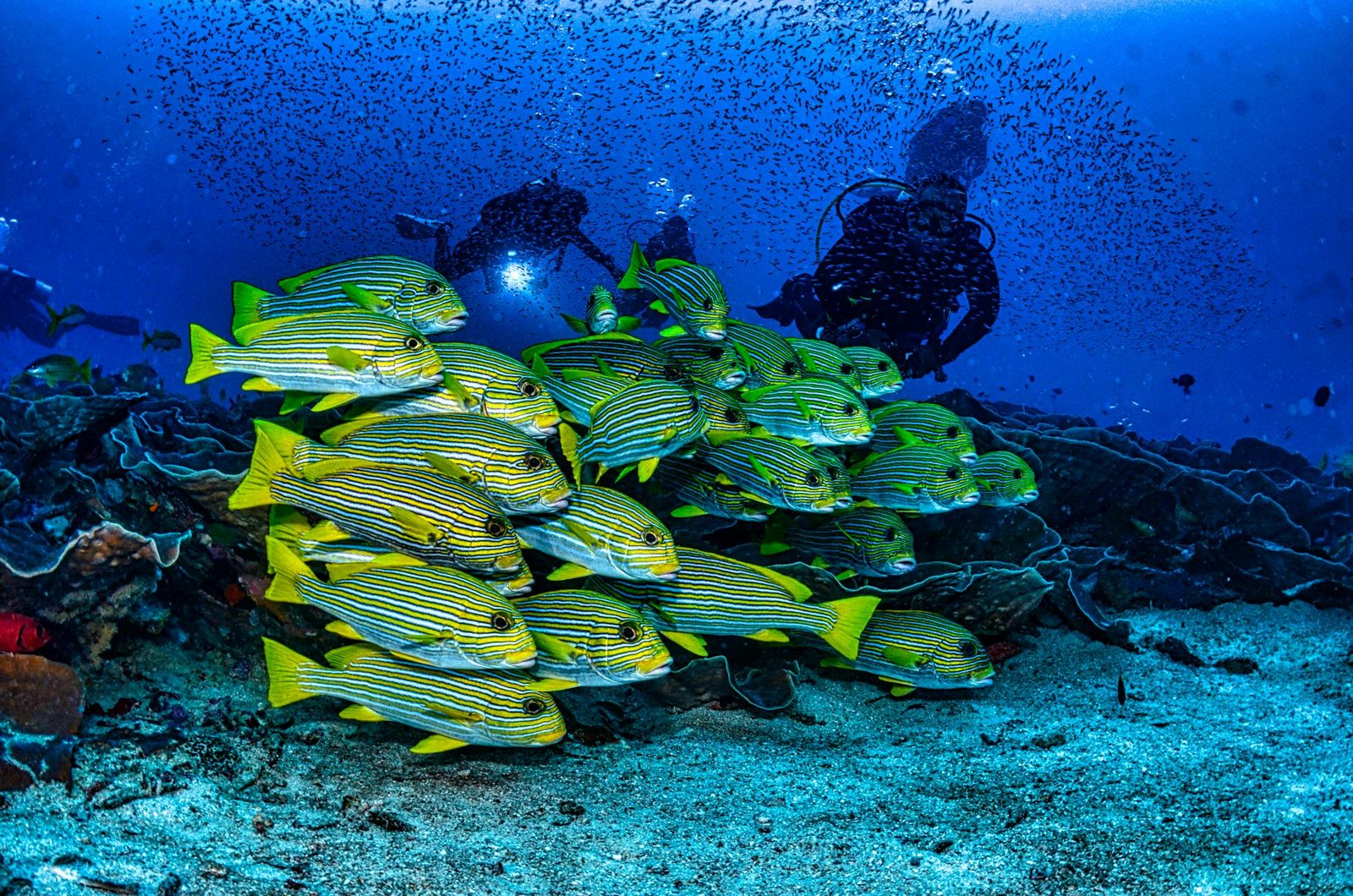
- Sardine Reef: Despite its name, you won’t find sardines here, but rather immense schools of fusiliers, jacks, and sweetlips. The currents here can be exhilarating, bringing in larger predators like sharks and tuna.
- Melissa’s Garden: Situated in the Fam Islands, this site is celebrated for its pristine and extensive hard coral gardens. It’s a shallower dive, perfect for marveling at the intricate coral formations and abundant reef fish.
- Boo Windows: Famous for its distinctive swim-throughs resembling windows carved into the reef, Boo Windows offers vibrant soft corals and regular sightings of wobbegong sharks resting on the seabed.
- Arborek Jetty: A fantastic site for both diving and snorkeling, the jetty pillars are encrusted with dense fish life, and sightings of turtles, sweetlips, and even eagle rays are common.
Practical Tips for Your Raja Ampat Diving Adventure
Best Time to Visit
The optimal period for diving in Raja Ampat is generally from October to April, coinciding with the dry season. During these months, the seas are typically calmer, visibility often exceeds 20-30 meters (approximately 65-100 feet), and water temperatures hover around a comfortable 28-30°C (82-86°F). This period also offers the highest chance of encountering manta rays. While diving is possible year-round, the wet season (May to September) can bring stronger winds and rougher seas, particularly in the southern regions, though northern areas often remain diveable with fewer crowds.
Logistics and Accommodation
Reaching Raja Ampat typically involves flying into Sorong (SOQ) in West Papua, followed by a ferry or speedboat transfer to your chosen island or liveaboard. Liveaboards are a popular choice, allowing divers to explore a wider range of remote sites across the archipelago, including the distant Misool region, without repetitive long boat rides. For those preferring land-based comfort or a slower pace, resorts and homestays are available, particularly around the Dampier Strait. It is highly recommended to pre-arrange boat transfers with your accommodation provider.
You might also enjoy: Unveiling the Ghost Fleet: An Ultimate Guide to Wreck Diving in Truk Lagoon Micronesia
Certification and Experience
While Open Water Divers can enjoy many sheltered reefs, Raja Ampat’s dynamic conditions, particularly strong currents, often make it more suitable for divers with an Advanced Open Water certification or equivalent. Many liveaboard operators recommend a minimum of 50 logged dives to ensure comfort and confidence in varying conditions. Courses in drift diving, perfect buoyancy, and marine ecology can significantly enhance your experience.
Permits and Fees
All international visitors to Raja Ampat are required to obtain a marine park entry permit (TLPJL card) and a visitor entry ticket. These fees, which support conservation efforts and local infrastructure, are typically around IDR 1,700,000 (approximately US$100 or €87) for international divers and are valid for 12 months. Dive operators often assist with the paperwork, but it is the diver’s responsibility to ensure permits are in order.
Safety Considerations in Raja Ampat
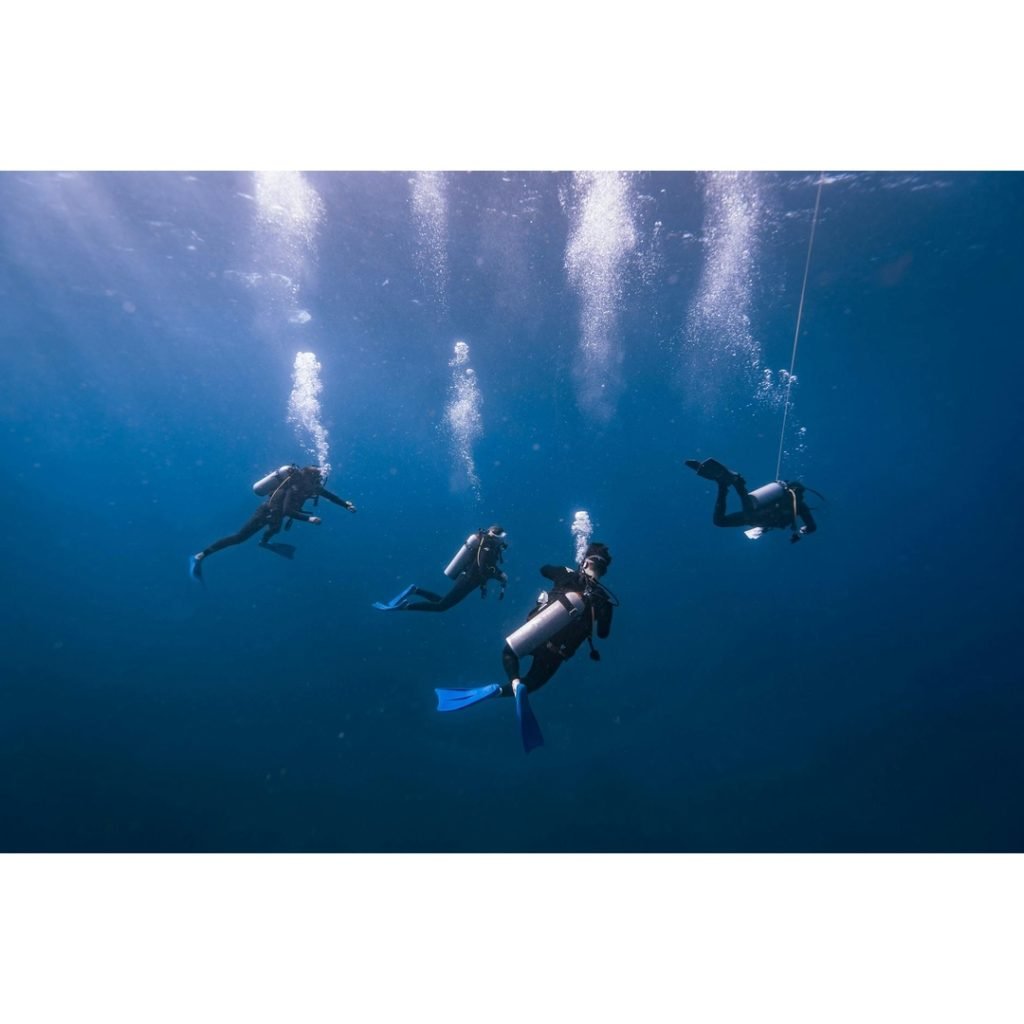
Diving in Raja Ampat is an exhilarating experience, but it requires respect for the powerful natural forces at play. The region is known for its strong and sometimes unpredictable currents, especially in areas like the Dampier Strait. These currents are vital for the thriving ecosystem but necessitate excellent buoyancy control and situational awareness. Dive guides meticulously plan dives around tide schedules and lunar phases to optimize conditions. Divers should be proficient in drift diving techniques, and reef hooks may be used on dead rock or sand to maintain position in strong currents.
It is critical to plan all dives as non-decompression dives, as there is no reliable hyperbaric chamber in Papua. In the rare event of decompression sickness (DCS), evacuation to Bali or Manado would be necessary. Always ensure your dive gear is well-maintained and carry essential safety equipment such as a Surface Marker Buoy (SMB) on every dive. Choose a reputable dive operator with certified and experienced guides who are intimately familiar with local conditions and have robust emergency action plans.
Conservation Efforts and Responsible Diving
The pristine nature of the coral reefs of Raja Ampat Indonesia is a testament to ongoing conservation efforts. The Raja Ampat Marine Protected Area (MPA) network, established in 2002, spans millions of hectares and includes a shark and manta ray sanctuary. Organizations like The SEA People and Raja Ampat SEA Centre work tirelessly with local communities on initiatives ranging from reef restoration and scientific research to education and sustainable tourism.
As divers, we play a crucial role in protecting this delicate environment. Adhere strictly to environmentally-aware diving practices: maintain excellent buoyancy, avoid touching or standing on corals, secure all dangling equipment, and never feed or harass marine life. Supporting operators committed to sustainable practices and participating in local conservation programs further contributes to the long-term health of these invaluable reefs.
You might also enjoy: Philippines Whale Sharks: Your Ultimate Guide to Diving with Gentle Giants
A Dive Master’s Reflection
Having spent years exploring the world’s oceans, we can confidently say that Raja Ampat holds a special place. The first time we descended into the Dampier Strait, the sheer volume of fish life was overwhelming – a true sensory overload in the best possible way. The vibrant soft corals, swaying in the nutrient-rich currents, create a living, breathing canvas that constantly shifts and changes. We remember one particular dive at Manta Sandy, watching a procession of mantas glide effortlessly above us, their immense forms casting fleeting shadows. It’s moments like these, where the wildness and beauty of nature are so profoundly evident, that remind us why we dedicate ourselves to the ocean. Raja Ampat isn’t just a dive destination; it’s a profound encounter with the planet’s marine heartland.
Conclusion
The coral reefs of Raja Ampat Indonesia offer an unparalleled diving experience, a journey into the most biodiverse marine ecosystem on Earth. From the bustling fish markets of Cape Kri to the serene coral gardens of Melissa’s Garden, every site is a testament to nature’s incredible artistry. With careful planning, respect for the environment, and adherence to safety guidelines, you too can discover the magic of this underwater paradise. Start planning your adventure to Raja Ampat today and prepare to be captivated by its extraordinary beauty.
Frequently Asked Questions
What makes the coral reefs of Raja Ampat Indonesia so unique?
The coral reefs of Raja Ampat are unique due to their location at the heart of the Coral Triangle, where the Pacific and Indian Oceans converge, creating an ideal environment for marine life. This results in the highest recorded marine biodiversity on Earth, with over 75% of the world’s coral species and an extraordinary number of fish and mollusk species.
When is the best time to dive in Raja Ampat?
The best time to dive in Raja Ampat is typically during the dry season, from October to April. During these months, conditions are generally calmer with excellent visibility and warm water temperatures, offering prime opportunities for encountering diverse marine life, including manta rays.
Are the currents in Raja Ampat dangerous for divers?
While currents in Raja Ampat can be strong and unpredictable, especially in areas like the Dampier Strait, they are not inherently dangerous when managed correctly. Dive operators plan dives carefully around tide schedules, and divers with good buoyancy control and drift diving experience can safely enjoy these dynamic conditions.
What marine life can be seen on the coral reefs of Raja Ampat Indonesia?
Divers can expect to see an incredible array of marine life, including over 1,500 fish species, various sharks (wobbegong, epaulette, blacktip, whitetip), both reef and oceanic manta rays, pygmy seahorses, and five species of sea turtles. The reefs are also home to schooling barracuda, jacks, fusiliers, and a vast diversity of macro life.
Related Adventures
- Unveiling the Ghost Fleet: An Ultimate Guide to Wreck Diving in Truk Lagoon Micronesia
- Philippines Whale Sharks: Your Ultimate Guide to Diving with Gentle Giants
- Unveiling the Underwater Majesty: Diving Sodwana Bay, South Africa
⚠️ Safety Notice: This content is for informational purposes only. Always consult local guides and operators, verify current conditions, and ensure appropriate skills and certifications before any outdoor activity. DiveBikeHike is not responsible for injuries or incidents.