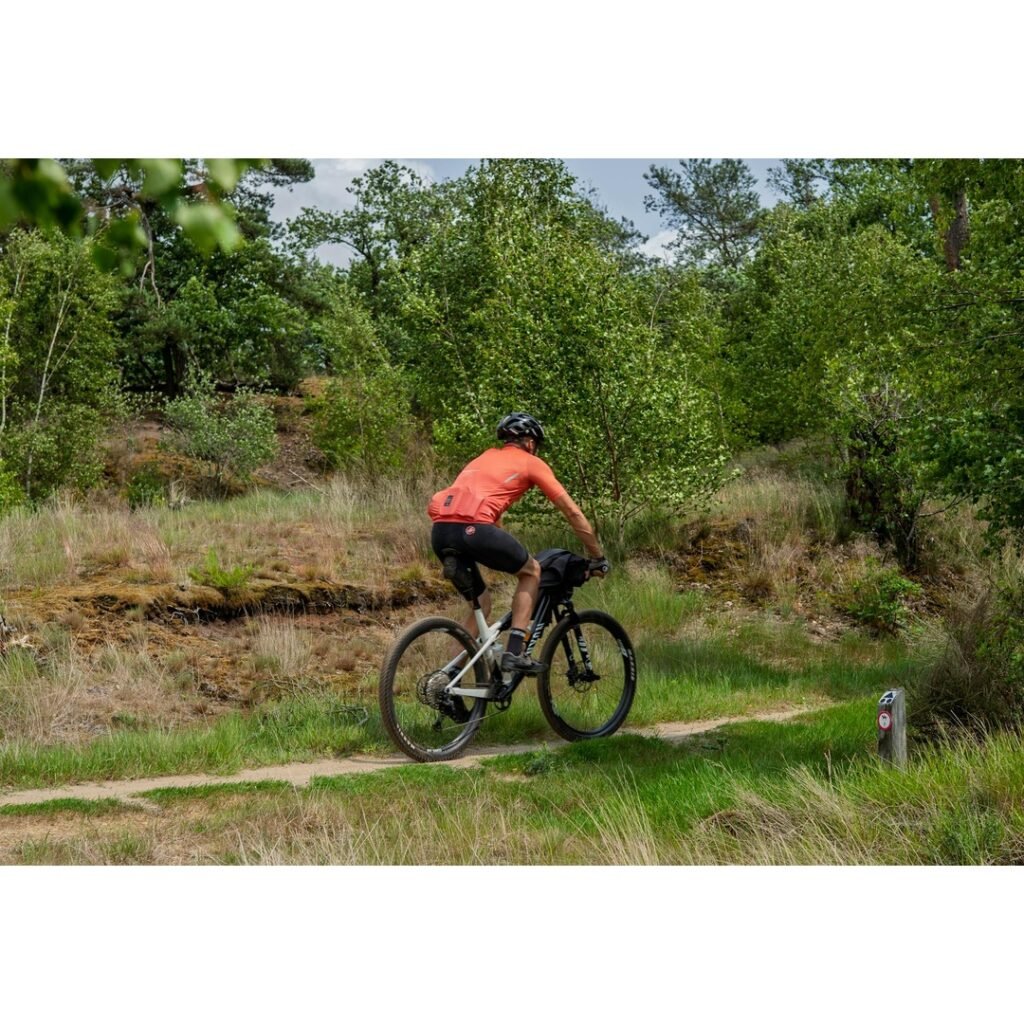
The Netherlands, a nation synonymous with cycling, offers an unparalleled experience for enthusiasts eager to explore its flat landscapes, picturesque villages, and iconic windmills. For those dreaming of cycling the Netherlands countryside and windmill routes, this guide provides a comprehensive overview to help plan an unforgettable adventure.
Why Cycling the Netherlands Countryside and Windmill Routes is a Must
The Dutch embrace cycling not just as a sport, but as a way of life. This cultural integration has resulted in an infrastructure that is a cyclist’s paradise. With over 37,000 kilometers of dedicated cycle paths, known as fietspaden, the country boasts a finely meshed network that connects nearly every corner. These paths are typically smooth, well-maintained, and often physically separated from motor traffic, ensuring a safe and pleasant ride.
As experienced cyclist Alex Trail often remarks, “There’s a unique sense of freedom that comes with navigating the Netherlands by bike. The seamless network of paths makes it incredibly easy to cover significant distances while feeling completely immersed in the landscape.” The country’s generally flat terrain makes it accessible for cyclists of all skill levels, from leisurely riders to long-distance tourers.
Iconic Windmill Routes to Explore
No trip to the Netherlands is complete without witnessing its majestic windmills. Two locations stand out as prime destinations for cycling the Netherlands countryside and windmill routes:
Kinderdijk: A UNESCO World Heritage Site
The Kinderdijk is a breathtaking UNESCO World Heritage site, home to 19 historic windmills dating back to the 18th century. These windmills, still functional, are a testament to Dutch water management ingenuity. Cycling here offers a truly iconic Dutch experience, with routes winding directly past the impressive structures and through serene polder landscapes.
- Route Lengths: Various routes are available, with popular options ranging from approximately 16 kilometers to nearly 50 kilometers, allowing for flexibility based on endurance and time. A common route from Rotterdam to Kinderdijk is around 15 km.
- Terrain: The area is exceptionally flat, making for an easy and enjoyable ride for all ages and skill levels.
- Highlights: Beyond the windmills, cyclists can enjoy charming villages, open fields, and the unique watery landscape of the Molenwaard region. Ferries across the Lek River can add an extra dimension to the journey, connecting different parts of the route.
Zaanse Schans: A Living Museum
Just north of Amsterdam, Zaanse Schans is an open-air museum that transports visitors back in time. Here, historic windmills, traditional wooden houses, and artisan workshops create a vibrant cultural experience. Cycling to and around Zaanse Schans allows for exploration at a relaxed pace, soaking in the sights, sounds, and smells of traditional Dutch life.
- Route Lengths: Shorter routes within the Zaanse Schans area, such as the “Hotspot Wormerveer” route, are around 8 kilometers, while longer circuits like “Around the Noord” can extend to about 30 kilometers. A popular self-guided tour from Amsterdam to Zaanse Schans passes through picturesque villages like Broek in Waterland and Het Twiske.
- Terrain: Similar to Kinderdijk, the routes around Zaanse Schans are predominantly flat and easy to navigate, with dedicated bike paths.
- Highlights: Visitors can explore working windmills, clog workshops, cheese farms, and traditional Dutch architecture, all while enjoying the scenic Zaanstreek region with its marshy grasslands and winding river.
Exploring the Diverse Dutch Countryside
Beyond the windmills, the Netherlands offers a rich tapestry of landscapes for cyclists. The extensive network of cycle paths, including the national Long-Distance Cycling Routes (LF-routes) and the convenient junction network (knooppunten), makes it easy to plan multi-day tours or shorter day trips through varied environments.
You might also enjoy: Unveiling Japan’s Countryside: The Ultimate Cycling Adventure
- Polders and Waterways: Cycle through the reclaimed lands of Waterland, just north of Amsterdam, or the vast Flevoland polders, experiencing landscapes literally shaped by human endeavor.
- Coastal Dunes and Beaches: The LF Kustroute (Coastal Route), part of EuroVelo 12, offers stunning rides along the North Sea coast and through dune reserves in provinces like Zeeland and North Holland. Be prepared for potentially strong winds in these open areas.
- Forests and Heathlands: For a change of scenery, head to the central Veluwe National Park, known for its forests, heathlands, and wildlife, or explore the wooded areas of Drenthe and Gelderland. While the Netherlands is mostly flat, these regions offer gentle slopes and varied terrain.
Practical Tips for Your Cycling Adventure
Preparation is key to a smooth and enjoyable cycling trip in the Netherlands.
Best Time to Visit
The ideal time for cycling the Netherlands countryside and windmill routes is from late spring to early autumn (April to October). Spring offers the spectacle of tulip fields, while summer and early autumn provide generally pleasant weather for cycling. However, be prepared for changeable weather, including sudden showers and wind, at any time of year.
Gear Recommendations
Equipping oneself properly ensures comfort and safety:
- Bike: A comfortable touring bike or hybrid is generally suitable. E-bikes are increasingly popular, especially for longer distances or if carrying luggage, and can be easily rented.
- Helmet: While not mandatory, wearing a helmet is highly recommended for safety.
- Lights and Reflectors: Front (white) and rear (red) lights are mandatory when cycling in low visibility or at night, as are reflectors on pedals and wheels.
- Waterproof Gear: A lightweight, breathable waterproof jacket and pants are essential due to the unpredictable Dutch weather. A waterproof backpack cover is also advisable.
- Padded Cycling Shorts: These can significantly enhance comfort on longer rides.
- Gloves: Useful for grip, reducing hand fatigue, and warmth in cooler weather.
- Navigation: While routes are well-signposted, a GPS device or a reliable cycling app can be invaluable for following the junction network or LF routes.
- Bike Lock: Invest in a good quality lock, or even two, as bike theft can be an issue, particularly in urban areas. Secure your bike to an immovable object.
Training and Technique
Given the flat terrain, extensive specific training isn’t usually required for casual touring. However, for multi-day tours, building endurance with regular rides of similar duration to your planned daily distances is beneficial. Focus on consistent pedaling and maintaining a comfortable pace. The Dutch cycle paths are designed for ease, so simply enjoying the ride is often the best technique.
Safety and Etiquette
Adhering to local cycling rules ensures a safe and harmonious experience:
- Use Cycle Paths: Always use designated cycle paths (fietspaden) where available; it’s often mandatory.
- Signal Turns: Clearly signal your intentions with arm gestures before turning or changing lanes.
- Right of Way: Generally, yield to traffic coming from your right at unmarked intersections, and always yield to pedestrians at crosswalks, unless signs indicate otherwise.
- Bell: A bell is mandatory and should be used courteously to alert others when passing.
- No Phone Use: It is illegal to hold a mobile phone while cycling.
Personal Insights from Alex Trail
Having cycled countless kilometers across the Netherlands, Alex Trail often reflects on the unique charm of Dutch cycling. “The sheer thoughtfulness of the infrastructure is astounding. It’s not just about getting from A to B; it’s about the journey itself. We’ve spent days meandering through polders, watching the clouds reflect in the canals, and then suddenly, a cluster of windmills appears on the horizon, perfectly framed. It’s a truly immersive way to connect with the landscape and the rhythm of Dutch life. Even the occasional headwind becomes part of the adventure, a reminder of the coastal proximity.”
“One particular memory that stands out is a morning ride through the Waterland region, just outside Amsterdam. The mist was still clinging to the fields, and the only sounds were the distant bleating of sheep and the gentle whir of our tires on the smooth red asphalt. We stopped at a tiny village bakery for fresh stroopwafels, and it felt like we had stepped into a postcard. These are the moments that make cycling the Netherlands countryside and windmill routes so incredibly rewarding.”
You might also enjoy: Unveiling Tuscany’s Cycling Heaven: A Comprehensive Guide for Enthusiasts
Conclusion
Cycling the Netherlands countryside and windmill routes offers an unparalleled blend of natural beauty, cultural immersion, and accessible adventure. With its world-class cycling infrastructure, diverse landscapes, and iconic sights, the Netherlands truly is a cyclist’s dream destination. Whether embarking on a multi-day tour or a leisurely afternoon ride, the experience promises to be both invigorating and unforgettable.
So, pump up those tires, pack your bags, and prepare to discover the magic of the Dutch landscape from the saddle of a bicycle. Your next great cycling adventure awaits!
Frequently Asked Questions
What is the best way to navigate cycling routes in the Netherlands?
The Netherlands uses a highly effective “junction network” (knooppunten) system, where numbered junctions are clearly signposted, allowing cyclists to easily follow pre-planned routes or create their own. Additionally, Long-Distance Cycling Routes (LF-routes) offer national routes for multi-day trips. Mobile apps are also available to assist with navigation.
Is cycling in the Netherlands suitable for beginners?
Yes, cycling in the Netherlands is highly suitable for beginners. The country’s flat terrain and extensive network of dedicated, well-maintained cycle paths make for easy and safe riding conditions. Many routes are designed for leisurely exploration, requiring little prior experience.
What kind of bike should I use for cycling the Netherlands countryside and windmill routes?
For most routes, a comfortable touring bike or hybrid is ideal. These bikes offer a good balance of comfort and efficiency. E-bikes are also a popular choice, especially for those who prefer assistance on longer distances or against headwinds, and are widely available for rent.
What are the essential safety rules for cyclists in the Netherlands?
Key safety rules include always using designated cycle paths, signaling turns with arm gestures, yielding to traffic from the right (unless otherwise indicated), using a bell to alert others, and having mandatory front and rear lights with reflectors when visibility is poor or at night. Holding a mobile phone while cycling is prohibited.
Related Adventures
- Unveiling Japan’s Countryside: The Ultimate Cycling Adventure
- Unveiling Tuscany’s Cycling Heaven: A Comprehensive Guide for Enthusiasts
- Conquering the Sands: An Epic Guide to Cycling Routes in the Namibia Desert
⚠️ Safety Notice: This content is for informational purposes only. Always consult local guides and operators, verify current conditions, and ensure appropriate skills and certifications before any outdoor activity. DiveBikeHike is not responsible for injuries or incidents.