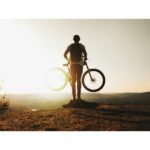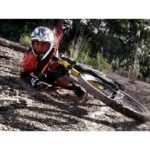
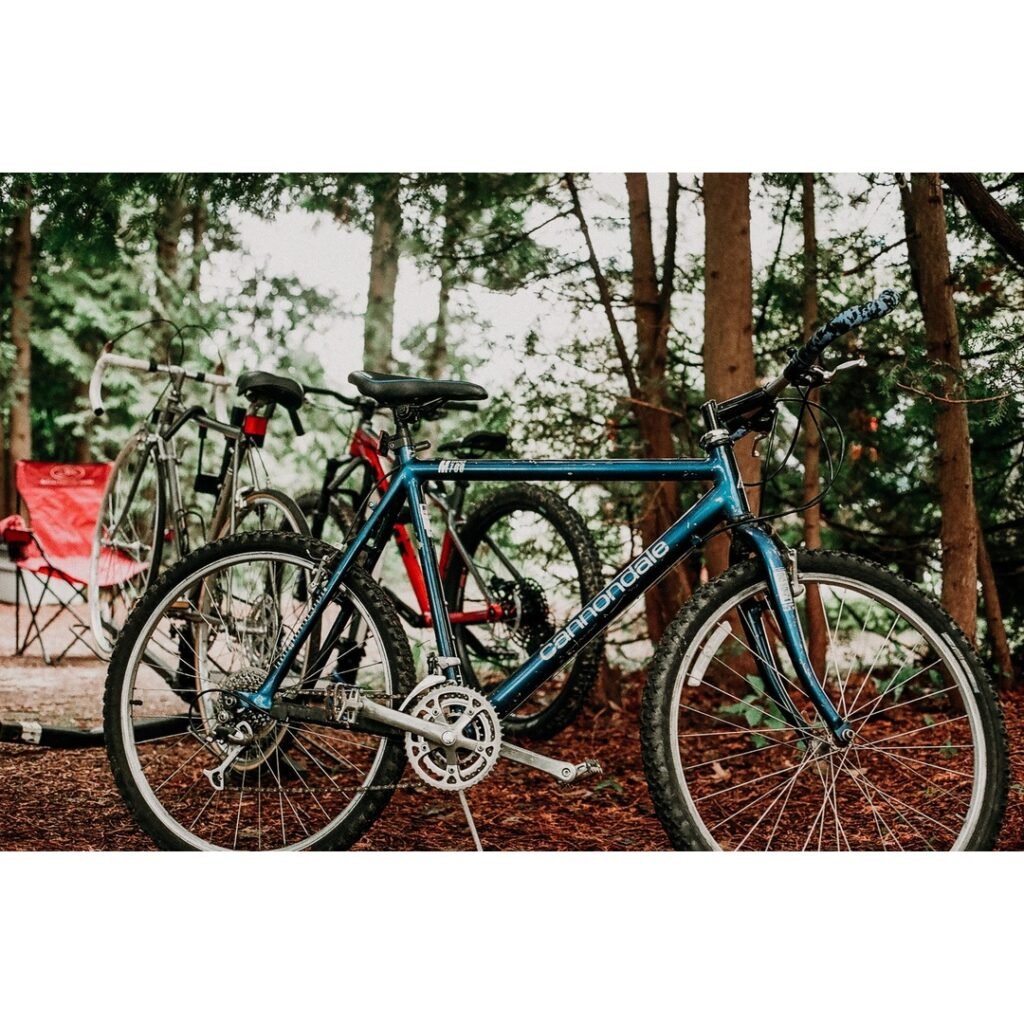
For cycling enthusiasts seeking an unparalleled adventure, the call of the wild often leads to extraordinary places. Few destinations answer that call with the raw beauty and untamed spirit of the Yukon. Here, the vast northern landscape transforms into a playground for two wheels, offering an unforgettable experience of mountain biking Yukon wilderness. As Alex Trail, an experienced cyclist, often remarks, “The Yukon isn’t just a place to ride; it’s a place to live out your wildest cycling dreams, surrounded by a silence so profound it redefines solitude.”
The Call of the Wild: Why Mountain Biking Yukon Wilderness?
The Yukon presents a unique tapestry of boreal forests, towering mountains, pristine lakes, and winding rivers, making it a dream destination for wilderness cycling adventures. What truly sets it apart is the profound sense of immersion in nature and the sheer scale of its untouched beauty. During the summer months, the phenomenon of the midnight sun extends daylight hours, allowing for epic rides that stretch late into the evening, adding an almost surreal quality to every pedal stroke. This vast territory, with its sparse population, ensures that crowded trails are a rarity, offering a genuine escape into solitude where the only companions are the sounds of nature and the crunch of tires on the trail.
The region’s diverse terrain caters to a wide range of skill levels, from flowing singletrack through alpine meadows to technical descents that challenge even the most seasoned riders. The rich history of the Klondike Gold Rush also means many trails follow historic routes, adding a layer of cultural significance to the physical challenge.
Yukon’s Premier Mountain Biking Destinations
The Yukon boasts several world-class mountain biking hubs, each offering distinct riding experiences.
Whitehorse: The Hub of Yukon Cycling
Whitehorse, the territorial capital, is a vibrant center for mountain biking, boasting an extensive network of trails often exceeding 700 kilometers. This impressive system caters to all skill levels, from approachable cross-country routes to challenging technical singletrack. Key riding areas include Grey Mountain, Mount MacIntyre (affectionately known as “Mount Mac” or “Big Mac”), and the scenic Yukon River Trail.
- Grey Mountain: Offers a mix of trails, with many catering to intermediate and advanced riders seeking downhill thrills. Trails like “Money Shot” provide steep and technical descents with unparalleled views of Whitehorse.
- Mount MacIntyre: Features approachable singletrack with plenty of ups and downs, including trails like “Starbuck’s Revenge” and “Blown Away” that offer long, technical runs after a rewarding climb. It also hosts a skills park.
- Mount Sima: A lift-accessed downhill bike park offering flowy intermediate trails and heart-stopping black and extreme diamond descents.
- Yukon River Trail: A smooth dirt singletrack following the Yukon River, offering scenic views and a roller-coaster descent. It can be accessed from Grey Mountain or Miles Canyon.
Carcross: A World-Class Riding Experience
Just an hour south of Whitehorse, the historic village of Carcross has emerged as an international mountain biking hotspot, primarily due to the trails on Montana Mountain. The development of these trails is a testament to the “SingleTrack to Success” program, a Carcross/Tagish First Nation initiative that empowers local youth to build and maintain a world-class network. Montana Mountain offers over 40 kilometers of singletrack for various riders.
- Mountain Hero: This IMBA-designated “Epic Ride” is a premier trail, featuring a significant climb to the subalpine with 360-degree views, followed by a descent of over 1,000 meters.
- Dei Kwaan Trails: “Lower Dei Kwaan,” “Caribou,” and “Porcupine Climb” are excellent starting points for beginners, while “Black Bear,” “Upper Dei Kwaan,” and “Nares View” offer more challenge for intermediate riders.
- Technical Descents: Trails like “Goat” and “Wolf” are known for their challenging technical features, requiring advanced skills.
Dawson City & Beyond: Exploring the Klondike Backcountry
Further north, Dawson City, steeped in Gold Rush history, offers a more remote and raw mountain biking experience. The trails here are often described as natural, raw, and steep, with a focus on downhill.
You might also enjoy: Conquer the Peaks: An Epic Mountain Biking Journey Through Morocco’s Atlas Mountains
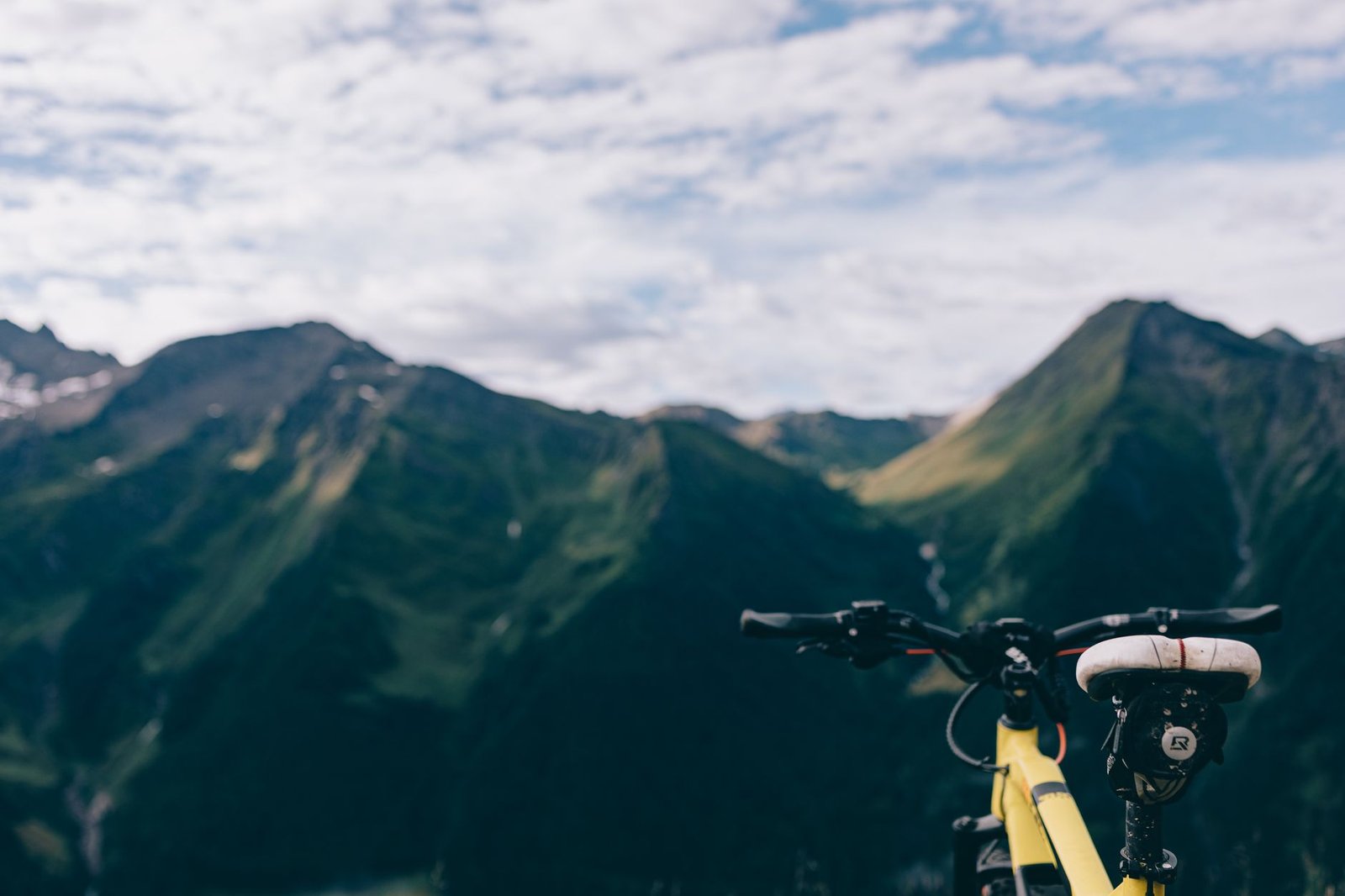
- Midnight Dome: This prominent peak overlooking Dawson City features stellar singletrack trails, including black-diamond routes with jumps, wall-rides, and ramps, leading right into town.
- Ridge Road Heritage Trail: An approximately 2-3 hour non-technical pedal that takes riders to the top of King Solomon’s Dome, offering fantastic views and showcasing Gold Rush artifacts.
- Moose Hide Trails: A network of drops, berms, and technical terrain above Dawson City, built and maintained by local youth.
Preparing for Your Yukon Wilderness Cycling Adventure
A successful mountain biking Yukon wilderness trip requires careful preparation, given the remote nature of many trails and the variable northern weather.
Essential Gear for Mountain Biking Yukon Wilderness
Selecting the right equipment is paramount for safety and enjoyment in the Yukon backcountry.
- Bike Type: A full-suspension mountain bike is generally recommended for comfort and capability on the varied and often technical terrain. However, hardtails can also be suitable for less aggressive trails.
- Tires: Opt for wide tires with aggressive tread patterns to handle loose gravel, roots, rocks, and potentially muddy conditions. Tubeless setups are highly recommended to minimize flats.
- Navigation: A reliable GPS device with pre-loaded maps is crucial, as cell service can be unreliable or non-existent in many areas. Always carry a physical map and compass as a backup, and know how to use them.
- Repair Kit: A comprehensive repair kit is non-negotiable. This should include a multi-tool, tire levers, spare tubes or a robust patch kit, a portable pump, chain quick links, and zip ties. Consider a small bottle of sealant for tubeless repairs.
- Clothing: Layered clothing is essential due to rapid temperature changes. Include moisture-wicking base layers, insulating mid-layers, and a waterproof/windproof outer shell. Gloves, a helmet, and protective eyewear are mandatory.
- Safety Gear: Bear spray should be carried and easily accessible, and riders should know how to use it. A well-stocked first-aid kit, a whistle, and an emergency shelter are also vital. A satellite messenger or personal locator beacon (PLB) is highly recommended for remote trips.
- Food & Water: Carry more food and water than you anticipate needing. Water purification tablets or a filter are advisable for multi-day trips.
Training and Technique
The Yukon’s trails demand a good level of fitness and technical proficiency.
- Endurance: Focus on long rides to build stamina for extended days in the saddle. Incorporate consistent cardiovascular training.
- Technical Skills: Practice riding over varied obstacles like rock gardens, roots, and loose terrain. Work on controlled descents and efficient climbing techniques.
- Bike Packing: If planning multi-day trips, practice packing your gear efficiently and riding with the added weight.
- Variable Conditions: Be prepared to ride in different conditions, including mud, dust, and loose gravel. Adapt your technique accordingly.
Safety and Environmental Responsibility
Riding in the Yukon wilderness means sharing the environment with abundant wildlife and respecting the delicate ecosystem.
- Wildlife Encounters: The Yukon is bear country, home to both black and grizzly bears, as well as moose. Make noise while riding, especially in dense vegetation or around blind corners, to avoid surprising animals. Travel in groups when possible. If an encounter occurs, know how to react calmly and use bear spray if necessary.
- Leave No Trace: Adhere strictly to Leave No Trace principles. Pack out everything you pack in, stay on marked trails, and minimize your impact on the environment.
- Trail Conditions and Weather: Always check local trail conditions and weather forecasts before heading out. Mountain weather can change rapidly, and it can snow in any month of the year at higher elevations.
- Emergency Preparedness: Inform someone of your route and estimated return time. Carry emergency communication devices.
- Permits and Regulations: While individual recreational mountain biking generally does not require a permit, commercial operators or groups larger than 12 undertaking recreational activities in territorial parks may need one. Always check with local visitor centers or the Yukon government for specific regulations regarding your chosen riding area.
Alex Trail’s Insights: A Rider’s Perspective
The Yukon has a way of getting under your skin, transforming a simple bike ride into a profound journey. We recall a particular ride on Montana Mountain, pushing up a challenging climb, the air crisp and carrying the scent of pine. The effort was real, the legs burning, but with every pedal stroke, the vastness of the landscape unfolded. Reaching a high point, the panoramic view of Bennett and Nares Lakes, framed by distant snow-capped peaks, was simply breathtaking. It was a moment of pure, unadulterated awe, where the physical exertion melted away, replaced by an overwhelming sense of accomplishment and connection to the wild. The descent that followed, a flowy singletrack through alpine meadows, felt like flying, the golden light of the late evening sun painting the landscape in hues of orange and purple. It’s these moments of raw beauty, challenge, and reward that define mountain biking in the Yukon wilderness – an experience that stays with a rider long after the tires stop spinning.
You might also enjoy: Unveiling Madeira: The Ultimate Mountain Biking Paradise in the Atlantic
Conclusion: Your Next Northern Pedal Stroke Awaits
The Yukon offers a mountain biking experience unlike any other. It’s a land where epic trails meet breathtaking scenery, where the challenge of the ride is matched only by the reward of unparalleled natural beauty. From the extensive networks around Whitehorse and the world-class singletrack of Carcross to the raw backcountry adventures near Dawson City, the opportunities for exploration are boundless. The unique blend of challenging terrain, the solitude of the wilderness, and the magic of the midnight sun create an unforgettable adventure for any cycling enthusiast.
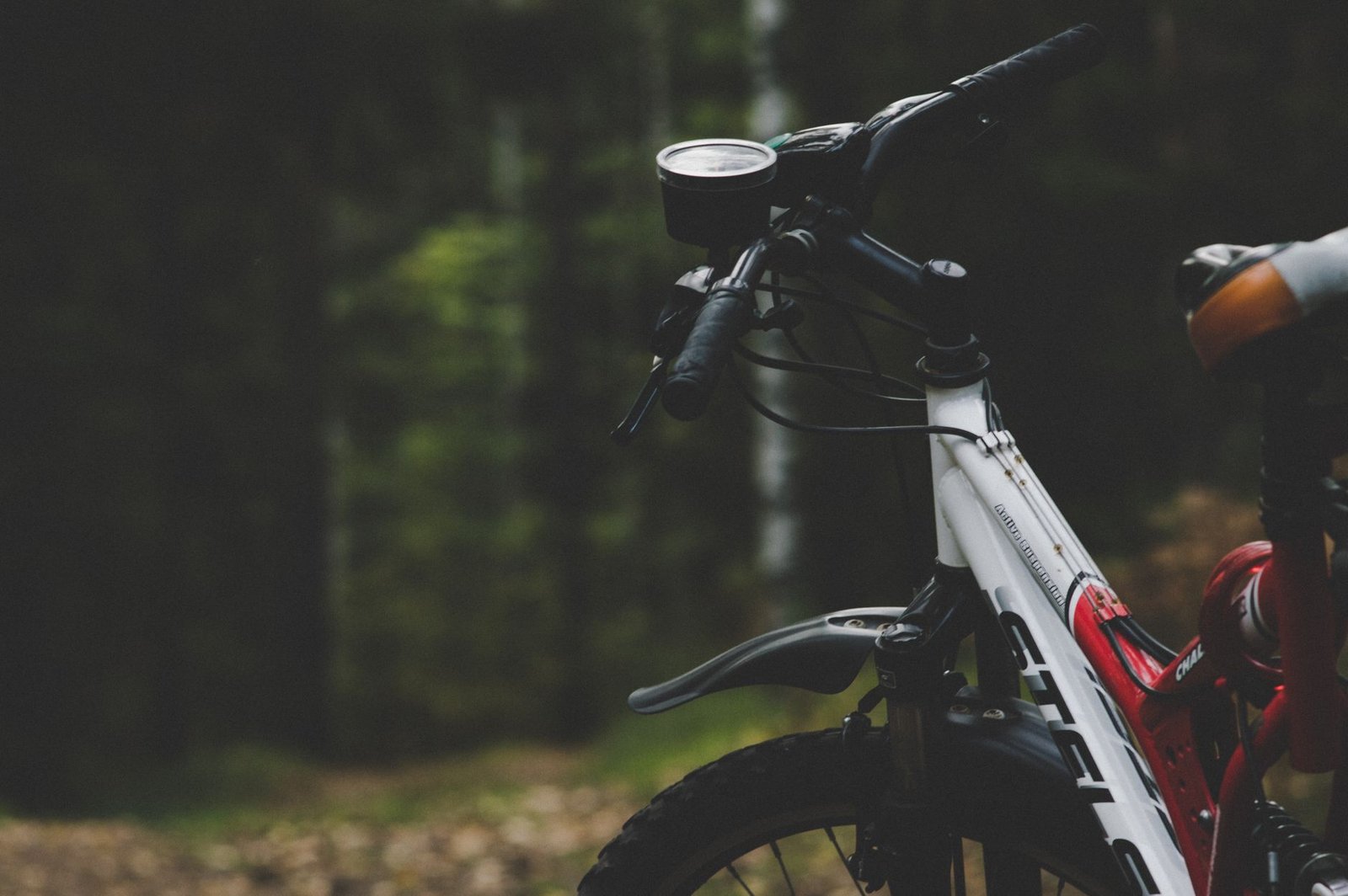
So, if the thought of carving through pristine singletrack, surrounded by a landscape that feels truly untamed, ignites your passion, it’s time to start planning. The trails of the Yukon wilderness are calling, promising an adventure that will challenge your skills, invigorate your spirit, and leave you with memories to last a lifetime. Gear up, train hard, and prepare to discover the gold of northern mountain biking.
Frequently Asked Questions
Is mountain biking in the Yukon suitable for beginners?
Yes, the Yukon offers trails suitable for various skill levels, including beginner-friendly options. Whitehorse, for example, has extensive networks with approachable cross-country trails, and Carcross also features easier singletrack like Lower Dei Kwaan. It is advisable to start with easier, shorter trails and gradually progress.
What is the best time of year for mountain biking in the Yukon?
The prime mountain biking season in the Yukon typically runs from late May or early June to late September. July and August offer the warmest weather and extended daylight hours, while early September provides stunning fall foliage and fewer insects.
What wildlife should mountain bikers be aware of in the Yukon?
The Yukon is home to various wildlife, including black bears, grizzly bears, and moose. To minimize encounters, riders should make noise, especially in dense areas, and travel in groups. Carrying bear spray and knowing how to use it is highly recommended.
Are there guided mountain biking tours available in the Yukon?
Yes, several companies offer guided mountain biking tours in the Yukon, providing experienced guides, transportation, and often accommodation and meals. These tours can be an excellent option for exploring the best trails safely and efficiently.
Related Adventures
- Conquer the Peaks: An Epic Mountain Biking Journey Through Morocco’s Atlas Mountains
- Unveiling Madeira: The Ultimate Mountain Biking Paradise in the Atlantic
- Conquering the Clouds: An Epic Gravel Biking Adventure in Ecuador’s Highlands
⚠️ Safety Notice: This content is for informational purposes only. Always consult local guides and operators, verify current conditions, and ensure appropriate skills and certifications before any outdoor activity. DiveBikeHike is not responsible for injuries or incidents.