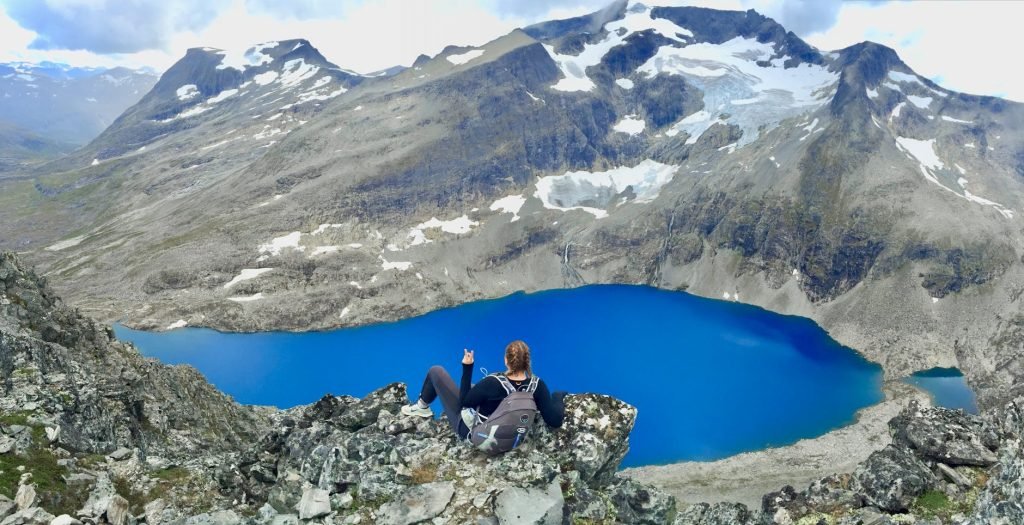
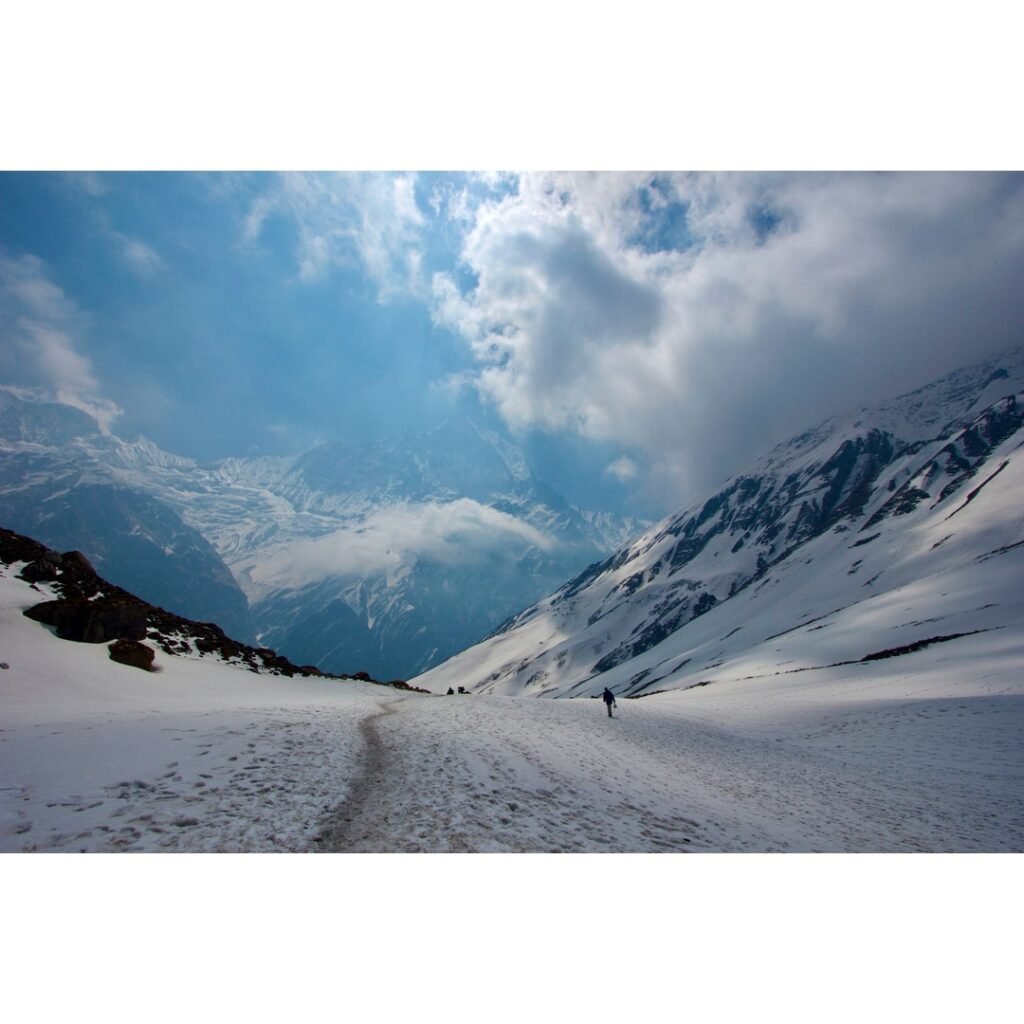
The call of the mountains is an ancient whisper, and for many hiking enthusiasts, that call resonates most profoundly from the heart of the Himalayas. Among its myriad treasures, the Annapurna region in Nepal stands as a beacon, offering some of the world’s most diverse and spectacular trekking experiences. Embarking on a journey trekking in Nepal Himalayas Annapurna is not merely a physical challenge; it is a profound immersion into a landscape of unparalleled natural beauty and vibrant cultural tapestry.
From lush subtropical forests to arid high-altitude deserts, and from charming Gurung villages to the majestic amphitheater of the Annapurna Sanctuary, this region promises an adventure that will stir the soul and challenge the spirit. This guide aims to equip aspiring trekkers with the knowledge and inspiration needed to plan an unforgettable expedition, fostering a deep connection with nature and the resilient communities that call these mountains home.
Why Choose the Annapurna Region for Trekking in Nepal Himalayas Annapurna?
The Annapurna region is a microcosm of Nepal’s incredible diversity, making it an ideal destination for trekking in Nepal Himalayas Annapurna. It boasts a unique blend of geographical extremes, from low-lying paddy fields to towering peaks exceeding 8,000 meters. The Annapurna Conservation Area, Nepal’s largest protected area, safeguards a rich biodiversity, including a wide array of flora and fauna. Trekkers can witness rhododendron forests in bloom during spring, encounter diverse bird species, and observe traditional village life that has remained largely unchanged for centuries.
Beyond the breathtaking scenery, the Annapurna region offers a cultural journey. Trekkers pass through settlements of various ethnic groups, including Gurung, Magar, and Manangi, each with their distinct traditions, languages, and hospitality. Staying in local teahouses provides an intimate glimpse into their way of life, offering opportunities for genuine cultural exchange and supporting the local economy.
Popular Annapurna Trekking Routes
The Annapurna region offers a spectrum of treks, catering to various fitness levels and timeframes. Here are some of the most celebrated routes:
Annapurna Base Camp (ABC) Trek
The Annapurna Base Camp Trek is a classic journey that leads directly into the heart of the Annapurna Sanctuary, a natural amphitheater surrounded by some of the world’s highest peaks. This trek typically spans between 7 to 12 days, though some itineraries can extend to 15 days, covering approximately 110 to 130 kilometers.
The trail gradually ascends from lower elevations, often starting near Pokhara, and culminates at Annapurna Base Camp itself, situated at an impressive altitude of 4,130 meters (13,550 feet). The difficulty is generally rated as moderate, requiring trekkers to navigate varied terrain, including significant uphill and downhill sections, and numerous stone staircases. Highlights include panoramic views of Annapurna I, Annapurna South, Machhapuchhre (Fishtail), and Hiunchuli, as well as the opportunity to relax in natural hot springs at Jhinu Danda.
Annapurna Circuit Trek
Often hailed as one of the world’s greatest long-distance treks, the Annapurna Circuit offers a comprehensive exploration of the Annapurna massif. This challenging yet incredibly rewarding trek typically takes 12 to 18 days, with some routes extending up to 21 days, covering a distance of 160 to 230 kilometers depending on road access and chosen endpoints.
The circuit traverses diverse ecological zones, from subtropical lowlands to high-altitude alpine and semi-arid regions. The ultimate highlight is crossing the formidable Thorong La Pass, one of the highest trekking passes in the world, at an elevation of 5,416 meters (17,769 feet). The trek is rated moderate to challenging, primarily due to the high altitude and long daily walking hours, often 6-8 hours. Trekkers usually complete the circuit in a counter-clockwise direction to aid acclimatization, allowing for a more gradual ascent to the pass.
Poon Hill Trek
For those seeking a shorter yet equally captivating experience, the Poon Hill Trek is an excellent choice. This trek typically lasts 4 to 5 days, though it can be extended to 7 days or shortened to 2-3 days with jeep transport. It is considered easy to moderate in difficulty, making it suitable for beginners and families.
You might also enjoy: Unveiling Yosemite’s Majesty: A Hiker’s Ultimate Guide to Its Legendary Trails
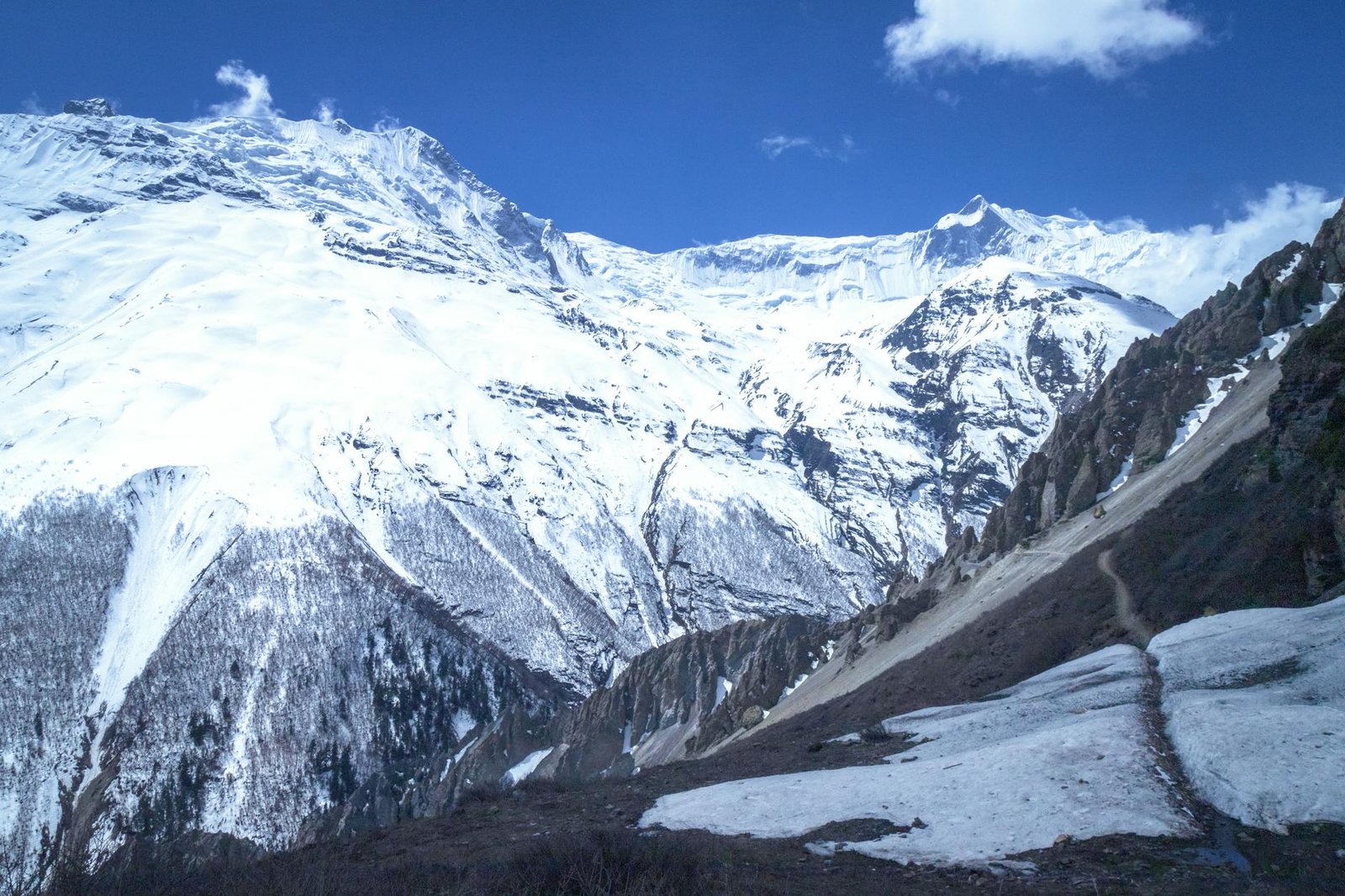
The highest point reached is Poon Hill summit at 3,210 meters (10,531 feet), renowned for its spectacular sunrise views over the Annapurna and Dhaulagiri mountain ranges. The trail features charming Gurung and Magar villages like Ghorepani and Ghandruk, and involves ascending thousands of stone steps, particularly on the section leading to Ulleri.
Preparing for Your Annapurna Adventure
Proper preparation is paramount for a safe and enjoyable trekking in Nepal Himalayas Annapurna experience.
Physical Fitness
Regardless of the chosen route, a good level of physical fitness is essential. Treks in the Annapurna region involve sustained walking over varied terrain, including steep ascents and descents, for several hours each day. Cardiovascular training (running, cycling, swimming) and strength training (especially for legs and core) for at least 2-3 months prior to the trek are highly recommended.
Gear and Packing Essentials
Layering is key for Himalayan trekking due to fluctuating temperatures. Essential gear includes:
- Footwear: Sturdy, broken-in trekking boots with good ankle support.
- Clothing: Moisture-wicking base layers, insulating mid-layers (fleece, down jacket), and a waterproof/windproof outer shell.
- Backpack: A comfortable backpack (40-60 liters) with a rain cover.
- Sleeping Bag: Rated for temperatures down to -10°C to -20°C, especially for higher altitude treks.
- Headlamp: Essential for early morning starts and navigating teahouses at night.
- First-Aid Kit: Personal medications, pain relievers, blister treatment, antiseptic wipes, and altitude sickness medication (consult a doctor).
- Water Purification: Water filter, purification tablets, or a UV purifier to reduce plastic waste.
- Sun Protection: High-SPF sunscreen, sunglasses, and a wide-brimmed hat.
- Trekking Poles: Highly recommended for stability and reducing strain on knees, particularly on descents.
Acclimatization
Acclimatization is crucial for high-altitude treks to prevent Acute Mountain Sickness (AMS). It involves ascending slowly, taking rest days at appropriate elevations (e.g., Manang for the Annapurna Circuit, or Machhapuchhre Base Camp for ABC), staying hydrated, and avoiding alcohol. The general rule is to not gain more than 300-500 meters in sleeping elevation per day above 3,000 meters. Listening to one’s body and communicating any symptoms of headache, dizziness, or nausea to a guide or trekking partner is vital.
Navigation and Safety Considerations
Safety should always be the top priority when trekking in Nepal Himalayas Annapurna.
Guides and Porters
While some Annapurna trails are well-marked, hiring a licensed guide and/or porter is highly recommended, especially for longer or higher-altitude treks. Guides provide invaluable local knowledge, assist with navigation, communicate with teahouse owners, and are trained to recognize and respond to altitude sickness and other emergencies. Porters significantly lighten the load, allowing trekkers to enjoy the journey more fully.
Permit Requirements
All trekkers entering the Annapurna Conservation Area are required to obtain an Annapurna Conservation Area Permit (ACAP). The cost for foreign nationals is typically NPR 3,000 (approximately USD 25). Additionally, a Trekkers’ Information Management System (TIMS) card has historically been required for most trekking areas in Nepal. While some recent reports suggest TIMS cards are no longer strictly enforced for Annapurna treks, it is advisable to check the latest regulations with the Nepal Tourism Board or a reputable trekking agency before your trip.
Altitude Sickness
Altitude sickness can affect anyone, regardless of fitness level. Symptoms range from mild (headache, nausea, fatigue) to severe (High Altitude Pulmonary Edema – HAPE, High Altitude Cerebral Edema – HACE), which can be life-threatening. The best prevention is slow ascent and proper acclimatization. If symptoms worsen, immediate descent to a lower altitude is critical. Carrying travel insurance that covers high-altitude rescue, including helicopter evacuation, is strongly recommended.
You might also enjoy: Hiking The Wave Arizona: A Journey to a Geologic Masterpiece
Weather and Trail Conditions
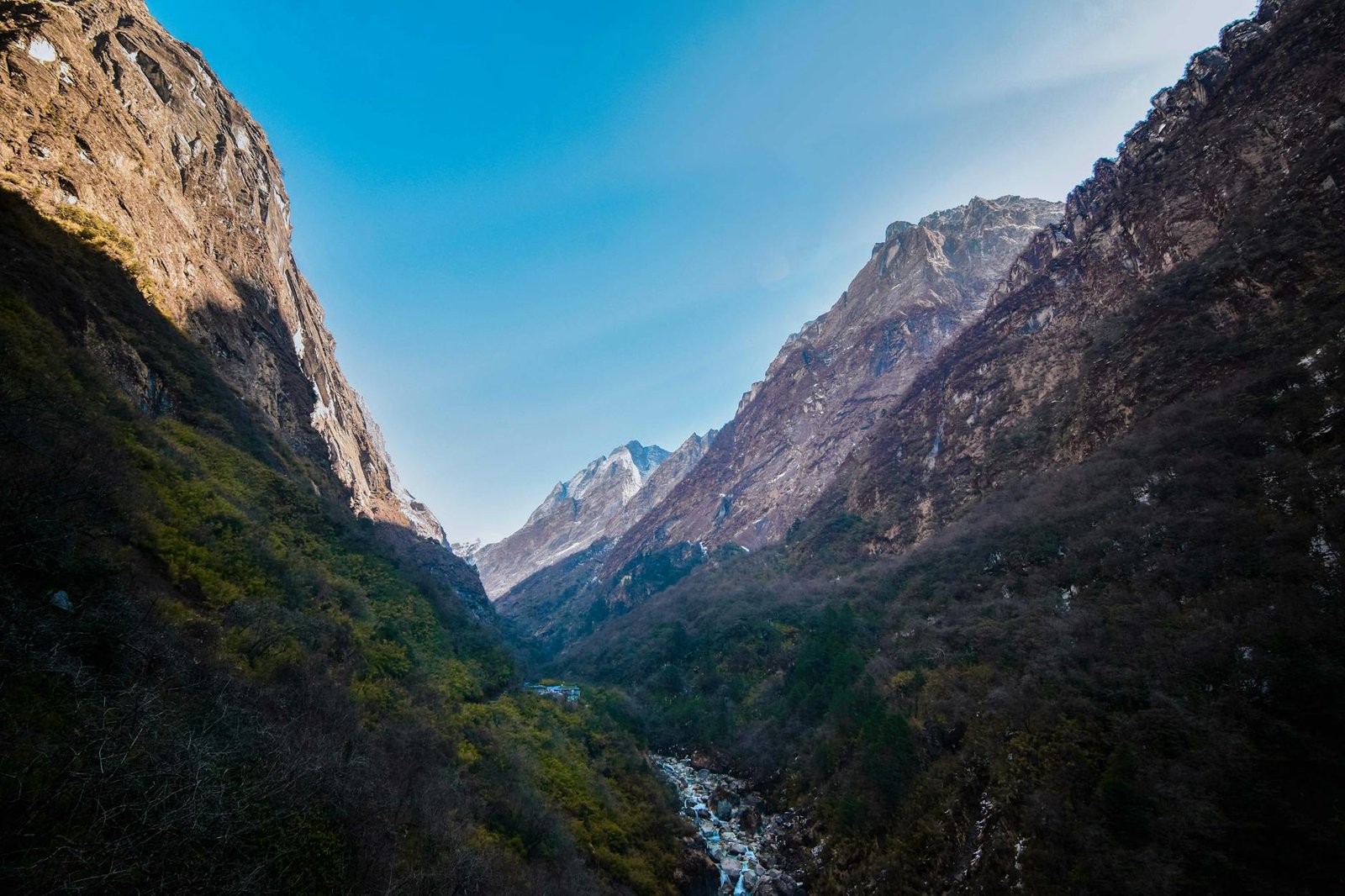
The best seasons for trekking in the Annapurna region are spring (March to May) and autumn (September to November/early December), offering stable weather, clear skies, and excellent mountain views. Winter (December-February) brings colder temperatures and significant snow at higher elevations, making some passes challenging or impassable. Monsoon season (June-August) brings heavy rainfall, slippery trails, and obscured views.
Embracing Environmental Stewardship
The pristine beauty of the Annapurna Himalayas is a gift that must be protected. Trekkers have a responsibility to practice environmental stewardship:
- Leave No Trace: Pack out everything brought in, including all trash. Avoid littering and properly dispose of waste.
- Respect Wildlife: Observe animals from a distance and do not disturb their natural habitat.
- Stay on Trails: Stick to marked trails to prevent erosion and damage to fragile ecosystems.
- Conserve Resources: Be mindful of water and electricity usage in teahouses.
- Support Local: Purchase goods and services from local businesses to contribute directly to the communities.
Personal Insights from Summit Reid, Experienced Hiker
Having traversed the breathtaking trails of the Annapurna region multiple times, the profound sense of connection one develops with this landscape is truly unparalleled. The crisp mountain air, the rhythmic crunch of boots on the trail, and the ever-present panorama of snow-capped giants create a meditative state unlike any other. There is a raw honesty to the mountains; they demand respect, preparation, and an open heart. The challenges, whether it’s the steep climb to Ulleri or the thin air approaching Thorong La, are met with an inner strength that often surprises. Yet, it is not just the physical feat that defines the experience. It is the warmth of a shared meal in a cozy teahouse, the genuine smiles of local children, and the silent awe inspired by a sunrise painting the Annapurna range in hues of gold and crimson. These moments weave together to form a tapestry of memories that resonate long after the journey concludes. The Himalayas have a way of stripping away the superfluous, leaving one grounded and deeply appreciative of the simple, yet extraordinary, beauty of our natural world.
Conclusion: Answer the Call of the Annapurna Himalayas
Trekking in Nepal Himalayas Annapurna is more than just a trip; it is an expedition into the heart of natural grandeur and cultural richness. From the iconic Annapurna Base Camp to the challenging Annapurna Circuit and the panoramic views from Poon Hill, each trail offers a unique narrative of adventure and discovery. With careful preparation, a commitment to safety, and a mindful approach to environmental stewardship, trekkers can embark on a truly transformative journey.
The majestic peaks, the serene landscapes, and the warm hospitality of the Nepalese people await. Answer the call of the Annapurna Himalayas, prepare your spirit for adventure, and discover the profound connection that awaits amidst these sacred mountains. Begin planning your unforgettable trekking experience today!
Frequently Asked Questions
What is the best time of year for trekking in Nepal Himalayas Annapurna?
The optimal seasons for trekking in the Annapurna region are spring (March to May) and autumn (September to November/early December). These periods offer stable weather, clear skies, and comfortable temperatures, providing the best conditions for stunning mountain views and enjoyable hiking.
What permits are required for Annapurna trekking?
All trekkers need an Annapurna Conservation Area Permit (ACAP), which costs approximately NPR 3,000 (around USD 25) for foreign nationals. While a Trekkers’ Information Management System (TIMS) card has historically been required, recent information suggests it may not be strictly enforced for Annapurna treks. It is always best to verify the latest permit requirements before your trip.
How difficult are the Annapurna treks, and can beginners do them?
Annapurna treks range from easy to challenging. The Poon Hill Trek is considered easy to moderate and suitable for beginners. The Annapurna Base Camp Trek is moderate, while the Annapurna Circuit Trek is moderate to challenging, primarily due to high altitude and longer durations. Beginners can undertake most treks with proper physical preparation and a sensible acclimatization schedule.
What are the main risks of high-altitude trekking in Annapurna?
The primary risk is Acute Mountain Sickness (AMS), which can progress to more severe, life-threatening conditions like HAPE or HACE. Other risks include unpredictable weather, slippery trails, and potential injuries. Proper acclimatization, staying hydrated, listening to your body, and having comprehensive travel insurance that covers high-altitude rescue are crucial for mitigating these risks.
Related Adventures
- Unveiling Yosemite’s Majesty: A Hiker’s Ultimate Guide to Its Legendary Trails
- Hiking The Wave Arizona: A Journey to a Geologic Masterpiece
- Conquering the High Sierra: Your Ultimate Guide to Hiking the John Muir Trail California
⚠️ Safety Notice: This content is for informational purposes only. Always consult local guides and operators, verify current conditions, and ensure appropriate skills and certifications before any outdoor activity. DiveBikeHike is not responsible for injuries or incidents.