The world beneath the waves holds countless wonders, but for those captivated by the intricate details of marine life, few destinations rival the magic of Lembeh Strait, Indonesia. Renowned globally as the “Critter Capital,” this narrow stretch of water in North Sulawesi offers an unparalleled playground for underwater photography in Lembeh Strait Indonesia. It’s a place where the smallest inhabitants command the grandest attention, transforming what might appear to be barren volcanic sand into a vibrant stage for the bizarre and the beautiful.
As experienced dive masters, we have witnessed countless divers emerge from Lembeh’s waters with eyes wide with wonder and memory cards brimming with extraordinary captures. This guide is designed to equip both novice and seasoned underwater photographers with the knowledge and tips needed to maximize their experience in this macro paradise.
Why Lembeh Strait is a Muck Diving Paradise
Lembeh Strait is a unique geological formation, a sheltered channel between mainland Sulawesi and Lembeh Island. This protection from strong ocean currents, combined with nutrient-rich waters and a predominantly dark, volcanic sandy seabed, creates an ideal habitat for an incredible diversity of small, rare, and often camouflaged marine creatures.
Unlike vibrant coral reefs, Lembeh’s dive sites are characterized by slopes of black sand, rubble, and scattered debris – the perfect “muck” for critters to hide and thrive. This environment forces divers to slow down, hone their observation skills, and appreciate the subtle beauty of the miniature. The visibility, while not always crystal clear (typically ranging from 5 to 20 meters), is more than sufficient for macro photography, where subjects are often just inches from the lens.
The Critters of Lembeh: A Photographer’s Dream
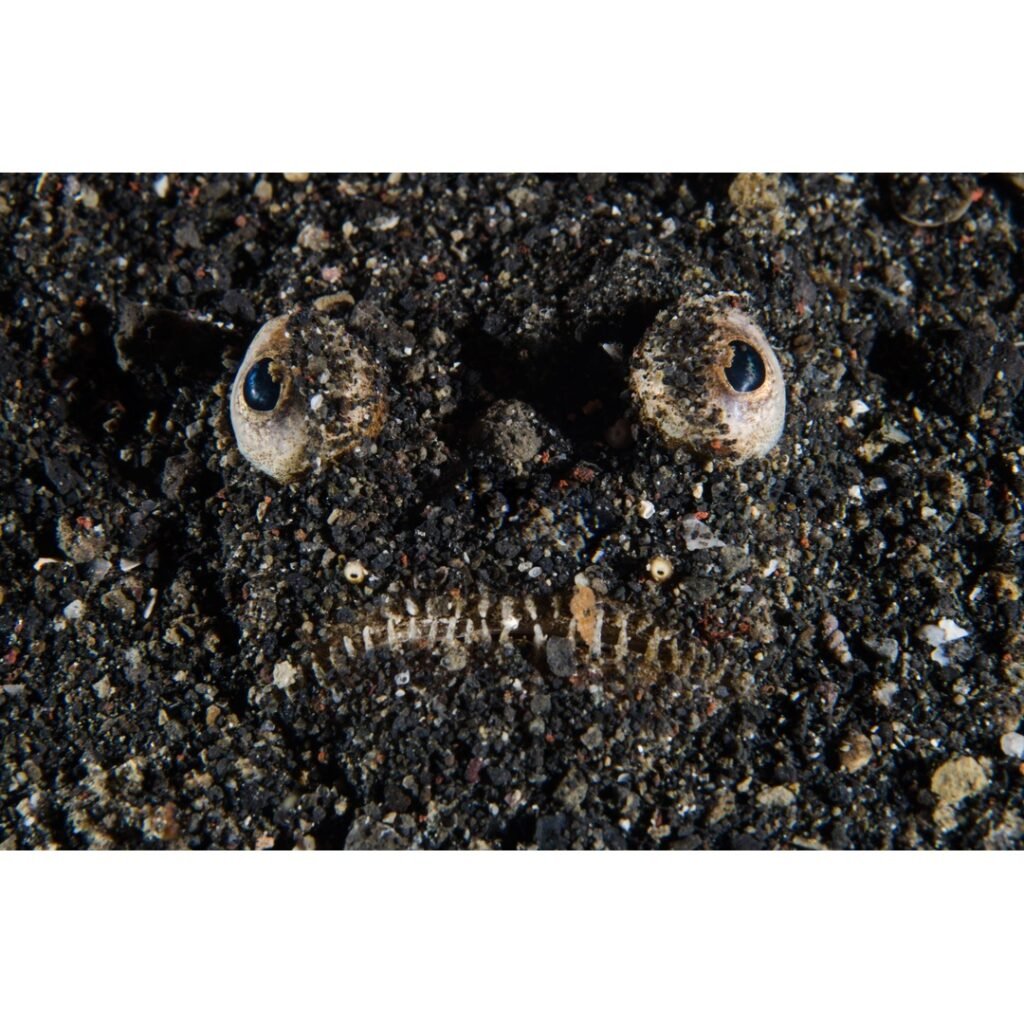
The sheer variety of marine life dedicated to underwater photography in Lembeh Strait Indonesia is astounding. Divers frequently encounter a bewildering array of creatures, including:
- Frogfish: Hairy frogfish, painted frogfish, and giant frogfish are common sightings, often perfectly camouflaged against their surroundings.
- Octopuses: The elusive mimic octopus, the venomous blue-ringed octopus, wonderpus, and coconut octopus are among the many cephalopods.
- Cuttlefish: Flamboyant cuttlefish, with their dazzling color displays, are a highlight.
- Nudibranchs: An incredible diversity of these colorful sea slugs can be found, often providing vibrant contrast to the dark substrate.
- Ghost Pipefish: Ornate, robust, and halimeda ghost pipefish are masters of disguise.
- Rhinopias: These rare and highly sought-after scorpionfish are a true prize for any photographer.
- Shrimp and Crabs: Harlequin shrimp, mantis shrimp, orangutan crabs, and various porcelain crabs offer endless macro opportunities.
- Seahorses: Including the tiny pygmy seahorse, often found clinging to sea fans.
Popular dive sites like Hairball, Police Pier, Nudi Falls, and TK3 are particularly renowned for their consistent critter sightings.
You might also enjoy: Unveiling Bali’s Underwater Majesty: A Diver’s Guide to Indonesia’s Aquatic Jewel
Essential Gear for Underwater Photography in Lembeh Strait Indonesia
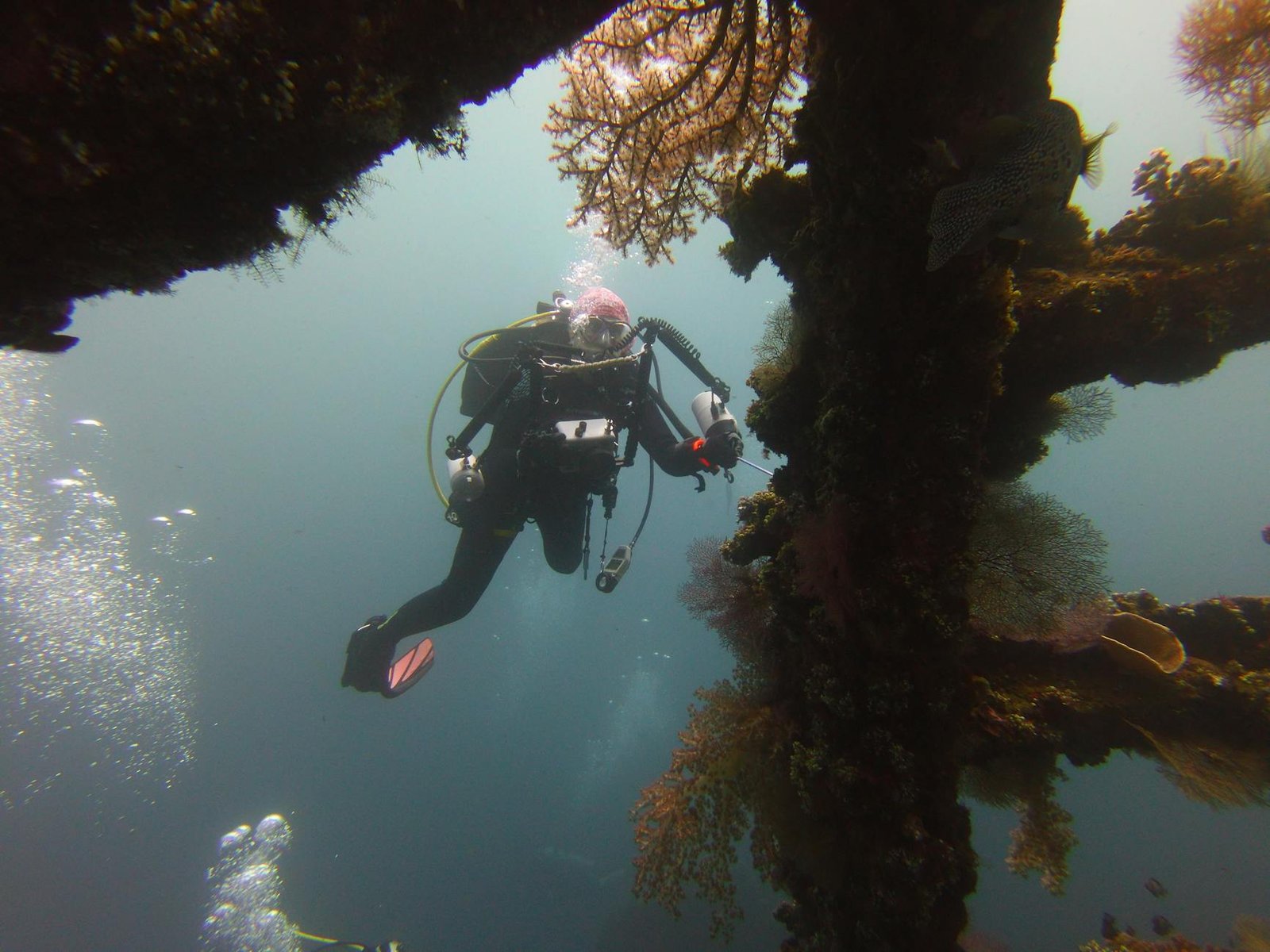
To truly excel at underwater photography in Lembeh Strait Indonesia, having the right equipment is paramount. While compact cameras with macro capabilities can yield good results, a dedicated system is often preferred.
- Camera System: A compact, mirrorless, or DSLR camera in a robust underwater housing is ideal. Ensure your housing is depth-rated for your planned dives.
- Macro Lenses: These are your primary tools. For cropped sensor cameras, a 60mm macro lens is versatile. For full-frame systems, a 100mm or 105mm macro lens is excellent.
- Wet Diopters: For super macro shots of the tiniest subjects, a high-quality wet diopter (magnifying lens) that can be attached and removed underwater is invaluable.
- External Strobes or Video Lights: Artificial light is crucial for bringing out colors and details in macro photography. One or two external strobes are highly recommended. A good focus light is also essential for your camera to acquire focus quickly in low light conditions.
- Buoyancy Control Device (BCD) and Wetsuit: A well-fitting BCD and a 3mm or 5mm full wetsuit are recommended. Water temperatures typically range from 25°C to 29°C, but long, slow dives can lead to feeling cooler.
Techniques for Capturing Critters
Mastering underwater photography in Lembeh requires specific techniques:
- Buoyancy Control: This is perhaps the most critical skill. Muck diving environments are easily disturbed. Impeccable buoyancy prevents stirring up silt, which can ruin visibility for your shot and for other divers. Practice frog kicks and hover drills to keep your fins off the bottom.
- Strobe Positioning: To avoid backscatter (light reflecting off particles in the water), position your strobes close to your lens port and angle them slightly downward or forward. Experiment to find the sweet spot for each shot.
- Camera Settings:
- ISO: Keep it low, typically ISO 100-200, for minimal noise.
- Aperture: Use a smaller aperture (higher f-number, e.g., f/11 to f/16) to achieve greater depth of field and ensure more of your subject is in focus. Conversely, a wider aperture (smaller f-number) can create a pleasing blurry background.
- Shutter Speed: Set your shutter speed to your camera’s flash sync speed or slightly below (e.g., 1/125th to 1/200th of a second) to freeze motion and allow strobes to dominate lighting.
- Focus: Always aim to focus on the subject’s eyes or rhinophores (for nudibranchs). Utilize back-button focus if your camera allows for it.
- Composition: Get low and shoot upwards to create a clean, negative background, separating your subject from the potentially cluttered seabed. Get as close as possible to your subject to fill the frame.
- Patience: Critters move, hide, and often require time to reveal their best angles. Be patient, observe their behavior, and wait for the opportune moment.
Safety and Responsible Diving Practices
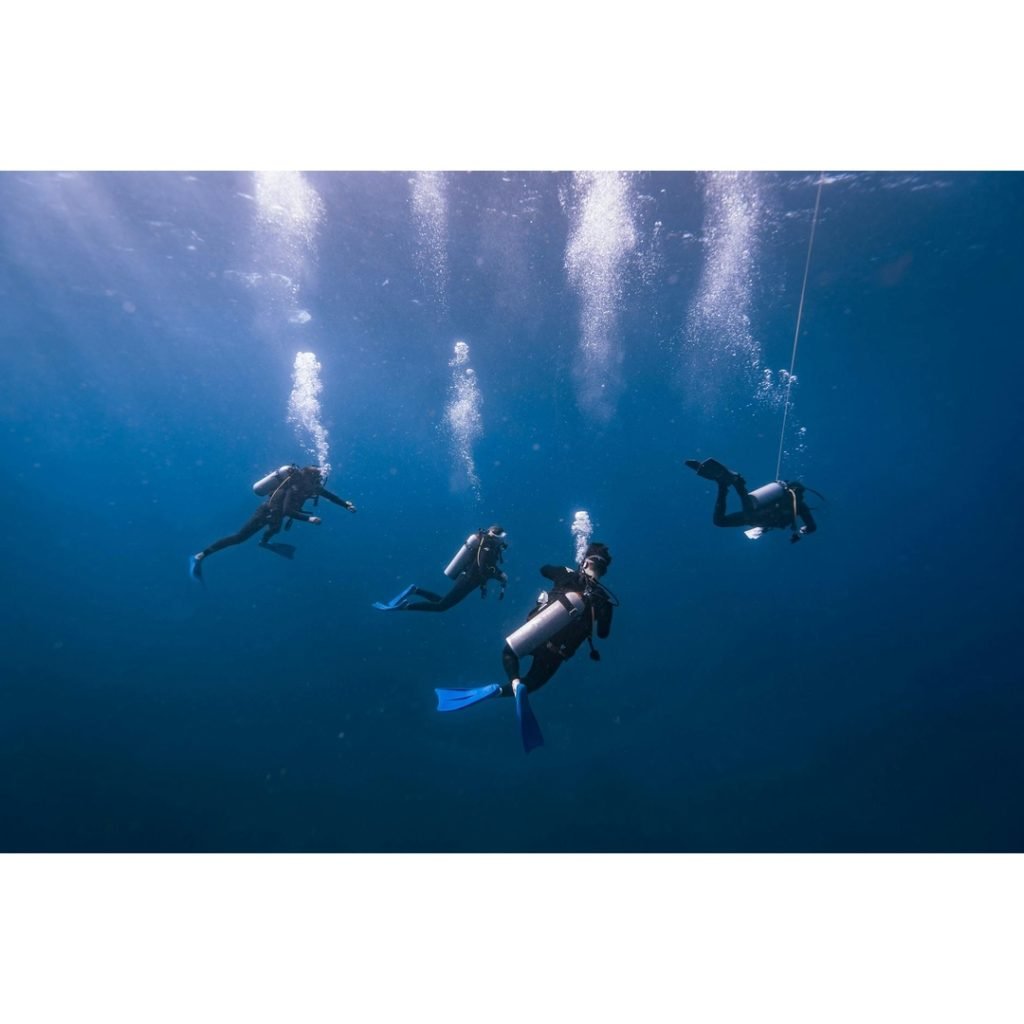
Diving in Lembeh Strait is generally calm with mild currents, making it suitable for most experience levels. However, responsible diving is crucial, especially in a delicate muck environment:
- Buoyancy First: As emphasized, maintaining excellent buoyancy is not just for photography; it’s vital for protecting the marine environment. Avoid touching the seabed or any marine life.
- Respect Marine Life: Never chase, harass, or move critters for a photo. This can stress or harm them. Observe from a respectful distance.
- Follow Your Guide: Lembeh’s dive guides are world-renowned for their critter-spotting abilities and their knowledge of local conditions. Trust their expertise and follow their instructions. They are trained in critter etiquette to ensure low-impact diving.
- Muck Sticks: Use a muck stick responsibly, primarily for stability on sandy bottoms and never to prod or move marine life.
- Dive within Limits: Always dive within your certification limits and comfort zone. Typical dive depths range from 5 to 30 meters.
Personal Insights from Marina Hayes, Experienced Dive Master
Having guided countless dives in Lembeh, we’ve seen firsthand the transformation divers undergo. It’s not just about getting the shot; it’s about learning to see the unseen. We often tell divers to embrace the “Lembeh pace” – slow down, breathe, and let your eyes adjust. What initially looks like an empty patch of sand will soon reveal a miniature universe teeming with life. We remember one diver who spent an entire 70-minute dive with a single flamboyant cuttlefish, capturing its mesmerizing color changes and hunting behaviors. That level of focus and patience is what truly unlocks the magic of underwater photography in Lembeh Strait, Indonesia. It’s a humbling experience to witness the incredible camouflage and adaptations of these creatures, and the best photos often come from simply observing and waiting for the perfect natural moment.
Conclusion
Lembeh Strait stands as a testament to the extraordinary biodiversity hidden within seemingly unassuming environments. For those passionate about underwater photography, it offers an unparalleled opportunity to capture some of the ocean’s most unique and captivating macro subjects. By combining the right gear, refined techniques, and a deep respect for marine life, divers can unlock a world of photographic possibilities. Plan your trip, hone your skills, and prepare to be amazed by the micro marvels that await you in the “Critter Capital of the World.”
You might also enjoy: Discover the Unparalleled Coral Reefs of Raja Ampat, Indonesia: A Diver’s Quick Guide
Ready to dive into the world of macro?
Start planning your adventure to Lembeh Strait today and discover why it’s a dream destination for underwater photographers. Research reputable dive resorts that cater to photographers and book your trip to experience this incredible underwater realm.
Frequently Asked Questions
What is the best time of year for underwater photography in Lembeh Strait Indonesia?
Lembeh Strait offers excellent diving year-round. The dry season (March to October) often provides more stable weather and better visibility. However, the “calm season” (January to June) with less wind and flatter seas is also highly regarded by photographers for reduced silt movement. Some divers find that cooler water months (July-September) can bring certain critters into shallower depths.
What kind of marine life can I expect to photograph in Lembeh Strait?
Lembeh Strait is famous for its incredible macro marine life. You can expect to find a wide array of unique critters such as various species of frogfish (hairy, painted, giant), mimic octopuses, blue-ringed octopuses, flamboyant cuttlefish, numerous nudibranchs, ghost pipefish, rhinopias, and tiny pygmy seahorses.
Is Lembeh Strait suitable for beginner underwater photographers?
Yes, Lembeh Strait is suitable for beginners, particularly those interested in macro photography. The generally calm conditions and mild currents make for relaxed diving. However, strong buoyancy control is essential to avoid disturbing the silty bottom. Many resorts offer dedicated photo guides and facilities to help photographers of all levels.
What are the typical water temperatures and visibility in Lembeh Strait?
Water temperatures in Lembeh Strait typically range from 25°C (77°F) during cooler months (July-September) to 29°C (84°F) in warmer periods (January-February). Visibility usually ranges from 5 to 20 meters (16-65 feet), which is lower than open-ocean reefs but perfectly adequate for close-up macro photography.
Related Adventures
- Unveiling Bali’s Underwater Majesty: A Diver’s Guide to Indonesia’s Aquatic Jewel
- Discover the Unparalleled Coral Reefs of Raja Ampat, Indonesia: A Diver’s Quick Guide
- Unveiling the Underwater Majesty: Diving Sodwana Bay, South Africa
⚠️ Safety Notice: This content is for informational purposes only. Always consult local guides and operators, verify current conditions, and ensure appropriate skills and certifications before any outdoor activity. DiveBikeHike is not responsible for injuries or incidents.