For those who seek the extraordinary beneath the waves, the underwater caves of Tonga Pacific represent a frontier of exploration unlike any other. Nestled within the warm, crystal-clear waters of the South Pacific, Tonga’s archipelago, particularly around the Vava’u group, is a geological marvel sculpted by ancient volcanic activity and the relentless power of the ocean. These submerged caverns and tunnels offer a unique blend of breathtaking beauty, intriguing geological formations, and encounters with diverse marine life, making them a bucket-list destination for scuba diving enthusiasts worldwide.
Exploring these hidden realms is more than just a dive; it is an immersion into a world where light dances through openings, revealing dramatic stalactites and stalagmites, and where the silence is broken only by the sound of one’s own breath. This comprehensive guide, penned from the perspective of an experienced dive master, aims to illuminate the wonders and practicalities of venturing into Tonga’s magnificent underwater cave systems.
The Allure of Tonga’s Subaquatic Labyrinths
Tonga, a kingdom of over 170 islands, is renowned for its pristine waters, vibrant coral reefs, and, most notably, its spectacular network of underwater caves. The geological history of the region has created a labyrinthine underwater landscape, featuring everything from expansive caverns bathed in natural light to deeper, darker cave systems requiring specialized training and equipment. The allure lies not just in the exploration of these unique formations but also in the vibrant ecosystems they support.
Visibility in Tonga’s waters is often exceptional, frequently exceeding 30 meters, providing optimal conditions for appreciating the grandeur of these underwater cathedrals. The water temperature typically hovers around 24-28°C (75-82°F) year-round, ensuring comfortable diving experiences.
Exploring Specific Underwater Caves of Tonga Pacific
While many caves dot the Tongan seascape, some stand out for their accessibility, beauty, and unique characteristics. The Vava’u group, in particular, is a hotspot for these subaquatic wonders.
- Swallows Cave: Arguably one of Tonga’s most famous underwater attractions, Swallows Cave is a magnificent cavern located on the island of Kapa, near Neiafu. It is accessible to snorkelers and divers alike, making it a popular choice for all experience levels. The entrance is a large opening, allowing natural light to flood the cavern, illuminating its smooth, sculpted walls. Inside, the water is an ethereal blue, and schools of fish, including fusiliers and trevally, often congregate, creating a mesmerizing spectacle. The cave’s name comes from the swallows that nest in its upper reaches.
- Mariners Cave: For a more adventurous experience, Mariners Cave, also near Kapa Island, offers a unique entry point. Divers must descend a few meters and then swim through a short, dark tunnel before ascending into a large, air-filled chamber. The chamber’s ceiling has an opening to the surface, allowing filtered light to create a mystical atmosphere. The experience of surfacing inside a dark cave, surrounded by ancient rock formations, is truly unforgettable. Due to its darker entry, this cave is generally recommended for certified divers with some experience.
- Cathedral Cave: Located off the coast of Hunga Island, Cathedral Cave is another impressive site. It features a vast main chamber with multiple entry and exit points, allowing divers to explore various sections. The sheer size of the cavern and the way light penetrates its openings give it a truly cathedral-like feel. Divers can often spot reef sharks, barracudas, and other pelagic species near its entrances.
- Sharkfin Cave: While perhaps less known than Swallows or Mariners, Sharkfin Cave offers another intriguing dive. Its unique rock formations and potential for encountering reef sharks make it a thrilling exploration for those seeking something off the beaten path.
These examples represent just a fraction of the incredible underwater caves of Tonga Pacific. Many smaller, unnamed grottoes and swim-throughs also exist, waiting to be discovered with local dive operators.
Marine Life Encounters in Tonga’s Caves
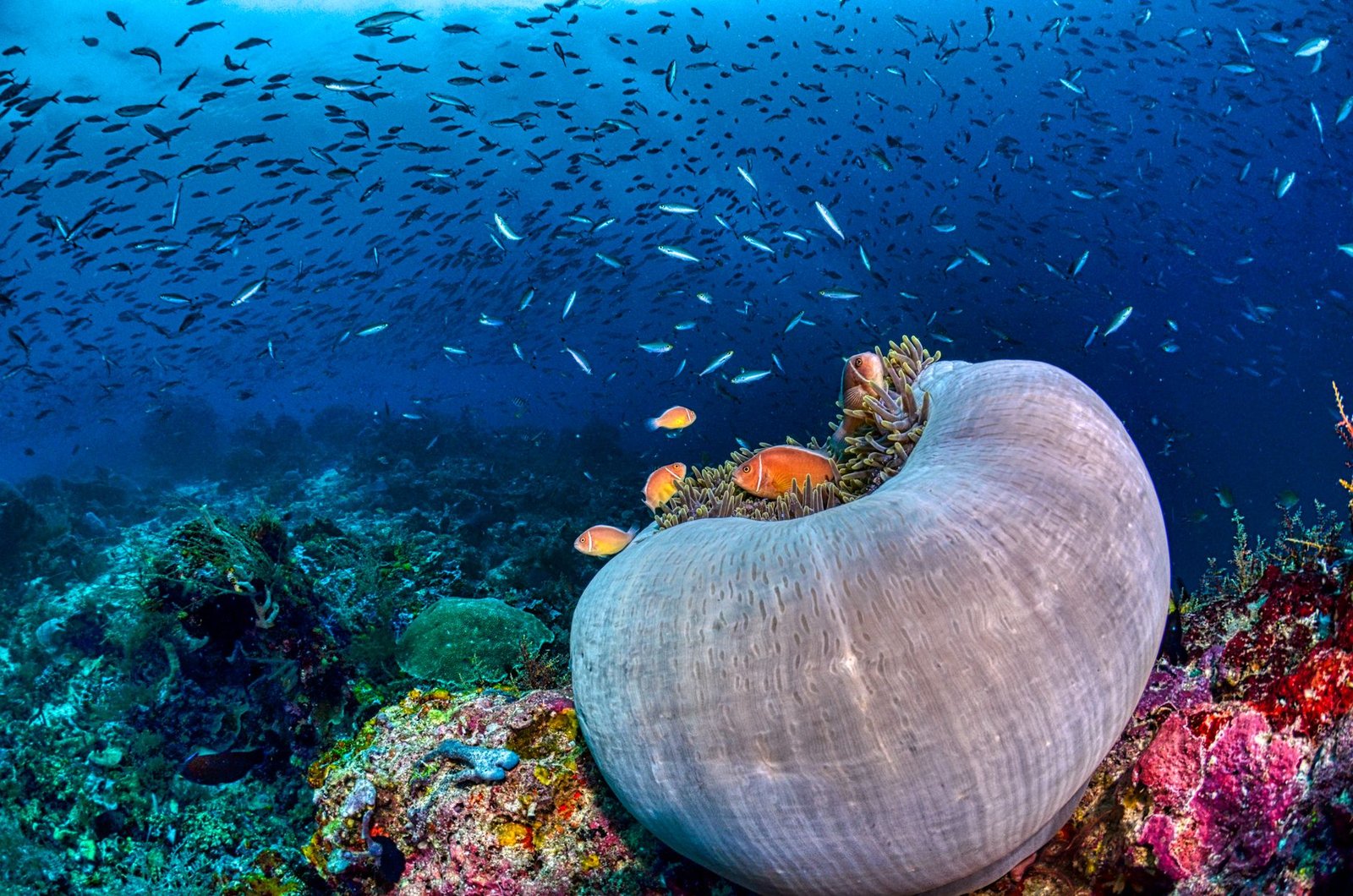
The underwater caves of Tonga are not just geological wonders; they are also thriving ecosystems. While the interiors of the darker caves may host fewer species, the entrances and surrounding reef systems are teeming with life. Divers can expect to encounter a vibrant array of reef fish, including parrotfish, butterflyfish, and angelfish. Moray eels often peek from crevices, and various species of nudibranchs and crustaceans can be found clinging to the cave walls.
Beyond the smaller inhabitants, larger marine animals are frequently sighted near cave entrances. Reef sharks, including white-tip and black-tip reef sharks, are common. Schools of trevally, barracuda, and snappers often patrol the deeper waters outside the caverns. During the whale season (typically July to October), humpback whales migrate to Tonga’s warm waters to calve and mate, and lucky divers might even hear their haunting songs reverberating through the water while exploring the caves.
You might also enjoy: Unveiling the Hidden Depths: A Scuba Diver’s Guide to the Dominican Republic’s Underwater Caves
Technical Considerations for Diving Tonga’s Cave Systems
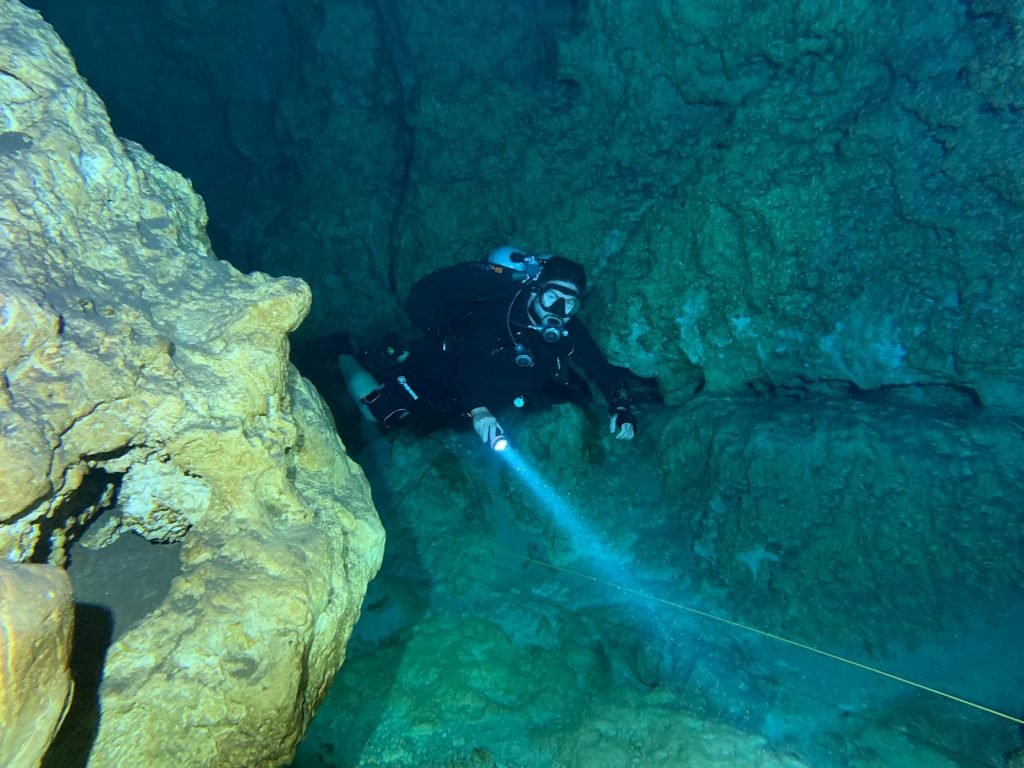
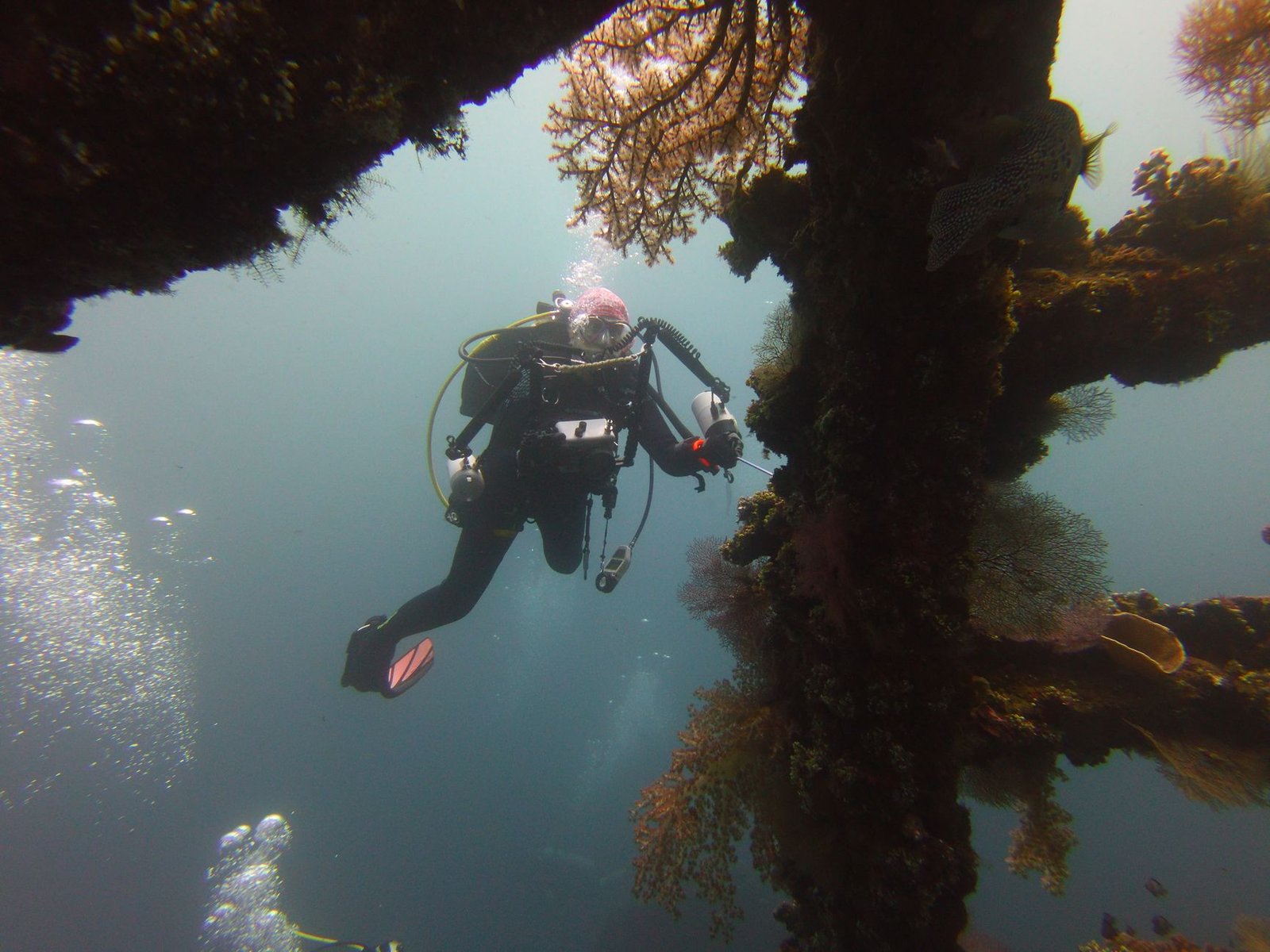
While many of Tonga’s caves, like Swallows Cave, are accessible to open water divers due to their large entrances and ample natural light, others, such as Mariners Cave, require a higher level of comfort and experience. For true cave penetration beyond the “cavern zone” (the area where natural light is always visible and an exit is always in sight), specialized training is absolutely essential.
Certification: Divers wishing to explore deeper into overhead environments should possess appropriate cavern or full cave diving certifications from recognized agencies. These courses cover critical skills such as line laying, gas management, emergency procedures, and specialized equipment use.
Equipment: Standard recreational scuba gear is suitable for cavern dives. However, for more advanced cave diving, additional equipment is crucial. This includes redundant air sources (e.g., sidemount or doubles), multiple lights (primary and backups), reels for line laying, and specialized navigation tools. A dive computer is always recommended, and a backup depth gauge and bottom timer are prudent additions.
Dive Planning: Thorough dive planning is paramount. This includes understanding the cave layout, gas consumption calculations, establishing turn pressures, and reviewing emergency procedures. Diving with a reputable local guide who is intimately familiar with the specific cave system is highly recommended, regardless of experience level.
Practical Tips and Actionable Advice for Your Tongan Cave Adventure
Preparing for a dive trip to the underwater caves of Tonga Pacific involves more than just packing your fins. Here are some actionable tips:
- Best Time to Visit: The dry season, from May to October, generally offers the most stable weather conditions and excellent visibility. This also coincides with the humpback whale season, adding another dimension to your trip.
- Choosing a Dive Operator: Select a dive operator with a proven track record of safety and experience in guiding divers through Tonga’s caves. Look for operators who employ certified dive masters or instructors with specific experience in overhead environments. Inquire about their safety protocols, equipment maintenance, and emergency plans.
- What to Bring: Beyond your standard dive gear, consider bringing a dive torch (even for cavern dives, it enhances visibility and allows you to explore nooks), reef-safe sunscreen, a wide-brimmed hat, and insect repellent. A rash guard or light wetsuit is usually sufficient for the warm waters.
- Physical and Mental Preparation: Ensure you are in good physical condition. For cave diving, mental preparedness is equally important. Practice buoyancy control and finning techniques (e.g., frog kick, helicopter turn) to minimize silting and protect the delicate cave environment.
Safety Considerations: Prioritizing Your Well-being
Safety is paramount when exploring any overhead environment. While the beauty of Tonga’s caves is undeniable, the inherent risks demand respect and careful adherence to safety protocols.
- Never Exceed Your Training: This is the golden rule of cave diving. If you are not certified for full cave penetration, do not attempt it. Stick to cavern dives within the natural light zone.
- The Rule of Thirds: A fundamental principle in cave diving is the “rule of thirds” for gas management: one-third of your gas supply for entry, one-third for exit, and one-third as a reserve for emergencies.
- Maintain a Continuous Guideline: For true cave diving, a continuous guideline to the surface or an open water exit is crucial for navigation and emergency egress.
- Buddy System: Always dive with a buddy, and ensure both divers are aware of each other’s experience levels and emergency procedures.
- Environmental Awareness: The cave environment is fragile. Avoid touching formations, kicking up silt, or disturbing marine life. Maintain excellent buoyancy control at all times.
Personal Insights from the Depths of Tonga
As dive masters, we have had the privilege of guiding countless divers through the enchanting underwater caves of Tonga Pacific. Each journey into these subaquatic cathedrals is a reminder of the ocean’s raw power and delicate beauty. We recall one particular dive into Swallows Cave where a school of thousands of tiny silversides swirled around us, reflecting the incoming light like a living, shimmering curtain. It was a moment of pure magic, a testament to the vibrant life that thrives even within these seemingly enclosed spaces.
Another memorable experience involved a group of advanced divers exploring Mariners Cave. The initial swim through the darker entry tunnel, followed by the ascent into the air-filled chamber, always elicits a sense of profound wonder. The sound of our own breathing echoing in the chamber, combined with the filtered light from above, creates an almost spiritual atmosphere. These moments are not just about seeing; they are about feeling, about connecting with an ancient, untouched world.
You might also enjoy: Unveiling Bali’s Underwater Majesty: A Diver’s Guide to Indonesia’s Aquatic Jewel
We have also seen the importance of proper preparation firsthand. Divers who arrive with the right training, well-maintained equipment, and a respectful attitude towards the environment invariably have the most rewarding and safest experiences. The smiles and awe on their faces as they surface are why we continue to share these incredible places.
Conclusion: Your Tongan Cave Adventure Awaits
The underwater caves of Tonga Pacific offer an unparalleled adventure for those drawn to the mysteries of the deep. From the accessible beauty of Swallows Cave to the more challenging depths of other systems, Tonga provides a diverse playground for divers of all levels. It is a destination where geological grandeur meets vibrant marine life, creating an experience that transcends the ordinary.
Whether you are a seasoned cave diver or an open water enthusiast looking to explore the fringes of overhead environments, Tonga’s underwater caves promise an unforgettable journey. Plan your trip, get the right training, choose a reputable operator, and prepare to be captivated by the hidden wonders that lie beneath the tranquil Pacific surface. The call of the deep is strong, and in Tonga, it leads to truly extraordinary places. Dive in, and discover the magic for yourself!
Frequently Asked Questions
What makes the underwater caves of Tonga Pacific unique for diving?
The underwater caves of Tonga Pacific are unique due to their volcanic origins, leading to dramatic geological formations like vast caverns and intricate tunnels. The exceptional visibility and warm water temperatures, combined with diverse marine life and the potential to hear humpback whales, create a distinct and captivating diving experience. Many caves are also accessible to a range of diver certifications.
What level of diving certification is required to explore Tonga’s caves?
For many of Tonga’s popular cavern dives, such as Swallows Cave, an Open Water Diver certification is sufficient as they remain within the natural light zone. However, for deeper penetration into overhead environments, specialized Cavern Diver or Full Cave Diver certifications from recognized agencies are required to ensure safety and proper skill sets for navigation and emergency procedures.
What kind of marine life can be found in and around Tonga’s underwater caves?
The entrances and surrounding reefs of Tonga’s underwater caves teem with vibrant marine life, including schools of fusiliers, trevally, and various reef fish like parrotfish and angelfish. Moray eels, nudibranchs, and crustaceans inhabit the cave walls. Larger pelagic species like reef sharks and barracudas are often seen near cave openings, and during whale season, humpback whales are a significant presence in the waters.
Are there any specific safety concerns for diving in Tonga’s underwater caves?
Yes, safety is paramount. Key concerns include never exceeding your training limits, strictly adhering to gas management rules like the “rule of thirds,” and maintaining a continuous guideline in true cave environments. Diving with a buddy and choosing a reputable local operator with experience in overhead environments are also crucial. Divers must also practice excellent buoyancy control to protect the fragile cave ecosystem.
Related Adventures
- Unveiling the Hidden Depths: A Scuba Diver’s Guide to the Dominican Republic’s Underwater Caves
- Unveiling Bali’s Underwater Majesty: A Diver’s Guide to Indonesia’s Aquatic Jewel
- Unveiling the Underwater Paradise: A Diver’s Guide to Maldives Dive Resorts and Sites
⚠️ Safety Notice: This content is for informational purposes only. Always consult local guides and operators, verify current conditions, and ensure appropriate skills and certifications before any outdoor activity. DiveBikeHike is not responsible for injuries or incidents.