The call of the wild, the whisper of ancient winds, and the promise of landscapes that defy imagination – these are the hallmarks of an extraordinary trekking experience. For those who seek a profound connection with nature and a challenge that rewards with unparalleled vistas, hiking Colca Canyon Peru stands as an undisputed pinnacle of adventure. Deeper than the Grand Canyon in North America, this geological marvel in southern Peru offers more than just dramatic scenery; it presents an immersive journey into a living cultural tapestry, where pre-Inca terraces cling to steep slopes and the majestic Andean condor reigns supreme in the skies above.
Embarking on a trek through Colca Canyon is not merely a physical endeavor; it is a pilgrimage into the heart of the Andes, a chance to witness the raw power of nature and the enduring spirit of its people. This comprehensive guide is crafted for the discerning hiking enthusiast, providing the insights, practical advice, and inspiration needed to navigate this incredible landscape with confidence and respect.
The Grandeur of Colca: Why Hiking Colca Canyon Peru is a Must-Do
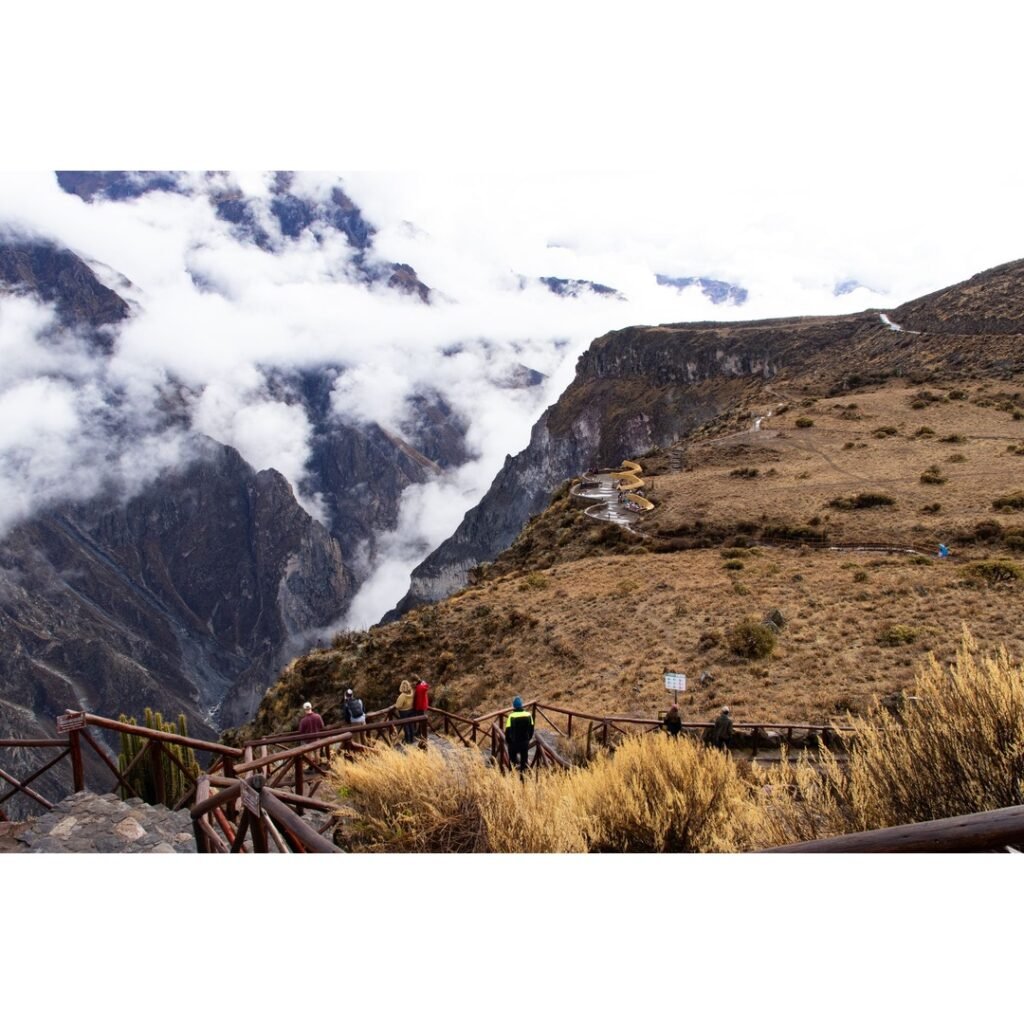
Colca Canyon is consistently ranked among the world’s deepest canyons, with depths ranging from approximately 3,270 to 4,160 meters (10,730 to 13,650 feet), depending on the measurement point. This makes it roughly twice as deep as the Grand Canyon in Arizona. But its allure extends far beyond mere statistics. The canyon carves a dramatic path through the high Andean plateau, creating a unique ecosystem that supports a rich diversity of flora and fauna, most notably the Andean condor.
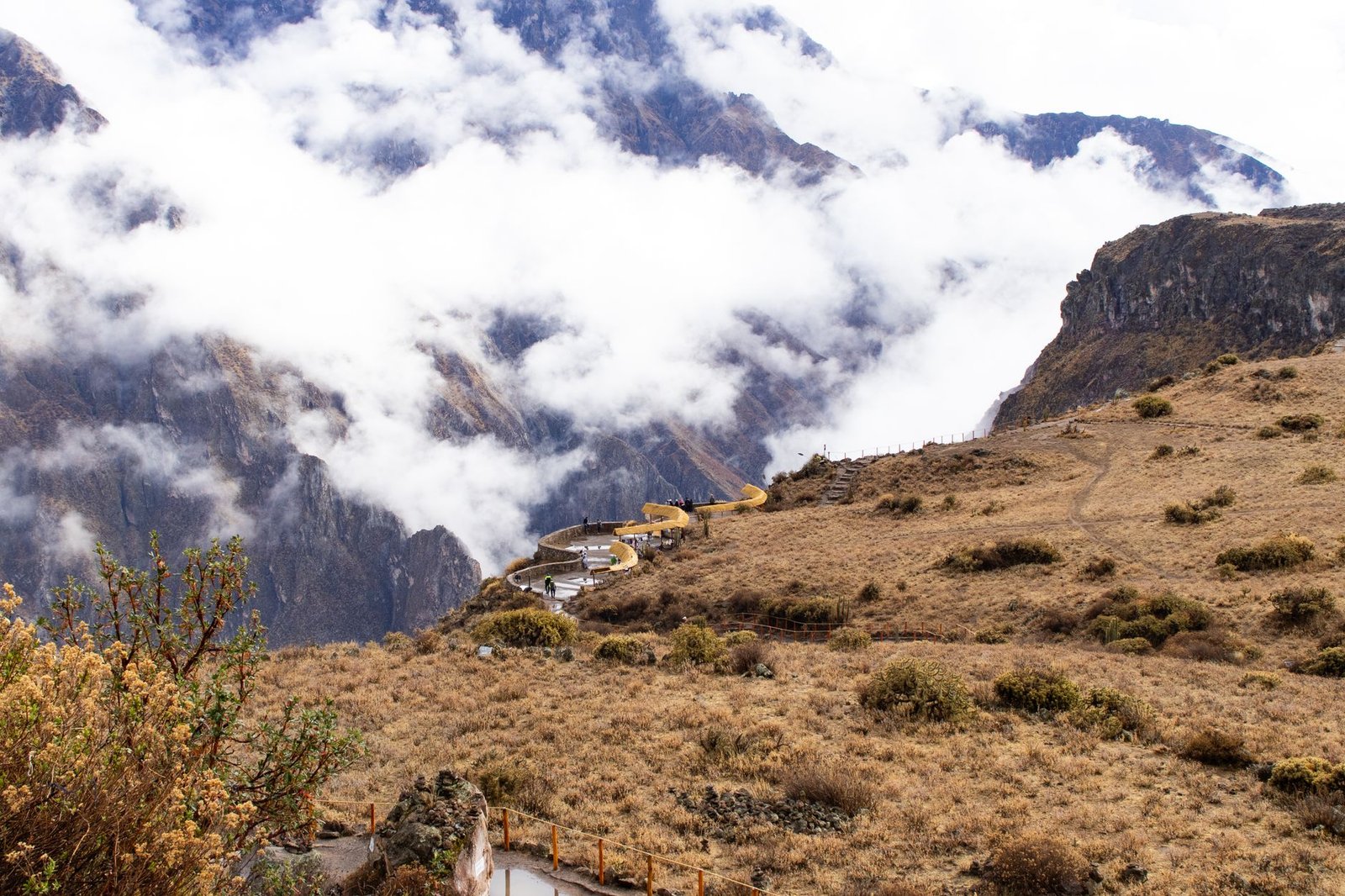
One of the most iconic experiences when hiking Colca Canyon Peru is witnessing the flight of these magnificent birds. The Mirador Cruz del Condor, a renowned viewpoint, offers spectacular opportunities to observe Andean condors with wingspans reaching up to 3 meters (10 feet) as they gracefully soar on thermal updrafts. The best time for sightings is typically between 8:00 AM and 10:00 AM, or even up to noon, when the morning sun warms the canyon walls, generating the necessary currents for their flight.
Beyond the natural spectacle, the Colca Valley is a vibrant mosaic of ancient traditions. Indigenous communities, descendants of the Collagua and Cabana cultures, continue to cultivate the same pre-Inca agricultural terraces that have sustained them for centuries. These terraced fields, often verdant green against the arid canyon walls, are a testament to human ingenuity and harmony with the environment. Exploring the charming colonial villages scattered throughout the valley, such as Yanque, Maca, and Chivay, offers a glimpse into a way of life deeply rooted in Andean heritage.
Planning Your Unforgettable Colca Canyon Trek
A successful trek into Colca Canyon requires thoughtful planning, encompassing everything from route selection to essential gear and acclimatization. Most treks typically originate from the town of Cabanaconde, perched at the canyon’s edge at an elevation of approximately 3,287 meters (10,784 feet) above sea level.
Choosing Your Route and Duration
The most popular trekking options for hiking Colca Canyon Peru are 2-day or 3-day itineraries. While the core experience often involves descending into the canyon to the oasis of Sangalle and then ascending back out, variations allow for deeper exploration and different paces:
- 2-Day Trek: This is a challenging but rewarding option, typically involving a significant descent on day one (around 1,000 to 1,200 vertical meters or 3,280 to 3,937 feet from Cabanaconde to Sangalle) and an arduous ascent on day two. The first day’s hike can take 5-6 hours downhill, while the ascent from Sangalle to Cabanaconde usually takes 3-4 hours, often starting before dawn to avoid the midday heat. Accommodation is usually in basic lodges at Sangalle.
- 3-Day Trek: Ideal for those who prefer a more relaxed pace and wish to explore more of the canyon’s communities. This option allows for additional stops in villages like San Juan de Chuccho, Malata, Cosñirhua, or Llahuar (known for its hot springs), providing a deeper cultural immersion and breaking up the strenuous ascent. The longer duration allows for more time to appreciate the landscapes and local life without feeling rushed.
Whether opting for a guided tour or an independent trek, it is crucial to understand the physical demands. The descent is steep and can be hard on the knees and toes, while the ascent is a significant test of endurance. Mules are available for hire in Sangalle for the climb out of the canyon for those who find the ascent too challenging.
Best Time for Hiking Colca Canyon Peru
The dry season, generally from May to November, is considered the optimal time for hiking Colca Canyon Peru. During these months, trekkers can expect clear skies, minimal rainfall, and excellent visibility for condor sightings. Daytime temperatures at the canyon rim can range from 10°C to 21°C (50°F to 70°F), while the canyon floor can be significantly warmer, reaching 25°C (77°F) or higher. Nights, especially at higher elevations, can be cold, dropping to 0°C (32°F) or even below.
The wet season, from December to March, brings more frequent and intense rains, which can make trails slippery and occasionally lead to road closures due to landslides. While the canyon is at its most verdant during this period, the unpredictable weather can pose challenges for trekkers.
You might also enjoy: Conquering the Roof of Africa: Your Ultimate Guide to Hiking Mount Kilimanjaro Tanzania
Permits and Fees
All visitors to Colca Canyon are required to purchase the Boleto Turístico Colca (Colca Tourist Ticket). As of recent information, the cost for foreign adults outside Latin America is S/ 70.00 (approximately USD 19.00). This ticket is mandatory and grants access to the Colca Canyon Tourist Circuit. It is crucial to note that payment is accepted only in cash (Peruvian Soles) at checkpoints, and credit cards are not typically accepted. Trekkers must keep their physical ticket safe and accessible, as it may be inspected at various trail checkpoints, and losing it necessitates purchasing a new one. No additional special trekking permits are required beyond this standard entrance fee.
Essential Preparation for Your Colca Canyon Adventure
Proper preparation is paramount for an enjoyable and safe trekking experience. The unique environment of Colca Canyon demands specific considerations.
Acclimatization and Altitude Sickness
The high altitudes encountered in and around Colca Canyon can lead to altitude sickness (Acute Mountain Sickness or AMS). Arequipa, often the gateway city, sits at an elevation of approximately 2,328 meters (7,638 feet), making it an ideal place to acclimatize for at least one to two days before heading to higher elevations. The drive to Colca Canyon can reach passes of 4,800-4,900 meters (15,750-16,076 feet). Cabanaconde itself is at over 3,200 meters.
Symptoms of AMS can include headaches, nausea, dizziness, fatigue, and shortness of breath. To mitigate these risks, experienced hikers recommend:
- Hydration: Drink plenty of water throughout your trip.
- Pace Yourself: Walk slowly and avoid overexertion, especially on the first day at altitude.
- Light Meals: Eat light, digestible meals.
- Avoid Alcohol: Alcohol can exacerbate altitude sickness symptoms.
- Coca Tea: Local guides often recommend drinking coca tea, a traditional remedy for altitude sickness.
- Medication: Consult a doctor about prescription medications like Acetazolamide (Diamox) if you are particularly susceptible or concerned.
Packing for the Canyon’s Extremes
The climate in Colca Canyon can vary significantly between day and night, and between the rim and the canyon floor. A layered approach to clothing is essential.
- Footwear: Sturdy, broken-in hiking boots with good ankle support are critical for navigating the steep, rocky, and often dusty trails. Consider trimming toenails short before the descent to prevent discomfort.
- Clothing: Lightweight, breathable layers for daytime hiking. Include a warm fleece or jacket, hat, and gloves for cold mornings and evenings, especially at higher elevations. A waterproof and windproof outer shell is advisable.
- Sun Protection: The sun at high altitudes is intense. Pack a wide-brimmed hat, sunglasses with UV protection, and high-SPF sunscreen.
- Hydration: Carry a reusable water bottle or a hydration pack. Water sources within the canyon can be limited, so ensure you have enough for each day’s trek.
- First-Aid Kit: Include blister treatment, pain relievers, antiseptic wipes, and any personal medications.
- Headlamp: Essential for early morning starts or navigating lodges with limited power after dark.
- Insect Repellent: Especially important in the warmer, more vegetated areas like Sangalle.
- Swimwear: For relaxing in the thermal hot springs found in places like Sangalle or Llahuar.
- Cash: ATMs are nonexistent inside the canyon. Bring sufficient Peruvian Soles for entrance fees, meals, accommodation, hot spring entry (S/ 1-15), and any emergency mule rides.
Navigating the Trails and Safety Considerations
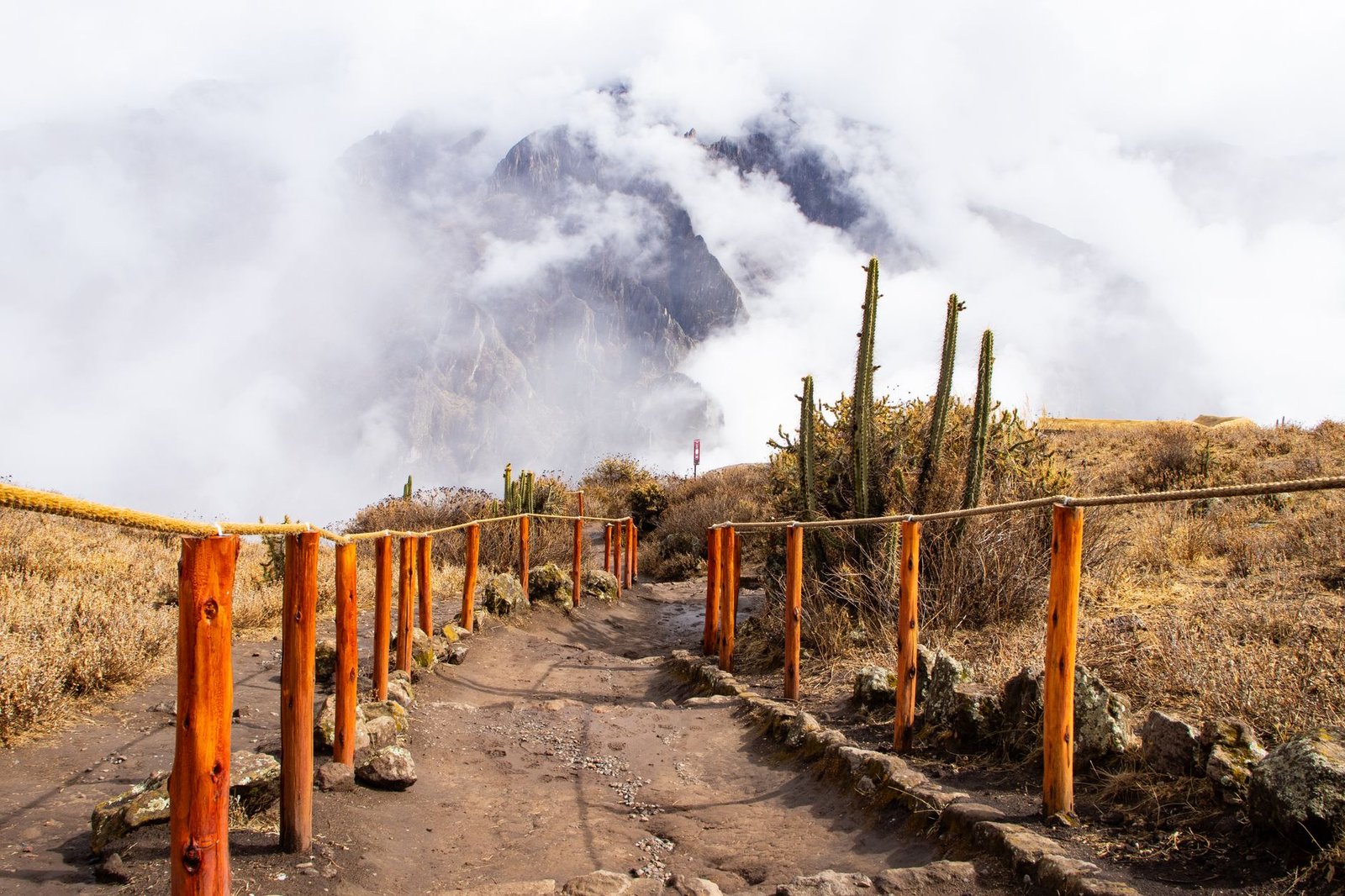
The trails within Colca Canyon, while generally well-trodden, demand respect and careful navigation. The descent from Cabanaconde to the canyon floor is steep, often over loose gravel and volcanic dust. The ascent, particularly from Sangalle, is a sustained climb of over 1,000 meters (3,280 feet) back to Cabanaconde.
Key Locations and Trail Highlights
- Cabanaconde: The primary starting point for most treks. From here, trails branch off into the canyon.
- San Miguel Viewpoint: Often the initial descent point, offering panoramic views before dropping into the canyon.
- San Juan de Chuccho: One of the first villages reached on the canyon floor, offering basic accommodation and a chance to learn about local medicinal plants.
- Malata and Cosñirhua: Small, traditional villages further along the canyon floor, providing additional lodging options and cultural insights.
- Llahuar: Known for its rustic lodge and natural hot springs, offering a relaxing respite for trekkers.
- Sangalle (The Oasis): A lush, subtropical oasis at the very bottom of the canyon, featuring several lodges with swimming pools – a welcome sight after a long day of hiking. Its elevation is around 2,100-2,220 meters (6,890-7,283 feet).
Safety First: Actionable Advice
- Stay on Marked Trails: While the trails are generally clear, it is crucial to stick to established paths to prevent getting lost or encountering dangerous terrain.
- Inform Others: If hiking independently, always inform your hostel or a trusted person of your planned route and expected return time.
- Hydrate Constantly: Carry and drink plenty of water. Dehydration can exacerbate altitude sickness and heat exhaustion.
- Pace Yourself: Do not rush, especially on ascents. Take frequent breaks and listen to your body.
- Weather Awareness: Be mindful of changing weather conditions, particularly during the wet season. Afternoon thunderstorms can make trails slippery and river crossings more hazardous.
- Emergency Preparedness: Carry a basic first-aid kit, a fully charged phone (though signal can be spotty), and know how to contact local authorities or your tour operator in an emergency.
- Respect Local Guidance: If hiking with a guide, follow their instructions diligently. They possess invaluable local knowledge regarding trail conditions and safety.
Environmental Stewardship: Treading Lightly in Colca Canyon
The pristine beauty and cultural heritage of Colca Canyon are fragile. As visitors, we bear a responsibility to minimize our impact and contribute positively to the local environment and communities. Adhering to Leave No Trace principles is fundamental:
- Pack It In, Pack It Out: Carry out all trash, including organic waste. Do not leave anything behind.
- Stay on Trails: Avoid cutting switchbacks or creating new paths, which can lead to erosion and damage delicate ecosystems.
- Respect Wildlife: Observe animals from a distance and never feed them.
- Support Local: Choose locally owned accommodations, restaurants, and guides. Purchase handicrafts directly from artisans to support the local economy.
- Conserve Resources: Be mindful of water and energy consumption, especially in remote lodges.
- Cultural Sensitivity: Ask permission before photographing people, respect local customs, and dress modestly in villages.
Personal Insights from the Trail: A Hiker’s Perspective
As Summit Reid, an experienced hiker who has traversed countless trails across the globe, the experience of hiking Colca Canyon Peru remains etched in memory as one of profound beauty and quiet challenge. The journey begins long before the first step into the canyon, with the initial acclimatization in Arequipa, a city whose colonial charm provides a gentle introduction to the Andean pace of life. The drive to Cabanaconde, winding through high-altitude plains where vicuñas graze, offers a dramatic preview of the geological forces at play.
You might also enjoy: Trekking in Nepal Himalayas Annapurna: Your Ultimate Guide to an Unforgettable Journey
The descent into the canyon is a sensory feast. The air grows warmer, the vegetation shifts from high-altitude scrub to more subtropical flora, and the sheer scale of the canyon becomes overwhelmingly apparent. The initial views from the rim, looking down into the vast expanse, are truly humbling. One particular memory involves a challenging stretch of the trail, where the path narrowed, clinging to the canyon wall, demanding full attention to each footfall. Yet, the reward was a breathtaking panorama of ancient terraces bathed in the late afternoon sun, a sight that made every ounce of effort worthwhile.
Reaching Sangalle, the “Oasis,” after hours of hiking, felt like discovering a hidden paradise. The simple lodges, the refreshing dip in a cool pool under the vast Andean sky, and the camaraderie with fellow trekkers created a sense of shared accomplishment. The early morning ascent out of the canyon, undertaken in the cool pre-dawn air with only a headlamp to guide the way, was a test of mental fortitude as much as physical strength. The rising sun gradually illuminated the path, revealing the immense climb that had been conquered, culminating in the triumphant return to Cabanaconde, ready for a hearty breakfast and the journey back.
Beyond the physical exertion, the enduring memory is the connection forged with the landscape and its people. The quiet resilience of the communities, the vibrant colors of their traditional attire, and the simple, hearty meals shared in remote villages all contribute to a holistic experience that transcends mere sightseeing. The Colca Canyon is not just a place to hike; it is a place to feel, to reflect, and to be utterly present in the grandeur of the natural world.
Conclusion: Answer the Call of the Andes
Hiking Colca Canyon Peru offers an adventure that is both physically demanding and deeply enriching. It is an opportunity to challenge oneself amidst some of the world’s most spectacular scenery, to witness the majestic flight of the Andean condor, and to connect with ancient cultures that thrive in harmony with their rugged environment. From the meticulous planning of routes and gear to the crucial steps of acclimatization and environmental stewardship, every aspect of this journey contributes to an experience that will resonate long after the final ascent.
The trails of Colca Canyon await, promising not just a trek, but a transformative journey. Prepare wisely, tread lightly, and open yourself to the profound beauty and inspiring spirit of the Peruvian Andes. Your epic adventure begins now.
Frequently Asked Questions
What is the best time of year for hiking Colca Canyon Peru?
The best time for hiking Colca Canyon Peru is during the dry season, which typically runs from May to November. This period offers clear skies, minimal rainfall, and optimal conditions for trekking and observing the Andean condors.
Do I need a special permit for hiking Colca Canyon Peru?
No special trekking permits are required beyond the mandatory Boleto Turístico Colca (Colca Tourist Ticket). This ticket, costing S/ 70.00 for foreign adults, must be purchased in cash and kept with you throughout your visit.
How difficult is hiking Colca Canyon Peru?
Hiking Colca Canyon Peru is generally considered moderate to demanding. The most common treks involve a steep descent into the canyon (around 1,000-1,200 meters) and an arduous ascent back out, often taking 3-4 hours of sustained uphill hiking. Proper physical preparation and acclimatization are essential.
What should I pack for a Colca Canyon trek?
Essential items include sturdy hiking boots, layered clothing for varying temperatures, sun protection (hat, sunglasses, high-SPF sunscreen), a reusable water bottle, a first-aid kit, a headlamp, insect repellent, and sufficient cash in Peruvian Soles for fees and expenses.
Related Adventures
- Conquering the Roof of Africa: Your Ultimate Guide to Hiking Mount Kilimanjaro Tanzania
- Trekking in Nepal Himalayas Annapurna: Your Ultimate Guide to an Unforgettable Journey
- Conquering the Grand Canyon: An Epic Arizona Hiking Guide
⚠️ Safety Notice: This content is for informational purposes only. Always consult local guides and operators, verify current conditions, and ensure appropriate skills and certifications before any outdoor activity. DiveBikeHike is not responsible for injuries or incidents.