Iceland, a land forged by fire and ice, presents a unique and awe-inspiring playground for hiking enthusiasts. The island’s dramatic topography, shaped by millennia of volcanic activity and glacial erosion, offers an extraordinary array of trails. From steaming geothermal valleys to ancient ice caps, exploring the trails in Iceland – volcanoes and glaciers – promises an adventure unlike any other.
This guide provides a concise overview for those eager to lace up their boots and immerse themselves in Iceland’s wild heart, emphasizing preparation, safety, and environmental responsibility.
Volcanic Vistas and Geothermal Wonders
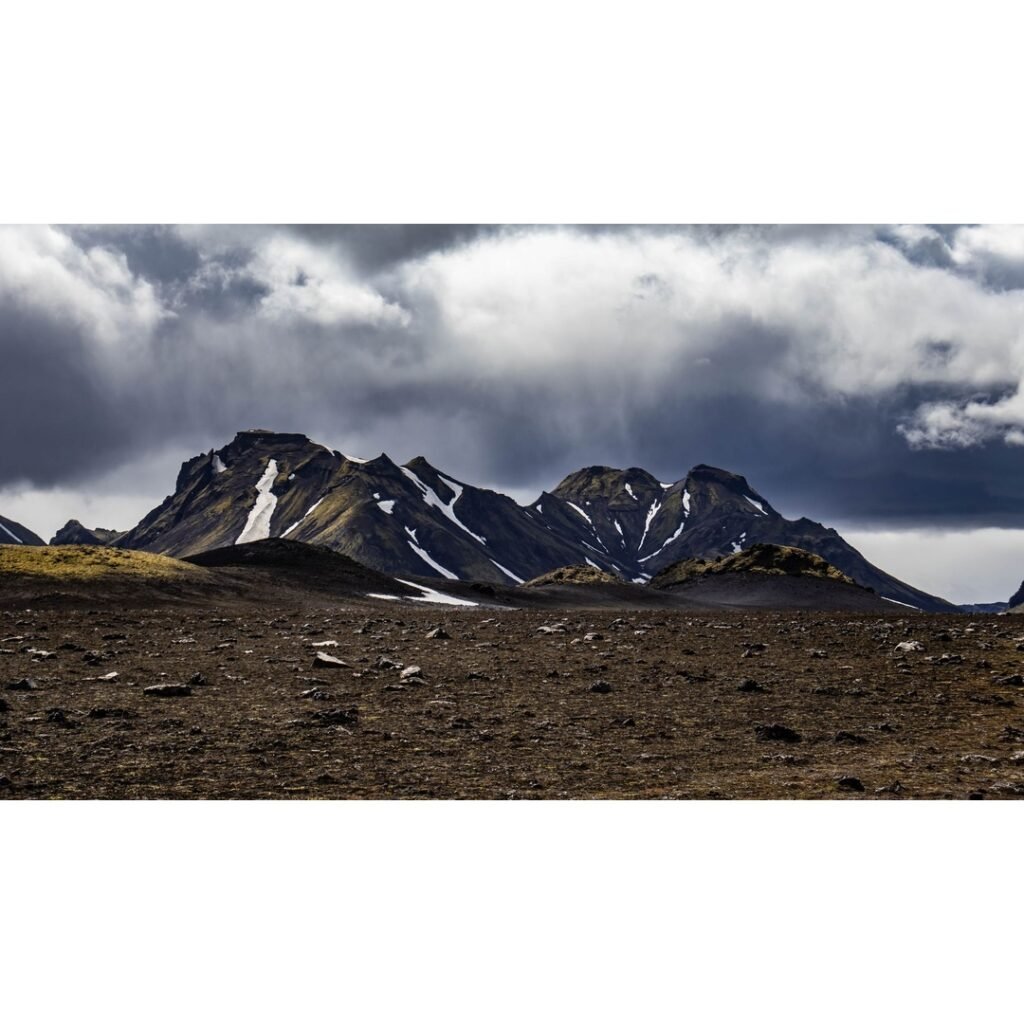
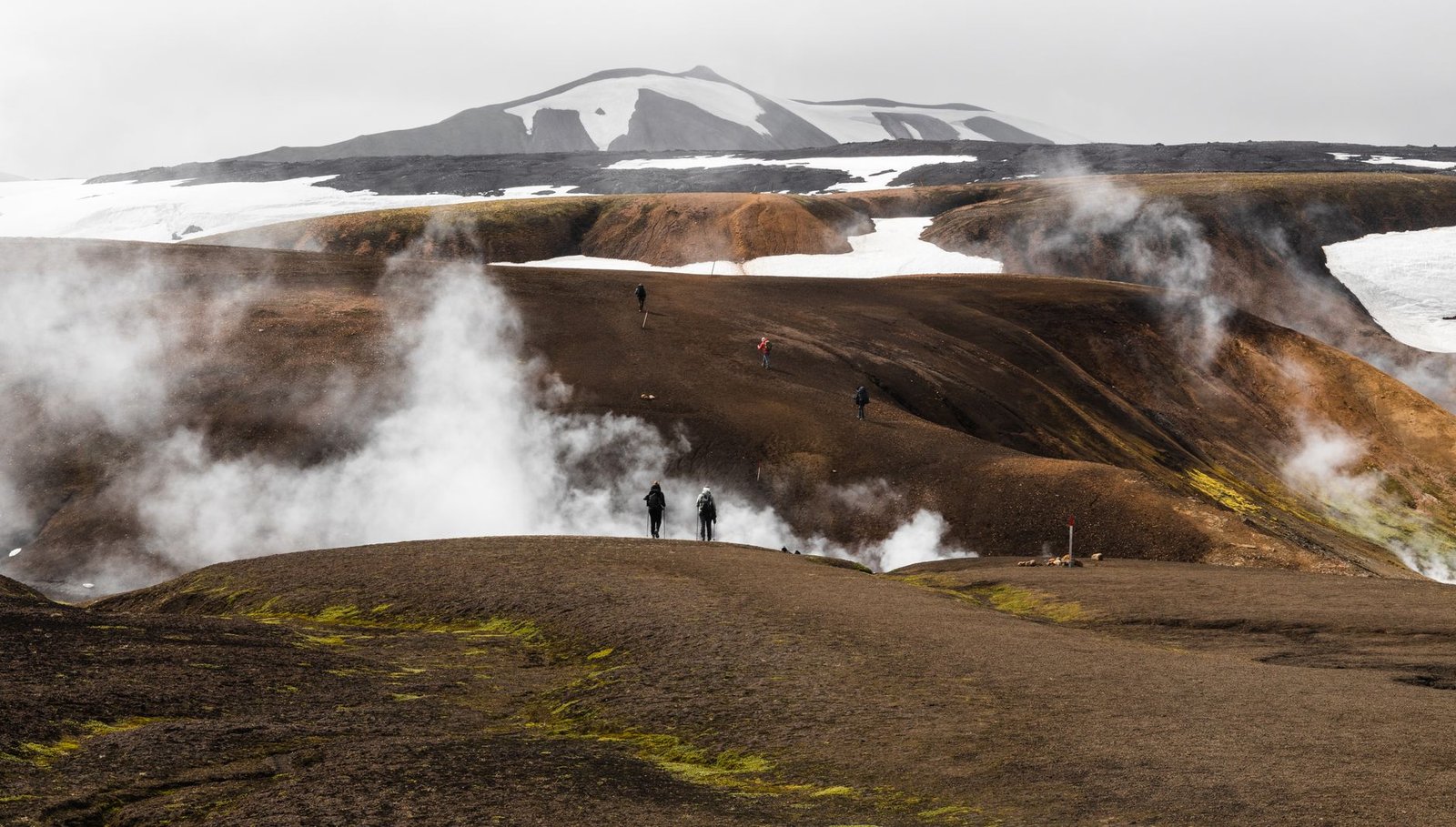
Iceland’s volcanic landscapes are a testament to the raw power of nature, offering hikers a chance to witness geological processes in action. These trails often feature vibrant rhyolite mountains, black sand deserts, and bubbling hot springs.
- Laugavegur Trail: Often hailed as one of the world’s most scenic treks, the Laugavegur trail spans approximately 55 kilometers (about 34 miles) from Landmannalaugar to Þórsmörk. This multi-day hike typically takes 3-4 days and showcases an incredible diversity of landscapes, including colorful rhyolite mountains, black obsidian fields, geothermal areas, and glacial rivers. The trail’s difficulty is generally considered moderate to challenging, requiring good physical fitness and proper gear.
- Fimmvörðuháls Trail: Connecting Skógar to Þórsmörk, this approximately 25-kilometer (about 15.5 miles) trail is often completed as a strenuous single-day hike or a two-day trek. It traverses the pass between two glaciers, Eyjafjallajökull and Mýrdalsjökull, and passes through the area of the 2010 Eyjafjallajökull eruption, offering views of new lava fields and craters. The trail is known for its dramatic waterfalls, including Skógafoss, and can be challenging due to elevation gain and unpredictable weather.
- Reykjadalur Hot Spring Thermal River: For a more accessible geothermal experience, the hike to Reykjadalur, near Hveragerði, is a popular choice. This moderate 3-kilometer (about 1.8 miles) trail leads to a warm river where hikers can bathe. It’s an excellent option for a shorter day trip, offering stunning views of the surrounding hills and steam vents.
Glacial Grandeur and Ice Cap Adventures
The stark beauty of Iceland’s glaciers provides a dramatic contrast to its fiery volcanic regions. Exploring these icy realms requires specialized knowledge and equipment, often necessitating a certified guide.
- Skaftafell in Vatnajökull National Park: This area is a hiker’s paradise, offering a range of trails from easy walks to challenging climbs. Popular routes include the path to Svartifoss waterfall, known for its basalt columns, and longer treks offering panoramic views of Vatnajökull, Europe’s largest glacier by volume. Guided glacier walks are available on the outlet glaciers, such as Svínafellsjökull, providing an opportunity to safely explore the ice formations, crevasses, and ice caves.
- Sólheimajökull Glacier: An accessible outlet glacier of Mýrdalsjökull, Sólheimajökull is a popular spot for guided glacier walks and ice climbing tours. The approach hike to the glacier snout is relatively easy, offering impressive views of the icefall. These tours provide crampons, ice axes, and safety briefings, allowing participants to experience the unique textures and colors of glacial ice.
Practical Tips for Hiking Iceland’s Volcanoes and Glaciers
Preparation is key to a safe and enjoyable hiking experience in Iceland.
You might also enjoy: Conquering the Azores: A Hiker’s Guide to Portugal’s Volcanic Trails
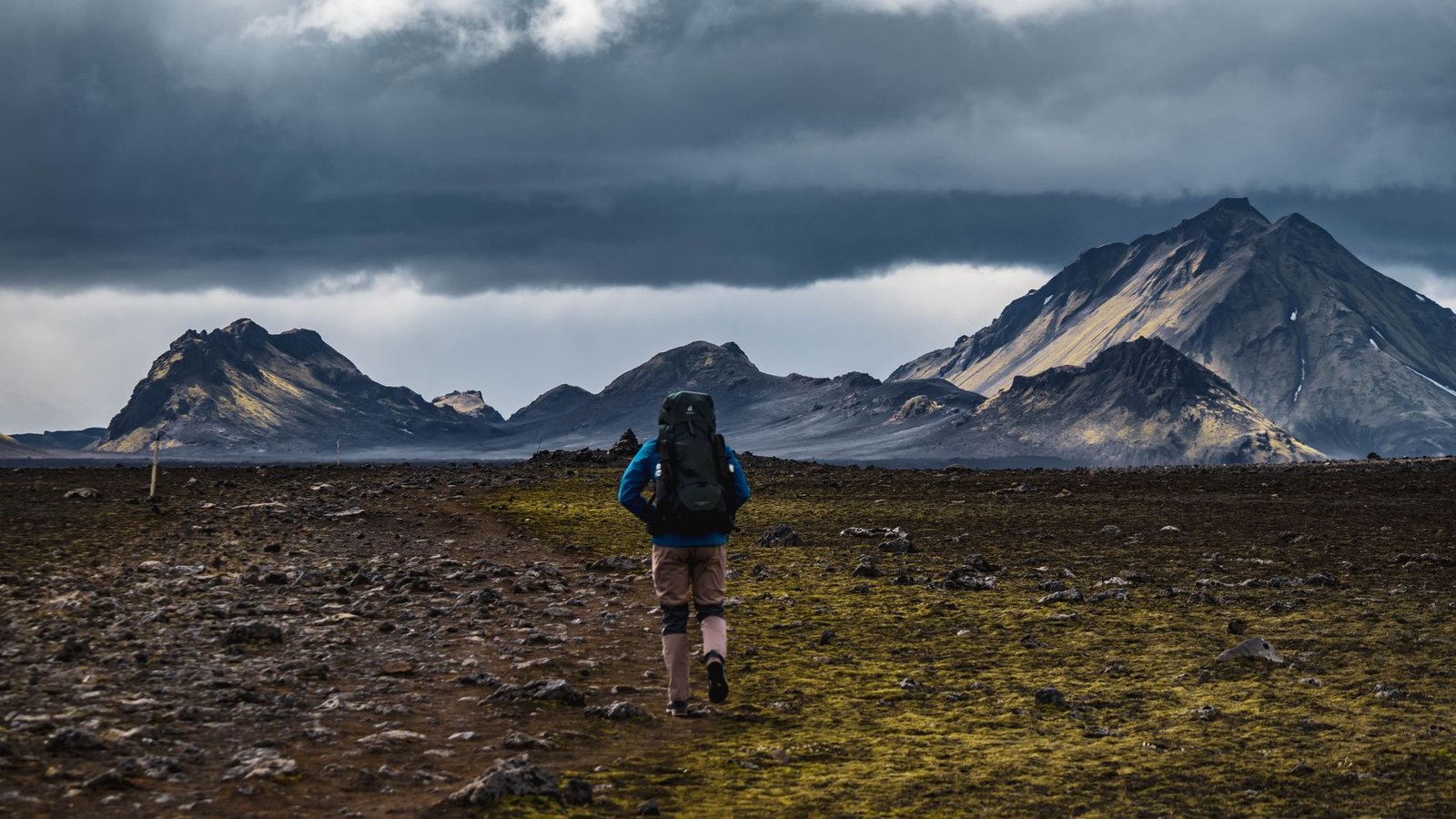
- Gear Up: Layered clothing is essential due to rapidly changing weather. Include waterproof and windproof outer layers, thermal base layers, and sturdy, waterproof hiking boots with good ankle support. Don’t forget a hat, gloves, sunglasses, and sunscreen.
- Navigation Tools: Carry a map, compass, and a fully charged GPS device or smartphone with offline maps. Cellular service can be unreliable in remote areas.
- Food and Water: Pack sufficient high-energy snacks and water. Water sources can be scarce or require filtration in some areas.
- Best Time to Visit: The summer months (June to August) offer the mildest weather, longest daylight hours, and most accessible trails. Shoulder seasons (May, September) can be beautiful but with more unpredictable weather and fewer services.
- Fitness Level: Assess your fitness honestly. Many of Iceland’s trails, especially multi-day treks, require a good level of endurance and experience with varied terrain.
Navigation and Safety Considerations
Iceland’s wilderness, while stunning, demands respect and careful planning. The weather can change dramatically within minutes, even in summer.
- Weather Watch: Always check the Icelandic Met Office (Veðurstofa Íslands) for weather forecasts and warnings before and during your hike. Be prepared to turn back if conditions worsen.
- Stay on Marked Trails: Icelandic landscapes are fragile. Sticking to marked paths prevents erosion and protects delicate vegetation. Off-trail hiking can also lead to dangerous situations, such as hidden crevasses or quicksand-like mud.
- River Crossings: Many trails involve unbridged river crossings. Research these in advance. Never attempt to cross a fast-flowing or deep river alone. If uncertain, wait for others or seek an alternative.
- Emergency Services: In case of an emergency, dial 112. Consider downloading the 112 Iceland app, which can help rescuers locate you. Register your travel plan with SafeTravel.is.
- Guided Tours: For glacier hikes, ice cave exploration, or challenging routes in remote areas, hiring a certified guide is highly recommended and often mandatory for safety.
Personal Insights from the Trails
For experienced hiker Summit Reid, the allure of the Icelandic hiking trails lies in their profound ability to connect one with the planet’s raw, untamed beauty. The stark contrasts, from the vibrant geothermal hues of Landmannalaugar to the serene, ancient ice of Vatnajökull, create an almost spiritual experience. The feeling of traversing a landscape still actively being shaped by geological forces is humbling. The crisp, clean air and the vast, open spaces offer a sense of freedom and perspective rarely found elsewhere. It’s a reminder of nature’s immense power and our place within it.
Environmental Stewardship
As visitors to this pristine environment, we bear a responsibility to protect it. Adhere to Leave No Trace principles:
- Plan ahead and prepare.
- Travel and camp on durable surfaces.
- Dispose of waste properly.
- Leave what you find.
- Minimize campfire impacts (if permitted).
- Respect wildlife.
- Be considerate of other visitors.
Conclusion
The trails in Iceland – volcanoes and glaciers – offer an unparalleled adventure for the prepared and respectful hiker. From the vibrant geothermal valleys to the majestic ice caps, each step reveals a landscape of breathtaking beauty and geological wonder. Plan meticulously, prioritize safety, and embrace the spirit of environmental stewardship to ensure an unforgettable journey through this land of fire and ice. Your Icelandic hiking adventure awaits!
You might also enjoy: Discovering the Majestic Trails in Bryce Canyon National Park Utah: A Hiker’s Guide
Frequently Asked Questions
What is the best time of year to hike in Iceland?
The best time for hiking in Iceland is generally during the summer months, from June to August. During this period, the weather is milder, daylight hours are long, and most trails are accessible. The shoulder seasons of May and September can also be beautiful, but hikers should be prepared for more unpredictable weather and potentially fewer open services.
Do I need a guide for hiking on glaciers in Iceland?
Yes, it is highly recommended and often mandatory to hire a certified guide for hiking on glaciers in Iceland. Glaciers present numerous hazards such as hidden crevasses, rapidly changing ice conditions, and unpredictable weather. Certified guides have the necessary equipment, training, and local knowledge to ensure your safety.
What are the most famous multi-day hiking trails in Iceland?
The Laugavegur and Fimmvörðuháls trails are arguably the most famous multi-day hiking trails in Iceland. The Laugavegur trail, connecting Landmannalaugar to Þórsmörk, is renowned for its diverse landscapes, while the Fimmvörðuháls trail offers a dramatic journey between two glaciers and through new lava fields. Both require good preparation and fitness.
What essential gear should I pack for hiking in Iceland?
Essential gear for hiking in Iceland includes layered clothing, with waterproof and windproof outer layers, thermal base layers, and sturdy, waterproof hiking boots. Additionally, pack a hat, gloves, sunglasses, sunscreen, a map, compass, GPS device, sufficient food and water, and a first-aid kit. Always be prepared for rapidly changing weather conditions.
Related Adventures
- Conquering the Azores: A Hiker’s Guide to Portugal’s Volcanic Trails
- Discovering the Majestic Trails in Bryce Canyon National Park Utah: A Hiker’s Guide
- Discovering the Untamed Beauty: A Guide to Trails in Pacific Rim National Park Vancouver Island
⚠️ Safety Notice: This content is for informational purposes only. Always consult local guides and operators, verify current conditions, and ensure appropriate skills and certifications before any outdoor activity. DiveBikeHike is not responsible for injuries or incidents.