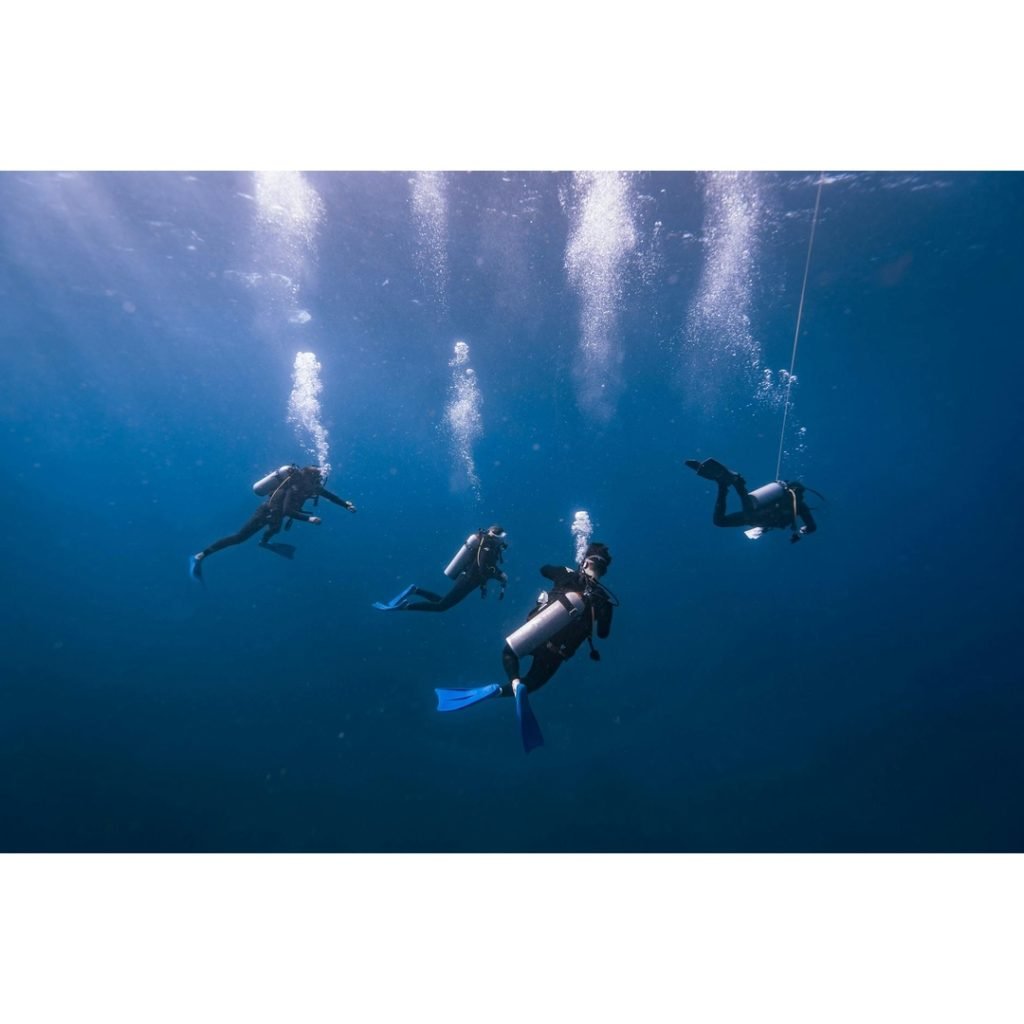
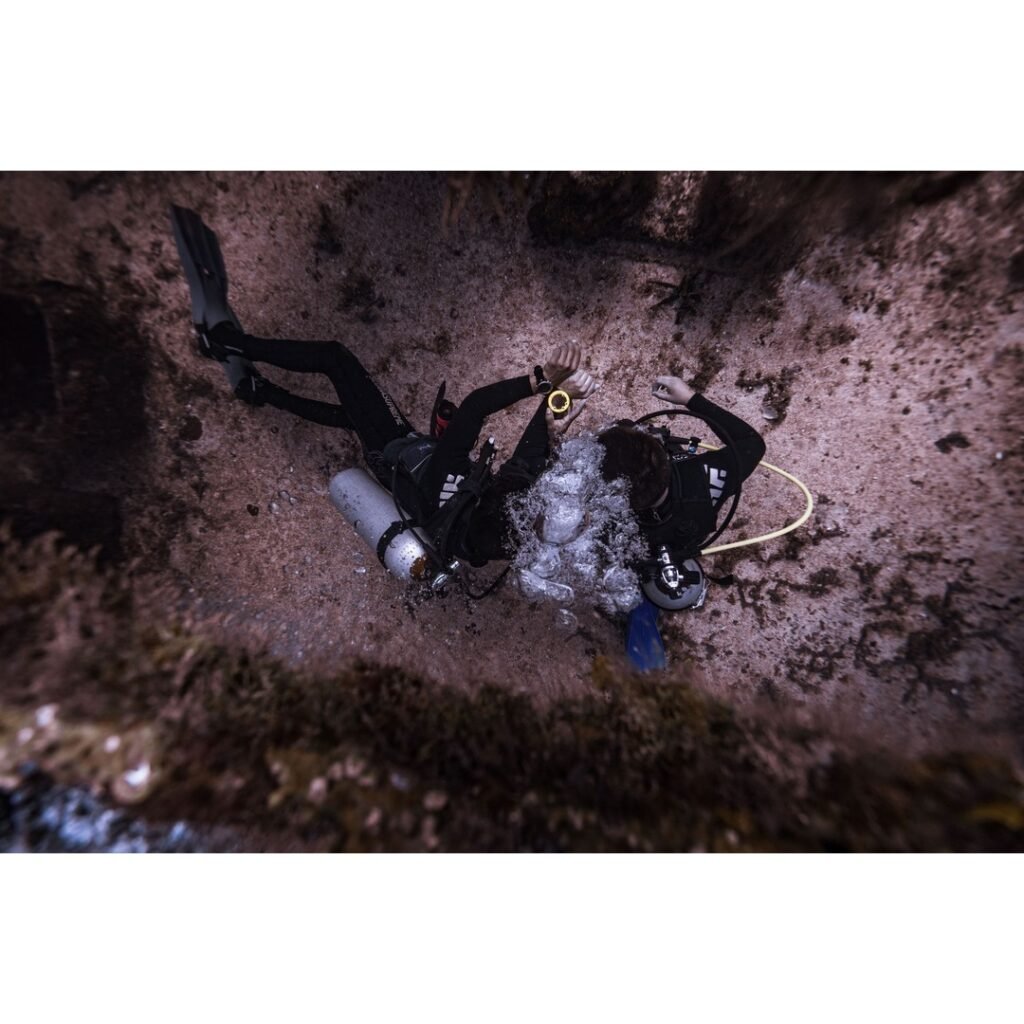
For scuba diving enthusiasts seeking an experience beyond the vibrant coral reefs of the ocean, cenote diving in Tulum, Mexico, offers an unparalleled adventure. Nestled within the lush jungles of the Yucatán Peninsula, these natural freshwater sinkholes are portals to an ancient, ethereal underworld. They promise crystal-clear waters, breathtaking geological formations, and a profound connection to a geological history spanning millennia. This guide delves into the magic of cenote diving, providing essential information and insights for both novice and experienced divers.
Unveiling the Mystery: What Exactly Are Cenotes?
Cenotes, pronounced “seh-NO-tays,” are natural sinkholes formed when the ceiling of an underground limestone cave collapses, exposing the freshwater aquifer beneath. The Yucatán Peninsula is essentially a massive karst platform, a porous limestone landscape that rainwater has meticulously carved into an intricate network of underground rivers and caves over millions of years. To the ancient Maya, cenotes were far more than just water sources; they were considered sacred gateways to Xibalba, the underworld, and played a crucial role in their spiritual beliefs and daily life.
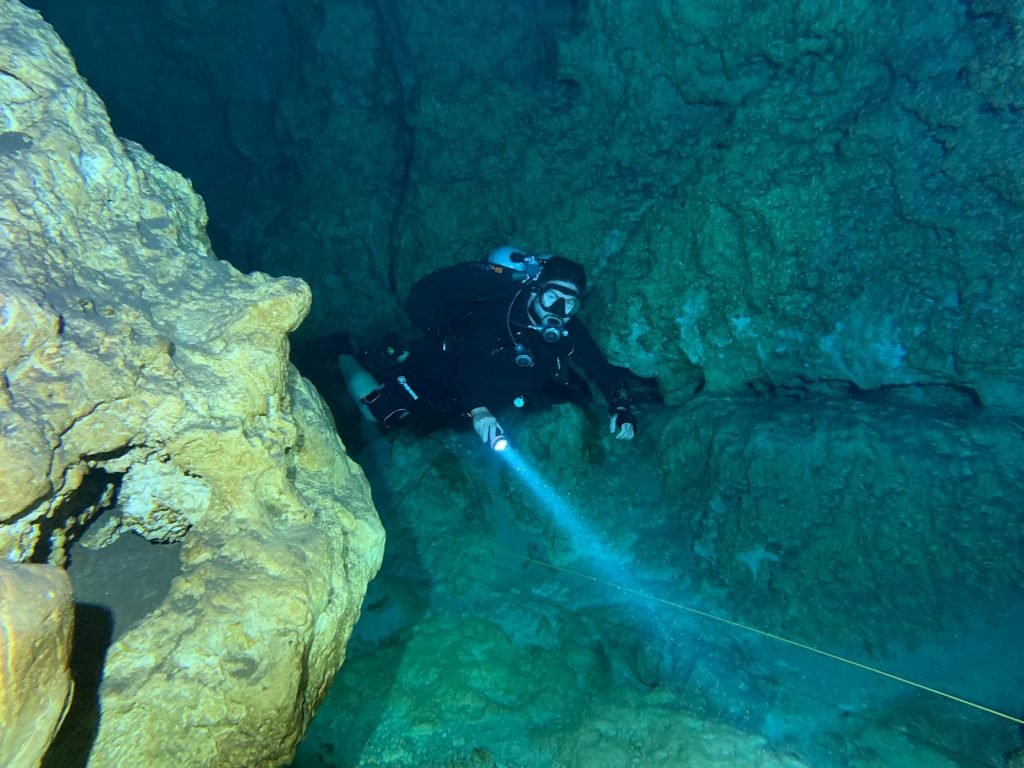
Diving into these geological wonders means entering a world where light dances, rock formations tell tales of time, and the silence is profound. Unlike ocean diving, cenotes are typically free from currents and offer unparalleled visibility, often exceeding 30 meters (100 feet), and sometimes even reaching over 100 meters. The water temperature remains a comfortable 24-26°C (75-79°F) year-round, making for pleasant diving conditions regardless of the season.
Why Cenote Diving in Tulum, Mexico, is a Must-Do
The allure of cenote diving extends beyond mere geological curiosity. It’s a multisensory experience that captivates divers with its unique features:
- Crystal-Clear Visibility: The naturally filtered rainwater provides exceptional clarity, creating a sensation of flying through air rather than swimming through water.
- Stunning Formations: Divers encounter a mesmerizing array of stalactites, stalagmites, and columns, sculpted over thousands of years as mineral-rich water dripped and evaporated.
- Magical Light Effects: Where cenotes are open or semi-open, sunlight penetrates the water, creating dramatic beams and “light curtains” that illuminate the underwater landscape with an otherworldly glow.
- Haloclines: A fascinating phenomenon where layers of freshwater and denser saltwater meet but do not immediately mix, creating a shimmering, blurry, or distorted visual effect. Passing through a halocline can feel like entering a mirage, with objects appearing to melt or shift.
- Hydrogen Sulfide Clouds: In some deeper cenotes, a thick, milky-white cloud of hydrogen sulfide forms from decomposing organic matter, creating a surreal, fog-like “underwater river” or “false bottom.”
Exploring Iconic Cenotes Near Tulum
The region around Tulum boasts a diverse array of cenotes, each offering a distinct diving experience. Here are some of the most popular and highly recommended sites for cenote diving in Tulum, Mexico:
Dos Ojos: The Classic Cavern Experience
Meaning “Two Eyes” in Spanish, Cenote Dos Ojos is one of the most famous and accessible cenotes, renowned for its wide passages and abundant natural light. It is part of the vast Sistema Sac Actun, one of the longest underwater cave systems in the world. Dos Ojos is an excellent choice for Open Water certified divers, offering two distinct circuits:
- Barbie Line: This circuit features wide spaces, large light galleries, and spectacular stalactite and stalagmite formations. It’s relatively shallow, with a maximum depth of around 6-7 meters (20-23 feet), making it ideal for an introduction to cavern diving. The visibility is exceptional, often exceeding 30 meters.
- Bat Cave: A more enclosed and atmospheric dive, the Bat Cave leads divers through a darker environment to an air-filled dome where a colony of bats resides. Divers can surface inside this hidden chamber to observe the bats clinging to the ceiling. The maximum depth here is around 10 meters (33 feet).
El Pit: A Deep Dive into Dramatic Light
Located within the Dos Ojos Natural Park, Cenote El Pit is a deep, open sinkhole famous for its dramatic light beams and profound depths. Recreational dives typically reach a maximum depth of 30-40 meters (100-130 feet), though the cenote’s actual depth extends to over 100 meters. El Pit requires an Advanced Open Water Diver certification due to its depth.
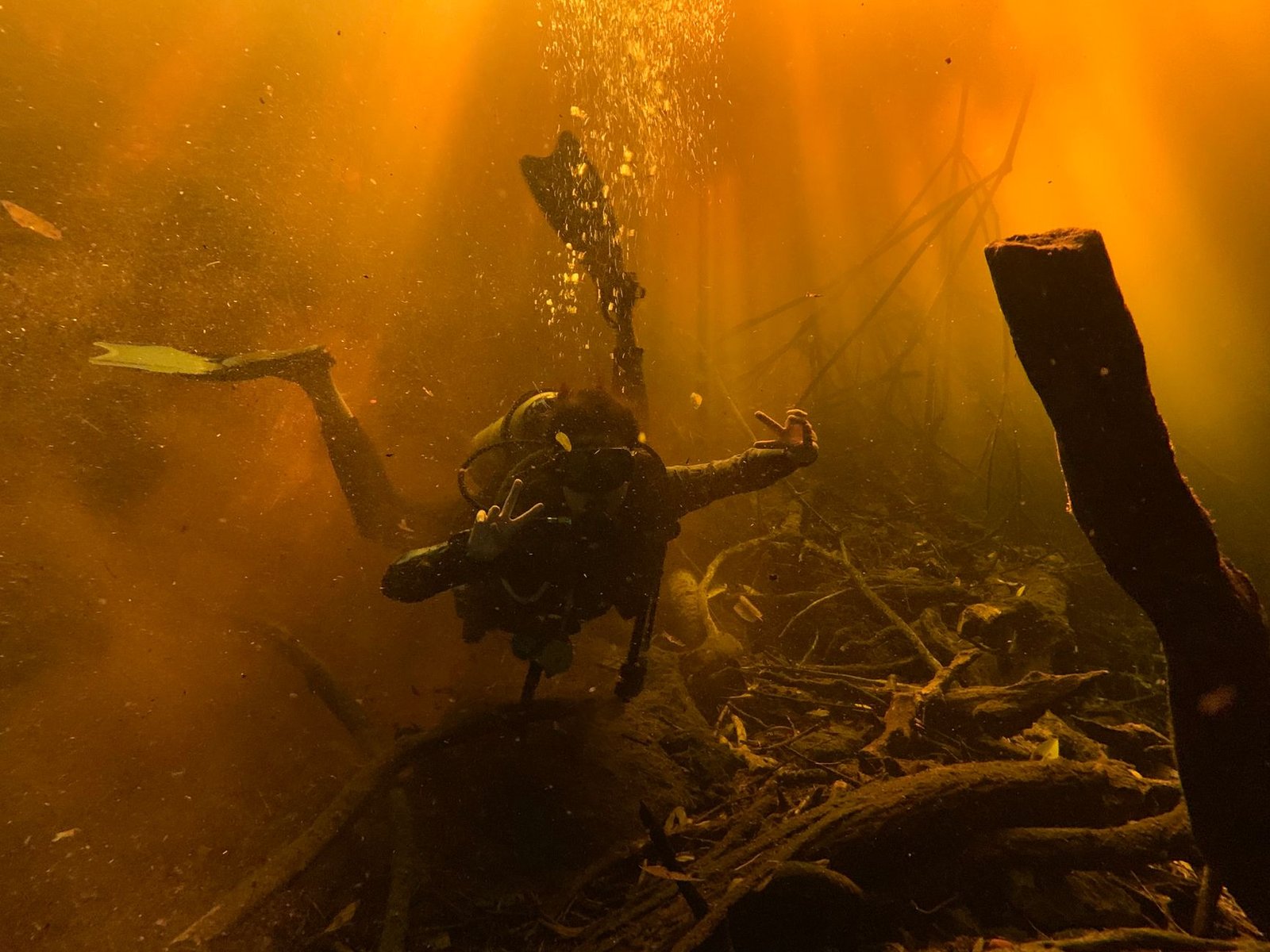
Divers descending into El Pit will encounter a distinct halocline at approximately 15 meters (50 feet) and, further down, a captivating hydrogen sulfide cloud at around 27-30 meters (89-100 feet). Submerged trees rise eerily from this cloud, creating an unforgettable, almost prehistoric landscape. The best time to witness El Pit’s iconic light beams, which penetrate deep into the cavern, is during sunny mornings, particularly between June and August when the sun is directly overhead.
You might also enjoy: Diving the Galapagos Islands Ecuador: An Unforgettable Underwater Odyssey
Angelita: The Underwater River
Cenote Angelita, or “Little Angel,” offers one of the most surreal diving experiences imaginable. This deep, open cenote, located south of Tulum, is renowned for its thick hydrogen sulfide cloud that hovers at approximately 27-30 meters (89-100 feet), creating the illusion of an “underwater river” complete with an “island” of submerged trees and branches.
Diving through the clear freshwater above the cloud, divers descend into a disorienting, zero-visibility layer before emerging into the darker, colder saltwater below, where the skeletal trees stand in silent rows. Angelita is strictly an advanced dive, requiring an Advanced Open Water Diver certification due to its depth and the unique conditions.
Chac Mool: Halocline Wonderland
Cenote Chac Mool is particularly celebrated for its pronounced halocline effects, which can be observed at relatively shallow depths, often around 10 meters (33 feet). The interplay of light and the shimmering halocline creates spectacular visual distortions, making it a favorite for underwater photographers and those keen to experience this unique phenomenon.
Carwash (Aktun Ha): Lush and Accessible
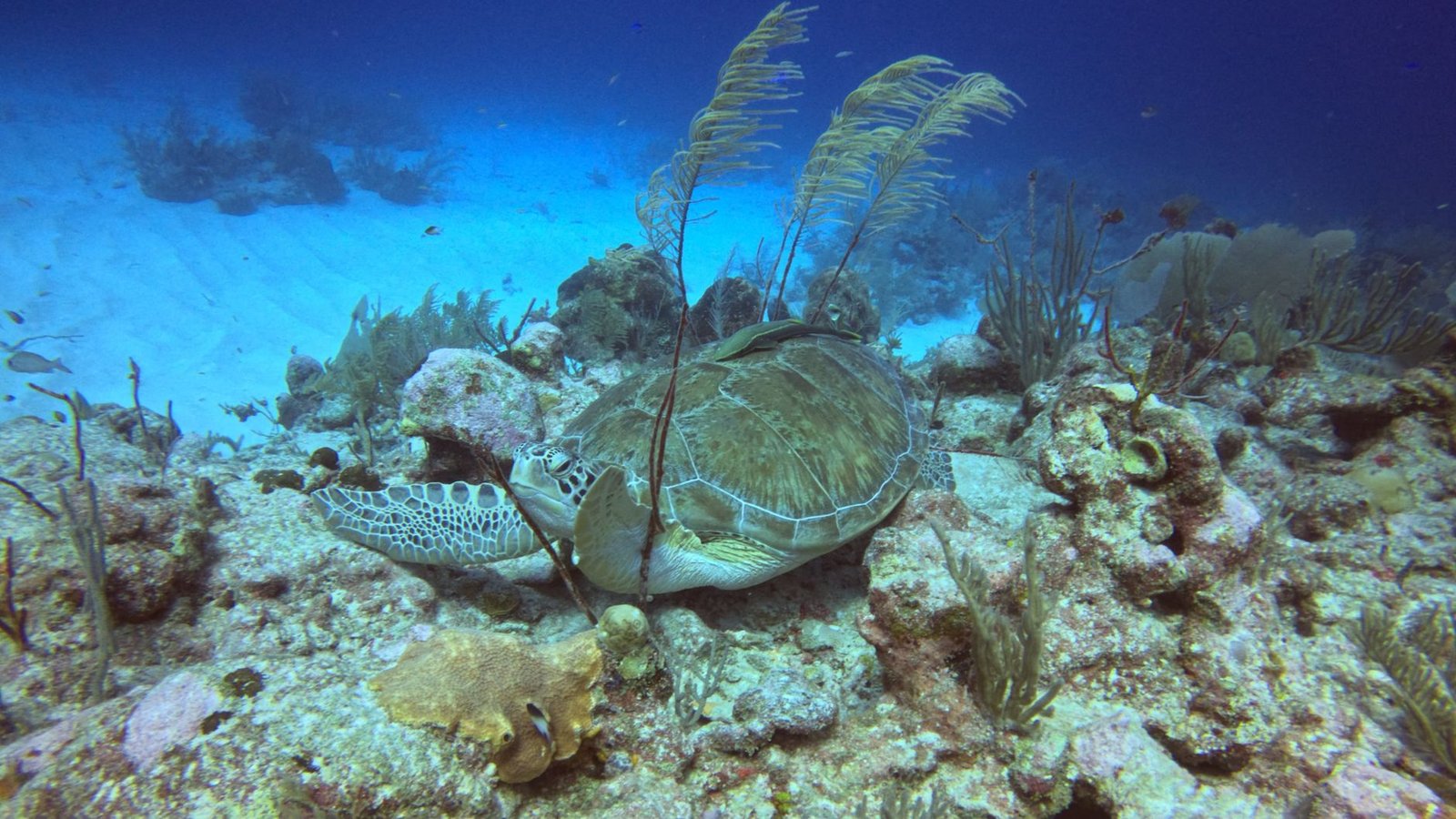
Also known as Aktun Ha, Cenote Carwash is a versatile and beginner-friendly cenote that offers a different kind of beauty. From the surface, it resembles a tranquil pond, but underwater, it reveals a vibrant ecosystem with lush aquatic vegetation, water lilies, freshwater fish, and even turtles. It features a beautiful cavern section adorned with stalactites and natural columns, illuminated by natural light. With a maximum depth of approximately 15-18 meters (50-60 feet), Carwash is an excellent choice for Open Water divers looking for a relaxed yet captivating cenote experience.
Planning Your Cenote Dive Adventure
To ensure a safe and memorable cenote diving experience, careful planning is essential:
- Certification: A minimum Open Water Diver certification is required for most cavern dives, which stay within the natural light zone. For deeper and more complex cenotes like El Pit and Angelita, an Advanced Open Water Diver certification is necessary.
- Guided Tours: Recreational cenote diving in Tulum, Mexico, must always be done with a certified full cave diver guide. These guides possess expert knowledge of the cave systems, navigation, and safety protocols.
- Equipment: Most dive operators provide all necessary gear, including a 5mm full wetsuit, which is recommended due to the consistent water temperature. Bring your swimsuit, towel, and biodegradable sunscreen.
- Best Time to Visit: The dry season (November to May) offers ideal weather with clear skies and optimal light penetration for cenotes. However, the wet season (May to October) can offer fewer crowds and dramatic light effects, especially for cenotes like El Pit in June through August.
Safety First: Essential Considerations for Cenote Diving
While cenote diving is an incredible experience, it involves an overhead environment, which requires specific safety considerations:
- Buoyancy Control: Excellent buoyancy control is paramount to avoid disturbing the delicate silt on the bottom and to prevent contact with fragile formations.
- Follow Your Guide: Always stay close to your certified guide and follow their instructions. They are experienced in navigating these unique environments.
- Permanent Guidelines: Recreational cavern dives always follow a permanent guideline, ensuring a clear path to and from the exit.
- Air Management: Adhere to the “rule of thirds” for air consumption: one-third for penetration, one-third for exit, and one-third in reserve.
- No Solo Diving: Always dive with a buddy and as part of a small, guided group.
- Conservation: Respect the fragile ecosystem. Avoid touching formations, use only biodegradable products, and shower before entering the water to rinse off lotions and repellents.
A Divemaster’s Perspective: Insights from Marina Hayes
As an experienced divemaster, Marina Hayes has witnessed countless divers transform as they explore the cenotes. “There’s a unique reverence that settles over divers when they enter a cenote,” she observes. “The silence, the ancient formations, the way light pierces the darkness – it’s truly humbling. We’ve seen divers, initially nervous about the overhead environment, emerge with a profound sense of accomplishment and wonder.”
Marina recalls a particular dive in Dos Ojos with a group of newly certified Open Water divers. “One diver, in particular, was quite anxious. We started on the Barbie Line, with its wide, light-filled passages. By the time we reached the Bat Cave, and they surfaced in that hidden dome surrounded by bats, their apprehension had completely melted away, replaced by pure awe. It was a powerful reminder of how these cenotes can truly open up a new dimension of diving.”
You might also enjoy: Diving Seychelles Granite Formations: An Underwater Journey Through Ancient Worlds
She emphasizes the importance of good buoyancy. “It’s not just for safety; it’s for the experience. When you’re perfectly neutral, gliding effortlessly through these caverns, you become part of the environment, rather than just an observer. That’s when the real magic of cenote diving in Tulum, Mexico, truly unfolds.”
Practical Tips for an Unforgettable Experience
- Practice Buoyancy: If it’s been a while since your last dive, consider a refresher course or a couple of ocean dives beforehand to hone your buoyancy skills.
- Bring a Dive Light: While guides provide lights, having your own can enhance your view of formations and help navigate the halocline.
- Underwater Photography: Cenotes are a photographer’s dream. Be aware that some cenotes may charge a fee for professional cameras.
- Stay Hydrated: Even though you’re underwater, the tropical climate means you should drink plenty of water before and after your dives.
- Arrive Early: Many cenotes limit visitor numbers, and arriving early can help you avoid crowds, especially during peak season.
Conclusion: Dive into the Heart of the Yucatán
Cenote diving in Tulum, Mexico, offers an extraordinary departure from traditional ocean diving. It’s an opportunity to explore a geological marvel, steeped in ancient history and brimming with unique underwater phenomena. From the expansive caverns of Dos Ojos to the dramatic depths of El Pit and the surreal hydrogen sulfide cloud of Angelita, each cenote presents its own captivating narrative.
Whether you’re an Open Water diver looking for a new challenge or an Advanced diver seeking an otherworldly experience, the cenotes of Tulum promise an unforgettable journey into the heart of the Yucatán. Prepare to be amazed by the crystal-clear waters, the intricate formations, and the interplay of light and shadow that define this incredible underwater world. Don’t just dream of adventure; dive into the magic of cenote diving in Tulum, Mexico, and discover a world unlike any other.
Frequently Asked Questions
What certification do I need for cenote diving in Tulum, Mexico?
For most recreational cenote dives within the natural light zone (cavern diving), an Open Water Diver certification is the minimum requirement. However, for deeper and more complex cenotes like El Pit or Angelita, an Advanced Open Water Diver certification is typically required. All recreational cenote dives must be led by a certified full cave diver guide.
What is a halocline, and will I see one while cenote diving?
A halocline is a visible boundary layer where freshwater and denser saltwater meet but do not immediately mix, creating a shimmering, distorted visual effect underwater. Many cenotes in the Tulum area, especially deeper ones like El Pit and Chac Mool, feature prominent haloclines, offering a unique and disorienting sensory experience for divers.
Is cenote diving in Tulum, Mexico, suitable for beginners?
Yes, cenote diving can be suitable for beginners, provided they have at least an Open Water Diver certification and dive with a qualified guide. Cenotes like Dos Ojos and Carwash are considered beginner-friendly due to their wide passages, excellent visibility, and ample natural light. Introductory dive programs are also available for those without prior certification.
What is the best time of year to go cenote diving in Tulum?
Cenote diving in Tulum is possible year-round due to stable water temperatures and minimal impact from surface weather. The dry season (November to May) is often preferred for clear weather and optimal light beams. However, the wet season (May to October) can offer fewer crowds and unique light effects, particularly in cenotes like El Pit during June to August.
Related Adventures
- Diving the Galapagos Islands Ecuador: An Unforgettable Underwater Odyssey
- Diving Seychelles Granite Formations: An Underwater Journey Through Ancient Worlds
- Diving Sipadan Island: An Unforgettable Journey into a Marine Masterpiece
⚠️ Safety Notice: This content is for informational purposes only. Always consult local guides and operators, verify current conditions, and ensure appropriate skills and certifications before any outdoor activity. DiveBikeHike is not responsible for injuries or incidents.