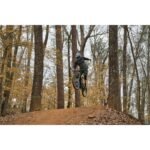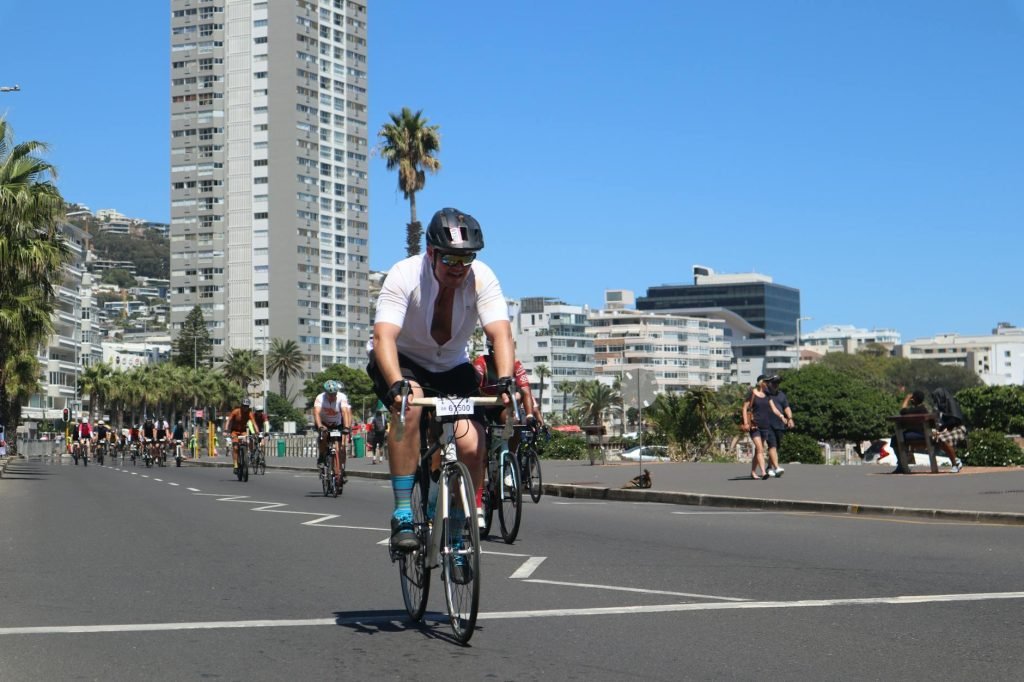
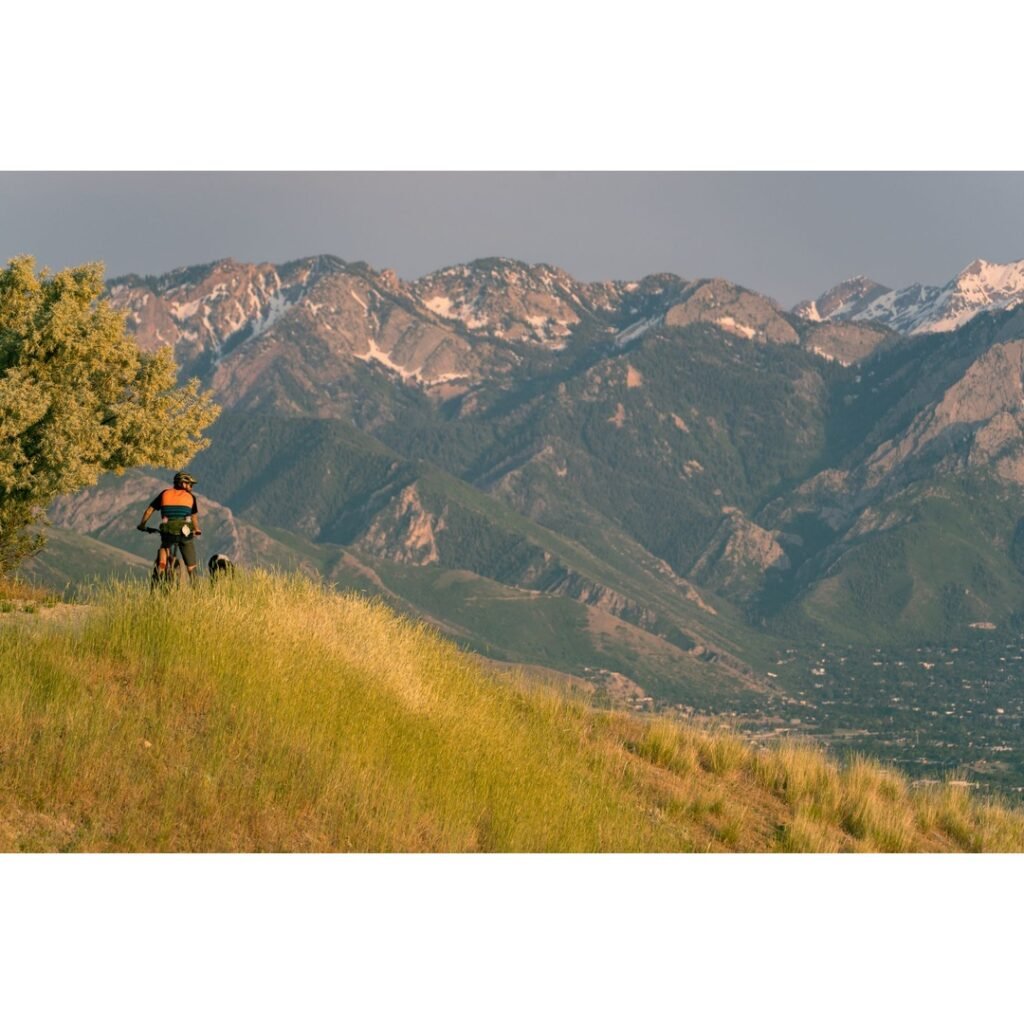
For cycling enthusiasts seeking the pinnacle of trail experiences, the call of the Wasatch Mountains is undeniable, and at its heart lies a true gem: Park City, Utah. This vibrant mountain town has solidified its reputation as a premier destination for mountain biking Park City Utah, offering an expansive network of trails that cater to every skill level, from novice riders to seasoned shredders. With its designation as an IMBA Gold-Level Ride Center, Park City boasts hundreds of miles of meticulously maintained singletrack, breathtaking alpine vistas, and a culture deeply rooted in outdoor adventure.
The allure of mountain biking in Park City extends beyond just the sheer quantity of trails; it’s the quality, diversity, and accessibility that truly set it apart. Riders can explore everything from smooth, flowing descents through aspen groves to challenging, rocky climbs that test both endurance and technical prowess. This guide aims to equip every cycling enthusiast with the knowledge and inspiration needed to plan an unforgettable journey through Park City’s legendary terrain.
The Unmatched Diversity of Mountain Biking Park City Utah Trails
Park City’s trail system is a masterclass in variety, ensuring that every rider finds their perfect challenge and flow. The town’s elevation, which ranges from approximately 7,000 feet to over 10,000 feet at its peaks, contributes to a diverse range of ecosystems and riding conditions.
Beginner and Intermediate Adventures
For those new to mountain biking or looking for a more relaxed ride, Park City offers numerous accessible options. The Round Valley Trail System, located just east of Kimball Junction, is a fantastic starting point. This network features open sagebrush terrain with gently rolling singletrack, making it ideal for early-season rides or families. Trails here vary in length, from 1 to 10 miles, providing ample opportunity to build confidence and enjoy scenic views.
Another excellent choice for beginners and strong advanced-beginners is sections of the Historic Union Pacific Rail Trail. This mostly flat, wide path offers a smooth, low-impact ride and connects to many other trails in the area, serving as a great introduction to the region’s beauty.
Intermediate riders will find a wealth of options to progress their skills. The Mid-Mountain Trail is an iconic, lengthy singletrack that traverses two ski resorts at an altitude of around 8,000 feet. This trail, often rated as difficult due to its length (ranging from 11.2 to 23 miles one way) and considerable elevation changes, offers stunning views and diverse terrain, including rocky sections and flowing singletrack. It’s a must-ride for many outdoor enthusiasts, providing opportunities for wildlife sightings and panoramic views of Park City’s ski resorts.
The legendary Wasatch Crest Trail is an advanced, high-altitude epic that promises exhilarating descents and panoramic views of the Wasatch Mountains. Typically ready to ride from late June through September, this trail can be over 20 miles long and involves significant climbing, often including the aptly named “Puke Hill.” Riders should be prepared for cooler temperatures and rapidly changing weather conditions at these higher elevations. It’s important to note that mountain bikers are often restricted to even-numbered days on certain sections, particularly on the Millcreek Canyon side, so checking local regulations is crucial.
Lift-Served Thrills: Bike Parks
Park City is also home to world-class bike parks at its ski resorts, offering gravity-fed fun for all abilities. Conquer the Trails: Your Ultimate Guide to Bike Trails in Bentonville Arkansas
Tires and Brakes
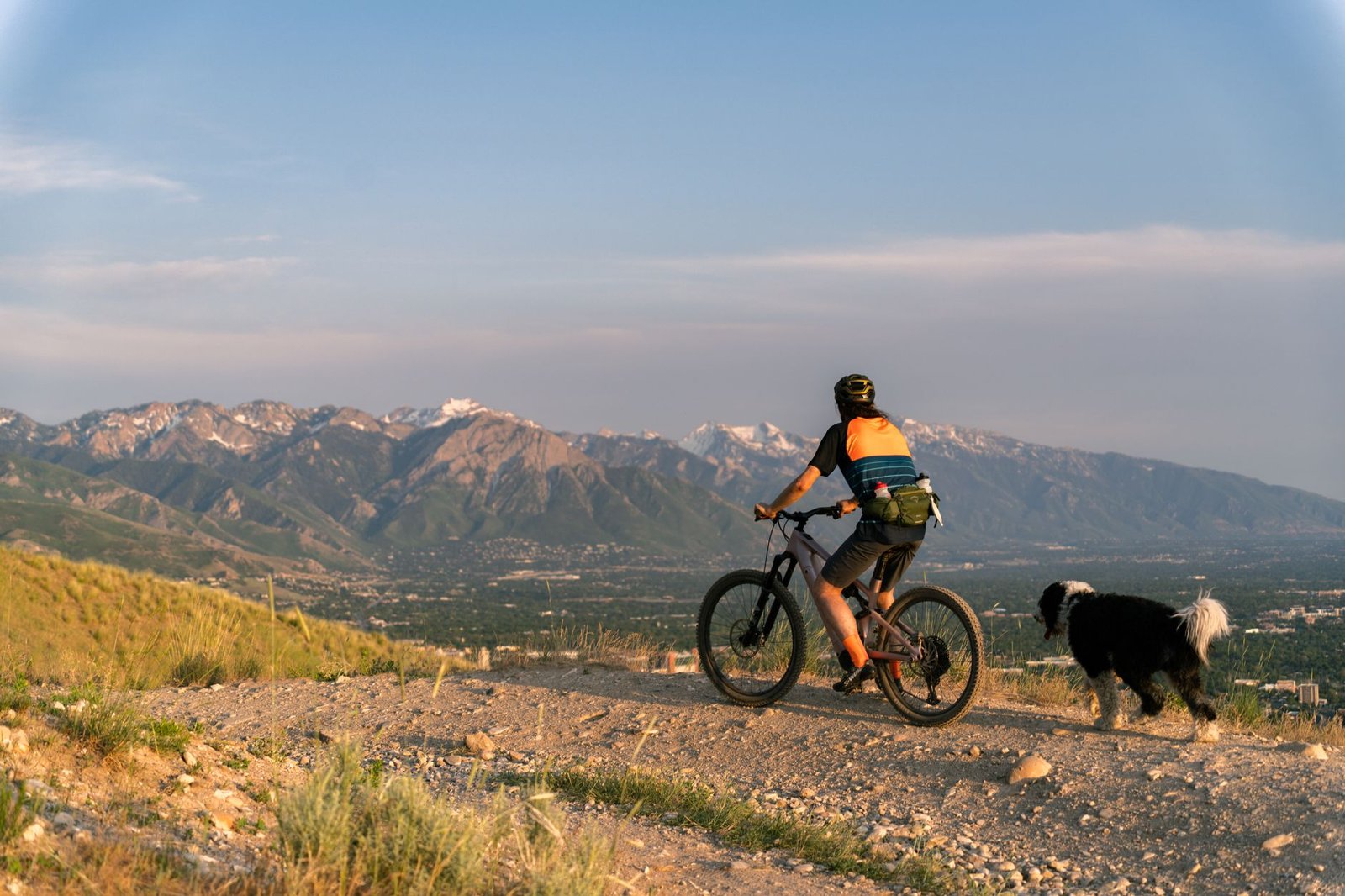
Tire choice is critical. A versatile trail tire with a good balance of grip and rolling resistance, typically in the 2.3-2.6 inch width range, will serve most riders well. Consider tires with durable casings for protection against sharp rocks. Powerful hydraulic disc brakes are non-negotiable, especially for the long descents characteristic of Park City. Ensure brake pads are in good condition and consider larger rotors (180mm or 200mm) for better heat dissipation and stopping power.
Suspension Setup
Proper suspension setup is key to a comfortable and efficient ride. Set your sag (the amount your suspension compresses under your body weight) according to your bike manufacturer’s recommendations, usually around 25-30% for the fork and 30-35% for the rear shock. Adjust rebound damping to prevent the suspension from springing back too quickly or too slowly. A local bike shop can provide expert assistance with suspension tuning.
Essential Protection
Safety should always be a priority. A well-fitting helmet is mandatory; consider a full-face helmet for bike park riding or more aggressive downhill trails. Knee and elbow pads offer valuable protection against scrapes and impacts. Gloves, eyewear, and appropriate riding apparel are also essential for comfort and safety.
Training and Technique for Park City’s Trails
Riding in Park City often involves significant climbing and high-speed descents. Developing specific skills and maintaining good physical fitness will greatly enhance the experience.
Altitude Acclimatization
Park City sits at an elevation of approximately 7,000 feet, and many trails climb much higher. Riders coming from sea level may experience altitude sickness, characterized by headaches, nausea, and fatigue. It is crucial to take it easy on the first day, stay well-hydrated, and avoid excessive alcohol.
Climbing Techniques
For the sustained climbs, focus on a steady, consistent cadence. Shift gears proactively to maintain momentum. Keep your weight balanced over the bottom bracket, leaning slightly forward on steeper ascents to keep the front wheel planted, but not so far forward that the rear wheel loses traction. Conserve energy by finding a comfortable pace and breathing deeply.
Descending Skills
On descents, maintain a relaxed body position with bent elbows and knees, allowing the bike to move beneath you. Look far ahead to anticipate upcoming turns and obstacles. Practice progressive braking, using both front and rear brakes smoothly rather than grabbing them abruptly. For bermed corners, enter wide, look through the turn, and lean the bike more than your body to maintain grip and speed.
Personal Insights from the Trails (as Alex Trail)
Having spent countless hours exploring the extensive network of trails, it is clear that mountain biking in Park City Utah offers an experience unlike any other. The sheer scale of the trail system is astounding, with over 400 miles of non-motorized trails to discover. One particular memory stands out: an early autumn ride on the Mid-Mountain Trail. The aspens were ablaze with gold, and the air was crisp and cool. The sustained climb was challenging, but the reward of sweeping views across the valley and the exhilarating flow of the descent made every pedal stroke worthwhile. The trail felt perfectly sculpted, a testament to the dedication of the Mountain Trails Foundation and the local community.
There is a unique camaraderie among riders here. Whether passing a friendly hiker on Armstrong (an uphill-only trail for bikes, which helps manage traffic) or sharing a post-ride beverage at a local cafe, the spirit of outdoor enthusiasm is palpable. The challenge of the Wasatch Crest, with its high-alpine exposure and technical sections, is a rite of passage for many. The effort required to reach the ridgeline is quickly forgotten amidst the 360-degree panoramas that stretch from the Uinta Mountains to the Salt Lake Valley. It is a place where every ride, regardless of length or difficulty, leaves one feeling invigorated and deeply connected to the natural world.
Practical Tips for Your Park City Mountain Biking Adventure
Planning is essential for a seamless and enjoyable mountain biking trip to Park City.
You might also enjoy: Unleash Your Ride: The Ultimate Guide to Mountain Biking Finale Ligure Italy
Best Time to Visit
The prime mountain biking season in Park City typically runs from late May or early June through October, depending on snowmelt and trail conditions. July and August offer prime riding conditions with all trails open, while September and October bring cooler temperatures, fewer crowds, and stunning fall foliage.
Hydration and Nutrition
Due to the high altitude and often dry climate, staying hydrated is paramount. Carry more water than you think you’ll need, especially on longer rides. Electrolyte drinks can also be beneficial. Pack energy-dense snacks to fuel your rides.
Trail Etiquette and Safety
Park City’s trails are multi-use, shared by mountain bikers, hikers, and equestrians. Always practice good trail etiquette: yield to horses and hikers, and downhill riders yield to uphill riders (unless on designated directional trails). Announce your presence when approaching others, use a bell, and maintain a safe speed. Stay on marked trails to prevent erosion, and if trails are muddy, turn around to avoid damaging them. Always pack out what you pack in, adhering to Leave No Trace principles.
Bike Rentals and Shops
Numerous reputable bike shops in Park City offer rentals, sales, and repair services. Shops like Jans, Black Tie Bike Rentals, Park City Bike & Demo, and Switchback Sports provide a range of bikes, from full-suspension trail bikes to e-bikes, and can offer expert advice on local trails. Many also offer bike delivery services, adding convenience to your trip.
Weather Considerations
Mountain weather can change rapidly. Be prepared for afternoon thunderstorms, especially in summer. Carry extra layers, a rain jacket, and sun protection. Check local weather forecasts and trail conditions before heading out.
Conclusion: Your Next Adventure Awaits
Park City, Utah, stands as a beacon for mountain biking enthusiasts, offering an unparalleled blend of diverse trails, stunning scenery, and a welcoming community. From the gentle loops of Round Valley to the challenging ascents of Mid-Mountain and the epic vistas of the Wasatch Crest, every rider will find their ideal adventure. The commitment to trail maintenance, the accessibility of world-class bike parks, and the vibrant cycling culture make it a destination that truly lives up to its Gold-Level Ride Center status. So, tune your bike, pack your gear, and prepare to immerse yourself in the exhilarating world of mountain biking Park City Utah. Your next unforgettable ride is calling!
Frequently Asked Questions
What is the best time of year for mountain biking in Park City, Utah?
The optimal season for mountain biking in Park City typically runs from late May or early June through October. July and August offer peak conditions with all trails generally open, while September and early October provide cooler temperatures, vibrant fall foliage, and fewer crowds.
Are there beginner-friendly mountain biking trails in Park City?
Yes, Park City offers excellent options for beginner mountain bikers. The Round Valley Trail System is highly recommended for its gently rolling singletrack and varied loops. Additionally, sections of the Historic Union Pacific Rail Trail provide a smooth and accessible riding experience.
What is the elevation of Park City, and how does it affect mountain biking?
The town of Park City sits at approximately 7,000 feet (2,134 meters) above sea level, with surrounding trails reaching over 10,000 feet. This high altitude means riders, especially those from lower elevations, should allow time for acclimatization, stay well-hydrated, and be aware of potential altitude sickness symptoms like headaches and fatigue.
Do I need a special permit to ride mountain bike trails in Park City?
Most public mountain biking trails in and around Park City do not require special permits for access. However, lift-served bike parks at resorts like Park City Mountain Resort and Deer Valley Resort require the purchase of a lift ticket for access to their trails. It is always advisable to check with local trail organizations like the Mountain Trails Foundation for any specific trail closures or requirements.
Related Adventures
- Conquer the Trails: Your Ultimate Guide to Bike Trails in Bentonville Arkansas
- Unleash Your Ride: The Ultimate Guide to Mountain Biking Finale Ligure Italy
- Conquer the Coasts and Peaks: Your Ultimate Guide to Mountain Biking in British Columbia Canada
⚠️ Safety Notice: This content is for informational purposes only. Always consult local guides and operators, verify current conditions, and ensure appropriate skills and certifications before any outdoor activity. DiveBikeHike is not responsible for injuries or incidents.