
For many cyclists, the call of the open road is an irresistible siren, and few roads sing as sweetly as the Blue Ridge Parkway. Stretching for 469 miles through the ancient Appalachian Mountains of Virginia and North Carolina, this iconic route offers a cycling experience unlike any other. It is a journey defined by sweeping vistas, challenging ascents, exhilarating descents, and an immersive connection with nature. Whether planning a multi-day tour or a single-day epic, understanding the nuances of cycling the Blue Ridge Parkway is key to a truly rewarding adventure.
Embracing the Majesty: Why Cycle the Blue Ridge Parkway?
The Blue Ridge Parkway is more than just a road; it is a meticulously crafted scenic byway, designed to showcase the natural and cultural heritage of the Southern Appalachians. Linking Shenandoah National Park in Virginia to the Great Smoky Mountains National Park in North Carolina, it traverses diverse ecosystems, from pastoral farmlands to high-elevation spruce-fir forests.
The allure for cyclists lies in its unique characteristics. Unlike many mountain roads, the Parkway generally maintains a maximum grade of 6-8%, a testament to its thoughtful engineering. This consistent, yet persistent, gradient means long, sustained climbs that test endurance, followed by equally long, scenic descents that reward with breathtaking speed and panoramic views. The absence of commercial vehicles, billboards, and traffic lights further enhances the experience, allowing riders to fully immerse themselves in the serene beauty of the landscape.
From the northern terminus at Rockfish Gap, Virginia, to the southern end near Cherokee, North Carolina, the elevation changes dramatically, ranging from approximately 600 feet to over 6,000 feet. The highest point, Richland Balsam at Milepost 431, stands at 6,053 feet (1,845 meters), offering a true sense of accomplishment for those who reach its summit.
Planning Your Epic Ride: Logistics and Preparation
Undertaking a journey on the Blue Ridge Parkway requires meticulous planning. This is not a casual spin; it demands respect for its challenging terrain, variable weather, and often remote nature.
- Best Time to Ride: The prime seasons for cycling the Blue Ridge Parkway are late spring (May-June) and fall (late September-October). Late spring offers vibrant wildflowers and fewer crowds, while autumn showcases spectacular fall foliage. Summer is also popular but can be busier and hotter. Winter riding is generally not recommended due to road closures at higher elevations, ice, and snow.
- Route Planning: The Parkway is marked by mileposts, starting at 0 in Virginia and ending at 469 in North Carolina. Utilizing detailed maps or cycling apps with elevation profiles is crucial. Consider breaking the route into manageable sections based on daily mileage and elevation gain. Remember that while the Parkway itself has moderate grades, access roads leading to it can be significantly steeper.
- Accommodation and Resupply: Services directly on the Parkway are limited and seasonal. Campgrounds, visitor centers, and concession operations offer water, and sometimes food and lodging, but these can be far apart. Planning overnight stays in adjacent towns or at Parkway campgrounds (which are permitted for cyclists) is essential. There are no gas stations on the Parkway itself, so plan fuel stops in nearby communities.
- Traffic Considerations: While the speed limit is a leisurely 45 mph, the Parkway can experience heavy vehicle traffic, especially on sunny weekend afternoons and near popular attractions like Asheville, Roanoke, Peaks of Otter, Mount Mitchell, and the Linn Cove Viaduct. Riding during early morning hours and weekdays can offer a quieter experience.
Navigating the Terrain: Key Sections and Highlights for Cycling the Blue Ridge Parkway
Each section of the Parkway offers its own unique character and challenges. Understanding these can help tailor an itinerary to individual preferences and fitness levels.
Virginia’s Rolling Peaks (Milepost 0 – 217)
The Virginia section, starting at Rockfish Gap, features a mix of rolling hills and significant climbs. The northernmost stretches connect directly to Skyline Drive, offering a seamless transition for those looking to extend their adventure. Notable areas include:
- Humpback Rocks (Milepost 5-9.3): An early highlight with a collection of old Appalachian farm buildings and a popular hiking trail.
- Peaks of Otter (Milepost 86): A beloved destination featuring a lodge, restaurant, campground, and trails around three distinct mountain peaks. This area offers substantial climbs and descents.
- Roanoke Area (around Milepost 120): This region provides excellent access to the Parkway and offers challenging climbs and scenic routes, such as those leading towards Mill Mountain.
- Mabry Mill (Milepost 176.1): One of the most photographed spots on the Parkway, this historic gristmill, sawmill, and blacksmith shop offers a glimpse into Appalachian heritage.
North Carolina’s High Country and Southern Grandeur (Milepost 217 – 469)
As the Parkway enters North Carolina, the elevations generally increase, leading to some of the most dramatic scenery and challenging climbs.
You might also enjoy: Cycling the Netherlands Countryside and Windmill Routes: An Enthusiast’s Quick Guide
- Linn Cove Viaduct (Milepost 304): An engineering marvel, this 1,243-foot (379-meter) concrete segmental bridge hugs the slopes of Grandfather Mountain, offering stunning views and a unique riding experience. It was the last section of the Parkway to be completed, in 1987.
- Linville Falls (Milepost 316.3): A popular stop to view the powerful Linville River cascading into the Linville Gorge, often referred to as the “Grand Canyon of the East.”
- Mount Mitchell Area (near Milepost 355): While the Parkway itself passes nearby, a detour via NC 128 leads to Mount Mitchell State Park, home to the highest peak east of the Mississippi River at 6,683 feet (2,037 meters). The climb to the summit is a significant undertaking.
- Craggy Gardens (near Milepost 364): Known for its spectacular rhododendron blooms in early summer and panoramic views. The Craggy Pinnacle Tunnel is a notable feature in this section.
- Mount Pisgah (near Milepost 408): A prominent peak offering a lodge, restaurant, and challenging climbs, with routes like the one from Route 151 averaging a 7% grade over nearly 6 miles.
- Richland Balsam (Milepost 431): The highest point on the Parkway, offering expansive views and a sense of being on top of the world.
- Waterrock Knob (Milepost 451): One of the final major overlooks, providing 360-degree views and a popular spot for sunsets.
- Cherokee (Milepost 469): The southern terminus of the Parkway, serving as a gateway to the Great Smoky Mountains National Park and the Qualla Boundary of the Eastern Band of Cherokee Indians.
Technical Insights, Training, and Essential Gear
Successfully navigating the Blue Ridge Parkway demands not just physical fitness but also the right equipment and technical know-how.
Training for the Ascent
The Parkway is characterized by continuous elevation changes. Riders should prepare with a solid base of fitness, including regular rides on rolling hills and sustained climbs. A common rule of thumb suggests that cycling the Parkway is approximately twice as difficult as riding rolling hills and three times as difficult as riding on flat terrain for the same distance. Incorporate interval training and long-distance rides with significant climbing into a training regimen. Focus on building strength in the legs and core, and practice efficient climbing techniques, such as maintaining a steady cadence and managing effort.
Essential Gear Recommendations
The right gear can make all the difference on a multi-day tour or a challenging day ride:
- Road Bike: A well-maintained road bike with a comfortable geometry and a wide gear range (e.g., a compact crankset and a cassette with a large cog, such as 11-32t or 11-34t) is highly recommended for the sustained climbs.
- Helmet: Non-negotiable for safety. While North Carolina law requires helmets for those 16 and under, it is strongly advised for all riders.
- Lights: Given the numerous tunnels (26 in NC, 1 in VA) and unpredictable fog, powerful front (white, visible at least 500 feet) and rear (red, visible at least 200 feet) lights are absolutely critical. Strobe or blinker modes are particularly effective for visibility.
- High-Visibility Clothing: Bright colors and reflective elements are essential to stand out against the scenic backdrop and alert motorists.
- Layered Clothing: Temperatures can vary significantly with elevation and rapidly changing weather conditions. Pack layers that can be easily added or removed, including a waterproof and windproof jacket.
- Hydration and Nutrition: Carry ample water bottles or a hydration pack. Safe drinking water is available seasonally at visitor centers and campgrounds, but streams and springs require purification. Pack plenty of high-energy snacks and food, as resupply points can be far apart.
- Repair Kit: A spare tube, tire levers, patch kit, multi-tool, and a portable pump are indispensable for roadside repairs.
- First-Aid Kit: A compact first-aid kit for minor injuries is a wise addition.
- Navigation: A GPS device or smartphone with offline maps is highly recommended, as cell service can be patchy or nonexistent in many sections.
Safety First: Navigating the Parkway Responsibly
The Blue Ridge Parkway is a shared road, and safety must be the paramount concern for cyclists.
- Be Visible: As emphasized, bright clothing and powerful lights (front and rear) are non-negotiable, especially when entering tunnels or during periods of low visibility due to fog or rain.
- Obey Traffic Laws: Cyclists must adhere to all applicable state and federal motor vehicle regulations. Ride single file and well to the right-hand side of the road, except when passing or making left turns.
- Tunnel Caution: Tunnels can be dark, wet, and have limited shoulders. Always have lights on and proceed with extreme caution.
- Descent Control: The long descents can be thrilling but require vigilance. Maintain a safe speed, be aware of decreasing radius curves, and check brakes regularly.
- Wildlife Awareness: The Parkway is home to various wildlife. Be alert for deer, bears, and other animals that may cross the road.
- Weather Vigilance: Mountain weather can change rapidly. Fog and rain can appear unexpectedly, significantly reducing visibility. If conditions deteriorate, seek shelter or consider lower elevation routes.
- Emergency Preparedness: Carry identification, emergency contact information, and inform someone of your route and expected return time. Cell service is unreliable.
Alex Trail’s Insights: A Cyclist’s Perspective
As experienced cyclists, we have ridden many miles on the Blue Ridge Parkway, and each journey reveals something new. One particular memory stands out from a late spring tour through the North Carolina section. We had planned a challenging day that included the climb towards Mount Pisgah. The morning started crisp and clear, with the air carrying the scent of pine and damp earth. The initial miles were a steady grind, the Parkway’s characteristic 6-8% grade testing our legs, but the reward was immediate and constant: layers of blue-hued mountains stretching to the horizon, punctuated by vibrant green forests.
As we approached the higher elevations near Mount Pisgah, the weather shifted dramatically. A dense fog rolled in, transforming the landscape into an ethereal, almost mystical, realm. Visibility dropped significantly, and the temperature dipped. This was a stark reminder of the Parkway’s unpredictable nature. Our high-wattage lights, which had seemed almost excessive in the morning sun, became indispensable beacons, cutting through the mist and ensuring our presence was known to the few passing vehicles.
You might also enjoy: Conquer the Coast: An Epic Guide to Bike Touring the Great Ocean Road Australia
The tunnels in this section, already dark, became even more challenging. The sound of our tires on the pavement echoed, and the beam of our headlights was our only guide through the damp, cool darkness. Exiting each tunnel back into the swirling fog felt like emerging from one world into another. It was a moment that underscored the importance of preparedness – the right gear, the layered clothing, and the unwavering focus on safety. Despite the challenging conditions, the experience was profoundly beautiful, a testament to the raw, untamed spirit of the Blue Ridge Mountains.
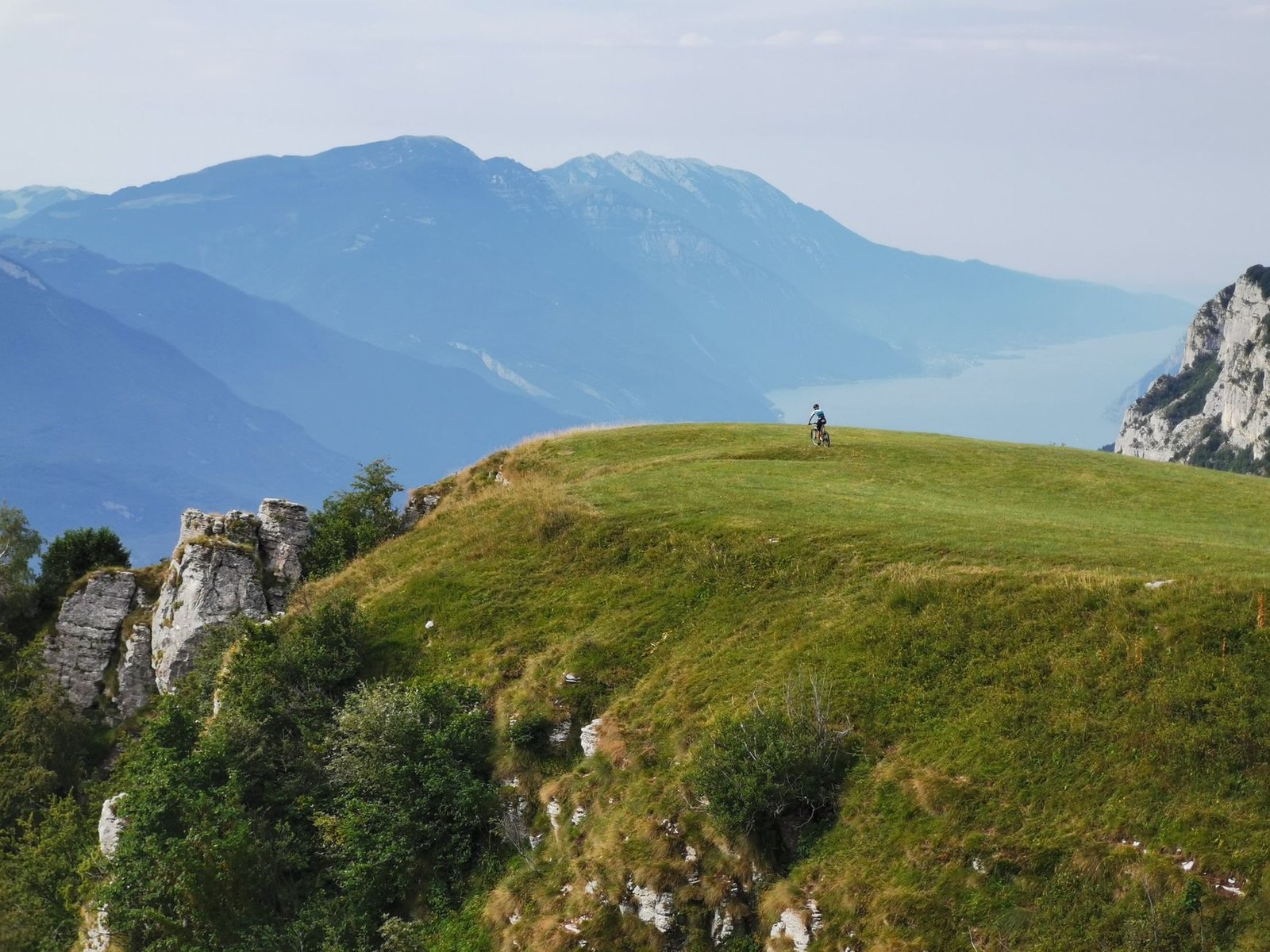
We eventually broke through the fog into brilliant sunshine near an overlook, the clouds now a soft blanket below us. The contrast was stunning, and the sense of accomplishment, having navigated the varied conditions, was immense. The Parkway teaches resilience, rewards perseverance, and offers unparalleled beauty to those willing to embrace its challenges. It is a place where every pedal stroke brings a deeper appreciation for the grandeur of nature and the simple joy of cycling.
Conclusion: Your Blue Ridge Parkway Adventure Awaits
Cycling the Blue Ridge Parkway is an experience that transcends the ordinary. It is a journey through time and terrain, a physical challenge, and a feast for the senses. From the rolling hills of Virginia to the towering peaks of North Carolina, every mile offers a new vista, a fresh challenge, and an opportunity for profound connection with the natural world. It demands respect, preparation, and a spirit of adventure, but the rewards—the breathtaking beauty, the sense of accomplishment, and the memories forged on two wheels—are immeasurable.
So, tune up the bike, pack the essentials, and begin planning an unforgettable adventure. The curves, climbs, and captivating beauty of the Blue Ridge Parkway are calling. Answer the call, and discover why this truly is America’s Favorite Ride for cyclists.
Frequently Asked Questions
What is the best time of year to go cycling on the Blue Ridge Parkway?
The best time for cycling the Blue Ridge Parkway is typically late spring (May-June) for wildflowers and fewer crowds, or fall (late September-October) for spectacular foliage. Summer is also popular but can be busier, while winter often brings road closures due to snow and ice.
Are there designated bike lanes on the Blue Ridge Parkway?
No, the Blue Ridge Parkway does not have designated bike lanes. Cyclists share the paved road surfaces with motor vehicles and are required to ride single file and well to the right, except when passing or turning left.
What are the biggest safety concerns for cyclists on the Blue Ridge Parkway?
Key safety concerns include variable weather conditions (fog, rain, temperature changes), long, dark tunnels requiring strong lights, and sharing the road with motorists. High visibility clothing, a helmet, and proper lighting are crucial, and cyclists should always be prepared for emergencies.
How challenging is cycling the Blue Ridge Parkway? Is it suitable for beginners?
Cycling the Blue Ridge Parkway is considered challenging due to its continuous elevation changes, long climbs, and descents. It is generally not recommended for beginners and requires a good base level of fitness and experience with hilly terrain.
Related Adventures
- Cycling the Netherlands Countryside and Windmill Routes: An Enthusiast’s Quick Guide
- Conquer the Coast: An Epic Guide to Bike Touring the Great Ocean Road Australia
- Conquer the South: Unveiling Epic Cycling Routes in New Zealand South Island
⚠️ Safety Notice: This content is for informational purposes only. Always consult local guides and operators, verify current conditions, and ensure appropriate skills and certifications before any outdoor activity. DiveBikeHike is not responsible for injuries or incidents.