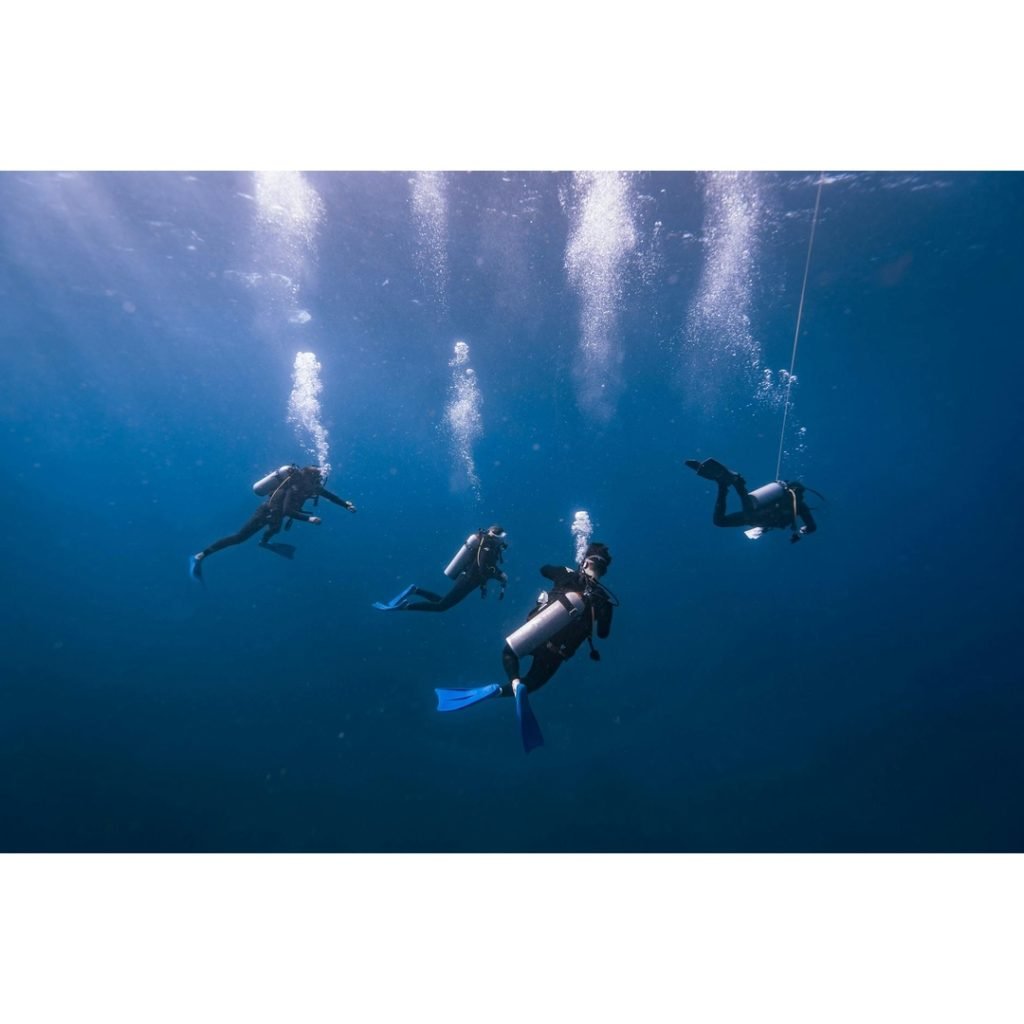
For scuba diving enthusiasts seeking an extraordinary encounter with majestic marine life, Yap in Micronesia stands as an unparalleled destination. This remote island paradise offers consistent opportunities for scuba diving Yap Micronesia with manta rays, alongside vibrant reefs and diverse pelagic species. It is a place where the ocean’s pulse is palpable, and the chance to witness these magnificent creatures in their natural habitat is not just a possibility, but a near certainty. As experienced dive masters, we have guided countless divers through these waters, and the awe inspired by Yap’s manta rays remains undiminished.
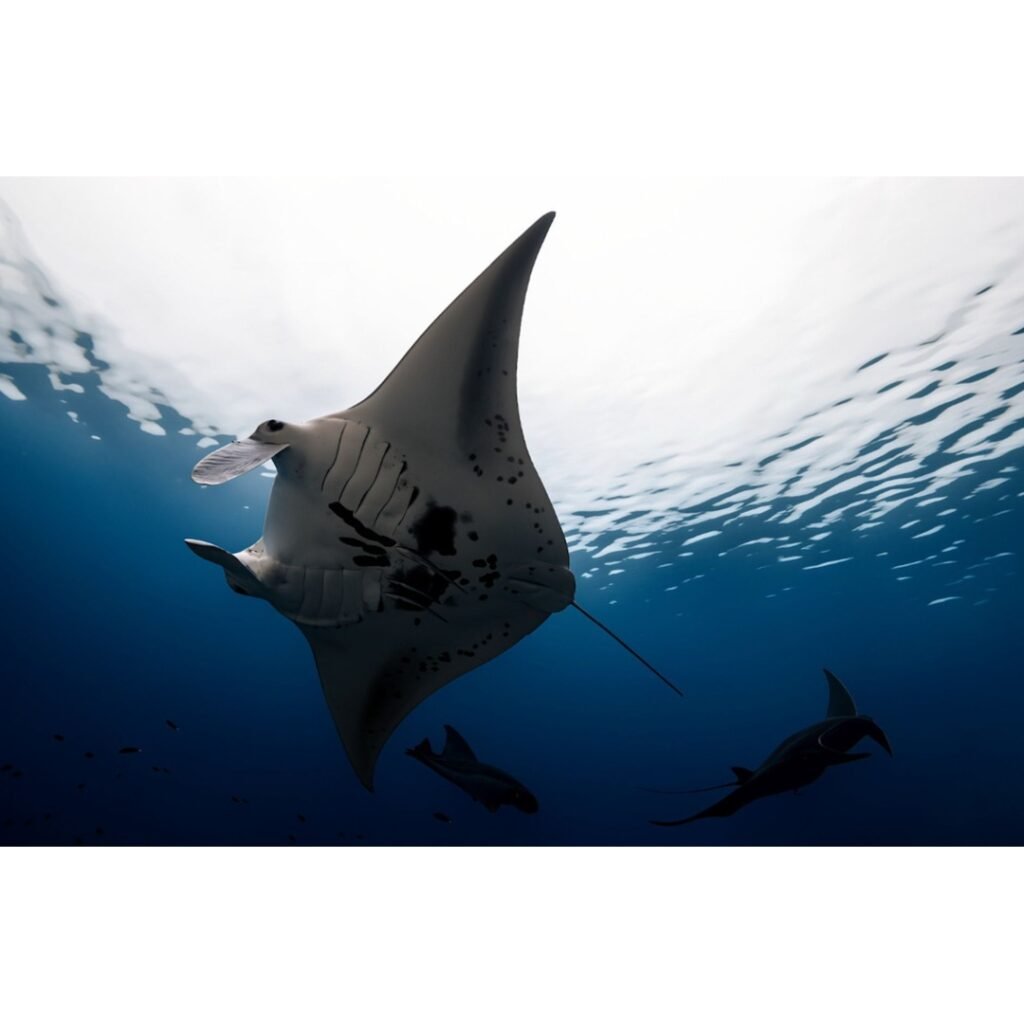
Yap, one of the four states of the Federated States of Micronesia, is a jewel in the Western Pacific. Its allure extends beyond its pristine underwater world, encompassing a rich, preserved culture known for its ancient stone money and traditional way of life. However, for many, the primary draw lies beneath the waves, where a dedicated marine sanctuary protects a resident population of reef manta rays (Mobula alfredi), making scuba diving Yap Micronesia with manta rays an iconic experience for divers worldwide.
The Undeniable Allure of Yap’s Manta Rays
Yap’s reputation as a premier destination for manta ray encounters is well-earned. The island’s unique geography, characterized by a barrier reef and tidal channels, creates ideal conditions for these gentle giants. Manta rays are year-round residents in Yap’s waters, a testament to the healthy ecosystem that supports them.
What makes Yap particularly special are its numerous cleaning stations. These specific coral formations or bommies serve as vital service stops for manta rays, where smaller cleaner fish, such as wrasses, butterflyfish, and angelfish, diligently remove parasites and dead skin from the mantas’ bodies, gills, and even mouths.
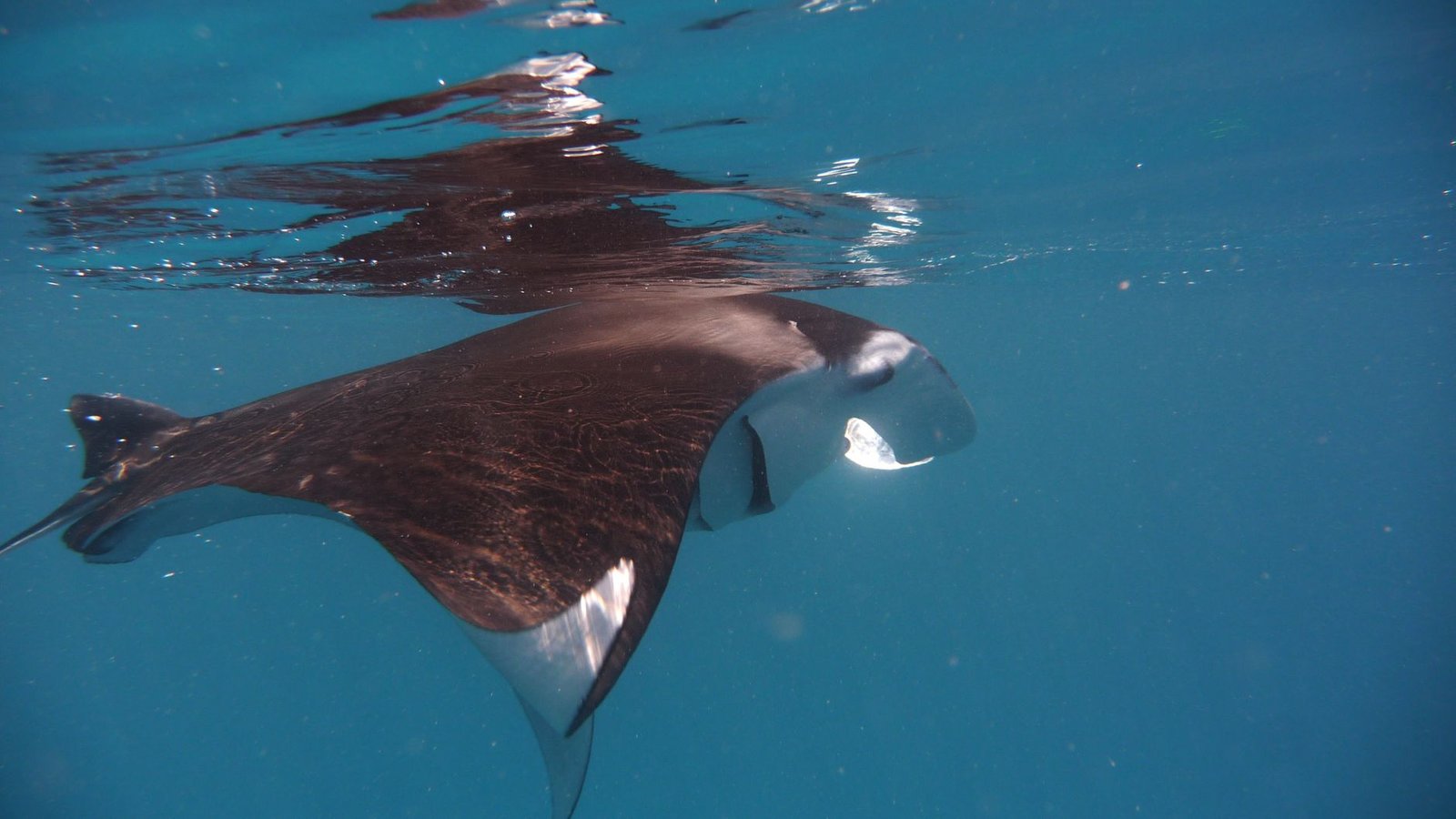
Observing this symbiotic relationship is a highlight of scuba diving Yap Micronesia with manta rays. Divers position themselves respectfully at a distance, often kneeling quietly on the sandy bottom or behind coral formations, allowing the mantas to approach freely. The rays, seemingly unbothered by the presence of divers, glide gracefully over the cleaning stations, sometimes hovering almost motionless against the current, or performing slow, deliberate circles as the cleaner fish perform their duties.
Beyond cleaning, these areas also serve as important social hubs and courtship grounds for mantas. During the mating season, typically from December to April, divers may witness impressive “courtship trains” where multiple male mantas follow a female in a mesmerizing underwater ballet.
Understanding Manta Ray Behavior and Ecology
Manta rays are filter feeders, consuming vast quantities of plankton and small fish by swimming with their wide mouths open. Their feeding behavior is a spectacle in itself, as they perform graceful barrel rolls or form “feeding chains” to maximize their intake. The health of Yap’s waters, with its rich planktonic organisms and pollution-free environment, is crucial for sustaining this resident population.
These intelligent creatures, possessing the largest brains of any fish species, are known for their curiosity. While divers should always maintain a respectful distance (generally three meters or more) and avoid sudden movements, mantas will often approach divers on their own terms, offering incredibly close and personal encounters.
The Yap State government demonstrated its commitment to these magnificent animals by establishing one of the world’s first manta ray sanctuaries in 2008. This protected area extends up to 12 miles offshore, covering over 8,200 square miles and safeguarding the habitat of Yap’s resident manta population. This conservation effort ensures that future generations can continue to experience the magic of scuba diving Yap Micronesia with manta rays.
Premier Dive Sites for Manta Encounters in Yap
Yap boasts several world-renowned dive sites specifically celebrated for their manta ray activity. Understanding the nuances of each site, including seasonal variations and typical conditions, is key to maximizing your chances of an unforgettable encounter.
M’il Channel (Manta Ridge)
M’il Channel is arguably Yap’s most famous manta ray hotspot, particularly during the trade wind months from November to May. This channel, varying in depth and sloping off into deeper waters, is frequently a drift dive, making for an exhilarating experience as divers “fly” along with the current. The channel features a sandy coral rubble bottom and vertical coral walls, adorned with hard and soft corals.
Within M’il Channel, Manta Ridge is a shallow coral formation, often around 10 meters (33 feet), where mantas congregate for cleaning. Divers can position themselves behind coral heads, observing the mantas as they gracefully approach the cleaning station. The currents here can range from mild to strong, especially during tide changes, and can even run in opposite directions at the surface and bottom, requiring careful attention to dive briefings and good buoyancy control.
Goofnuw Channel (Valley of the Rays)
Known as the “Valley of the Rays,” Goofnuw Channel is the primary manta ray site during Yap’s summer months, typically from May to October, when the trade winds shift and the eastern coast becomes calmer. This small, shallow channel feeds a large lagoon and is dotted with multiple cleaning stations along a sandy-bottomed corridor.
Dive guides often time dives here with incoming tides, as the clean ocean water flushes into the channel, enhancing visibility and aiding mantas in holding their position over cleaning stations. Depths at the cleaning stations can be as shallow as 3 meters (10 feet) and extend to around 10 meters (33 feet), with the channel bottom reaching approximately 17 meters (56 feet). Goofnuw Channel offers both exhilarating drift dives and opportunities for static observation at the cleaning stations, providing intimate encounters with Yap’s resident mantas.
You might also enjoy: Unveiling the Underwater Wonders: Diving Zanzibar Tanzania Indian Ocean
Other Notable Dive Sites
While mantas are the stars, Yap’s underwater landscape offers much more. Sites like Yap Caverns, located at the southern tip of the island, feature a network of caverns, canyons, and swim-throughs adorned with rich hard and soft corals. Here, divers can spot whitetip reef sharks resting in sandy bowls and schools of grey reef sharks and humphead parrotfish.
Spanish Wall is a series of steeply descending slopes and vertical walls, offering opportunities to see delicate white pulse corals and an abundance of pink and purple lace coral. Pelagic species and sharks are often sighted in the deeper sections.
Vertigo Reef is renowned for its shark encounters, with grey and blacktip reef sharks frequently seen cruising along the wall. Other sites like Lionfish Wall, Cabbage Patch, and Rainbow Reef (known for its night dives and mandarin fish courtship displays) showcase Yap’s diverse coral gardens and macro life, including pipefish, garden eels, and symbiotic shrimp/goby pairs.
Beyond the Mantas: Yap’s Diverse Underwater Tapestry
While the primary draw for many is scuba diving Yap Micronesia with manta rays, the island’s marine ecosystems are incredibly rich and varied. The healthy reefs and strict marine protection have fostered a vibrant underwater world that extends far beyond its famous rays.
Divers frequently encounter various shark species, including blacktip, whitetip, and grey reef sharks, which patrol the walls and channels. Eagle rays are also common sightings, often gliding gracefully alongside their larger manta cousins.
The coral reefs themselves are a kaleidoscope of color, boasting a wide variety of hard and soft corals, including massive table corals, blue staghorn, golden elkhorn, and giant brain corals. These vibrant habitats teem with an array of reef fish such as butterflyfish, angelfish, parrotfish, wrasses, and triggerfish. Schools of jacks and barracuda are often seen in the blue, and green and hawksbill sea turtles are common residents.
For macro photography enthusiasts, Yap offers a treasure trove of smaller critters. Mandarin fish, with their dazzling courtship dances at dusk, are a particular highlight. Divers can also find pipefish, razorfish, various species of shrimp and gobies, nudibranchs, octopus, cuttlefish, and moray eels.
Planning Your Unforgettable Yap Diving Adventure
Embarking on a dive trip to Yap requires some planning, but the rewards are immeasurable. Here’s what to consider:
Best Time to Visit
Yap offers excellent diving year-round, with water temperatures consistently warm, typically ranging from 27-29°C (80-84°F), making a 3mm wetsuit or rash guard sufficient for comfort.
The “manta ray season,” coinciding with the drier, cooler months, runs from December to April. During this period, manta activity, especially mating season aggregations, is at its peak, and visibility is often at its best. M’il Channel is the primary manta site during these months.
From May to November, the summer months bring slightly wetter conditions, but the ocean is usually calmer, making all reefs around Yap accessible. During this time, manta dives can be done in both M’il and Goofnuw Channels, with Goofnuw Channel becoming the summer hotspot.
Getting There
Access to Yap International Airport (YAP) is typically via Guam (GUM), with United Airlines being the primary carrier. It’s essential to plan flights in advance due to limited frequency.
Choosing a Dive Operator and Accommodation
Yap’s tourism is small-scale and intimate, with professionally run dive shops and resorts ready to accommodate divers of all skill levels. Resort-based diving is the standard approach, with most dive sites accessible within short boat rides (20-30 minutes). Some operators, like Yap Divers, are PADI 5-Star and SSI Platinum/Diamond facilities, offering a full range of courses, including specialty certifications like a Manta Ray Awareness Course.
Liveaboard options are also available for those wishing to explore Yap’s outer reef system and potentially combine it with other Micronesian destinations like Palau or Truk Lagoon.
You might also enjoy: Scuba Diving Komodo National Park Indonesia: An Unforgettable Underwater Adventure
Essential Tips for Scuba Diving Yap Micronesia with Manta Rays
To ensure a rewarding and responsible experience when scuba diving Yap Micronesia with manta rays, consider these practical tips:
- Certification Levels: While Yap offers diving for all abilities, the channels can experience strong currents. An Advanced Open Water Diver (AOWD) certification or equivalent is highly recommended, particularly for drift dives and deeper exploration.
- Buoyancy Control: Excellent buoyancy is paramount, especially at cleaning stations. Maintaining neutral buoyancy helps protect delicate corals and avoids disturbing the mantas or stirring up sediment.
- Respectful Interaction: Always follow your dive guide’s instructions. Maintain a safe distance from mantas (at least three meters), avoid sudden movements, and never chase or touch them. Position yourself to the side of cleaning stations, allowing the mantas a clear path.
- Photography: Underwater cameras are excellent for capturing these moments, but practice using your gear beforehand. Be mindful of your depth and surroundings, and avoid using flash directly on mantas, as it can disturb them.
- Nitrox: Many dive operators offer Nitrox. Utilizing enriched air can extend your bottom time, especially on repetitive dives, allowing for longer observation periods with the mantas.
Safety First: Navigating Yap’s Underwater Realm
As with any diving adventure, safety is paramount. While Yap diving is generally considered safe, certain conditions require awareness and preparedness.
Currents: The channels, particularly M’il and Goofnuw, are known for their strong tidal currents. These currents are often what bring the mantas in, but they can be challenging. Always listen carefully to your dive briefing, understand the dive plan, and stay close to your guide. Drift dives are common in these areas, and proper technique is essential.
Dive Planning: Dive conservatively, especially given Yap’s remote location. There is a recompression chamber on Yap Island, but it is always best to avoid situations that might necessitate its use. Ensure your dive computer is functioning correctly, and always adhere to no-decompression limits.
Health and Insurance: Ensure you are medically fit to dive and have comprehensive dive insurance that covers emergency evacuation and recompression treatment. Given the travel involved to reach Yap, this is a critical consideration.
Personal Insights from a Dive Master
As a dive master who has spent years exploring the world’s oceans, the experience of scuba diving Yap Micronesia with manta rays holds a special place. We recall one particular morning at M’il Channel. The current was gentle, carrying us effortlessly towards Manta Ridge. We settled onto the sandy bottom, finding shelter behind a large coral head, and waited. The visibility was exceptional, stretching for many meters, and the water was a comfortable 28°C.
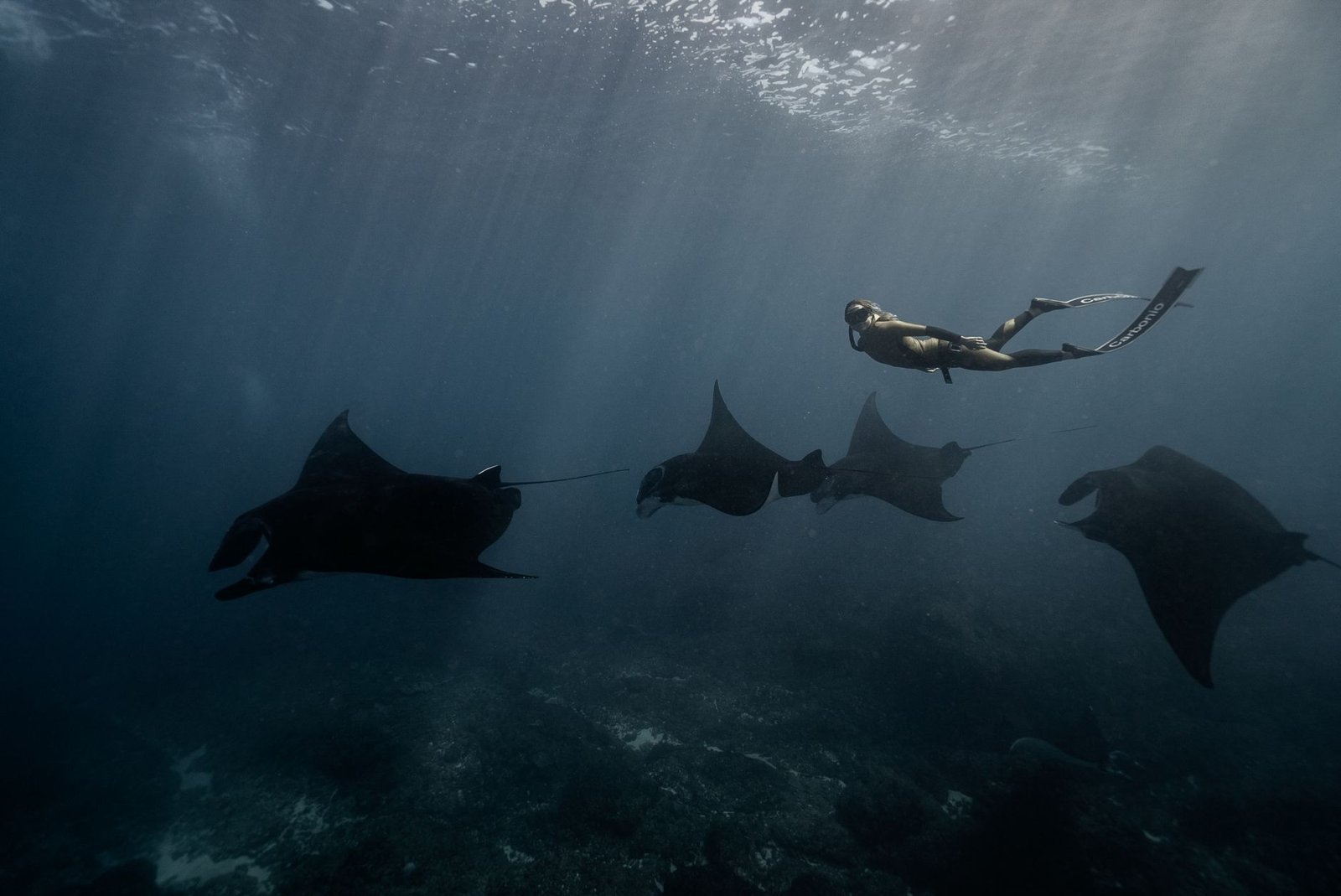
Suddenly, a shadow emerged from the blue. It was a magnificent manta ray, easily three meters across, gliding towards the cleaning station with an almost ethereal grace. It hovered, allowing the tiny wrasses to dart around its immense body, meticulously picking away parasites. Then another appeared, and another, until we were surrounded by a silent, majestic ballet of five or six mantas. They circled, took turns at the cleaning station, and occasionally, one would veer off its path, making a slow, deliberate pass directly over our heads, its enormous eyes seeming to acknowledge our presence with a calm curiosity. The sheer scale and peaceful demeanor of these animals, coupled with the vibrant activity of the cleaner fish, created a moment of profound connection with the marine world. It was a reminder of the delicate balance of nature and the privilege we have to witness such wonders. These are the moments that truly define a dive master’s passion and the unparalleled magic of Yap.
Conclusion: Your Manta Ray Odyssey Awaits
Yap in Micronesia offers an extraordinary opportunity for scuba diving Yap Micronesia with manta rays, an experience that transcends a typical dive trip. It is a journey into a vibrant, protected underwater world where encounters with these magnificent creatures are not just possible, but a defining feature of the destination. Beyond the mantas, Yap’s healthy reefs teem with diverse marine life, from various shark species and schooling pelagics to intricate macro subjects, all set against a backdrop of stunning coral formations. The island’s commitment to marine conservation, combined with its rich cultural heritage, makes it a truly unique and compelling destination for any dedicated scuba diver.
If the thought of gliding alongside giant manta rays, witnessing their graceful dance at cleaning stations, and exploring pristine Micronesian reefs ignites your adventurous spirit, then Yap awaits. Plan your dive odyssey to this remarkable island, and prepare to create memories that will last a lifetime. The silent, majestic world beneath Yap’s waves is calling.
Frequently Asked Questions
What is the best time of year for scuba diving Yap Micronesia with manta rays?
While manta rays are resident in Yap year-round, the peak season for encounters, especially during their mating season, runs from December to April. During these months, conditions are typically drier, and visibility is often at its best. M’il Channel is a prime location for manta dives during this period.
What dive sites in Yap are best for seeing manta rays?
The two most famous dive sites for manta ray encounters in Yap are M’il Channel (especially Manta Ridge) and Goofnuw Channel (also known as Valley of the Rays). M’il Channel is prominent from November to May, while Goofnuw Channel is the hotspot from May to October. Both feature cleaning stations where mantas regularly gather.
What other marine life can divers expect to see when scuba diving in Yap?
Beyond manta rays, Yap’s waters are rich with diverse marine life. Divers frequently encounter various shark species (grey, blacktip, whitetip reef sharks), eagle rays, green and hawksbill turtles, and large schools of barracuda and jacks. The reefs also host vibrant hard and soft corals, along with numerous macro subjects like mandarin fish, pipefish, and gobies.
Are strong currents a concern when scuba diving Yap Micronesia?
Currents can be a significant factor, particularly in the channels like M’il and Goofnuw, where they can range from mild to very strong, especially during tidal changes. These currents often facilitate drift dives and bring in the mantas. Dive operators provide thorough briefings, and good buoyancy control is essential for safe and enjoyable diving in these conditions.
Related Adventures
- Unveiling the Underwater Wonders: Diving Zanzibar Tanzania Indian Ocean
- Scuba Diving Komodo National Park Indonesia: An Unforgettable Underwater Adventure
- Unveiling the Ghost Fleet: An Ultimate Guide to Wreck Diving in Truk Lagoon Micronesia
⚠️ Safety Notice: This content is for informational purposes only. Always consult local guides and operators, verify current conditions, and ensure appropriate skills and certifications before any outdoor activity. DiveBikeHike is not responsible for injuries or incidents.