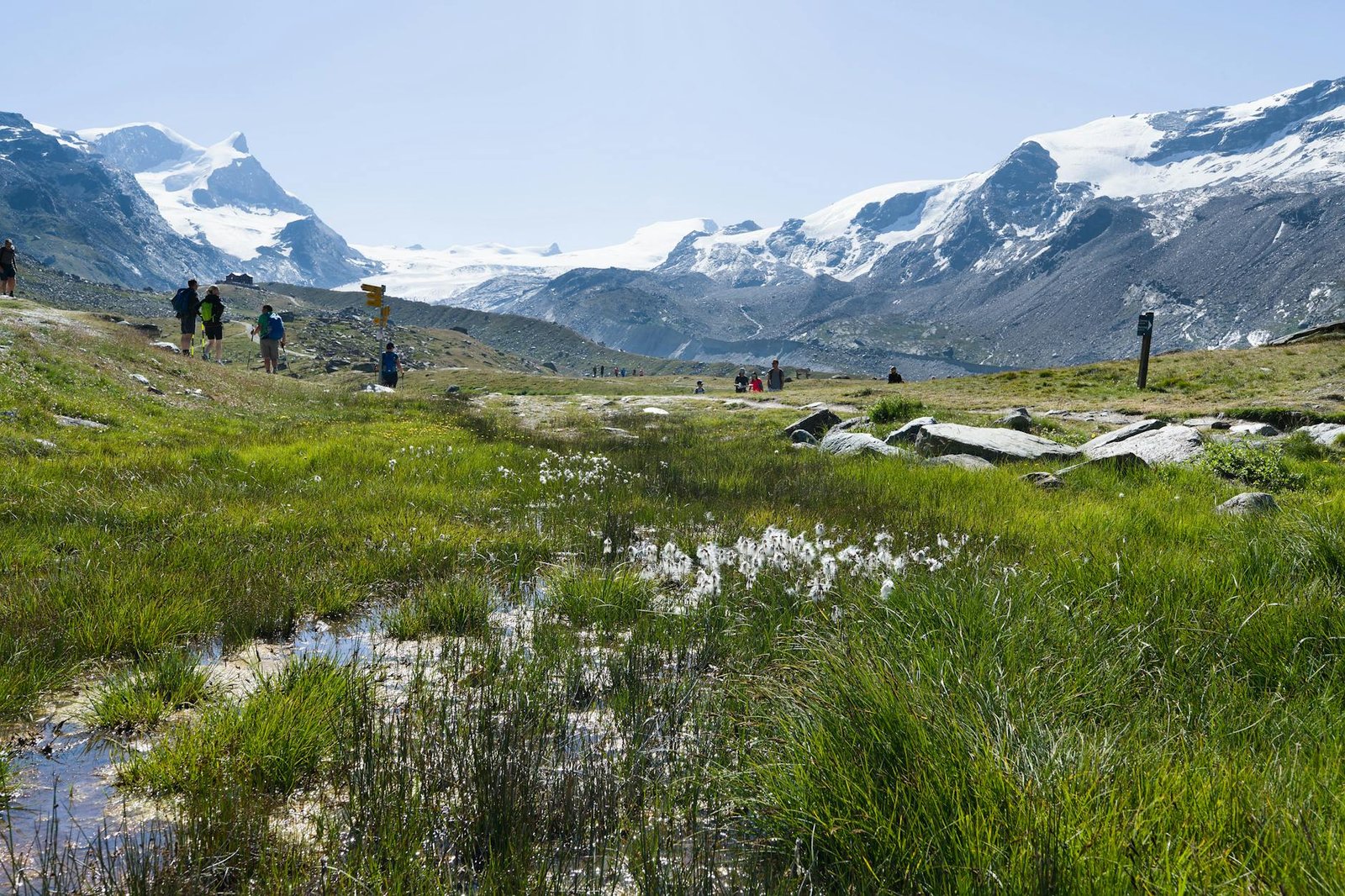
For those drawn to the profound grandeur of towering peaks and the serene beauty of alpine meadows, the Swiss Alps represent the pinnacle of hiking destinations. This is a realm where nature’s artistry is displayed on a monumental scale, inviting hikers to immerse themselves in landscapes that defy imagination. From the iconic Matterhorn to the tranquil Engadin Valley, the trails of Switzerland offer a tapestry of experiences, challenging the body while nourishing the soul. As Summit Reid, an experienced hiker who has spent countless seasons traversing these magnificent paths, one understands the deep connection forged between the hiker and these ancient mountains. This guide aims to illuminate the most captivating routes, offering practical wisdom to ensure a safe, enriching, and truly unforgettable alpine adventure.
Embracing the Alpine Majesty: Iconic Hiking Regions and Routes
The Swiss Alps are not merely a collection of mountains; they are a mosaic of distinct regions, each with its own character, challenges, and unparalleled beauty. Understanding these unique personalities is the first step in planning an expedition that resonates with one’s hiking aspirations.
The Bernese Oberland: Jungfrau Region’s Panoramic Splendor
The Bernese Oberland, home to the formidable Eiger, Mönch, and Jungfrau, is arguably the most famous and visually striking region. Its accessibility, combined with a vast network of well-maintained trails, makes it a prime choice for hikers of all levels.
- The Eiger Trail (Eigergletscher to Alpiglen): This moderately challenging 6-kilometer trail offers an intimate encounter with the North Face of the Eiger. Hikers will gain a unique perspective on the mountain’s infamous climbing history, passing directly beneath its colossal rock and ice walls. The trail provides interpretive signs detailing the tragic and triumphant tales of mountaineering, culminating in stunning views of the Grindelwald Valley. It is a journey that evokes both awe and respect for the mountain’s power.
- First Cliff Walk by Tissot & Bachalpsee Lake Hike (Grindelwald-First): Starting from the Grindelwald-First gondola station, the Cliff Walk is an exhilarating metal walkway clinging to the side of a cliff, offering dizzying views. From there, a relatively easy 3-kilometer hike leads to the crystalline waters of Bachalpsee Lake, often referred to as the “blue jewel” of the Alps. The lake perfectly mirrors the surrounding snow-capped peaks, creating a postcard-perfect scene. This route is ideal for those seeking breathtaking vistas without extreme physical exertion.
- Mürren to Gimmelwald Panorama Trail: A gentle, mostly downhill path, this trail offers continuous, unobstructed views of the Eiger, Mönch, and Jungfrau massifs. The path meanders through lush alpine meadows, past traditional chalets, and through charming hamlets. It’s a delightful walk, perfect for families or those desiring a more relaxed pace, allowing ample time to soak in the monumental scenery.
Zermatt and the Iconic Matterhorn: A Hiker’s Pilgrimage
Zermatt, a car-free village nestled at the foot of the magnificent Matterhorn, is a magnet for hikers. The trails here offer unparalleled views of Switzerland’s most recognizable peak, providing a sense of grandeur that is truly humbling.
- Five Lakes Walk (Sunnegga to Blauherd to Stellisee, Grindjisee, Grünsee, Moosjisee, Leisee): This moderately easy 9.3-kilometer loop trail is a highlight of the Zermatt region. Each of the five lakes offers a unique reflection of the Matterhorn, especially the Stellisee, which provides the most classic mirror image. The varying colors of the lakes – from deep blue to emerald green – make this an incredibly picturesque hike. It’s a route that allows one to truly appreciate the subtle shifts in light and perspective on the iconic peak.
- Gornergrat Scenic Trail (Rotenboden to Riffelsee to Gornergrat): Accessed by the Gornergrat Bahn, this trail offers some of the most spectacular glacier views in Europe, including the Gorner Glacier and 29 surrounding peaks over 4,000 meters. A shorter, incredibly rewarding walk is from Rotenboden to Riffelsee, where the Matterhorn’s reflection on a calm day is legendary. Continuing up to Gornergrat provides a panoramic spectacle that is simply unmatched.
Engadin Valley: Eastern Alps’ Serene Beauty and High-Alpine Challenges
The Engadin Valley, in the canton of Graubünden, offers a different flavor of alpine beauty – one of expansive valleys, pristine lakes, and rugged, less-crowded peaks. It’s a region known for its dry, sunny climate and a unique cultural heritage.
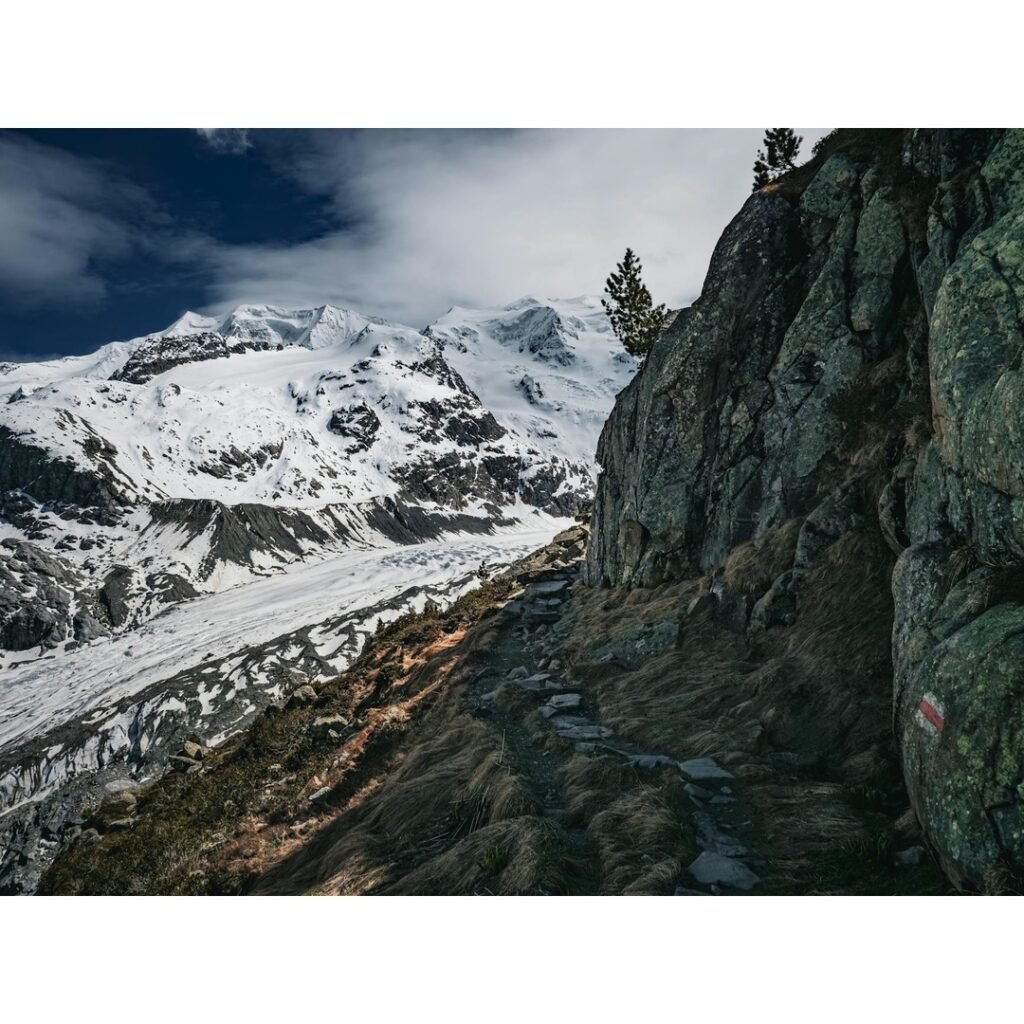
- Morteratsch Glacier Trail (Pontresina): This educational and accessible 6-kilometer round trip trail leads directly to the Morteratsch Glacier snout. Along the way, numbered markers indicate the glacier’s dramatic retreat over the decades, offering a stark visual lesson in climate change. While the glacier itself has receded significantly, the sheer scale of the surrounding peaks and the glacial landscape remains awe-inspiring. It’s a poignant reminder of nature’s power and fragility.
- Via Engadina (Segments): This long-distance trail traverses the entire Engadin Valley, offering numerous shorter segments suitable for day hikes. One popular section runs from Maloja to Silvaplana, passing by the iconic Engadin Lakes – Maloja, Sils, and Silvaplana. The route offers gentle ascents and descents through pine forests and along lake shores, with opportunities for swimming or simply enjoying the peaceful lakeside atmosphere. It’s a testament to the region’s expansive and calming beauty.
Practical Preparation: Charting Your Alpine Course
The Swiss Alps, while stunning, demand respect and thorough preparation. A successful and enjoyable hiking experience hinges on thoughtful planning.
Physical Fitness and Training
Even for moderate trails, a good level of physical fitness is crucial. Hikers should focus on cardiovascular endurance (running, cycling, swimming) and leg strength (squats, lunges, stair climbing). Incorporating hikes with elevation gain into one’s training regimen is highly recommended. The ability to comfortably carry a backpack for several hours and navigate varied terrain will significantly enhance the experience.
Essential Gear Checklist
The variable alpine weather necessitates careful gear selection. One learns quickly that conditions can change rapidly from sunshine to snow, even in summer.
- Layered Clothing: Moisture-wicking base layers, insulating mid-layers (fleece or down), and a waterproof/windproof outer shell are essential.
- Footwear: Sturdy, broken-in hiking boots with good ankle support and grip are paramount. Waterproofing is a significant advantage.
- Navigation: A detailed map (e.g., Swisstopo), compass, and a reliable GPS device or smartphone app (download offline maps) are non-negotiable.
- Safety & First Aid: A comprehensive first-aid kit, headlamp, multi-tool, whistle, and emergency blanket are vital.
- Hydration & Nutrition: Sufficient water (at least 2-3 liters for a day hike), high-energy snacks, and a packed lunch.
- Sun Protection: High-SPF sunscreen, sunglasses, and a wide-brimmed hat.
- Backpack: A comfortable daypack (20-30 liters) to carry all essentials.
- Trekking Poles: Highly recommended for stability, especially on descents and uneven terrain, significantly reducing strain on knees.
Best Time to Visit
The prime hiking season in the Swiss Alps typically runs from June to September. Early June might still see significant snow at higher elevations, while late September brings crisp air, stunning autumn colors, and fewer crowds. July and August offer the warmest weather and longest daylight hours, but also the most tourists. Always check local conditions and trail status, especially early or late in the season.
Accommodation and Logistics
Booking accommodation in advance, especially during peak season, is highly advisable. Options range from charming hotels and guesthouses in villages to rustic mountain huts (SAC huts) for multi-day treks. If planning to stay in huts, reservations are essential, and one should be prepared for basic amenities and communal sleeping arrangements.
Navigation and Safety: Respecting the Mountain’s Demands
The beauty of the Alps is coupled with inherent risks. Prudent navigation and a strong emphasis on safety are paramount.
Mastering Alpine Navigation
Swiss trails are generally very well-marked with yellow signs indicating destinations and estimated walking times. However, relying solely on these is insufficient. Hikers should always carry and know how to use a physical map and compass. Digital tools like the Swisstopo app or Komoot, with downloaded offline maps, are excellent supplements but should not replace traditional methods, especially where battery life or signal might be an issue. Always be aware of your surroundings and regularly check your position.
Understanding Weather Volatility
Alpine weather is notoriously unpredictable. Sunny mornings can quickly give way to thunderstorms, heavy rain, or even snow, particularly at higher altitudes. Always check the local weather forecast before setting out and be prepared to turn back if conditions deteriorate. Observing cloud formations and wind patterns can also provide valuable clues. When lightning strikes, avoid exposed ridges and seek shelter immediately.
Emergency Preparedness
Before embarking on a hike, inform someone of your route and expected return time. Carry a fully charged phone, but understand that reception can be spotty. In case of an emergency, the general European emergency number is 112, and the Swiss Mountain Rescue (Rega) can be reached at 1414. Knowing basic first aid is also crucial.
Hiking with Companions
While solo hiking offers a unique sense of introspection, hiking with a companion or in a small group significantly enhances safety. There’s comfort in shared experiences and the added security of having someone to assist in an emergency. The camaraderie on the trail often enriches the journey.
Environmental Stewardship: Treading Lightly
The pristine beauty of the Swiss Alps is a precious gift that hikers have a responsibility to protect. Adhering to Leave No Trace principles is not just a suggestion; it’s a fundamental obligation.
- Pack It In, Pack It Out: Carry out everything you bring in, including all trash, food scraps, and even toilet paper.
- Stay on Designated Trails: This minimizes erosion, protects fragile alpine vegetation, and prevents disturbance to wildlife.
- Respect Wildlife: Observe animals from a distance. Never feed wild animals, as it can harm their health and alter their natural behaviors.
- Minimize Campfire Impacts: If allowed, use existing fire rings. Better yet, use a stove for cooking. Ensure all fires are completely out before leaving.
- Dispose of Waste Properly: Use designated facilities if available. If not, bury human waste at least 6-8 inches deep and 200 feet from water sources, trails, and campsites.
- Leave What You Find: Do not disturb historical artifacts, natural objects, or plant life.
Through years of traversing these peaks, a deep appreciation develops for the delicate balance of the alpine ecosystem. Every hiker has a role to play in preserving its magic for future generations.
The Call of the Alps: An Invitation to Connect
The Swiss Alps offer more than just trails and views; they offer an opportunity for profound connection – with nature, with oneself, and with the timeless spirit of adventure. The crisp mountain air, the sound of cowbells echoing across valleys, the sheer scale of the landscape, and the quiet satisfaction of reaching a high pass all contribute to an experience that transcends the ordinary. It is a journey where every step is a discovery, and every vista a reminder of the world’s incredible beauty.
So, gather your gear, hone your skills, and prepare to answer the call of these magnificent mountains. The Swiss Alps await your footsteps, ready to unveil their secrets and carve unforgettable memories into the very fabric of your being. Plan your adventure, embrace the challenge, and let the spirit of the Alps transform you.
⚠️ Safety Notice: This content is for informational purposes only. Always consult local guides and operators, verify current conditions, and ensure appropriate skills and certifications before any outdoor activity. DiveBikeHike is not responsible for injuries or incidents.