For those who live and breathe the thrill of two wheels on dirt, the name British Columbia evokes a powerful sense of adventure. This Canadian province is not just a destination; it is a pilgrimage site for mountain bikers worldwide. With its unparalleled natural beauty, diverse topography, and a vibrant, dedicated cycling culture, mountain biking in British Columbia Canada offers an experience that is both challenging and profoundly rewarding. From the dense, emerald rainforests of the coast to the sun-drenched, rugged peaks of the interior, BC presents an endless playground for every style of rider.
The Undeniable Allure of Mountain Biking in British Columbia Canada
British Columbia’s reputation as a mountain biking mecca is well-earned. The province boasts a unique combination of factors that create an ideal environment for the sport. The sheer scale of its wilderness means an extensive network of trails, many of which are meticulously maintained by passionate local communities and organizations. The varied topography ensures that whether one seeks gravity-defying descents, lung-busting cross-country climbs, or technical singletrack, it can be found here. This diversity is complemented by a climate that allows for long riding seasons in many regions, extending the window for adventure.
The history of mountain biking in BC is deeply intertwined with its landscape. The late 1980s and early 1990s saw local riders in areas like the North Shore near Vancouver pioneering a distinctive style of technical riding. This involved crafting trails with innovative features such as elevated wooden bridges, teeter-totters, and drops, a style that became globally recognized as “North Shore riding.” This spirit of innovation and dedication to trail building continues to this day, making BC a leader in trail development and maintenance.
Iconic Destinations and Trail Networks
British Columbia is dotted with world-class mountain biking destinations, each offering a unique flavor of riding. Exploring these regions reveals the true depth of what BC has to offer.
Whistler: The Global Epicenter of Gravity Riding
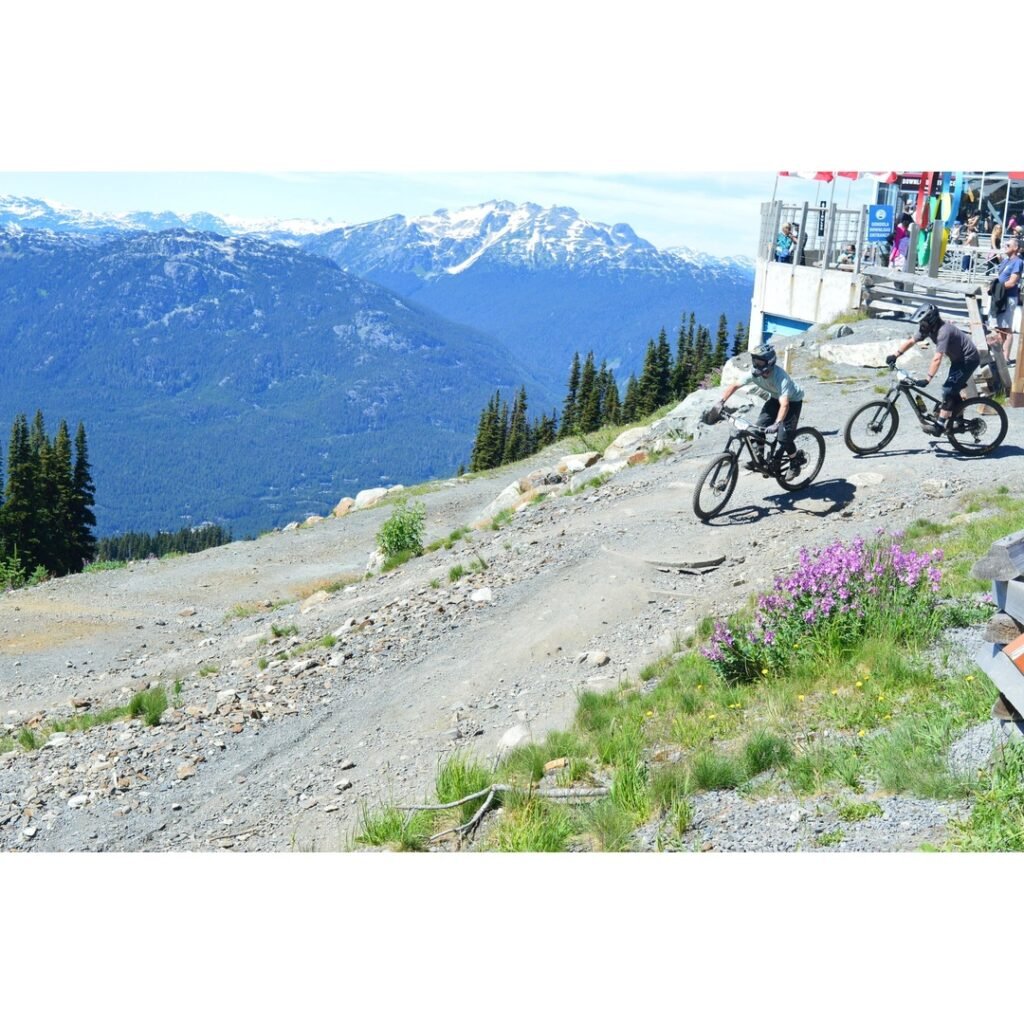
Whistler is, without a doubt, synonymous with mountain biking. The Whistler Mountain Bike Park is widely regarded as the best bike park in the world, a true mecca for downhill and freeride enthusiasts. It features over 120 trails spanning 80 kilometers and 4,900 vertical feet, catering to every level of rider, from absolute beginners to seasoned professionals.
- Fitzsimmons Zone: This is the park’s main area, offering a vast array of trails. Beginners can hone their skills on smooth, wide green trails with gentle corners, such as those marked with a green circle. Intermediate riders can progress to blue trails like B-Line, known for its flowy descents and perfectly sculpted berms.
- Garbanzo Zone: For more advanced riders, the Garbanzo Zone presents longer and more challenging trails with features like drops and jumps.
- Creek Zone: The newest zone, the Creek Zone, is designed for intermediate and advanced riders, offering diverse terrain.
Beyond the bike park, the Whistler Valley offers extensive backcountry routes and cross-country trails. Lost Lake Park, minutes from Whistler Village, provides a network of gravel paths and gentle singletrack, perfect for progression. Trails like Tin Pants, Molly Hogan, and the Zappa trails offer fun, accessible riding. For those seeking alpine epics, trails like Lord of the Squirrels offer breathtaking views and challenging climbs.
Squamish: The Outdoor Recreation Capital
Often referred to as the “Outdoor Recreation Capital of Canada,” Squamish, located between Vancouver and Whistler, boasts hundreds of kilometers of singletrack. Its trails are famous for a unique combination of granite rock slabs, deep loam, and incredible flow, offering everything from gentle cruises to hair-raising downhill descents.
- Diamond Head: This network, located northeast of Squamish, offers a mix of flow, rocks, roots, and big features. Trails like Half Nelson are iconic, known for smooth, flowy descents and sculpted berms, suitable for intermediate riders but engaging for advanced ones. Pseudo Tsuga offers technical challenges with steep rock rolls, tight switchbacks, and roots.
- Valleycliffe Area: This area provides expansive networks of singletrack, leading cross-country riders through stream beds, woodlands, and granite features.
- Early Season Riding: In spring, lower elevation trails like Squamish Estuary Trail (flat gravel) and Ray Peters (wide path with few roots) are excellent choices as higher elevation trails may still have snow or be muddy.
The North Shore: Where Technical Riding Was Born
The North Shore of Vancouver is legendary for its highly technical trails, characterized by roots, rocks, and intricate wooden features. This region is where much of BC’s mountain biking heritage was forged, with trails that demand precision and skill. While historically known for its challenging terrain, the North Shore is also developing more flowy all-mountain and cross-country trails. Riders here should be prepared for trails that are often considered more difficult than similarly rated trails elsewhere due to their technical nature.
Kootenay Rockies: Alpine Adventures and Hidden Gems
The Kootenay Rockies region, including towns like Rossland and Revelstoke, offers high-altitude trails with sweeping mountain panoramas. This area is perfect for those seeking backcountry adventures and a different riding experience compared to the coastal regions.
You might also enjoy: Conquer the Trails: Your Ultimate Guide to Mountain Biking Queenstown New Zealand
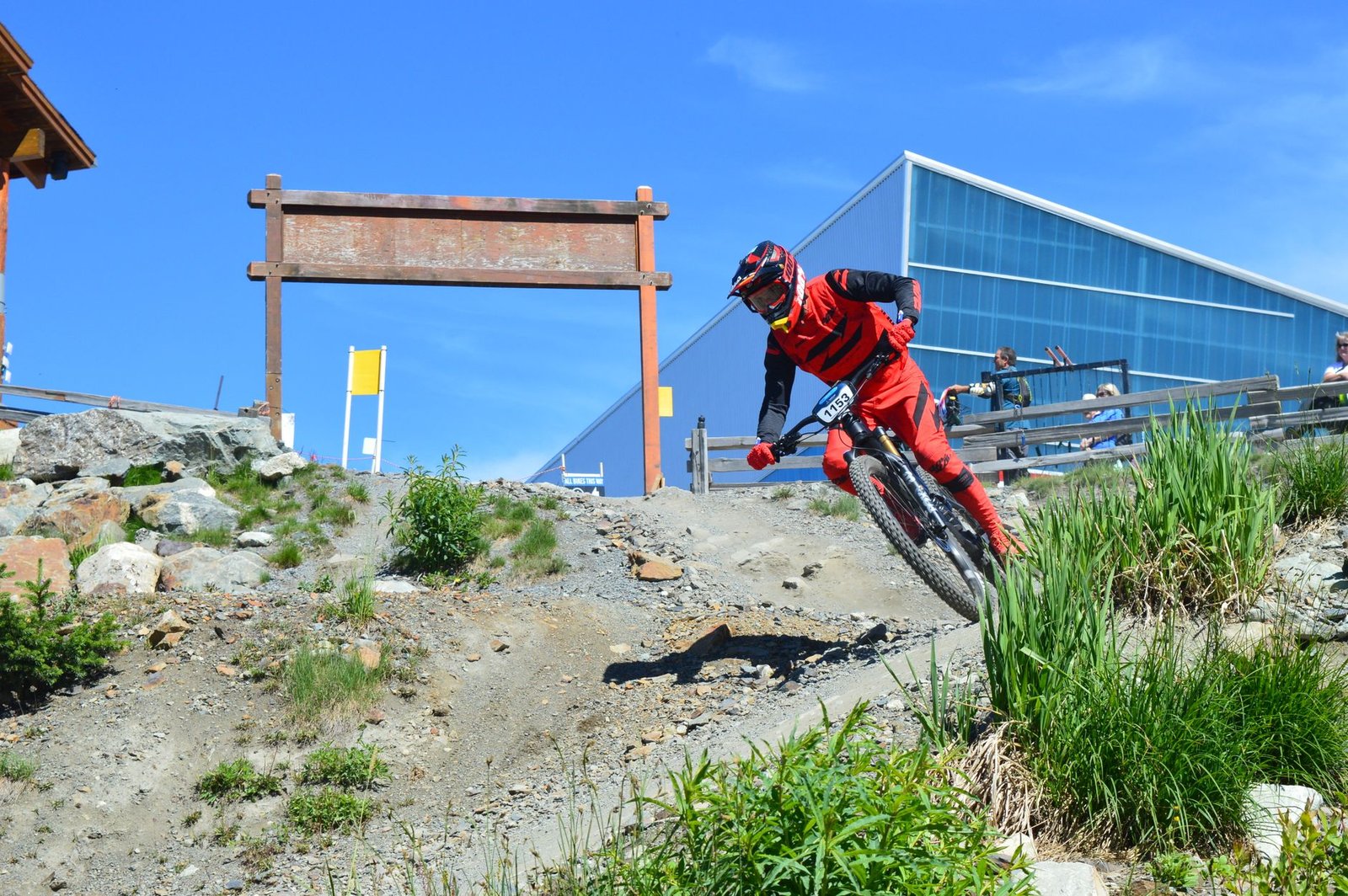
- Rossland: Home to the famous Seven Summits Trail, a spectacular point-to-point singletrack on the Rossland Ridge. This 30.4 km alpine trail averages an elevation of 2000m and provides access to seven peaks, traversing old-growth forest and grassy high alpine terrain with views of the Columbia River Valley and the Selkirk Mountains.
- Revelstoke: Fast becoming a significant biking destination, Revelstoke offers a range of trails from beginner to advanced. Frisby Ridge is an iconic alpine epic, known for its long, rewarding climbs and beautiful views from old-growth forests to high alpine ridges. Keystone Standard Basin is another technically demanding alpine epic. Revelstoke Mountain Resort also features a bike park with technical and flowy trails, including the rumored-to-be longest flow trail, Fifty-Six Twenty, with a vertical drop of 5,620 feet.
Okanagan Valley: Diverse Terrain and Scenic Views
The Okanagan Valley, stretching from Penticton to Vernon, offers a unique mountain biking experience with its beautiful mountain desert regions, glacial-carved valleys, and extensive singletrack networks. The terrain here is diverse, ranging from smooth paths to heart-pounding, ultra-steep routes.
- Kelowna Area: Myra-Bellevue Provincial Park (Crawford Trails) boasts over 150 km of multi-use trails, from flowy singletrack to technical rock gardens. Knox Mountain Park, just minutes from downtown Kelowna, offers urban-accessible trails for all levels with sweeping views of the city and Okanagan Lake. Gillard trails, known as the Okanagan’s original freeride trails, offer fast singletrack, jumps, rock, and wooden features for intermediate to expert riders.
- Vernon Area: Kalamalka Lake Provincial Park features 70km of singletrack, with smooth cross-country climbs and challenging rocky, slabby, and rooty sections. Ellison Provincial Park is known for smooth, flowing singletrack, ideal for beginners and intermediate riders.
Understanding Trail Types and Difficulty Ratings
British Columbia’s trails are typically rated using a system that aligns with International Mountain Bicycling Association (IMBA) guidelines, though local interpretations can vary. It’s crucial to understand these ratings to ensure a safe and enjoyable ride.
- Green Circle (Easy/Beginner): These trails feature gentle climbs, smooth surfaces, and easily avoidable obstacles. They are ideal for new riders or those looking for a relaxed experience. Examples include parts of the Valley Trail in Whistler or the Squamish Estuary Trail.
- Blue Square (Intermediate/More Difficult): Requiring some riding experience, these trails often involve steady climbing, uneven footing, and features like small rock rolls, jumps, or logs. They may have an average grade of up to 10%. Many flow trails fall into this category, such as Whistler’s B-Line or Squamish’s Half Nelson.
- Black Diamond (Advanced/Most Difficult): These trails demand considerable experience and can be physically demanding. They often feature steep slopes, technical terrain with frequent obstacles (roots, rocks up to 40cm high), and challenging technical trail features (TTFs). The North Shore is famous for its black diamond trails.
- Double Black Diamond (Expert/Extremely Difficult): Reserved for expert riders, these trails present the most challenging terrain with very steep grades, extremely frequent and large obstacles (over 60cm high), and mandatory technical features that require high skill and commitment.
It is important to note that trail difficulty can be subjective, and a “blue” trail in a highly technical area like the North Shore might feel more like a “black” elsewhere. Always ride within your limits and scout features if unsure.
Essential Gear and Bike Setup for BC Trails
To fully enjoy the diverse terrain of British Columbia, having the right equipment is paramount. While specific brands are a personal choice, certain types of gear are highly recommended.
- The Right Bike:
- Trail/All-Mountain Bike: For most riders exploring BC’s varied singletrack, a full-suspension trail or all-mountain bike with 130-160mm of travel is an excellent choice. This offers a balance of climbing efficiency and descending capability.
- Enduro Bike: If gravity-fed descents and technical terrain are the primary focus, an enduro bike with 160-180mm of travel will provide more confidence and capability.
- Downhill (DH) Bike: For dedicated bike park riding (e.g., Whistler Bike Park) or shuttle-accessed downhill trails, a full DH bike with 200mm+ travel is ideal.
- Cross-Country (XC) Bike: Lighter, shorter travel (100-120mm) XC bikes are suitable for less technical, longer climbs and smoother singletrack, especially in areas like the Okanagan.
- Protection:
- Helmet: A helmet is mandatory. For bike park riding or aggressive trail riding, a full-face helmet is strongly recommended.
- Knee Pads & Elbow Pads: Highly recommended for all but the easiest trails, providing crucial protection against scrapes and impacts.
- Gloves: Protect hands from abrasions and improve grip.
- Body Armor: For advanced downhill or freeride, chest and back protectors can offer significant safety.
- Tires: BC’s varied conditions, from wet roots to loose dirt and rock slabs, demand aggressive tires with good grip. Tubeless setups are highly recommended to prevent pinch flats and allow for lower, more compliant tire pressures.
- Hydration and Nutrition: Carry ample water, especially on longer rides. A hydration pack is often preferred over water bottles for stability on rough terrain. Energy bars, gels, and snacks are essential for sustained effort.
- Repair Kit: A multi-tool, tire levers, spare tube or tubeless repair kit, and a small pump are indispensable. Knowing how to use them is equally important.
- First Aid Kit: A compact first aid kit is crucial for any backcountry adventure.
Technique and Skill Development for BC Terrain
British Columbia’s trails will challenge and refine a rider’s skills. Focusing on specific techniques can significantly enhance the experience and safety.
- Body Position: Maintain an athletic, neutral stance over the bike, ready to absorb impacts and shift weight. On descents, drop the heels and keep elbows and knees bent.
- Braking: Master progressive braking, using both front and rear brakes effectively. Avoid skidding, as it damages trails and reduces control. Feather the brakes rather than grabbing them, especially on steep or loose sections.
- Cornering: Practice cornering techniques, leaning the bike more than the body into turns, and looking through the corner. Berms in places like Whistler or Squamish are perfect for practicing high-speed cornering.
- Technical Climbing: BC trails often feature rooty and rocky climbs. Maintain momentum, choose the right gear, and use precise pedal strokes. Body weight shifts are critical to maintain traction.
- Descending Technical Terrain: This is where BC shines. Learn to read the trail, identify lines through rock gardens and root sections, and practice rolling over obstacles rather than jumping them if unsure.
- Drops and Jumps: Start small and progress gradually. Whistler Skills Park is an excellent place to practice these features in a controlled environment. Always scope out features before attempting them.
- Vision: Look far ahead on the trail, anticipating upcoming features and choosing lines. Avoid fixating on obstacles directly in front of the wheel.
Consider taking a skills clinic or hiring a local guide, especially when visiting for the first time. Many areas, like Squamish, offer guided tours and lessons.
Safety and Trail Etiquette in the BC Wilderness
Riding in British Columbia’s wilderness requires a strong commitment to safety and responsible trail use. The province’s trails are often multi-use, shared with hikers, trail runners, and even horses.
- Yielding: Mountain bikers should generally yield to other non-motorized trail users, including hikers and horses. Downhill riders should yield to uphill traffic, unless the trail is clearly marked as one-way. When encountering horses, stop, move off the trail, and communicate with the rider.
- Control Your Speed: Always ride within your limits and at a speed that allows you to stop safely, especially around blind corners.
- Stay on Designated Trails: Do not cut switchbacks or ride off established routes, as this causes erosion and damages the environment. If a section is muddy, ride through it, not around it, to avoid widening the trail.
- Wildlife Awareness: British Columbia is home to diverse wildlife, including bears, deer, and cougars. Make noise while riding, especially in dense foliage or around blind corners, to avoid surprising animals. Carry bear spray and know how to use it. Never approach or feed wildlife.
- Be Prepared: The weather in BC can change rapidly, especially in alpine areas. Carry extra layers, food, water, and emergency communication devices. Inform someone of your route and expected return time. Cell service can be intermittent in many backcountry areas.
- Leave No Trace: Pack out everything you pack in. Respect the natural environment and sensitive plant life.
- Support Trail Associations: Local mountain bike clubs and associations are often responsible for building and maintaining trails. Consider donating or volunteering to support their efforts.
Planning Your BC Mountain Biking Adventure
A successful trip to British Columbia for mountain biking requires careful planning.
You might also enjoy: Unveiling the Flow: Your Ultimate Guide to Mountain Biking Kingdom Trails Vermont
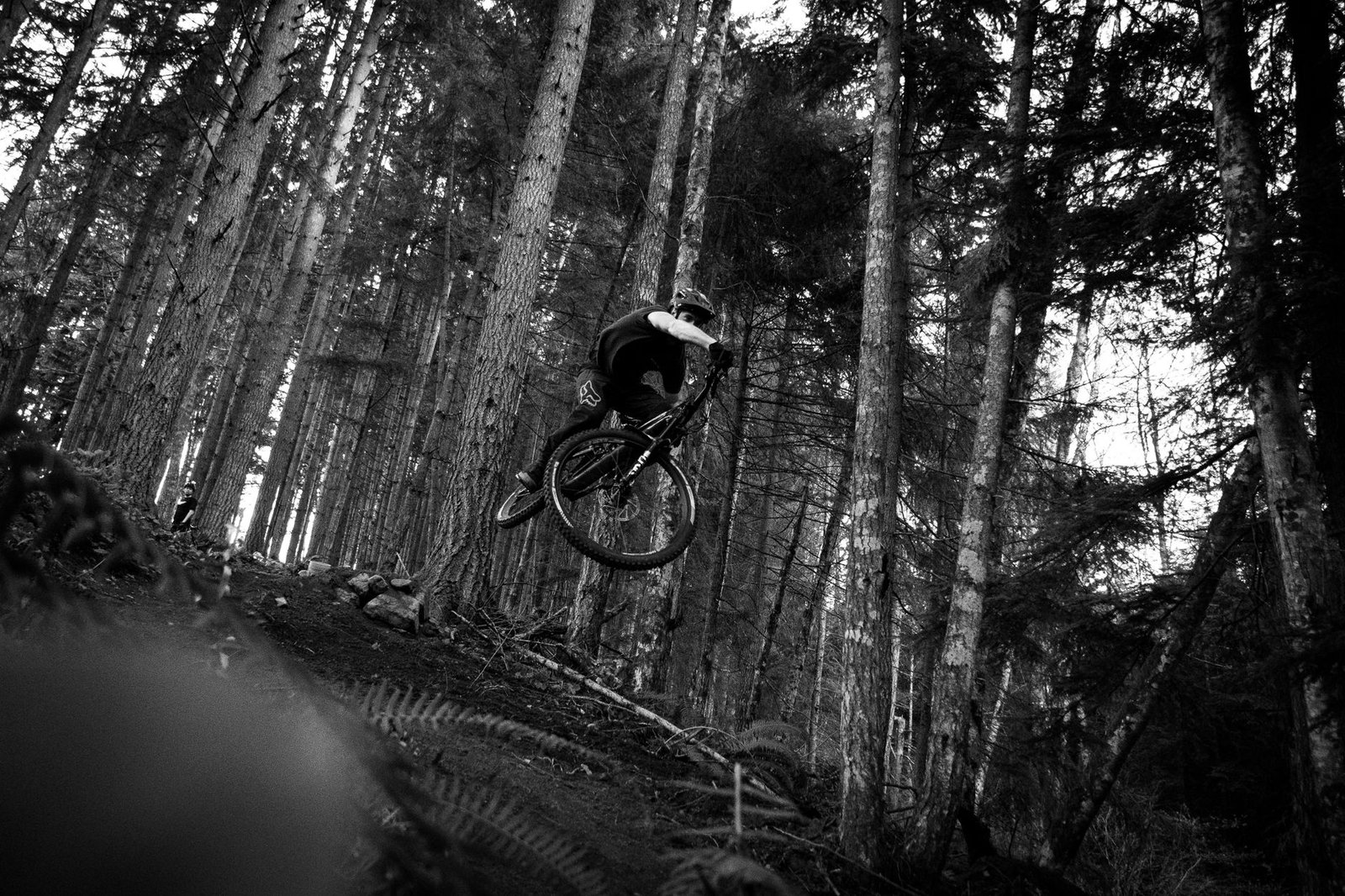
- Best Time to Visit: The prime mountain biking season generally runs from May to October.
- Early Season (May-June): Lower elevation trails are typically open, offering tacky dirt and fewer crowds. Alpine trails may still be snow-covered.
- Peak Season (July-August): All trails, including high alpine routes, are generally open. However, trails can be dusty, and popular areas like Whistler can be crowded. Wildfire smoke can also be a concern during these months.
- Fall (September-October): Often considered the “sweet spot” by many riders, fall brings cooler temperatures, tacky trail conditions, vibrant foliage, and fewer crowds. Alpine trails are often still accessible.
- Accommodation and Logistics: Many mountain biking towns offer a range of accommodation options, from campgrounds to hotels. Consider booking well in advance, especially for peak season. For transportation, a vehicle capable of handling forest service roads (often required for trailhead access) is beneficial. Shuttle services are available in some areas like Squamish.
- Resources: Utilize resources like Trailforks for up-to-date trail maps, conditions, and difficulty ratings. Local bike shops are invaluable sources of information, offering advice, rentals, and repairs.
Personal Insights from the Trails (as Alex Trail)
Having spent countless seasons exploring the incredible networks of mountain biking in British Columbia Canada, we have witnessed firsthand the transformative power of these trails. There’s a particular magic in descending a technical North Shore trail, roots and rocks blurring beneath the wheels, feeling the bike come alive with every input. The sheer variety means that one day can be spent carving perfect berms in Whistler, and the next, navigating the ancient forests of Revelstoke. We recall a particularly memorable ride on Rossland’s Seven Summits, where the expansive alpine views were as challenging to comprehend as the 30-kilometer traverse itself. It’s these moments, pushing personal limits amidst such breathtaking scenery, that truly define the BC mountain biking experience.
The community aspect is also something we deeply cherish. From impromptu trailside chats to sharing post-ride stories at local breweries, the camaraderie among riders here is palpable. We’ve seen beginners find their footing on the flow trails of Squamish’s Diamond Head, their smiles radiating pure joy, and witnessed seasoned veterans tackle lines that seemed impossible. This progression, this shared passion, is what makes British Columbia more than just a collection of trails; it’s a living, breathing ecosystem for mountain biking enthusiasts.
Conclusion: Your BC Mountain Biking Journey Awaits
British Columbia offers an unparalleled mountain biking adventure, a diverse tapestry of trails, landscapes, and experiences that beckon riders from every corner of the globe. Whether one seeks the adrenaline of gravity parks, the endurance challenge of cross-country epics, or the technical mastery demanded by legendary singletrack, mountain biking in British Columbia Canada delivers. It is a place where skills are honed, spirits are uplifted, and unforgettable memories are forged against a backdrop of some of the world’s most stunning natural beauty.
So, tune up the bike, pack the essentials, and prepare for an adventure of a lifetime. The trails of British Columbia are calling. Are you ready to answer?
Frequently Asked Questions
What is the best time of year for mountain biking in British Columbia?
The best time for mountain biking in British Columbia generally spans from May to October. The shoulder seasons of late spring (May-June) and fall (September-October) often offer ideal conditions with cooler temperatures, tacky trails, and fewer crowds, though alpine trails may open later in the summer.
What kind of bike is best suited for British Columbia’s trails?
Given the diverse terrain, a full-suspension trail or all-mountain bike with 130-160mm of travel is often the most versatile choice for British Columbia’s trails. For dedicated bike park riding or aggressive downhill, a downhill (DH) bike is recommended, while cross-country (XC) bikes are suitable for less technical, longer rides.
Are there beginner-friendly mountain biking trails in British Columbia?
Yes, British Columbia offers numerous beginner-friendly trails. Destinations like Whistler Mountain Bike Park have dedicated green trails designed for new riders, and areas like Squamish (e.g., Squamish Estuary Trail, Ray Peters) and the Okanagan (e.g., Ellison Provincial Park) also feature extensive networks suitable for beginners and intermediate riders.
What are the essential safety precautions for mountain biking in BC?
Essential safety precautions for mountain biking in BC include always wearing a helmet, riding within your skill level, carrying a first aid kit and repair tools, and informing someone of your trip plan. It is also crucial to be aware of wildlife, especially bears, and to practice proper trail etiquette by yielding to other users and staying on marked trails.
Related Adventures
- Conquer the Trails: Your Ultimate Guide to Mountain Biking Queenstown New Zealand
- Unveiling the Flow: Your Ultimate Guide to Mountain Biking Kingdom Trails Vermont
- Conquer the Peaks: An Epic Mountain Biking Journey Through Morocco’s Atlas Mountains
⚠️ Safety Notice: This content is for informational purposes only. Always consult local guides and operators, verify current conditions, and ensure appropriate skills and certifications before any outdoor activity. DiveBikeHike is not responsible for injuries or incidents.